Évora Food: What to Eat in the Alentejo Capital
What to eat in Évora, from farinheira à bras to convent sweets, plus the restaurants, bakeries and market stops worth planning your day around.
On this page
Évora food comes down to a handful of things done well: bread, pork, olive oil and sugar-heavy convent sweets. Two nights gives you enough meals to try the local classics and still eat at one serious restaurant, while a day trip usually stretches to a single sit-down lunch plus a bakery stop. This guide sets out the dishes to look for, the places that serve them and how to order sensibly.
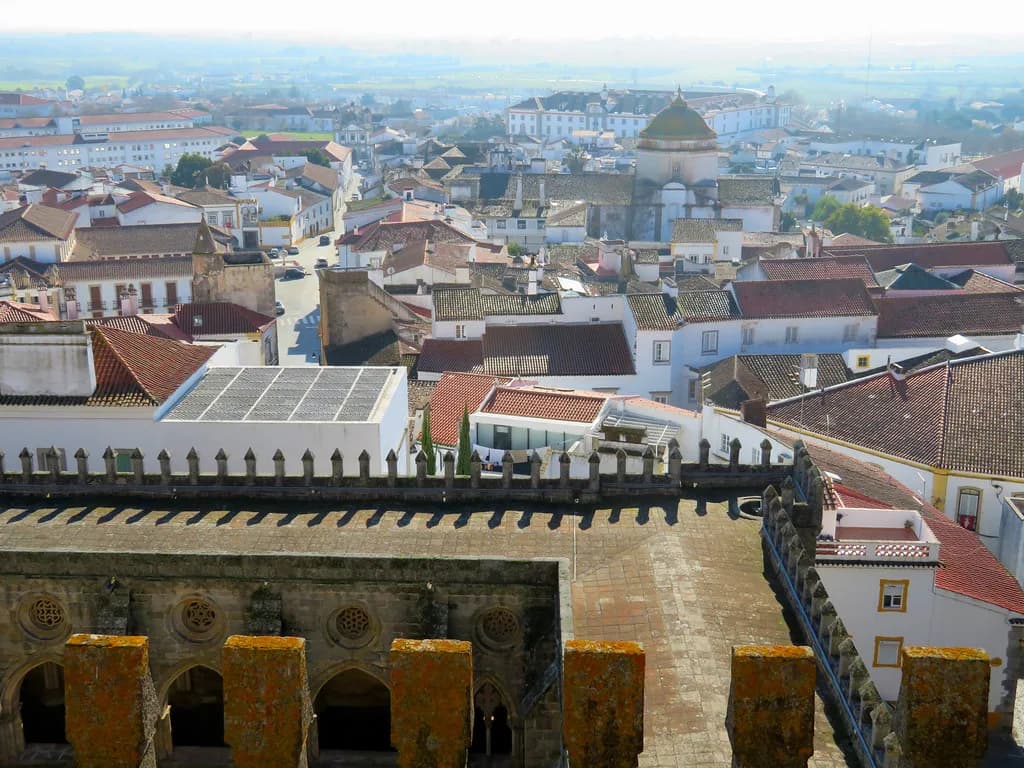
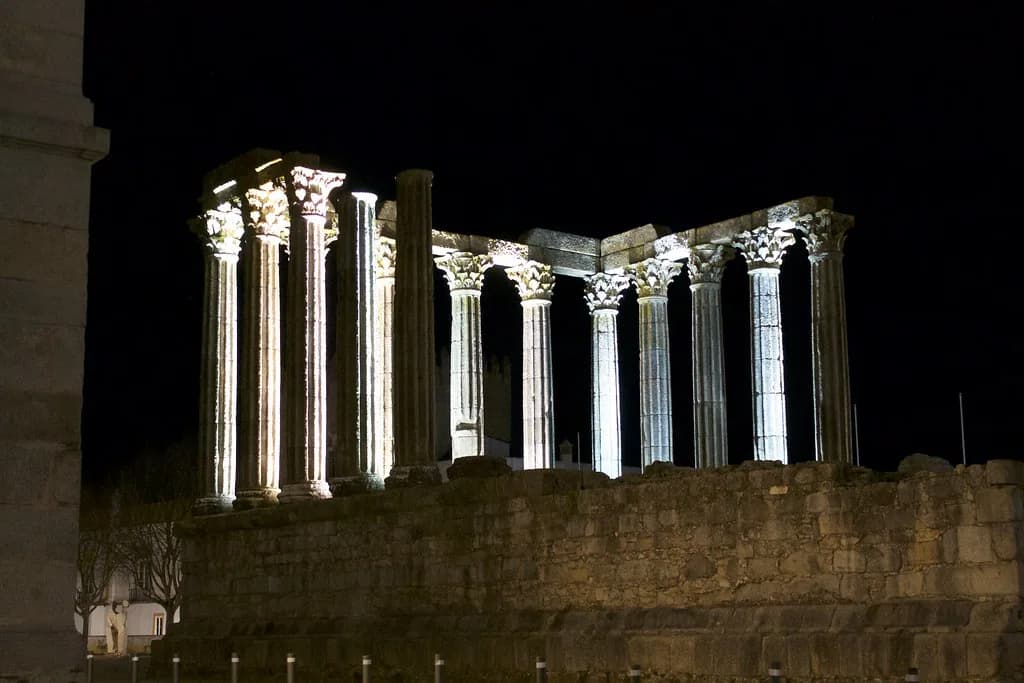
The city is compact, and edible stops slot naturally between sights such as the Capela dos Ossos at the Igreja de São Francisco and the Roman Temple near Jardim Diana. Plan one bakery stop in the morning, one proper lunch and one dinner, and leave room for a small plate in between. The rest of your eating is best decided by which part of the old town you are walking through.
What Évora food is: Alentejo cooking built on bread, pork and olive oil
Alentejo cooking is rural and generous: dry-cured pork, bread used as a base and a thickener, local olive oil poured over most things, and eggs folded into savoury dishes. Évora sits at the centre of that tradition, and the menus you will meet in the old town lean on it rather than on coastal fish. Expect robust flavours and portions that reward sharing.
Reviews of Évora restaurants mention some cuts that surprise British and American visitors, including pig ears and cheeks. That is a feature of the local kitchen rather than a gimmick, and ordering one such dish alongside a safer choice is the easiest way to taste the region without committing a whole meal to it. If offal is not for you, bread, cheese and olive oil give plenty of cover.
The city's kitchens are also known for small, family-run rooms rather than long dining halls, which shapes how you plan an evening: fewer covers, more reason to book ahead. That applies especially at weekends and in the warmer months.

The dishes to try first
Start with farinheira à bras, a warm dish of smoked bread sausage with fried tomato and creamy scrambled egg. A restaurant review of Origens describes it as the one dish left permanently on a menu that otherwise changes with the seasons, and notes roasted olives scattered on top. It is comforting rather than showy, and it is the single best introduction to Alentejo flavour if you order only one local plate.
Alentejo pork is the other pillar, and the region's pork dishes reward slow cooking. Look for pork loin and other slow-cooked pork dishes on menus, and pair them with a local red rather than a heavy sauce. Deep-fried and slow-braised dishes both appear, so ask what the kitchen does best that day.
Vegetables and salads are worth ordering here too, partly because the olive oil makes them. One account of an Évora tasting menu singles out carrots served with olives, cheese, bread and oil as a highlight, which says a lot about how far good produce and good oil will carry a plate. Octopus, baked and served with sweet potatoes, is another dish that shows the kitchen's range.
Convent sweets: queijadas, pão de rala and sericaia
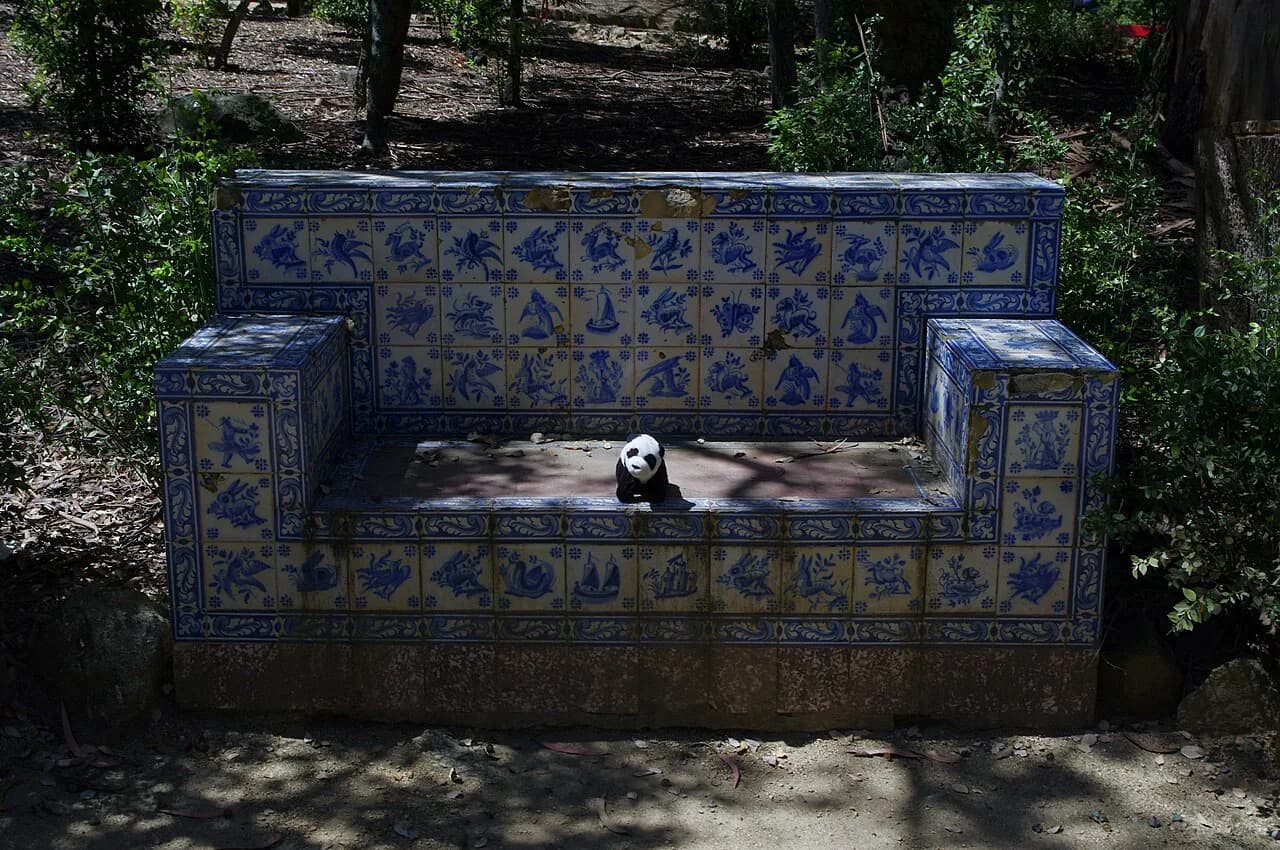
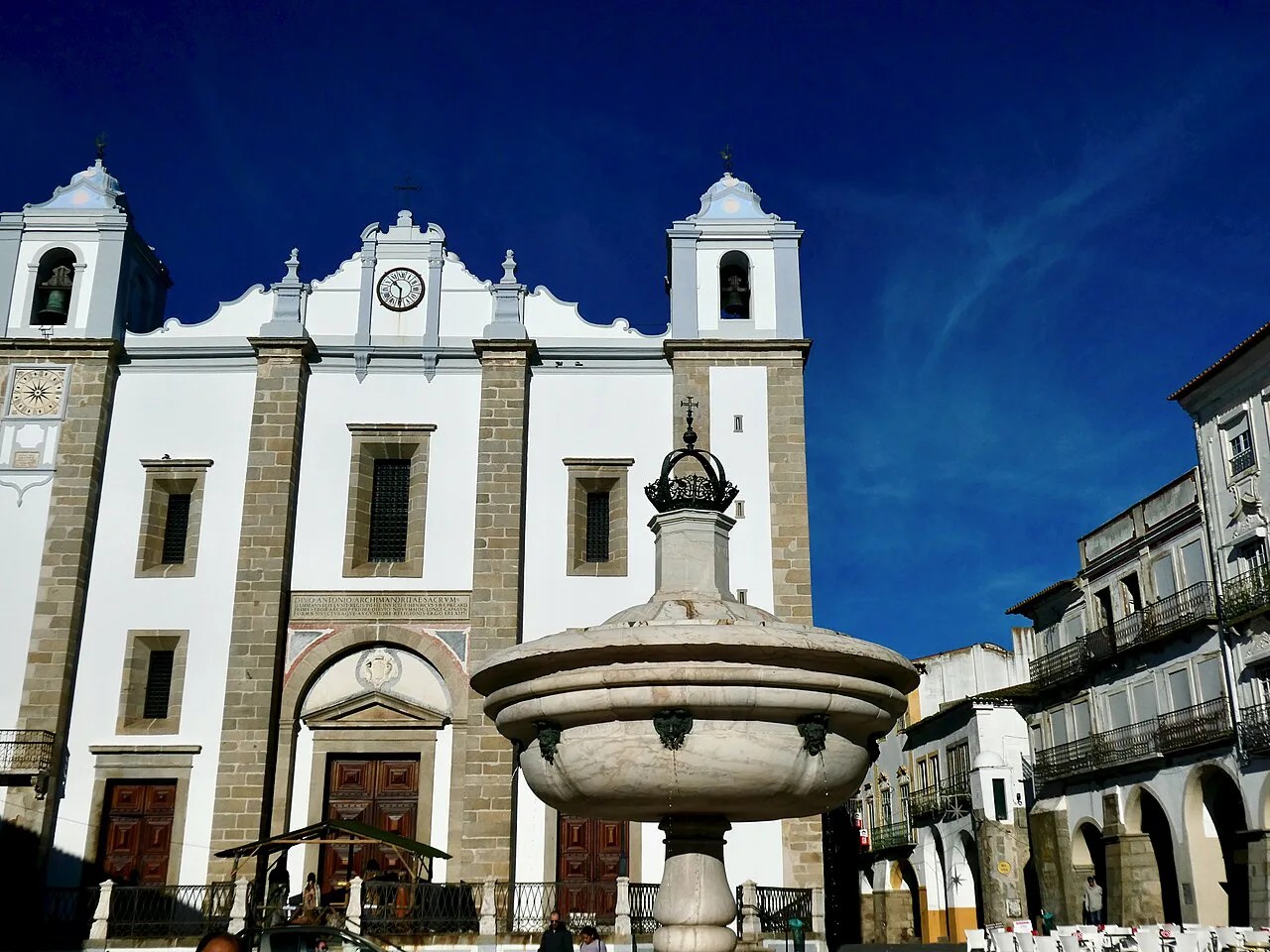
Évora's sweet tradition comes from its convents, and the doces conventuais are built on egg yolks and sugar. Pastelaria Conventual Pão de Rala is the bakery to head for, with a counter of traditional sweets and interiors finished in blue-and-white azulejos. Go mid-morning, when it works as a break between the Capela dos Ossos and the cathedral rather than as a separate trip.
Three sweets are worth knowing by name. Queijadas de Évora are small cheesecakes, pão de rala is a local stuffed cake, and sericaia is a fluffy, soufflé-like sponge. Order two or three between a pair of you with coffee rather than committing to one large pastry, and you will get the measure of the tradition in a single sitting.
Pair the sweets with coffee rather than a full meal, and treat the bakery as the anchor of a morning walk. The old town streets between Praça do Giraldo and the cathedral are where most of your walking will happen anyway, so a bakery stop costs you no detour.
Olive oil and Alentejo wine at the table
Alentejo is a serious olive oil and wine region, and both reach the table as produce rather than performance. One restaurant account reports a broad local wine selection and a kitchen built around regional products, which makes asking for a regional bottle a reasonable default. The oil is often the more memorable half of the equation: fresh, grassy and poured without ceremony.
You do not need a tasting session to engage with either. Order a glass of local white with a starter and a red with pork or octopus, and ask staff which producer they are pouring that week. Keep wine as an accompaniment to the meal rather than the reason for it, and you will eat better across a short break.
A small, seasonal menu: Origens restaurant
Origens is a small Évora dining room that seats about 24 guests, which is the single most practical fact about it: without a reservation you may not get in. The kitchen serves regional produce on a menu that changes with the season, and the restaurant recommends that two people share two starters and one main course. That is a sensible template for any sharing-style meal in the city.
The Michelin guide recommended Origens in November 2017, without awarding a star. Treat that as a useful signal of quality rather than a current ranking, and do not assume the cooking you read about in early 2018 is what you will be served now: the menu had already been rewritten seven times by February 2018, and it moves with what is available.
If you want one dinner that feels like an occasion rather than a quick plate, this is the room to build an evening around. Book it for your first night so the rest of the trip can stay loose, and use lunchtimes for simpler eating.
How to order and share
Portuguese portions in Évora tend towards the large, and the local habit of sharing starters makes ordering easier than it looks. The two-starters-one-main rule for two people is a reliable starting point at a small sharing-focused kitchen; add a dessert only if you have skipped the bakery earlier.
Ask what a dish actually contains before you commit, particularly with sausages and offal-based plates, and check whether a couvert of bread, olives and cheese is brought to the table unrequested — it is a charge rather than a gift in Portugal. The same conversation is the moment to flag any dietary needs.
Booking and timing
A 24-seat room fills quickly, so reserve Origens before you travel rather than on the day, and say at the time of booking if you need a vegetarian or vegan meal. The restaurant offers both but needs advance notice so the kitchen can plan a dish, which is the detail most likely to derail a booking. Confirm the reservation in writing if you are booking by phone or through a platform.
For other restaurants, the practical approach is to book your one big dinner and leave lunches open, since the old town is small enough to walk between options. Do not assume a specific weekday closure for a named place without checking it directly; Évora's restaurant opening days vary by venue and season, and TheFork's Évora listings are a reasonable place to start comparing what is currently trading.
Plan lunch for the middle of the day and keep a bakery stop for the mid-morning gap. If you are visiting as a day trip from Lisbon, the drive takes roughly 1.5 hours, which puts a late lunch within easy reach of an early start.
Vegetarian and vegan eating in Évora
Vegetarian and vegan meals exist in Évora, but the useful rule is to declare your needs when you book, not when you sit down. Origens serves vegetarian and vegan food only when the kitchen has been told in advance, which is common in small rooms with fixed, seasonal menus. Larger restaurants with à la carte lists are more forgiving at short notice. Our guide to vegetarian restaurants in Évora covers the meat-free options in more detail.
Outside those rooms, the city's basic ingredients work in your favour: bread, olive oil, cheeses, vegetables and pastries give you a decent fallback meal without much hunting. A bakery stop plus a salad or a cheese plate is a perfectly good lunch. The main risk is arriving at a small restaurant without notice and finding nothing suitable.
Coffee and pastry stops between the sights
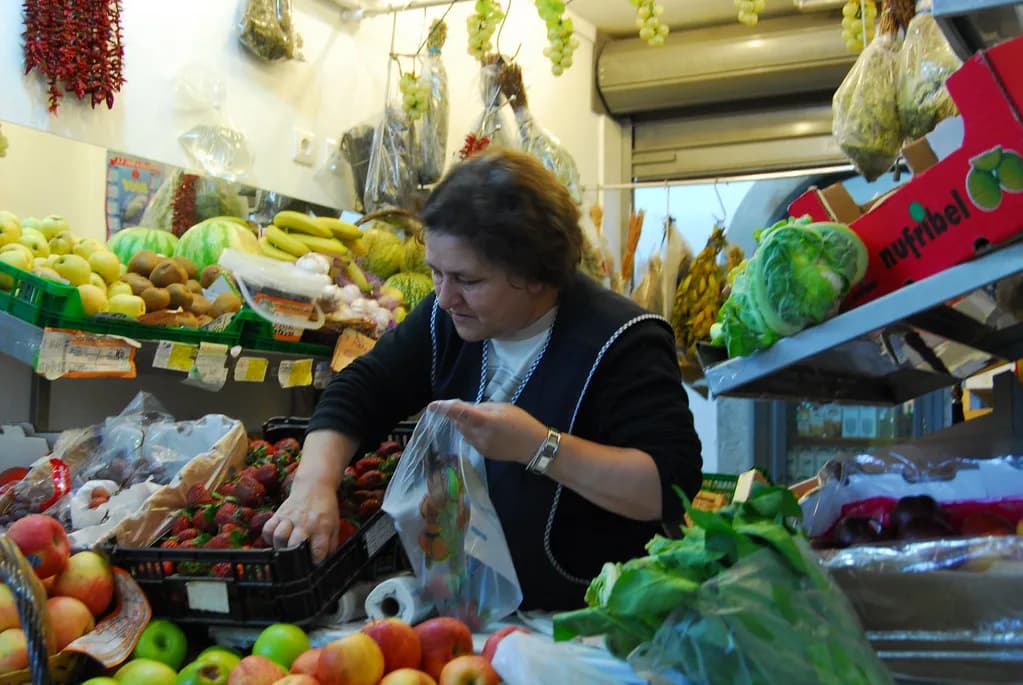
Separate your sit-down meals from your grazing. Évora's old town is dense with cafés and pastelarias, and a coffee and pastry stop costs little and takes fifteen minutes, letting you keep the serious eating for one meal a day. Plan the stops around the sights: Praça do Giraldo at the start, the cathedral quarter in the middle, and the area near the Roman Temple in the late afternoon. If you would rather make a long morning of it, see our guide to brunch in Évora.
Put the bakery and coffee stops on the same map as the attractions rather than treating them as separate outings. The Sommertage guide puts the main sights within walking distance of one another, so a morning coffee, a mid-morning sweet and a lunch all fit into a single loop through the old town.
What eating in Évora costs
Prices vary widely between a pastelaria and a tasting-menu restaurant, and the sources do not give current figures outside the restaurants' own menus. Check the menu board outside before sitting down, and note that bread, olives and cheese brought to the table are usually charged. For a short break, budget more for one good dinner and keep lunches simple.
Confirm opening and booking details with the restaurant itself before you travel, and check the menu board or ask on arrival for current prices.
Planning a food-led day in Évora
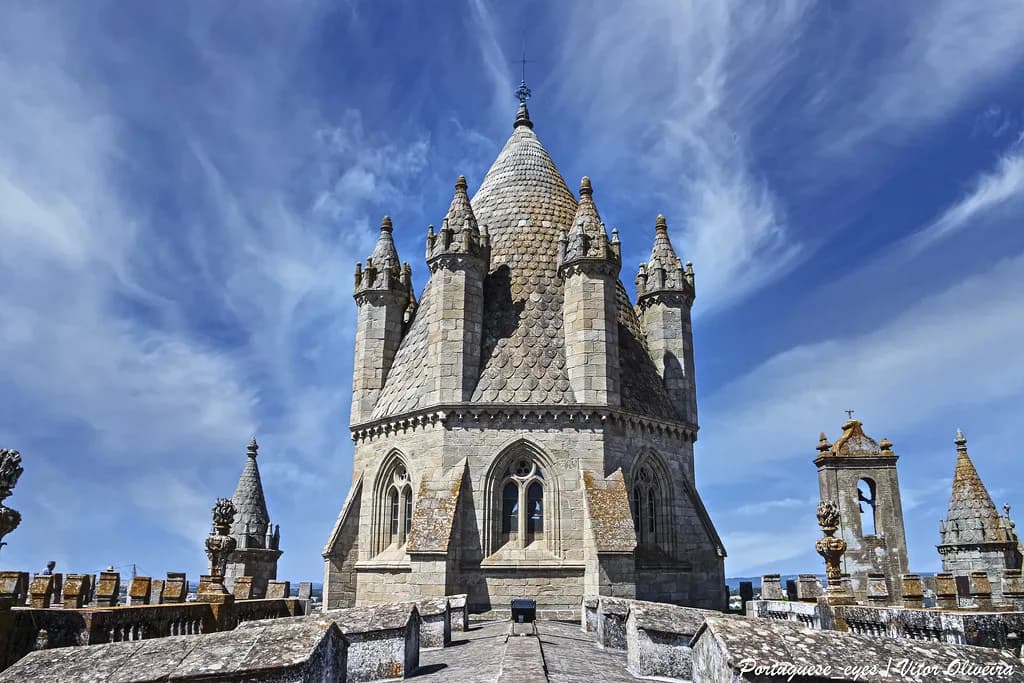
A workable food day starts with coffee and a convent sweet, moves through the Capela dos Ossos and the cathedral with a shared plate at lunch, and finishes with a booked dinner. Build the walking around the eating rather than the reverse: the old town is compact, and the sights are close enough that a long lunch does not cost you the afternoon.
If you are staying two nights, give one evening to Origens and keep the other flexible, so you can follow a recommendation from your hotel or a chance find near the aqueduct. The northern end of the old town around the aqueduct is quieter, which suits a relaxed second dinner after a day of walking.
For a fuller shortlist of rooms beyond the ones covered here, see our guide to where to eat in Évora and match it to the part of town you will be in that evening.
Which Évora meal should you book first?
Book Origens first if you want one memorable dinner, and say at the time of booking whether you need a vegetarian or vegan plate. For everything else, keep plans light: a morning bakery stop at Pastelaria Conventual Pão de Rala, a shared lunch of farinheira à bras and pork, and an evening chosen by which part of the old town you are closest to. That structure gets you the region's cooking without spending your whole trip at a table.
Explore more Évora guides
Frequently Asked Questions
What food is Évora known for?
Évora is known for Alentejo cooking built on bread, pork, olive oil and convent sweets. The dishes to try first are farinheira à bras, slow-cooked Alentejo pork, and the egg-and-sugar sweets sold at Pastelaria Conventual Pão de Rala, particularly queijadas de Évora, pão de rala and sericaia.
How far in advance should I book a table in Évora?
Book your main dinner before you travel, especially for small rooms like Origens, which seats about 24 guests. Lunches can usually be decided on the day. If you need a vegetarian or vegan meal at a small restaurant, mention it when booking rather than when you arrive.
Sources
- The best restaurant in Evora - Origens restaurant - Finally Lost
- Best of Évora (Portugal): The Complete Travel Guide - Sommertage
- 48 Hours in Évora: Two-Day Itinerary for the Alentejo Capital 48 Hours in Évora – Mini Guide
- 11 Alentejo Foods And The Best Restaurants To Eat Them
- The 10 Best Restaurants in Évora 2026 - TheFork
Notes for your next Portuguese break
Optional updates to our town guides.
You might also like
Continue reading
More guides you'll find useful