Seafood in Cascais: Where to Eat Fish and Shellfish
A practical guide to seafood in Cascais: grilled fish, shellfish and market-fresh plates, where to eat by the water and how a fish bill is built.
On this page
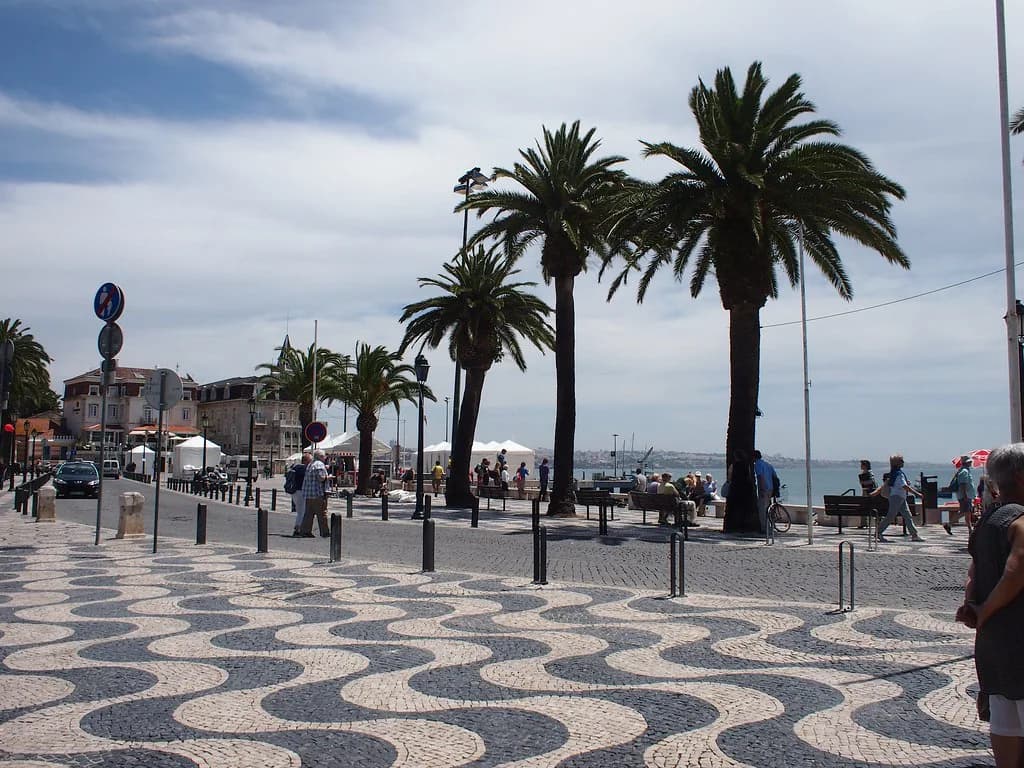
Cascais is a seafood town first and a resort second, and the shortest route to a good meal is grilled fresh fish or a plate of shellfish rather than anything complicated. The strongest concentration of choice sits in the centre, around the Yellow Street cluster and the Mercado do Cascais, with a second pole out at Boca do Inferno where the terrace looks straight onto the rocks. This guide covers what to order, which specific rooms to aim for, how fish sold by weight changes what you pay, and when booking actually matters.
What Cascais seafood looks like on a menu
Expect a short, seasonal menu built on what came off the boats: whole fish for grilling, shellfish by the plate, and simple preparations that let the fish speak. At Mar do Inferno the kitchen describes its offering as fresh fish and a wide range of shellfish, with a menu leaning on grilled dishes alongside some meat for anyone in the group who does not eat seafood. That structure is typical of the town, and it means the decision in front of you is usually which fish, not which sauce.
Order in the Portuguese sequence and the meal makes sense: a few shellfish plates or a salad to start, then a whole grilled fish to share, then a dessert. Portions are generous, so two people sharing one large fish plus a starter usually beats two separate mains. If you want the broader picture of what the town eats beyond the sea, the Cascais Food guide sets seafood alongside the bakery and tasca side of things.
Where to eat: four rooms worth knowing
Mar do Inferno is the obvious anchor for a seafood meal with a view. It sits on the Avenida Rei Humberto II Itália at Boca do Inferno, has been run by the same family for decades, and serves grilled fresh fish and shellfish from a terrace above the water. Its published hours run from 12:30 to 22:30 and it closes on Wednesdays, which is the single most useful fact to check before you build a day around it.
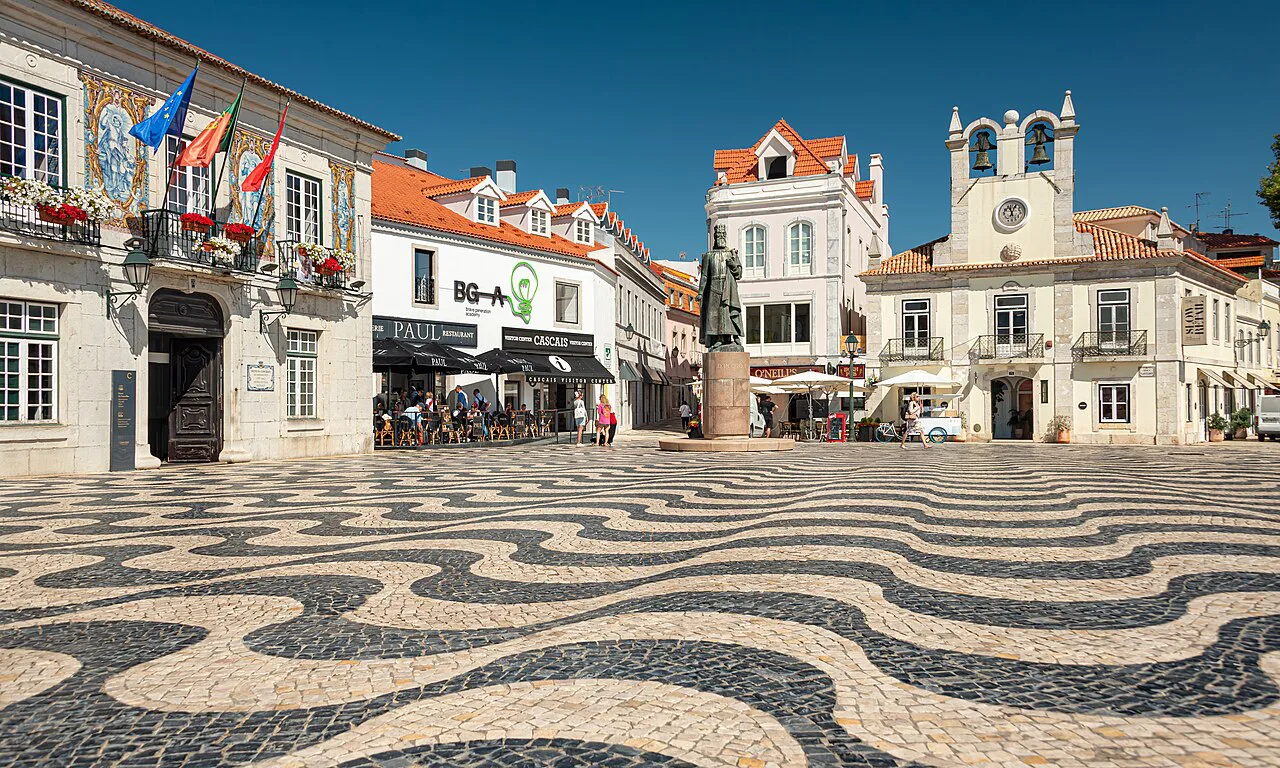
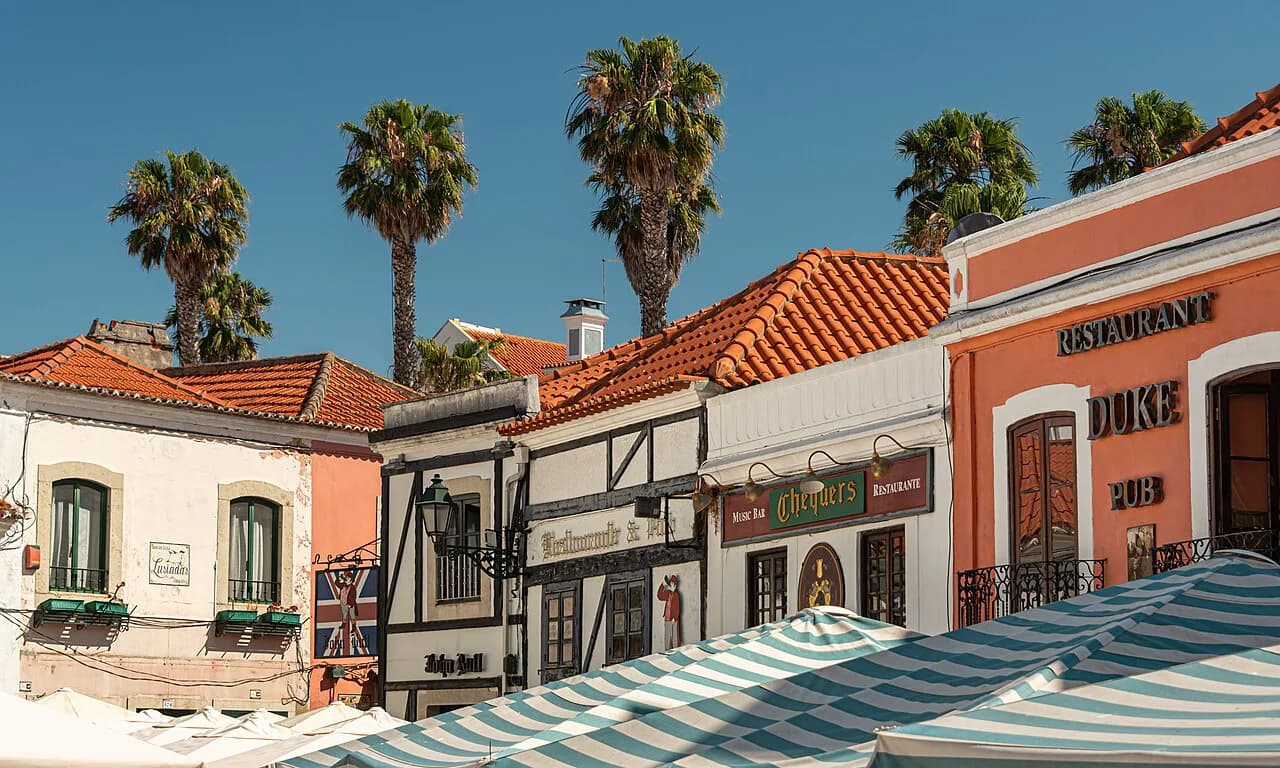
On Yellow Street in the centre, Sr. Manuel Seafood Bar is a casual, busy tapas-style stop for shellfish and small plates, and Mana Cascais occupies the same street with a modern, coastal-leaning menu that includes non-fish dishes. Both suit a late lunch or an early dinner when you want energy rather than ceremony. For a fuller sweep of the town's dining rooms, from tascas to special-occasion tables, see the Best Restaurants in Cascais guide.
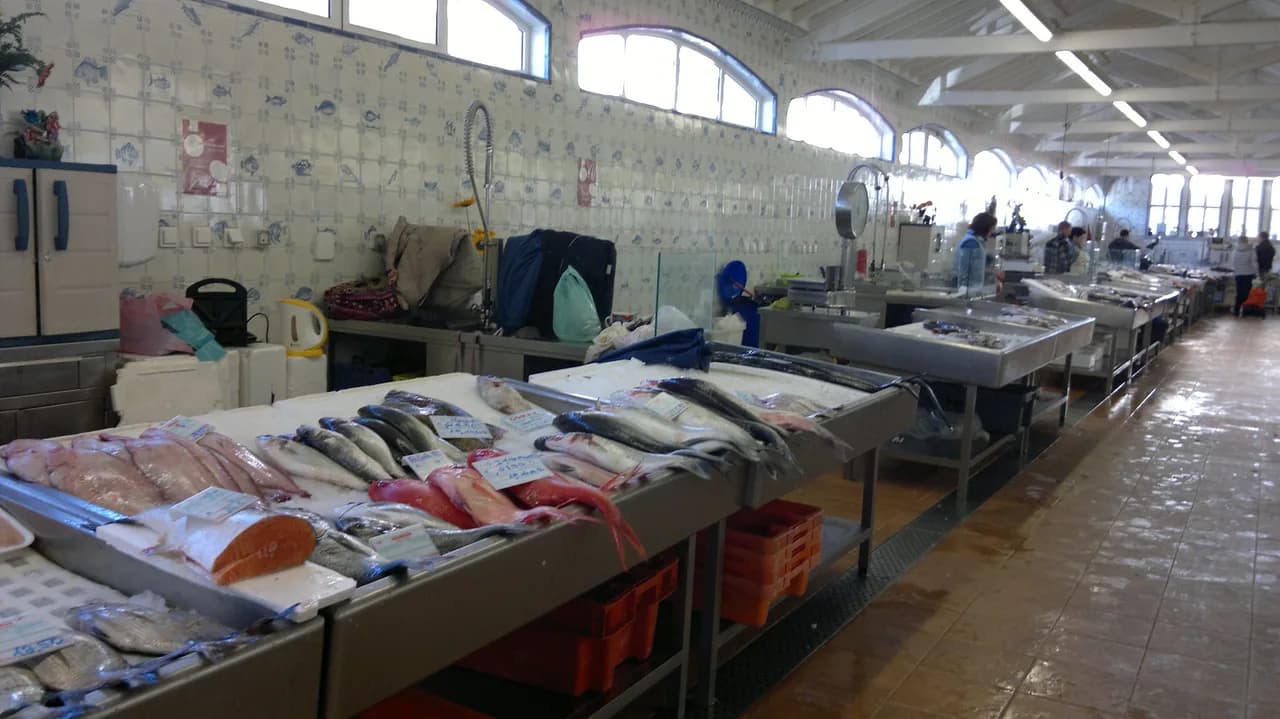
Marisco na Praça sits inside the Mercado do Cascais, an open-kitchen counter where the market setting is part of the meal rather than a backdrop. It is the pick when you want seafood at lunch with no ceremony and a short walk back into town afterwards. If your budget is tighter than a full fish lunch, the cheap eats Cascais guide covers the lower-cost end of the town's food.
Eating by the water: the Boca do Inferno terrace and Praia da Ribeira
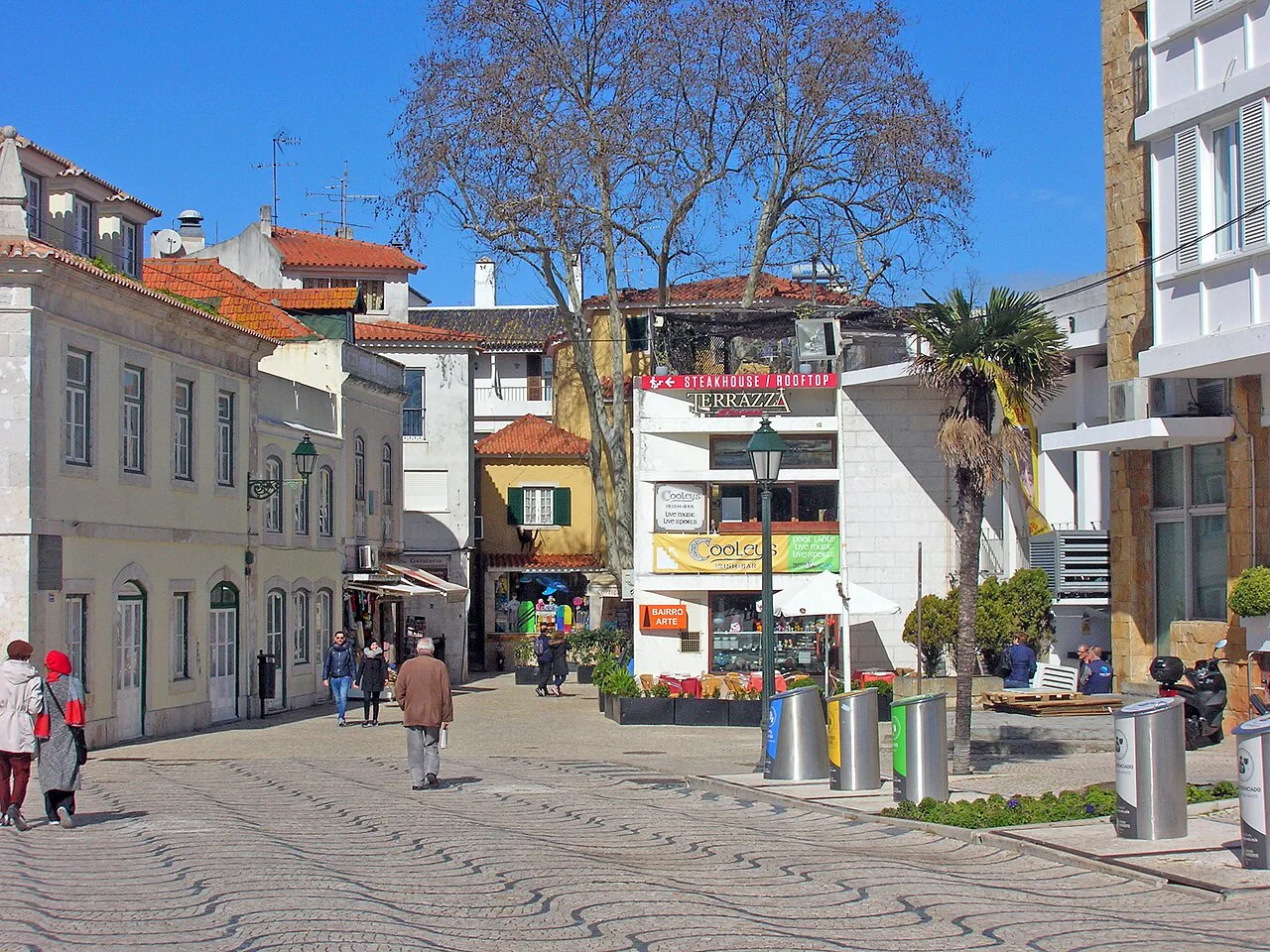
The Boca do Inferno terrace at Mar do Inferno is the town's most theatrical seafood setting: the restaurant sits at the clifftop geology stop where the Atlantic pushes into a collapsed cave, with its esplanade out over the sea. Come for an early dinner and the light on the water does most of the work. The walk out from the centre is short enough to do on foot, which makes it a realistic lunch stop rather than an expedition.
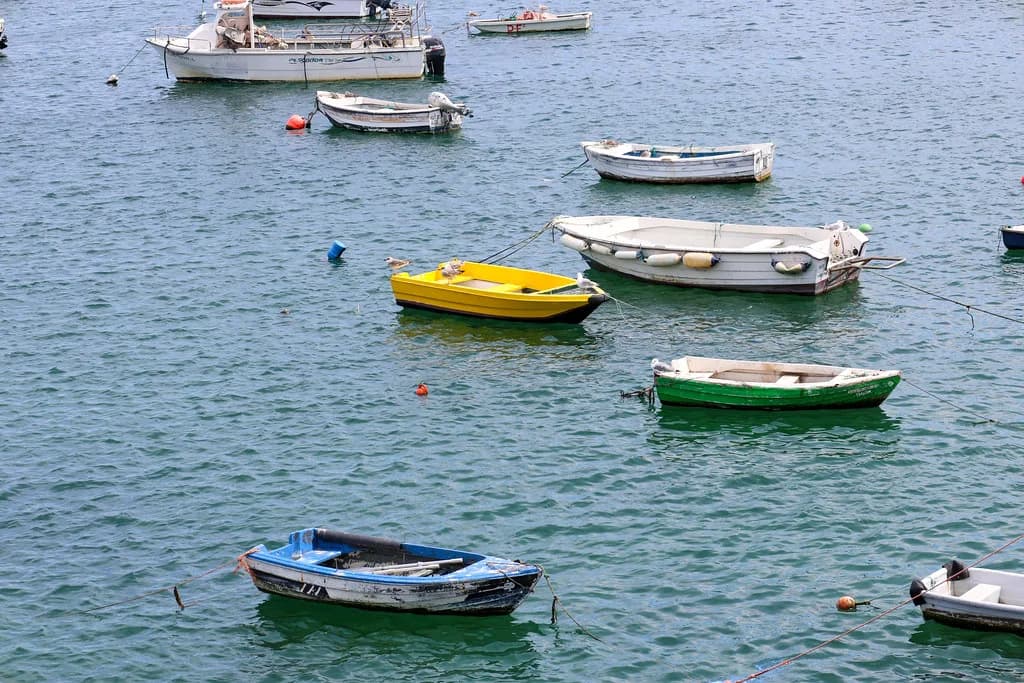
In the opposite direction, the Hotel Baía restaurant terrace sits directly across from Praia da Ribeira and looks over the bay and the boats, with classic Portuguese seafood and salads on the menu. Treat it as a seafood terrace, not as accommodation advice: the appeal is the view and a straightforward plate of fish after a morning on the water. Both terraces fill in good weather, so the waterside choice is really a choice about timing.
The fish market as a lunch stop
Eating inside Mercado do Cascais changes the texture of the meal: you are surrounded by the stalls and the noise of a working market rather than a dining room, and Marisco na Praça's open kitchen keeps the connection to the fish visible, with seafood sourced daily from nearby waters. That makes it a good solo lunch or a quick stop between sights, and a poor fit if you want a long, quiet table. Check the market's own trading pattern before you plan a lunch there, since market hours are separate from restaurant hours.
How fish is sold by the kilo and how that shapes the bill
In Portugal, whole fish is normally priced by weight, so the figure on the menu is a rate per kilogram and the final charge depends on the fish you are shown. The practical move is to ask for the weight before it goes on the grill and to agree the fish at the table; a large specimen shared between two often costs less per head than two separate fillets. None of this appears on a printed menu in a way that makes the total obvious, so ask.
Because rates change with the catch and the season, no fixed figure is worth quoting in advance. Ask the server for the day's rate and the weight of the fish being offered, and compare that with a plate of shellfish or a meat dish if the number looks high. Shellfish and cataplana-style dishes are usually listed at a set price, which makes them the easier order when you want certainty.
Booking and timing
Book ahead for the busiest rooms, especially at weekends and in high season, and particularly at Mar do Inferno where the terrace is the draw. A phone call or an online reservation through the restaurant's own site is the way to secure a table; the restaurant publishes both a landline and a mobile number for reservations. Turning up at peak lunch without one is the avoidable mistake.
Eat earlier or later than the local rush and you will have a better choice of tables: a late lunch around the middle of the afternoon or a dinner close to opening tends to be calmer. Remember that many kitchens close one day a week, so check the specific day before you set out. If you want a morning stop before the seafood, the Cascais breakfast and brunch options sit nearby in the centre.
A special-occasion option: Fortaleza do Guincho
Fortaleza do Guincho occupies a seventeenth-century former military fortress on the cliffs above the Atlantic, and its restaurant holds a Michelin star with a tasting-menu format. It is a different kind of evening from a grilled fish lunch: slower, more expensive, and best reserved for an occasion rather than a casual dinner after a day of walking. Book ahead, especially for the tasting menu, and treat it as the one splurge of the trip.
Cascais versus Lisbon for seafood
Cascais wins on setting rather than on range: you can eat grilled fish within sight of the Atlantic at Boca do Inferno or across the bay at Praia da Ribeira, then walk the centre in ten minutes. Lisbon has more rooms and more competition, but it also has more choice to sift through on a short break. For one to four days based in Cascais, the town's compact geography means you lose almost no time getting to a good table.
The trade-off is weekday closures and limited tables in a small town, so a short break benefits from planning one seafood lunch and one special dinner in advance and leaving the rest loose. If you are building the whole trip around food, the Best Restaurants in Cascais guide covers the wider spread beyond fish. Pair a seafood lunch with a morning of sights and you have a shape that works for a two- or three-day stay.
Which seafood table should you book first?
Book Mar do Inferno first if you want the view and the grilled fish, remembering that it closes on Wednesdays, and keep Marisco na Praça for a market lunch when you want something quicker and more casual. Add Sr. Manuel Seafood Bar or Mana on Yellow Street for an evening with energy, and save Fortaleza do Guincho for the night you want to spend properly.
Explore more Cascais guides
Frequently Asked Questions
Where can I eat seafood in Cascais?
Mar do Inferno at Boca do Inferno serves grilled fresh fish and shellfish on a terrace above the water, Sr. Manuel Seafood Bar and Mana Cascais sit on Yellow Street in the centre, and Marisco na Praça is inside the Mercado do Cascais. The Hotel Baía terrace opposite Praia da Ribeira is another waterside option.
Do I need to book a seafood restaurant in Cascais?
Book ahead at the busiest rooms, particularly at weekends and in high season, and especially for a terrace table. Mar do Inferno takes reservations by phone and through its own website, and Fortaleza do Guincho is worth booking in advance for its tasting menu.
What is the difference between eating in the market and eating on a terrace?
A market counter such as Marisco na Praça puts you among the stalls with an open kitchen, which suits a quick lunch between sights. A terrace such as Mar do Inferno or the Hotel Baía gives you the water view and a slower meal, but fills up faster in good weather.
Sources
Notes for your next Portuguese break
Optional updates to our town guides.
You might also like
Continue reading
More guides you'll find useful