Things to Do in Tavira: Old Town, Castle, Churches and River
Plan a short break in Tavira with the castle gardens, old bridge, riverside walk and covered market, and an honest answer on how many days it needs.
On this page
Tavira needs one full afternoon for an overview and two days if you want the Ria Formosa side as well. The town is small and flat along the river, with a single steep climb up to the castle quarter, so most of what matters fits into a short break without rushing. This guide orders the named sights by the lie of the land, tells you which churches are worth the detour and keeps beaches to a passing mention.
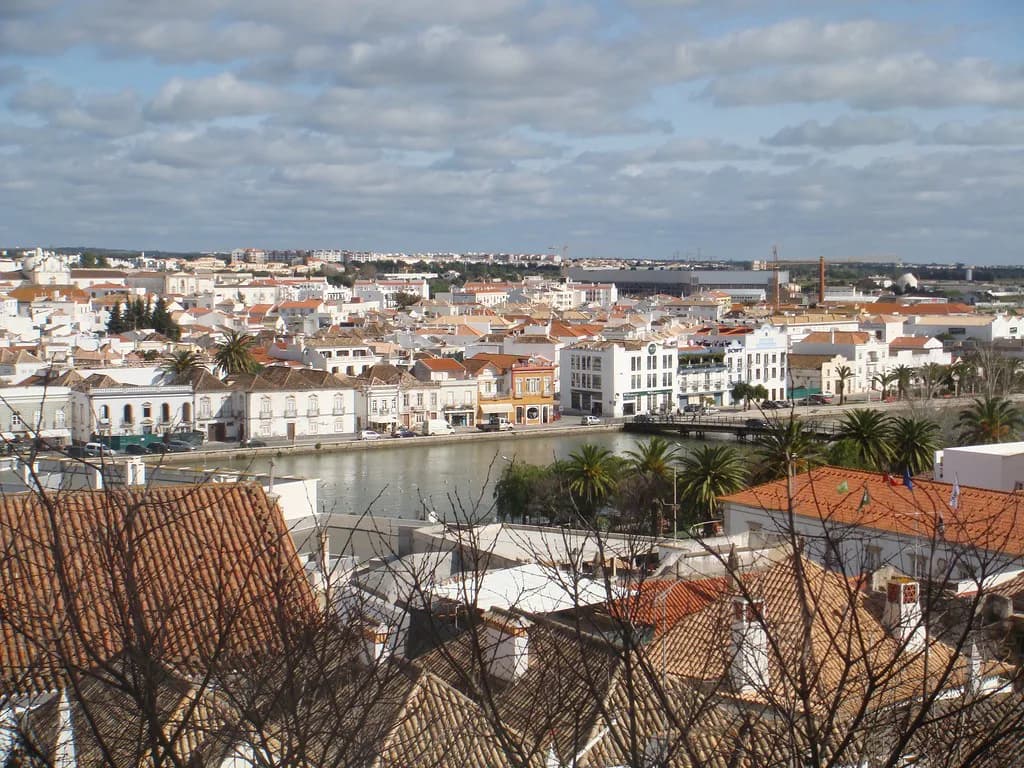
Tavira sits on both banks of the Rio Gilão about 30 km east of Faro, and forms part of the Ria Formosa Natural Park, a protected network of lagoons and islands with abundant birdlife. That geography explains the shape of a visit: a riverside town centre on one side, a hillside old quarter above it, and water and salt pans on the doorstep.
How many days do you need in Tavira?
One afternoon gives you the streets, the old bridge and the main monuments; two days add the Ria Formosa shoreline and a slower look at the churches. The town centre is compact enough to cover on foot, and a few hours of wandering plus a couple of monuments is enough for an overview. Treat day one as the town and day two as the water.
The trade-off is pace against depth. If you only have an afternoon, do the riverside walk first, then the castle gardens, then the churches on the way down, and leave the lagoon for next time. If you have two days, keep the second morning free for a boat or a walk towards the salt pans, when light and birdlife are at their best.
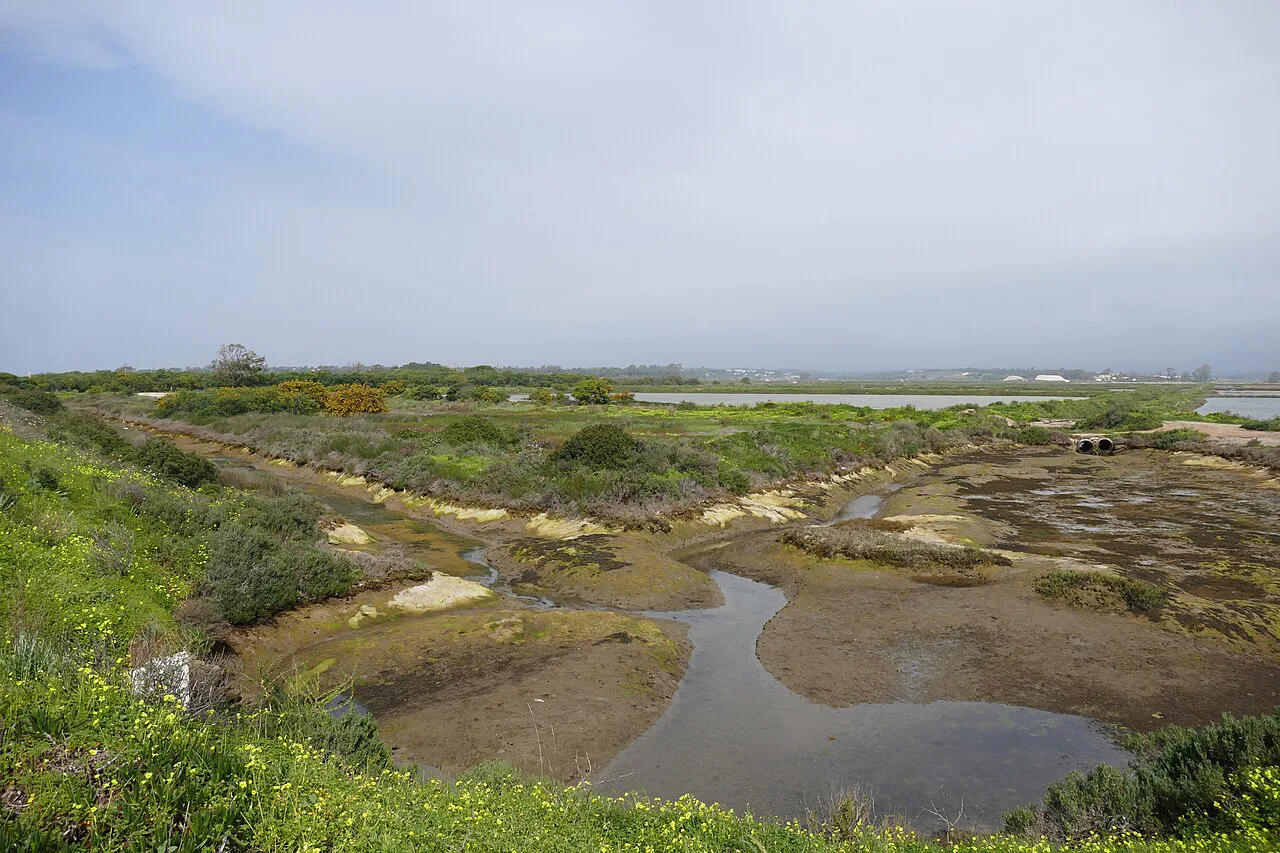
How Tavira is laid out: the Gilão river, the old town and the hillside
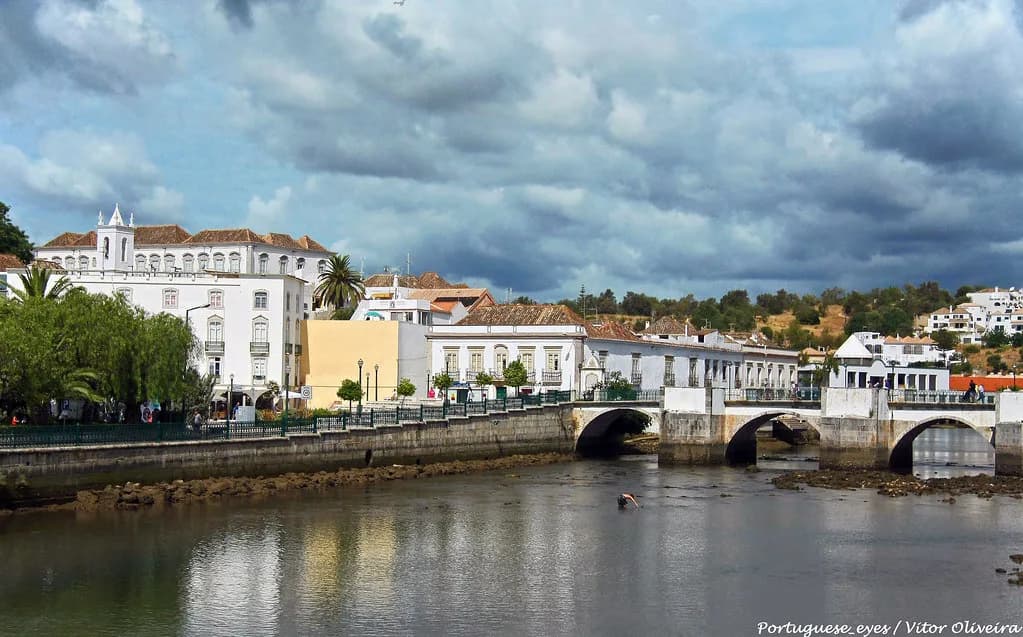
The Gilão splits Tavira into two halves joined by the old stone bridge. The flat riverside streets hold the shops, the covered market and the main squares, while the opposite bank climbs to the castle and the principal church. Plan your day so the uphill stretch comes once, in the morning or late afternoon, rather than zig-zagging between levels.
Comfortable shoes matter more than a map, since cobbles are everywhere and the climb to the castle is genuinely steep in parts. Distances are short: the walk from the river to the castle gardens takes minutes, not half an hour.
Riverside walk along the Rio Gilão
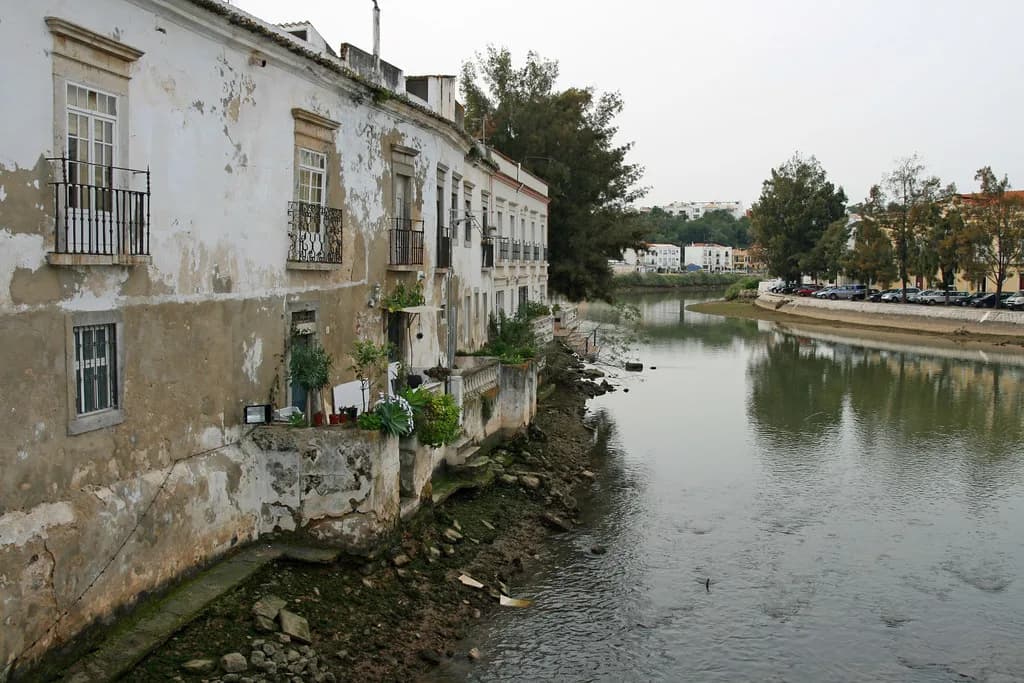
Start on the riverbank and follow the water past the traditional Portuguese facades that line both sides. This is the easiest introduction to the town and the least strenuous part of any day, with plenty of places to pause. Free parking sits on Rua João Vaz Corte Real, a short riverside path from the centre if you arrive by car.
Keep the walk unhurried: the pleasure is in the tiled fronts and iron balconies rather than in ticking off sights. Save your energy for the climb that follows.
Ponte Romana (the old bridge) and Praça da República
The Ponte Romana is the town's old stone bridge over the Gilão, and it anchors the centre as the natural crossing point between the two banks. Its roots are usually traced to the medieval era rather than to Roman times, so enjoy it as Tavira's historic bridge without expecting Roman masonry. Cross it once in each direction and you have seen the town's best free viewpoint at water level.
On the town side, Praça da República is the main square and the obvious meeting point before or after the crossing. Cafés spill onto the paving, which makes it a sensible anchor for a walking route through the centre.
Castelo de Tavira and the castle gardens and ramparts
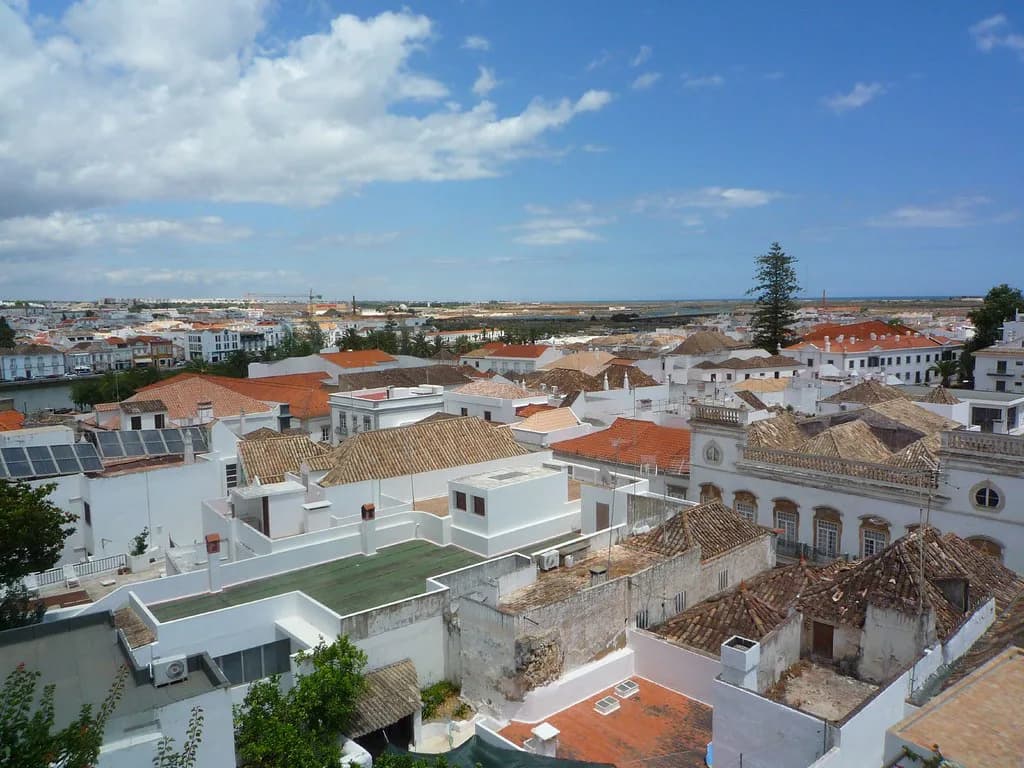
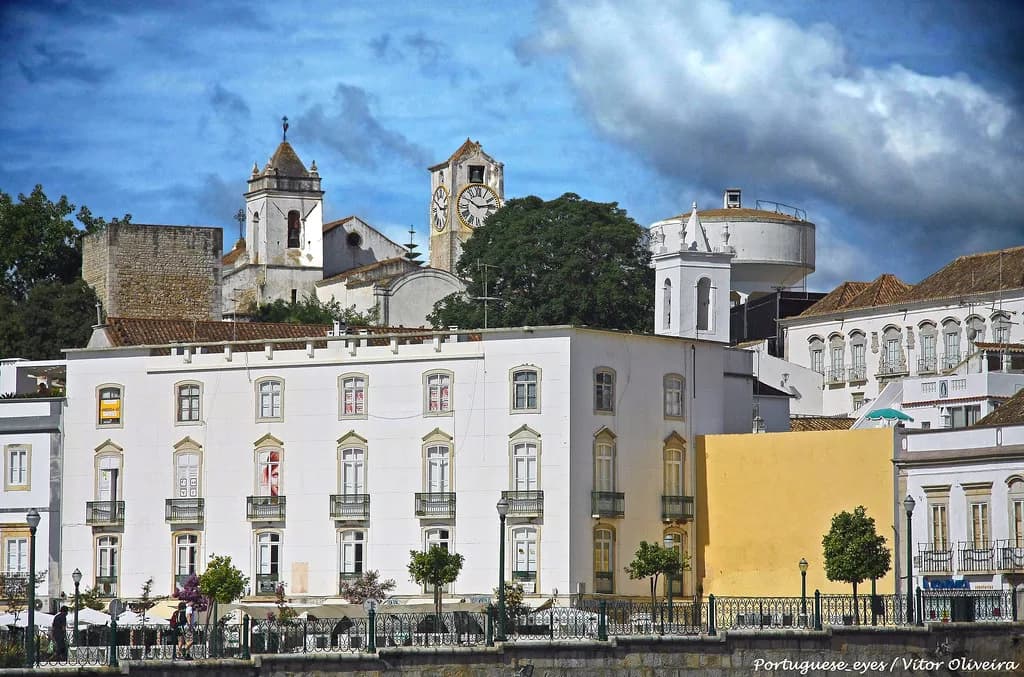
Manage expectations before you climb: little remains of the original fortress, so this is not an intact castle with towers and battlements. What survives are the ramparts around the upper town, now a garden that is free to enter, with good views over the roofs below. The steps up to the former watch tower at the far end of the gardens give the best panorama in town.
Because entry costs nothing, the castle gardens work well as a breather between churches rather than as a headline sight. Go for the shade, the walls and the view, and give it half an hour rather than a morning.
Igreja de Santa Maria do Castelo at the top of town
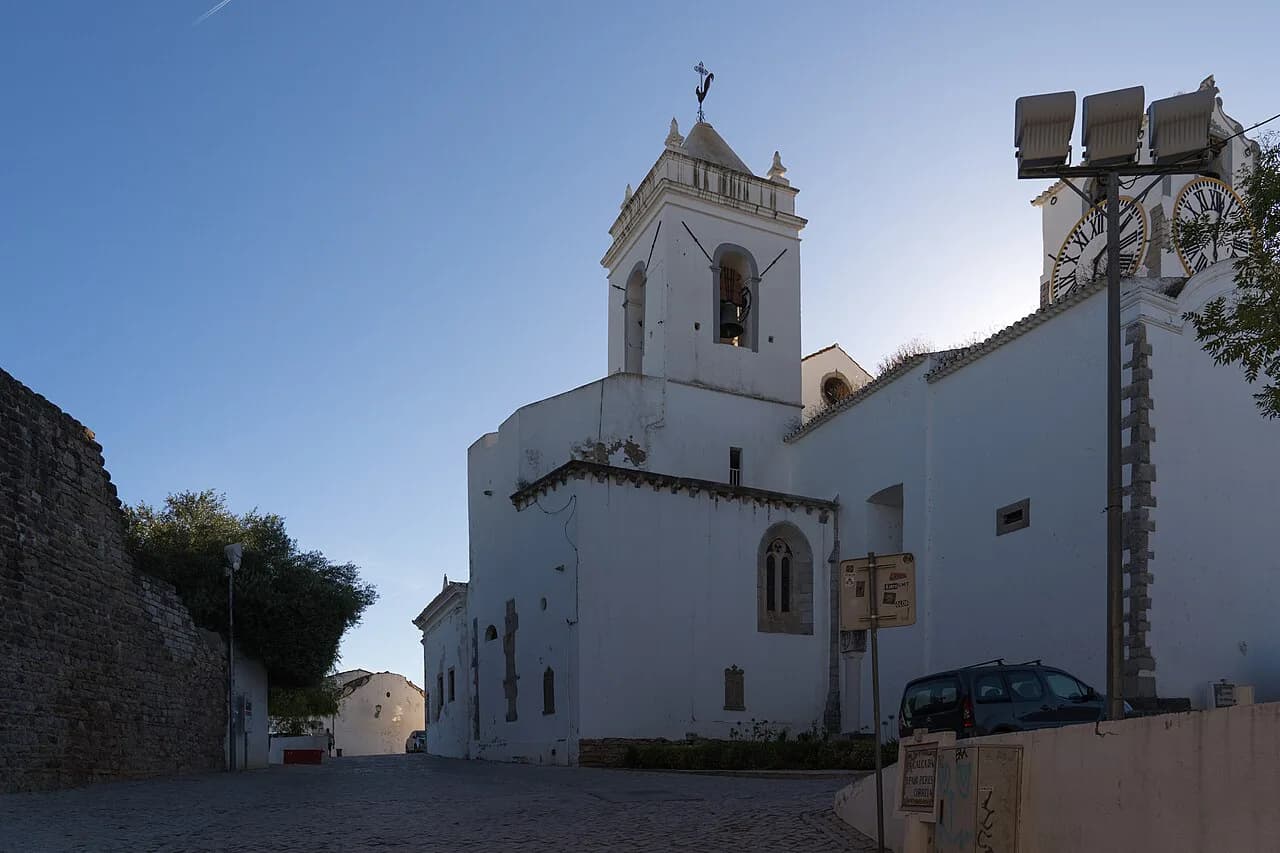
The principal church, Igreja de Santa Maria do Castelo, stands at the highest natural point in Tavira, next to the castle, and looks out over the surrounding landscape and rooftops. The present building dates from the eighteenth century, rebuilt after the earthquake that destroyed most of the earlier thirteenth-century church on the site. The position had been a place of worship for centuries before that.
Pair it with the castle gardens in one visit, since they sit side by side at the top of the climb. Tavira has more than twenty churches, so pick two or three and spend your time in those rather than attempting a crawl.
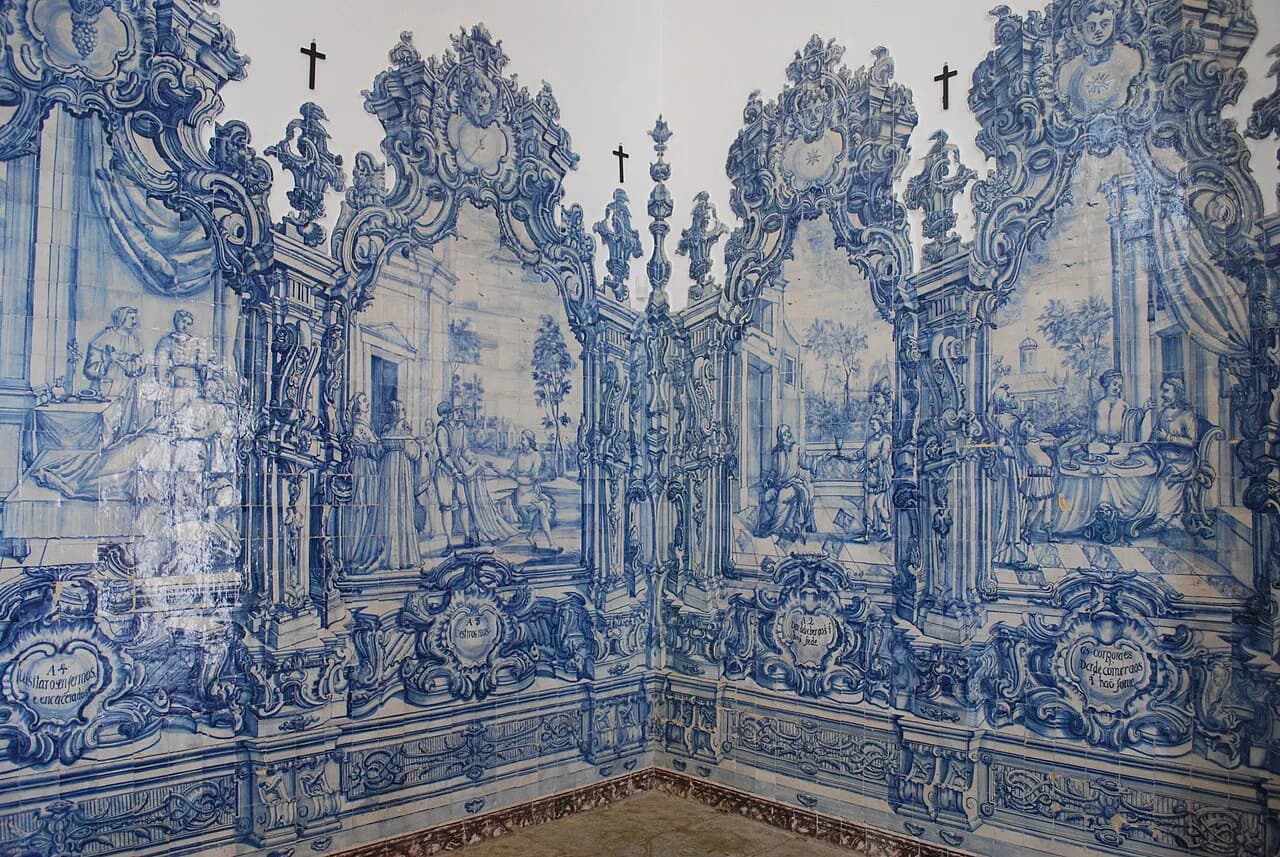
Igreja da Misericórdia and Tavira's churches and azulejos
The Igreja da Misericórdia is the second church worth your time, built between 1541 and 1551 and widely regarded as one of the finest Renaissance buildings on the Algarve coast. Its scale is modest, which makes it an easy stop on the way down from the castle rather than a separate expedition.
The interior is the reason to step inside rather than photograph the doorway and move on. Tavira has more than twenty churches, so plan around a shortlist of two or three rather than attempting the full list.
Tavira Museum and the town's history in an afternoon
The municipal museum gives context to the layers you have just walked through, from the medieval town to the earthquake rebuild. It suits a wet hour or the hottest part of the day, when the streets empty and the churches close their doors.
Confirm the museum's current opening days and ticket price with the venue before you build a day around it, since Portuguese museums often keep shorter weeks than visitors expect.
The covered market and everyday shopping streets
The covered market is where the town shops for fish, produce and everyday goods, and it is worth a look even if you are not buying. The surrounding streets carry the practical shops rather than souvenir tat, which is one reason Tavira still feels lived-in.
Mornings are the most useful time to visit a working market; arrive early and treat it as part of the riverside wander. The rest of the centre is best browsed without a plan, since the pleasure is in the azulejo facades rather than in specific addresses.
Ria Formosa and the salt pans on the edge of town
Tavira is part of the Ria Formosa Natural Park, a protected network of lagoons and islands that shelters bird species and marine life. The salt pans on the edge of town are the easiest place to see that landscape without committing to a full day out.
Treat this as the second-day activity. The lagoon is best seen slowly, on foot or from the water, and it rewards an early start more than an afternoon slot.
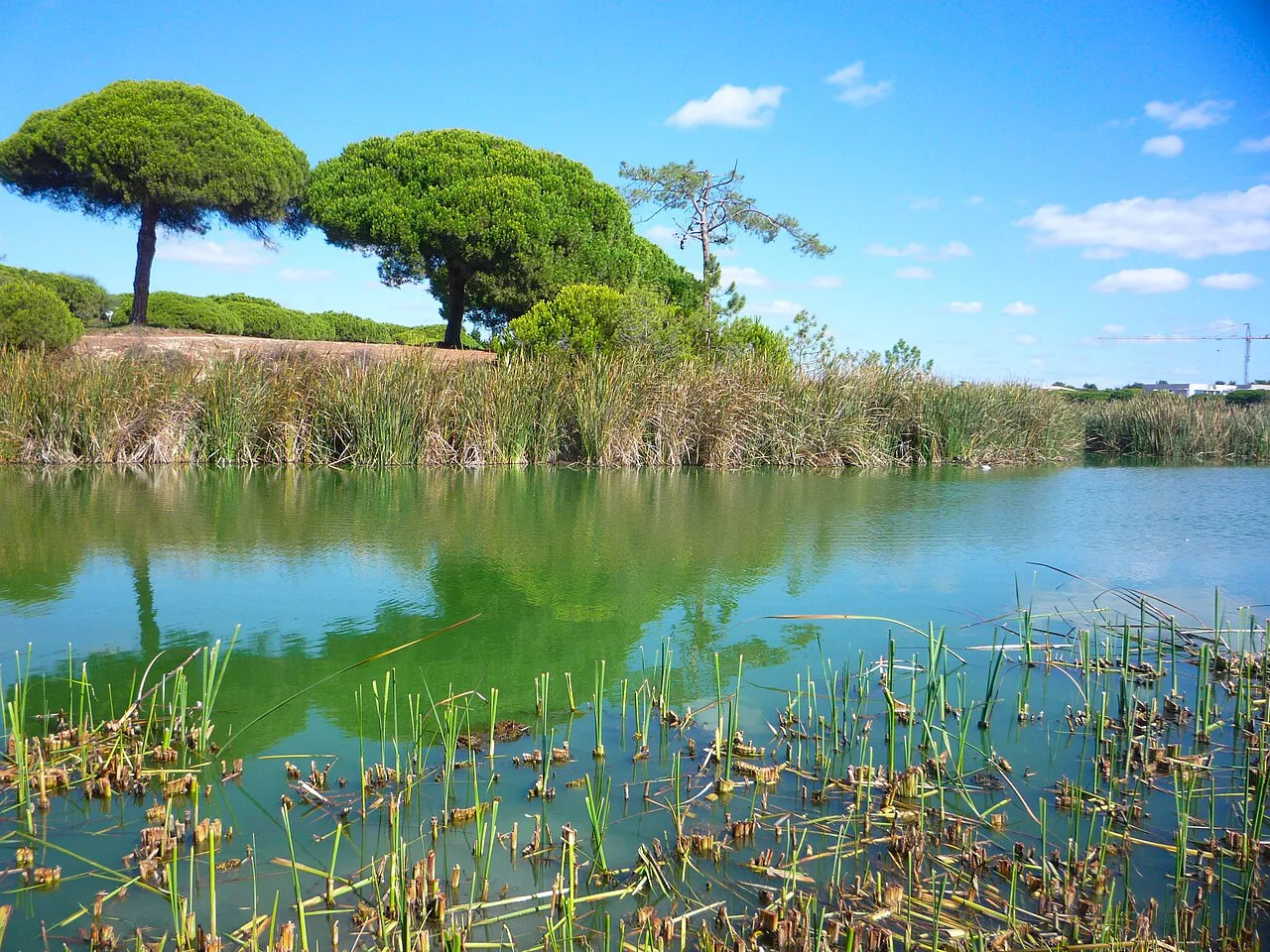
Boat trips, kayaking and guided tours leaving from Tavira
The town's activity operators run boat trips, guided tours, bicycle and tuk-tuk excursions, tourist trains, fishing outings and wildlife watching, according to the municipal tourism office's own activity listings. Stand-up paddleboarding and kitesurfing also feature among local operators.
Prices and departure times are set by each operator rather than by the town, so compare at the quay or through the tourism office listings before booking. A guided walk is the cheapest way to get the town's history straight if you would rather not read up first.
Where to eat in Tavira: local dishes to look for
Look for the Algarve staples rather than an international menu: grilled fish, cataplana, bacalhau and a pastel de nata with coffee. The riverside and the square are convenient, while the back streets usually give better value for the same dishes.
Restaurant opening days vary and many places close one day a week, so check the door before you commit to a particular kitchen; the same applies to lunchtime service in smaller tascas.
A one-day walking plan for Tavira
Start at the riverside, walk the Gilão bank, cross the Ponte Romana and pause in Praça da República. Then climb once to the castle gardens and the Igreja de Santa Maria do Castelo, drop down to the Igreja da Misericórdia, and finish in the covered market and the shopping streets.
This order puts the uphill work in one block and leaves the flat riverside for tired legs at the end. It also times the market for the morning, when it is at its most useful.
Two days in Tavira: what to add on the second day
Give the second day to the water: the Ria Formosa shoreline, the salt pans and a boat trip from the quay, with the museum as a fallback if the weather turns. Beaches such as Ilha de Tavira and Praia do Barril sit on the barrier islands and make a natural half-day if you want sand rather than lagoon.
If you are moving on afterwards, the same compactness that makes Tavira easy to walk also makes it easy to leave; comparisons with larger Portuguese towns are a different kind of trip, from the canals of Aveiro to the churches of Braga. If you enjoy towns built around water, the things to do in Aveiro make a natural next stop. For a different kind of short break, our guide to the castles of Portugal covers eight worth visiting and what each is like.
Practicalities: cobbles, walking times and closing days
Wear flat shoes: the calçada and the steep lanes to the castle punish heels, and the town is entirely a walking proposition once you arrive. The old bridge to the castle gardens is a matter of minutes on foot, so no day here needs transport.
Churches commonly shut at lunchtime and museums keep shorter weeks than visitors expect, so slot indoor visits into the morning or mid-afternoon and leave the streets and gardens for the hours in between. Confirm current opening days with the venue or the municipal tourism office.
Is Tavira worth a day or two?
Tavira earns its place on an Algarve itinerary because the town itself is the attraction: the river, the old bridge, the free castle gardens and a shortlist of two churches fill an afternoon without a single queue. Add a second day only if the Ria Formosa and its birdlife interest you, because that is where the town's real character sits.
Come with flat shoes, climb the hill once, and keep the market for the morning. That is enough to see Tavira properly rather than skim it.
Explore more Tavira guides
Frequently Asked Questions
Is Tavira or Faro better for a short break?
Tavira is the quieter, more compact base, with the old town, castle gardens and river all within a few minutes of each other; Faro is the transport hub about 30 km west. Choose Tavira if you want a walkable historic town and the Ria Formosa on the doorstep rather than an airport city.
Do you need a car to see Tavira?
No. The centre is small and flat along the river, with the castle quarter a short but steep walk above it. A car helps for reaching beaches and villages beyond the centre, and there is parking on Rua João Vaz Corte Real near the riverside if you drive in.
Sources
Notes for your next Portuguese break
Optional updates to our town guides.
You might also like
Continue reading
More guides you'll find useful