Tavira History: Roman, Moorish and Medieval Layers in the Old Town
A short history of Tavira for visitors, from Roman and Moorish roots to the 1755 earthquake, and where to see the evidence in the old town.
On this page
Tavira's history is best read as three layers you can walk in half a day: Moorish ramparts on the hill, a river crossing that looks Roman but is largely 17th-century, and a church interior lined with blue azulejos. The town was once a maritime hub built on salt, tuna and trade routes reaching from North Africa to northern Europe, and its skyline still carries more than thirty churches, chapels and convents from that golden age. This guide ties each period to a named place in the old town and suggests an order for seeing them.
What Tavira's history gives you in a short break
Few Portuguese towns of this size pack so much visible history into a compact centre. The castle hill, the riverfront and the church quarter sit within easy walking distance, so a single morning covers the Roman claim, the Moorish fortress and the Manueline and Baroque façades that followed. Tavira also held real weight in the Algarve's past, which is why its architecture spans styles rather than settling on one.
The town is often framed as a quieter alternative to the resort Algarve, and that matters for how you use its history. There are no headline ruins fenced off behind turnstiles here; the evidence is in street layout, wall fragments, tile panels and church stonework you meet while wandering. Treat the history as a frame for your walks rather than a separate sightseeing list.
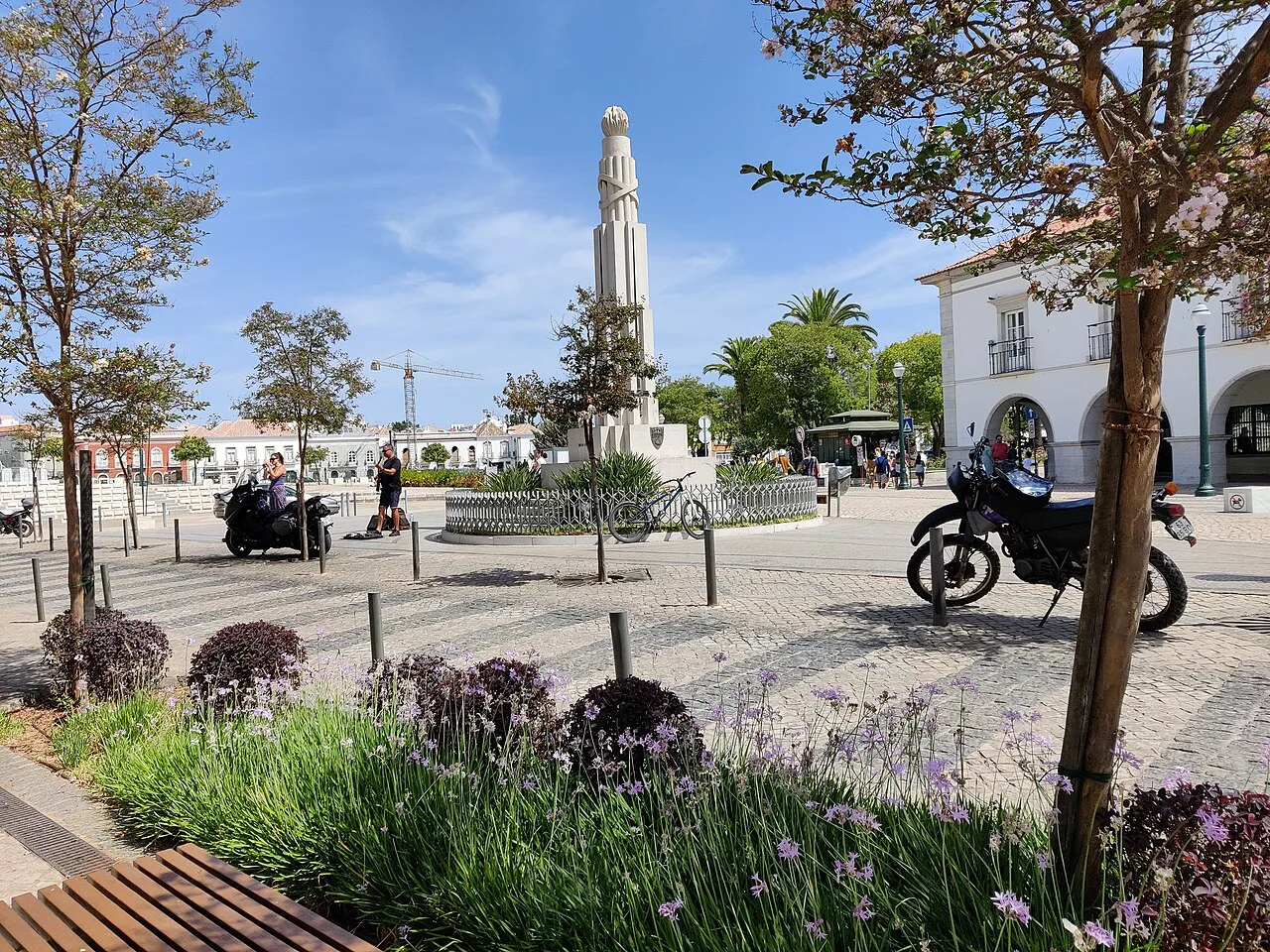
Roman Tavira: the bridge, the trade and what survives
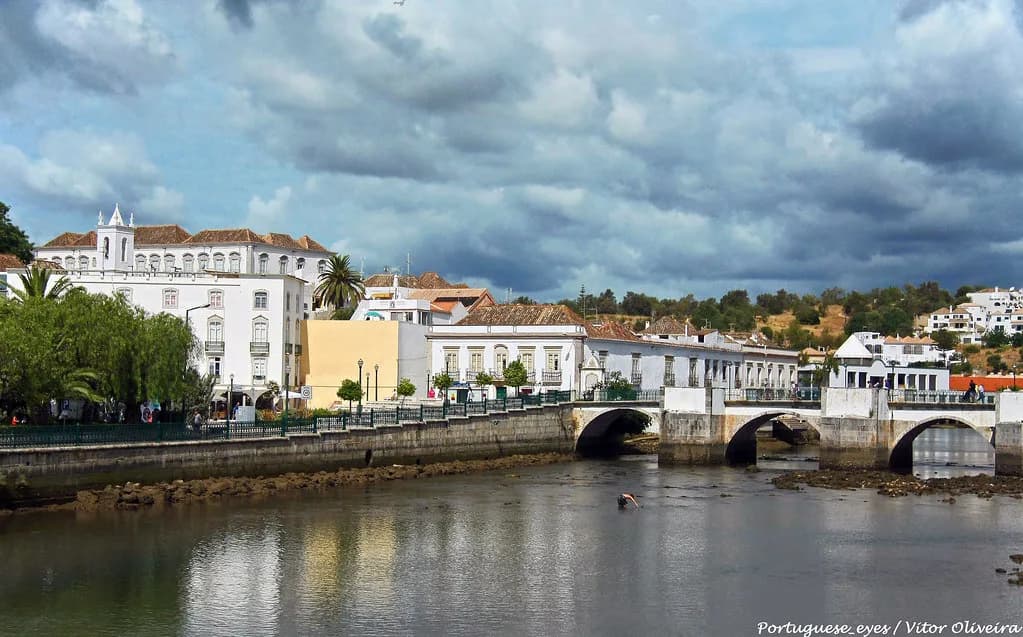
Legend gives Tavira a Roman crossing over the Gilão, and the seven-arched Ponte Romana still carries that name. The bridge is not Roman work: it claims Roman origin but mostly dates to the 17th century, so admire it as a beautiful piece of revisionist history rather than an imperial relic. That distinction is the single most useful thing to know before you photograph it.
Real Roman bones do lie under the town, and Tavira's significance reaches back to that era before passing through Moorish, Christian and colonial influence. Rather than hunt for excavated masonry in the streets, use the river as your Roman marker: the crossing and the trade it served explain why a settlement grew here at all. The bridge's reflection in the water is the most photographed view in town for good reason.
The Moorish town: castle walls and the shape of the old streets
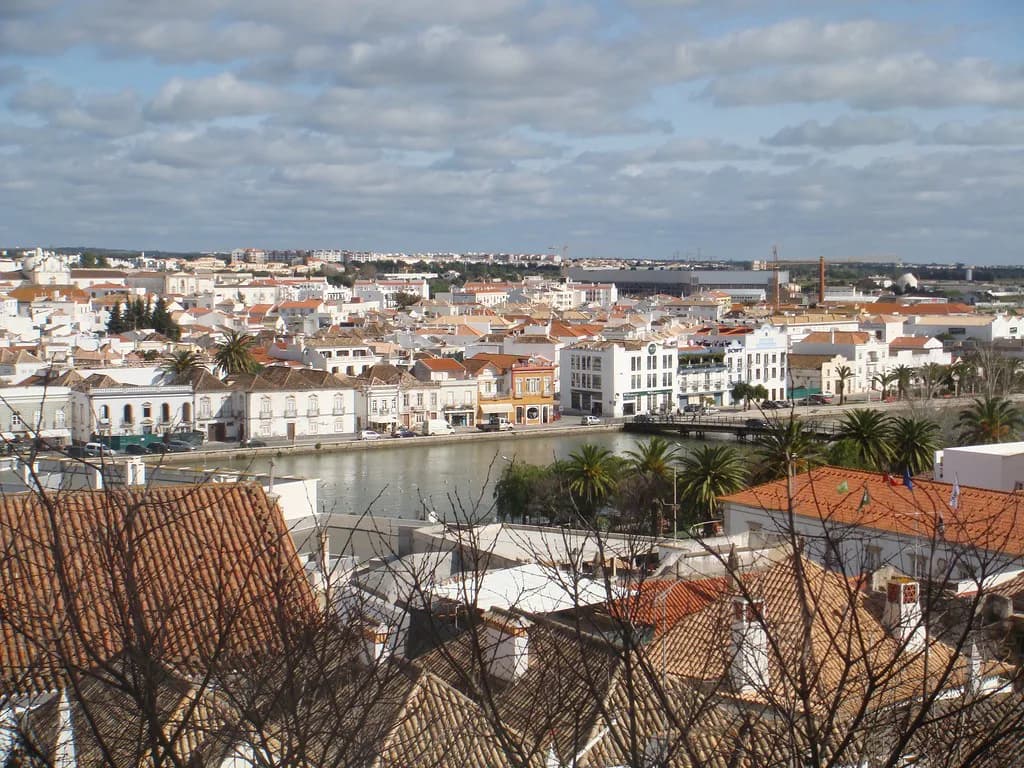
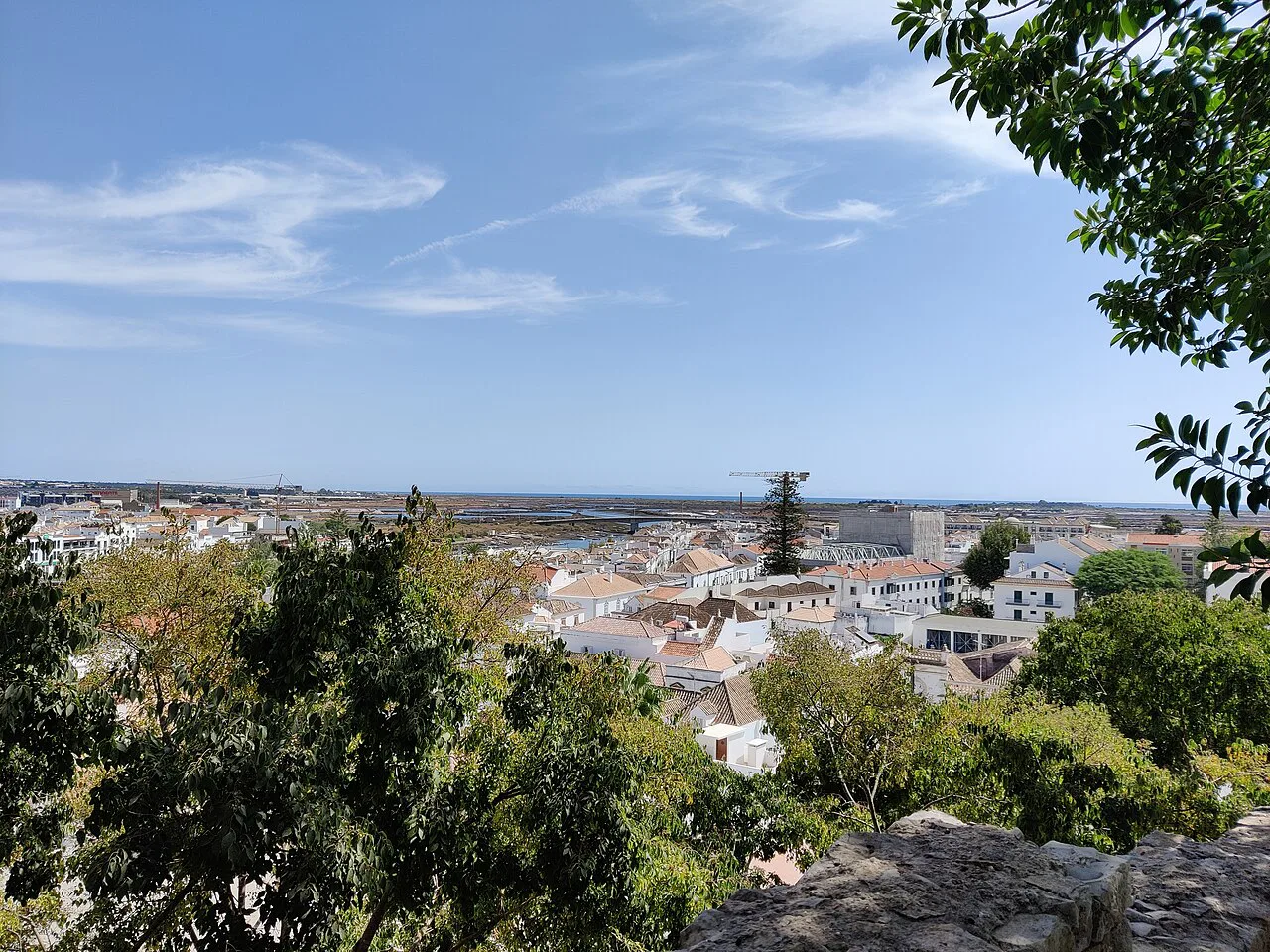
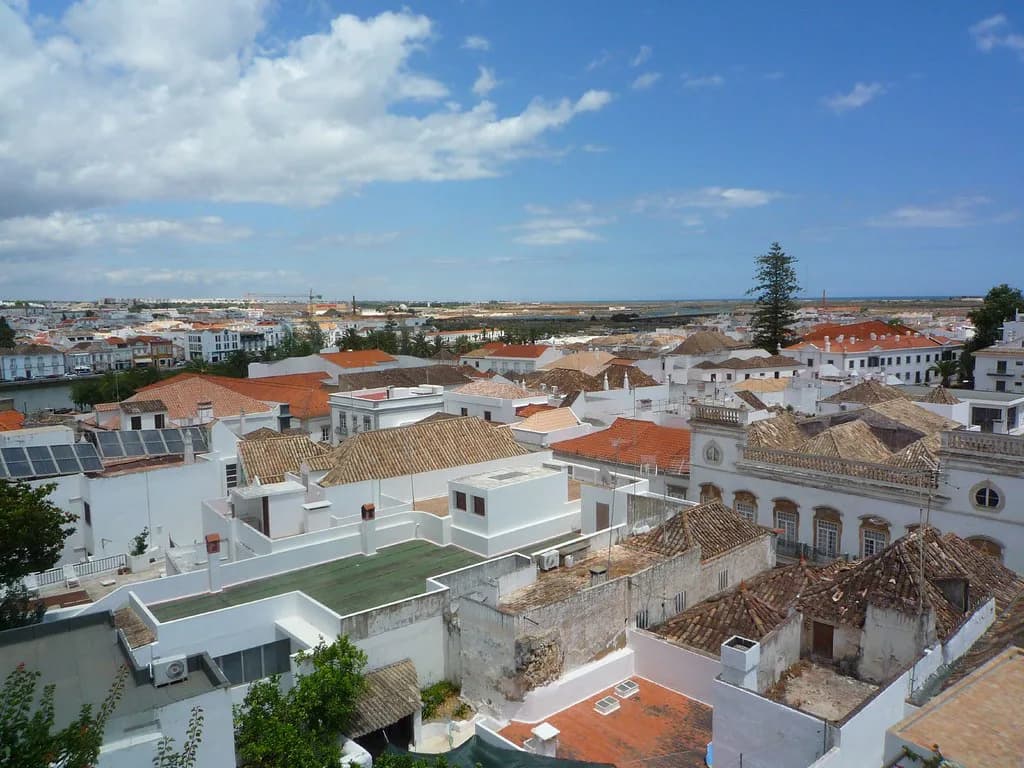
Castelo de Tavira preserves the remains of an 11th-century Moorish fortress, with ramparts that still hold together well enough to walk and look out from. The view takes in terracotta rooftops curling toward the Atlantic, which is the clearest way to grasp how the town sits between hill and estuary. Go early in the day for cooler stone and softer light on the roofs.
The castle grounds double as a calm garden, and the ramparts tell the story of Tavira's role in defending the region during the Moorish occupation. Below the walls, the old streets keep a shape that predates the Portuguese reconquest, which is why the centre feels folded and shaded rather than gridded. Walk down from the castle without a fixed route and you will read that layout in ten minutes.
Tavira's maritime centuries: salt, tuna and the Gilão river port
Tavira mattered because of the sea and the river that reaches it. Salt pans, tuna and trade routes from North Africa to northern Europe built the town's golden age, and the dense cluster of religious buildings on the skyline is the most visible dividend. Look at the number of churches rather than their individual grandeur and the maritime wealth becomes obvious.
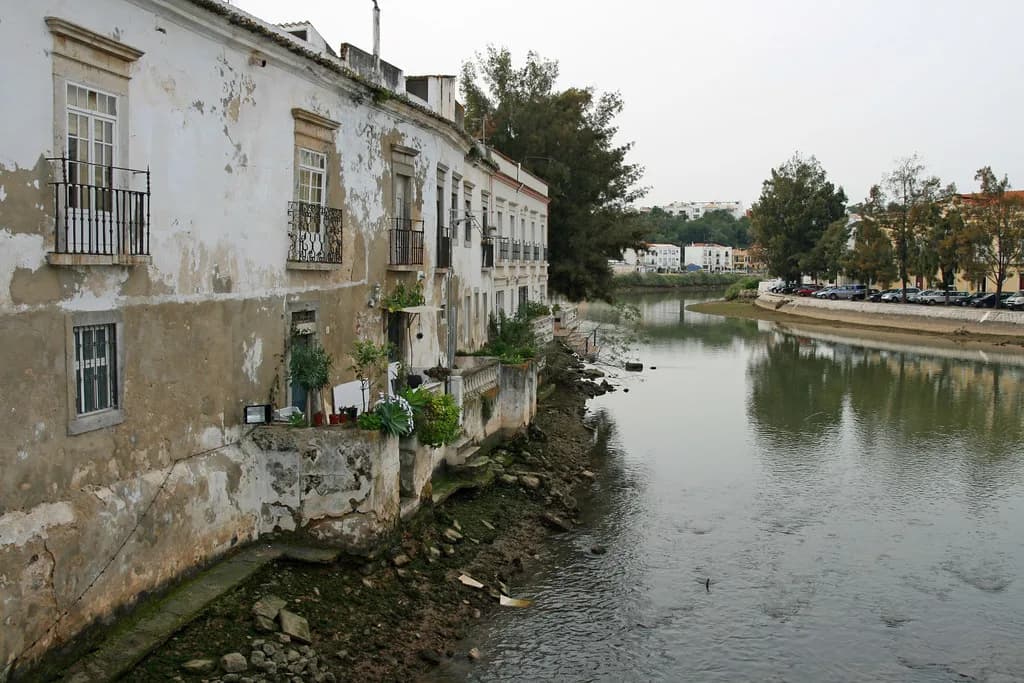
The Gilão still divides the town into two halves that meet at the bridge, and the waterfront is the place to feel that port history rather than read about it. From the quays you can see the lagoon system that made the harbour work.
Out in the lagoon, the Ria Formosa Natural Park continues the same economy in quieter form: clam diggers working the mudflats, salt pans, and flamingos in the shallows. A short ferry crosses to Ilha de Tavira, a bare sandbar with boardwalks over the dunes. One beach stop is enough for a history-focused trip, but it shows you the water that made the town rich.
The churches: Igreja da Misericórdia's azulejos and Santa Maria do Castelo
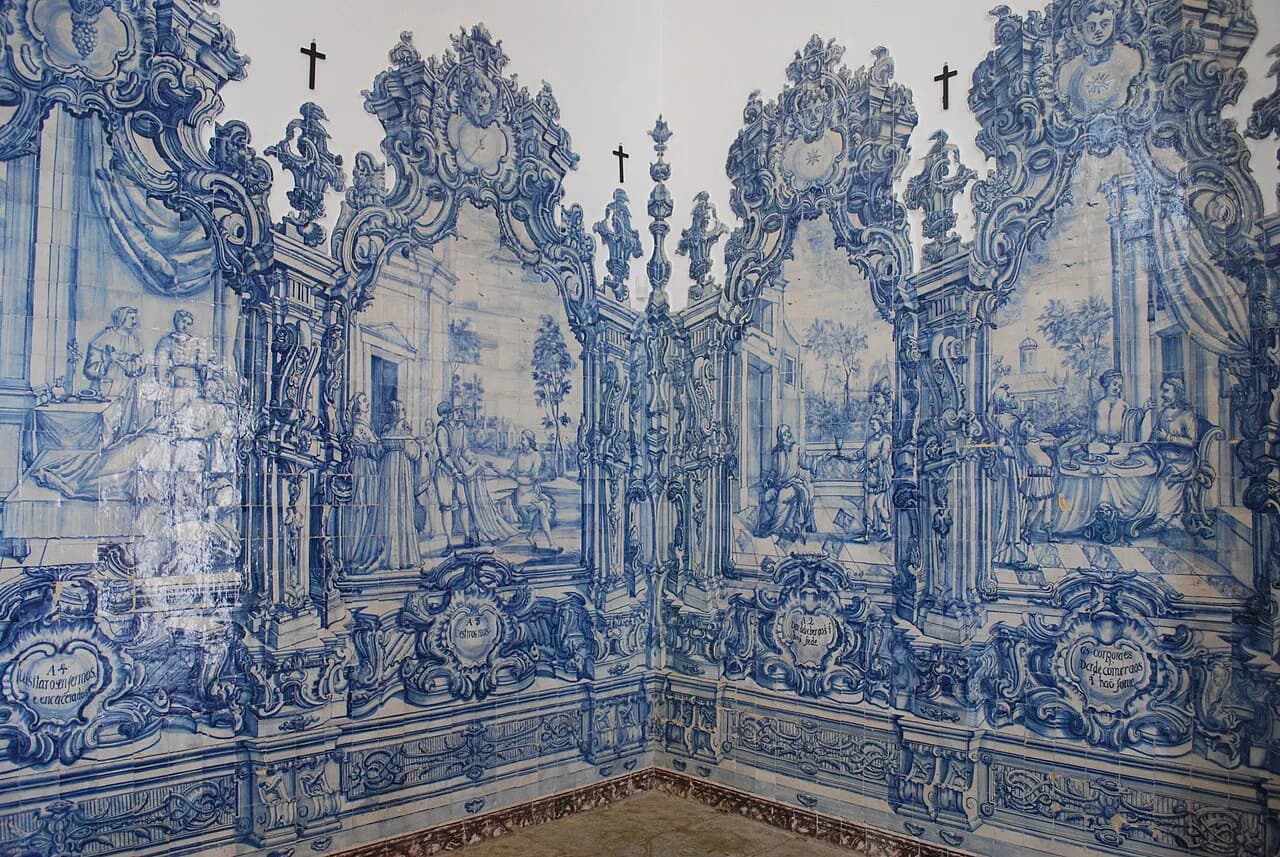
Igreja da Misericórdia is the interior to prioritise. Finished in the mid-16th century, it carries a cool stone elegance outside and a startling shift in temperature inside, where cobalt-blue azulejo panels wrap the walls with scenes from the Passion of Christ. The ceramic is chipped and the light falls oddly, which makes it more affecting than a pristine showpiece.
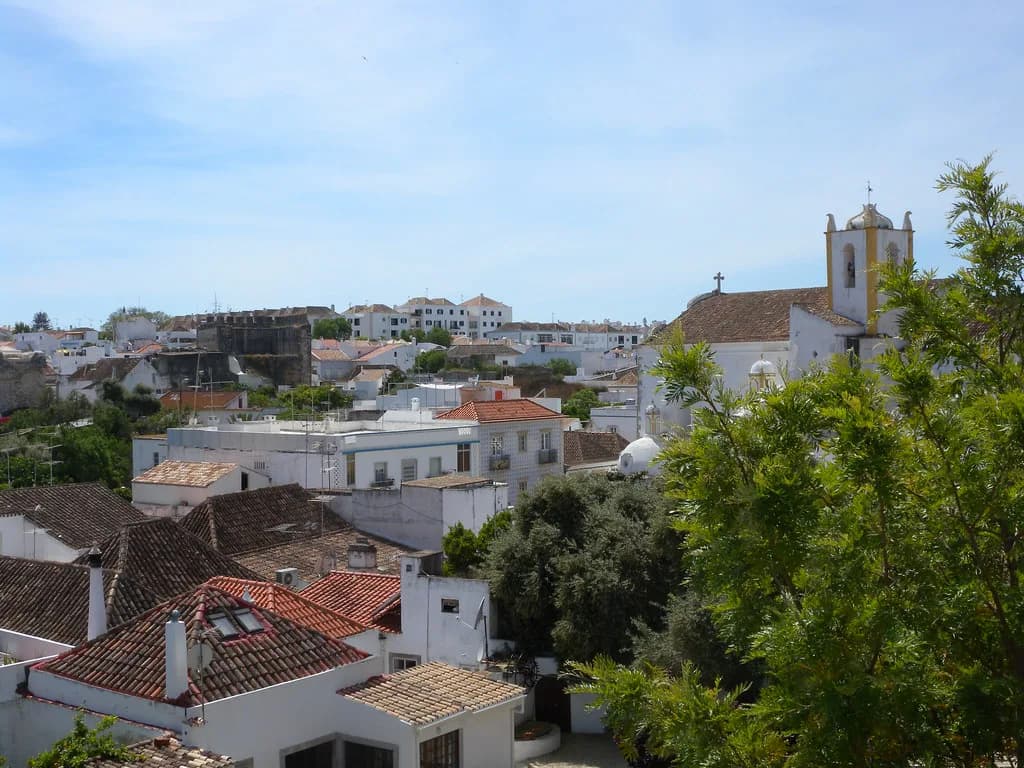
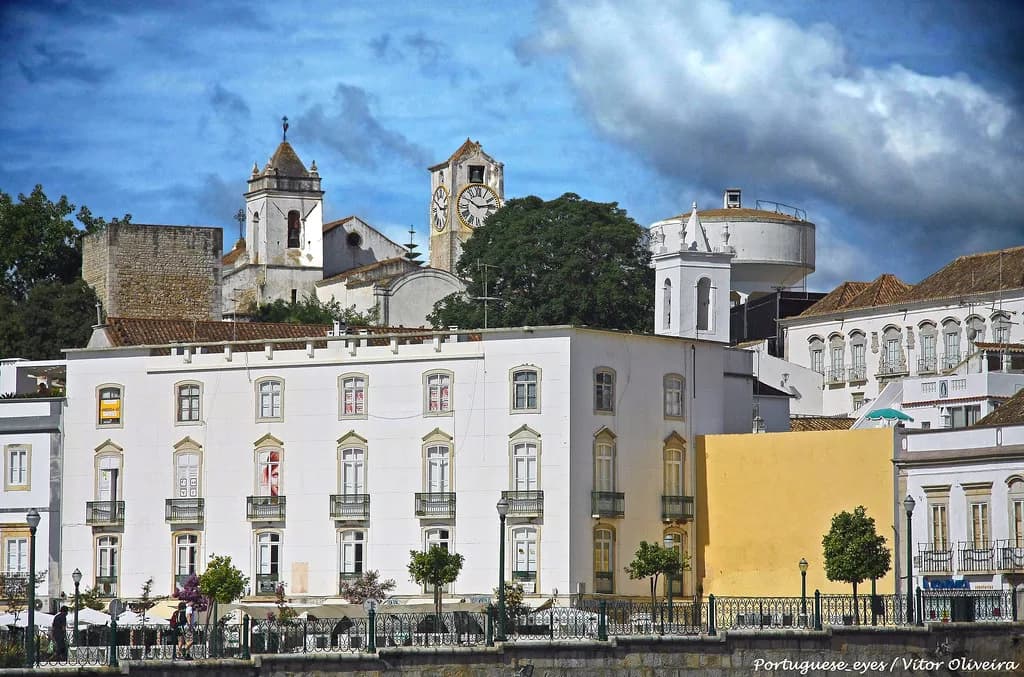
The other names worth knowing are Igreja de Santa Maria do Castelo, Igreja de Santa Ana and Igreja de São Sebastião, which together show off Baroque façades, detailed interiors and centuries-old artifacts. Santa Maria do Castelo sits by the castle, so pair the two in one climb.
If the tilework at Misericórdia catches you, the town rewards a closer look at its façades too, many of which are flaking and patched in a way that shows their age honestly.
How centuries of building shaped the streets you walk now
The old town is not an untouched medieval survival. The great earthquake of 1755 reshaped Portugal's south, and Tavira's centre carries Pombaline rebuilding alongside its Manueline and Baroque layers, a mix you can read in the façades as you walk. Knowing this stops you misreading the town as a fossil; it is a place that has been rebuilt and patched for centuries.
The practical upshot is that the most rewarding streets are often the crumbling ones, where flaking whitewash, dusty pink and burnt ochre sit beside newer work. Look up at the lattice-like chimneys that jut into the sky like clay exclamations; they are as good a marker of the town's building history as any plaque.
A self-guided history walk: castle, bridge and church loop on foot
Start at Praça da República, the town's social heart on the riverbank, and cross the Ponte Romana for the classic view back to the façades. Recross and climb to the castle for the Moorish ramparts, then drop to Igreja de Santa Maria do Castelo while you are on the hill. Finish at Igreja da Misericórdia for the azulejos, which is the strongest single interior in the centre.
Allow roughly half a day for the loop at an unhurried pace, with time sitting in the castle garden. If you want context on the streets themselves, a guided walk adds the stories that plaques leave out.
For indoor history, the town's museum collections fill the gaps the streets cannot, particularly on ceramics and local life. Pair one with a wet morning rather than cramming it into a sunny afternoon.
How much time to give the historical sights
On a one-day visit, the castle, the bridge and Igreja da Misericórdia are the non-negotiables, and they fit comfortably into a morning plus lunch. With two days, add Santa Maria do Castelo, one museum and a slow hour on the riverfront. A third day lets you take the ferry across the lagoon to see the water that built the town's trade.
Church and monument opening days vary and some close at lunchtime or on Mondays, so confirm times for the specific building on the day you plan to visit rather than assuming a uniform schedule. Markets and civic buildings follow their own calendars too; the Saturday market at Praça da República is the one fixed point the town advertises clearly.
Is Tavira's history worth a whole day?
Yes, but as a walk rather than a checklist. The castle, bridge and Misericórdia azulejos together tell the story from Moorish defence through maritime wealth to the 1755 rebuilding, and they sit close enough to cover on foot in a morning with coffee stops.
If you have only an afternoon, drop the museum and keep the hill and the river. The town's history is most legible from above the rooftops and beside the water.
Explore more Tavira guides
Frequently Asked Questions
What is the population of Tavira, Portugal?
Population figures for Tavira change with each census and with seasonal residents, so check the current number from Statistics Portugal (INE) before quoting it. For a short break it makes little difference: the historic centre is compact enough to cross on foot in well under half an hour.
Is it better to stay in Faro or Tavira?
Tavira suits travellers who want a smaller, slower town with history concentrated in a walkable centre and the Ria Formosa on the doorstep. Faro has the region's airport and a larger city base. Base yourself in Tavira if the old town, castle and church interiors are your priority, and use Faro as the transport hub rather than a competitor.
Sources
Notes for your next Portuguese break
Optional updates to our town guides.
You might also like
Continue reading
More guides you'll find useful