Churches in Tavira: Misericórdia, the Sé and What to See
Why the Igreja da Misericórdia is the church in Tavira to plan around: its azulejos, its 1722 gilded altar, entry fees, opening hours and Sunday closure.
On this page
Visit the Igreja da Misericórdia first. Of Tavira's churches it is the one to make time for, and if your short break allows only a single interior, this is the pick: a Renaissance doorway, a gilded baroque altar and a complete cycle of blue-and-white tiles. This guide covers what is inside, the bell tower, tickets and opening days, the fado concerts held in the church, and how to slot the visit into one to four days in town.
The church sits in the old town, a short walk from the river, so it pairs naturally with the castle, the market and the lanes between them; our guide to the things to do in Tavira shows how those pieces fit together. Read the practical sections before you set out, because the opening pattern includes a lunchtime gap and a closed Sunday that can catch out a tight itinerary.
Which Tavira church should you visit first?
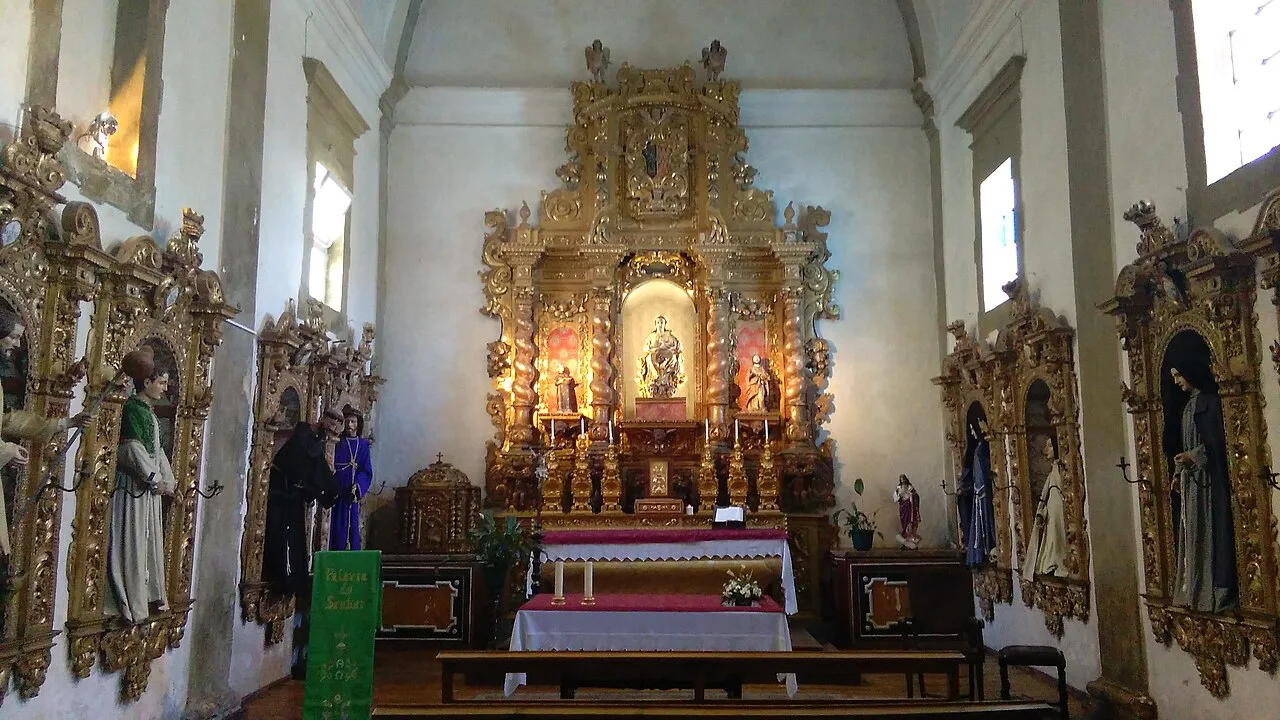
The Igreja da Misericórdia is the strongest single church visit in Tavira for most travellers, and it is the one to choose if you only have time for one. Built between 1541 and 1551, it is held up as the Algarve's best example of Renaissance architecture, above all for the façade and portal carved with Our Lady of Mercy between St Peter and St Paul. The interior mixes Renaissance columns with baroque decoration added in the 1700s, which is why one visit gives you two architectural periods rather than one.
Tavira's other churches make a natural second stop rather than the headline: your time in Tavira is better spent on the Misericórdia's interior, then the castle walls and the riverside. The Sé and the town's smaller churches are worth a look from outside on any old-town walk, but plan the Misericórdia as the fixed appointment.
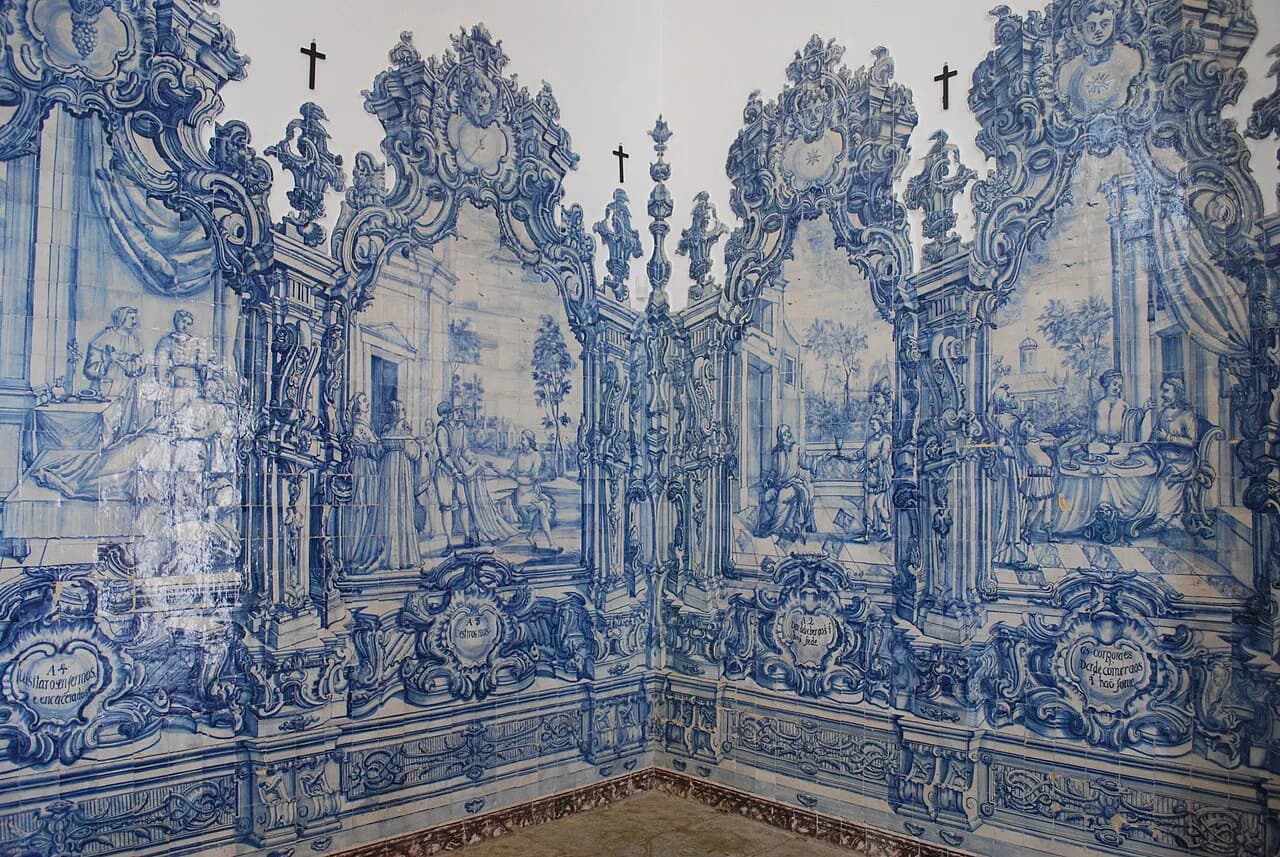
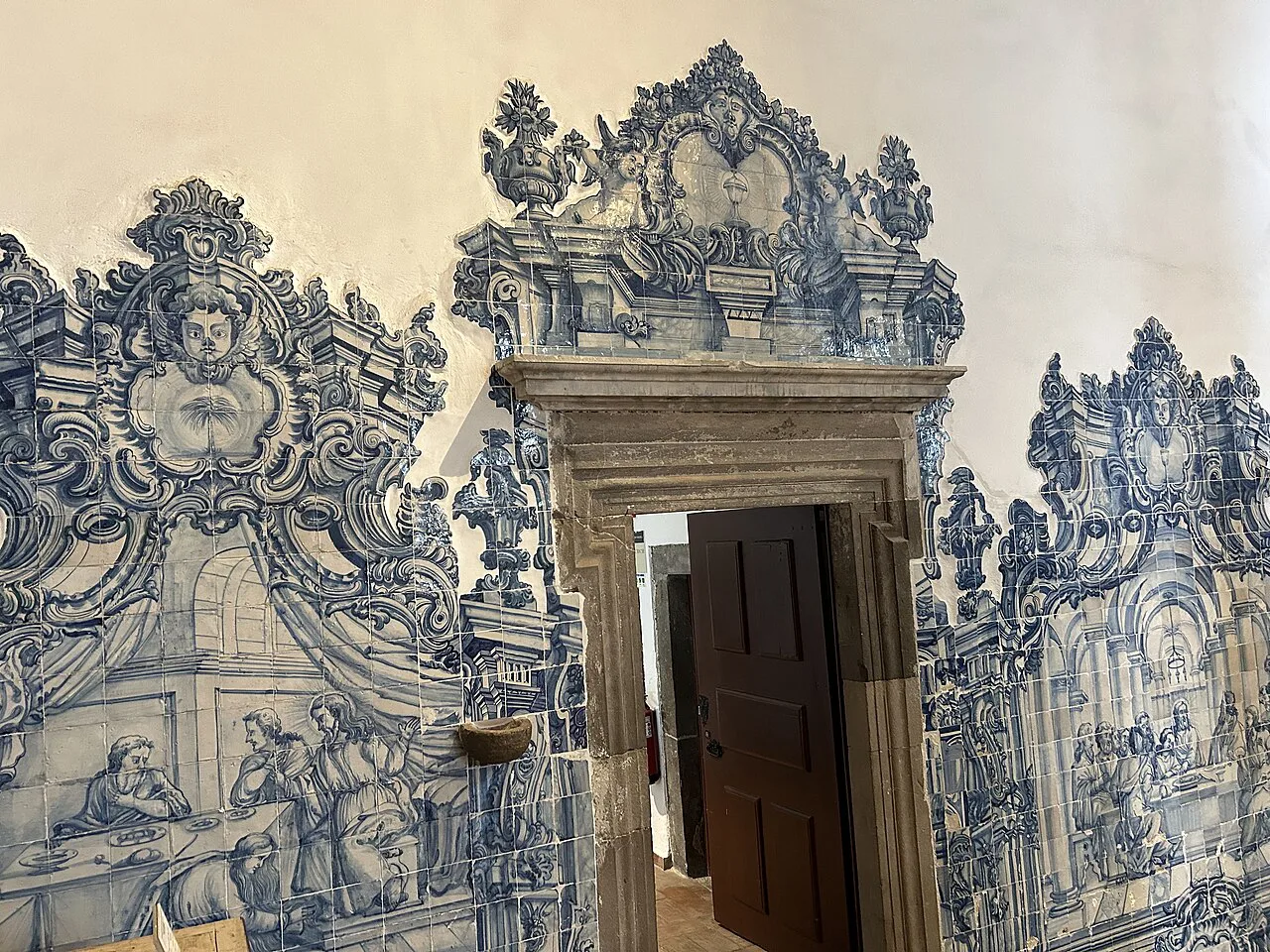
If tiles are your reason for coming, the Misericórdia is also the most concentrated display in the centre: 18 panels made in Lisbon in 1760 line the walls. Pair it with a wider look at Tavira tiles around town, which puts the church panels in context and shows what else the town holds.
Where the Misericórdia sits and how you reach it
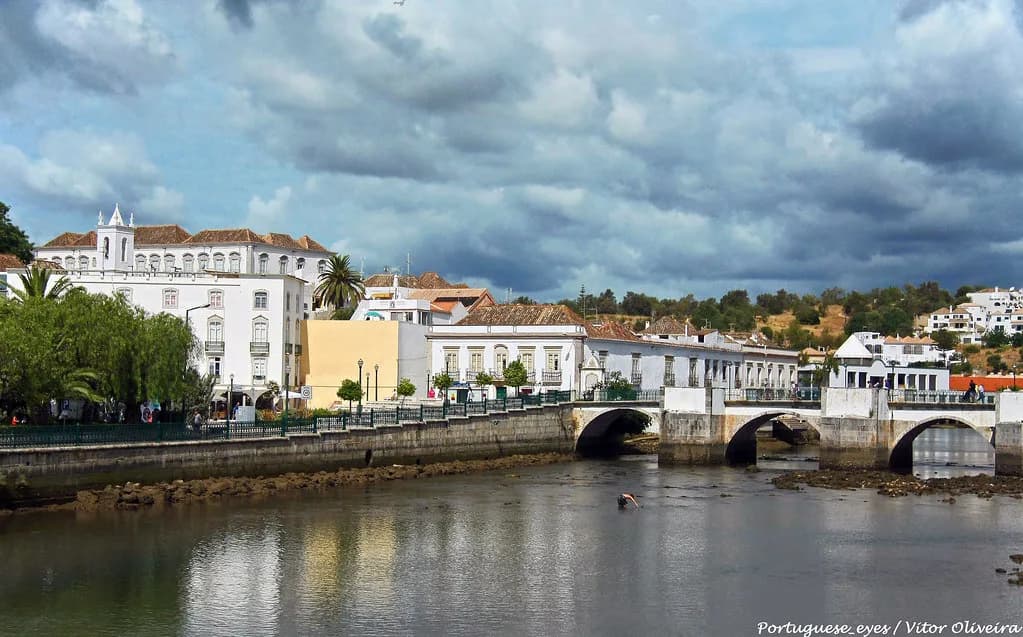
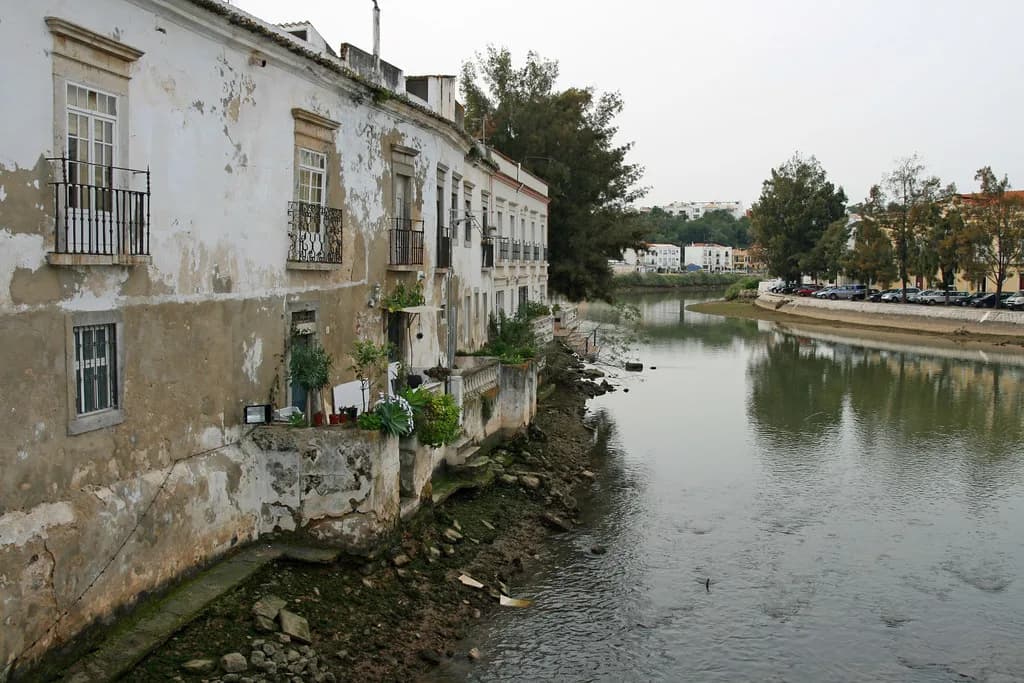
The church stands at Largo da Misericórdia in the old town, a stone's throw from the Rio Gilão. The natural approach on foot is from the main square, Praça da República, heading up through the Porta de Dom Manuel gate; the church is the first monument you meet as you come through. That makes it an easy first stop of the day, before the lanes fill and the light softens inside.
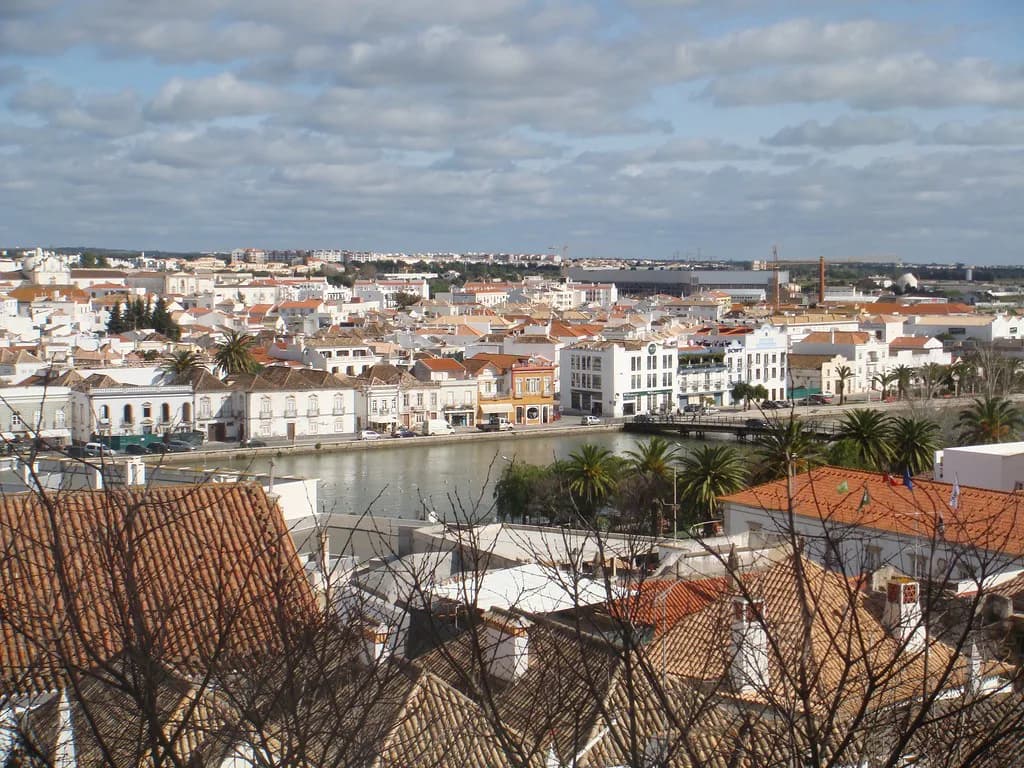
Coming from the other direction, the church is a short walk from the riverfront and easy to fold into a circuit of the centre. If you want the town's geography explained as you go, our Tavira Old Town guide covers the same ground. Otherwise, walk up from the square, see the church, then carry on to the castle.
What you actually see inside
Start at the doorway. The Renaissance portal, carved with figures of the Virgin and the two apostles, is the finest piece of stonework in Tavira and sets up what follows. Inside, the eye goes straight to the gilded retable of 1722, which replaced a 16th-century predecessor at a time when Brazilian gold was funding church interiors across Portugal.
The tiles are the part most visitors rush and then regret. There are 18 blue-and-white panels, made in Lisbon in 1760 in a rococo style, and they are not decoration for its own sake: they illustrate scenes from the life of Christ and the 14 works of mercy, from feeding the hungry to burying the dead. Read them as a sequence rather than a pattern and the walls tell a story; look for the works of mercy on one run of panels and the Gospel scenes on another.
Allow 30 to 45 minutes inside, longer if you read the panels properly or linger over the gilded woodwork. The church also stages temporary exhibitions at times, so a short visit can stretch if something is on. Add the tower and budget an hour in total.
Climbing the bell tower: is the extra ticket worth it?
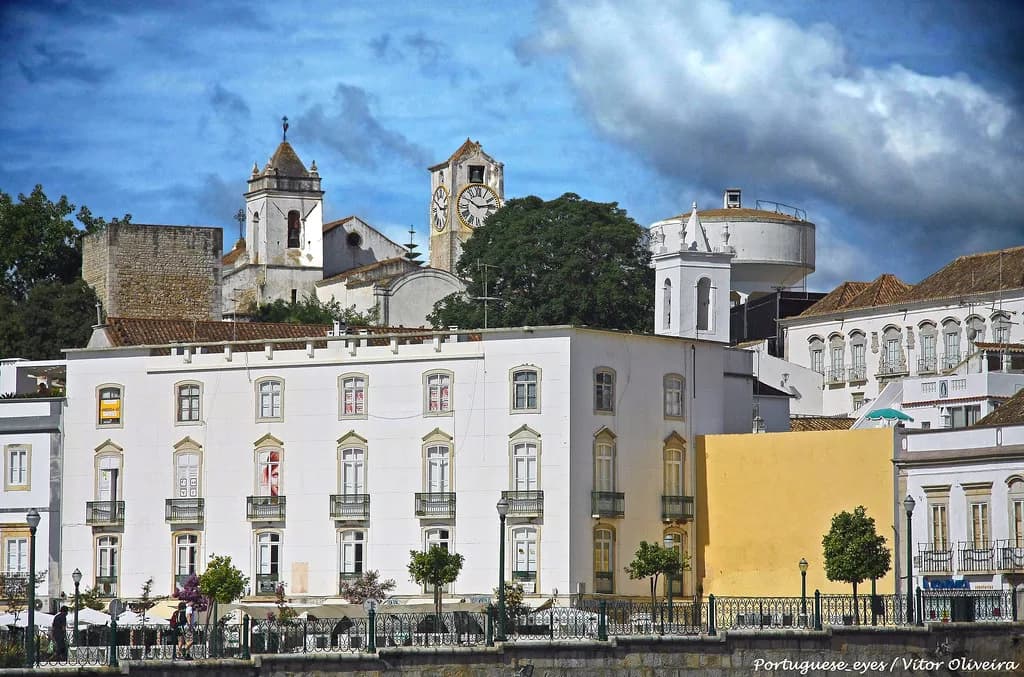
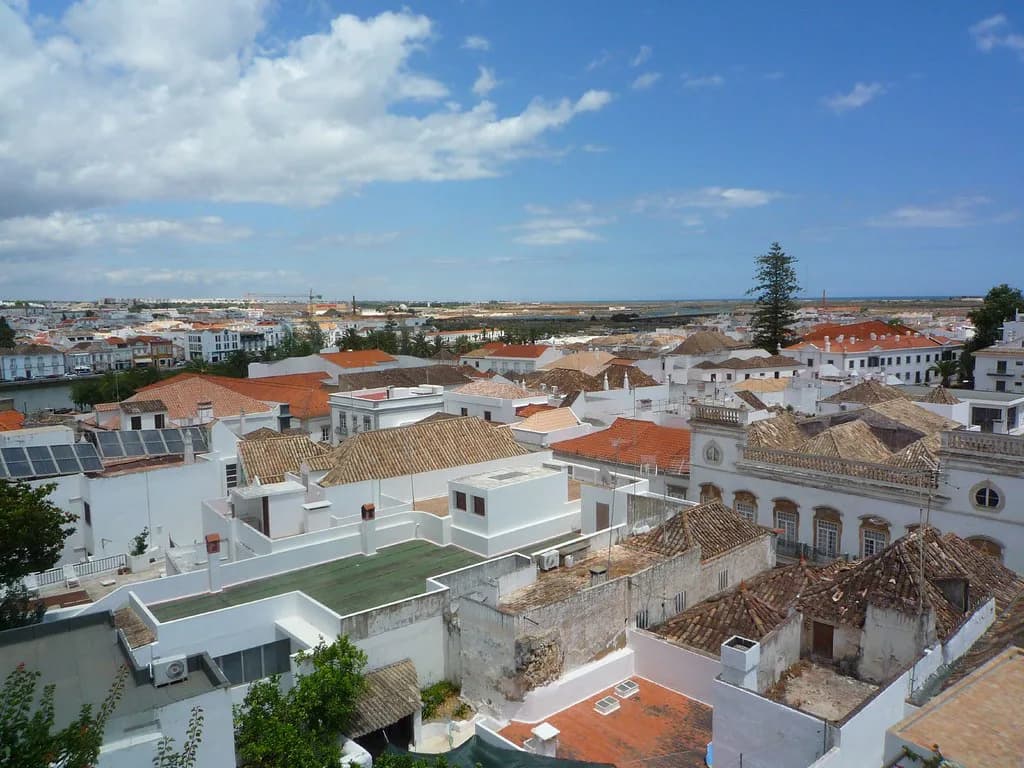
Yes, for the view. Visitors are allowed up into the bell tower to look out over the city, a good way to fix the layout of roofs, river and castle in your head early in the trip. It is a short climb rather than an expedition, so even a half-day visit can absorb it.
Skip it only if you have already taken in the castle walls, where the outlook is broader and free to anyone walking the ramparts. Our Tavira castle guide covers that alternative, so you can decide which view to spend your time on rather than doing both. On a one-day visit, the church plus the castle walls is a sensible pairing.
Opening days, the lunchtime gap and tickets
The Misericórdia closes for lunch and shuts entirely on Sundays, which is the single most useful thing to know before you set out. As listed, it opens on Mondays from 9am to 12pm and 2pm to 5pm, and Tuesday to Saturday from 9am to 12:30pm and 2pm to 5:30pm, with Sunday closed. That means a late-morning arrival risks finding the door locked; aim for the first slot of the morning or just after 2pm.
Tickets are modest: there is a charge for entry to the church alone, and a higher charge includes the bell tower. Decide before you pay, because the tower is the only real add-on.
These are the hours and prices as the tourist listing gives them, and they are the guide's basis for planning a day rather than a promise on the day itself. Check the times at the door or with the town's tourist information before building a morning around it.
Fado at the Misericórdia: an afternoon alternative
The church doubles as a fado venue, which is the best way to hear the music in Tavira without a late night. Concerts run at 5pm on a weekday and 3:15pm on a Saturday, each lasting 45 minutes. Arrive a little early to settle in, since the performance is preceded by a short documentary on the history of fado, listed by UNESCO as intangible cultural heritage in 2011.
The set covers classic fados with guitar, viola and voice, and the setting does much of the work: you are hearing the music inside one of the town's finest interiors rather than a bar. Booking and any charges are handled by the organisers, Fado com História, so ask them directly when you plan the day.
Fitting the church into one to four days in Tavira
With one day, do the Misericórdia first thing, walk down through the old town, then take the market and the castle walls before lunch. That rhythm works because the church's morning session ends at 12pm or 12:30pm depending on the day, so you are out before the gap and free to eat.
With two or three days, treat the church as one fixed slot and spread the rest: a morning for the castle and old-town lanes, an afternoon for the riverfront, and one slot for a museum or the fado concert. If the weather turns, Tavira museum collections make a good indoor filler, and the church is close enough to combine with either.
With four days, the church becomes a 45-minute stop inside a fuller circuit rather than a morning out. Build the day around the old town on foot, then take the river and the island beach on another day, and keep the church for a wet or slow start. Our Tavira Attractions: 7 Visitor Guides page links the individual sights so you can order them.
The Sé and other Tavira churches: what to know before you go
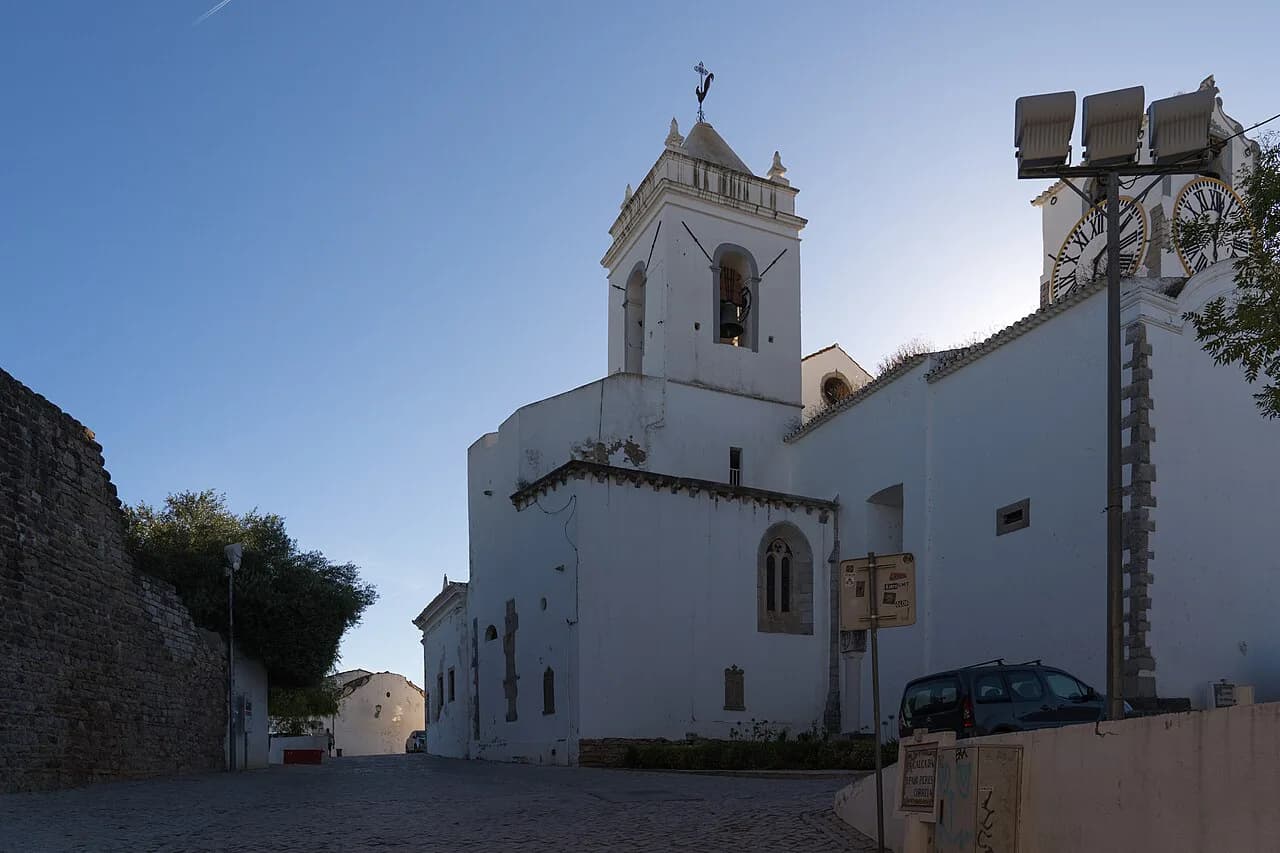
Beyond the Misericórdia, the Sé de Tavira and the town's other churches are second stops rather than headline sights, set among the old-town lanes near the castle. Our Tavira Old Town guide puts that street plan in order, so you can add them to a walk without much detour. Look at the exteriors and the settings first, then decide whether to go in where they are open.
Set your expectations honestly. The Misericórdia is the interior to plan around; the other churches are stops on the way, not destinations in themselves, and the town's pleasure lies in the lanes and riverfront between them. Keep the church as the fixed point and let the rest of the old town fill the time around it.
Should you pay the extra euro for the tower?
Pay the extra euro and climb. The bell tower gives you the town's shape in one look, which pays off for the rest of a short break, and the two-ticket system makes the choice simple at the desk. If you have already walked the castle ramparts for the wider view, save your money and spend the half-hour on the azulejo panels instead.
Then build the day around the opening pattern rather than against it: arrive in the morning slot, leave before the lunchtime gap, and avoid Sunday altogether. The rest of Tavira, from the market to the river, fits neatly into the afternoon.
Explore more Tavira guides
Sources
Notes for your next Portuguese break
Optional updates to our town guides.
You might also like
Continue reading
More guides you'll find useful