Is Silves Worth Visiting? An Honest Answer for Your Algarve Break
Silves suits travellers who want a Moorish castle, a Gothic cathedral and quiet cobbled streets. Here is what the town offers and who should skip it.
On this page
Yes, Silves is worth visiting, provided you want history and a slow morning rather than sand and surf. The town delivers one genuinely excellent castle, a cathedral raised on the site of a former mosque and a compact old town of cobbles and whitewashed houses, all within a short walk of each other. This guide sets out what you actually see, how long the town needs, who it suits and the honest trade-offs against the coast.
The town is small enough that you can cover the core on foot without a plan, but the details reward a little preparation. Below are the named sights, the realistic time budgets, the walking geography and the transport picture, so you can decide between a quick stop and a night in town.
What you actually see: castle, cathedral and old town
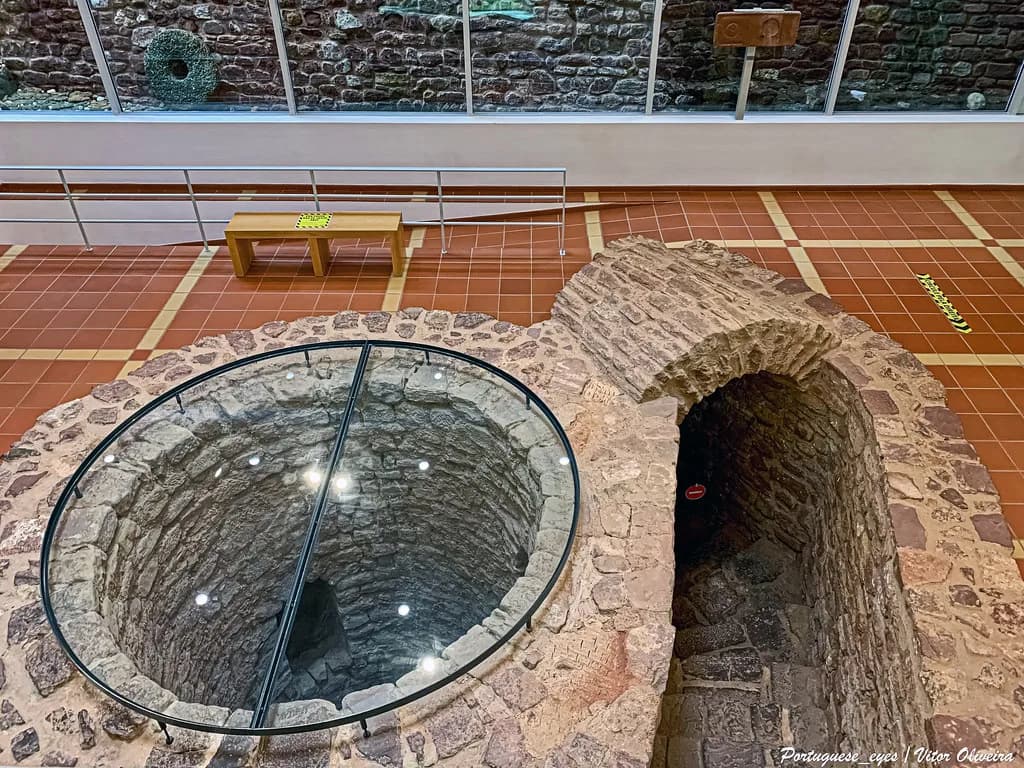
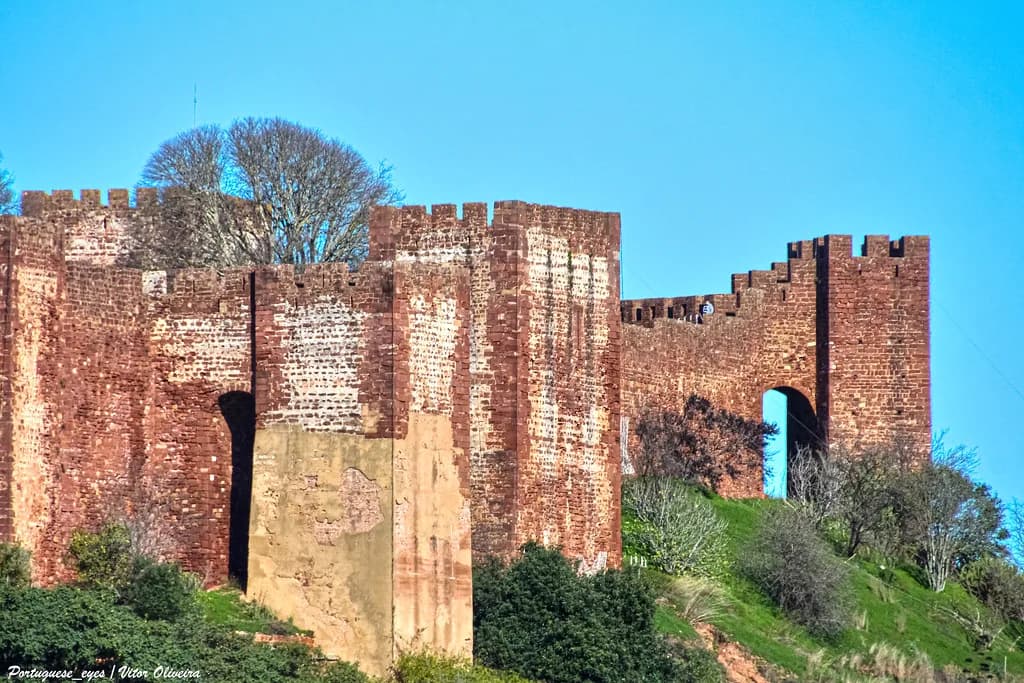
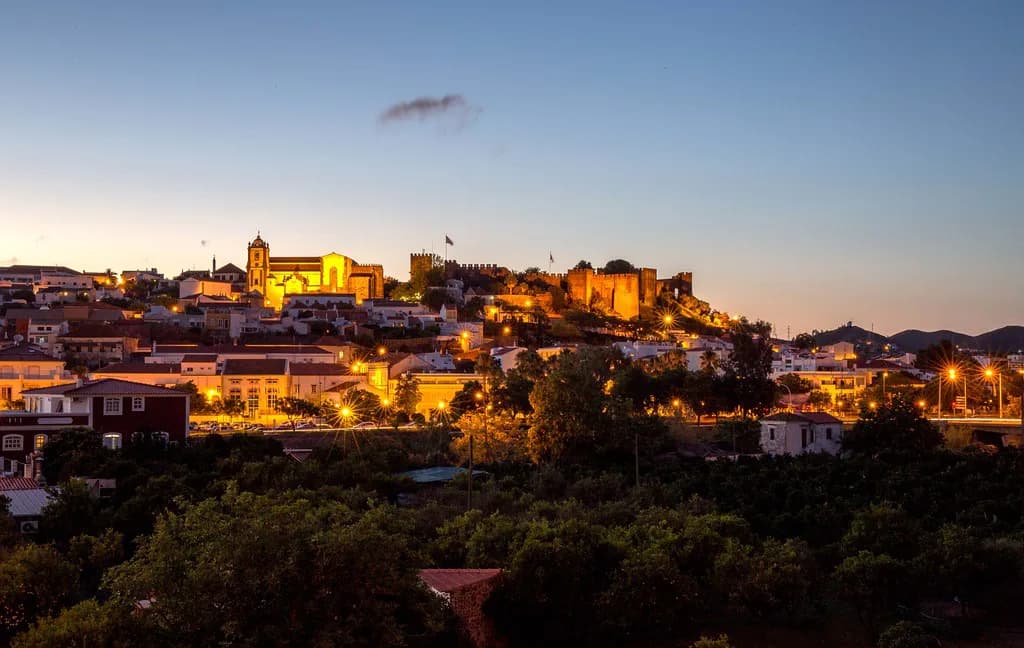
The centrepiece is the Castelo de Silves, described as the largest and best preserved Moorish fortification in the Algarve, with red sandstone walls and eleven towers on a hilltop fortified since Roman times. Inside you can walk the ramparts, look over excavated remains of the Moorish settlement and descend into the vast underground cistern that supplied water until the 1930s. It comfortably fills an hour.
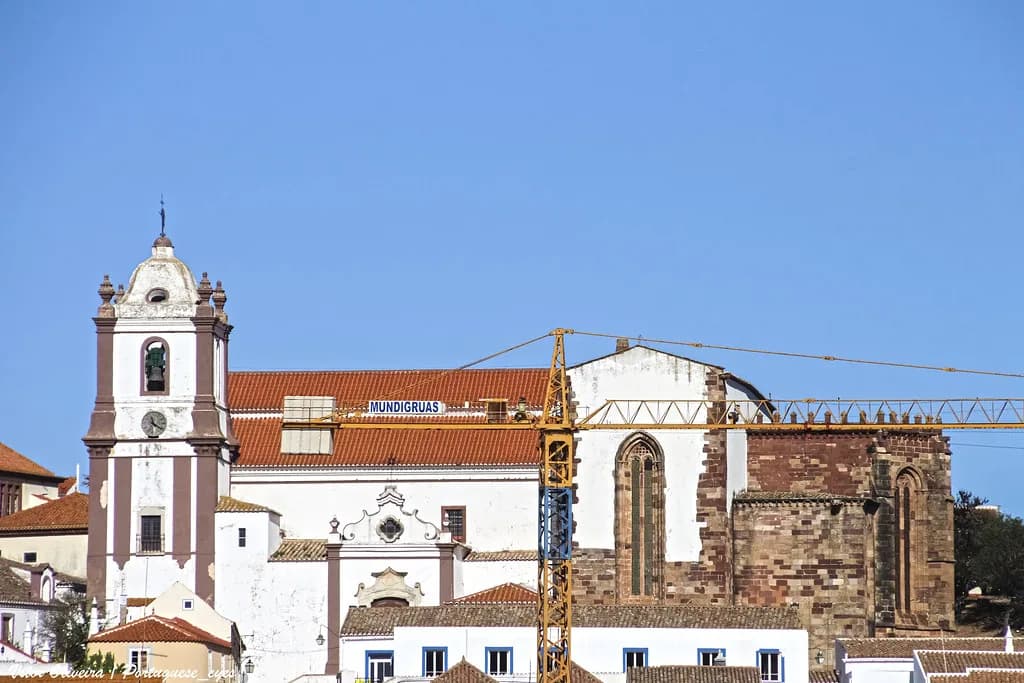
Below the castle, the Sé de Silves is the Algarve's most important Gothic building, built on the site of the city's former Great Mosque after the Christian reconquest of 1249. The interior mixes Gothic vaulting and medieval tombs with Baroque additions made after the 1755 earthquake. The old town also holds the Museu Municipal de Arqueologia, a stop on the suggested walking route and the place to go for the deeper story of the Islamic period.
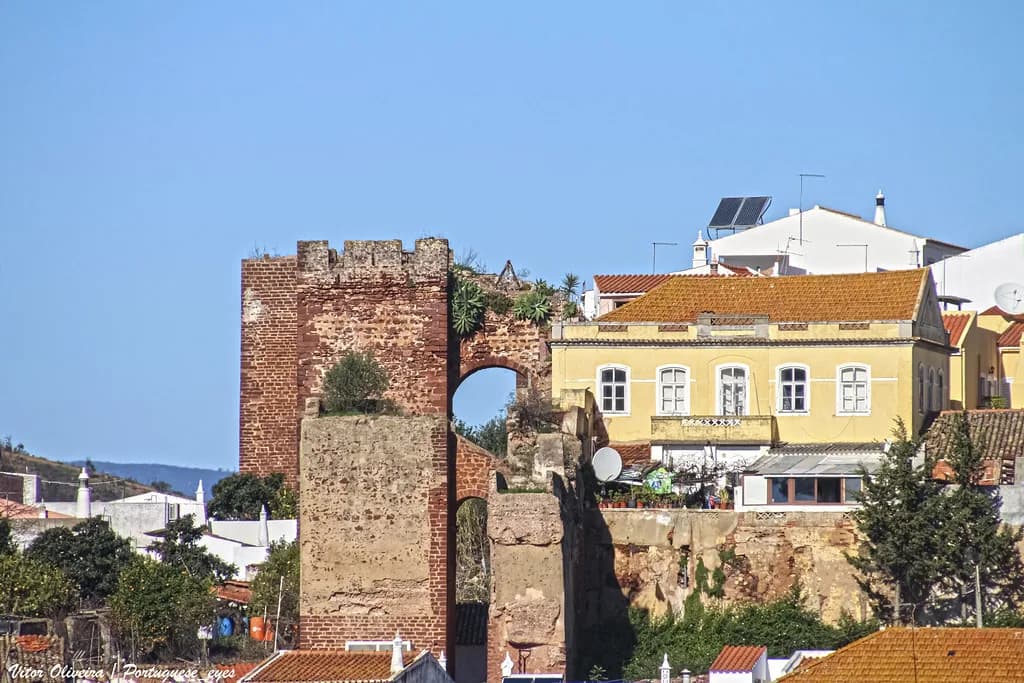
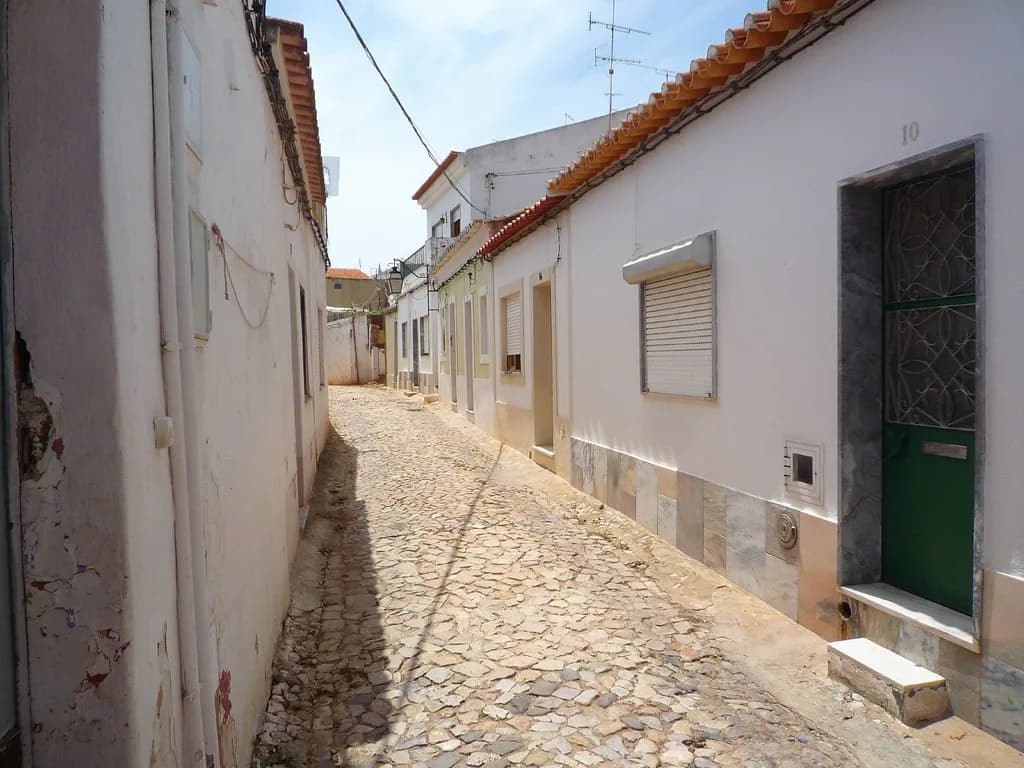
The old town itself is the third anchor: a meander of cobbled streets and whitewashed houses pressed against the redbrick town walls. The Portas da Cidade is the only surviving gateway into the medieval walled city, built from the same red sandstone as the castle, with a narrow entrance that turns sharply left to frustrate a cavalry charge. Beyond it, the Rua da Sé climbs steeply towards the cathedral. For more on the lanes and squares, see the Silves Old Town guide.
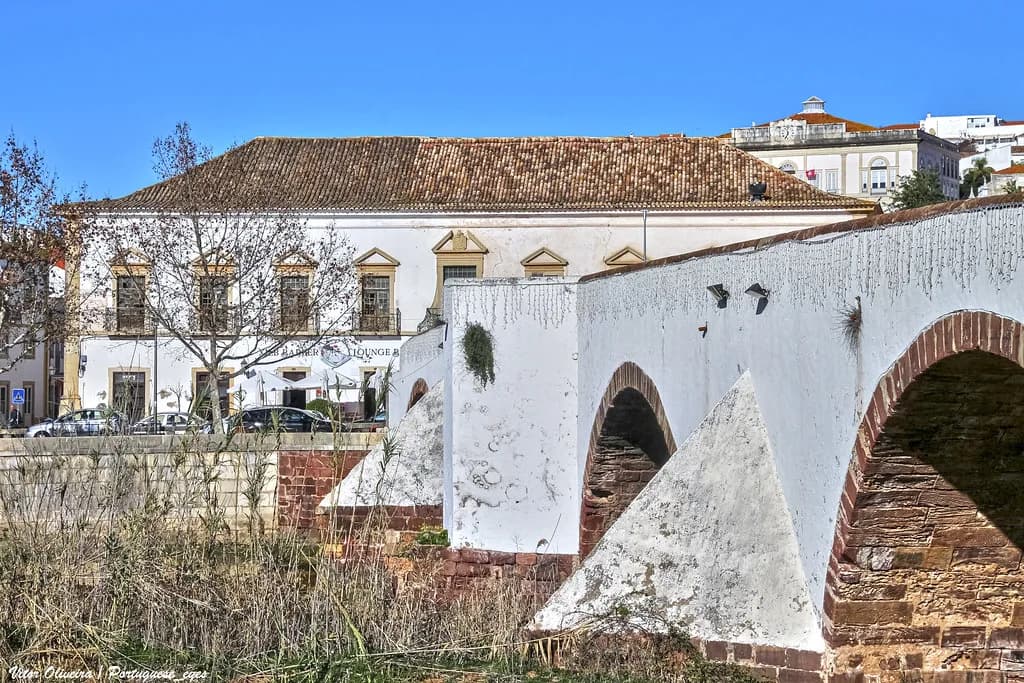
At the foot of the hill, the Ponte Romana crosses the Rio Arade, which is still tidal even this far from the coast. Despite the name, the bridge was built in 1445 to replace an earlier Roman structure, so do not expect Roman masonry. In the Moorish era the river was wider and deeper, letting heavy trading ships sail up from the Atlantic to the city gates.
How the town is laid out and how long the walk takes
Silves sits on a hillside above the Arade, with the river and the Ponte Romana at the bottom and the castle crowning the top. The practical route runs from the tourist information office and Mercado Municipal up through the Rua Elias Garcia shopping street to the Praça do Município, through the Portas da Cidade and up the Rua da Sé past the archaeology museum and cathedral to the castle walls. Everything is walkable, but the gradient is real, especially in the afternoon heat.
A quick circuit of the core, without lingering, works out at about 90 minutes on foot. With an hour in the castle, an hour wandering the old town and an hour for lunch and café stops, around three hours is a more realistic figure for a first visit. Add the museum and you are comfortably into half a day.
How much time Silves needs: a half day or an overnight
For most travellers on a short Algarve break, half a day is the right allocation. Arrive in the morning, climb to the castle while it is cooler, work back down through the cathedral and old town, and eat lunch before the afternoon heat settles. That pace leaves time for the coast later the same day.
An overnight changes the character of the visit. With the day-trippers gone, the squares and tascas return to serving locals, and you can spread the castle, cathedral and museum across two unhurried mornings. Staying also makes it easier to add the mountain village of Monchique and the viewpoint at Mount Fóia, which pair naturally with Silves on a two-centre stay inland.
Who will love Silves and who should give it a miss
Silves rewards travellers who like reading the history in the stones: the Islamic period from the 8th to the 13th century is what shapes the castle, cathedral and street plan today. It also suits anyone who wants a break from resort towns. Cafés here serve residents, restaurants are family-run and daily life follows the heat rather than the tourist season.
Give Silves a miss if you are mainly after beaches, nightlife or a full day of attractions. The castle is really the one major ticketed sight, and the town is small; travellers wanting a packed itinerary will run out of things to do by mid-afternoon. It is also a poor fit for anyone who cannot manage steep cobbled streets.
What it costs and how to see the castle and museum
The castle is the only major paid attraction in town, and tickets are modest. Current entry prices, opening days and any holiday closures are published by the castle and the municipal museum rather than fixed here, so check before you travel. Note that many Portuguese national monuments close on Mondays, though you should confirm Silves specifically rather than assume.
If you would rather not organise it yourself, guided walking tours of the Islamic-era town cover the castle, cathedral and medieval streets with context that signage alone does not give. Boat tours up the Arade from Ferragudo offer a different approach, arriving at the medieval town from the water. Both are bookable through operators rather than the town itself.
Silves or the coast: the honest trade-off
The coast gives you beaches, seafood restaurants and easy resort infrastructure; Silves gives you one of Portugal's best-preserved Moorish castles and a town that has not been reshaped by tourism. If you have three or four days in the Algarve, the strongest plan is to base on the coast and give Silves a morning or an overnight, rather than choosing between them.
The main practical cost of choosing Silves is heat. The town sits inland and loses the cooling sea breeze, so summer afternoons can be fierce. Visiting early in the morning is the sensible adjustment, and it also puts you in the castle before the coach parties arrive.
Getting there and back without rushing
Silves is reachable by train and bus from Lagos, Portimão, Faro and Albufeira, but schedules can be thin depending on the day, so plan your return before you commit to a late castle visit. From Lagos the train takes roughly 40 minutes. If you are coming from Albufeira, note that the old town is several kilometres from the station, making a bus the more practical option.
Driving gives you the most flexibility and lets you combine Silves with Monchique and Mount Fóia in a single loop. Once in town, park below the old town and walk up; the streets around the castle were not built for cars.
Should Silves make your Algarve itinerary?
Put Silves on the list if you want one strong historical half day with a castle you will remember, and consider an overnight if you also want Monchique. Skip it if your Algarve break is purely about beaches and resorts, because the town will not fill more than a morning.
The workable plan is to arrive early, walk from the river up through the Portas da Cidade to the castle, then eat lunch in the old town before heading back to the coast. Check castle and museum opening days and prices before you set out.
Explore more Silves guides
Sources
Notes for your next Portuguese break
Optional updates to our town guides.
You might also like
Continue reading
More guides you'll find useful