Silves Old Town: What to See and How to Walk It
A practical walk through Silves old town, from the Portas da Cidade and Rua da Sé to the cathedral and castle, with realistic timings for a short visit.
On this page
Silves old town needs half a day, not a full one: an unhurried circuit through the gate, up the hill to the cathedral and castle, and back down to the river fits into about three hours. The historic centre is small and steep, layered over the site of the Moorish capital of the Algarve, and almost everything worth seeing sits on one short climb. This guide sets out the layout, a street-by-street route from the river, the time each stretch takes and the trade-offs that decide whether you linger or move on.
If you are still deciding whether the town earns a slot in your Algarve itinerary, the short answer is yes for anyone who values medieval walls and lived-in streets over beachfront promenades. Our guide to the things to do in Silves widens the picture beyond the centre, while this page stays inside the old town.
How the old town is laid out
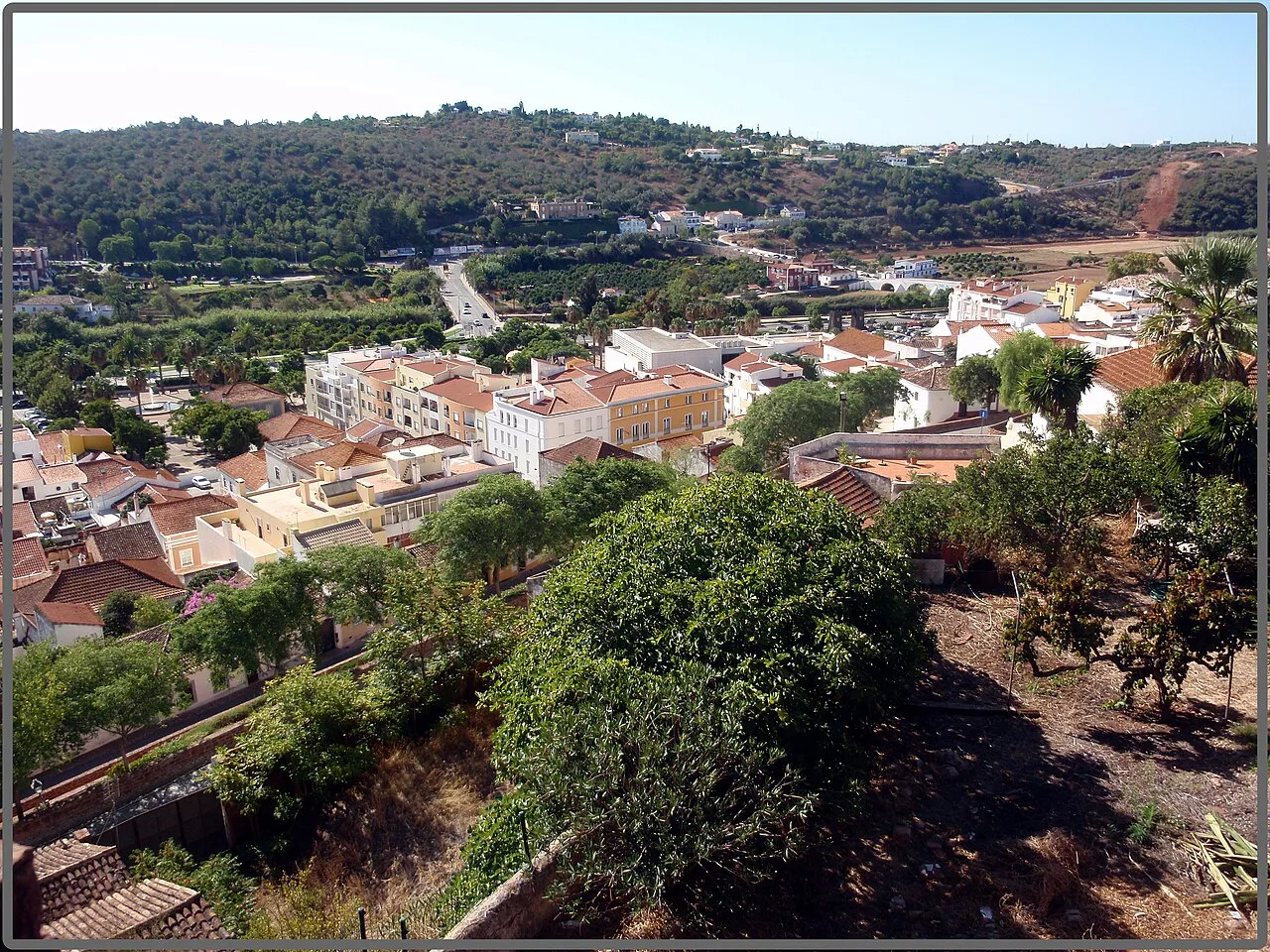
Ancient Silves was built to face the Rio Arade, which runs below the town and is still tidal 13 kilometres from the coast. The river was once wide and deep enough for trading ships to reach the city gates, which is why the town grew rich as an inland port under Moorish rule. That geography explains the shape of a visit today: you start low by the water and climb.
Above the river, the Mercado Municipal, Rua Elias Garcia and the Praça do Município form the everyday lower town, with the archaeology museum and the Portas da Cidade just beyond. From the gateway, the Rua da Sé climbs steeply to the cathedral and the castle sits above it on the fortified hilltop. Plan the walk as a single ascent with stops, rather than criss-crossing the centre, and you will spend your energy on the sights rather than on retracing steps.
Start at the Mercado Municipal and the Ponte Romana
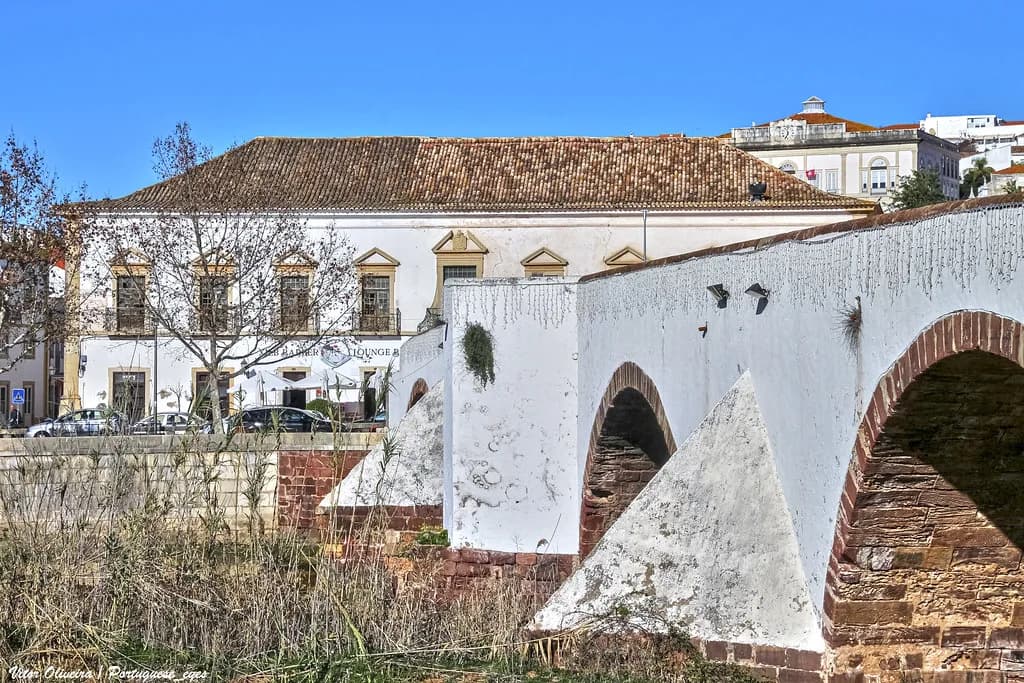
Begin at the river. The Ponte Romana carries the name of the Roman crossing, but the bridge you see was built in 1445 to replace the original Roman structure. It makes a natural first stop for a photograph across the water and a sense of how the town once presented itself to arrivals by boat.
From the bridge, walk up into the market and shopping streets of the lower town; a coffee and a pastry on Rua Elias Garcia is the traditional way to begin. The Mercado Municipal is the everyday food market rather than a visitor attraction, so treat it as a glimpse of local life and keep moving.
Through the Portas da Cidade
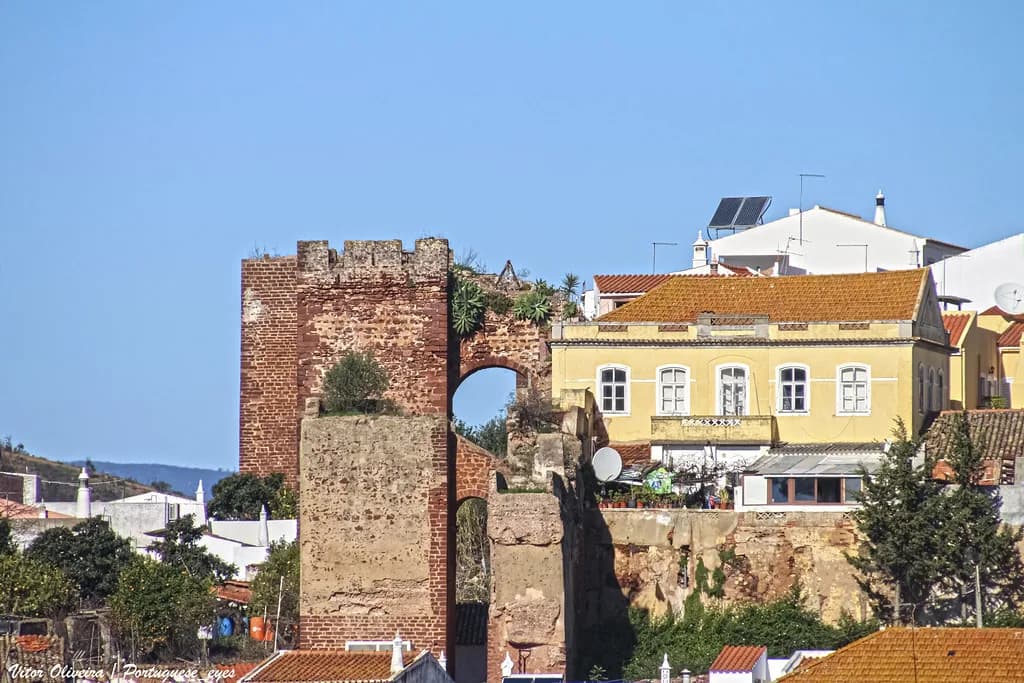
The Portas da Cidade is the only surviving gateway into the medieval walled city, cut from the same red sandstone as the castle above. Its entrance is deliberately narrow and turns sharply immediately inside, a design intended to break up a cavalry charge or a massed assault. Pause to look at the turn before you take it; this is the single best piece of defensive thinking in the old town.
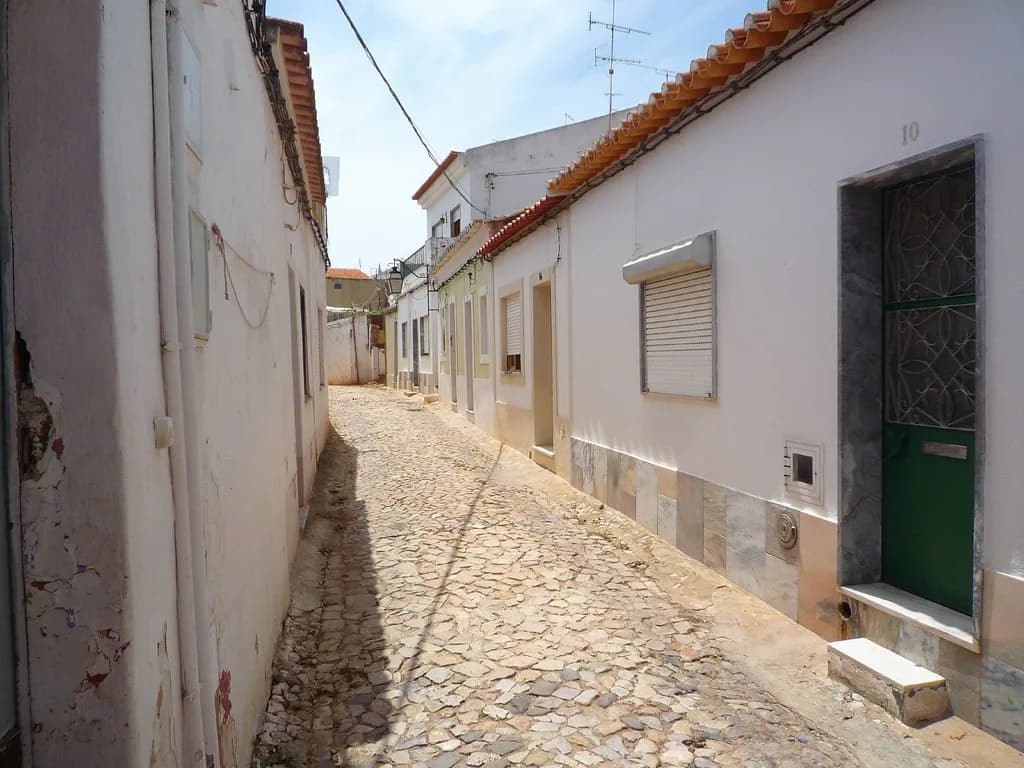
Beyond the gate, the Rua da Sé is the spine of the visit, a steep uphill street linking the gateway to the cathedral. The cobbles are uneven and polished by use, so wear shoes with grip; after rain the descent deserves care.
The Sé de Silves at the top of Rua da Sé
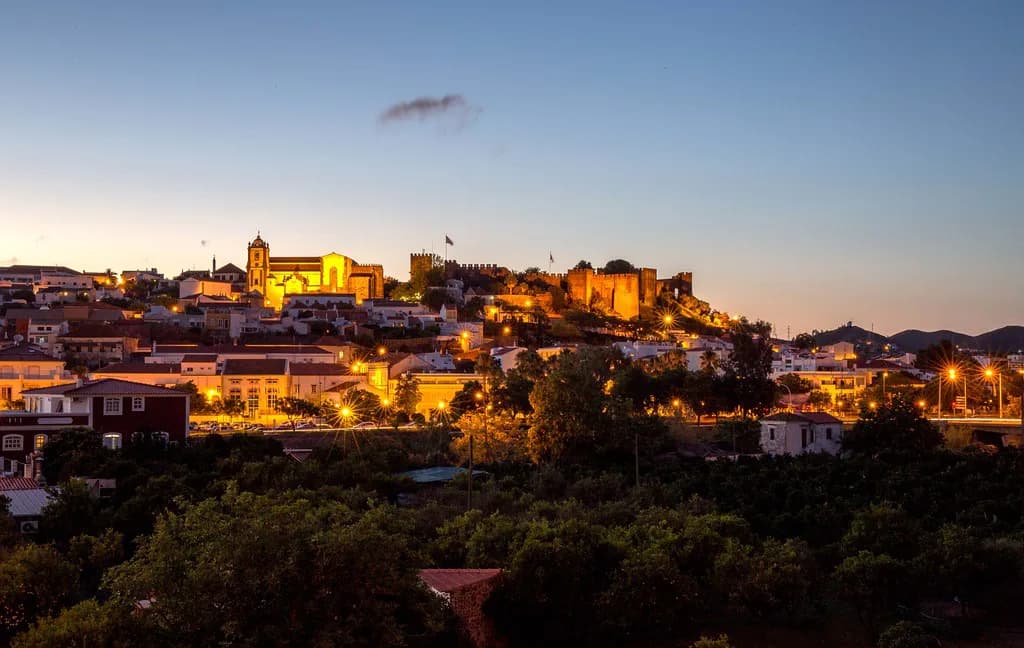
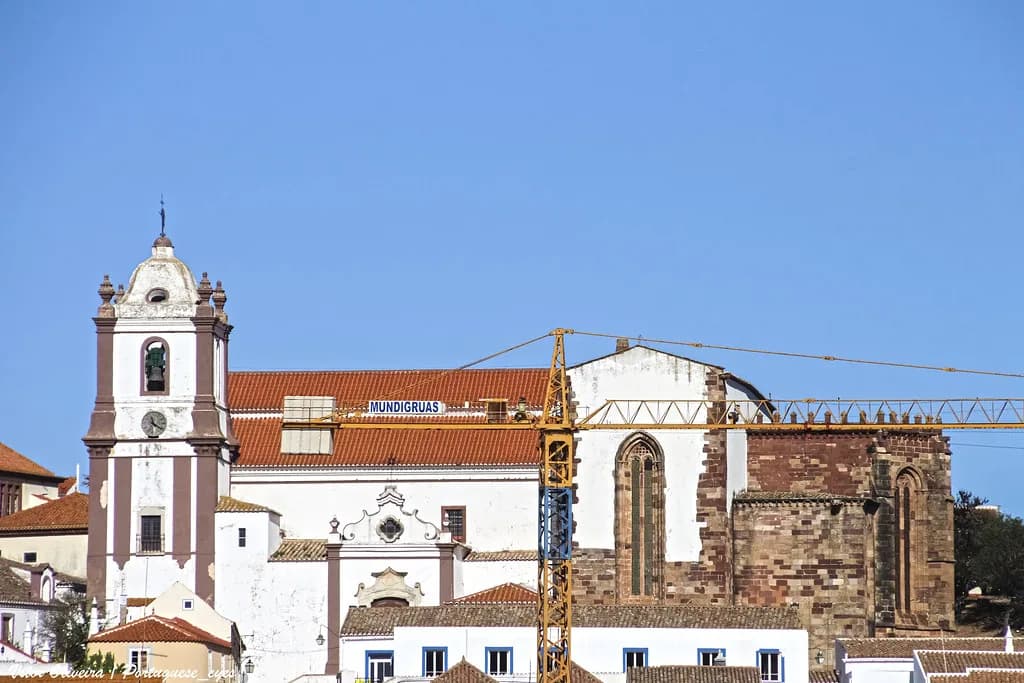
The Sé de Silves is the Algarve's most important Gothic building, raised on the site of the city's former Great Mosque after the Christian reconquest of 1249. Inside, Gothic vaulting and medieval tombs sit alongside Baroque work added after the 1755 earthquake, so the interior reads as a layered history of the town rather than a single period.
Opposite the cathedral stands the Igreja da Misericórdia de Silves, a small church that pairs naturally with the cathedral visit on the same stretch of the climb. Opening times for churches in Portuguese towns shift with services, so match your arrival to the hours posted at the door rather than planning the day around a fixed slot. Our separate guide to the churches in Silves covers the cathedral and other churches in more detail.
The Museu Municipal de Arqueologia
The Museu Municipal de Arqueologia holds the finds that give the castle and cathedral their context, from the Islamic period through to the medieval town. It sits on the same climb, close to the cathedral, which makes it an easy addition when the heat outside starts to bite. Check the museum's own published opening days before relying on it, since Portuguese museums commonly keep a weekly closing day.
The Castelo de Silves
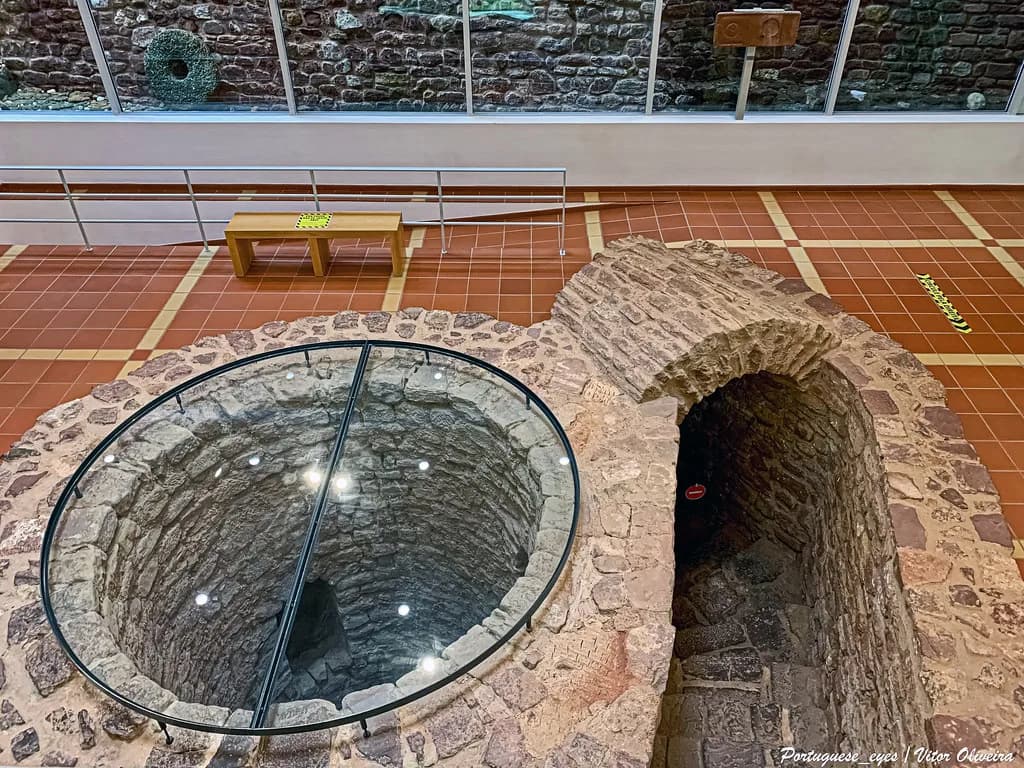
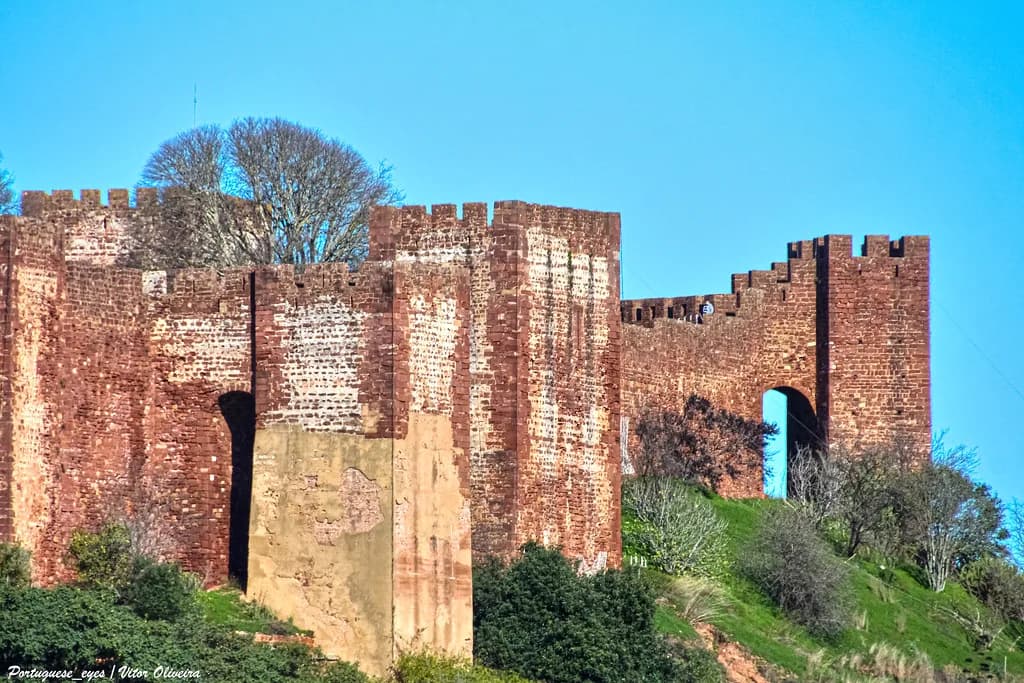
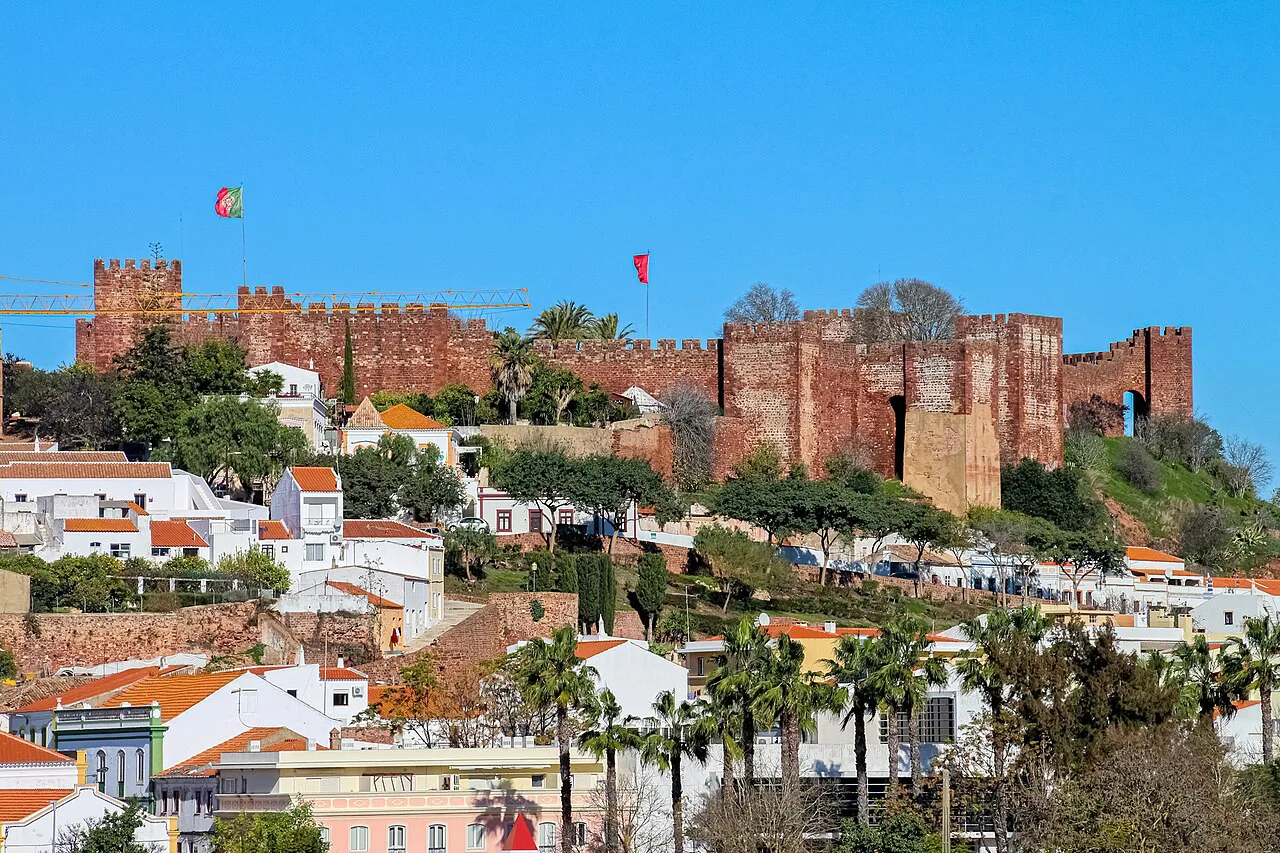
The castle is the anchor of any visit to the old town: a red sandstone fortress described as the largest and best preserved Moorish fortification in the Algarve, its eleven towers crowning a hill fortified since Roman times. Inside, you can walk the ramparts, look down on excavated remains of the Moorish settlement and descend into the vast underground cistern that supplied the town with water until the 1930s. Allow it a full hour; the ramparts and cistern together fill that comfortably.
Rather than improvising the ascent, follow a fixed route so that the gate, the cathedral, the museum and the castle fall in the right order without doubling back. Our Silves walking tour sets out that sequence street by street, and it is worth a look before you set off.
The muralhas and the views back over the roofs
The town walls, the muralhas, survive in stretches that knit the castle to the streets below, built from the same red sandstone. Walk the accessible sections on your way down and you get the classic view back across whitewashed houses and tiled roofs towards the river.
Photographers should time the ramparts for the hour before the light goes flat; the red stone reads best in low sun. The descent by Rua da Sé is short but steep, so take it slowly and use the shaded side of the street.
Cruz de Portugal as an optional extension
South of the centre, the Cruz de Portugal is a carved stone cross that makes a worthwhile twenty-minute extension if you still have legs after the castle. It sits outside the historic core, so treat it as an add-on rather than part of the main circuit. Skip it if you are on the ninety-minute version of the visit.
How long the old town realistically takes
Silves is a small town, and the centre alone can be covered in about ninety minutes at a brisk pace. Add the castle and a proper lunch stop and the honest figure is around three hours: an hour wandering the old town, an hour inside the castle, and an hour for food and coffee. That is the difference between ticking off the gate and cathedral and actually seeing the place.
Travellers fitting Silves into a longer Algarve tour should also weigh the town against its neighbours before committing the day. If you are asking is Silves worth visiting, our honest assessment of what the town does well and who it suits is the place to start.
Heat and timing in an inland town
Silves sits inland, and the difference from the coast is noticeable: there is no cooling sea breeze and the streets hold the heat. In summer, walk the route early in the morning and leave the exposed ramparts and cistern until you have acclimatised. The same advice applies in a milder form in spring and autumn.
Coffee and lunch stops
Café Inglês, with its shaded terrace below the castle, is the obvious reward after the ramparts and cistern. Family-run tascas in the lower town serve lunches that run late into the afternoon, which suits a walk that finishes near two o'clock. For a considered shortlist rather than a lucky dip, our guide to Silves restaurants covers where to eat in the old town and around it.
Silves or Loulé for a short break
If you have time for only one inland old town, the choice comes down to what you want from it. Silves gives you a Moorish castle, a Gothic cathedral and a riverside setting with a lived-in, unhurried feel; Loulé is a market town with its own historic core and a busier, more commercial centre. Silves suits travellers who prefer a single strong sight with atmosphere around it, while Loulé rewards those who want a working town to wander.
Arriving by train or bus
Silves is reachable by train from Lagos, in roughly forty minutes, and from the station serving Albufeira, in about thirty. Trains and buses also run from Faro and Portimão, though schedules can be limited depending on the day, so check return times carefully before you commit to the castle. If you are coming from Albufeira by public transport, note that the town's old centre is about six kilometres from the Albufeira station and a bus may serve you better.
Is the castle the reason to come?
The castle is the reason Silves old town repays the trip, and the streets below are what make the climb pleasant. Build the day around the Portas da Cidade, the Rua da Sé and the Sé itself, then give the ramparts and cistern a full hour rather than squeezing them in at the end. Ninety minutes gets you the outline; three hours gets you the town.
Come early in summer, carry water for the climb and confirm the cathedral and museum opening days at the door or on their own pages before you travel. The Silves castle guide takes the fortress in more detail when you want to plan that hour properly.
Frequently Asked Questions
Can you walk Silves old town in a couple of hours?
Yes. The historic centre is compact and the main sights sit on one climb from the river to the castle, so a brisk circuit of the gate, Rua da Sé and the cathedral fits into about ninety minutes. Add the castle interior and a lunch stop and you should allow around three hours.
Do you need a car to visit Silves old town?
No. Silves has a railway station with services from Lagos and the station serving Albufeira, and buses connect it with Faro and Portimão. Schedules can be limited on some days, so check return times before you set out and keep the climb to the castle unhurried.
What is the best time of day to walk the old town?
Early morning, particularly in summer. Silves is inland and lacks the coast's sea breeze, so the steep cobbled street up to the cathedral and the exposed castle ramparts are far more comfortable before the day heats up.
Sources
Notes for your next Portuguese break
Optional updates to our town guides.
You might also like
Continue reading
More guides you'll find useful