Silves Castle: Visiting the Moorish Fortress in the Algarve
Silves Castle crowns the town with Moorish walls, towers, a cistern and wide views. Here is what a visit covers, the listed ticket prices and how long to allow.
On this page
Silves Castle, the Castelo de Silves, is the reason most travellers put Silves on an Algarve itinerary: a Moorish fortress of red sandstone walls and towers on the ridge above the town, with the Arade valley spread out below. Allow about an hour for the walls, towers, cistern and views, and treat it as the anchor of a half-day in town rather than a whole morning. This guide covers the approach from the centre, what a visit actually contains, the listed ticket prices and how the castle fits with the Sé and the streets around it. For the wider picture, see Things to Do in Silves.
It is a ruin in the honest sense: you come for fortifications, stone and panorama, not furnished rooms or exhibitions. If that trade-off suits you, the castle rewards the climb; if you want interiors and labels, the archaeology museum down the hill is the better use of an hour. Either way, the castle sits within a couple of minutes of the cathedral, so both fit into one loop.
What Silves Castle is
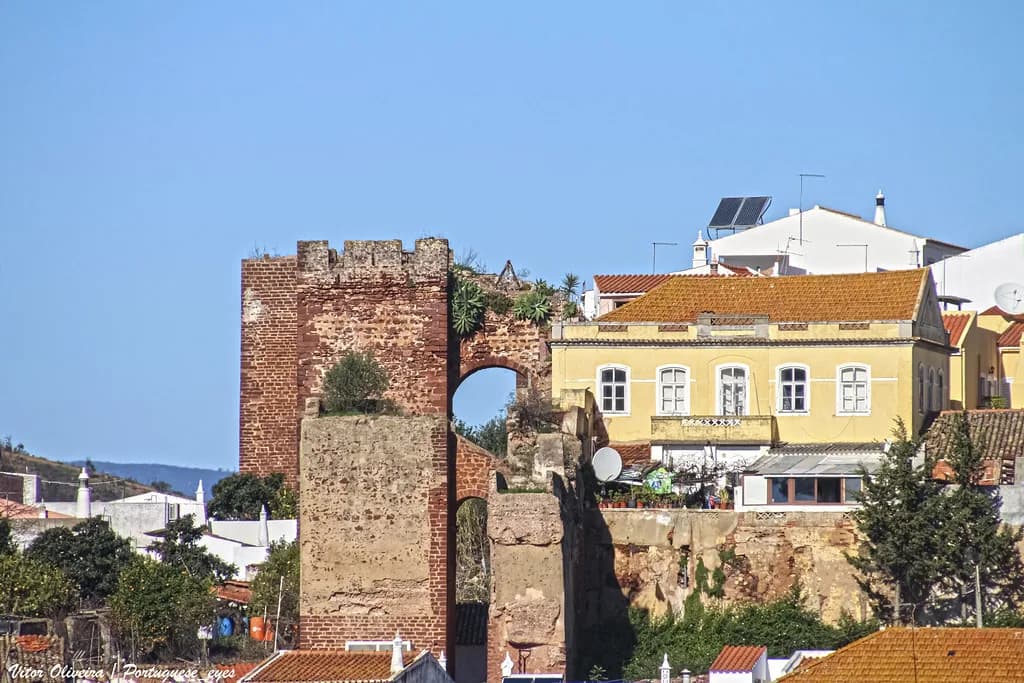
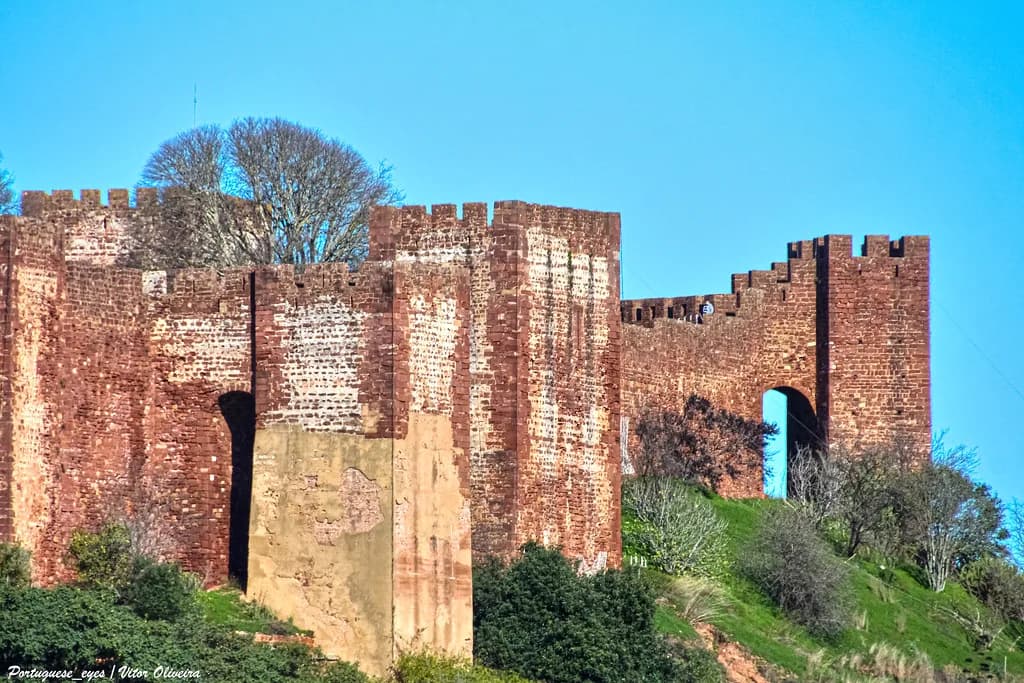
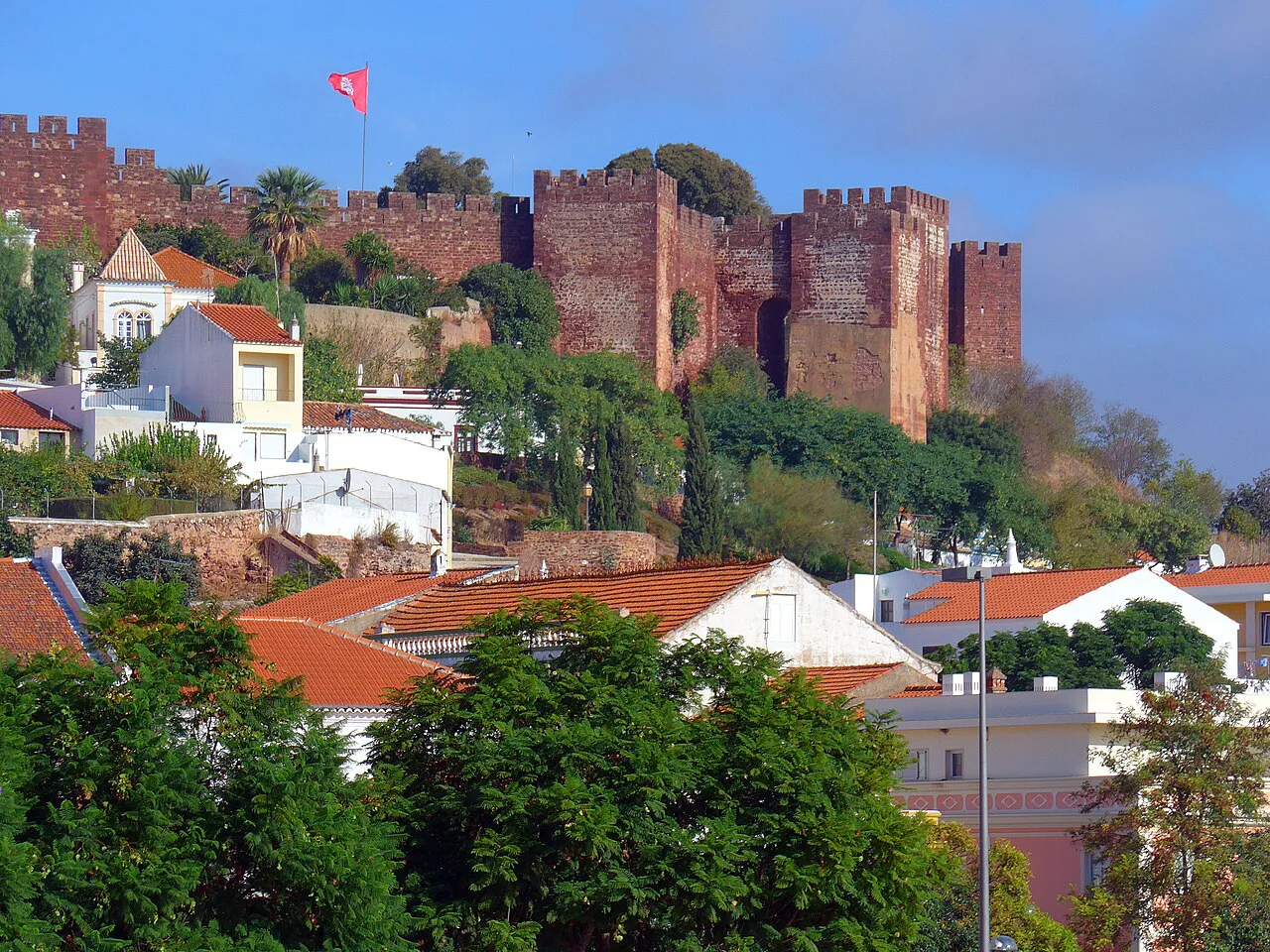
The Castelo de Silves is a Moorish fortress crowning the town, with extensive curtain walls, towers and a vaulted cistern surviving inside. Its position above the Arade valley explains its purpose: it commanded the river crossing and the old settlement below, which is why the walls wrap the highest ground rather than the flat land. What you see today is largely military masonry and open ground, so read it as a defensive shell rather than a palace.
The fortress is also the reference point for the whole town, visible from streets well below it and often the first thing you notice on the drive in. That makes it useful for orientation: walk up once and the layout of Silves, with the Sé on the slope beneath and the river beyond, falls into place. Komoot maps the castle as a highlight on walking and cycling routes around the town, which is a practical way to see how the ridge connects to the surrounding streets.
Where the castle sits and how the walk up works
Silves is built on a slope, and the castle occupies the top of it, so the approach is uphill whichever street you take. Plan on ten to fifteen minutes of gentle climbing from the lower town, with cobbled lanes and steps in places; comfortable shoes matter more than fitness. The reward for arriving on foot is that you pass through Silves Old Town rather than a car park, and the gate is close to the cathedral.
The old town immediately below the castle is the natural place to start or finish, and the Portas da Cidade, the surviving town gate, gives the climb a sense of arrival. Walk up through those lanes first, then take the castle in one push, keeping the slope for a single ascent rather than zigzagging. The Silves Old Town page maps the streets and squares around the base of the hill.
What a visit covers: walls, towers and the cistern
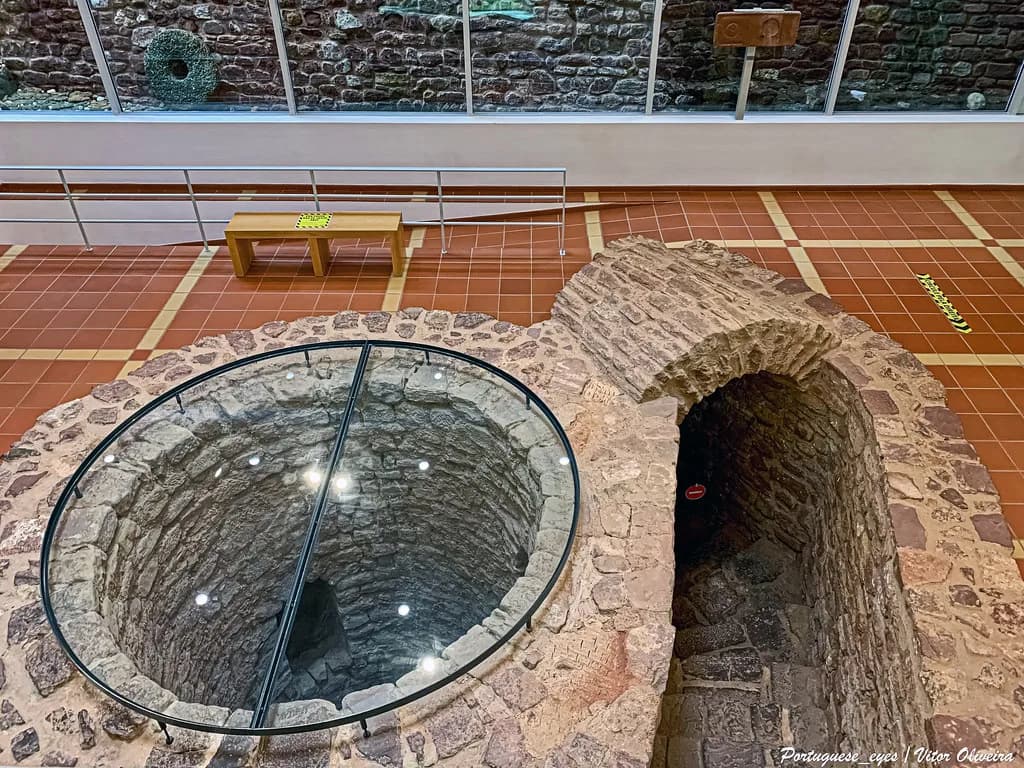
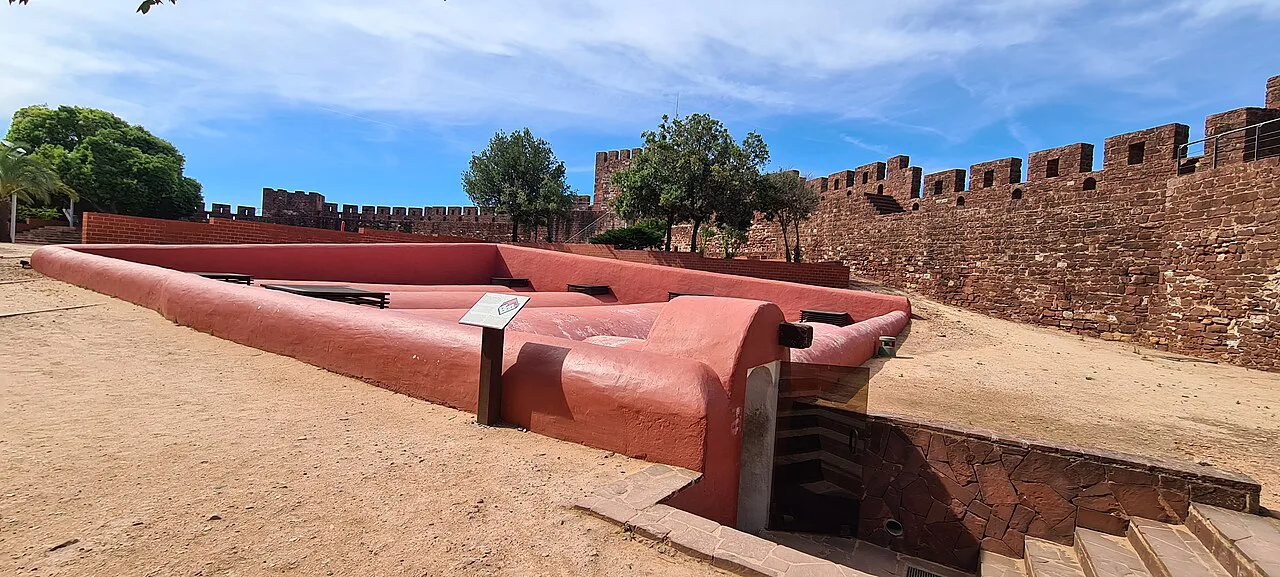
Inside, the visit is a circuit of the walls and towers with the cistern as the one enclosed space, plus open ground in the middle of the fortress. The walls are where the time goes: walk the full circuit, climb the towers that are accessible, and look down on the town and the river valley. The cistern is the architectural highlight, a vaulted underground chamber that shows how the garrison stored water through the dry Algarve summer.
Views are the other pay-off, taking in the town's rooftops, the Sé and the hills beyond the Arade. Photographers should time the circuit for late afternoon light, when the sandstone warms up and the valley reads clearly; at midday the stone is bright and shadowless. Expect uneven surfaces, low parapets and steps rather than smooth ramps, and keep an eye on children at the wall edges.
Silves Castle tickets in euros
Listed admission is quoted at €2.80 for adults, with a reduced rate of €1.40 for students, children and seniors. These are reseller listings rather than the town's own price board, so treat them as the prices currently advertised online and confirm the amount at the gate. Even at the full adult rate the castle is cheap enough that the decision is about time and climbing, not budget.
Opening days, closing times and any public-holiday closures for the castle are not something to guess at, so confirm the current schedule before you climb, especially outside summer. The reduced rate applies to the groups named above, so bring evidence of age or student status if you intend to use it.
How long to allow, and whether an hour is enough
An hour is enough for most visitors: fifteen minutes for the walls, ten for the cistern, and the rest for the towers and the view. Add twenty minutes if you photograph seriously or want to sit on the wall and take in the valley. Two hours at the castle usually means you are waiting for the light or combining it with a picnic on the open ground.
The sensible shape of a morning is castle first, while it is cool and quiet, then the cathedral and the museum on the way down. Doing it in that order keeps the climbing to one ascent and leaves the flat streets of the lower town for the afternoon, when the heat is at its worst. If you only have a couple of hours in Silves altogether, give the castle the hour and the Sé the rest.
The Sé and the old town streets two minutes from the gate
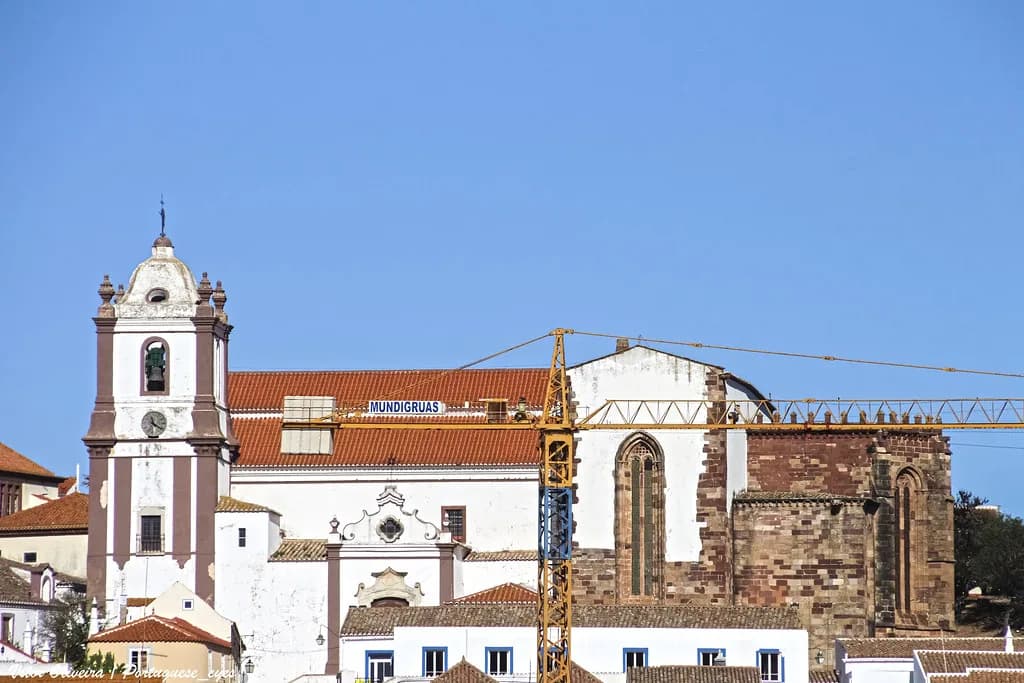
Silves Cathedral, the Sé de Silves, stands a short walk downhill from the castle gate, so the two sights naturally pair. The cathedral's nave and Gothic tombs are the contrast to the castle's bare stone, and the walk between them passes some of the town's best old streets. Build the visit as a loop: castle, Sé, then down through the lanes to the river.
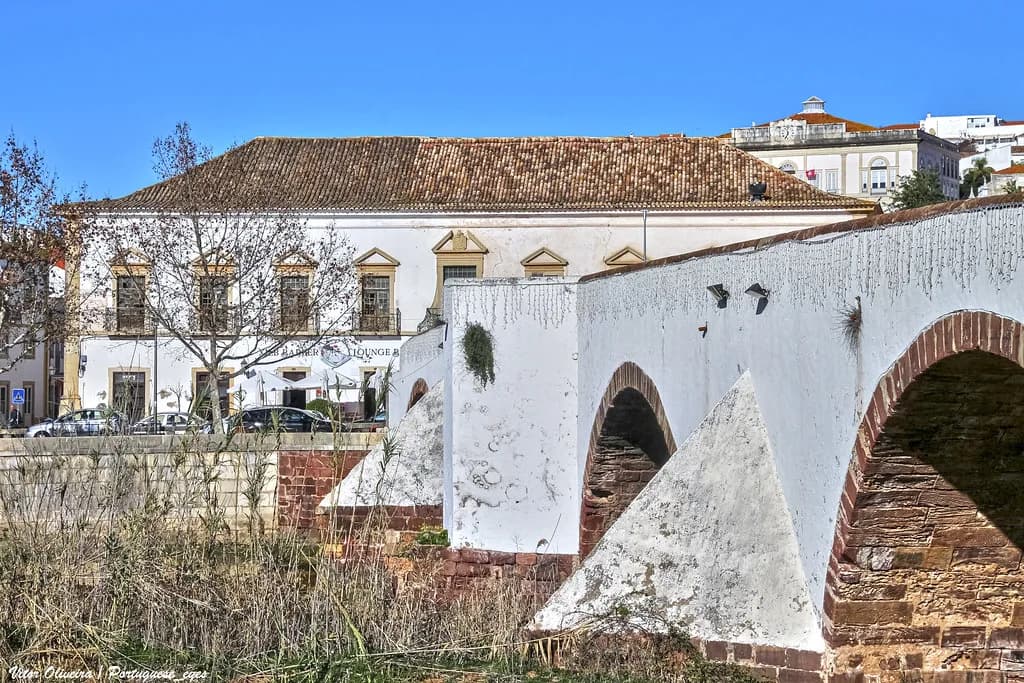
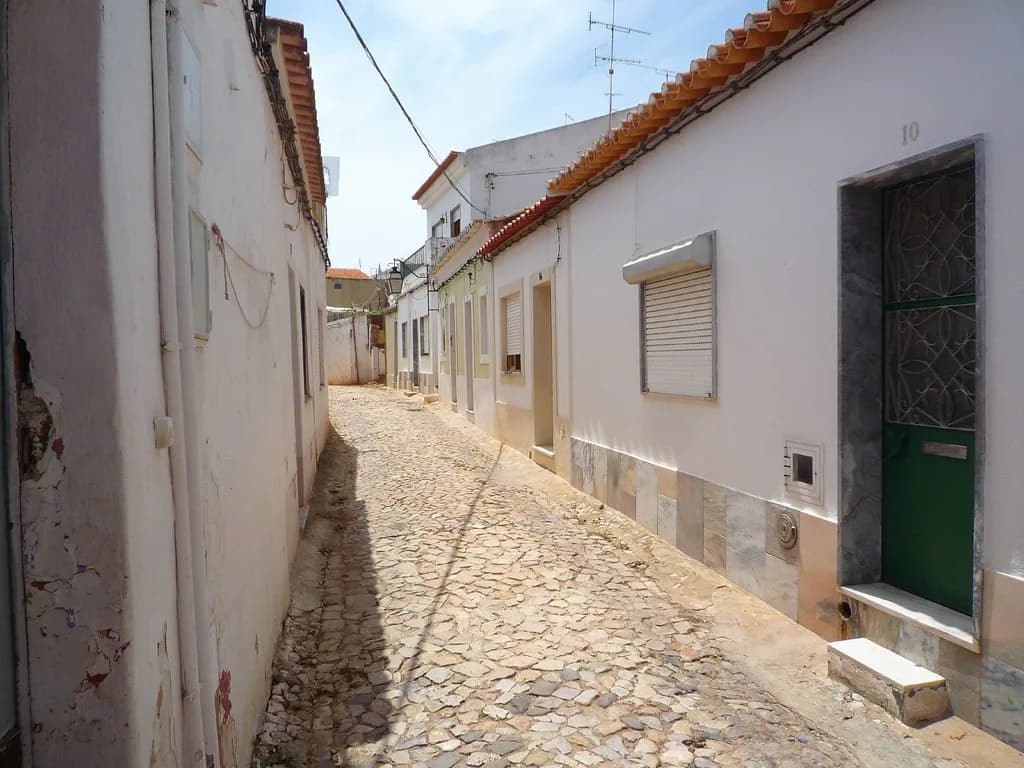
Below the cathedral the old town continues with whitewashed houses, azulejo-tiled fronts and small squares that reward an unhurried wander rather than a checklist. The Portas da Cidade and the riverside stretch give the walk two clear landmarks to aim for. Round the morning off with coffee and a pastel de nata in one of the pastelarias near the square before the climb back up.
Who the castle suits, and the honest trade-offs
The castle suits travellers who like walls, views and a sense of military history, and it suits families because the open ground gives children room to move. It suits less well anyone with limited mobility, since the circuit involves steps and uneven stone, and anyone hoping for furnished halls or interpretation panels. If your Algarve break is mostly beaches, one hour here is a worthwhile detour; if it is mostly museums, the archaeology collection is the stronger draw.
The genuine drawbacks are heat and footing. There is little shade on the walls, so a midday visit in July or August means full sun on stone, and the climb up through the old town adds to it; go early or late. The ruins are also just that, so adjust expectations and the visit delivers. Pair it with a proper lunch afterwards, when the town's restaurants are at their most useful.
Should the castle be your first stop in Silves?
Yes, if you are in Silves for half a day: the castle gives you the town's history, its best view and its layout in one hour, and the quoted prices make it an inexpensive way to understand why the settlement sits where it does. Go up first, come down through the Sé and the old town, and finish by the river. Leave the rest of the morning loose enough to linger on the walls.
Explore more Silves guides
Frequently Asked Questions
Is the walk up to the castle steep?
It is a steady climb through cobbled lanes and steps rather than a long hike, taking around ten to fifteen minutes from the lower town. Comfortable shoes help, and walking up once and doing the cathedral on the way down avoids a second ascent.
Can you visit the castle and cathedral in one morning?
Yes. The cathedral is a short walk downhill from the castle gate, so an hour at the fortress plus a look inside the Sé fits comfortably into a morning, leaving time for coffee in the old town before lunch.
Sources
Notes for your next Portuguese break
Optional updates to our town guides.
You might also like

Continue reading
More guides you'll find useful