Tavira Old Town: A Walking Guide to the Historic Centre
Walk Tavira's old town from Praça da República across the Roman Bridge to the castle and tiled churches, with a route that fits a half day or a full one.
On this page
Tavira's old town needs half a day on foot, or a full day if you add the castle at an unhurried pace and finish with the ferry across to Ilha de Tavira. The historic centre is compact and sits either side of the Gilão river, so almost everything on this page is reachable in a single loop from Praça da República. This guide sets the sights in a walkable order, names what makes each one worth the stop, and groups them so a short break fits around them.
What the old town covers and how it is laid out
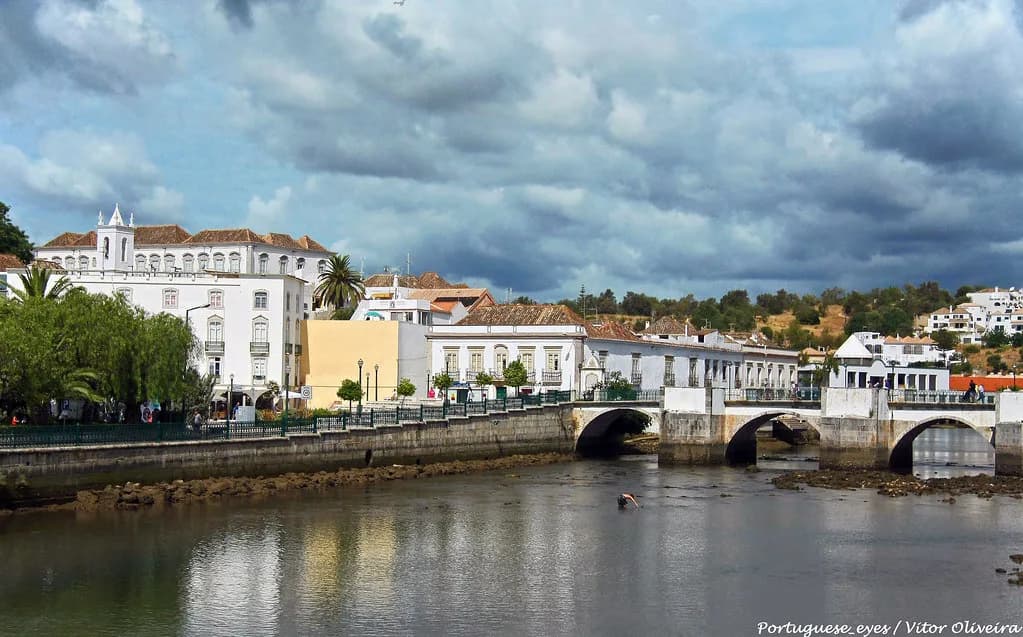
Central Tavira splits into two banks of the Gilão. Praça da República, the town's grand square, sits on the western side with the Tourist Information Centre and the Câmara Municipal de Tavira (town hall) close by, while the restored 17th-century Roman Bridge carries you north over the water towards the castle quarter.
On the eastern side, cobbled streets climb gently past churches towards the castle and its walls. Treat the river as your spine: cross once, wander the lanes uphill, then come back down to the quay for the island ferry. That shape keeps the walking short and saves you from doubling back.
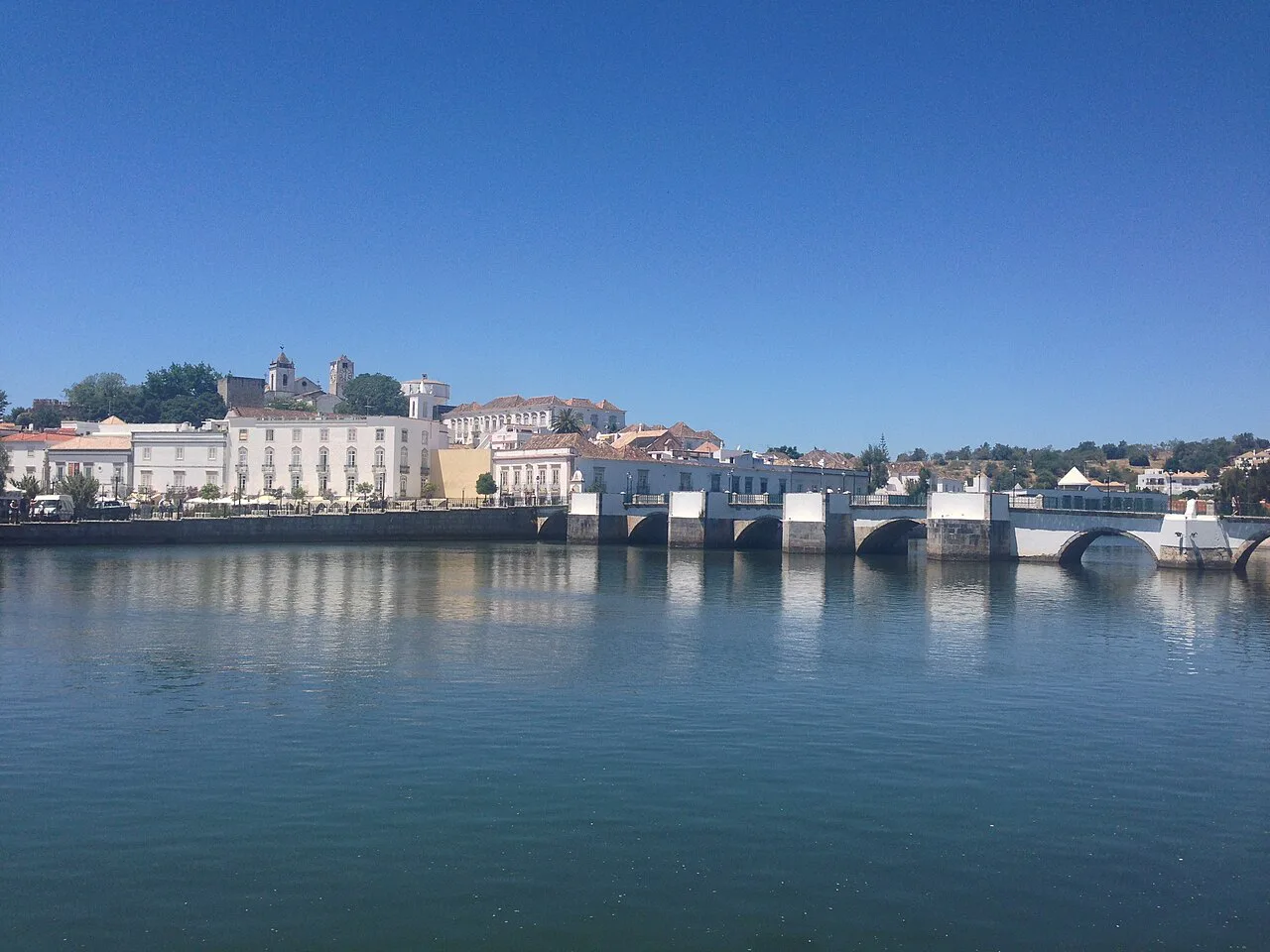
Where to start: Praça da República and the Câmara Municipal
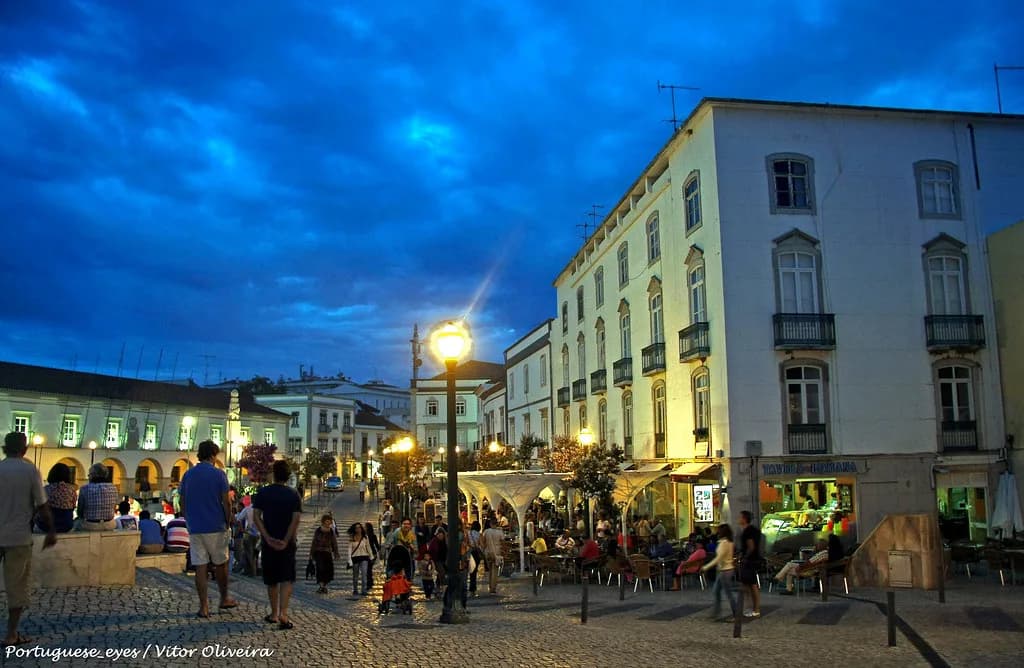
Begin in Praça da República. It is the natural orientation point: cafés spill out under awnings, the heritage buildings around the square include the town hall, and the tourist office on the square is the place to pick up a town plan before you set off.
Give the square fifteen minutes rather than an hour. Its value is as a base: you can sit with a coffee, check the map, and be on the bridge within two minutes. If you want a printed street plan before arriving, the Tavira maps page is a reference to keep at hand.
The Roman Bridge over the Gilão and the view back to the rooftops
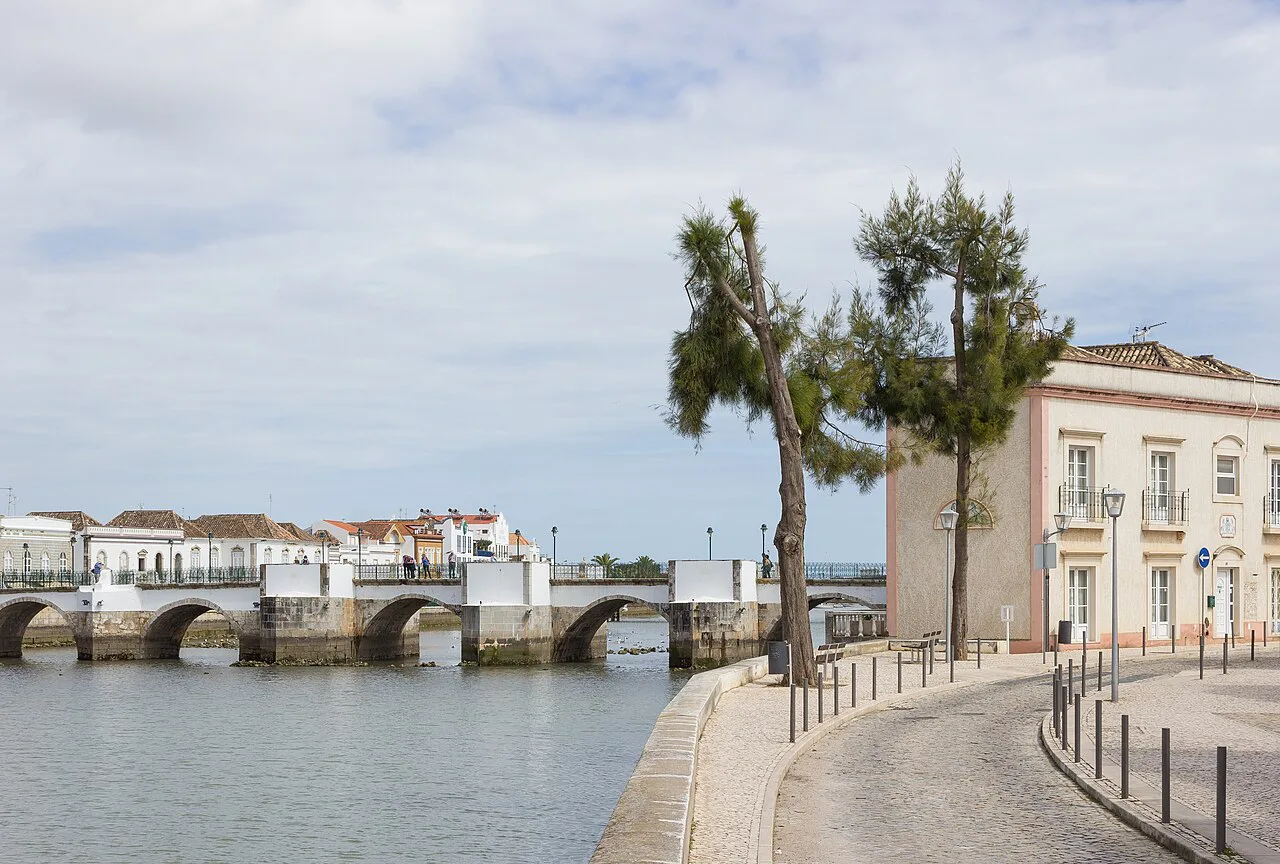
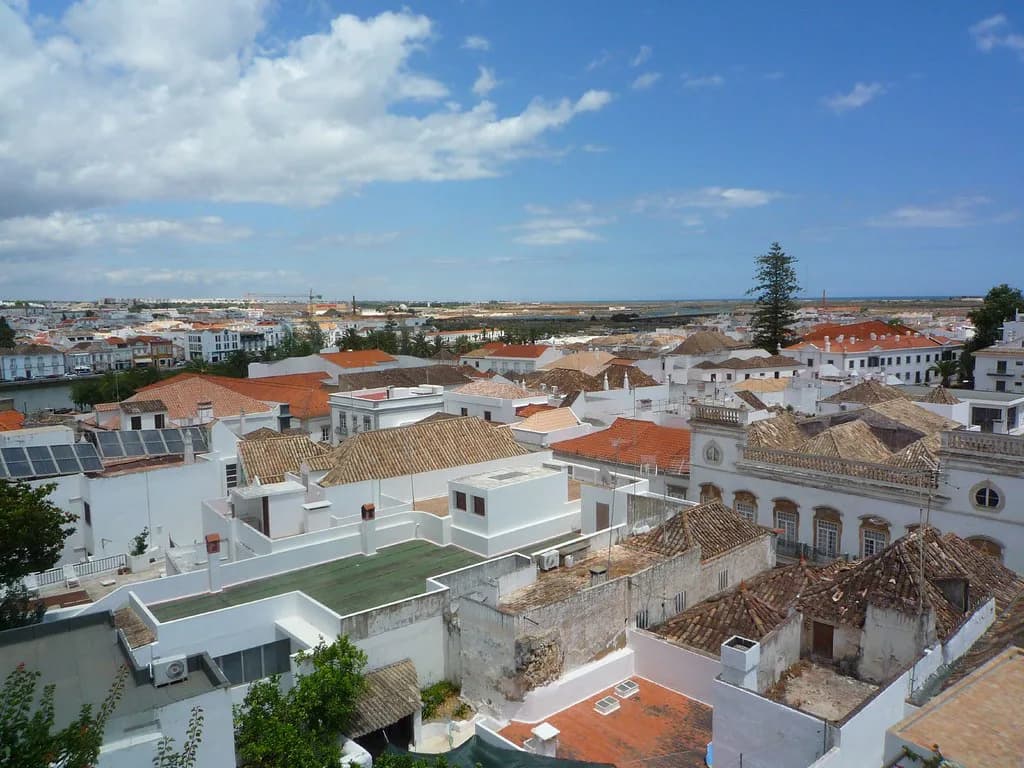
Cross the Roman Bridge on foot and stop halfway. Looking back gives you the classic Tavira view: the arcaded square, the tiled roofs stacked behind it, and the river bending away towards the river mouth. It is one of the best free views in the centre and takes seconds to enjoy.
The bridge is the hinge of the whole walk, so cross it early in the day when the light is soft and the parapet is quiet. Riverside streets on both banks are pleasant for a slow amble later on, once the sights are done.
Tavira Castle: the walls, the turrets and the views to the river mouth
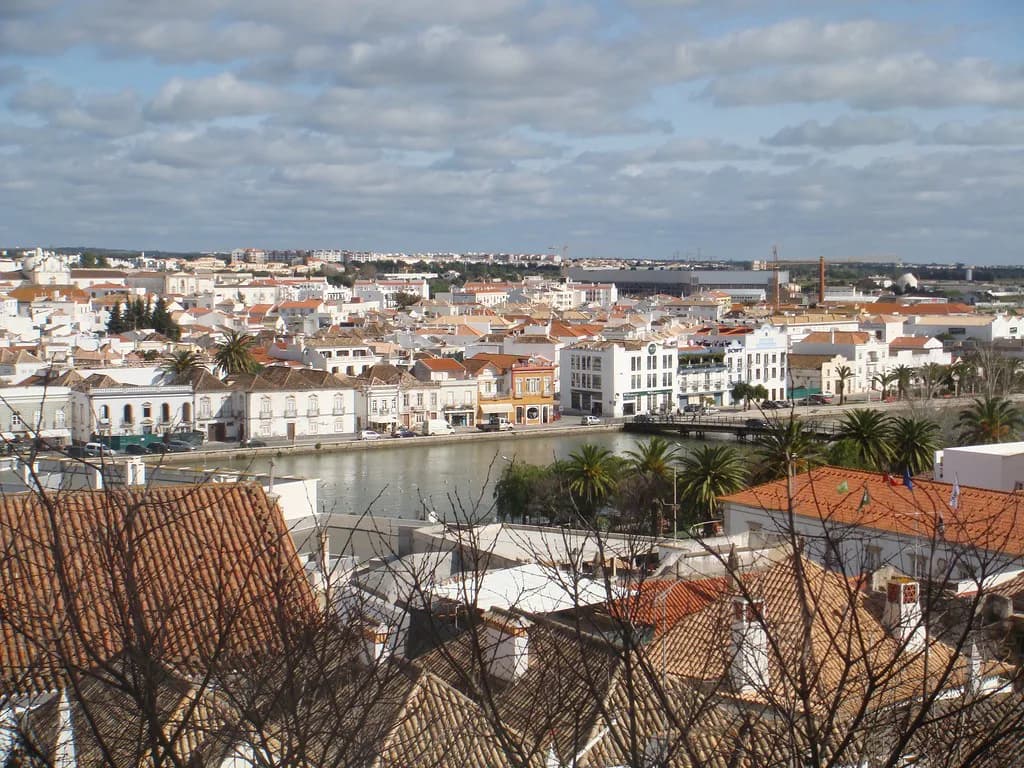
Climb to the Castelo de Tavira for the broadest view in town: rooftops spilling downhill, the Gilão running to its mouth, and the Atlantic beaches beyond. The ruined stone turrets are the spot to linger, and the walls give you a sense of how the town was defended.
Allow around 30 to 45 minutes if you like climbing and photographing, less if you only want the view. Check opening arrangements for the castle on the day you plan to go, since monument access can vary.
Igreja de Santa Maria do Castelo beside the castle
The Igreja de Santa Maria do Castelo stands right beside the castle, which makes it the obvious next stop on the climb. It is one of the town's preserved churches and the simplest way to pair a monument interior with the castle viewpoint in a single ten-minute stretch.
Churches in Portugal often run on short visiting windows rather than all-day opening, so slot this one in while you are already at the top of the hill instead of planning to return. If the doors are shut, the walk back down through the lanes is reward enough.
Igreja da Misericórdia and its tiled interior and gilded altarpiece
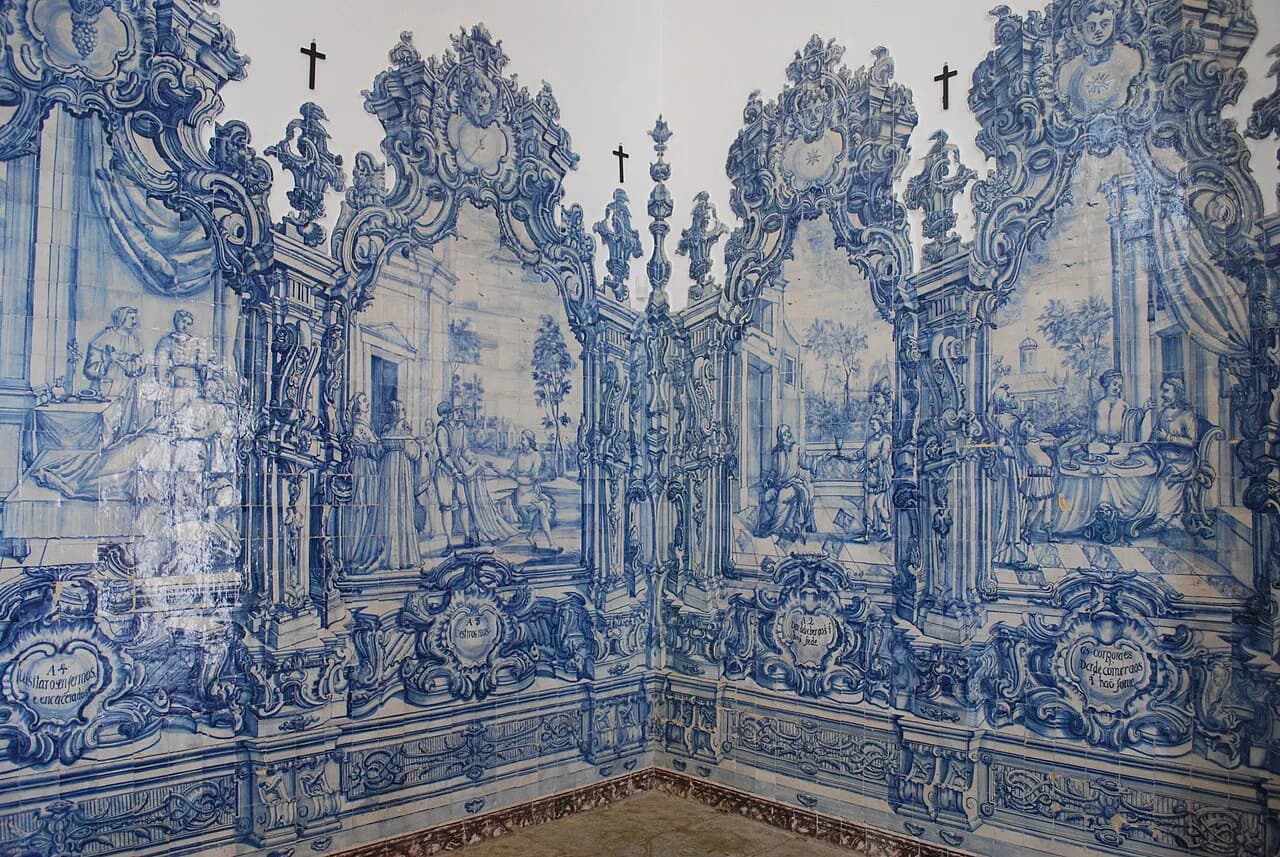
The Misericórdia Church is the interior most visitors remember. This Renaissance-era church holds exquisite tiled imagery and an immense gilded altarpiece, so it rewards a proper look rather than a glance from the doorway.
If azulejos are a reason for your trip, this is the stop to build the afternoon around. Pair it with the town's other tiled interiors and façades and you have a themed half day rather than a scatter of separate visits.
Igreja de Santiago and the streets around it
The Igreja de Santiago is another of the preserved churches in the historic centre, and the lanes around it are some of the best for aimless wandering, with tiled façades and small doorways at every turn. Walk this stretch without a fixed plan and let the streets do the work.
This is also where to notice the tilework on ordinary buildings rather than monuments. Look up at the house fronts as you pass; the town's decorative tiles are part of the streetscape, not just something behind museum glass.
The Mercado da Ribeira and the riverside streets
The Market Hall, or Mercado da Ribeira, sits by the river and is where the town's seafood lands, so time your loop to pass through it when the stalls are busy. It is the best single place to see what the local fishing boats bring in, and eating around the market and the square is the simplest introduction to Algarve cooking.
For a fuller picture of the stalls, halls and what each part of the building sells, there is a separate guide to the Mercado Municipal de Tavira. Afterwards, follow the riverside streets south towards the quay, where the old town ends and the water opens out.
A walking route for half a day, and how to stretch it to a full day
A half-day route runs in one loop: Praça da República, the Roman Bridge, the castle and Santa Maria do Castelo, then downhill to the Misericórdia and Santiago before finishing at the market and the riverside. That covers the named sights without any backtracking and leaves time for a proper lunch.
To stretch it into a full day, slow down rather than adding sights. Take a longer castle stop, sit out a coffee in the square, browse the market properly and add the island ferry in the afternoon. A Tavira boat trip out into the Ria Formosa is the natural way to fill the second half of the day.
If you want the history behind the stones rather than just the views, build in time for a museum stop or a guided walk. Both are easy to slot between the castle and the market without breaking the loop.
Crossing to Ilha de Tavira by ferry from the old town quay
The ferry to Ilha de Tavira leaves from the quayside south of the old town and crosses to the sandbar island that guards the Ria Formosa Natural Park. The crossing is short, and the island is the place to swim or simply walk the sand before returning on a later boat.
Timings and tickets for the crossing change through the year, so buy on the day at the quay and confirm the return boat before you settle on the sand. Treat the ferry as the closing move of the walk rather than an extra sight squeezed into the morning.
How long the old town needs and where to slow down
Three to four hours covers the old town properly on foot. A full day covers it at a stroll, with lunch, the market and the island ferry built in. If your short break is only one day in Tavira, this walk is the day.
The places to slow down are the square, the castle walls and the riverside. Each gives you something to watch, which is what separates a rushed checklist from a good day in a small Algarve town.
Getting there: the regional train and the short hop from Faro
Tavira sits on the regional train line that runs along the eastern Algarve, and it is about a 30-minute drive from Faro, the regional hub. If you arrive by rail, the walk into the centre is straightforward and puts you in the old town without needing a car.
For arrival on foot, station exits and the route into the historic centre are covered in the walking tour notes. A car is useful for the wider eastern Algarve but is a hindrance inside the old town's lanes.
Is the castle worth climbing first?
Yes, if you only have half a day: the castle and the bridge give you the two views that define Tavira, and everything else on this walk fits around them. Start at Praça da República, cross the Roman Bridge, climb to the walls, then let the churches and the market fill your descent.
If you have a full day, keep the same order but add the island ferry in the afternoon and leave room for the tiled interiors. For a guided version of the same ground, there is a separate walk.
Explore more Tavira guides
Frequently Asked Questions
Are there beaches in Tavira?
Tavira's swimming beaches are on Ilha de Tavira, the sandbar island across the Ria Formosa, reached by ferry from the quay south of the old town. Ilha de Tavira Beach and Terra Estreita Beach are the main stretches, and the crossing is short enough to fit into an afternoon after the old town walk.
Sources
Notes for your next Portuguese break
Optional updates to our town guides.
You might also like
Continue reading
More guides you'll find useful