One Day in Tavira: A Walkable Itinerary for a Short Break
Plan one day in Tavira on foot, from castle ruins and riverfront streets to a long lunch and the old bridge, with timings and honest trade-offs.
On this page
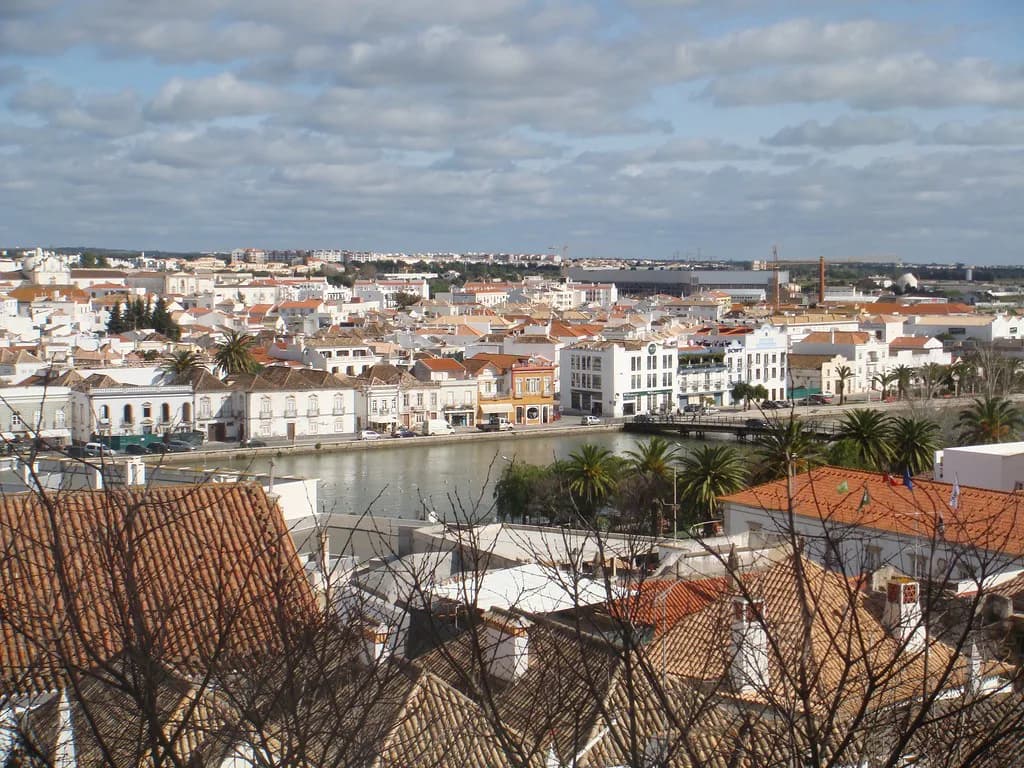
Tavira is small enough to cover on foot in a day, and a route of around five kilometres reaches the castle ruins, the riverside centre and both banks of the Gilão without a bus or taxi. The town straddles the river where it meets the Atlantic, so plan the morning on the west bank around the castle and the afternoon across the water in the old streets. This guide sets out a realistic order for the day, where a long lunch fits, and how much time to leave before you head back to the station.
Start at Tavira's castle ruins and garden in the morning
Begin at the Castle of Tavira, whose ruined walls and garden sit on the high ground above the centre and make a calm first stop before the day warms up. Wandering the premises and the botanical garden takes a relaxed hour rather than a rushed twenty minutes, and the walls give you a sense of how the town sits between river and sea. Arriving early keeps the walk up the hill comfortable and leaves the busiest part of the day for the flat riverside streets.
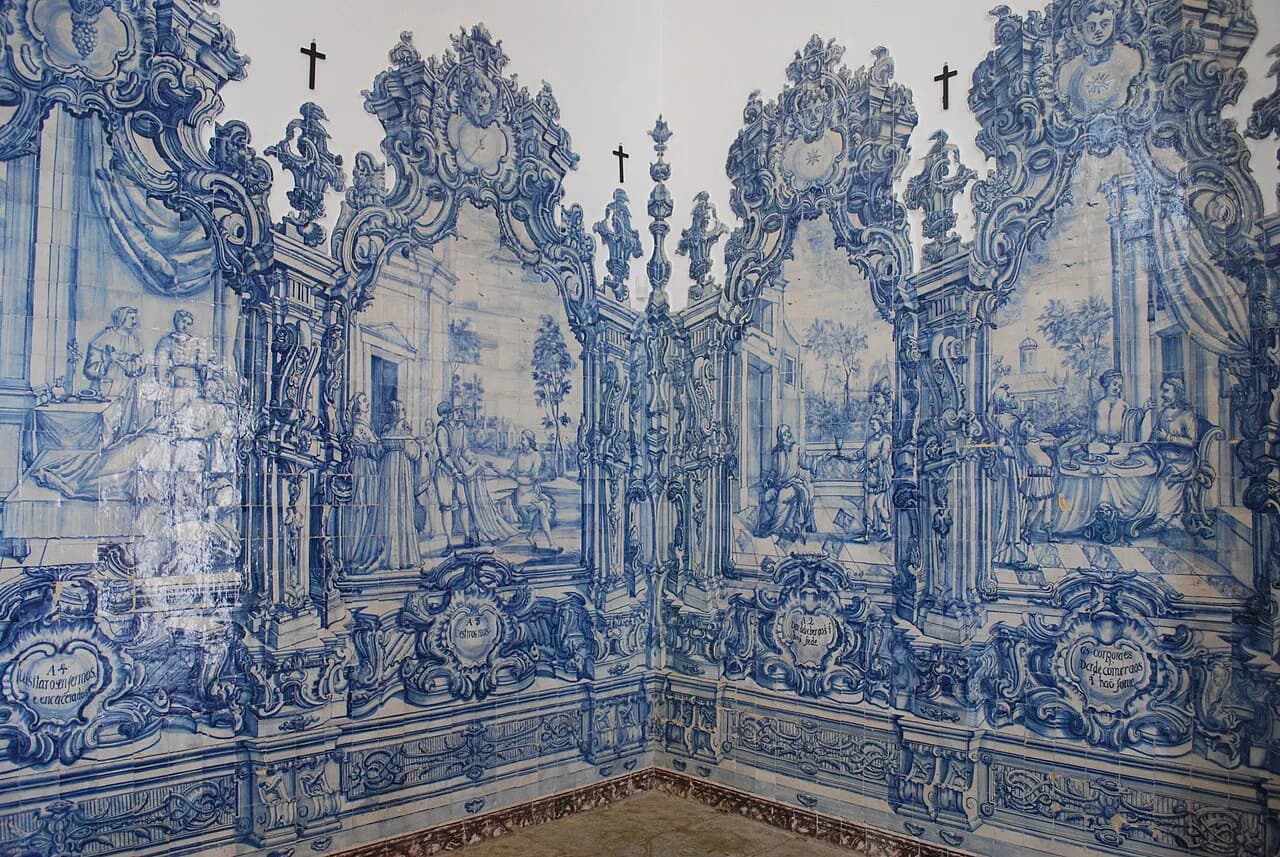
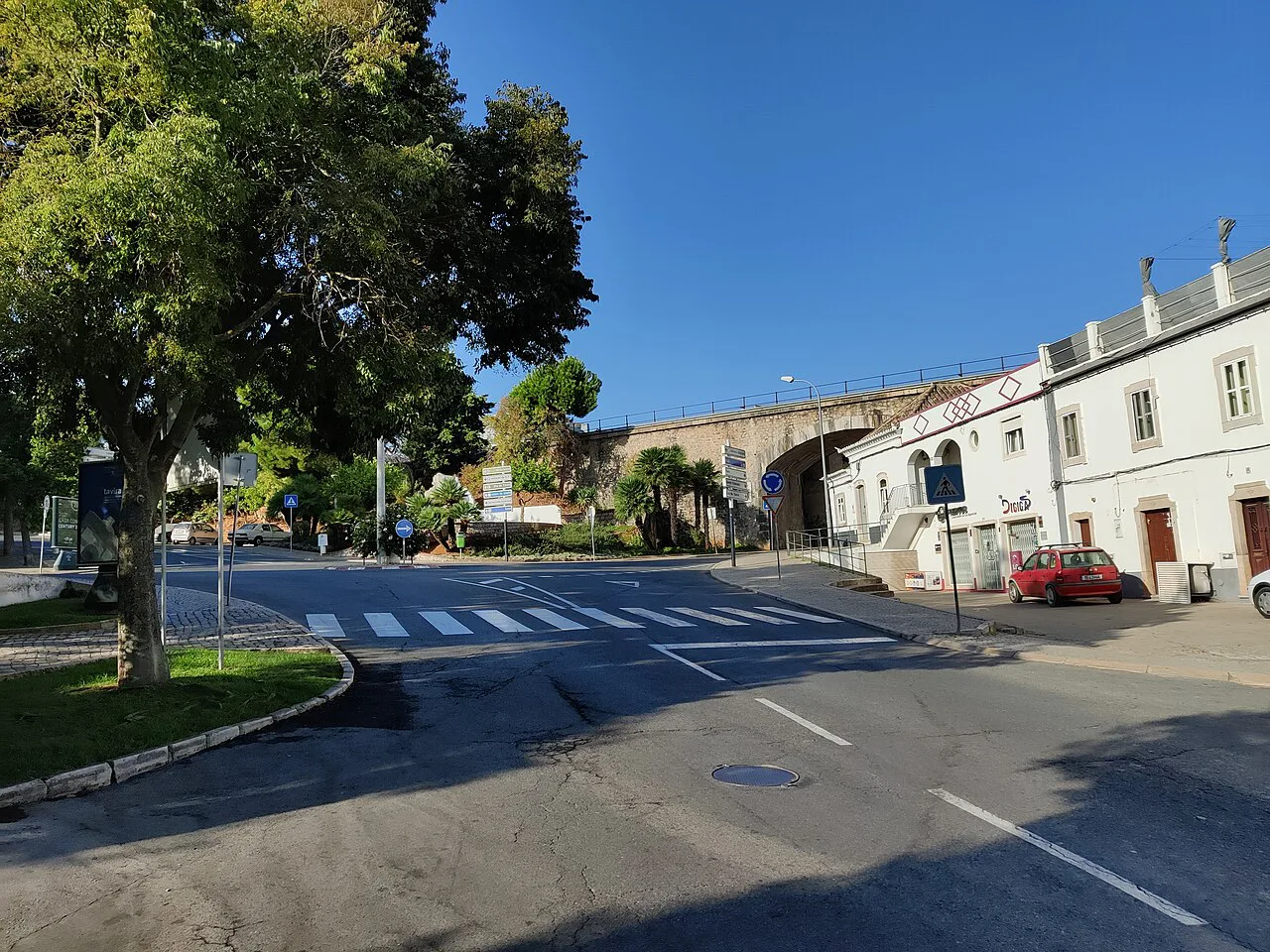
Walking up from the station you pass the soldiers memorial outside, a statue of a soldier waving farewell to a counterpart across the street, then follow the mosaic-tiled façades and calçada pavements into the old town. That approach is a good introduction to Tavira's look, whitewashed houses and azulejo panels included, and it costs nothing. From the castle you can drop down to the river in a few minutes, which keeps the day compact.
Cross the river and follow the old streets on the east bank
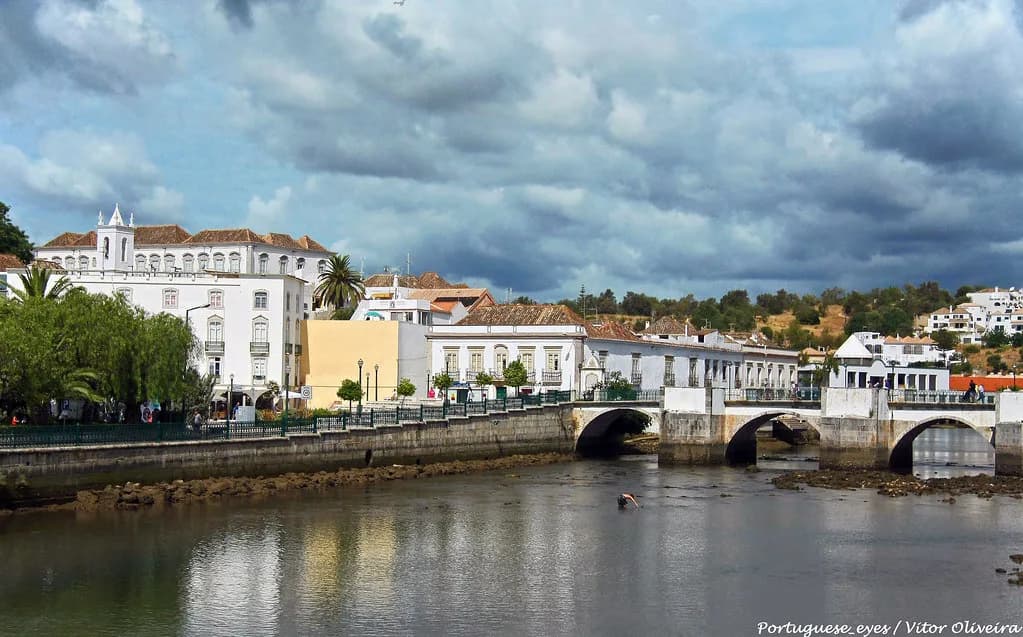
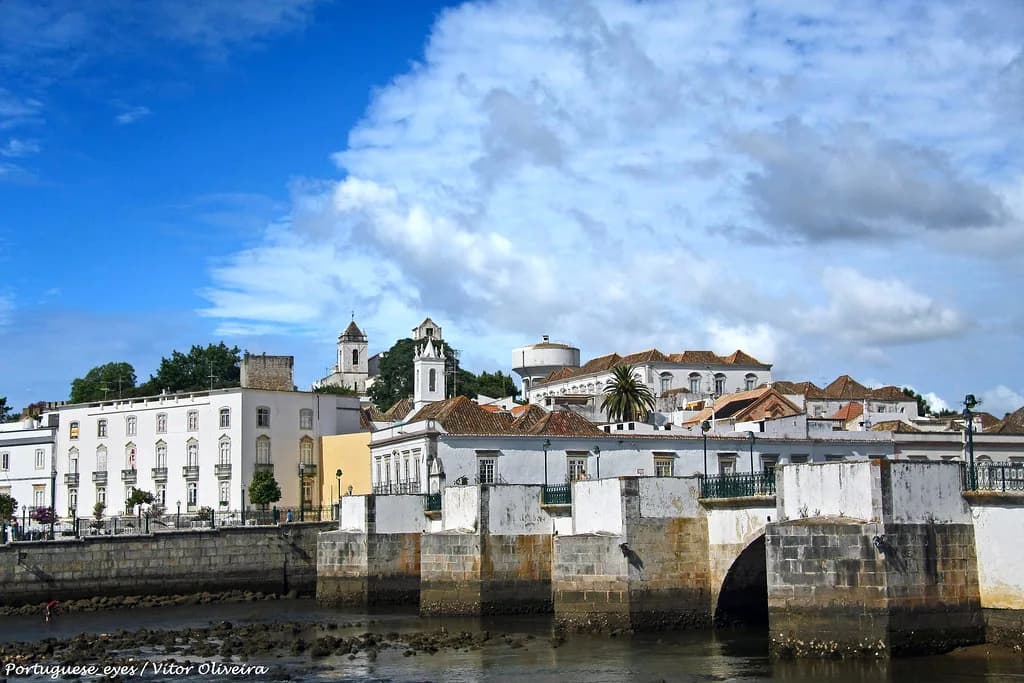
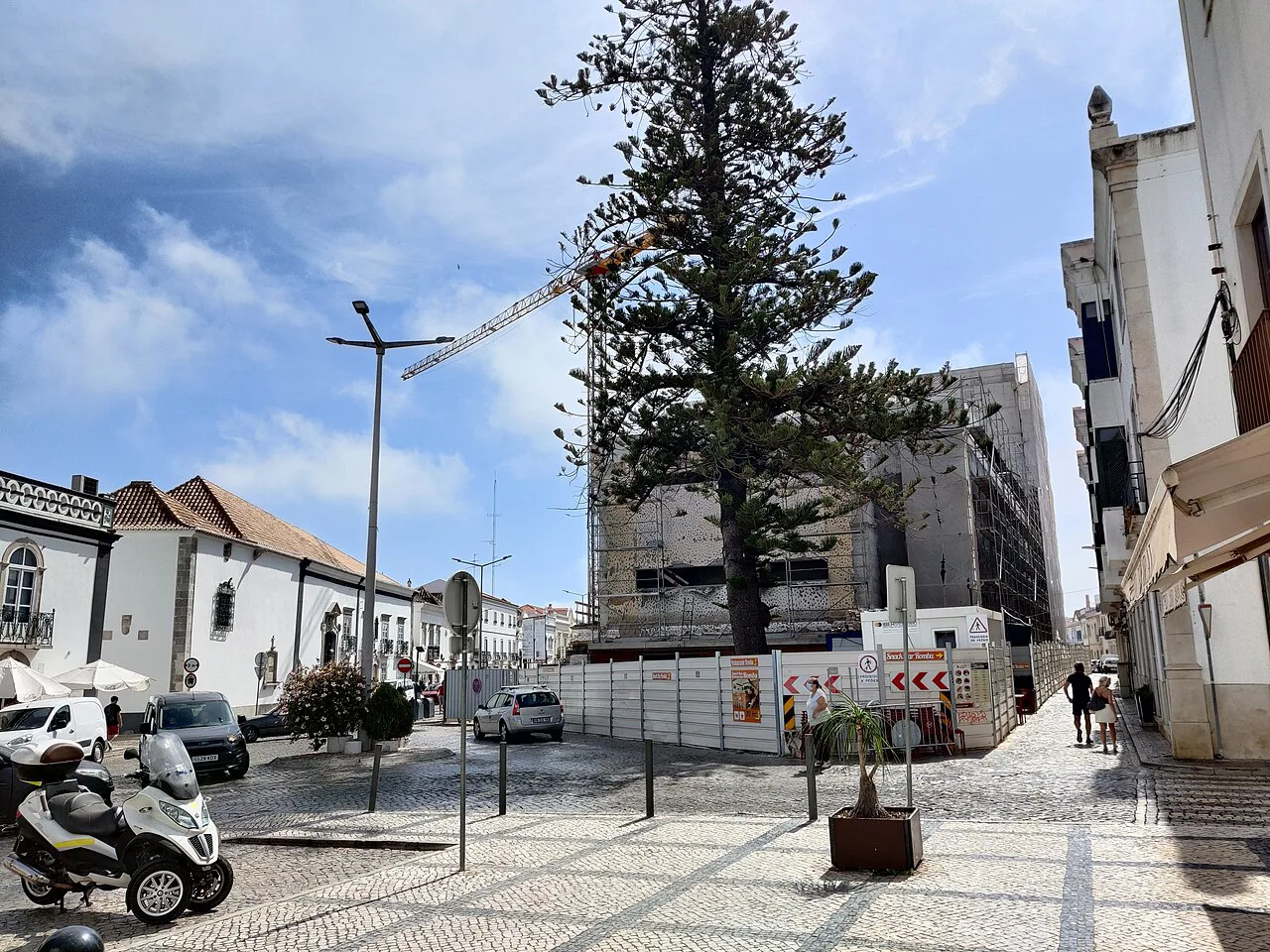
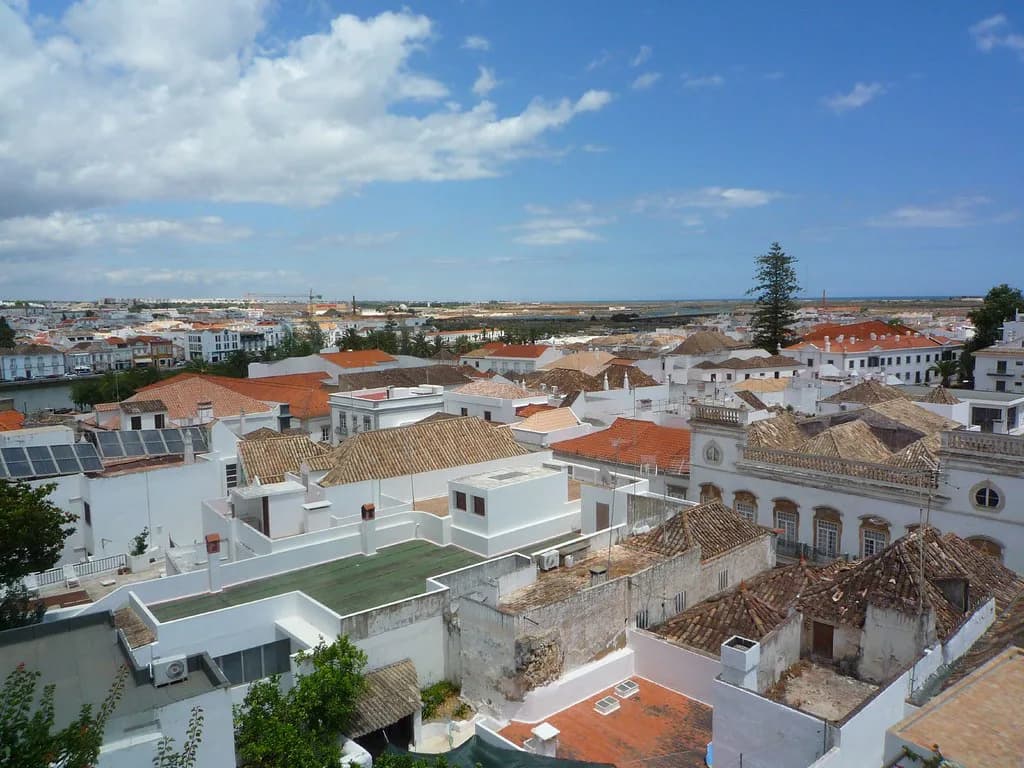
The Ponte Romana, Tavira's reconstructed Roman bridge, is the natural crossing point and the day's fixed landmark for finding your way back. Cross to the east bank and follow the narrow alleys lined with small boutiques, where the streets are quieter than the riverside front and the white façades of the houses and church look across the water. This is the half of town that rewards slow wandering rather than a checklist.
A self-guided walking route for Tavira runs to about 5.3 kilometres and covers the main sights, which is a sensible upper limit for a single day that also includes a proper lunch stop. If you only have an afternoon, cut the east bank loop short and keep the castle, bridge and riverfront as your core. The whole centre can be covered in a couple of hours of steady walking if you are short of time.
Lunch: what cataplana is, what it costs and how much to order
Cataplana is the Algarve's signature seafood dish, a copper clam-shaped pan of fish, shellfish, potatoes and vegetables in a tomato-based broth, and it is built for two people at minimum. At La Casa de las Cataplanas, a riverside restaurant with tables outside on the bank, one cataplana for two was billed at €57 before tax and tips, and the portion was large enough for four or more. Treat that as a reported figure for that meal rather than a current menu price, and ask what a dish serves before ordering.
Order carefully: the couvert of breads, sardine paste and olives, plus a soup and a jug of white sangria, can fill you up before the main pan arrives. If you are two people and not hugely hungry, one cataplana and a starter is usually plenty, and sharing a single dish keeps the bill sensible. Riverside tables come at a premium, so compare a second line of restaurants one street back before committing.
If a long seafood lunch is not what you want mid-route, eat lighter and save the sit-down meal for the evening, or pick up a pastel de nata and a coffee to keep walking. The trade-off is that skipping the cataplana means missing the dish the town is known for, so decide before you sit down. Many restaurants in Portugal close one day a week, so check the door or call ahead rather than assuming your first choice is open.
An afternoon coffee with a view of the river and the bridge
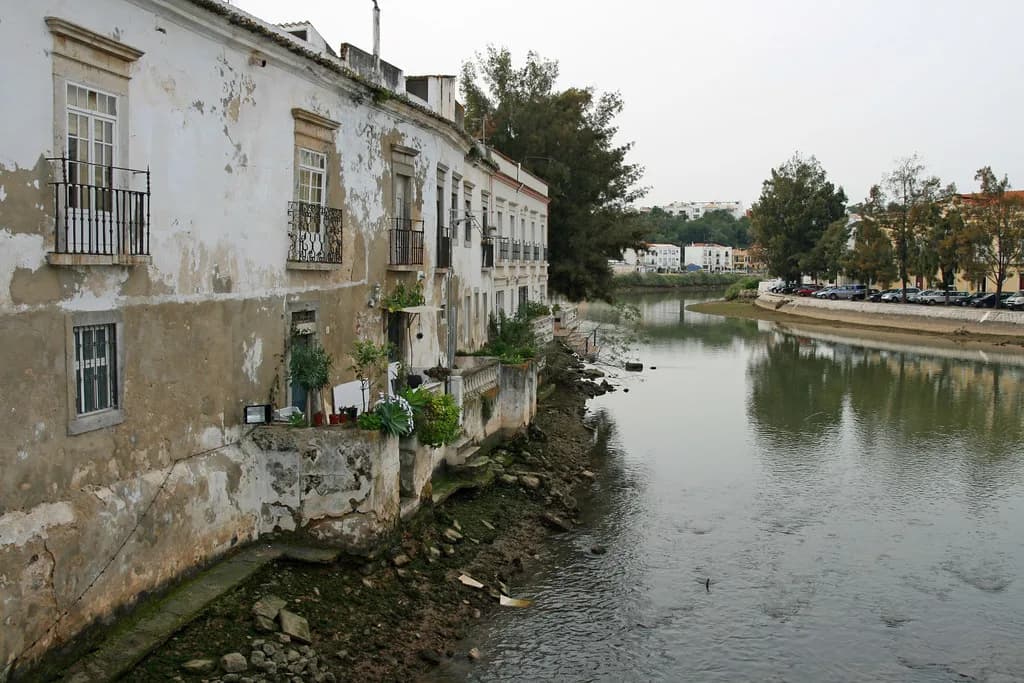
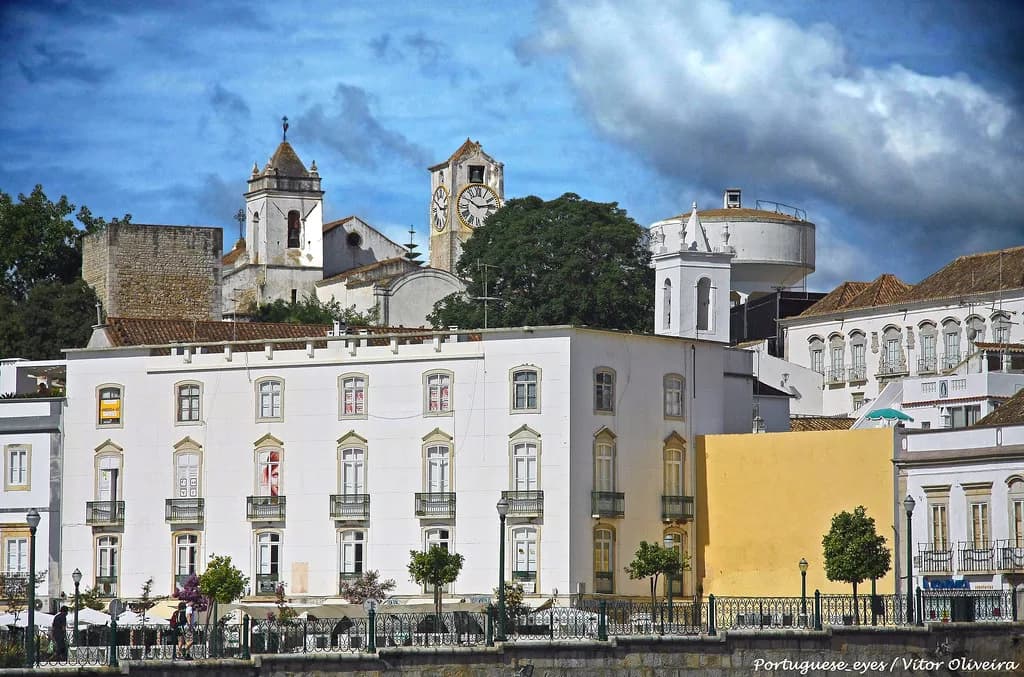
After lunch, cross back over the pedestrian bridge and settle into a café table on the river bank facing the white façades, the church and the reconstructed bridge. Order an espresso or a white port and watch the reflections on the water, which is the classic Tavira afternoon and costs very little. This is the point to slow down rather than squeeze in another museum.
The riverfront is where Tavira's layout becomes obvious: the Gilão splits the centre, the bridge links the two halves, and almost everything you want to see sits within a short walk of the water. Use the café stop to look at the map and decide whether the east-bank alleys or a second loop west towards the castle deserve your remaining hour. The Tavira Itinerary sets out a full morning-to-evening route if you want a structure to follow.
Walk the rest of the centre in a couple of hours
With the castle, bridge and both banks done, the remaining hours are for the streets between them: tiled houses, small shops and the churches and squares of the old centre. The stop-start nature of mosaic pavements and narrow sidewalks means the walking is slower than the distance suggests, so build in breaks instead of planning a tight loop. Good grip matters on the calçada, particularly after rain.
Museums and churches in Tavira keep their own opening days and often shut at lunchtime, so if a particular interior matters to you, check its hours before you set out and slot it into the morning or late afternoon. Don't assume everything will be open on a Monday. A market visit depends on the day, so confirm locally rather than planning the route around it.
If the day leaves you wondering whether Tavira deserves more than a stopover, weigh the town's calm riverside centre and walkable sights against the busier resorts further west; is Tavira worth visiting comes down to how much you value quiet streets over beach time. For the other side of the equation, Tavira vs Lagos sets out how the two towns differ for a short break.
Timings: how long the route takes and when to head back to the station
Trains link Faro and Tavira in roughly half an hour including the stops east of Faro, with departures every half hour or so, but check the current timetable rather than assuming a fixed frequency. Aim to finish your last loop 20 to 25 minutes before your train, since the walk back from the riverfront is short but the pavements are uneven. A day that starts mid-morning and ends around five gives you time for the castle, both banks and a long lunch.
If you are arriving from Lisbon, the train is the simplest way in and drops you within walking distance of the centre, so a single day is feasible without a car. Check the return times when you arrive rather than relying on memory, and keep the bridge as your mental compass. For a longer stay, the town rewards a second day more than a rushed one.
Is one day in Tavira enough?
One day in Tavira is enough for the castle, the garden, both banks of the Gilão, a proper lunch and a slow coffee facing the bridge, as long as you accept that some interiors will be left for next time. The town works best at a walking pace, and trains run every half hour or so from Faro, so you can leave the station timing to the end of the day. If you are weighing the town against other Algarve stops, Is Tavira Worth Visiting? What Tavira Does Well and Who It Suits sets out what it does best.
If you have a second day, spend it on the east bank alleys and whichever museum or church you missed, and check opening times at the door the day before. Otherwise, this route covers the whole town in a comfortable day.
Explore more Tavira guides
Frequently Asked Questions
Is Tavira walkable for a single day?
Yes. The centre, the castle and both banks of the Gilão sit within a short walk of one another, and a full self-guided route comes to around five kilometres. The uneven mosaic pavements slow you down more than the distance does.
Do I need a car for one day in Tavira?
No. The train from Faro takes about half an hour including the stops along the way, and the station is within walking distance of the old centre. Leave the car out of the plan unless you are continuing along the Algarve coast.
How much should I budget for lunch in Tavira?
Menu prices change and restaurants publish their own lists, so check what a cataplana serves and the price on the day at the door or on the menu before ordering. Portions are generous and one pan often feeds more than two people, so ask before committing to a second dish.
Sources
Notes for your next Portuguese break
Optional updates to our town guides.
You might also like
Continue reading
More guides you'll find useful