Is Tavira Worth Visiting? An Honest Answer for a Short Break
Yes, Tavira is worth visiting for a short break: a walkable old town, a free castle, tiled streets and a river ferry to the island beach.
On this page
Yes, Tavira is worth visiting if you want one to three unhurried days in a compact Algarve town where the sights sit within walking distance of each other. A free castle on the hill, a river running through the centre and a short ferry hop to an island beach give it more shape than its size suggests. This guide sets out what fills a day, how the town is laid out, and who should choose somewhere else.
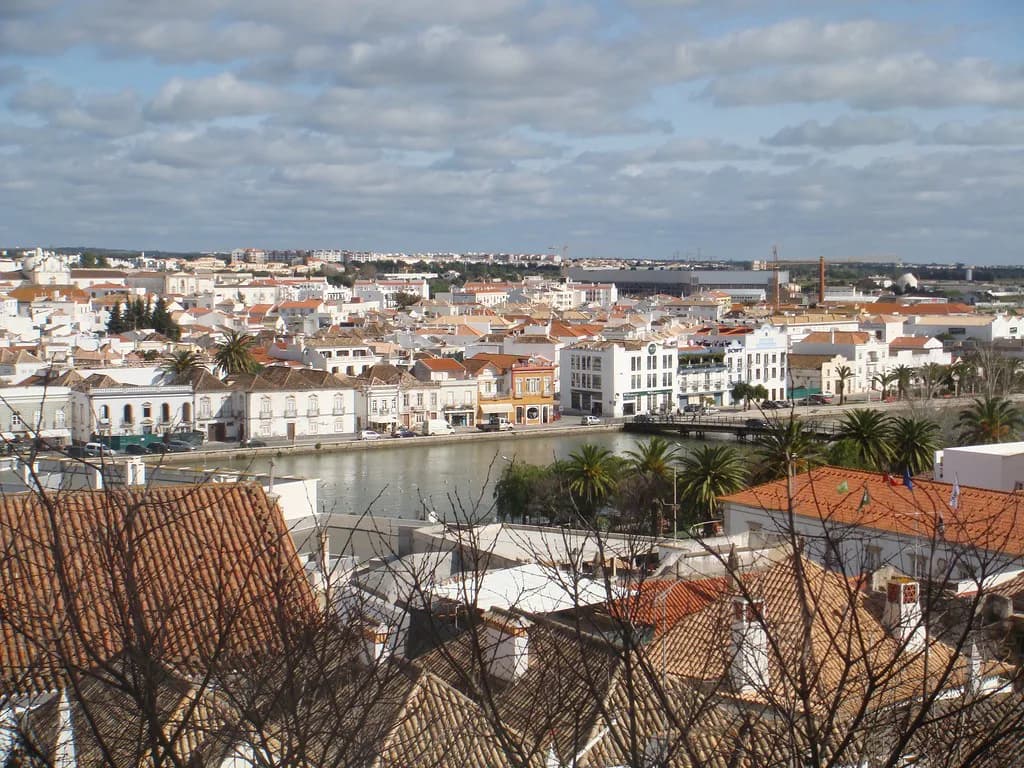
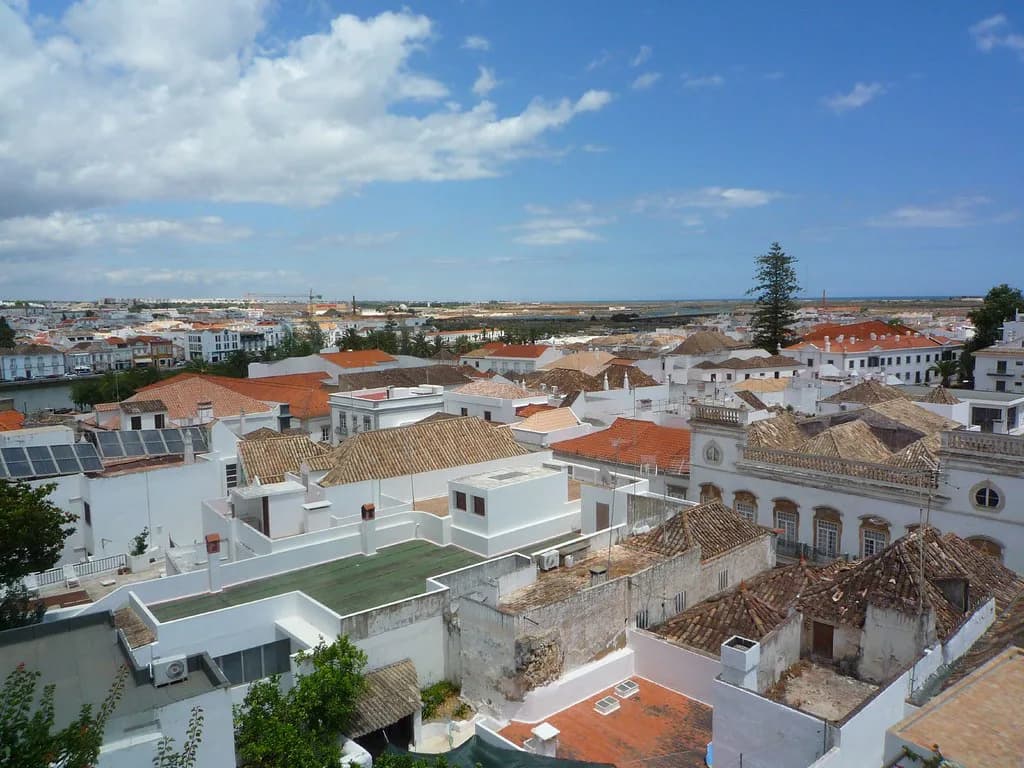
Tavira sits in the eastern Algarve between Faro and the Spanish border, and the wide Gilão river cuts the centre in two. It was badly damaged by the 1755 earthquake and rebuilt, so the pleasure here is the townscape itself as much as any single monument.
What you can actually do in a day in Tavira
A realistic day starts at the castle on the hill, drops down through the old streets to the river, crosses the Ponte Romana and ends with coffee on Praça da República. That loop is short enough to walk twice and leaves room for a church, a garden and a long lunch. If you only have one day in Tavira, the castle, the riverside and the bridge are the three things not to skip.
Add the boat to Tavira island in the afternoon and the day feels complete rather than crammed. Ferry tickets have been quoted at €2.70 return for adults, with reduced fares for children aged four to eleven and free travel for children three and under, but the service runs to seasonal hours, so confirm times at the quay before you build the day around it.
Two nights is the comfortable version, and three lets you slow down without hunting for filler. Our Tavira itinerary spreads the same sights across a longer stay without padding it with day trips, and if you have just a day the One Day in Tavira plan trims it to the essentials.
How the town is laid out: the Gilão, the old town and the castle hill
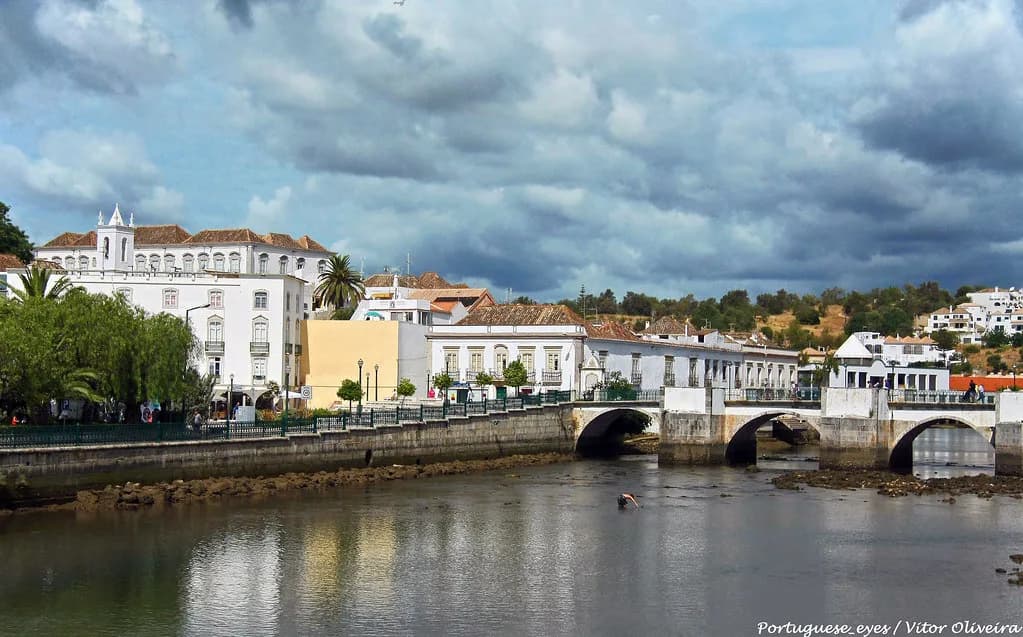
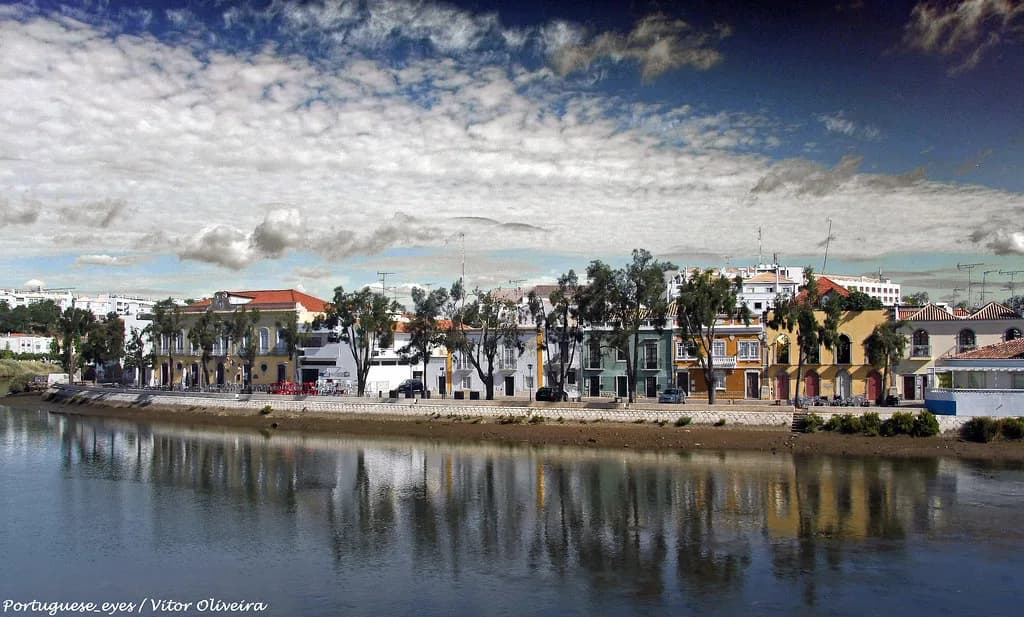
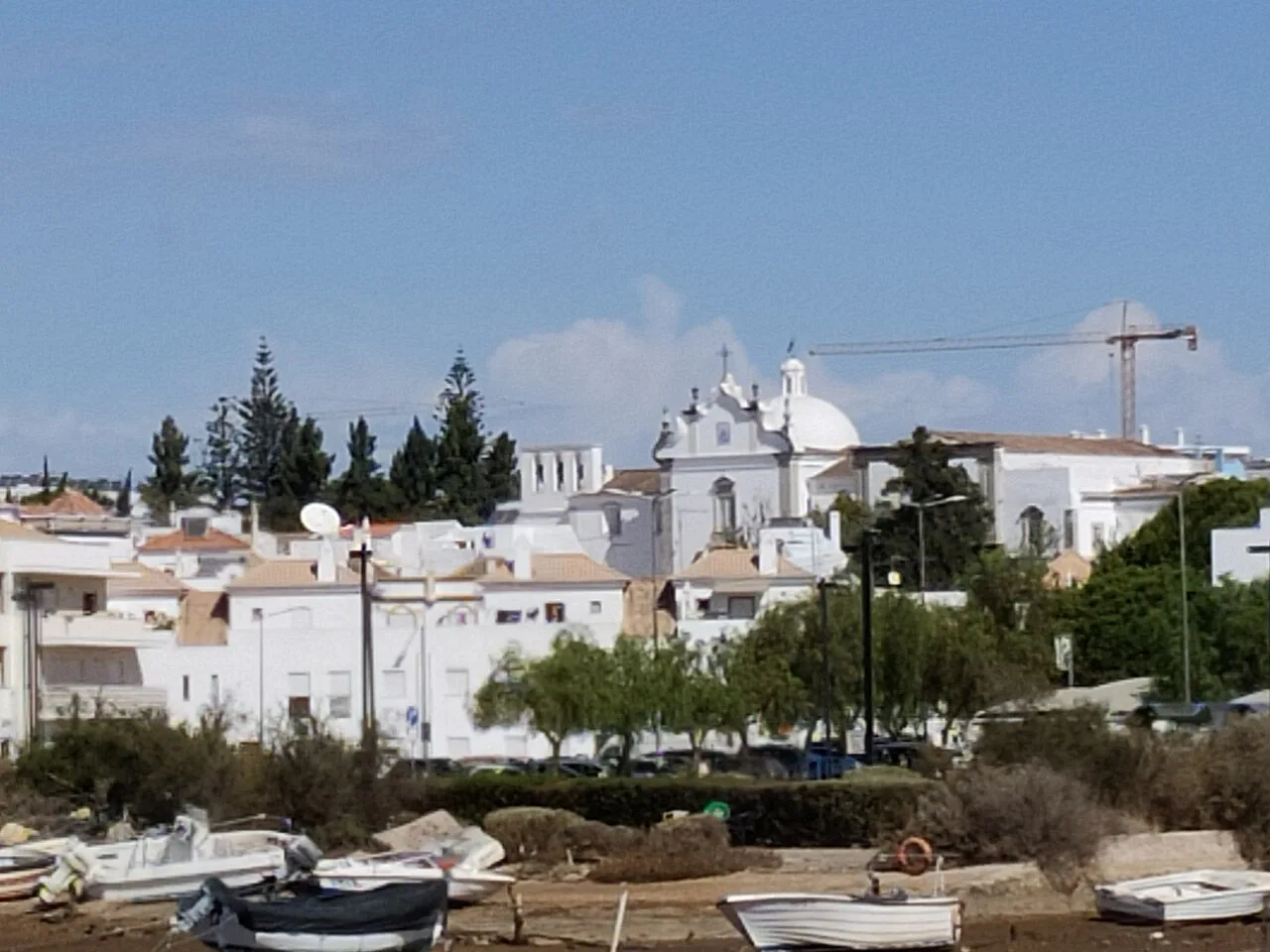
The Gilão splits Tavira into two walkable halves, with the Ponte Romana as the natural crossing point. The climb to the castle and the church of Santa Maria do Castelo is on the higher side of town, while the market hall and the main squares lie down by the river, so crossing the bridge back and forth is simply part of seeing Tavira. Almost everything a short-break visitor wants is inside a twenty-minute walk, which is the town's great advantage.
Because the centre is small, the layout matters less than it would in a bigger city: you can wander and still stumble on the next sight. The trade-off is that Tavira has few headline attractions, so the town rewards slow walking and long café stops rather than a tick-list approach.
The sights that justify the trip
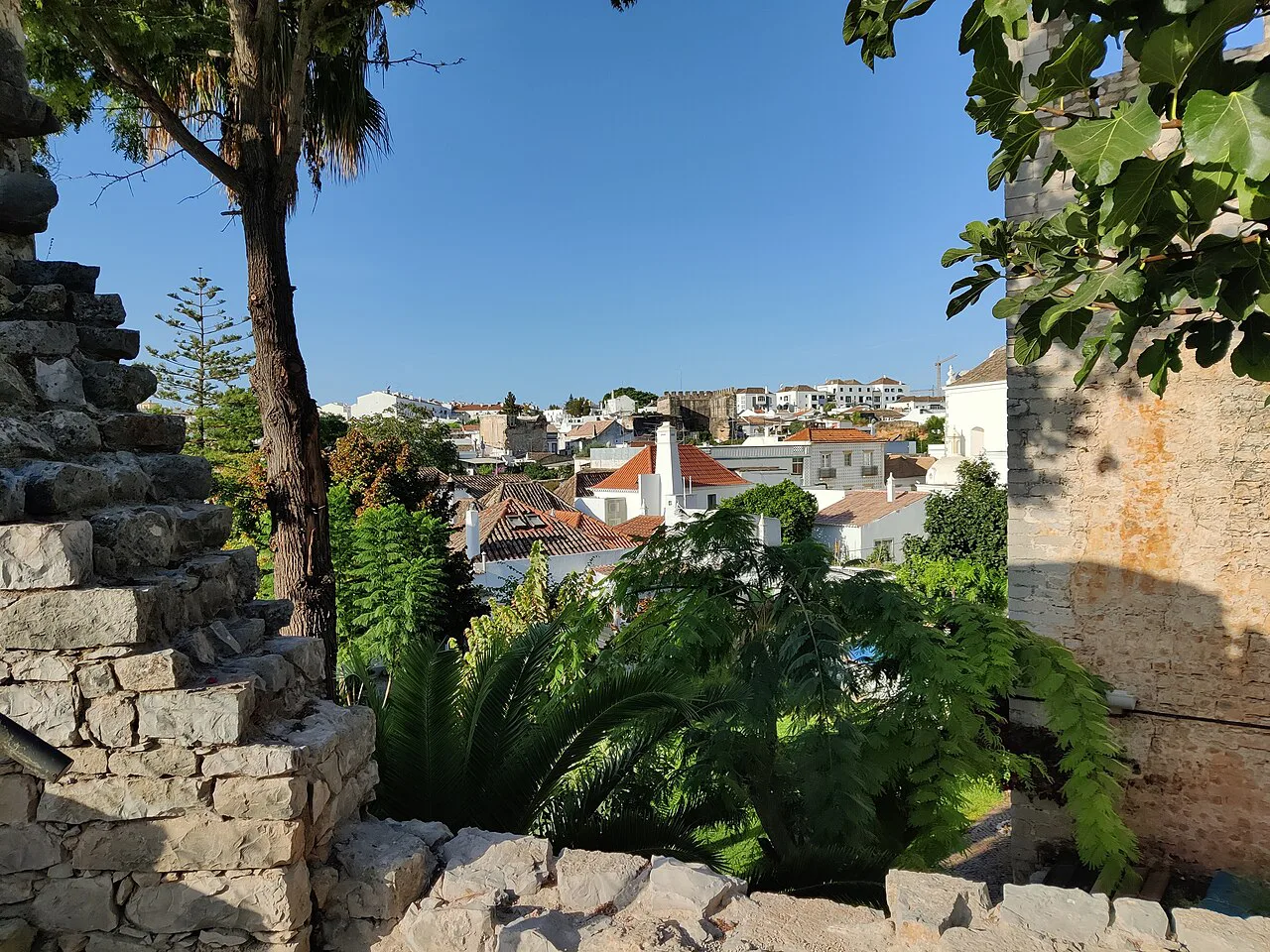
Castelo de Tavira is the strongest single reason to climb the hill. The walls date from the Moorish period and now enclose a garden courtyard, and entry is free, with hours that vary by season and an inner gate that is not always open, so check before making the walk.
Next door, Igreja de Santa Maria do Castelo charges a small entrance fee and mixes Gothic, Manueline and Baroque detail after its post-earthquake rebuilding, with a bell tower view over the rooftops. Expect roughly €4 to go in, and note the split hours with a lunchtime pause and weekend restrictions rather than an all-day opening.
Right beside the church, the Camera Obscura sits in a converted old water tower and gives a guided 360-degree projection of the town. Visits are restricted to weekdays with limited hours, so slot it into a weekday rather than a weekend and confirm the timing before you go.
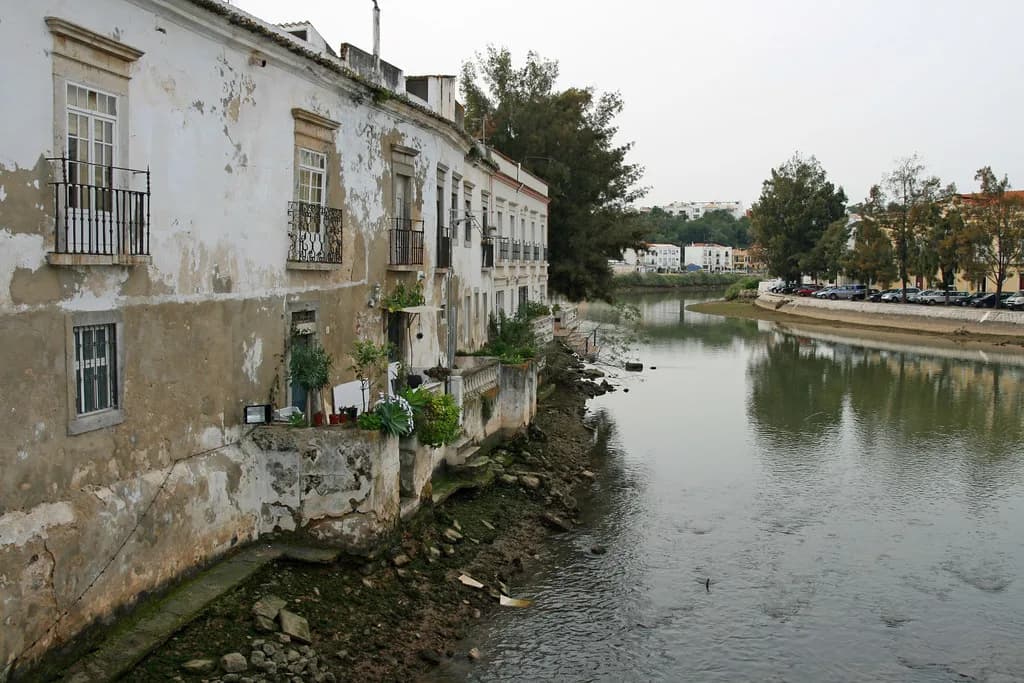
The Ponte Romana, despite the name, dates from 1667 and is now pedestrian, giving the best free view of the riverfront houses. It takes a couple of minutes to cross and repays a second crossing at dusk.
If you want a performance rather than a monument, Fado com Historia runs short shows near the Igreja da Misericórdia with adult entrance around €10 and free entry for children aged twelve and under. It is a good wet-afternoon or evening filler in a town with limited indoor sights.
Tiled streets, small gardens and the riverside market hall
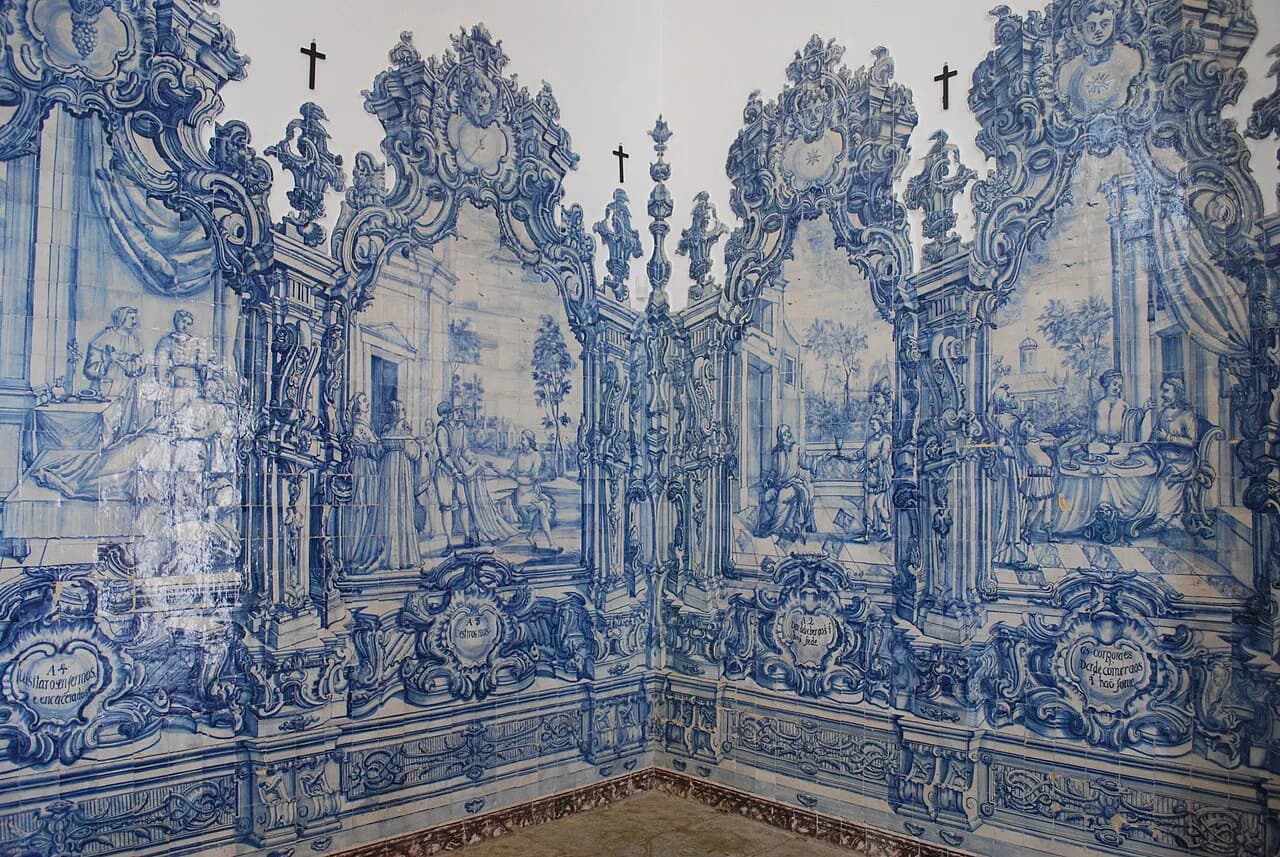
Tavira's azulejo-covered facades are its quiet signature, concentrated around Jardim da Alagoa and across the river near Rua Dr. Parreira. Walk those two pockets deliberately rather than hoping to find them, and by one account you will see more tiled frontages than anywhere else in the Algarve.
Jardim Público de Tavira sits on the river in the centre with a small music chapel, and Praça da República next to it has the town hall on one side and café terraces on the other. The old fish market hall on the river has been restored and now holds restaurants, which makes it a sensible lunch stop when the weather turns.
The Ruínas Fenícias de Tavira are fenced off but visible from the street, giving a quick sense of the town's layered past in a few minutes. It is a stop of minutes, not an hour.
The boat to Tavira island and the Ria Formosa setting
Tavira faces the Ria Formosa, a lagoon of sandbanks and channels, and the island beach is the reason many people come. The ferry leaves from the old town and makes the beach feel removed from the town in the best way.
Treat Praia da Ilha de Tavira as an afternoon rather than a full day: a long, clean Atlantic beach reached only by boat, so it stays quieter than road-accessible Algarve beaches. Return fares were quoted at €2.20 in 2021 and at €2.70 for adults by a later guide, so check the price at the ticket office rather than budgeting from old figures.
Wind and currents can make the crossing and the sea feel different from the sheltered river, so keep the beach plan flexible around the day's conditions.
Who will love Tavira and who should pick somewhere else
Tavira suits couples, older travellers and anyone who wants a walkable base with churches, tiled streets and riverfront cafés rather than a resort. It also works well for a first taste of the Algarve away from the built-up strip.
It is less well suited to travellers who want big museums, serious nightlife or a beach on the doorstep without a boat. If your short break needs headline sights or a long list of restaurants open every night, a larger city will serve you better, and Tavira's small scale is exactly the trade-off.
Budget-conscious visitors can size up the trip with our guide to whether Tavira is expensive, which separates the free sights from the paid ones.
How many days Tavira needs on a one-to-four-day break
One day covers the castle, the church, the bridge and a riverside coffee, with the island beach squeezed in only if the ferry times cooperate. Two days lets you add the tiled streets, the market hall and a fado show without rushing. Three days is generous and works best with a day trip or two slow mornings.
Four days is more than Tavira alone needs, so treat it as a base for the eastern Algarve rather than four days of town sights. Getting there is straightforward: the Lisbon to Tavira train and the short hop from Faro both put the town within reach of a long weekend.
Tavira or Faro: which suits a short break
Faro is the bigger city and the transport hub, with an airport on its edge and more urban bustle. Tavira is smaller, prettier and slower, and its sights sit closer together. For a short break built on walking and river views, Tavira is the better fit; for convenience on arrival and departure, Faro wins.
The Gilão and the island ferry give Tavira a distinctive shape that Faro's marina-front does not match. Neither town needs more than a couple of days, so the choice is about pace and townscape rather than quantity of sights.
Is Tavira the right short break for you?
Choose Tavira if your short break is about a walkable old town, a free castle, tiled streets, riverside cafés and a boat to the beach. Skip it if you want big museums or a resort strip, because the town's charm comes with a small scale and fewer headline sights.
Two days is the sweet spot, with one day for the town and one for the island and a slow lunch. Confirm the castle, church and ferry hours close to your dates, then book around the pace you actually want rather than squeezing in a fourth sight.
Explore more Tavira guides
Sources
Notes for your next Portuguese break
Optional updates to our town guides.
You might also like
Continue reading
More guides you'll find useful