
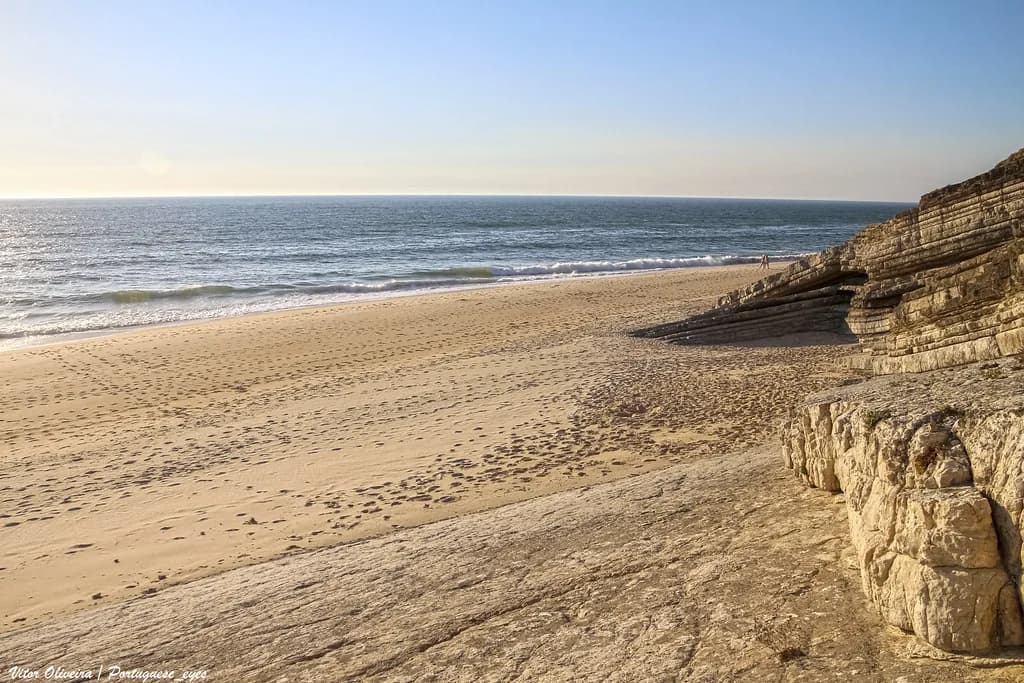
São Martinho do Porto: Portugal's Shell-Shaped Bay
Plan a short break in São Martinho do Porto, the calm shell-shaped bay on Portugal's Silver Coast: how the town is laid out, how long to stay and what to see.
On this page
São Martinho do Porto suits a half-day to a full day, or two nights as a calm base on the Silver Coast, and it is the bay rather than a checklist of sights that fills the time. The town curves around a sheltered, shell-shaped inlet, so almost everything a short-break visitor wants — promenade, viewpoint, cafés, the older parish — sits within a compact walk. This guide explains how the town is laid out, how the bay works for swimmers, where the miradouro sits, how it compares with Nazaré, and what to expect on the practical side.
What São Martinho do Porto is and how it fits a short break
São Martinho do Porto is a parish in the municipality of Alcobaça, in the Leiria district, with a resident population of 3,111 at the 2021 census across an area of roughly 14.6 square kilometres. That small permanent base tells you what to expect: this is a low-key resort town rather than a city with a museum quarter, and its appeal is concentrated on the seafront and the water. Treat it as a coastal anchor for a one-to-three-day stay, not a place you need a week to exhaust.
Its position on the Costa de Prata puts it within easy reach of several places that reward a day each: Alcobaça and its monastery, the walled town of Óbidos, the surf town of Nazaré and the market town of Caldas da Rainha, a short drive away with its wider restaurant scene. The trade-off is that São Martinho do Porto itself is quiet, so travellers wanting galleries, nightlife or a dense old town should look at a larger base and visit the bay instead.
How the town is laid out
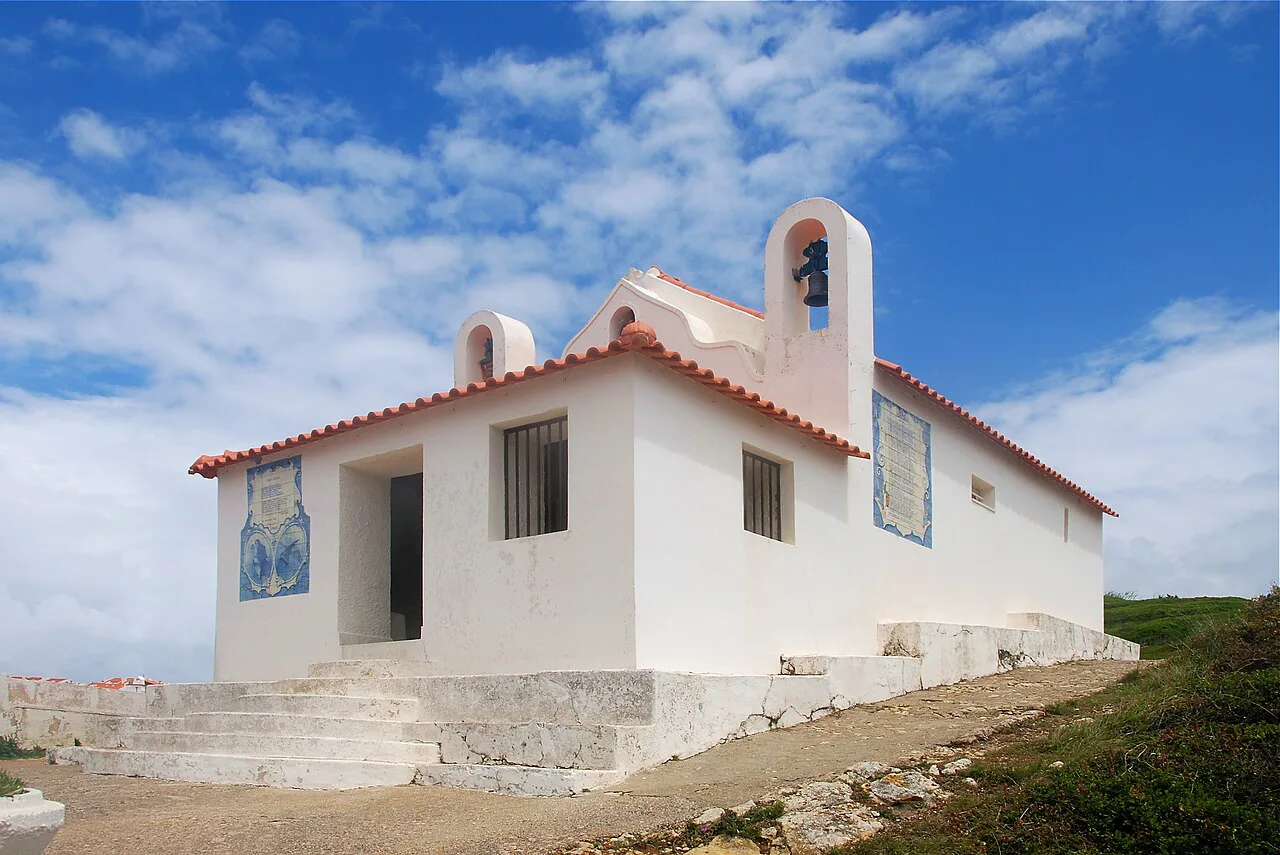
Think of São Martinho do Porto as three layers. The waterfront and its promenade form the curve nearest the water, where the cafés, restaurants and beach access concentrate. Behind that sits the main street and the everyday town — shops, banks, the pastelaria where you take a coffee — and inland again is the older parish heart around the Igreja de São Martinho, uphill from the seafront.
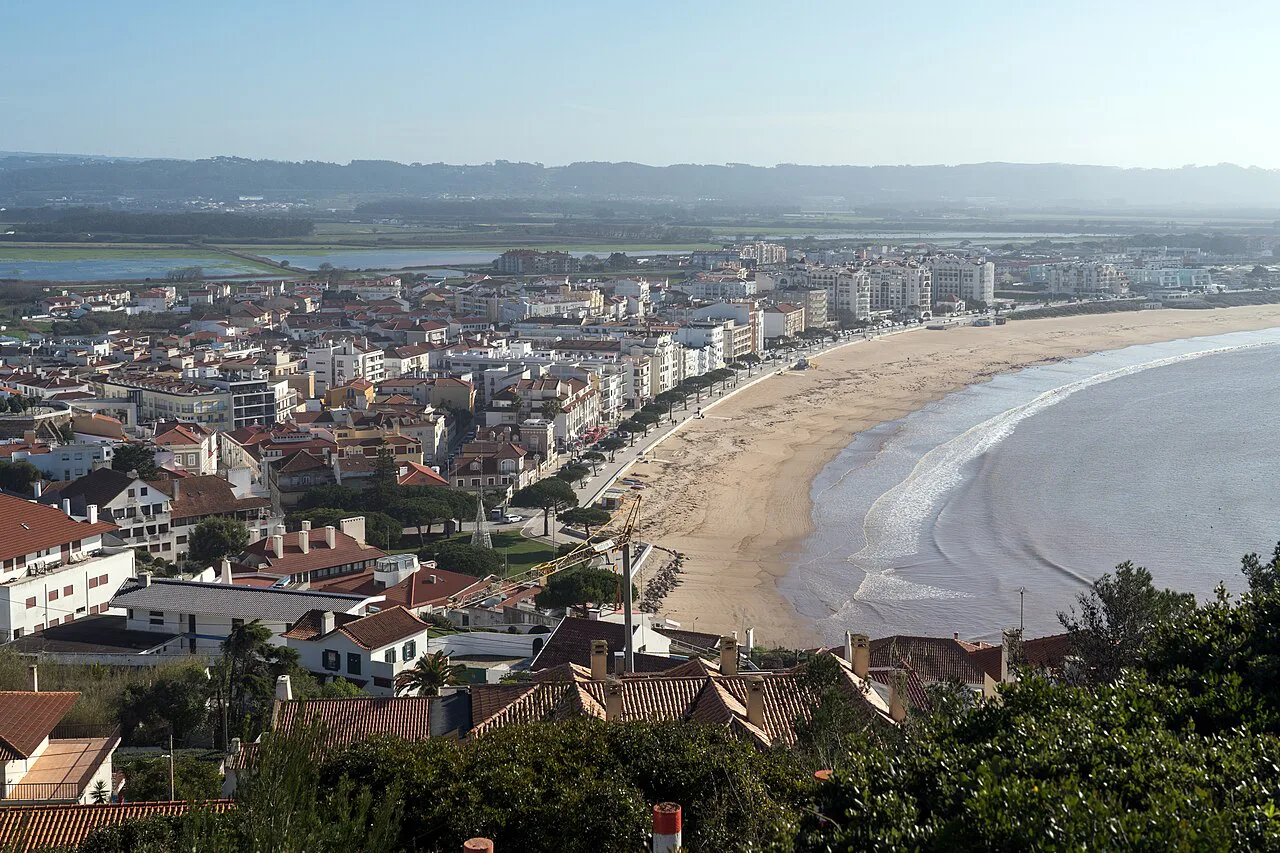
Because the bay curls inward, orientation is simple: wherever you stand on the promenade you can see the opposite arm of the shell, and the two ends of the bay are a short walk apart rather than a journey. Streets climb away from the water towards the main road and the upper town, so the return leg to your base is the uphill one. This matters for anyone with limited mobility, who may prefer to stay on the flat seafront and use the lower streets rather than the calçada slopes above.
The bay itself: calm water and the shell curve
The defining feature of São Martinho do Porto is its near-enclosed bay, whose curved outline gives the town its shell nickname. The narrow entrance keeps the swell out, which is why the water is markedly calmer here than at the open Atlantic beaches to the north and south, and why families with young children tend to prefer it. It also means this is not a surf destination: anyone wanting waves should head for Nazaré or another exposed beach.
For a short break, the bay is best used as a slow morning or late afternoon rather than a full day of organised activity. Swim, walk the shoreline from one arm to the other, and watch the light change across the water; build your day around the water itself rather than around organised activities on it.
The seafront and promenade walk
The promenade is the spine of any visit and the easiest way to read the town. Start at one end of the shell, walk the curve past the beach frontage and the café terraces, and finish at the other arm; at an unhurried pace with a stop for coffee, allow around an hour, or less if you simply walk it. The ground is level and paved, making it the one part of town that suits everyone.
Use the promenade to place yourself rather than to tick off sights: note where the main street runs inland, where the steps climb towards the upper town, and which cafés face the water for later. In the evening the same route becomes the passeio, with local families and visitors taking the air along the front. Outside high summer the town is noticeably quieter, so check whether a particular café or restaurant is open that day before building your plans around it.
The miradouro above the bay
The viewpoint above São Martinho do Porto is the one thing that repays the climb: from up there the full shell curve reads at once, with the narrow entrance and the two arms of the bay laid out below. Go in the late afternoon or early evening, when the light comes across the water rather than flattening it, and when the walk back down coincides with dinner on the seafront.
The climb is short but steep, following stepped streets and calçada, so wear proper shoes rather than smooth soles, and skip it in wet weather. If you are staying only half a day, choose between the miradouro and a long promenade circuit rather than trying to do both at a rush.
The parish church and the older heart
Inland from the seafront, the Igreja de São Martinho anchors the older residential parish, surrounded by narrow streets, small shops and ordinary town life rather than visitor facilities. It is worth twenty minutes on the way up to or down from the viewpoint, and it gives a truer sense of the place than the café strip alone.
Portuguese churches commonly keep limited daytime hours and often close over the middle of the day, so build the church into a morning or late-afternoon walk rather than assuming you can step in at any hour. The old quarter is a residential area, so keep noise down and treat the streets as someone's neighbourhood rather than an exhibit.
How long São Martinho do Porto needs
Half a day covers the essentials: the promenade end to end, a swim if the weather suits, and either the viewpoint or the old parish. A full day adds a long lunch of seafood, both the miradouro and the church, and time to sit on the front without watching the clock. That is the honest shape of the place: it rewards slowing down rather than packing in.
Two nights works if you want a quiet base for exploring the surrounding Silver Coast, with the bay as your evening walk rather than your whole trip. As a single-stop destination for three or four days, it is thin — most travellers do better pairing it with Alcobaça, Óbidos or Leiria. If you are weighing up inland towns, Leiria: A Short Break Guide to the Castle, Old Town and River is a useful comparison for a fuller day out.
São Martinho do Porto or Nazaré
The choice comes down to water and mood. São Martinho do Porto gives you a sheltered bay, calm swimming and a low-key seafront, while Nazaré is the Atlantic-facing town known for big surf and a busier visitor scene. If you are travelling with young children or want to swim rather than watch, the shell bay wins; if you want dramatic coast and a more bustling town, base yourself in Nazaré and visit the bay for an afternoon.
They are close enough that you do not have to choose absolutely: staying in one and driving to the other for a half-day is straightforward on the coastal roads. Keep the bay as the calm half of the trip and let the neighbouring towns supply the bustle.
Getting there without a car
São Martinho do Porto sits just off the A8 motorway, the main spine of this stretch of coast, which makes it an easy stop for anyone driving between Lisbon and the Silver Coast towns. By public transport the town is less direct: Caldas da Rainha on the Linha do Oeste is the likely rail anchor, with the final leg by bus or taxi, so check current timetables and connections before you commit to a car-free plan.
If you are touring the region by car, Foz do Arelho and the Lagoa de Óbidos make a natural pairing with the bay on the same day.
Where to eat: seafood, tascas and the promenade cafés
Eating here follows the coast: grilled fish, bacalhau, cataplana and seafood rice are the regional dishes to look for along and just behind the seafront, alongside simpler tascas inland where the prices and the clientele are more local. Promenade cafés are for coffee, a pastel de nata and the view; the better-value meals usually sit one street back from the water.
Portuguese restaurants often close one day a week, and the choice in a town this size is limited, so a little planning pays. Look at what is open as you walk the promenade in the afternoon, and if a particular place matters to you, confirm its day off directly.
Costs to budget in euros for a short stay
In practice, a short stay here is cheap by western European standards: the main costs are accommodation, meals and drinks, while the promenade and the bay are outdoors and unticketed to approach. Set a daily budget in euros for food and drink, add fuel or bus fares if you are touring, and keep a small cash reserve for cafés and tascas that may not take cards.
Prices change and vary by season and venue, so treat any figure you see online as a guide only and confirm on the spot. What you can plan on with confidence is the structure: a modest lunch, a long afternoon on a free promenade and an evening meal facing the water.
Practical rhythms: Mondays and lunchtime closures
The habits that catch visitors out in Portugal apply in force in a town this small. Many museums and national monuments close on Mondays, churches often shut over the middle of the day, and restaurants commonly take one day off a week; here that means checking ahead for anything you have set your heart on rather than assuming it will be open.
Build your day so the fixed points — a church interior, a specific restaurant — sit in the morning or late afternoon, with the promenade and viewpoint as flexible filler. If you are heading inland to a monument, Fátima, Portugal and Alcobaça both make rewarding half-days, but confirm their opening days before you drive.
Should you make the bay your base?
Make São Martinho do Porto your base for one or two nights if calm water, an easy promenade and a low-key evening are what you want, and plan your sightseeing in the surrounding towns. Choose Nazaré or a larger inland town instead if you need more to fill three or four days in one place.
Either way, give the bay at least half a day of unhurried time: walk the shell from arm to arm, climb to the miradouro for the view back, and eat fish within sight of the water. That is the whole appeal of the place, and it does not need padding.
Explore more Portugal guides
Frequently Asked Questions
Is São Martinho do Porto worth visiting?
Yes, for half a day to a full day, or as a quiet base for one or two nights on the Silver Coast. The sheltered shell-shaped bay, the promenade and the viewpoint above the town are the core of the visit; travellers wanting a dense city break should look elsewhere and visit the bay instead.
Is the water at São Martinho do Porto calm?
The bay is almost enclosed by its two arms, which keeps the Atlantic swell out and makes the water noticeably calmer than at the open beaches nearby. That is why it suits families and casual swimmers, and why it is not a surf spot.
How do you get to São Martinho do Porto from Lisbon?
By car it is a straightforward run up the A8 motorway, which passes close to the town. By public transport, take the Linha do Oeste train to Caldas da Rainha and continue by bus or taxi, checking current timetables with the operator before you travel.
Sources
Notes for your next Portuguese break
Optional updates to our town guides.
You might also like



Continue reading
More guides you'll find useful




