Aljubarrota: the 1385 Battle and Visiting the Battlefield
What happened at Aljubarrota in 1385, where the battlefield lies near Batalha, and how the site fits a short Centro de Portugal break.
On this page
Aljubarrota is worth half a day, not a whole one: the battlefield sits in the parish of the same name in the municipality of Alcobaça, a short hop from Batalha and its monastery. The fight on 14 August 1385 decided who would rule Portugal, and the site today is a stop for travellers who want the story behind Batalha's great abbey. This guide covers what happened, where to stand, and how to order the day around Alcobaça, Batalha and the battlefield.
What happened at Aljubarrota in 1385
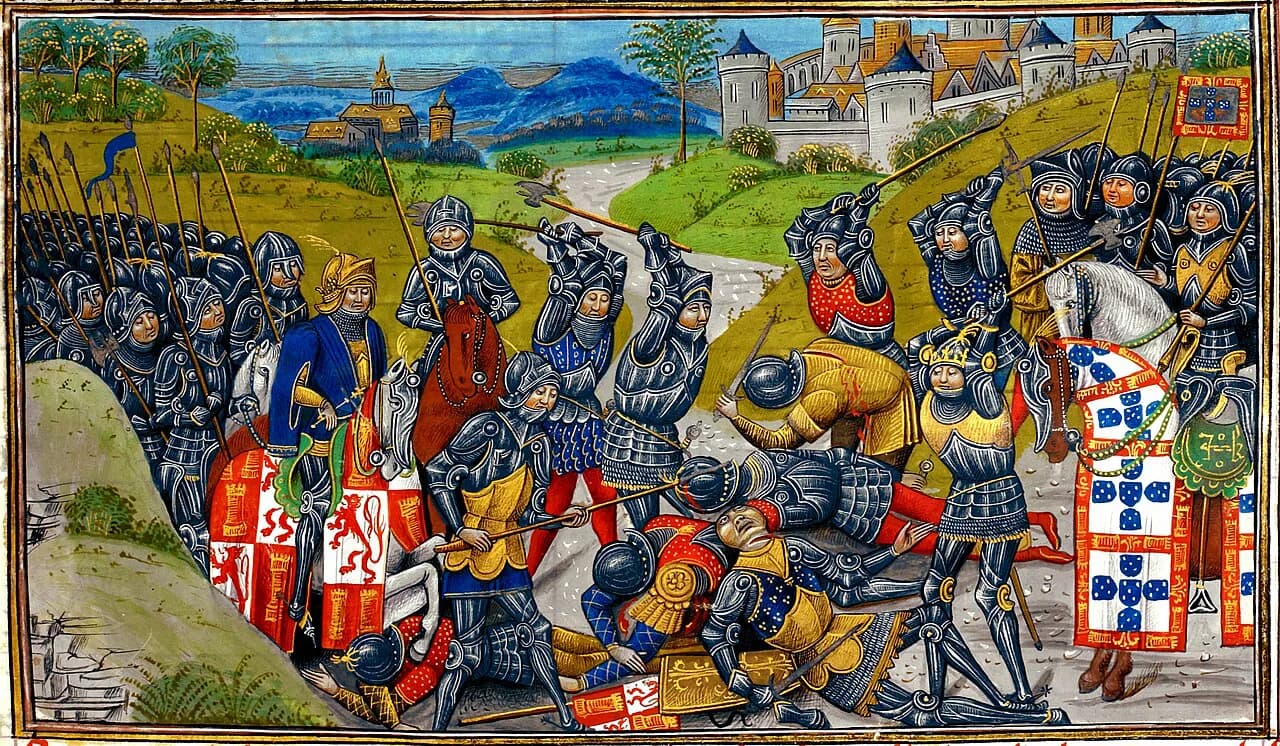
On 14 August 1385 the army of John I of Portugal met the forces of the Crown of Castile near Aljubarrota and won. The victory ended Castile's claim to the Portuguese throne and confirmed the House of Avis, the dynasty that would launch Portugal's maritime expansion. It is the founding military moment of the Portuguese state, and it happened in the fields of a parish most visitors pass through without noticing.
The battle is remembered as a defensive stand: a smaller Portuguese force, fighting on foot and on chosen ground, broke a larger Castilian army. Britannica frames it as the pivotal conflict of the war between the two kingdoms, which is the right register for a visit. Read the story before you arrive and the landscape makes far more sense.
Who fought: John I, Castile and the English alliance
John I, master of Avis and later king, led the Portuguese side with the support of a body of English archers sent under the Anglo-Portuguese alliance. That alliance, sealed in the same era, is why you will find English names in the story of a battle fought in Estremadura fields. The Castilian crown, backed by French allies, was attempting to impose its candidate on the Portuguese throne.
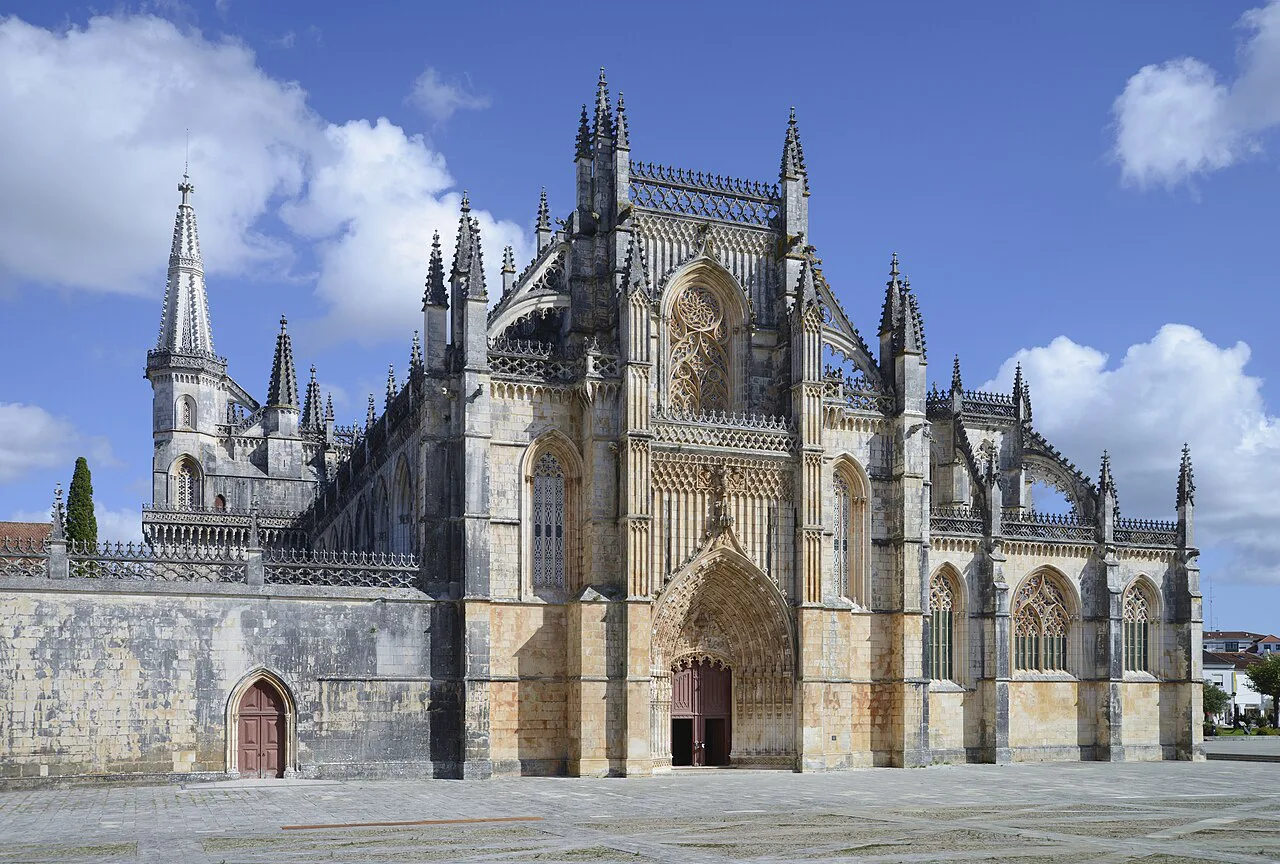
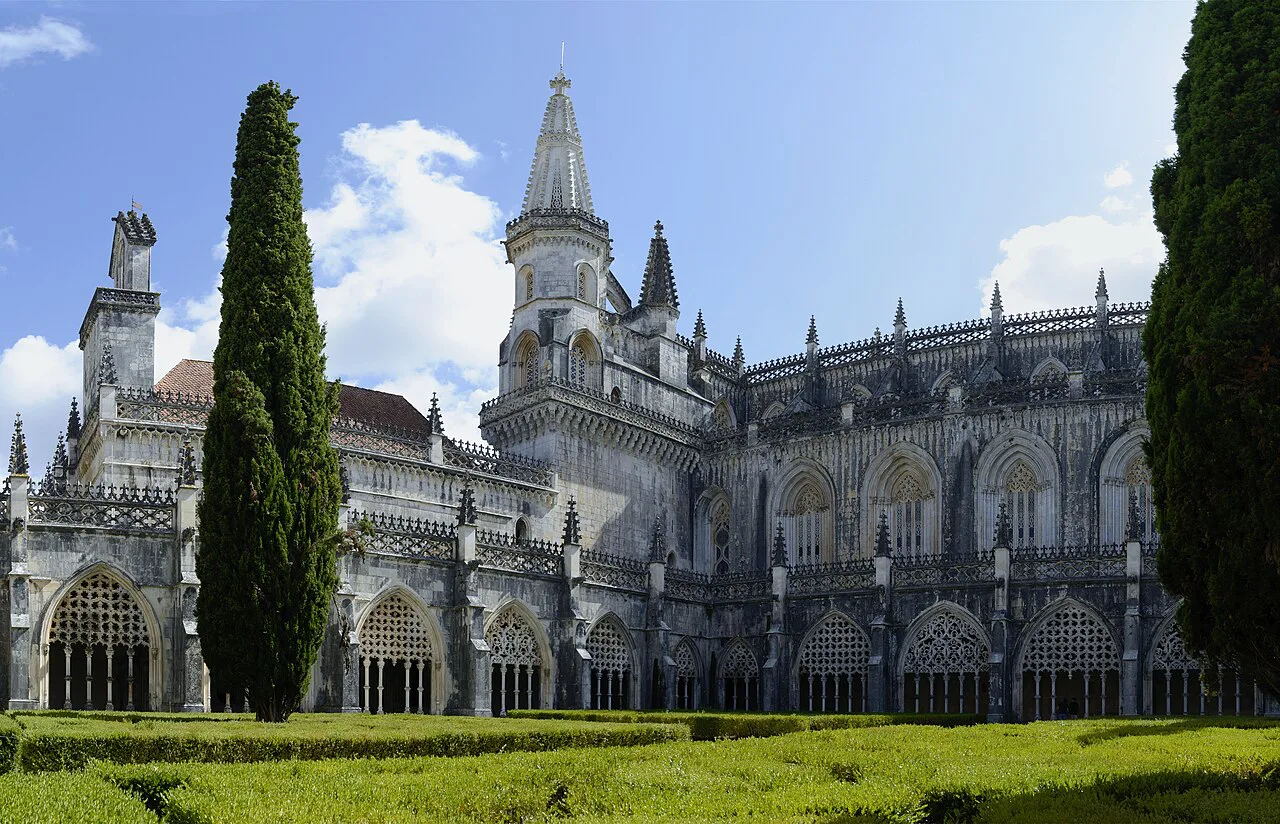
The political stakes explain the aftermath: John I founded the monastery at Batalha as a thank-offering for the victory, and the two sites belong to one narrative. Visit Batalha's abbey first, then the battlefield, and the sequence reads like a story rather than two separate monuments. It is also the practical order, since Batalha sits on the main road and the battlefield lies west of it.
Where the battlefield is, between Alcobaça and Batalha
Aljubarrota is a civil parish in the municipality of Alcobaça, formed in 2013 from the merger of the parishes of Prazeres and another parish. The battlefield and its interpretation centre stand south of the monastery town, on the road towards Batalha. If you are based in Alcobaça, this is a ten-minute drive; from Leiria it is a little further but still comfortably within a morning.
The wider region is easy to string together by car: Alcobaça, Batalha and Aljubarrota form a compact triangle, and the Silver Coast Portugal guide shows how the coast and the interior fit into one break. That layout is why the battlefield works best as a deliberate detour rather than a destination in its own right.
Alcobaça, Batalha and Aljubarrota in one day
Start at the Monastery of Alcobaça when it opens. From October to March the monastery admits visitors from 09:00 to 18:00, with the last entrance at 17:30, and the scale of the place — three naves of equal height, the tombs of Pedro I and Inês de Castro, a kitchen with a 26-metre chimney — rewards an unhurried hour and a half. Check the summer hours on the same page before you set out.
Drive to the battlefield for late morning, allow an hour for the interpretation centre and the ground itself, then take lunch and spend the afternoon at Batalha. Driving is the only sensible way to do all three; buses between these small places are thin on the ground. If you are relying on public transport, pick one site and do it properly rather than attempting the triangle.
What you see at the site and how long it takes
The visit combines an interpretation centre with the ground where the fighting took place, and the centre is where the battle's course is explained. Treat it as a museum stop of roughly an hour rather than a full afternoon. The fields themselves are quiet farmland: there is no reconstructed battlefield, and the value lies in understanding what happened rather than in spectacle.
Walk the marked ground with the story fresh in your head and the position of the lines becomes legible; skip the centre and the fields are just fields. For travellers comparing stops, this is a smaller, quicker visit than the monastery at Alcobaça. If your time in the region is one day, the monastery and Batalha should come first.
Getting there without a car and with one
By car, approach from Alcobaça on the road towards Batalha and follow signs for the battlefield; parking is straightforward in a rural site. Combine it with a stop in the Leiria district, where the castle and old town make a natural base for this inland cluster. The Leiria guide lays out the town's own short-break logic if you want to stay there rather than in Alcobaça.
Without a car, the practical option is a taxi from Alcobaça or Batalha for the round trip, agreed in advance for a fixed return. Do not count on finding a bus that matches your timing. Travellers coming from Caldas da Rainha can base themselves there and drive out for the day, using the Caldas da Rainha guide for the rest of the stay.
Worth it or not: battlefield or monastery
Choose the battlefield only if the 1385 story genuinely interests you; otherwise give the time to the Monastery of Alcobaça, which is a UNESCO World Heritage Site and a far richer building. The monastery holds the royal pantheon and a Baroque interior that rewards a second hour, and it sits in the town where you are likely already parked.
If you have two or three days in the area, add one of the other castles for contrast: the Castle of Almourol, on its island in the Tagus, is a Templar monument with boat access from Tancos. That is a different day out, further east, and best planned as its own excursion. Keep the battlefield as the short, thoughtful stop before or after Batalha.
Which order should you visit?
Visit Alcobaça's monastery in the morning, Batalha in the afternoon, and slot the Aljubarrota battlefield between them if the history appeals. Allow an hour at the site and confirm the interpretation centre's current opening days before you drive out, since they are not listed here. Travellers with a single day should drop the battlefield first and keep the two monasteries.
Base yourself in Alcobaça or Leiria, drive the triangle, and leave the coast for a separate afternoon. The Silver Coast Portugal pages cover how the inland monuments and the seaside towns combine over three or four days.
Explore more Portugal guides
Frequently Asked Questions
How do you pronounce Aljubarrota?
In Portuguese the j is soft, close to the English zh sound, and the stress falls on the ro: al-zhoo-bar-RO-ta. English speakers usually settle on al-joo-ba-ROH-ta, which is understood everywhere in the area.
What happened in 1385?
On 14 August 1385 John I of Portugal defeated the forces of the Crown of Castile at Aljubarrota, ending Castile's claim to the Portuguese throne and securing the House of Avis. The victory was commemorated by the founding of the monastery at Batalha.
Sources
Notes for your next Portuguese break
Optional updates to our town guides.
You might also like
Continue reading
More guides you'll find useful