Silver Coast Portugal: Towns, Sights and How Many Days
Plan a short break on Portugal's Silver Coast: Óbidos, Nazaré, Alcobaça and Coimbra, how the region is laid out, what to prioritise and how to pace your days.
On this page
Give the Silver Coast three or four nights and you can see a walled town, two Cistercian monasteries, a cliff-backed fishing port and a canal city without spending the whole break in the car. The Costa da Prata runs along Portugal's central-west coast between the Lisbon and Porto regions, from the Aveiro canal country south towards Torres Vedras. This guide covers how the region is laid out, which towns work as a base for one to four nights, and what each big sight actually takes.
The one rule that saves a short break is to treat the coast and the inland monasteries as a single region, because they sit within about half an hour of each other. Attempting Aveiro and Óbidos on the same day is the classic error; the distance is real and the stops deserve better.
Where the Silver Coast runs, and how it is laid out
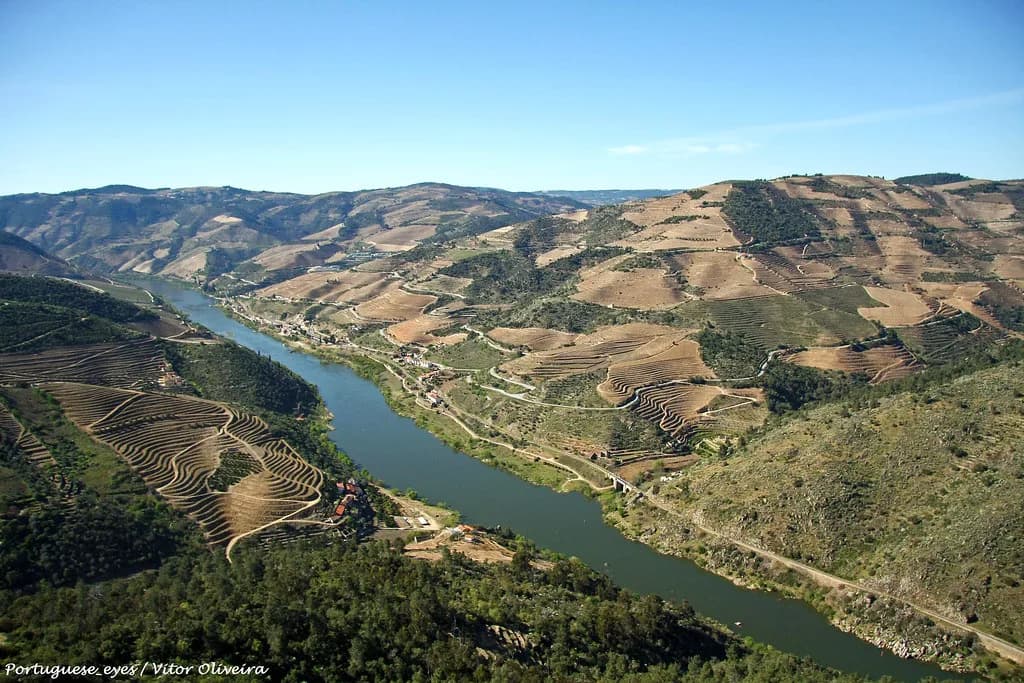
The region stretches roughly 93 miles of Atlantic frontage, beginning near Aveiro and Figueira da Foz where the Mondego River meets the sea and continuing south past Nazaré and Óbidos. Inland, it takes in market towns, orchards and the great monastic complexes at Alcobaça and Batalha.
What surprises first-time visitors is the layering: the beaches face west, while the monasteries and walled towns sit inland, often on higher ground. Óbidos is a short drive from the coast, Alcobaça sits in a river valley behind Nazaré, and Batalha is further inland again towards Leiria.
That layout means a single base can serve both halves of the region if you choose it well. A car turns a scattered map into a workable short break; buses and trains link the main towns and Lisbon, but the monasteries at Batalha and Alcobaça sit well away from railway stations, so a car saves time on a two- or three-night visit.
Best bases for one to four nights
For two nights with a car, Óbidos or Caldas da Rainha puts you within easy reach of Alcobaça, Nazaré, Batalha and the coast. Óbidos is the more atmospheric choice; Caldas da Rainha is a working town with a ceramics tradition and more everyday eating, which suits travellers who want a normal Portuguese town rather than a souvenir village.
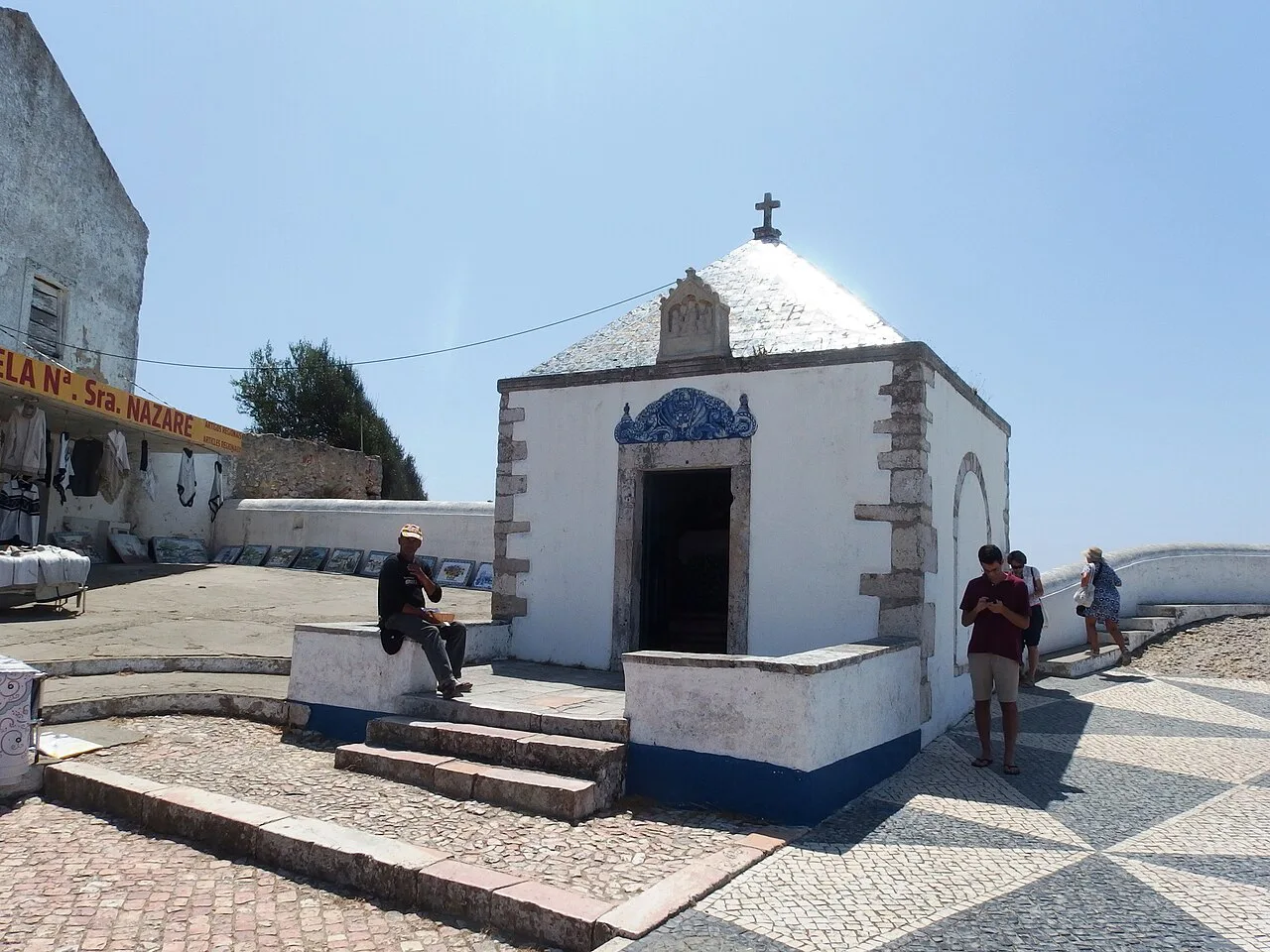
Caldas da Rainha, in the Leiria district, is also the practical hub for the lagoon side of the region, with the spa-town layout and daily life that the walled village cannot offer. If you want the coast under your window, São Martinho do Porto's scallop-shaped bay is calm and central, and Nazaré suits anyone who wants the cliff drama and the fishing-town atmosphere over quiet evenings.
For a four-night break, split the stay: two nights around Óbidos or Caldas da Rainha for the monasteries and the wall, then one or two nights in Coimbra for the university and the old town. Coimbra is a World Heritage city and repays an overnight stay, whereas a rushed afternoon there mostly buys you a car park and a bridge walk.
Óbidos: the walls, the gate and how long it takes
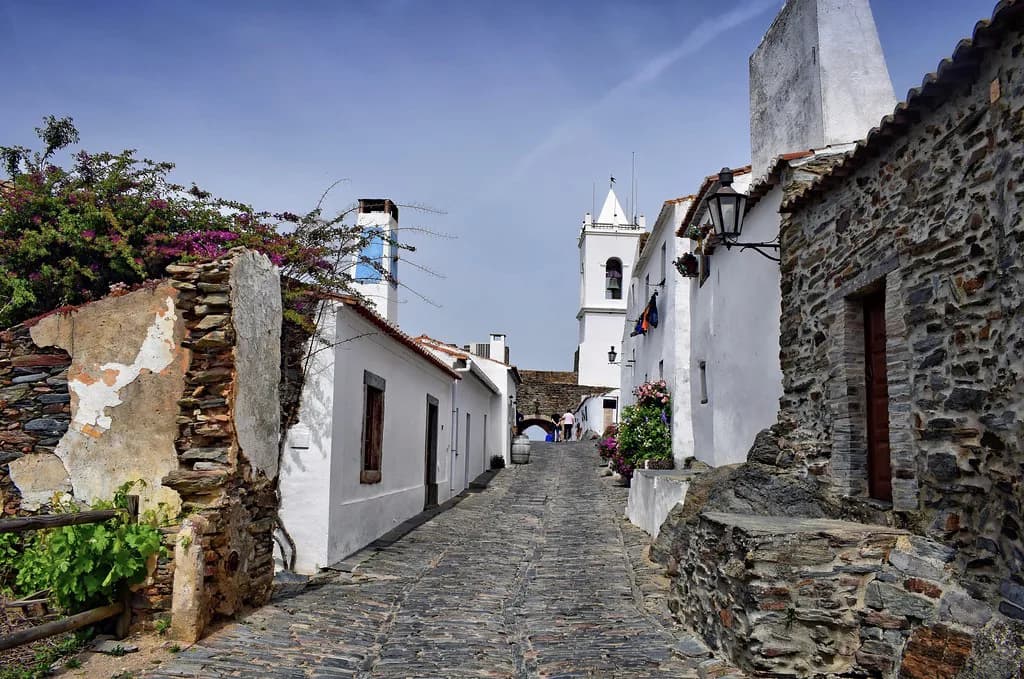
Óbidos is a medieval town still enclosed by its walls, entered through one of the old Moorish gates, with bougainvillea on the houses in summer and views from the ramparts over the plain. The castle at the top now operates as a pousada, a historic hotel in Portugal's traditional chain, but the walls themselves are walkable.
Set your expectations honestly: beyond the walls, the churches and the souvenir shops, the walled town is small, and a couple of hours covers it comfortably. Drivers should head for the free parking at the bottom of the hill and walk up through the gate rather than trying to edge a car into the narrow lanes.
The wall walk is the highlight, but the parapet is narrow and unguarded in places, so it is not for everyone and not for young children unsupervised. Go early or late in the day in high summer, when the coach traffic peaks and the lanes feel like a queue.
Alcobaça and the Cistercian monastery
The Mosteiro de Santa Maria at Alcobaça is one of the finest Cistercian complexes in Europe, with its medieval buildings preserved and the great cloister, refectory and chapter room open to visitors. The adjoining Gothic church dates from the Middle Ages and is the reason many travellers rate Alcobaça above the more famous monasteries further north.
Allow around 90 minutes for the monastery and a stroll around the square outside, and check the official monument page for the day's opening before you drive out, since Portuguese national monuments commonly close one day a week. Alcobaça pairs naturally with Nazaré, fifteen minutes or so away, making a full inland-and-coast day.
Nazaré: cliffs, fishing and the big waves
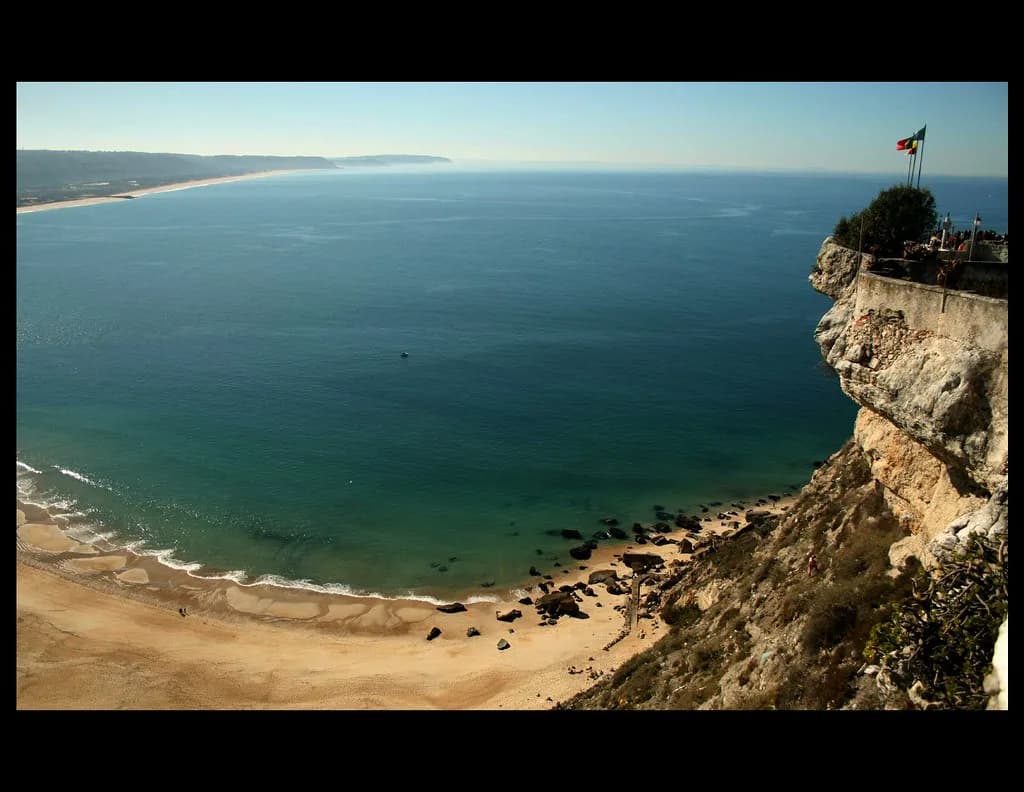
Nazaré is a working fishing town with a long seafront and a clifftop viewpoint above it, and small boats still head out from the beach as they have for centuries. The waves at the north beach are among the largest ridden anywhere, which draws surfers in autumn and winter while everyone else watches from the cliff.
Outside big-wave season, Nazaré is a pleasant half-day rather than a destination in itself: the clifftop viewpoint, the fishing quarter and a seafood lunch cover it. If you are not a surfer, do not build a trip around wave-watching, because the swell is a seasonal pattern rather than a scheduled event.
Batalha and Porto de Mós
The Mosteiro da Batalha is the great Gothic abbey built to commemorate the Battle of Aljubarrota, and it is the reason many travellers add an inland day to a coastal break. Combine it with the castle at Porto de Mós, whose towers are topped with green ceramic cones — a detail you either love or find eccentric, but you will not forget.
Porto de Mós is now a cultural centre hosting exhibitions and performances, and parking there is free, which makes the castle a relaxed final stop on the drive back towards the coast.
If you have a spare half-day in this inland corridor, the walled centre of Leiria with its castle on the hill makes a natural add-on between Batalha and the coast. Read more in the Leiria short-break guide.
Coimbra: the university and the old town
Coimbra is a World Heritage city built in two layers, with the Universidade de Coimbra on the hill and the medieval old town spilling down to the Mondego. The university's historic rooms, including the Biblioteca Joanina, are the headline draw, and skipping them is the most common regret among visitors who only pass through.
Park on the far side of the Mondego and walk across the bridge into the city rather than fighting for space in the old town; the approach on foot also gives you the classic view back over the river. The climb to the university is steep, so give yourself a morning or an afternoon rather than an hour squeezed between other stops.
Check the university's own visitor pages before you go, because the historic buildings operate on separate timed access from the wider city and the most popular rooms sell out. Coimbra deserves an overnight stay if you can, not a 120km detour bolted onto a beach day.
Aveiro and Costa Nova
Aveiro is the canal city at the northern end of the region, with colourful boats — the moliceiro, once used to carry seaweed — now gliding past art nouveau houses on the waterfront. Costa Nova, on the barrier strip beyond the lagoon, is known for its striped houses facing the Atlantic.
Aveiro is a two-hour city to walk, plus a boat ride if you want one, and it is far enough from Óbidos that combining the two in one day is a mistake. Treat it as a separate northern base or a stop on the way to or from Porto.
The lagoon-side beaches around Aveiro include the calm waters that make this stretch good for families, and the striped houses at Costa Nova face the Atlantic beyond the lagoon. Aveiro is far enough north to work as a separate base rather than a day trip from Óbidos.
Caldas da Rainha and Buddha Eden
Caldas da Rainha takes its name from its thermal baths and is the working heart of the region's ceramics tradition, with tile and pottery shops that make a genuine souvenir stop. The town makes a practical base and an easy rainy-day wander.
Inland from the town, the Buddha Eden garden at Quinta dos Loridos spreads over 35 hectares and is the largest oriental sculpture park in Portugal, with a giant Buddha and a multi-faith philosophy behind its layout. It is a strange, memorable half-day out, and the kind of place that divides opinion precisely because it is so singular.
The Medes Isles near Fátima are often paired with a pilgrimage stop, and if that is your plan, read our guide to Fátima, Portugal before you add it to the route.
The coast west of Caldas: Foz do Arelho and São Martinho
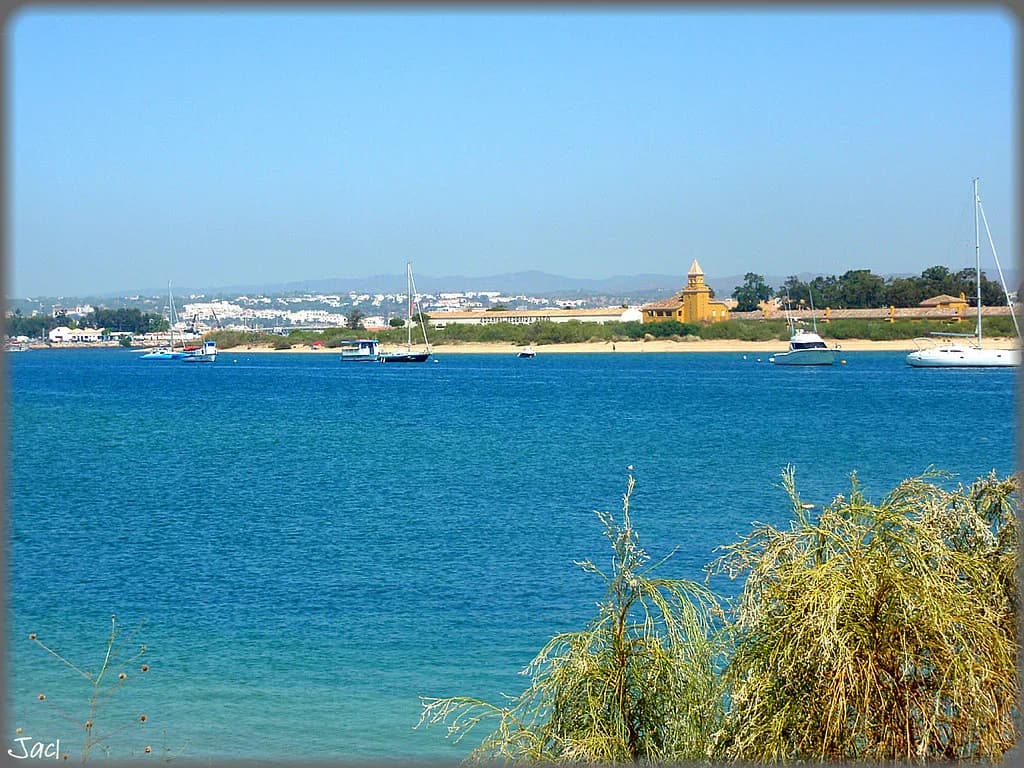
Foz do Arelho sits where the Lagoa de Óbidos meets the Atlantic, so you get a calm lagoon beach for children on one side and open ocean with gentler currents on the other.
São Martinho do Porto is the other family-friendly stop, thanks to its scallop-shaped bay and calm water, and it is close enough to Óbidos for an evening meal by the sand.
For the walks and practical layout of the lagoon at Foz do Arelho, our Silver Coast page on the village covers how the lagoon and the beach fit together.
North of São Martinho, Salir do Porto has colossal sand dunes that are a stop in their own right for a short walk, though they are a curiosity rather than a full day out.
A three-day plan for a short break flying into Lisbon
Day one: collect a car at Lisbon and drive north to Óbidos, arriving in time for a late lunch and the wall walk, with an evening in the walled lanes. Day two: the Mosteiro de Alcobaça in the morning, Nazaré and its clifftop for lunch, then Batalha if you still have energy, or back to the coast at Foz do Arelho.
Day three: choose either Coimbra's university or Aveiro's canals, then drive back to Lisbon. Do not try to do both: the two cities sit at opposite ends of the region and you will spend the day on the motorway.
Leave the last afternoon free rather than adding a fourth sight, because the drive to Lisbon airport is the part of a short break nobody plans for. Keep the pace slow and you will remember the monasteries, not the roundabouts.
A four-day plan that adds Coimbra or Aveiro
Four days lets you split the stay rather than move every night: two nights near Óbidos and one in Coimbra, or two nights near Aveiro at the northern end. That gives you a full day for Coimbra's university or Aveiro's canals without a rushed departure.
If you add Coimbra, use the extra morning for the Biblioteca Joanina and the old town below the university rather than trying to see both in an afternoon. That is the difference between photographing a city and knowing why it matters.
Where to eat and what to order
On the coast, order the seafood: grilled fish, cataplana and bacalhau in its many forms, with the freshest catches in the fishing towns rather than the resort strips. A simple tasca lunch is often better value than a seafront restaurant with a view.
For the sweet side, a pastel de nata from any pastelaria is the standard, and the region's own pastries — including the egg-based sweets tied to the monasteries — are worth asking about in Alcobaça and Caldas. Menus are written up outside most places, so you can check before committing to a table.
Travelling between the towns and the car question
The good news is that buses and trains link the Silver Coast towns with Lisbon and with each other, so a car-free trip is possible if you choose one base and use public transport for day trips. The bad news is that services are not timed for sightseeing, and the monasteries at Batalha and Alcobaça sit well away from railway stations.
Driving is recommended if you want to see several towns in a short break, and the roads are quiet outside the coast in summer. Parking is usually easy outside the walled centres, but the last 500 metres into places like Óbidos and Nazaré are narrow and congested, so park low and walk up.
If you are tempted by a week in the north, our guide to the best towns in northern Portugal covers a different stretch of the country and a different pace of travel. The Silver Coast works best as a compact loop, not a corridor to rush through.
Which Silver Coast base to book
Book two nights in Óbidos or Caldas da Rainha if you want the monasteries and the walled village, and add a night in Coimbra or Aveiro if you can stretch to four days. Skip the temptation to cover the whole coastline in one trip; it rewards a slower pace.
Check the official pages for the Universidade de Coimbra, the Mosteiro de Alcobaça and the Mosteiro da Batalha a week before you travel, and reconfirm any restaurant you have set your heart on, since small kitchens close one day a week. Then pack light, leave slack in the plan, and let the coast set the schedule.
Explore more Portugal guides
Sources
Notes for your next Portuguese break
Optional updates to our town guides.
You might also like
Continue reading
More guides you'll find useful