
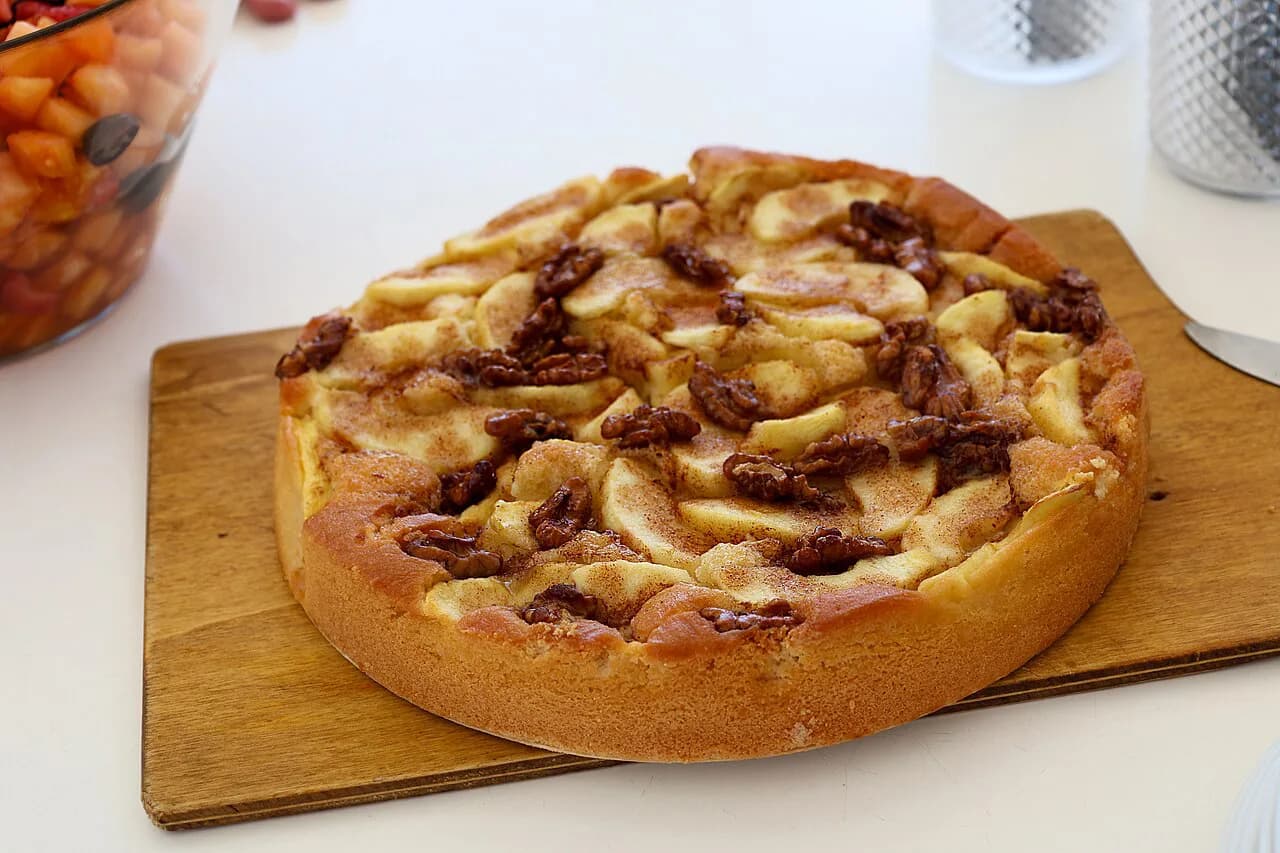
Portuguese Food: The Dishes to Try in Portugal's Towns and Cities
A practical guide to Portuguese food for short breaks: bacalhau, arroz de pato, conquilhas, bifanas, caldo verde and pastel de nata, with regional notes.
On this page
Portuguese food is built on rice, salted cod and shellfish, with pork, soup and egg custard filling the rest of the menu. If you only have a few days in a Portuguese town, aim for one bacalhau dish, one rice dish or cataplana, a shellfish plate on the coast, a bifana at lunch and a pastel de nata with coffee. This page covers those dishes, the regional differences worth knowing and how a meal from couvert to dessert actually unfolds.
Rice appears on the side of a meat plate, occupying the space a British diner might expect for vegetables, and it also carries main courses in its own right. Portions are generous, so a heavy arroz dish at lunch can push dinner late.
What Portuguese food is: rice, salt cod and seafood at the centre of the plate
Rice is a staple of the Portuguese diet, cheap and filling and commonly flavoured with tomato and onion. It sits beside grilled meat as a matter of course, which is why a plain plate of fish or pork often arrives with more starch than a visitor expects. Salted cod and shellfish do the heavy lifting elsewhere on the menu, and both are worth ordering at least once.
The practical consequence for a short break is portion planning: one rice-based main between two people, plus a grilled fish or a plate of clams, covers a lunch comfortably. If you order a rice main each, expect to leave food or skip dessert.
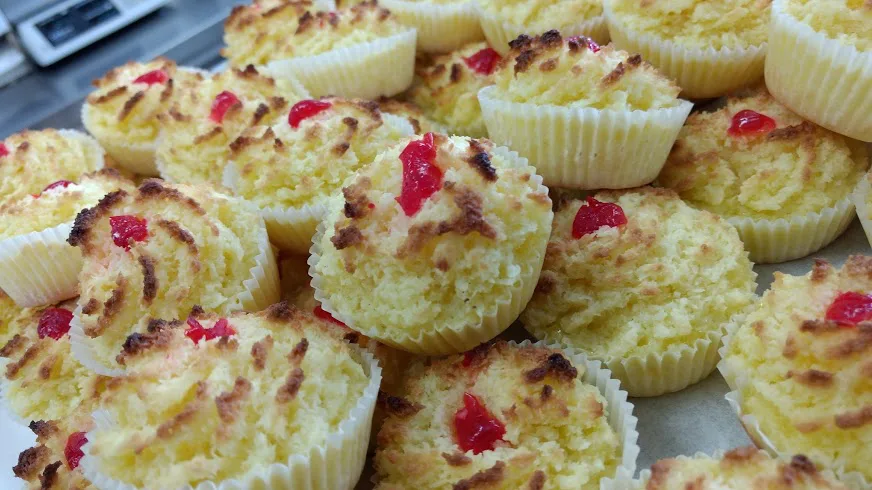
Bacalhau (salted cod): the versions to order and how it is cooked
Bacalhau is dried and salted cod, sold stacked in supermarkets and de-salted at home over several days in frequently changed water before cooking. That process explains the texture and the saltiness: it is not a fish you order expecting a delicate, fresh-from-the-sea flavour. Recipes are said to number as many as the days of the year, so the name on the menu tells you how it is treated.
Bacalhau is dried and salted cod, sold stacked in supermarkets and de-salted at home over several days in frequently changed water before cooking.
Caldo verde is a kale and potato soup, traditionally finished with a slice of chouriço, and it is the soup a visitor is most likely to meet on a Portuguese menu.
Pastel de nata is the custard tart to know, best eaten warm with cinnamon and a bica, and the one sweet most visitors buy more than once.
For a first order, bacalhau à Brás comes shredded with potato and egg, which softens the salt and makes a filling lunch; bacalhau com natas bakes it with cream for a richer, heavier plate. A simple grilled fillet is the purist's choice and the one most likely to taste aggressively salty if the de-salting was rushed.
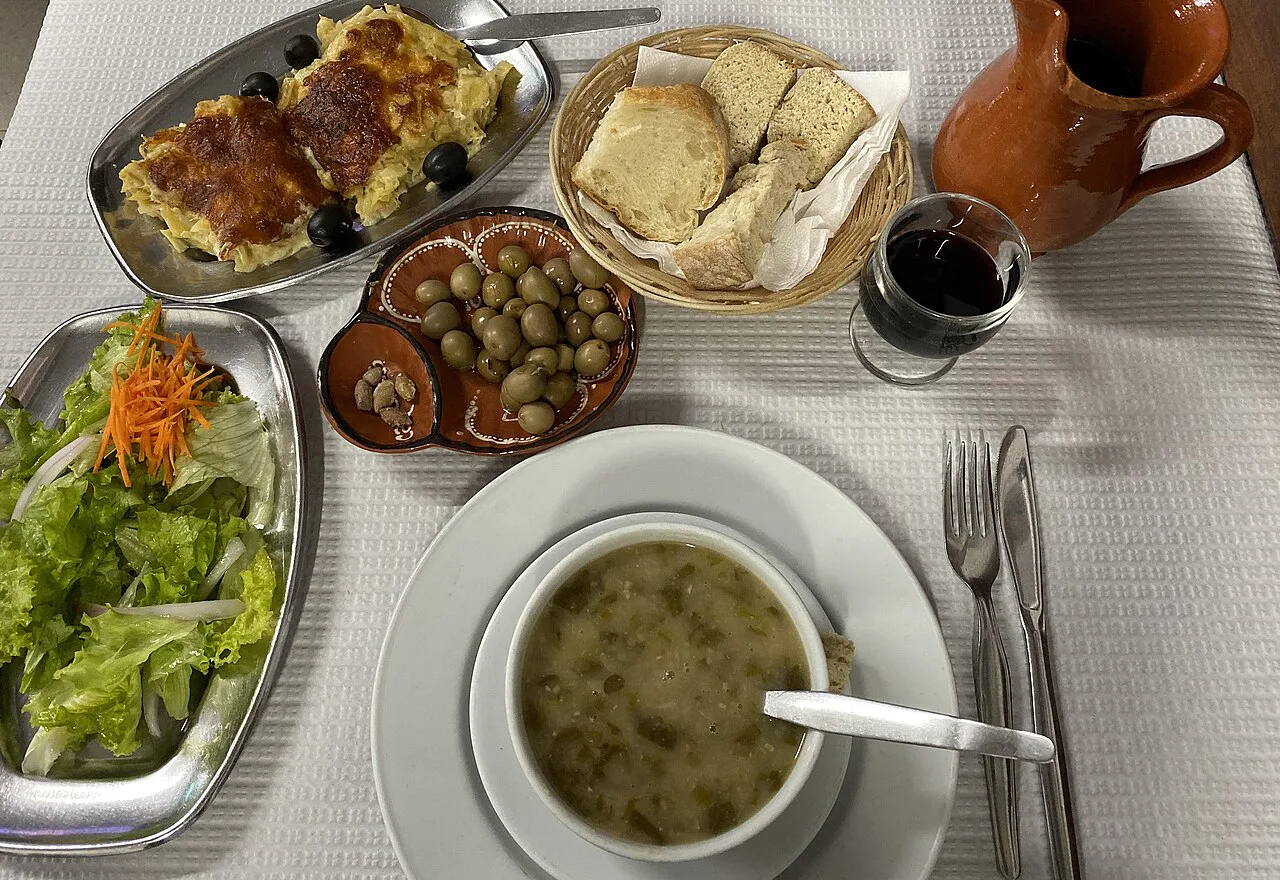
Arroz de pato and arroz de tamboril: Portuguese rice dishes worth a main course
Rice dishes come into their own as mains: arroz de pato (duck rice) and arroz de tamboril (monkfish rice) turn simple ingredients into something distinctly Portuguese. The rice is cooked wet and loose rather than grain-perfect, closer to a risotto in texture than a pilaf. Both are substantial, so they suit a late lunch better than a dinner before an early train.
Order one between two and add a starter or a grilled vegetable plate; a single portion is often enough for a hungry adult and a lighter eater together. Seafood rice is the better choice in coastal towns, where the fish is the point. For more rice, fish and pork dishes beyond these two, see our guide to Traditional Portuguese Dishes.
Conquilhas (cockles) and grilled shellfish, the Algarve way
Conquilhas are cockles, served in heaps in their shells with garlic, wine and butter, a few lemon wedges and crusty bread to mop up the juices. It is a messy, sociable plate and one of the most rewarding things to order near the Algarve coast, where they turn up as a routine summer dish. A container of cold cockles from a seaside kiosk is a different, chewier proposition from the steamed version in a tasca.
Santa Luzia, near Tavira, is a village where shellfish plates are the local routine and a good place to try them if you are based in the eastern Algarve. Order bread with them; the broth is the best part and a fork alone wastes it.
Cataplana and grilled sardines: what to order on the coast
Cataplana is a copper clam-shaped pot, and the dish named after it is a steamed seafood stew, usually built on clams, fish or both with tomato, onion and herbs. It arrives covered and is opened at the table, which makes it a good shared centrepiece for two. The trade-off is time: it is cooked to order in most places and is not a quick lunch before a museum slot.
Grilled sardines are the summer coastal standard, served simply with salt, bread and a salad, usually from June through the warm months rather than all year. If you are in a fishing town, order them over a fried fish plate: the charcoal grill is what the coast does best.
Bifanas and other quick sandwiches for lunch
Bifanas are pork sandwiches, thin slices of marinated pork in a soft roll, often with a little sauce and sometimes a streak of mustard or piri piri. They are the practical answer to a short lunch between sights, cheap enough to eat standing at a counter and quick enough to keep an afternoon free. A francesinha, by contrast, is a heavy layered sandwich with sauce, better as a meal than a snack.
Order a bifana at a counter rather than a sit-down restaurant and you usually eat within minutes with a beer or a coffee alongside. It also makes a good early-evening stop before a later dinner.
Caldo verde and soups on a short break
Caldo verde is a kale and potato soup, traditionally finished with a slice of chouriço, and it is the soup a visitor is most likely to meet on a Portuguese menu. It is light enough to open a meal and substantial enough to be a small lunch with bread. On a cold or wet day it is the most reliable thing to order in a town you do not know.
Soup is where meat-free eating gets easier in a fish-and-pork cuisine: caldo verde without the sausage, a vegetable soup or a plate of Portuguese cheese with bread can carry a light supper. Say what you do not eat clearly and check whether the soup has been finished with chouriço, because it often has.
Pastel de nata and Portuguese desserts
Pastel de nata is the custard tart to know, best eaten warm with cinnamon and a bica, and the one sweet most visitors buy more than once. Egg-based desserts run deep in Portuguese cooking, so a dessert menu is often a choice between several custard and almond variations. For the wider range, see our Portuguese Desserts guide, or our pastries guide if you want to focus on the bakery counter.
Pairing a coffee with a tart mid-afternoon is the cheapest way to buy yourself a sit-down and a map check. If you want to plan serious sweet-eating, work through the egg and almond puddings before the pastries so you do not fill up on the familiar one first.
What to eat by region: Algarve, Alentejo, Minho and the centre
The Algarve is where shellfish and grilled fish dominate, with cataplana and conquilhas the local specialities and Santa Luzia a known stop for cockles. The Alentejo, inland, leans on pork, bread-based dishes and robust soups to match its heavier food. The Minho in the north and the centre bring their own cheeses and cured meats, including Queijo Serra da Estrela.
If your trip takes in a northern town such as Viana do Castelo, build a lunch around the local fish and a cheese board rather than chasing a general Portuguese menu. The best towns in northern Portugal reward eating what is caught and made close by.
Ordering and eating: how a Portuguese meal is structured, from couvert to dessert
A meal often opens with a couvert: bread, olives, butter or a small plate set on the table before you order. It is not always free, so check whether you are being charged before you eat it; if you do not want it, say so and it is usually taken away. After that comes a starter or soup, then a main, then dessert and coffee, with the pace slower than a British lunch.
Restaurants often close one day a week, and smaller kitchens may serve lunch only, so plan the main meal of the day rather than assuming dinner is always available. If you want a long lunch, book the afternoon around it and see sights in the morning.
Vegetarian and meat-free options in a fish-heavy cuisine
Meat-free eating takes some navigation in a cuisine built on fish and pork: soups, cheese plates, bread, rice and vegetable dishes are the reliable route, while a seafood stew is not. Caldo verde without chouriço, a Portuguese cheese board with bread and olives, and a plate of grilled vegetables or a simple rice dish will get you through a day without much hunting.
Away from big towns, the vegetarian menu is thinner, so it pays to look for a tasca with a daily board rather than a restaurant with a long printed menu. Ask for dishes without meat or fish rather than for a vegetarian option, and say what you avoid plainly.
Drinks that come with the food: vinho verde, Portuguese wine and coffee
Vinho verde is the light, slightly spritz young wine from the north-west, and it works with fish, shellfish and a warm afternoon better than a heavy red. Portuguese wine lists are long and often good value at the house level, so ordering the house white or red by the glass is a low-risk way to try the region. Coffee is a bica, a small strong espresso taken standing at a counter.
Port and sweet fortified wines appear mainly in Porto and the Douro, so treat them as a treat rather than the default drink of a short break elsewhere. A ginjinha, a sour cherry liqueur, is the small glass worth trying in Óbidos and central towns.
How to plan food into a one-to-four-day town break
For a two-day break, put one long lunch at the centre of each day and keep breakfast light: a pastel de nata and coffee, then sights in the morning and a table booked for the afternoon. That rhythm suits a cuisine where the main meal is generous and the kitchen may not open for a second service.
Over three or four days, give each day a different focus: bacalhau one day, a cataplana or shellfish plate the next, and a bifana lunch to leave an evening free. Avoid two rice mains on consecutive days; the portions are the issue, not the cooking.
Which dishes to order first on a short Portuguese break
Start with a pastel de nata and a bica in the morning, order a bifana for a quick lunch and book one long afternoon for bacalhau or a cataplana. Add a plate of conquilhas if you are on the Algarve coast and a cheese board if you are inland or in the north. That plan covers the range without eating rice twice a day.
Check the day's opening and closing times at the door, and ask whether the couvert is charged before touching it. Everything else you can decide at the table.
Explore more Portugal guides
Sources
Notes for your next Portuguese break
Optional updates to our town guides.
You might also like



Continue reading
More guides you'll find useful





