Portugal Travel Tips for a Short City Break: Money, Trains and Opening Days
Practical Portugal travel tips for a short town break: euros and cards, trains and buses, how tipping works, coffee culture, and why Mondays need planning.
On this page
Plan a Portuguese town break of one to four days around three practical facts: the country uses the euro, towns are compact enough to walk once you are in the centre, and opening days decide more of your itinerary than distance does. Get those right and a short stay in Évora, Óbidos, Coimbra or Guimarães feels unhurried rather than rushed. This guide covers money and cards, trains and buses between towns, museum and monument closing days, food and coffee habits, tipping, and how to fill one, two or three days.
The advice here is written for travellers basing themselves in a town rather than treating Lisbon or Porto as the whole trip; both are useful as rail hubs, and nothing more is claimed for them here. Everything is in euros and British spelling, with Portuguese names kept as they are written locally. Prices and fares vary by season and operator, so this page tells you where to check rather than quoting figures that will have moved by the time you arrive.
What to know before you book: euros, language and the shape of a short break
Portugal's currency is the euro, and English is widely understood in tourist-facing businesses, though Portuguese is the everyday language and a few words go a long way. The country's public transport is reliable and affordable, with frequent buses and a national rail network run by Comboios de Portugal. For a one to four day break, that combination means you can pick a town, arrive by bus or train, and cover the historic centre on foot.
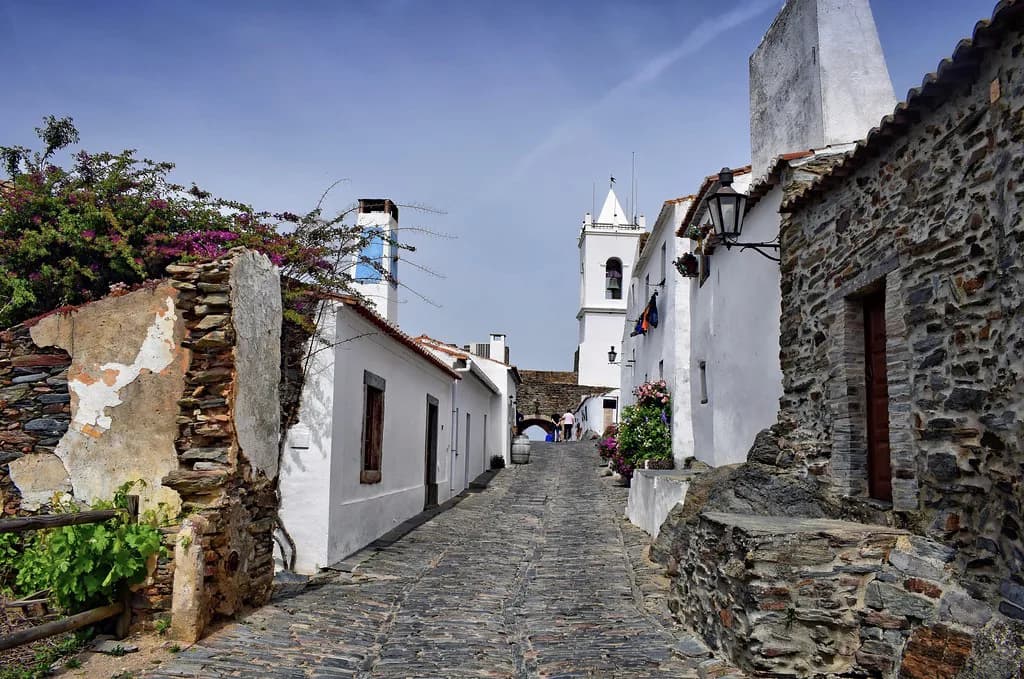
The shape of a short break matters more than the length of your list. Portuguese towns tend to have a compact core of a Praça (square), a Sé (cathedral) and a few streets of azulejo-clad façades, with the station often set back from the centre. Build the day around one paid sight in the morning and a wander after lunch, then leave the evening free for a tasca (small local eatery) rather than trying to tick off a second museum.
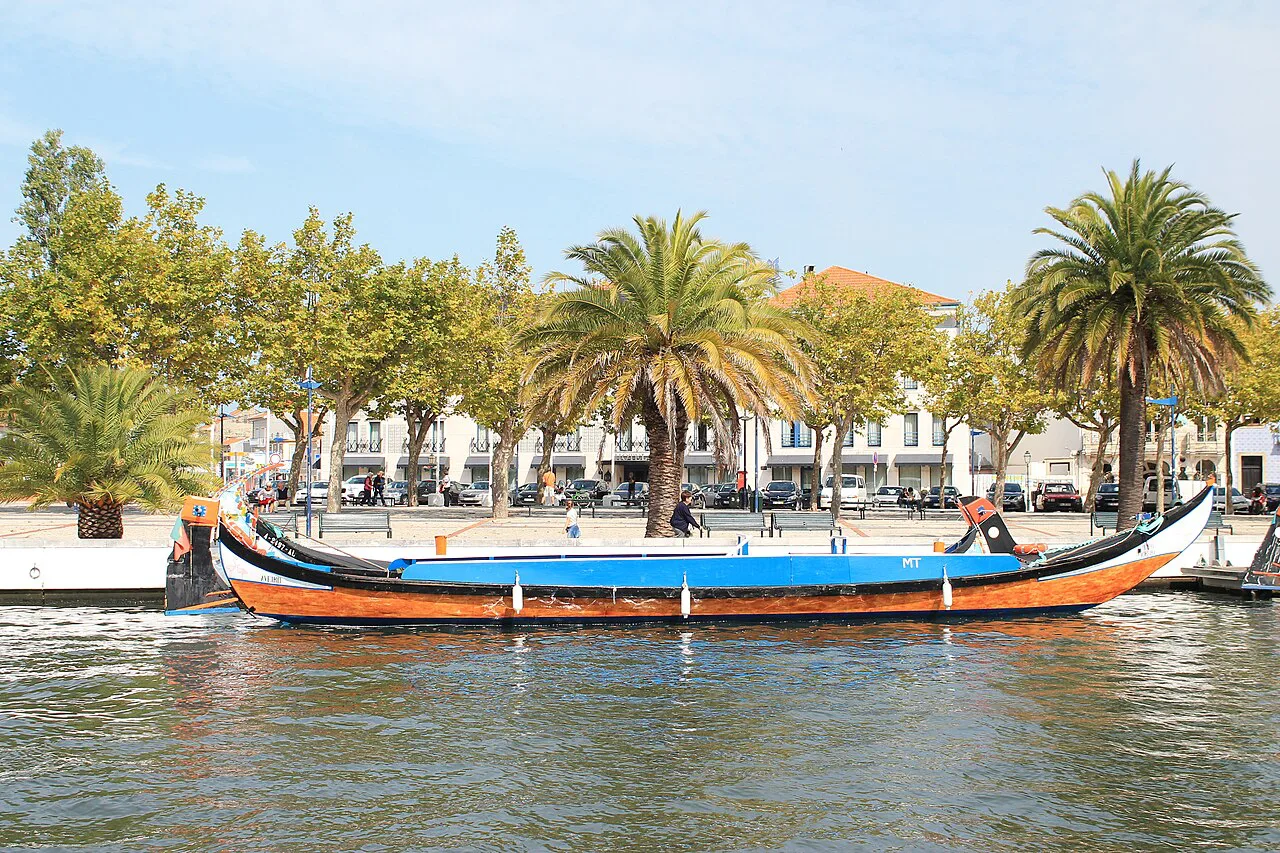
Money in Portugal: cash, cards and what a day might cost
Budget in euros and treat card acceptance as normal but not universal: larger museums, hotels and restaurants usually take cards, while small pastelarias, market stalls and some tascas may prefer cash. Carry a modest amount of euro notes for coffee, a pastel de nata and small entrance fees, and use a card that does not add a foreign-transaction charge on top. For a fuller breakdown of daily spending, our guide to whether Portugal is expensive sets out typical costs in euros.
Budget in euros and treat card acceptance as normal but not universal: larger museums, hotels and restaurants usually take cards, while small pastelarias, market stalls and some tascas may prefer cash.
Treat opening days as the spine of your plan.
Tipping in Portugal is modest and discretionary: rounding up at a café is normal, and leaving a little extra in a restaurant is a courtesy rather than an obligation.
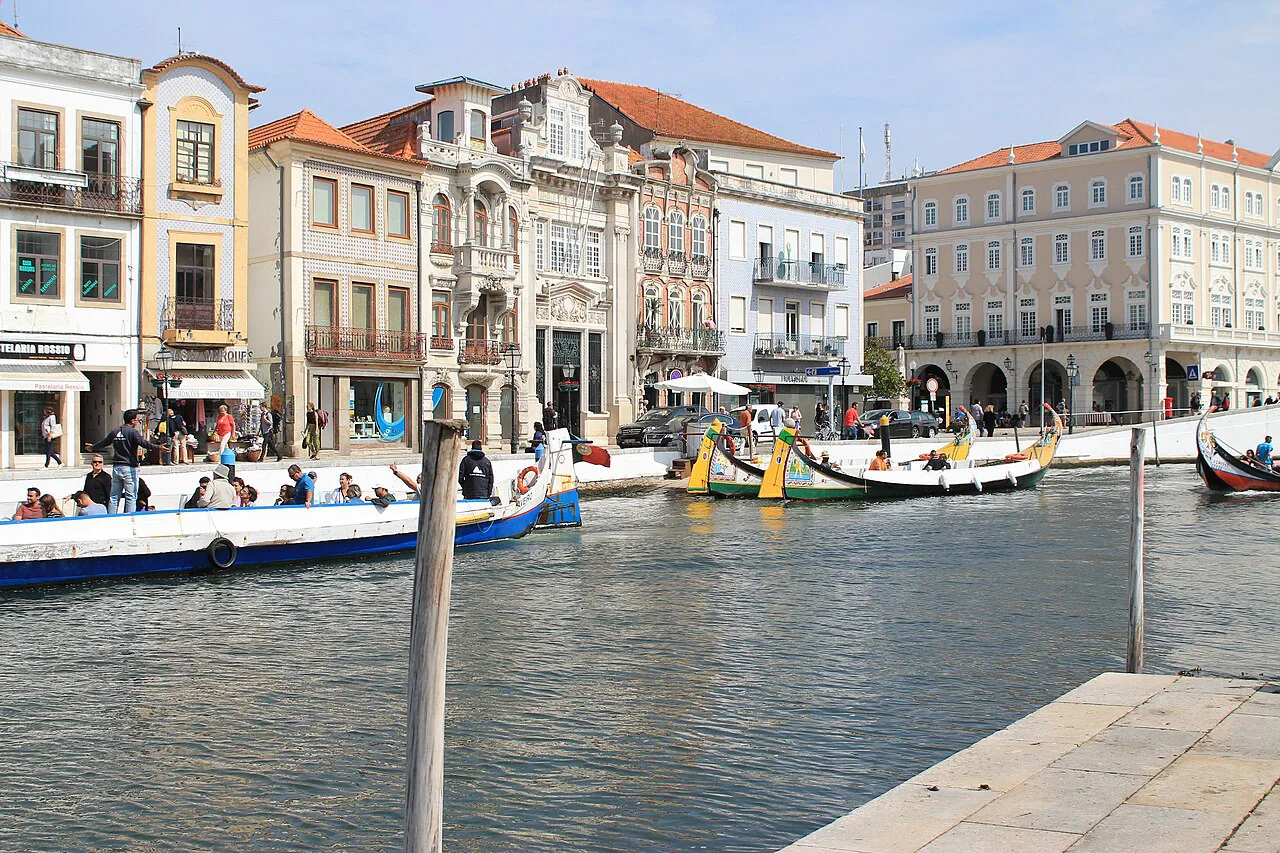
Getting between towns by train and bus, and why the town centre matters more than the station
For intercity hops, Portugal's national rail operator Comboios de Portugal covers the main lines, and buses fill in the smaller towns that trains skip. Both are worth booking ahead for longer journeys in summer, and both drop you at a station that is often a 15 to 25 minute walk from the historic centre; check the walk before you book accommodation if you are arriving late. Our guide to trains in Portugal explains the difference between service types and how reservations work.
Within a town, walking is the default: calçada (cobbled) streets are uneven, so pack shoes that cope with them, and steep hill towns such as Évora and Coimbra reward a slower pace. Taxis and local buses exist for the station-to-centre leg, but for a one or two day stay you rarely need more than that. If you plan to hire a car for a wider loop, read our notes on driving in Portugal first, since motorway tolls and narrow old-town streets catch people out.
Opening hours: why Mondays, lunchtimes and public holidays decide your itinerary
Treat opening days as the spine of your plan. Many Portuguese museums and national monuments close one day a week, and churches commonly shut for a long lunchtime; the exact days differ by place, so check each venue's own page before you commit. The practical rule is to assign your paid sights to the days you have confirmed they open, and keep the walled-town wanders, miradouros and market browsing for the days when doors are shut.
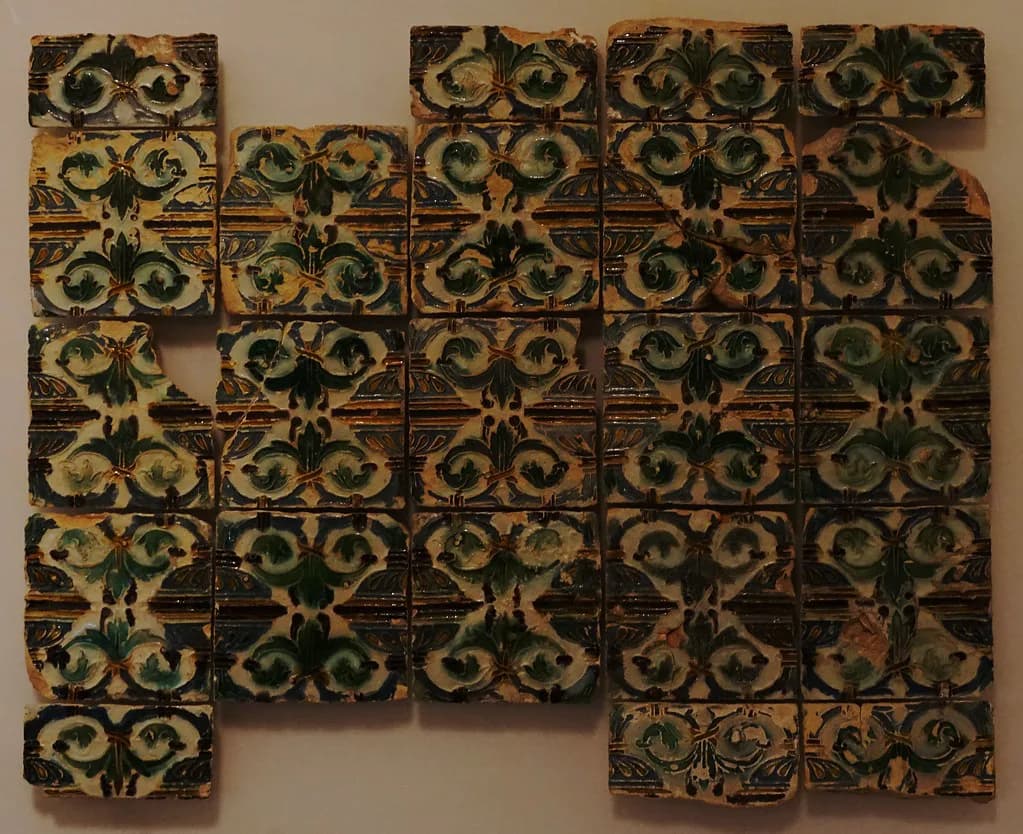
Public holidays can close sites that are normally open, and the effect varies by town and by venue, so build one flexible half-day into any stay of three days or more. If a museum is closed on the day you planned, swap it for a walk of the old walls or a look at the azulejos in a local church rather than writing off the day. Azulejos in Portugal explains what you are looking at on those façades, which turns a spare hour into a highlight.
Portuguese food and drink basics: bacalhau, cataplana, pastel de nata and the local tasca
Portuguese cooking is built on a short list you will meet everywhere: bacalhau (salt cod, cooked dozens of ways), caldo verde (kale and potato soup), bifanas (pork rolls) and the pastel de nata custard tart. Seafood is the strength of the coast, and cataplana, a sealed copper-pan stew, is the dish to order when you see it on a menu. Lunch is generally the main meal, and a tasca serving a prato do dia (dish of the day) is usually better value than a restaurant on the main square.
Vegetarians are catered for in cities but less so in small towns, where the menu may lean heavily on fish and pork. If you have dietary needs, learn to say 'sem carne' (without meat) or 'sem peixe' (without fish) and check the soup, which is sometimes made with meat stock. Ordering a half portion, a meia dose, is common and keeps costs down when you want to try several dishes in one sitting.
Coffee and pastelaria culture: how to order and when to sit down
Coffee is a quick, standing affair: order an espresso-style bica or a meia de leite at the counter, drink it in a minute or two, and pay at the till. Sitting at a table in a pastelaria usually costs more than standing at the counter, which is why locals drink their coffee on their feet. A pastel de nata, ideally still warm and dusted with cinnamon, is the standard companion, and the morning pastelaria is also where you pick up a cheap breakfast before sights open.
The counter-versus-table difference is the small transaction British travellers most often under-budget for: two coffees and two tarts at the bar can cost noticeably less than the same order at a table on a terrace. Keep a few euro coins for these stops so you are not hunting for a card machine at a busy counter.
Tipping and service: what is expected and what is optional
Tipping in Portugal is modest and discretionary: rounding up at a café is normal, and leaving a little extra in a restaurant is a courtesy rather than an obligation. Check your bill for any cover charge for bread, olives or butter before you assume the total is final. For more detail on who to tip and how, see our guide to tipping in Portugal.
How many days a Portuguese town needs, and how to fill one, two or three
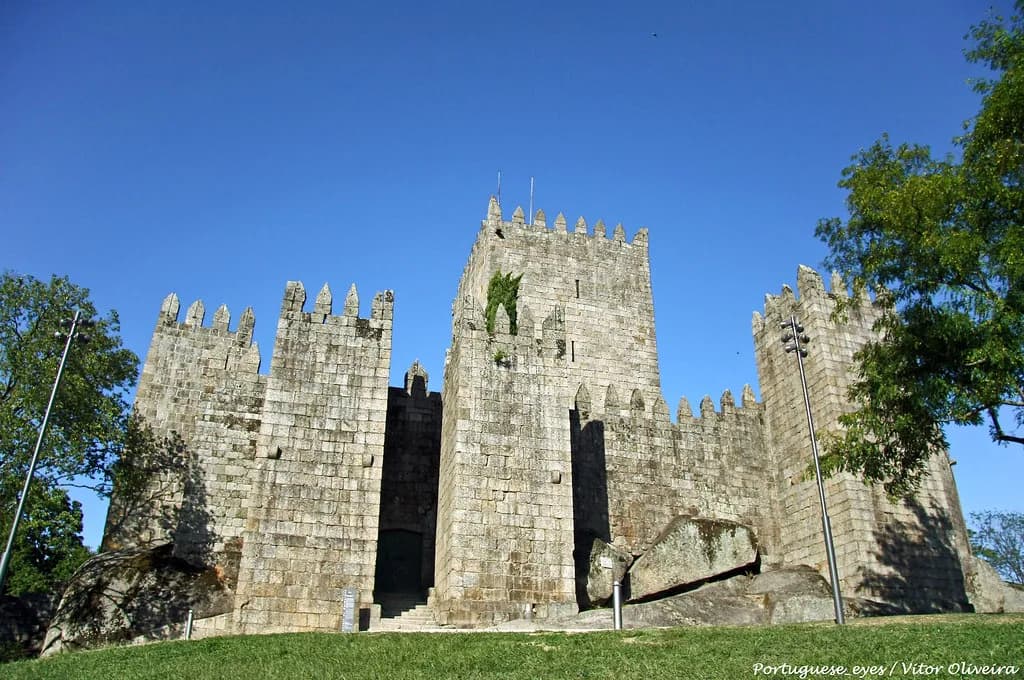
One day suits a small walled town such as Óbidos, where the circuit of the walls, a church or two and a long lunch fill the daylight. Two days is the sweet spot for Évora, Coimbra or Guimarães: one day for the headline monument or university quarter, one for the old streets, a market and a miradouro at sunset. Three days lets you add a half-day excursion by bus or train, and four days is enough to combine two towns without spending the whole break in transit.
A workable one-day pattern is: cathedral or castle first thing, coffee at the counter mid-morning, a tasca lunch, then a slow afternoon of churches and squares once the coach parties have gone. On a two-day stay, put the paid museum on the day it opens and keep the other for wandering. On a three-day stay, use the middle day for the outlying sight, so a closure or a late start does not derail the whole trip.
Choosing which town suits you: walled towns, university cities and Atlantic coast stops
Match the town to the trip: Óbidos for walls and a storybook centre, Évora for Roman remains and a cathedral square, Coimbra for the Universidade de Coimbra and its Biblioteca Joanina, Guimarães for the medieval quarter. Setúbal works as a base for the Arrábida coast, and Nazaré is a short stop rather than a full break. If you are heading further north, our guide to the best towns in northern Portugal covers the options around Viana do Castelo and the Minho.
Practical etiquette and a few Portuguese phrases that go a long way
Small courtesies carry weight: greet shopkeepers with Bom dia (good morning) or boa tarde (good afternoon), say obrigado if you are male and obrigada if you are female, and use com licença to excuse yourself in a crowd. Spanish is not a substitute for Portuguese, and some locals take it amiss if you assume the two are interchangeable. Keep your voice down in churches, dress modestly for active places of worship, and ask before photographing people or services.
Queues are orderly, table service is slower than in the UK, and asking for the bill, a conta, is normal rather than rude. If you need directions, 'Onde está…?' (where is…?) followed by the name of the sight works well, and most younger staff will answer in English if you struggle. A phrasebook app offline is worth having for small towns where English thins out.
Which town should you book for a short break?
Choose by opening days and walking shape rather than by a bucket list: a compact walled town for one day, a university or cathedral city for two, and a town with a good bus or rail link if you want a third day out. Confirm your headline sight is open on the day you plan to visit it, carry some euro cash for counters and tascas, and leave one afternoon unplanned for the streets.
If cost is your deciding factor, work through a realistic daily euro budget before you book, then pick the town that fits it. The rest of a Portuguese short break tends to look after itself once you have a bed near the centre, comfortable shoes for calçada, and a rough idea of which day the museum opens.
Explore more Portugal guides
Sources
Notes for your next Portuguese break
Optional updates to our town guides.
You might also like
Continue reading
More guides you'll find useful