

Driving in Portugal: Tolls, Rules and Parking for a Short Break
Driving in Portugal means right-hand traffic, tolled motorways and paid parking in historic centres. Here are the rules, limits and costs to plan around.
On this page
Driving in Portugal is straightforward on the right-hand side of the road, but the costs sit in two places: tolled motorways and parking in historic centres. For a one to four day break in a compact town such as Évora, Guimarães or Óbidos, a car is often a liability rather than a liberation, and the honest answer is to pick one up only for a day when the itinerary leaves the town. This guide covers the rules and paperwork, the speed limits, how auto estrada tolls are collected, fuel grades, blue-zone parking and the fines that bite, so you can decide before you book.
Driving in Portugal at a glance: right-hand traffic, motorway tolls and where a car helps
Traffic keeps to the right, overtaking happens on the left, and undertaking is prohibited, with steep penalties attached to speeding and drink-driving. Roads are generally good, and the tolled auto estrada network is the fastest and smoothest option, while the free alternatives are slower and sometimes rougher.
A car earns its keep on rural stretches between small towns, on a Douro valley run or when you are chaining together places without rail links. It earns nothing in a walled centre where streets are one-way, parking is scarce and the main sights sit within a fifteen-minute walk of each other. Arriving by train and hiring for a single day is often the better trade, and the wider Portugal travel tips set out how those short breaks are structured.
Which side of the road, and what you need in the car
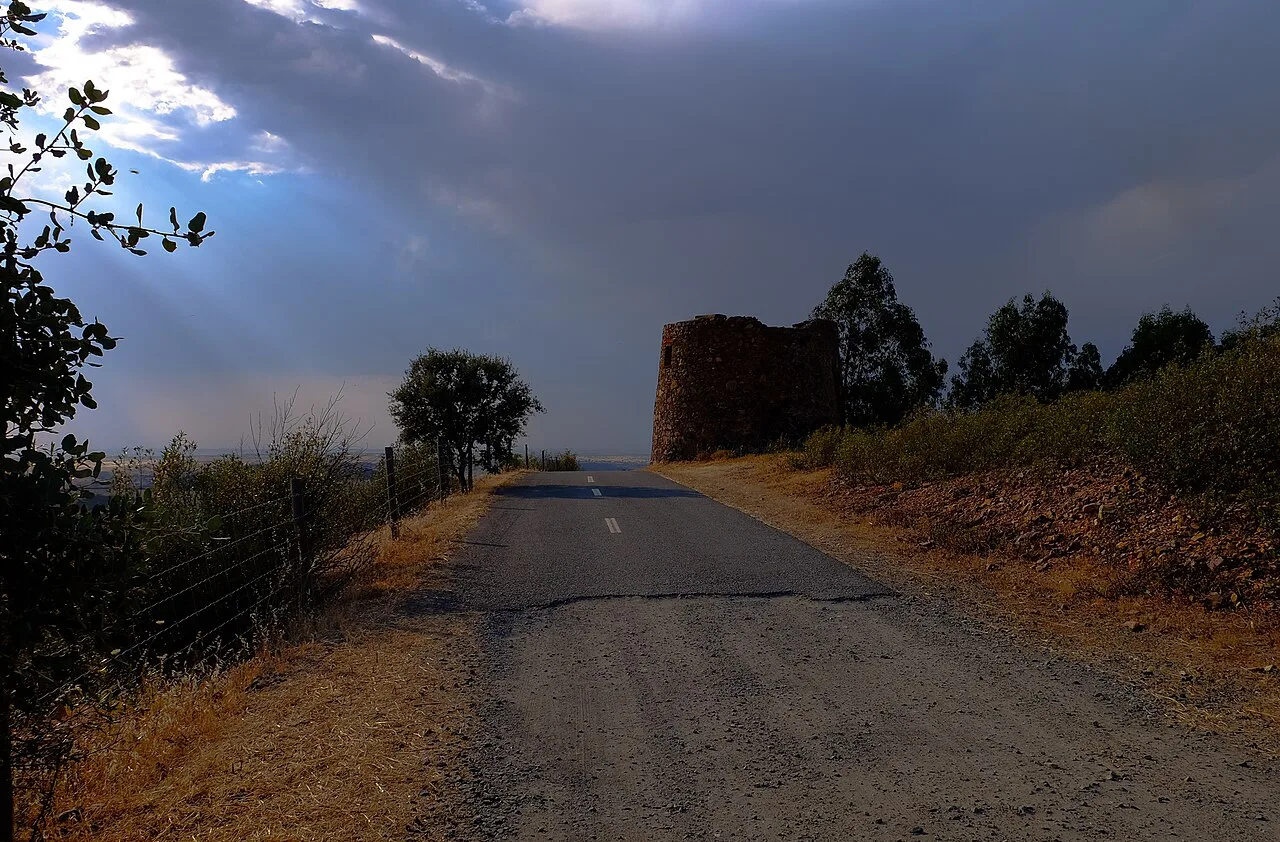
You drive on the right, and everyone in the car must wear a seatbelt. Children up to age four must travel in a child seat, and a reflective vest must be kept in the vehicle and worn if you are examining or repairing it at the roadside, while a warning triangle goes behind the car after a breakdown. Carry photographic identification with you, keep both hands free for phone calls, and remember that parking facing against the flow of traffic is illegal.
Are you allowed to drink and drive in Portugal? There is a legal blood alcohol limit, and drink-driving carries serious penalties. The safest rule for a short break is not to drink at all if you are driving, and to leave the car at the hotel when wine is part of the evening.
What happens if you get caught speeding in Portugal? You face a substantial fine, which in some cases is collected on the spot, and the faster you were going the more it costs. Radars are common on open roads and motorways, so keep to the signed limit rather than the default.
How can I travel from the UK to Portugal by car? It is a long drive through France and Spain, and most travellers on a one to four day break fly and hire locally instead. If you do drive down, check your insurance covers the whole route and that your hire or own policy permits the crossing.
To rent, you must be at least 21 and have held your licence for a year, though the age floor and category rules vary by car, and drivers under 25 usually pay a young-driver surcharge locally. Check the excess on your Collision Damage coverage before you sign, because the voucher figure is what you stand to lose on a scrape in a tight garage.
Speed limits in towns, on open roads and on motorways
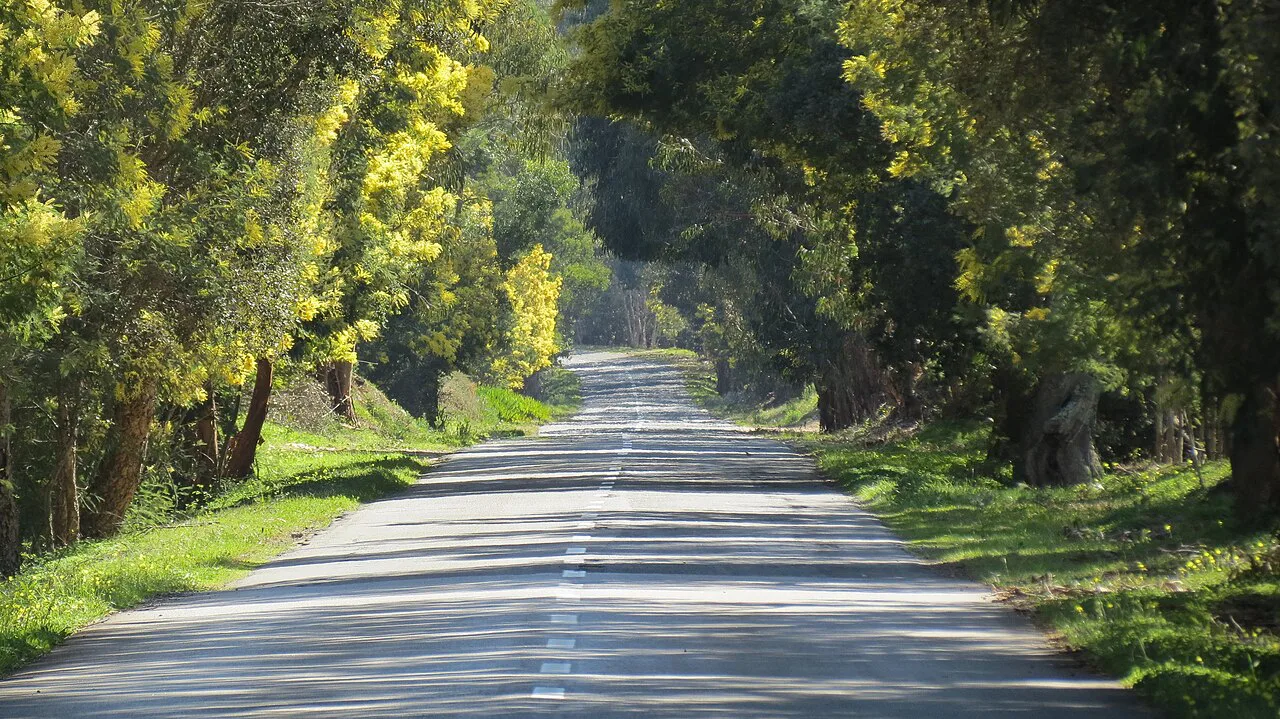
The limits are 50 km/h inside localities, 90 km/h on ordinary public roads and 120 km/h on motorways, with lower figures wherever a sign or radar says so. Roads reserved for cars and motorcycles sit at 100 km/h. Read the signs rather than assuming the default, particularly as you leave a town boundary, and keep an eye out for the fixed and mobile radars that enforce them.
Motorways also have a minimum speed, so a very slow car is as much of a problem as a fast one, and dipped headlights are compulsory in tunnels and in poor daytime visibility. If you have held your licence for less than a year, keep to 90 km/h even where the sign allows more.
Tolls: the auto estrada network, booths and electronic payment
Some roads are tolled, notably the auto estrada between Lisbon and Porto, and payment is usually taken at booths on exit. On stretches without booths, some hire firms fit an electronic device that pays automatically, and where no device is fitted you settle the charge yourself at a post office. Ask at the rental desk which system your car uses before you drive off, because the answer changes how much cash and paperwork you need.
Tolls are a real cost to budget for rather than a rounding error, so check is Portugal expensive before you fix a daily budget, and confirm at the rental desk how your car's toll system works so you know whether to keep cash, a card or a transponder to hand.
Fuel: petrol and diesel grades, station hours and refuelling before a rural drive
Portuguese filling stations sell petrol and diesel in a basic grade labelled simples and in premium versions with additives under names such as Evologic or Ultimate, which cost more. Stations generally open from 07:00 to 22:00, while those along the motorway usually run around the clock, so fill up before a late rural run rather than gambling on a village pump.
For current pump prices, compare stations on a live fuel-price site rather than relying on any figure printed in a guide, since these move week by week. If you are weighing a car against the train for the intercity legs, the trains in Portugal compare well on cost and remove the toll and parking arithmetic entirely.
Parking in historic centres: blue zones, parking discs and where to leave the car
Many Portuguese towns mark on-street parking with blue lines, and in some places you collect a free cardboard disc from the local police station or motor club and display it on the dashboard. The practical move in a walled centre such as Óbidos or Évora is to use a signed car park on the edge and walk in, rather than circling one-way streets looking for a space that will not appear.
Park facing the direction of traffic, since facing oncoming vehicles is an offence, and photograph your bay and the car before leaving it if the hire excess worries you. Spaces near the main Praça fill early, so arrive before mid-morning on a Saturday or accept a ten-minute walk.
What costs you money: fines, drink-driving and on-the-spot penalties
Fines for speeding and for drink-driving are high, and some are collected on the spot, so keep the paperwork and payment confirmation if it happens. The left lane is only for overtaking, so move back to the right after passing rather than settling into it.
Speed cameras and navigation apps flag limits as you go, and setting one before you leave the airport is cheaper than arguing about a ticket later. If you plan to combine driving with rail for the longer hops, comparing train times and fares against the toll and parking arithmetic often tips the balance toward the train.
Is a car worth it for a one to four day town break?
For a short break centred on one town, the answer is usually no: parking, tolls and one-way systems eat the time you came to spend, and the historic core is walkable. Hire a car for the specific day you want to reach a hill village, a monastery or a viewpoint outside the town, and return it the same evening. That pattern keeps the flexibility you are paying for while dodging most of the cost and friction of keeping a car throughout.
Should you book the car at all?
Book a car only for the days when the itinerary genuinely leaves the town, and plan to arrive by train or bus into the centre on the day you settle in. Check the rental desk for the toll device and excess, note the 50 km/h town limit, and decide your parking strategy before you drive into the walls rather than after. That way the car serves the trip instead of dictating it.
Explore more Portugal guides
Frequently Asked Questions
Are you allowed to drink and drive in Portugal?
There is a legal blood alcohol limit, and drink-driving carries serious penalties. The safest rule for a short break is not to drink at all if you are driving, and to leave the car at the hotel when wine is part of the evening.
What happens if you get caught speeding in Portugal?
You face a substantial fine, which in some cases is collected on the spot, and the faster you were going the more it costs. Radars are common on open roads and motorways, so keep to the signed limit rather than the default.
How can I travel from the UK to Portugal by car?
It is a long drive through France and Spain, and most travellers on a one to four day break fly and hire locally instead. If you do drive down, check your insurance covers the whole route and that your hire or own policy permits the crossing.
Sources
Notes for your next Portuguese break
Optional updates to our town guides.
You might also like



Continue reading
More guides you'll find useful




