

Tipping in Portugal: What to Leave in Restaurants, Cafés and Taxis
Tipping in Portugal is optional. Leave change in pastelarias, five to ten per cent in restaurants, and round up taxi fares rather than adding a percentage.
On this page
Nothing is compulsory, and leaving nothing is a normal outcome. Staff in Portugal earn a wage that does not depend on tips, so a tip is a thank-you rather than a top-up you are expected to supply. This guide covers restaurants and pastelarias, taxis, tours and hotels, and where central Lisbon has drifted away from the rest of the country.
In practice, five to ten per cent in a restaurant or a simple rounding up is plenty, while cafés usually just get the change. That holds in Évora, Guimarães, Coimbra, Setúbal and Óbidos, even as tourist-heavy pitches in Lisbon have nudged expectations upward. Our guide to whether Portugal is expensive shows how these coins sit alongside museum tickets and meals.
Do you tip in Portugal? The short answer
Tipping is optional almost everywhere, and plenty of Portuguese people leave nothing after an ordinary meal. Wages are not propped up by tips the way they are in the United States, so service staff are paid regardless of how generous the table feels. The usual habit is a small gesture for good service: round up, leave a euro or two, or add a modest percentage in a sit-down restaurant.
You may see a service charge, but it is not the default and it is never something you must assume. Where it appears, it is usually flagged on the bill, so read the total before deciding what to add. Treat your tip as a separate, voluntary decision made after the bill arrives.
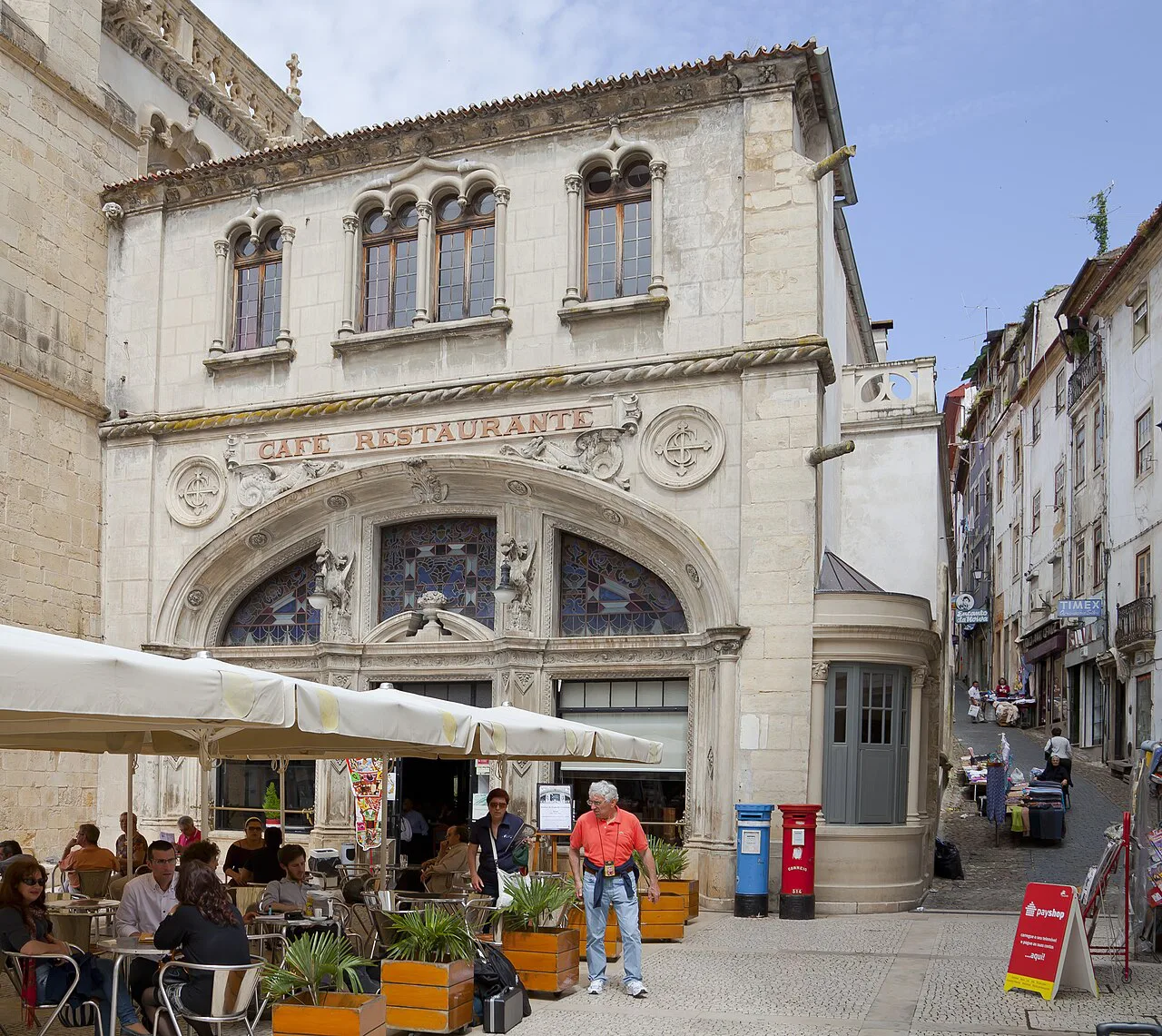
Why tips top up wages rather than replace them
Portuguese labour rules mean staff receive a base salary, so a tip supplements an income rather than filling a hole in it. That explains why nobody chases you down the street and why leaving nothing after a plain meal goes unremarked.
Is it customary to tip servers in Portugal? It is a kindness rather than a rule. Many Portuguese diners leave nothing after an everyday meal, and staff wages do not depend on tips.
Can I wear jeans in Portugal? Yes, jeans are unremarkable almost everywhere, from a pastelaria counter to a tasca at lunch. The exception is churches and religious sites, where shoulders and knees are often expected to be covered, so keep a light layer for visiting cathedrals and chapels.
The picture is shifting, but unevenly. Central neighbourhoods that see a constant flow of international visitors have grown used to more frequent tipping, while quieter towns and inland cities keep to the older, lighter courtesy.
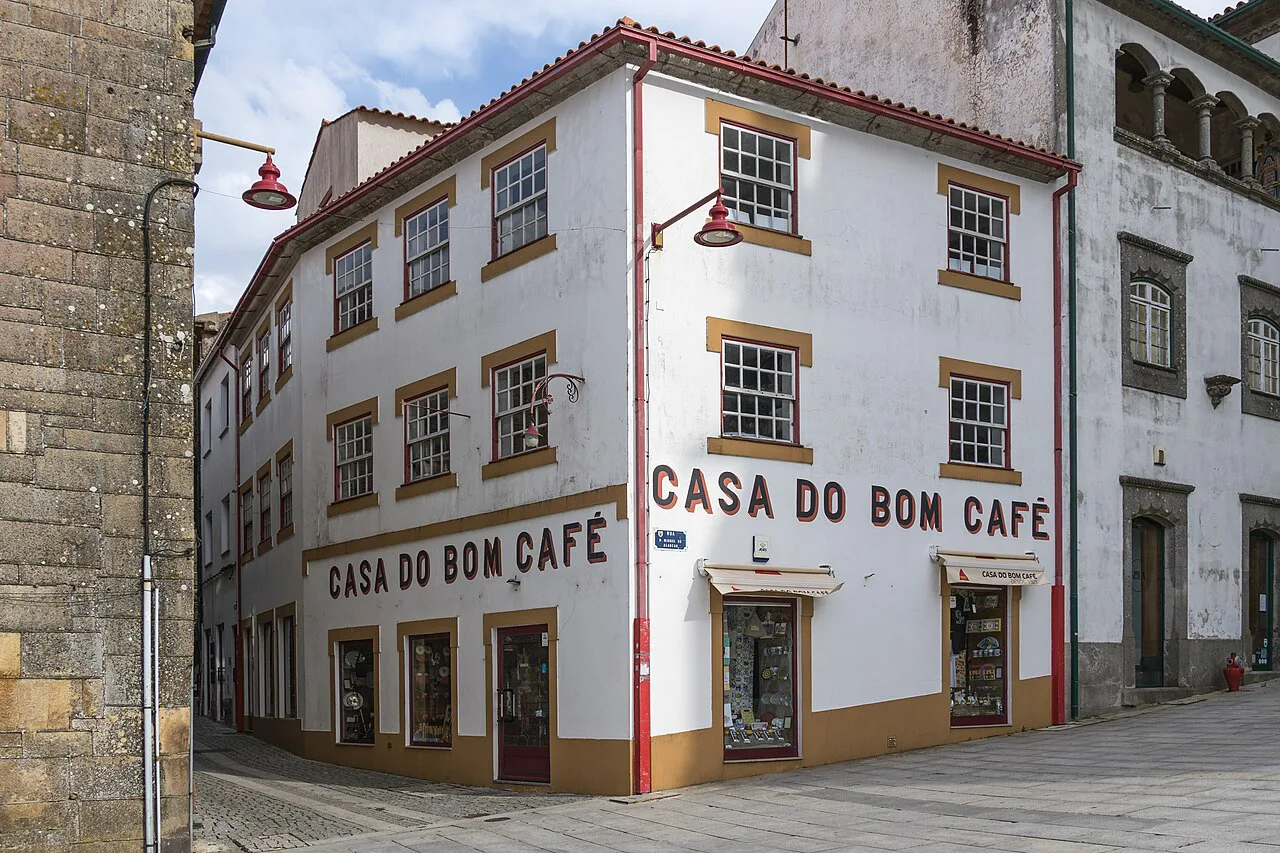
How much to tip in restaurants and cafés
In a sit-down restaurant, five to ten per cent is the range most cited for good service, and rounding up to the next convenient note does the job just as well. On a modest lunch in a tasca, that may work out as a euro or two: there is no need to apply a city percentage to a bowl of soup and a glass of house wine.
At a café counter or a pastelaria, the convention is simpler still: pay for your coffee and pastel de nata and leave the small change rather than counting out a percentage. A morning coffee and pastry costs little, and staff do not expect a calculated gratuity on top.
One workable split is to round up automatically in cafés and small tascas, and to reserve a percentage for a full dinner where someone has looked after you across courses. That stops you doing arithmetic over a two-euro bill while still being generous where generosity is noticed.
Rounding up in pastelarias and tascas
A pastelaria is a bakery-café where you order at the counter, and a tasca is a small, plain, family-run eatery with a short menu and low prices. Neither runs on tips, so the natural gesture is to let the change go. If your bill comes to a few euros and you hand over a note, saying keep it is a complete and polite transaction.
In a busy tasca at lunch, staff are turning tables quickly and are not hovering for a gratuity. Leave the change on the table, or mention it when you pay at the till. If the service was slow or the order wrong, paying the exact amount is entirely normal and carries no sting.
Taxis and ride-hailing: rounding up, not a percentage
In taxis, round up to the next euro or next round figure rather than adding a set percentage. On a short hop across a small city centre that might be a matter of cents; on a longer run it is a note. Ride-hailing apps usually handle payment in the app, so there is no need to calculate anything at the kerb.
Treat a taxi tip as you would a café round-up and you will not go far wrong. If a driver hauls a heavy case up a hill or waits while you find an address, adding a euro or two is a reasonable acknowledgement. Nothing about the transaction requires it, so a plain exact fare is not a snub.
Most short breaks in Évora, Guimarães or Coimbra are covered on foot, so taxis barely figure unless you arrive at a station with luggage. If you plan to move between towns, our notes on trains in Portugal explain how the rail network links the historic centres.
Tour guides: what counts as a decent tip
For a guided tour that genuinely taught you something, around €10 has been cited for guides who impressed, with room to move a few euros either way depending on length and quality. Treat that as a rough yardstick from published guidance rather than a fixed rate, and scale it down for a short one-hour walk.
Free walking tours, common in bigger Portuguese cities, work on the same principle: you pay what the experience was worth to you at the end. If you paid for a ticket already, a small extra is a bonus rather than an obligation.
Hotels: luggage and housekeeping
Hotel tipping in Portugal is light. A euro or two for someone who carries your bags to the room is a common courtesy, and loose change left for housekeeping over a short stay is appreciated but not expected. Nothing is added silently to your bill for these services.
Because most trips here run one to four days in a single town, you may never cross paths with a porter at all. A small apartment or guesthouse stay often involves no staff to tip beyond whoever hands over the keys.
Cash or card, and whether the tip reaches staff
Card machines increasingly offer to add a gratuity, but not everywhere, and a cash tip is the surest way to know it lands with the person who served you. Keep a handful of one- and two-euro coins and a couple of five-euro notes in your pocket for cafés, taxis and small restaurants.
If you want the tip to reach an individual rather than a pool, hand it over directly or leave it in cash on the table. Adding it to a card payment is fine where the option exists, but you cannot see where it goes afterwards.
When leaving nothing is fine
After slow service, a wrong order or a bill that does not match the menu, leaving nothing is not rude. Locals do it, and staff do not expect an explanation. The social pressure that makes tipping feel compulsory in North America is largely absent.
The same applies when a service charge appears on the bill, or when a counter assistant has simply handed you a coffee. Tipping is a response to service, not a tax on being served. Spend the money instead on a second pastel de nata or a museum ticket.
If you are still mapping out a few days in a Portuguese town, our Portugal travel tips for a one to four day town break covers layout, opening days and how to fill a stay.
What to keep in your pocket
Carry small coins and a couple of low-value notes, round up in cafés and tascas, add five to ten per cent for a proper restaurant meal, round up taxi fares and leave around a tenner for a tour that earned it. Skip all of it when service was poor and think no more about it. Then put the saved euros towards what makes a Portuguese town worth the trip: a castle wall, a cathedral, a long lunch.
Explore more Portugal guides
Frequently Asked Questions
Is it customary to tip servers in Portugal?
It is a kindness rather than a rule. Many Portuguese diners leave nothing after an everyday meal, and staff wages do not depend on tips. For good service in a sit-down restaurant, five to ten per cent or a simple rounding up is a normal gesture, and cafés usually just get the change.
Can I wear jeans in Portugal?
Yes, jeans are unremarkable almost everywhere, from a pastelaria counter to a tasca at lunch. The exception is churches and religious sites, where shoulders and knees are often expected to be covered, so keep a light layer for visiting cathedrals and chapels.
Sources
Notes for your next Portuguese break
Optional updates to our town guides.
You might also like



Continue reading
More guides you'll find useful




