Traditional Portuguese Dishes: What to Eat and Where to Try Them
Traditional Portuguese dishes explained: what bacalhau, cataplana and pastel de nata actually are, plus the regional versions worth seeking out on a short break.
On this page
Traditional Portuguese dishes come down to a short list of building blocks: olive oil, garlic, bread, salt cod, pork and whatever came off the boat that morning. Learn a dozen of them and you can order confidently in any town on a short break, from a Setúbal grill house to an Alentejo tasca. This guide groups the dishes by how you actually order them rather than listing them in number order, so you know which make a light lunch between sights and which will finish your afternoon.
Portuguese cooking borrows from the country's maritime history, with spices, rice, coffee and peppers arriving from Asia, Africa and the Americas alongside a Mediterranean base. That is why a menu can swing from a sober grilled fish to a rib-sticking meat stew in a single sitting, and why portions are built for sharing. Expect bread, olives and often cheese to arrive before you order; they are normally charged, so eat them only if you want them.
Bacalhau: the salt cod you will see everywhere
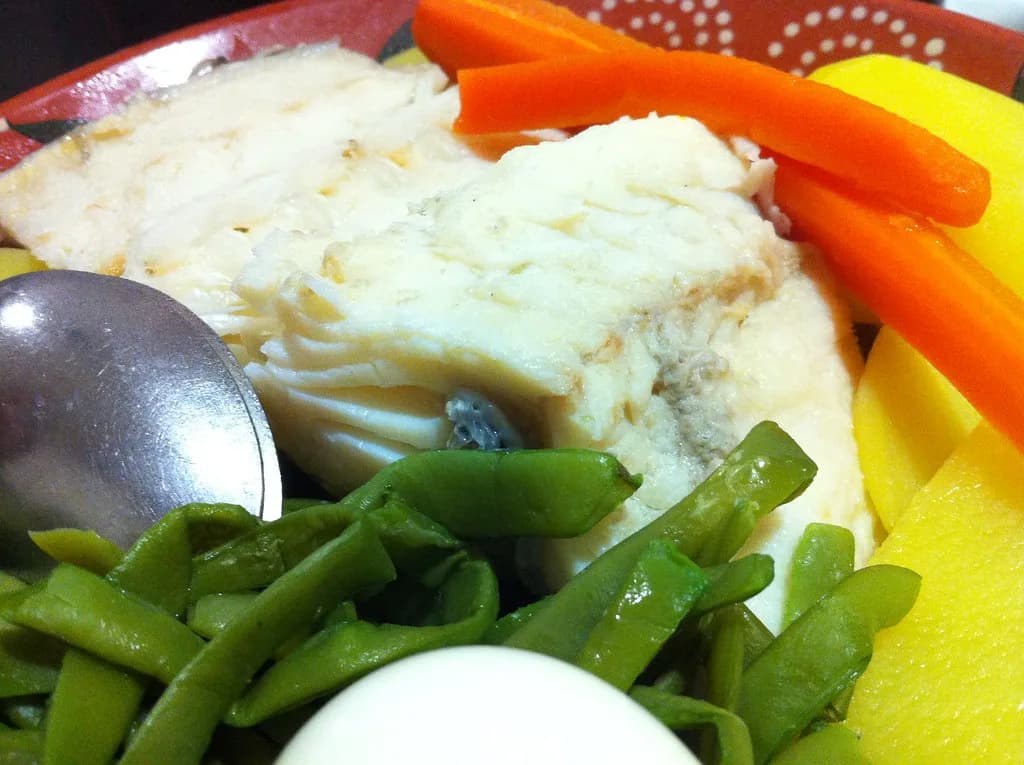
Bacalhau is salt cod, and it is treated as something close to a national food, with a versatility that runs from crisp codfish cakes to shredded cod with onion, fried potato and egg. The dish to order first is bacalhau à Brás, a comforting scramble of shreds, potato matchsticks and egg that suits a mid-range appetite. Bacalhau com natas, layered with cream and potato, is the richer option for a cold evening.
Order codfish cakes, bolinhos de bacalhau, as a starter to share rather than a main, and expect them to be denser and saltier than a fishcake back home. If a menu lists several bacalhau dishes, the à Brás is usually the safest bet for a lighter lunch, while the oven-baked versions are a bigger commitment.
Grilled fish and sardines: read the display case
Grilled fish is a ritual rather than a recipe. You will usually choose from a refrigerated display of whole fish, which is then coated in coarse salt and grilled over charcoal; the charred skin is part of the pleasure, so do not scrape it off. Common names to recognise are robalo (sea bass), dourada (gilthead bream), pargo (red snapper) and carapau (mackerel).
What is Portugal's most popular dish? Bacalhau, salt cod, is the dish most often named as the country's signature, and it appears on menus in many forms, from codfish cakes to bacalhau à Brás. Grilled sardines and grilled fish more generally are also everywhere, especially in summer.
Is it easy to eat vegetarian in Portugal? It is manageable but requires care. Many traditional dishes are built around pork, cod or seafood, and even a vegetable soup may be made with a meat stock.
Do you tip at restaurants in Portugal? Tipping is not obligatory and service is normally included in the bill. Rounding up or leaving a small amount for good service is common, particularly in tourist areas.
Sardinhas are the affordable, utensil-free version, eaten on a slice of thick bread with a pepper, tomato and onion salad. They are at their best in summer, when grills appear outside restaurants and the smell of charcoal smoke fills the street. In Setúbal, a fishing town across the water from Lisbon, the main drag Avenida Luísa Todi is lined with restaurants serving grilled fish, and Tasca da Fatinha is named as a spot where the griller is also a fisherman.
Cataplana de marisco and arroz de marisco: the seafood pan and rice
A cataplana is both the copper clam-shaped pan and the stew cooked inside it, most often a seafood mix of clams, prawns and fish in a tomato and garlic broth. Arroz de marisco is the rice version, looser and saucier than a Spanish paella, and usually served in a big pot for two or more. Both are sharing dishes: order one between two people and add a salad rather than a second main.
Ameijoas à Bulhão Pato: clams, garlic and coriander
Ameijoas à Bulhão Pato is a bowl of clams steamed open in olive oil, garlic and coriander, with a splash of white wine. It is one of the best starters in the country and a natural partner for a glass of crisp vinho verde, which you can read more about in the wider Portuguese Food guide. Because it is light, it works well as a first course before grilled fish, but it is not a meal on its own unless you add bread and a second dish — or a bifana for the road.
Polvo à lagareiro: octopus done properly
Polvo à lagareiro is octopus baked or grilled with plenty of olive oil and served with crushed roast potatoes, usually with garlic and sometimes a little chilli. The potatoes are as much the point as the octopus, so expect a heavy plate; it is a main for a proper sit-down lunch, not a quick stop. Well-cooked octopus should be tender rather than chewy, and this dish is the most reliable way to judge a kitchen.
Carne de porco à alentejana: pork and clams
Carne de porco à alentejana pairs cubes of marinated pork with clams in a garlicky sauce, often with fried potatoes or small fried breads. The pairing sounds unlikely but works: the briny clams cut the richness of the pork. It is a hearty plate from the Alentejo, so treat it as your main meal of the day and plan a lighter evening afterwards.
Other Portuguese meat dishes follow the same logic. Bitoque is a steak topped with a fried egg, porco preto is the dark Iberian pork, and alheira is a smoked sausage from the north, traditionally associated with Mirandela. Ask about ingredients if you are avoiding pork.
Bifanas and pregos: the two sandwiches
A bifana is thinly sliced pork, marinated with garlic and white wine, fried and stuffed into a Portuguese roll, often with the sauce soaking the bread. A prego is the steak version, usually garlicky and served in a similar roll; the bifana is the everyday snack, the prego the slightly more substantial one. Vendas Novas, on the road east from Lisbon, is known for its hole-in-the-wall bifana stops and is an easy lunch break if you are driving towards Évora.
Francesinha: the Porto sandwich
The francesinha is a Porto institution: smoked meats and cheese layered in bread, covered in melted cheese and a spiced beer-based sauce, often with a fried egg and chips on the side. It is a full meal rather than a snack, and one between two is a sensible way to try it without sinking the rest of the day. Outside Porto the dish turns up less often, so treat it as something to order when you are in the city rather than a nationwide staple.
Cozido à Portuguesa and rojões: the heavy meat dishes
Cozido à Portuguesa is a mixed boiled dinner of pork, beef, sausage, cabbage, potato and rice, the sort of dish a family orders on a Sunday. Rojões à moda do Minho, from the north, is a plate of fried pork and smoked sausage often served with papas de sarrabulho, a thick meat and bread paste. Both are winter food: if the sun is out and you still have sights to see, share one dish and skip the second course.
Caldo verde: the soup that opens the meal
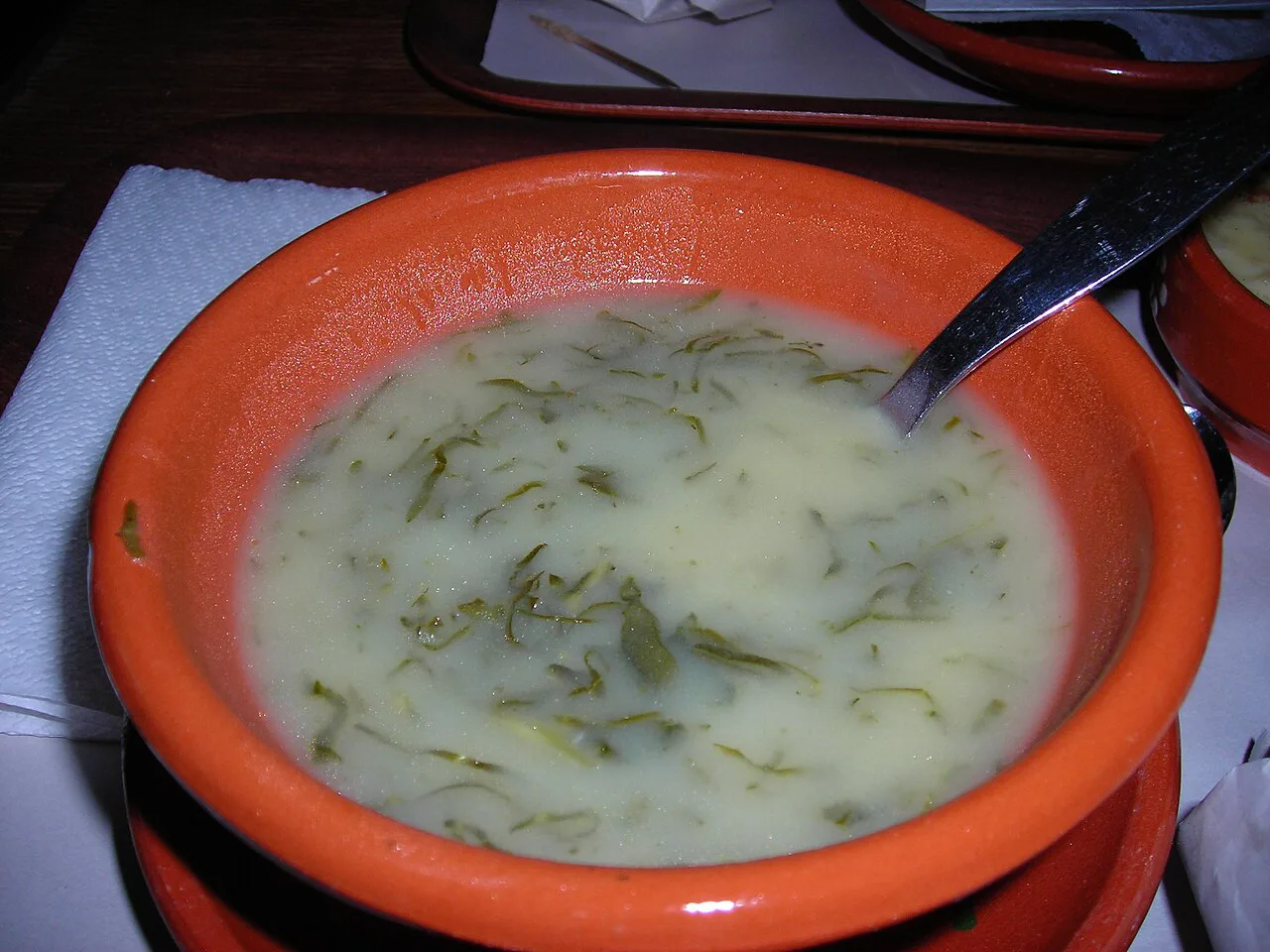
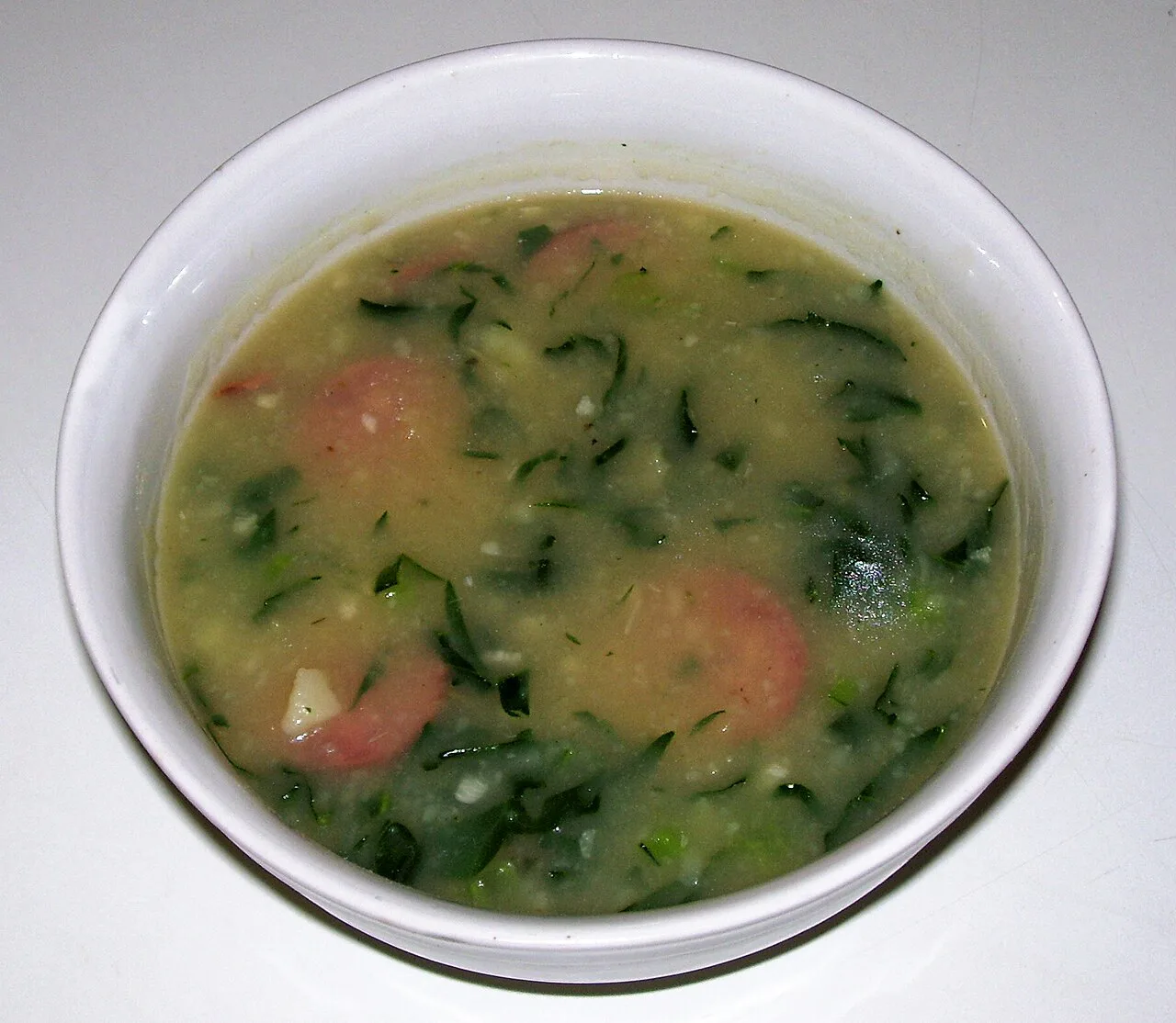
Caldo verde is a kale and potato soup, typically with a slice of chouriço and a drizzle of olive oil. It always appears on menus and costs very little, which makes it a dependable opener when you want something hot and light before a main. It is also a useful choice if you are eating early, and one of the few Portuguese starters that does not fill you up.
Queijo Serra da Estrela and queijo de Azeitão: the two cheeses
Queijo Serra da Estrela is a soft, rich sheep's cheese from the mountains, often eaten runny with bread or a spoon. Queijo de Azeitão is another soft sheep's cheese, milder and creamier, from the Setúbal peninsula. Both arrive frequently as a couvert before a meal, so ask whether the plate is charged before you tuck in.
Pastel de nata and other pastries
A pastel de nata is an egg custard tart in a crisp pastry case, traditionally served warm with cinnamon and sometimes powdered sugar. Eat it standing at the counter with a bica, a small espresso, which is how most Portuguese do it. Other pastries are worth trying too: the travesseiro, or pillow cake, on Madeira, and the many regional almond and egg sweets on sale in any pastelaria.
If you are building a pastry crawl into a short break, the wider range of Portuguese desserts and Portuguese pastries is a better starting point than the tart alone. Custard tarts vary in quality more than you would expect, so follow the queue and eat them fresh rather than boxed from a supermarket.
Vinho verde and what to drink with each dish
Vinho verde is the light, slightly spritzy young wine from the north, and it is the natural partner for clams, grilled fish and seafood rice. Red wine, often from the Alentejo or Douro, suits the pork and clams, the cozido and the heavier rojões. Jug wine is common in tascas and cheaper than bottled, but the quality varies; a glass of the house red is usually a safe bet with meat.
Where to try these on a short break outside Lisbon and Porto
Setúbal is the best base for grilled fish, with rows of restaurants along Avenida Luísa Todi and more along the waterfront. Vendas Novas, on the Évora road, is the place to stop for a bifana if you are driving between Lisbon and the Alentejo. For pork and clams and the heavier meat dishes, the Alentejo towns are the obvious choice, while Porto is where the francesinha belongs.
Ordering is mostly a matter of portion control. A cataplana or an arroz de marisco is designed for two; a cozido is a full meal with no room for a starter; and a bifana is a snack you can eat between sights.
Which dishes should you order first?
Start with three dishes and build from there: grilled fish from the display case, a bifana or prego for a quick lunch, and a pastel de nata with coffee. If you have a second evening, add a cataplana to share or a plate of polvo à lagareiro, then try the pork and clams in the Alentejo.
Do not try to eat everything in one short break; Portuguese portions are generous and the menu is long. Fish is best at lunch, the heavy stews at dinner, and pastries in the morning when they are freshest.
Explore more Portugal guides
Frequently Asked Questions
What is Portugal's most popular dish?
Bacalhau, salt cod, is the dish most often named as the country's signature, and it appears on menus in many forms, from codfish cakes to bacalhau à Brás. Grilled sardines and grilled fish more generally are also everywhere, especially in summer. It is fair to say there is no single national dish that every Portuguese household would agree on.
Is it easy to eat vegetarian in Portugal?
It is manageable but requires care. Many traditional dishes are built around pork, cod or seafood, and even a vegetable soup may be made with a meat stock. Caldo verde is often made without meat but is sometimes finished with chouriço, so ask. Look for rice, salads and grilled vegetables as sides rather than assuming a main will be meat-free, and check the ingredients of sausages such as alheira before ordering.
Do you tip at restaurants in Portugal?
Tipping is not obligatory and service is normally included in the bill. Rounding up or leaving a small amount for good service is common, particularly in tourist areas. The couvert of bread, olives and cheese placed on the table at the start is usually charged, so if you do not want it, say so before eating.
Sources
Notes for your next Portuguese break
Optional updates to our town guides.
You might also like

Continue reading
More guides you'll find useful