Bifana: What Portugal's Pork Sandwich Is and How to Order One
What a bifana is made of, how it tastes and what to expect when you order one in a Portuguese tasca, from the bread and pork to the sauce.
On this page
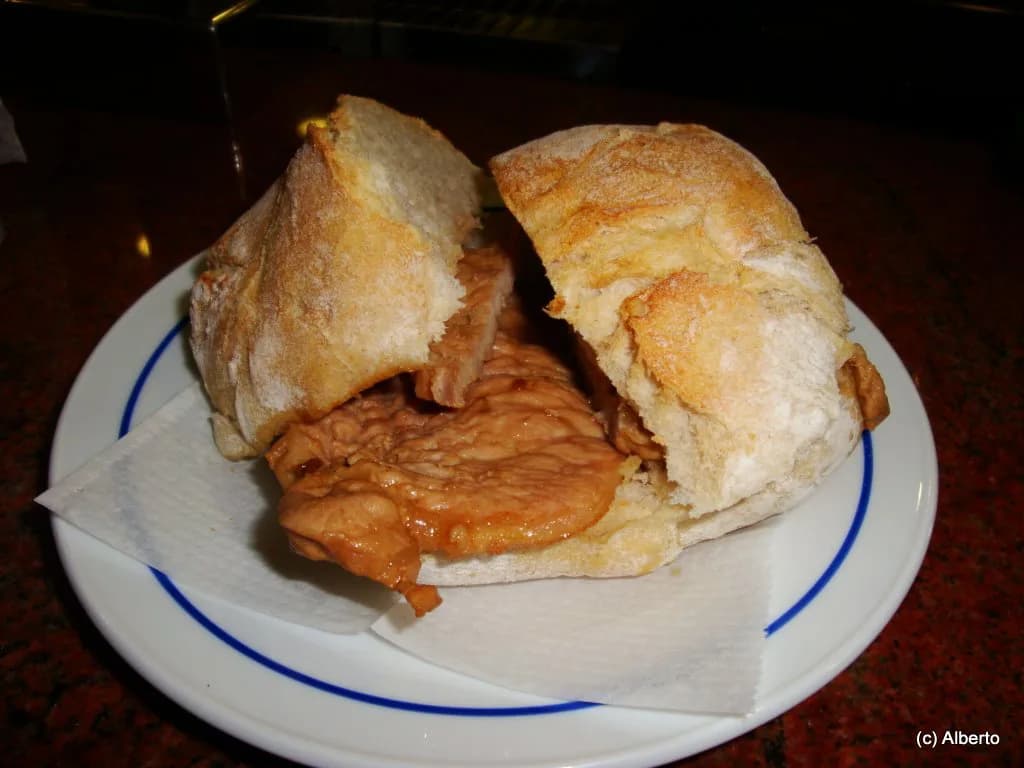
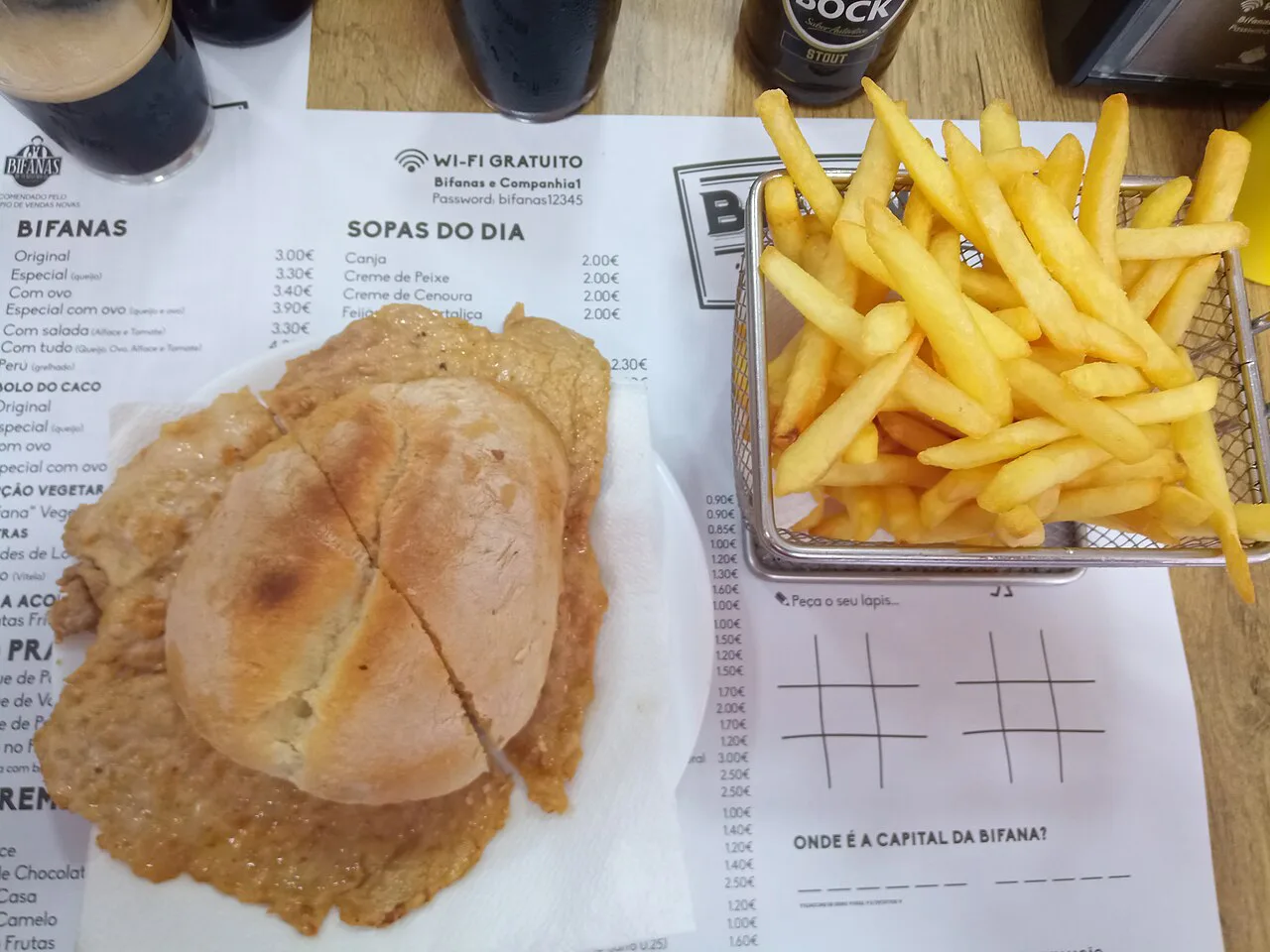
A bifana is Portugal's everyday pork sandwich: thin slices of pork, marinated in garlic and white wine, cooked and then slipped into a crusty bread roll with some of the cooking sauce. It is a cheap, fast lunch rather than a sit-down dish, which is exactly why it fits so neatly into a one- to four-day city break.
This guide covers what goes into one, how it tastes, how the sauce and bread change the experience, and how to order without guesswork. It also places the bifana within the wider range of Portuguese food you will meet on the same trip, so you can decide when to spend a meal on one and when to save your appetite for something slower.
The one-line answer: thin pork in a crusty roll
Strip it back and a bifana is pork, bread and sauce. The word is a diminutive whose literal sense is 'small steak', which signals a small, casual thing rather than a main course.
That smallness is the point. You are not ordering a burger-sized project; you are ordering something you can eat at a counter in ten minutes and be back on the street before your allotted entry slot.
What it is made of: pork, garlic and white wine
The classic version uses thin slices of pork, marinated with garlic and white wine before cooking, then served with the cooking juices spooned over. Recipes vary from kitchen to kitchen, which is why two bifanas in two towns can taste noticeably different.
How do you pronounce bifana? Bifana is a Portuguese word with the stress on the middle syllable; saying it as 'bee-FAH-nah' is close enough to be understood, and staff in a busy tasca will not expect more from a visitor.
Is a bifana spicy? Not usually. The base flavour is savoury and porky with garlic and wine; a classic bifana is mild rather than hot.
Where do you order one in Portugal? At a tasca or snack bar rather than a formal restaurant — the kind of counter where you order, eat quickly and pay on the way out. Market cafés often serve them too.
The bread matters as much as the meat. A Portuguese roll with a firm crust and a soft, absorbent crumb soaks up the sauce instead of turning to mush, so look for one with a proper crust rather than a soft bun. If the roll is floppy and the meat dry, the sandwich has been assembled rather than cooked.
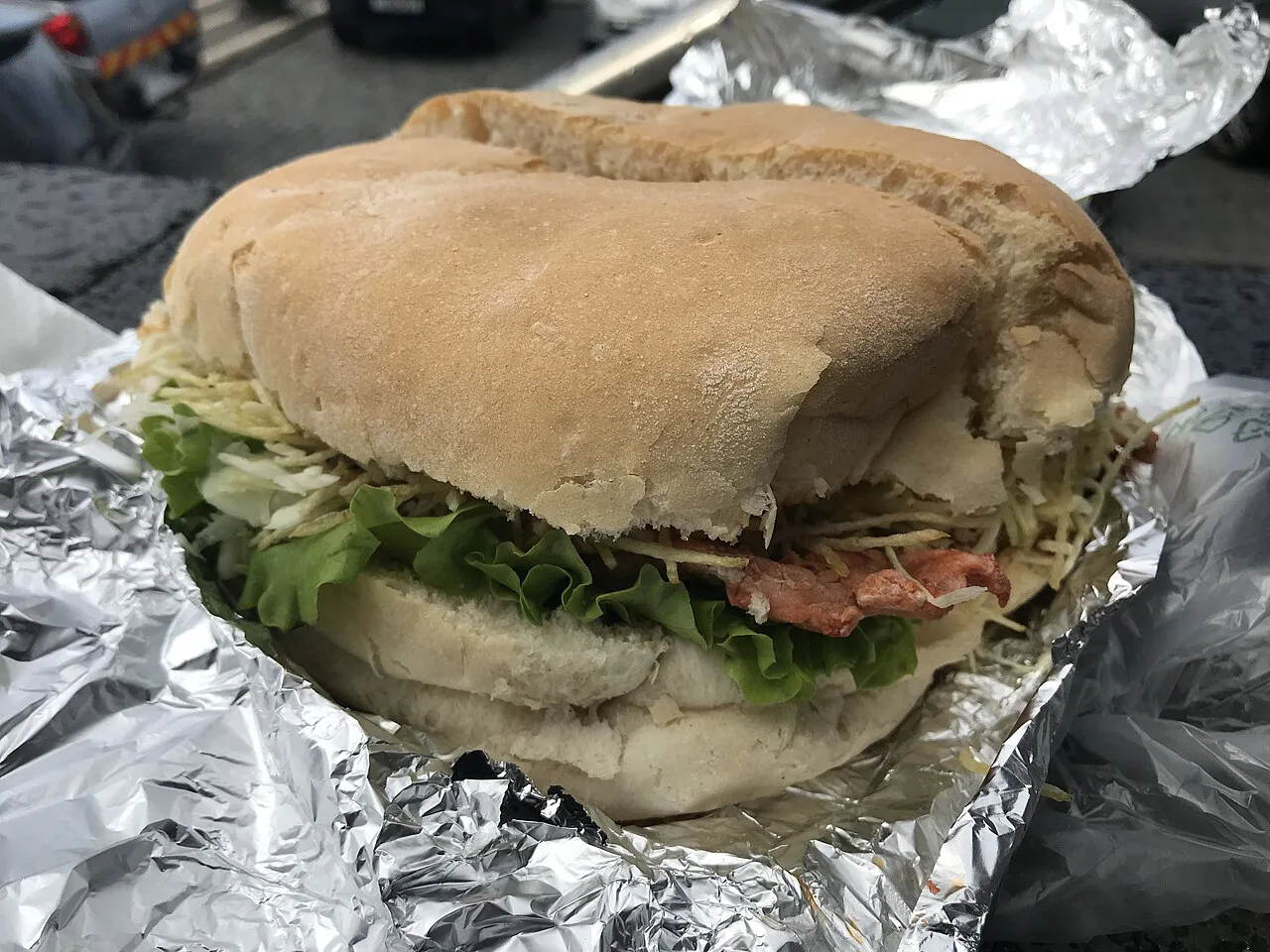
Outside the classic version, variations exist. Bifanas are served across the country, and in Porto you may meet a version with pulled pork, egg and cheese, which is a richer proposition than the simple sliced-pork sandwich.
What it tastes like: juicy, garlicky, savoury, lightly spiced
Expect savoury and juicy rather than fiery: the dominant notes are pork, garlic and wine, and the sandwich is best eaten soon after it is made. The sauce is the difference between a good bifana and a forgettable one, because it carries the marinade into the bread and keeps every bite moist.
For anyone used to a British pork sandwich with apple sauce or stuffing, the surprise is how savoury and winey it is. It is closer in spirit to a hot roast pork bap with gravy than to a cold deli sandwich, and it is best eaten warm, ideally with the sauce still running.
How the sauce and the bread shape the sandwich
Order a bifana and the sandwich is the default. What actually matters at the counter is how wet it is served: a bifana with plenty of sauce is messier but better, while one drained of liquid is easier to eat on the move and less interesting.
Bread choice decides how the sandwich behaves. A roll with a proper crust holds together to the last bite; a softer roll collapses and leaves you with sauce on your fingers. If you are eating standing up, lean towards the firmer roll.
How it is served
In its basic form a bifana arrives as the sandwich alone, and the sauce carries the flavour — so if you want it juicy, ask for a little extra.
If you want it fast and cheap, order the sandwich and nothing else; if you have more time, sit down and build a fuller lunch around it. Either way, the sauce is where the flavour lives.
What to order with it: a beer, a coffee, a pastel de nata
A cold beer or a glass of house white is a natural partner, and in warm weather a bifana and a beer at a shaded counter makes a cheap and satisfying lunch. If you are pacing yourself, an espresso afterwards resets the palate before the next museum.
Sweet things are a separate decision. If the sandwich was the savoury half of lunch, a pastel de nata with a coffee makes a natural finish, and you can compare custard tarts across towns in the way you compare bifanas.
For a wider map of what to eat across the trip, from grilled fish to seafood stews, our guide to Portuguese food is the place to start.
Where to eat one: the tasca, the snack bar, the market counter
The natural home of the bifana is the tasca, the small neighbourhood eating house with a counter and a short menu, or the snack bar that does sandwiches and coffee all day. These are places to eat quickly and well rather than linger.
Market cafés and snack bars are a faster alternative: a stall or café inside a municipal market often serves hot snacks, which makes them a sensible stop if you are sightseeing near the market anyway. A busy counter with a griddle working hard is usually a good sign.
Do not expect a long menu. Walk in, order at the counter, eat standing or at a small table, and pay on the way out. If a place is full, the next one along the same street is likely to do something similar.
What a bifana costs and how it fits a short-break budget
A bifana is one of the cheapest hot meals you will find in Portugal, and it is priced accordingly: far less than a restaurant main. That makes it useful when you want a real lunch without spending an hour or a large part of the day's budget on it.
What you pay depends on the town, the venue and whether you order the plate version with side dishes, so check the price list posted inside the door before ordering. Treat it as the budget lunch around which you can afford one slower, more expensive dinner.
The sandwich is also a useful yardstick for cost elsewhere: if a simple bifana at a counter feels expensive, the town is likely to be expensive across the board, and you can adjust where you eat for the rest of the break.
Bifana as a quick lunch between sights in a one- to four-day break
On a short break the bifana earns its place by fitting between visits rather than competing with them. The monastery at Alcobaça, for example, opens 09:00–18:00 from October to March, with the last entrance at 17:30, so a quick sandwich at midday costs you almost nothing in sightseeing time.
The Castle of Almourol, reached by boat from Tancos, runs hourly departures with seasonal hours that split the day around lunchtime, so a bifana before or after the crossing uses the gap rather than losing it.
In the schist village of Piódão, the steep streets and stairs reward a light lunch rather than a heavy one, and the village itself is the sight.
If your break takes in the walled historical villages, a quick counter lunch keeps the day moving between castles and viewpoints.
Making it at home: the shortcuts and the mistakes
The home version works best with thin pork steaks marinated for a few hours, then cooked hot and fast in the marinade so the garlic does not burn. Add the wine and paprika to the pan at the end to make a quick sauce, and warm the rolls so the bread does not chill the meat.
The usual mistake is dry meat in a soft roll: overcooking the pork and skipping the sauce leaves you with a plain sandwich. Use a crusty Portuguese roll, spoon over the pan juices, and resist the urge to add salad, which only makes the bread soggy.
If you want to bring some of the trip home, this is a forgiving place to start, and it pairs well with the broader repertoire in our guide to traditional Portuguese dishes.
Should you make a bifana part of your short break?
Yes, as a lunch rather than a destination. The bifana gives you a hot, cheap, distinctly Portuguese meal in the time it takes to sit down, and it lets you save the longer, slower meals for the evenings or for dishes you cannot make at home.
Order it at a tasca or snack bar, ask for it with sauce, and take it as the ten-minute pause between a monastery and a castle wall.
Explore more Portugal guides
Frequently Asked Questions
How do you pronounce bifana?
Bifana is a Portuguese word with the stress on the middle syllable; saying it as 'bee-FAH-nah' is close enough to be understood, and staff in a busy tasca will not expect more from a visitor.
Is a bifana spicy?
Not usually. The base flavour is savoury and porky with garlic and wine; a classic bifana is mild rather than hot.
Where do you order one in Portugal?
At a tasca or snack bar rather than a formal restaurant — the kind of counter where you order, eat quickly and pay on the way out. Market cafés often serve them too.
Sources
Notes for your next Portuguese break
Optional updates to our town guides.
You might also like

Continue reading
More guides you'll find useful