
Caldas da Rainha: What to See on a Short Break
Plan a short break in Caldas da Rainha: the fruit market, Bordallo Pinheiro ceramics, the thermal hospital and park, and how long the town needs.
On this page
Caldas da Rainha is a spa town with a fruit market and a ceramics tradition, and it needs a half-day to do well and a full day if you add the museums and the park. It sits in the Oeste region, within the historical province of Estremadura and the district of Leiria, which makes it a natural stop between Óbidos and the Silver Coast beaches.
The city's identity comes from Queen Dona Leonor, who founded its thermal hospital, and from the pottery workshops that made Bordallo Pinheiro ceramics famous. The practical result is a compact centre where the market square, the thermal park and the museum cluster sit within easy walking distance of each other. Plan around market mornings and you will see the town at its best.
What Caldas da Rainha is known for
Caldas da Rainha is known for three things: its thermal spa history, its fruit market and its ceramics. It takes its name from Queen Dona Leonor, who founded the Hospital Termal in the 15th century, and that royal association still shapes the centre. The city's other reputation rests on the pottery industry, particularly the Bordallo Pinheiro name and its brightly glazed tableware.
The market and the ceramics sit close enough to pair in a single morning: start at the market, then walk to the museum and shopping side. The thermal hospital and its park are a separate stop, best done as a slower pause after lunch. Getting this order right saves you from criss-crossing the centre.
Where Caldas da Rainha sits and how that shapes your visit
Caldas da Rainha lies in the Oeste region, inland from the coast and within easy reach of Óbidos and Foz do Arelho. That position makes it a useful base for a short Silver Coast break rather than a beach destination in its own right. The town is compact enough to explore on foot, so you do not need a car for the centre itself.
For travellers coming from Lisbon, the city is a straightforward stop on the way north to Leiria or the coast. São Martinho do Porto, with its sheltered bay, is another nearby option if you want a second base. Treat Caldas da Rainha as the cultural stop and the coast as the afternoon add-on.
Praça da República and the daily fruit market
The main square is the anchor for a morning visit. The fruit market is the reason to come early: produce stalls fill the square and the surrounding streets, and the atmosphere is at its busiest before midday. Arrive by mid-morning to see the market in full swing and still have time for the museums.
Market days and hours can shift with the season and public holidays, so confirm the current schedule with the municipal website before you build a day around it. The square itself is free to wander, and the surrounding cafés make a natural stopping point after the stalls pack up.
Bordallo Pinheiro ceramics: seeing versus buying
Bordallo Pinheiro is the name most travellers associate with Caldas da Rainha ceramics, and the distinction between seeing and buying matters here. The ceramics tradition lets you understand the production story, while the shops let you take a piece home. Decide before you go whether you want the museum visit, the shopping, or both.
The ceramics tradition is one of the city's defining features, and the glazed cabbage-leaf tableware is the most recognisable output. If you are buying, check how you will transport fragile pieces before you commit. If you are only looking, the museum gives the context that the shops alone cannot.
The Thermal Hospital and D. Leonor
The Hospital Termal is the founding institution of Caldas da Rainha, built on the orders of Queen Dona Leonor in the 15th century. It was the first hospital of its kind in Portugal, and the city's origin story is tied to its thermal waters. What you see today is the historic hospital complex and its setting rather than a working spa experience for casual visitors.
The thermal hospital and the adjacent park work best as a single stop rather than two separate items on a list. Walk the exterior, read the interpretation, then move into the park for a slower half-hour. This is the part of Caldas da Rainha that explains why the town exists at all.
Parque D. Carlos I and the thermal park
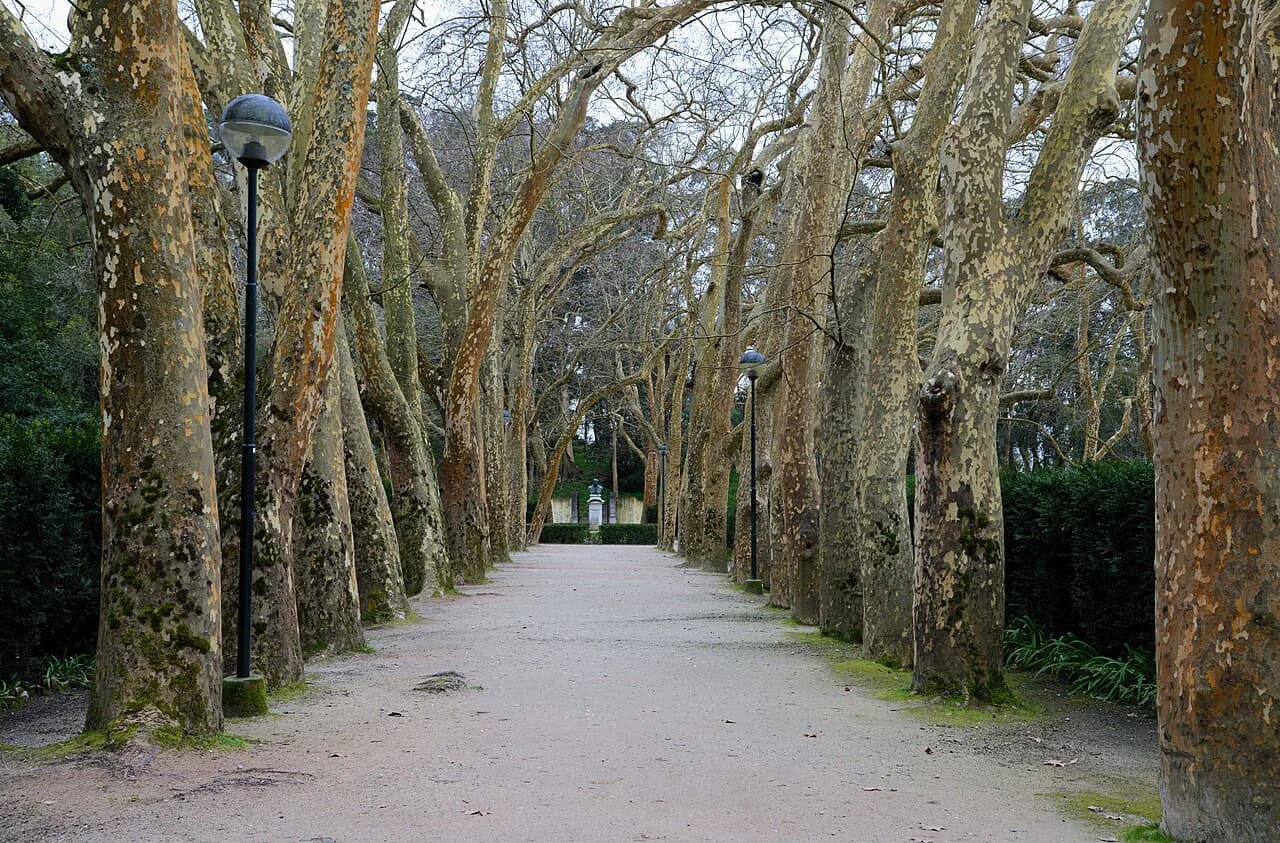
The Parque D. Carlos I is the green pause in the middle of the visit, and it pairs naturally with the thermal hospital. The park is a place to sit, walk and reset between the market and the museums. Allow about half an hour here, more if the weather is good and you want to linger.
The park's location close to the centre means you can fold it into a walking plan without a detour. It is also a sensible spot for a picnic if you have bought fruit at the market. Keep it as a breather rather than a destination in itself.
Museums and galleries: booked slots versus drop-in
Caldas da Rainha's museums reward a little planning, because some visits work better with a booked slot and others you can drop into. A ceramics museum is the one to prioritise if you want context for the pottery shops. Smaller galleries and temporary exhibitions are easier to fit around the market and park.
Opening days and ticket arrangements change, so check the municipal culture pages before you set out. If your visit falls on a Monday, confirm what is open rather than assuming, since Portuguese museums and monuments often close that day. Build the market and park into a Monday and keep the museums for another day if needed.
How many days Caldas da Rainha needs
One night is enough to see the market, the ceramics and the thermal park at a comfortable pace. Two nights makes sense if you want a museum day plus an afternoon on the coast without rushing. The honest case for two nights is the Silver Coast add-on, not the town itself.
If you are combining Caldas da Rainha with Óbidos or Foz do Arelho, two nights gives you a buffer for the market morning and a slower afternoon. A single night suits travellers passing through on the way to Leiria or the coast. The town does not demand more than a day of sightseeing.
A timed half-day and full-day plan
A half-day plan starts at the market in the morning, moves to the Bordallo Pinheiro shops, and finishes with the thermal hospital and Parque D. Carlos I. Allow three to four hours including a coffee stop. This covers the essentials without rushing.
A full day adds a proper museum visit and a longer park pause, plus time for a relaxed lunch. Start earlier to catch the market at its best, then use the afternoon for the ceramics museum and the thermal hospital. Keep the evening free for a walk back through the centre.
What to do with a spare afternoon
With a spare afternoon, head for the coast at Foz do Arelho, where the Lagoa de Óbidos meets the Atlantic. It is a short drive from Caldas da Rainha and a good contrast to the town's inland feel.
If you would rather stay closer, the Aljubarrota battlefield is another nearby option for history-minded travellers. Either way, keep the afternoon modest so you are back in town for dinner. Caldas da Rainha works best when you treat it as a base rather than a place to exhaust.
Practical points: closures and lunchtime
Portuguese museums and national monuments often close on Mondays, and many churches shut at lunchtime. In Caldas da Rainha, confirm specific opening days on the municipal website rather than assuming a pattern. Restaurants commonly take one day off each week, so check before you set your heart on a particular address.
Public holidays can also change opening hours at short notice. The safest approach is to plan the market and park for days when closures matter least, and keep the museum visits flexible. A quick check the day before saves a wasted trip across town.
Where to eat: market-side tascas and pastelarias
The market square and its surrounding streets are the natural place to eat, with tascas and pastelarias serving simple Portuguese food. Look for a pastel de nata with a coffee in the morning and a tasca lunch after the market. The town's inland position means hearty dishes rather than beach seafood.
Restaurant days off vary, so check the door or call ahead if you have a specific place in mind. For an evening meal, the centre around the Praça da República gives you the most choice within walking distance. Keep expectations modest and you will eat well.
Getting there and getting around
Caldas da Rainha is reached by road from Lisbon and sits within the Oeste region's bus network. Once in town, the centre is walkable, so you can leave the car and cover the market, ceramics and park on foot. That compactness is what makes a one-night visit work.
For the coast and nearby towns, a car or local bus is the practical option. Use Caldas da Rainha as a base for the Silver Coast and plan day trips outward from there. The town itself does not require public transport once you have arrived.
One night or two in Caldas da Rainha?
Choose one night if your priority is the market, the ceramics and the thermal park. Choose two if you want a full museum day plus a coastal afternoon without rushing. The town rewards a measured pace rather than a packed itinerary.
Book the ceramics museum and confirm opening days before you travel, then build the market morning and park around them. That order gives you the best of Caldas da Rainha without depending on any single venue being open.
Explore more Portugal guides
Sources
Notes for your next Portuguese break
Optional updates to our town guides.
You might also like



Continue reading
More guides you'll find useful





