
Fátima, Portugal: What to See and How Long You Need
Plan a short break in Fátima, Portugal: what to see at the Sanctuary, how the town is laid out, how many days you need and how to reach it from Lisbon.
On this page
Fátima rewards half a day rather than three. The Sanctuary is the reason to come and is best taken at an unhurried pace: the square, the basilicas and the Chapel of the Apparitions can be covered in an afternoon, and an overnight pays off only if you want the evening atmosphere or a base for the monasteries and castles inland. This guide covers what the Sanctuary is, how it relates to the town, how to behave as a non-pilgrim, how long to allow and how to slot Fátima into a wider trip through central Portugal.
Be clear about the trade-off before you book: the draw is the Sanctuary, not the town around it. Fátima grew up as a service settlement for pilgrims, so the streets beyond the religious complex are functional rather than charming, and the reward is the scale and solemnity of the site itself. If you want a Portuguese town with a medieval centre to wander, pair Fátima with Óbidos, Tomar or Alcobaça rather than expecting Fátima to supply that.
What Fátima is and why travellers come
Fátima is a Catholic pilgrimage city in the municipality of Ourém, in Portugal's Beira Litoral region, and its identity rests on the apparitions reported by three shepherd children in 1917. The Sanctuary describes itself as an atmosphere of serenity and light that invites prayer, reflection and harmony of spirit, and that framing is the most useful thing to carry with you: this is a working devotional site first and a sightseeing attraction second.
Most visitors are pilgrims, and the town's rhythm follows the religious calendar rather than the tourist one. If quiet is what you want, aim for a weekday and check the Sanctuary's current calendar before you fix dates.
Where the Sanctuary sits in relation to the town
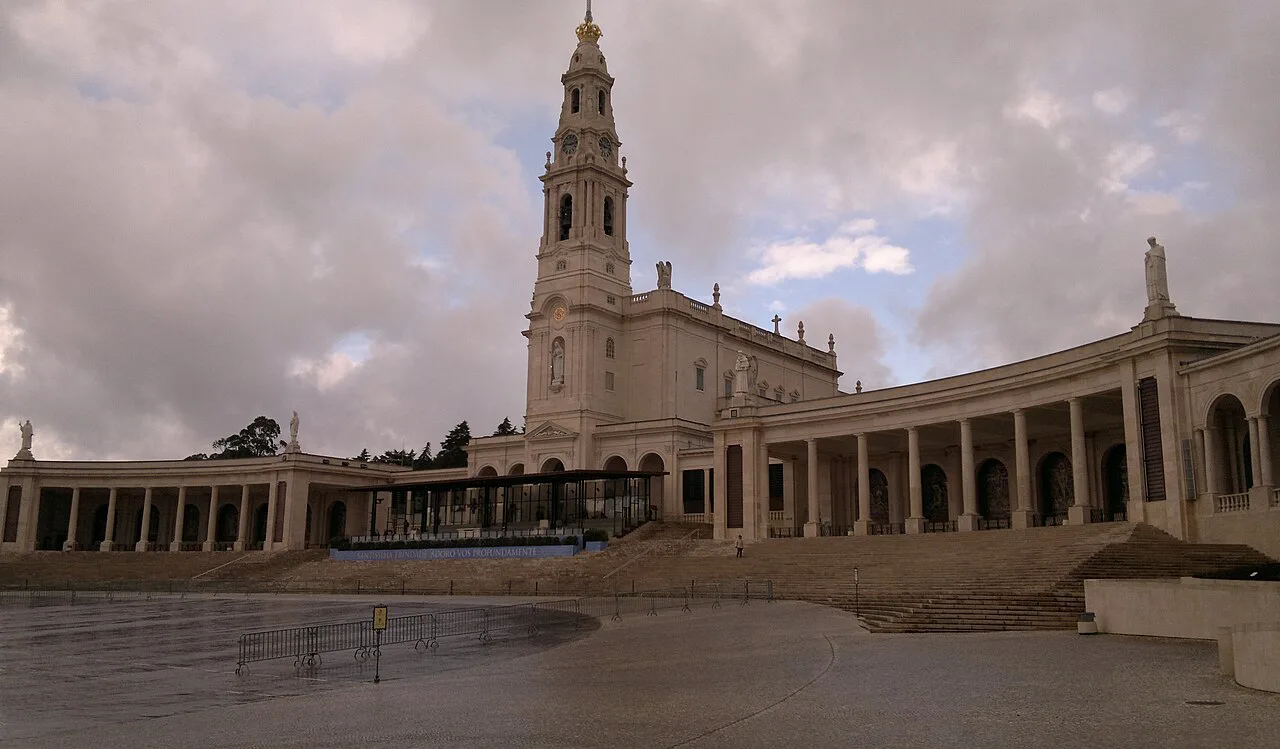
The Sanctuary is the anchor of Fátima: everything else in town exists to serve the pilgrimage. Plan your day around the Sanctuary first and treat the surrounding streets as support services rather than as sights in their own right.
Orient yourself by the Sanctuary itself rather than by street names, because it is the one reliable landmark in a town otherwise composed of service streets. Ask your accommodation which approach they recommend on the day you arrive, since roads and access points are not something a printed guide can keep current.
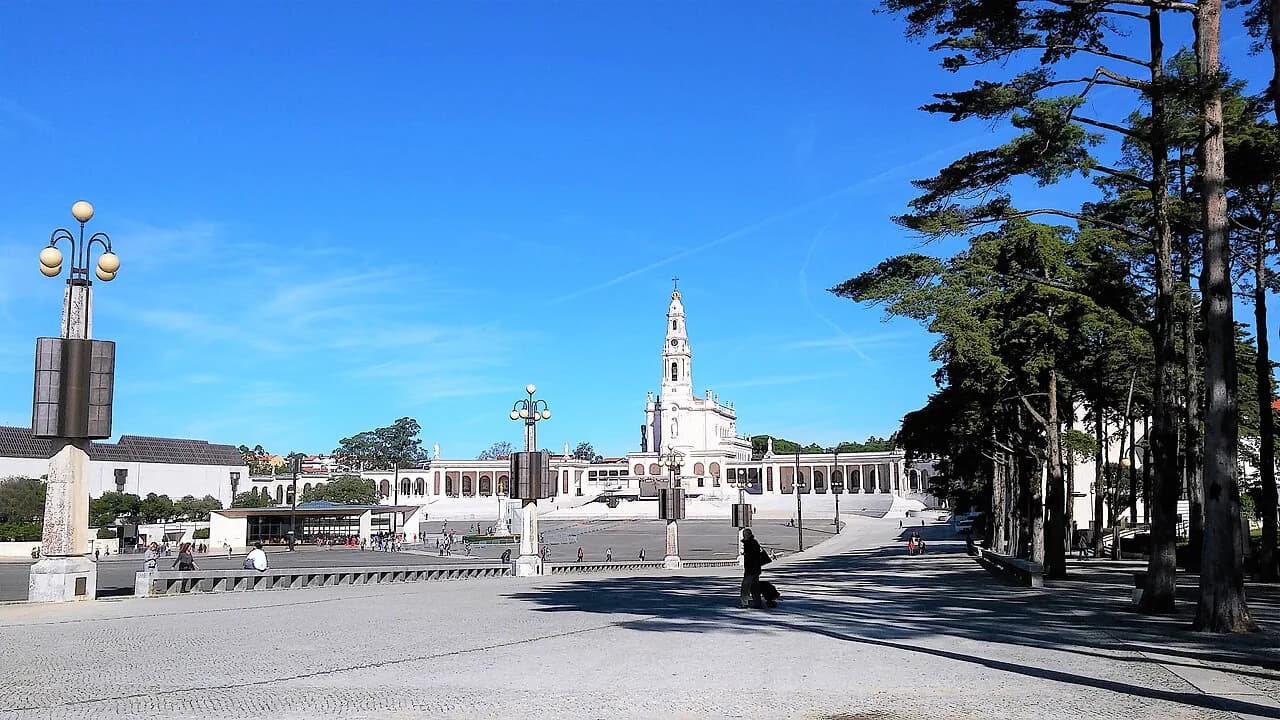
The Sanctuary of Fátima: the vast open square and the basilicas
The visit unfolds in a way that surprises people expecting a single church. The Sanctuary is a complex of buildings and open ground rather than one interior, so you spend part of the visit outdoors and part of it inside, whatever the weather. Build the crossing time into your half-day rather than treating open ground as a forecourt to dash through.
The Sanctuary is also where the devotional life of the site is most visible, with pilgrims moving through it as part of their own observance. Watch and follow rather than lead: if you are unsure where visitors may and may not go, wait and observe what pilgrims do before setting off across the site.
The Chapel of the Apparitions (Capelinha das Aparições)
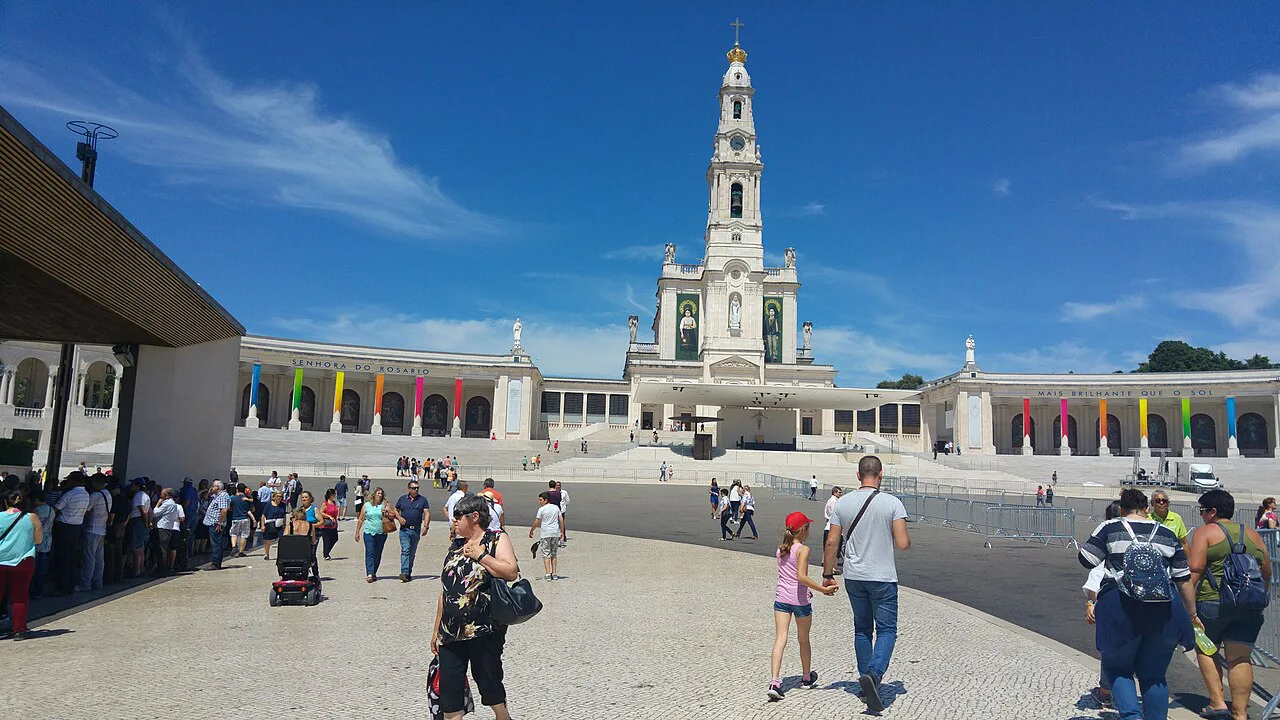
The Capelinha das Aparições (Chapel of the Apparitions) is the small chapel at the heart of the Sanctuary and the focus of most pilgrims' visits. Put it early in your circuit, while you still have the patience to wait your turn if the site is busy, and leave the surrounding buildings for afterwards.
The basilicas and other Sanctuary buildings reward a slower pass. Do not try to see everything at a trot: a first hour in the chapel and on the square plus a second among the buildings is a realistic split, and it leaves room for a coffee in town before you move on.
Visiting etiquette: dress, quiet and behaviour during services
Treat a visit here as you would a visit to any major working Catholic shrine: dress with a little care (shoulders and knees covered, no beachwear) and take your lead from the pilgrims around you. This is not a rule aimed at tourists but the ordinary register of the place, and it is also the simplest way to avoid standing out for the wrong reason in a photograph.
Inside the basilicas and around the chapel, keep conversation low and phones on silent, and stay out of the way during services rather than walking through the congregation to get a better view. Follow any signage or stewards on the day, and leave the space set aside for those moving on their knees clear.
How many days Fátima needs: a half-day, a full day or an overnight
Half a day is the honest answer for most short-break travellers. The Sanctuary, the chapel and the walk across the open ground take roughly three hours at an unhurried pace, plus an hour in town for coffee or lunch, which leaves the rest of the day for a nearby monastery or castle.
Choose a full day only if you want to attend services, spend time in quiet reflection or see the Sanctuary at more than one time of day. An overnight makes sense for the same reason: staying in Fátima removes the need to drive back after dark and lets you return to the Sanctuary in the evening.
Getting to Fátima from Lisbon and onward links
Fátima sits inland in central Portugal, north of Lisbon and within reach of the Silver Coast, which makes it a natural stop between Lisbon and the coast rather than a destination in its own right. Coaches and organised transfers are the usual way in; if you are driving, the town's position on the main inland routes makes it a break in a longer journey rather than a detour. Confirm current coach timetables before you commit to a same-day return, because services change with the season.
The onward connections are what make Fátima useful in an itinerary. Alcobaça's Cistercian monastery and Tomar's Convent of Christ lie within the same inland sweep, and the walled town of Óbidos sits closer to the coast on the run back towards Lisbon. Build Fátima as the spiritual stop in a two- or three-day loop rather than as a standalone trip.
Where to eat in Fátima: what to expect from a tasca or pastelaria
Fátima's eating is built around pilgrims: expect tascas serving bacalhau, grilled fish and hearty plates, and pastelarias for coffee and a pastel de nata between visits. The town is not a dining destination, and the best-value meals tend to be the simple ones a short walk from the Sanctuary rather than the places closest to the square, which trade on footfall.
Because venues open and close with the pilgrimage calendar, treat any specific restaurant recommendation with caution and look at what is actually busy with pilgrims on the day. Many Portuguese restaurants close one day a week, so if there is somewhere you have your heart set on, confirm it is open before walking there.
Is Fátima worth adding to a wider Centre of Portugal trip?
Yes, as a half-day stop with a specific purpose. Fátima earns its place in a central Portugal itinerary because the Sanctuary is genuinely unlike anywhere else in the country, and the visit is short enough that it does not eat a whole day of a three- or four-day break. The error to avoid is treating Fátima as a base for a week: sleep instead in Óbidos, Caldas da Rainha or Leiria and come in for the morning.
For travellers heading west afterwards, the Leiria district and the Oeste region make a sensible next leg, with the coast's towns within a manageable drive of the inland route. Build the second half of the trip around the sea and the lagoon rather than doubling back to Fátima.
Nearby places that pair with Fátima in a one- to four-day break
The strongest pairing is Alcobaça, whose Royal Monastery of Santa Maria de Alcobaça is a UNESCO World Heritage Site founded on a donation by King Afonso Henriques in 1153, with work on the church begun in 1178 and home to the 14th-century tombs of King Pedro I and Inês de Castro. Its published opening hours run from 09:00 to 18:00 between October and March with last entry at 17:30, and change from April; confirm the summer times before setting out.
Second is the Castle of Almourol, a Templar stronghold on a small island in the Tagus reached by boat from Tancos, with visits departing through the day and different timetables in winter and summer. It is a short visit but a memorable one, and it combines well with Tomar on the same day.
For a longer loop, the schist village of Piódão climbs the slopes of Serra do Açor in a huddle of slate-roofed houses linked by stairs, with the matriz church, the São Pedro chapel and the village museum as its fixed points. It is a mountain detour rather than a quick stop, so give it half a day of its own rather than bolting it onto Fátima.
Closer to the coast, the walled village of Óbidos and the castle at Leiria fill out a two- or three-day inland-and-coast loop, and the historic villages of Almeida, Belmonte, Castelo Rodrigo and Marialva extend the same idea further east. Pick two of these rather than ticking off all of them: the drives between them are long and the pleasure is in the stopping.
Should Fátima be a stop or a stay?
Make Fátima a stop. Half a day covers the Sanctuary properly, and the town does not repay a second night unless you are coming specifically for the pilgrimage atmosphere or the services. Stay instead in Óbidos, Caldas da Rainha or Leiria, where there is an old town to come back to in the evening, and come into Fátima for the morning.
If you are travelling from Lisbon, the cleanest shape is Lisbon, then Fátima, then Alcobaça and the coast, then back. That order puts the Sanctuary at the start of the trip while you still have energy for the square, and leaves the monasteries and castles for the days when early starts and Portuguese road signs have become routine.
Explore more Portugal guides
Frequently Asked Questions
What is the difference between Our Lady of Fátima and Lourdes?
Both are Catholic shrines built around reported apparitions to children in the 19th and early 20th centuries, but they are separate sites in different countries with their own sanctuaries and pilgrimage calendars. Fátima's Sanctuary commemorates events reported in Portugal in 1917; treat the two as distinct destinations rather than variations on one another.
Is there an English Mass in Fátima?
Mass times and language schedules at the Sanctuary change with the season and the pilgrimage calendar, so confirm them with the Sanctuary directly before planning a visit around one. The official VisitFátima site is the place to look for the current programme rather than a printed guidebook.
What are some religious sites in Portugal worth pairing with Fátima?
The Monastery of Alcobaça, a Cistercian foundation and UNESCO World Heritage Site, is the strongest pairing, and Tomar's Convent of Christ sits in the same inland sweep. Both are substantial visits in their own right, so give each a half-day rather than trying to see them alongside Fátima on the same afternoon.
Sources
Notes for your next Portuguese break
Optional updates to our town guides.
You might also like



Continue reading
More guides you'll find useful





