Foz do Arelho: Lagoon, Beach and Village Guide
Plan a short break in Foz do Arelho on Portugal's Silver Coast, where the Óbidos lagoon meets the Atlantic, with the two beaches, cliff walk and where to eat.
On this page
Foz do Arelho is worth a half day if you want a beach stop on the Silver Coast, and a full day if you eat by the lagoon and walk the cliffs. It is a small coastal Vila in the municipality of Caldas da Rainha, where the Lagoa de Óbidos meets the Atlantic.
The village has two beaches on opposite sides of the same headland, a modest main street of cafés and restaurants, and a cliff road above the sand. This guide covers how the place is laid out, which beach suits which traveller, the route up to the viewpoint, where to eat and how to arrive without a car.
What and where Foz do Arelho is
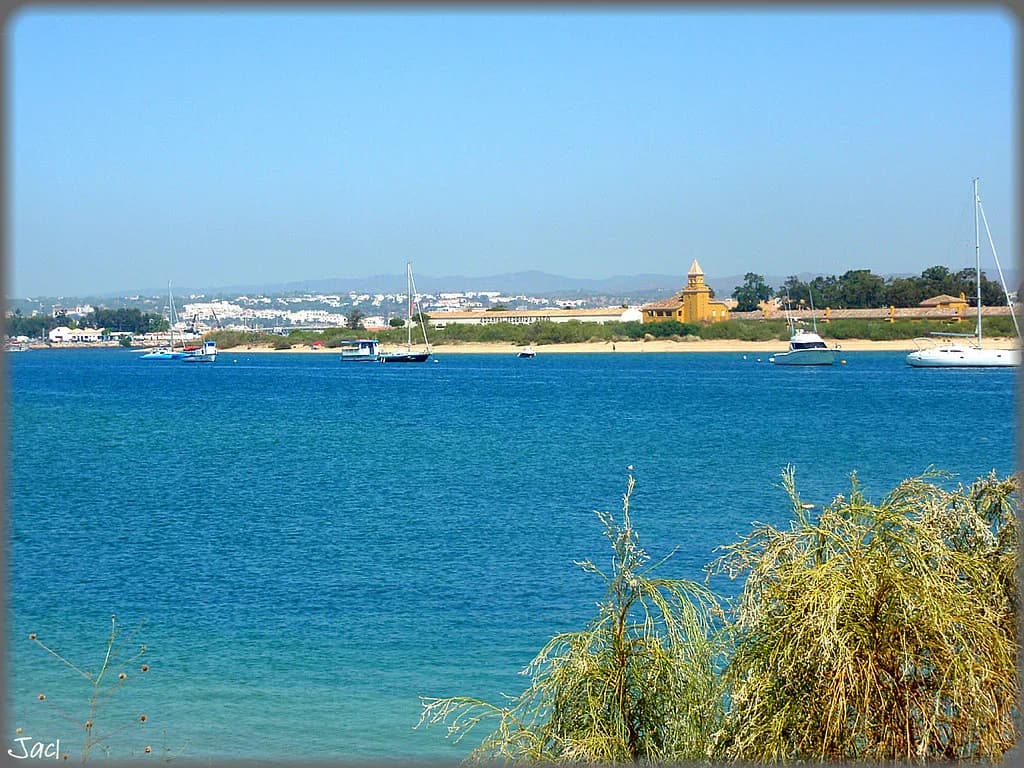
Foz do Arelho sits in the Oeste region, at the mouth of the Lagoa de Óbidos, and has its own small civil parish within the municipality of Caldas da Rainha. The lagoon behind the village is the largest saltwater lagoon in Portugal, which is why the water on one side is so calm.
It lies roughly 45 minutes north of Lisbon by road, which puts it within reach of a Lisbon-based short break without dragging you into the city itself. Nearby neighbours on the same coast include São Martinho do Porto and, inland, the walled town of Óbidos.
There is no old town to tour and no museum circuit here: the appeal is the water, the sand and the cliffs. Treat it as a beach-and-walk village rather than a sightseeing town, and plan your day accordingly.
How the village is laid out
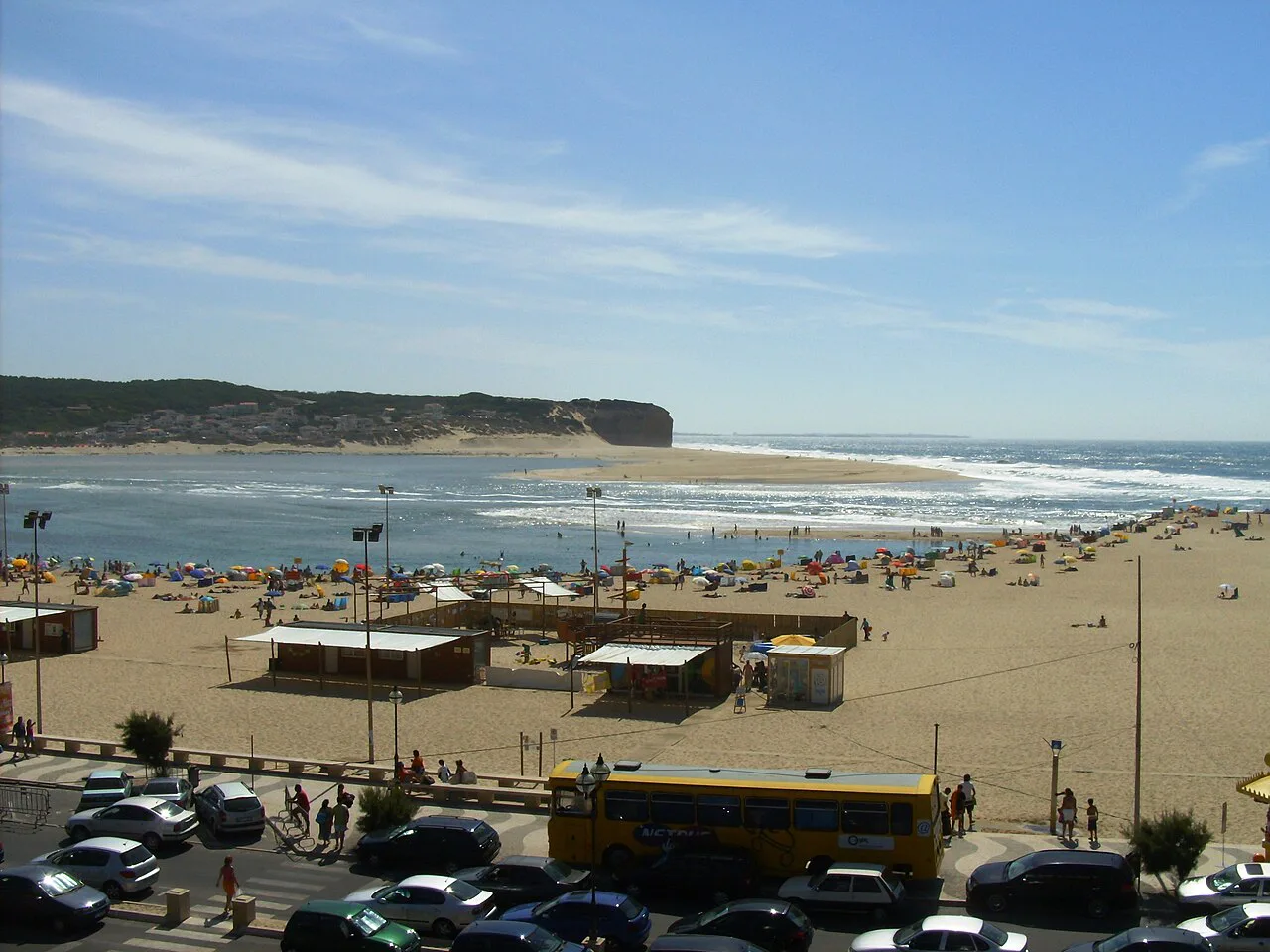
The core is compact. A main street runs through the centre with cafés, restaurants and a walk-up barbecue chicken spot, and the waterfront promenade links the lagoon side to the ocean side.
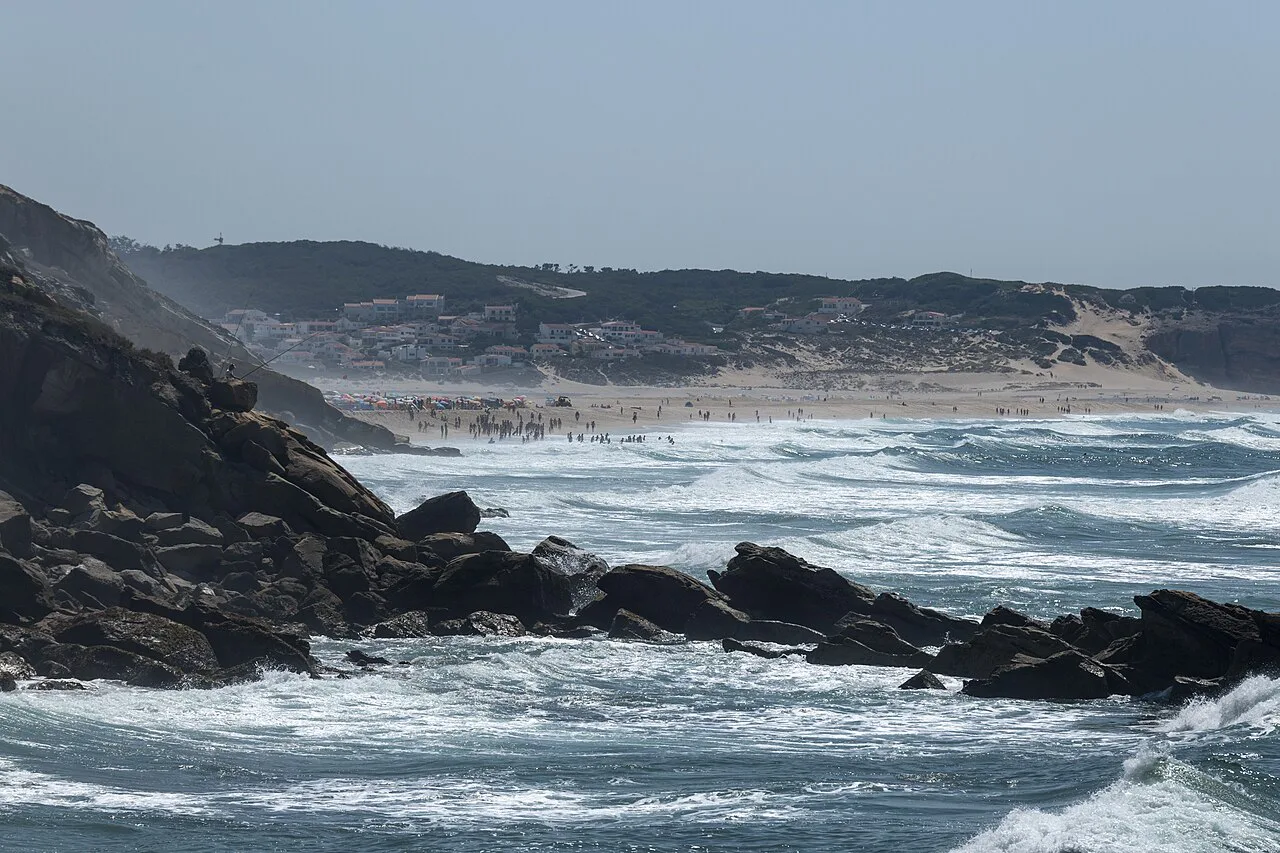
The lagoon beach faces inland, sheltered and shallow; the ocean beach faces the open Atlantic, with long stretches of white sand and steady surf. Above the ocean beach a cliff road and a wooden pathway look back over both.
In practice you can park once and cover the whole village on foot. The only climb that demands any effort is the one up to the cliff path, and even that is short.
The two beaches in practice
Families and anyone who prefers calm water should head to the lagoon side, where the sea feeds into the Lagoa de Óbidos and the water stays still and shallow. It is also the better side for stand-up paddleboarding and kitesurfing when the wind picks up.
The ocean beach is the one for swimming in waves and for surfing, with a long sweep of sand and colder water. The Atlantic here stays cold even in high summer, so a wetsuit or a short dip is realistic for most visitors; the lagoon warms more at low tide.
At low tide the lagoon floor tempts people to walk across towards the Bom Sucesso resort on the far side. Go only if you know the tide and can get back before it turns, because the rising water can cut the route.
Lifeguard cover, flag systems and seasonal access change through the year; check the information boards at the beach entrances on the day.
The cliff viewpoint and wooden walkway
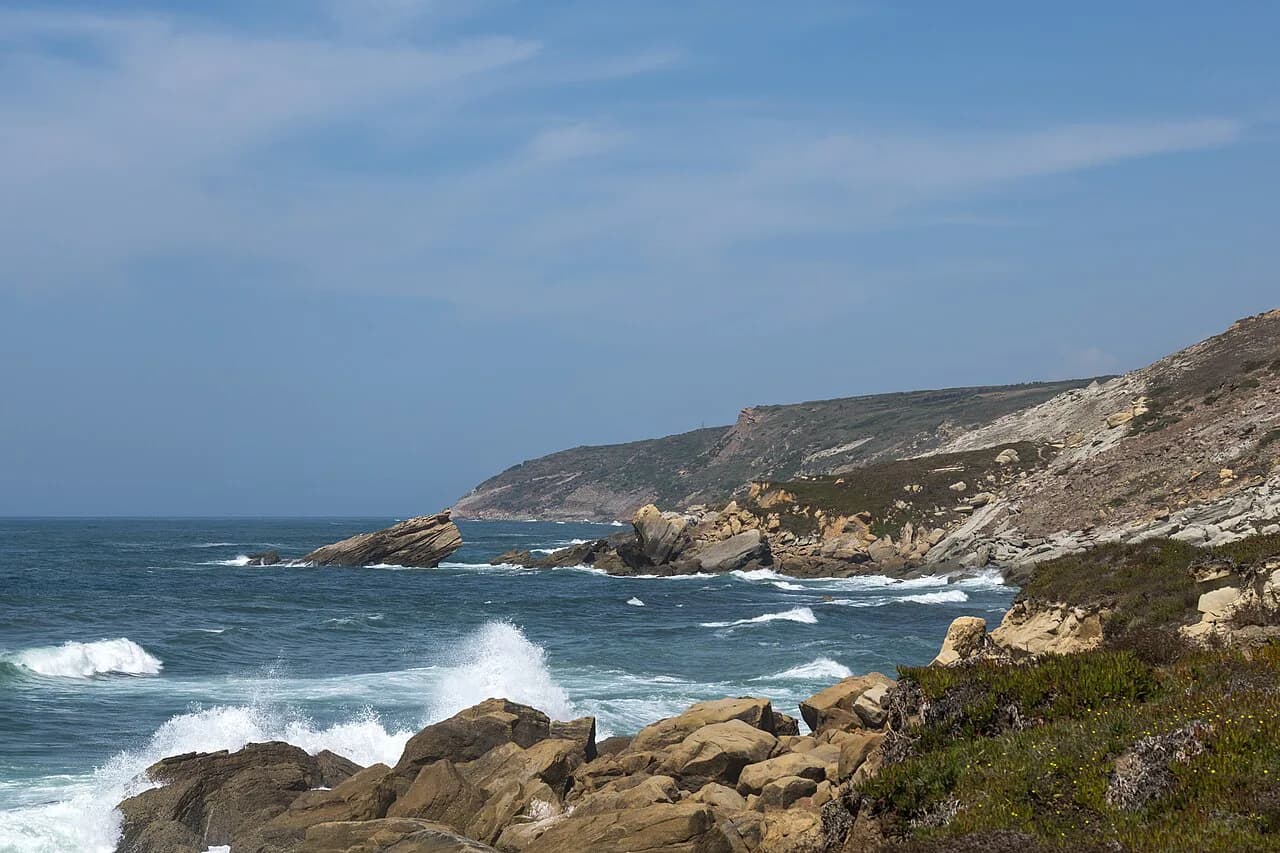
The best view on this stretch of coast is from the cliff above the ocean beach, where a wooden pathway runs along the sea cliffs overlooking the water. Sunsets from here reflect colour across the bay below.
On foot, take the wooden stairs tucked between the cafés behind the beach, or the concrete stairs at the far end of the sand. Both lead up to a roundabout; from there follow the winding road uphill, keeping right as you face away from the beach, and you reach the wooden path in five to ten minutes.
You can also drive up, which suits anyone with limited mobility or a tight afternoon. Bring a layer for the wind once you are on the clifftop, even when the beach below is warm.
Where to eat by the water
O Banheiro sits on the sand at the lagoon, which makes it the obvious lunch stop if you are spending the day on the calm side. Try the bifana, a simple pork sandwich, and the berbigão, the cockles native to this lagoon.
On the main street there is a walk-up Portuguese barbecue chicken place, worth asking for piri-piri if you want heat. For something more modern, Tibino serves contemporary Portuguese cooking, and Tavola is the traditional alternative nearby.
Opening days and hours vary by venue and by season, so confirm with the place directly before building a meal around it. Menus are displayed at the door, so read the board before you sit down.
How much time Foz do Arelho needs
A half day covers the essential loop: a swim or a paddle on the lagoon side, a walk across to the ocean beach and the short climb to the cliff path. That is enough if Foz do Arelho is a stop on a wider Silver Coast drive.
A full day suits anyone who wants a long lunch at O Banheiro, an afternoon on the sand and the sunset from the cliffs. Add a second day only if you plan to use the village as a base for Óbidos and Caldas da Rainha.
The rhythm of a good day here is deliberately slow: coffee and a pastry in the centre in the morning, beach through the afternoon, cliffs at sunset.
Getting there without a car
Rede Expressos runs long-distance buses, and Foz do Arelho is reachable by bus from Lisbon on that network. From the village, local buses connect to Caldas da Rainha, the nearest town with a wider bus hub.
The practical route to Óbidos by public transport is village bus to Caldas da Rainha, then a connecting bus onward, which comes to about 30 minutes in total. By car the same trip takes roughly ten minutes.
The local operator publishes timetables for the Caldas da Rainha connection and they shift with the season, so look up the day you travel on the operator's own site. If you are combining Foz do Arelho with inland towns, Fátima, Portugal is a straightforward add-on by road.
Adding Óbidos as a short hop
Óbidos is the obvious pairing: a medieval town with residents still living inside the castle walls, and the castle itself run as one of Portugal's pousadas. It is famous for ginja, the sour cherry liqueur, served in an edible chocolate cup.
Getting there means the Caldas da Rainha connection by bus, or roughly ten minutes by car. If you have a car, you can also loop inland to Leiria and its castle on the same day out.
Allow at least a couple of hours inside the walls: the main street, the castle and the churches reward a slow wander rather than a photo stop. Battlefield history buffs can push on to Aljubarrota, where the 1385 battle is commemorated.
When to go
Summer is the season for the beach, when the lagoon warms enough for comfortable swimming and the ocean draws surfers. Shoulder months are quieter and better for walking the cliffs and exploring Óbidos without the crowds.
Conditions on this coast are driven by Atlantic weather, so expect wind and changeable cloud even in warm months; the lagoon side is the more sheltered option when the ocean is rough.
For typical monthly temperatures rather than a forecast, use a climate source before you commit to a date.
Is Foz do Arelho worth a stop on your Silver Coast trip?
Yes, if you want a beach day with variety: lagoon on one side, surf on the other, and a short cliff walk between them. It rewards a half day generously and a full day comfortably.
Base yourself in Caldas da Rainha or Óbidos if you want more town life, and treat Foz do Arelho as the seaside half of the trip. But do check bus times for the day you travel before relying on public transport.
Frequently Asked Questions
Can you swim in the lagoon at Foz do Arelho?
Yes. The lagoon side is the calm, shallow option and is where families and paddleboarders tend to gather, while the ocean beach is colder and better suited to stronger swimmers and surfers. The lagoon warms more at low tide.
How far is Foz do Arelho from Óbidos?
By car it is roughly ten minutes. By public transport you go first to Caldas da Rainha and take a connecting bus to Óbidos, which comes to about 30 minutes.
Sources
Notes for your next Portuguese break
Optional updates to our town guides.
You might also like

Continue reading
More guides you'll find useful