
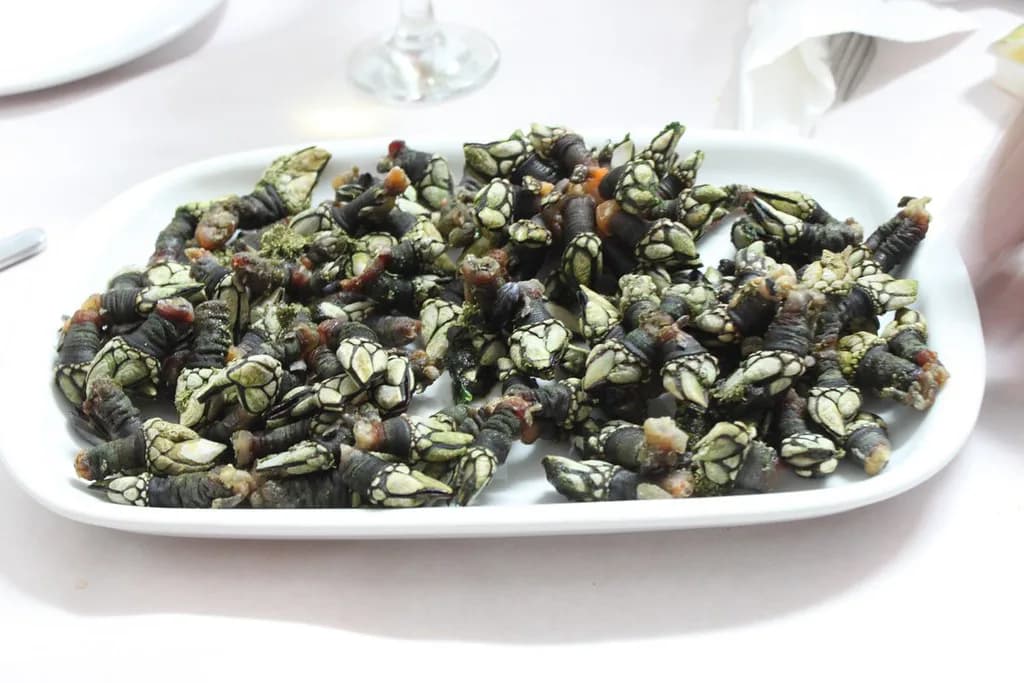
Portuguese Seafood: The Dishes to Order and How to Eat Them
A practical guide to Portuguese seafood, from bacalhau and polvo à lagareiro to cataplana and amêijoas à Bulhão Pato, with what each dish is and how to order it.
On this page
Order grilled fish, amêijoas à Bulhão Pato or polvo à lagareiro on your first evening and you will have the measure of Portuguese seafood. The kitchen is Atlantic rather than Mediterranean in emphasis: salt cod, clams, cockles, cuttlefish and octopus dominate, with premium shellfish sitting at the top of the bill. This guide names the dishes in Portuguese with an English gloss, explains how each is cooked and sold, and points to the coastal towns where a particular speciality makes most sense.
Budget travellers can eat very well on bacalhau à Brás, grilled fish or a plate of clams, while carabineiro, lagosta and cavaco belong to a different price tier. Knowing which dishes are everyday and which are premium — and asking what a portion weighs before ordering the expensive ones — stops the bill from becoming a surprise.
An Atlantic kitchen built on salt cod, shellfish and grilled fish
Portugal faces the Atlantic, and its cooking follows the cold water: sardines, cod, octopus, cuttlefish, clams and a long list of crustaceans. Portuguese food in general runs from rich seafood dishes and hearty meat stews to pastries, and the seafood half of that list is what most visitors come for. Names on a menu appear in Portuguese, so learning a dozen words — marisco for shellfish, peixe for fish, grelhado for grilled — pays off immediately.
Bacalhau, salt cod, is the anchor of the whole repertoire, cured with salt so it kept on long voyages and now cooked in dozens of ways. Shredded with onion, fried potato and egg it becomes bacalhau à Brás; as croquettes it appears as bolinhos de bacalhau at the start of a meal. If you want the wider picture of savoury cooking beyond the sea, the guide to traditional Portuguese dishes covers the meat and rice side of the menu.
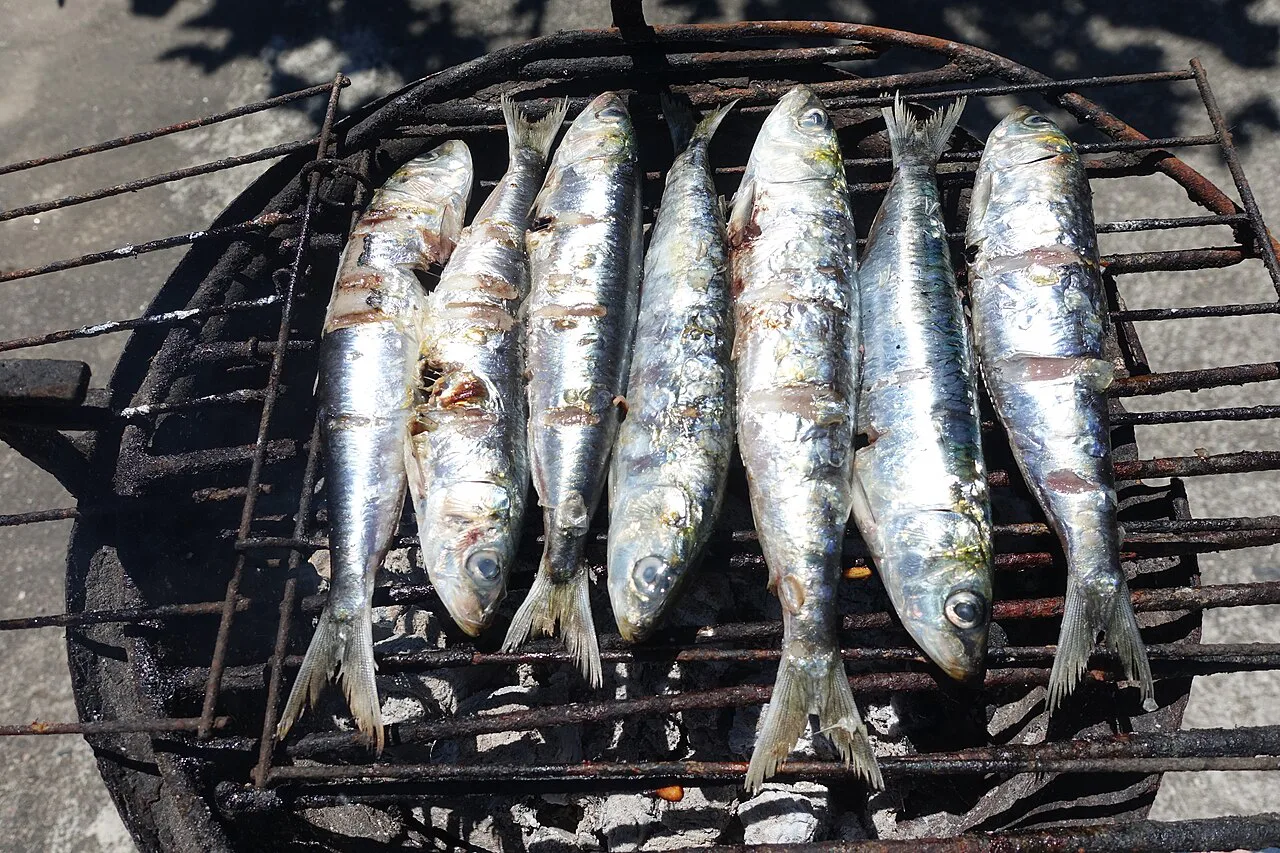
The dishes to know first: bacalhau, polvo à lagareiro and cataplana
Polvo à lagareiro is octopus baked or grilled with olive oil and usually potatoes, and it is one of the most rewarding things to order in Portugal. The octopus arrives tender rather than chewy when it has been cooked properly, and the dish is generous enough that two people can share it alongside a starter. Alongside bacalhau it is the safest introduction to Portuguese seafood for a nervous eater.
What kind of food do the Portuguese eat? Portuguese cooking runs from rich seafood dishes and hearty meat stews to pastries, with salt cod, shellfish, grilled fish and rice dishes playing a large part. Meat dishes such as arroz de pato and sandwiches like the bifana appear alongside, and these sit alongside the seafood rather than replacing it.
Does Portugal have good oysters? Portugal has a strong shellfish culture, and oysters are part of what you can find in a good marisqueira, though the Portuguese focus is more often on clams, cockles, percebes and prawns. If oysters matter to you, ask at a marisqueira rather than assuming they are on every menu.
What is the most expensive shellfish in Portugal? Cavaco, the slipper lobster, is described as rare and always expensive, while lagosta and lavagante sit at the top of the menu too. Premium shellfish are priced high, so the cost depends on the size of what you are served.
Cataplana de marisco takes its name from the hinged copper pan it is cooked and served in, and it is a stew of shellfish, often tomato, onion and white wine. It is built for sharing and arrives bubbling, so order one between two and add bread rather than a second main. For the fish version, cooked with white fish rather than shellfish, see this explanation of cataplana de peixe.
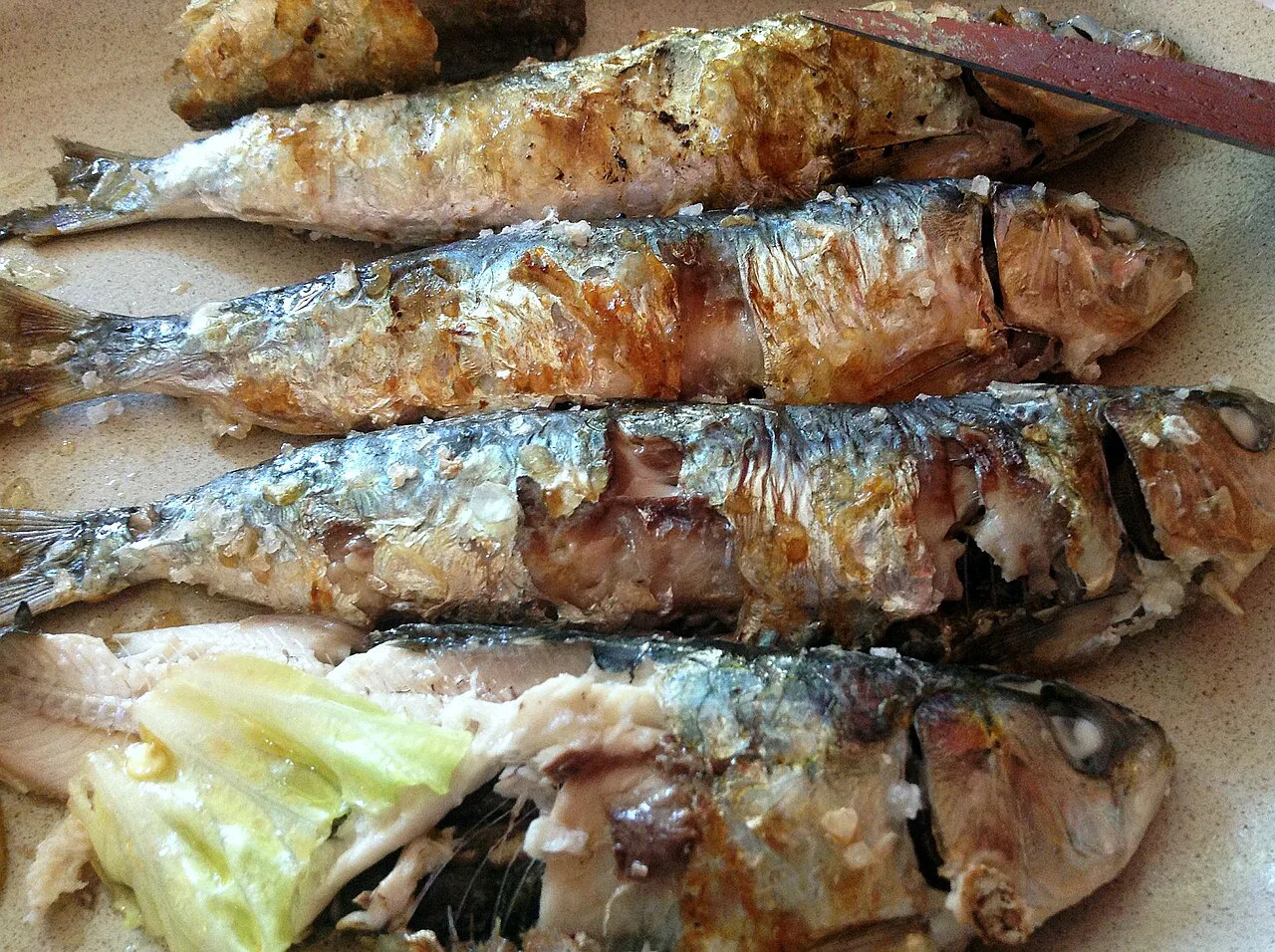
Clams and cockles: amêijoas à Bulhão Pato and the regional versions
Amêijoas à Bulhão Pato is the dish to order when you want something small and briny: clams opened in olive oil, garlic and coriander, mopped up with bread. It is a classic of Lisbon and the surrounding coast. Ask for meia dose, a half portion, if you are eating alone or saving room for a main.
Cockles, berbigão, are gathered by hand in the Aveiro estuary and the Ria Formosa in the Algarve, and each region has its own way with them. Around Aveiro they are served with onion, while the Algarve turns clams into xerém de amêijoa, a corn-based dish with clams stirred through. Ordering the local version is the easiest way to eat seasonally without studying a calendar.
Rice and bread dishes: arroz de marisco and açorda de gambas
Arroz de marisco is a wet, soupy seafood rice rather than a dry paella, and it is one of the most reliable dishes on any coast. It is usually made with prawns, clams and whatever else is good that day, and it is designed for two or more, so a single portion can be large. If you want a richer, more savoury rice, arroz de tamboril with monkfish is the other one to look for.
Açorda de gambas is a thick bread soup enriched with prawns, garlic and coriander, and it sits somewhere between a soup and a stew. It is a good order when you want something warming rather than grilled, and it is usually cheaper than the rice dishes. Both exist mainly in coastal restaurants, so a marisqueira or a family tasca is a better bet than a menu aimed at tourists.
Cuttlefish and squid: choco frito à Setubalense and grilled choco
Choco frito à Setubalense is cuttlefish cut into thick strips, battered, fried and served with lemon, and it is the dish to order in Setúbal. The local claim on it is strong enough that the town treats it as its own, and it works as a shared starter or a full plate with a salad. Grilled choco, choco grelhado, is the lighter alternative and usually appears simply with olive oil and lemon.
Squid and cuttlefish also appear fried with their own ink as choquinhos fritos com tinta, and in bean stews such as feijoada de chocos. These are the orders that show off how varied the family is: same animal, entirely different plate depending on the region. If you are building a meal around one coastal town, Setúbal is worth the detour for the fried version alone, and our guide to Setúbal restaurants covers where to eat it.
Premium shellfish: carabineiro, gamba, lagosta and lavagante
Carabineiro, the scarlet prawn, is a large, sweet prawn found in warmer Portuguese waters and served simply grilled in marisqueiras. Gamba, the rose shrimp, is fished in deep water and priced higher than ordinary prawns, which is why some kitchens swap in farmed camarão. Expect gamba in dishes such as açorda de gambas and as a star of arroz de marisco, so you will meet it as an ingredient as well as a standalone plate.
Lagosta, spiny lobster, and lavagante, European lobster, sit at the top of the seafood menu, and cavaco — the slipper lobster — is described as rare and always expensive. None of these is a budget dish, and prices vary with size and season. Treat them as a shared splurge: one lobster split between two, with clams and bread to start, is a better evening than a plate each.
Lapas and other rock-picked seafood
Lapas, or limpets, are one of Portugal's rock-picked seafoods, clamped to tidal rocks and harvested by hand. In Madeira and the Azores they are grilled with garlic and a little sauce and eaten as an appetiser. In the Azores you may also meet craca, a large native barnacle boiled in seawater with onion, parsley, garlic and piri-piri. Both are fiddly to eat and expensive for the amount of actual meat, so order them to taste rather than to fill up.
Conquilhas are small bean clams from the Algarve and Alentejo coast, best in conquilhas à algarvia, sautéed with olive oil, garlic, lemon and coriander. The Algarve also serves xerém de amêijoa, a corn dish with clams, which is the regional counterpart to the Aveiro cockles. Ordering the smallest shellfish on the menu is usually the cheapest way into the local cooking.
Small plates and snacks that start a seafood meal
Start with bolinhos de bacalhau, crisp salt-cod cakes, or a plate of clams, and you will rarely go wrong. A bifana or a prego belongs to the meat side of a tasca menu, but it is what many Portuguese eat at lunch when they are not having the fish. The guide to the bifana explains how the pork sandwich is built and ordered, which is useful if you are feeding a mixed group.
Finish with something sweet: the pastel de nata is the obvious choice at any pastelaria, and it costs little enough to become a daily habit. Portuguese pastries extend well beyond it, so if the seafood has been the main event, let dessert be a small one. The guide to Portuguese desserts covers the wider range of sweets to look for.
How seafood is priced by weight, and what that means for the bill
Plenty of Portuguese seafood carries a variable price rather than a fixed one, so the figure beside the dish may be a rate rather than the cost of your plate. That is why a casual menu can look cheap and a bill can still be high: a generous portion of carabineiro or a large cavaco weighs more than you expect. Ask what a portion weighs, or ask for a half dose, before you commit to a premium item.
The everyday tier is grilled fish, bacalhau à Brás, amêijoas and arroz de marisco, all of which are usually priced per plate. The premium tier is carabineiro, lagosta, lavagante and cavaco, where size and season do most of the work on price. Think of it as two menus in one restaurant and choose deliberately rather than ordering by description alone.
Where to eat it: marisqueiras and coastal towns
A marisqueira is a restaurant specialising in shellfish, and it is the best single word to look for when you want Portuguese seafood done properly. They are found all along the coast, from the surf at Matosinhos down to the Setúbal peninsula and the Algarve, and the best ones have a short, seasonal menu. Outside the coast, the same dishes appear in family tascas, often at lower prices.
Match the town to the dish: Setúbal for choco frito, Aveiro for cockles, the Algarve for conquilhas and xerém. That regional logic holds across Portugal and is a more reliable guide than any shortlist of restaurants. For the wider food picture beyond seafood, from arroz de pato to pastries, keep the Portuguese food guide handy while you plan.
How to order for one, two or a group without over-ordering
Portuguese portions are generous, and seafood dishes are often designed for sharing, so aim for one shared dish per two people plus a starter. A group of four can order a cataplana, a rice dish and a plate of clams and still have room for bread and a dessert between them. Asking for meia dose is normal and respected, especially for clams and petiscos.
One person eating alone should lean towards grilled fish, a half portion of amêijoas or a pastel de nata to finish rather than a full cataplana. If the menu lists weights, use them: a larger number is not always better value when the price is per kilo. Deciding on the split before the waiter arrives keeps the meal relaxed and the bill predictable.
Which seafood dish should you choose?
If you order one dish and want to judge a kitchen, order polvo à lagareiro or a plate of amêijoas à Bulhão Pato; if you want the local speciality, pick the dish named after the town you are in. Both routes reward asking about portion size and price before committing, particularly when the shellfish is premium.
Leave the lobster and cavaco for a shared occasion, and spend the rest of the trip eating clams, rice and grilled fish. That split keeps the budget honest and still covers the whole range of Portuguese seafood.
Explore more Portugal guides
Frequently Asked Questions
What kind of food do the Portuguese eat?
Portuguese cooking runs from rich seafood dishes and hearty meat stews to pastries, with salt cod, shellfish, grilled fish and rice dishes playing a large part. Meat dishes such as arroz de pato and sandwiches like the bifana appear alongside, and these sit alongside the seafood rather than replacing it.
Does Portugal have good oysters?
Portugal has a strong shellfish culture, and oysters are part of what you can find in a good marisqueira, though the Portuguese focus is more often on clams, cockles, percebes and prawns. If oysters matter to you, ask at a marisqueira rather than assuming they are on every menu. Availability changes by region and season, and supply is not guaranteed.
What is the most expensive shellfish in Portugal?
Cavaco, the slipper lobster, is described as rare and always expensive, while lagosta and lavagante sit at the top of the menu too. Premium shellfish are priced high, so the cost depends on the size of what you are served. Ask about the weight and price of a portion before you order.
Where should I eat seafood in Portugal?
A marisqueira is your best bet for shellfish, and they are common in coastal towns from Matosinhos to Setúbal and the Algarve. Outside those spots, a family tasca often serves the same dishes at lower prices. Match the town to the regional speciality rather than following a fixed list.
Sources
Notes for your next Portuguese break
Optional updates to our town guides.
You might also like



Continue reading
More guides you'll find useful




