Tavira Walking Tour: A Self-Guided Route Through the Old Town
Plan a self-guided Tavira walking tour: a three-hour route from the train station into the old town, with how the day fits together and where to add a beach.
On this page
A self-guided Tavira walking tour takes roughly three hours, beginning at the train station south-west of the centre and working through the old town on foot. That is short enough to fit into a one- or two-day break and leaves the rest of the day for a long lunch or a boat across the Ria Formosa. This guide sets out the route in walking order, how to follow it on your phone, and how to judge whether a guided walk is worth it instead.
Tavira sits on the Rio Gilão in the eastern Algarve, and the compact centre is what makes a walking route work here: the station is a short walk from the river, and the lanes, squares and church towers stack up within a small area. Plan the walk for the morning if you want shade and quieter streets, then decide over coffee whether to push on to the water or stop.
What a Tavira walking tour covers and how long it takes
Set aside about three hours for the station-to-centre route, including pauses at viewpoints and in squares. That figure does not include a museum visit, a proper lunch or time on the sand, so if you only have one full day in Tavira, this walk can be the spine of it and everything else hangs off the edges.
The route is short enough to walk in ordinary shoes, because the centre is flat riverside and gently rising lanes rather than hills. The main practical costs are sun and heat: the old town mixes exposed squares with shaded alleys, so carry water, wear something you can walk a few hours in, and treat the middle of a summer day as the time to be indoors or under an awning.
This is a route rather than a tick-list, which is the honest way to plan it: a short break rewards wandering, and the town's pleasures are the kind you stumble into. If you want the wider picture of what else fills a stay, our guide to things to do in Tavira sets out the options beyond the walk itself.
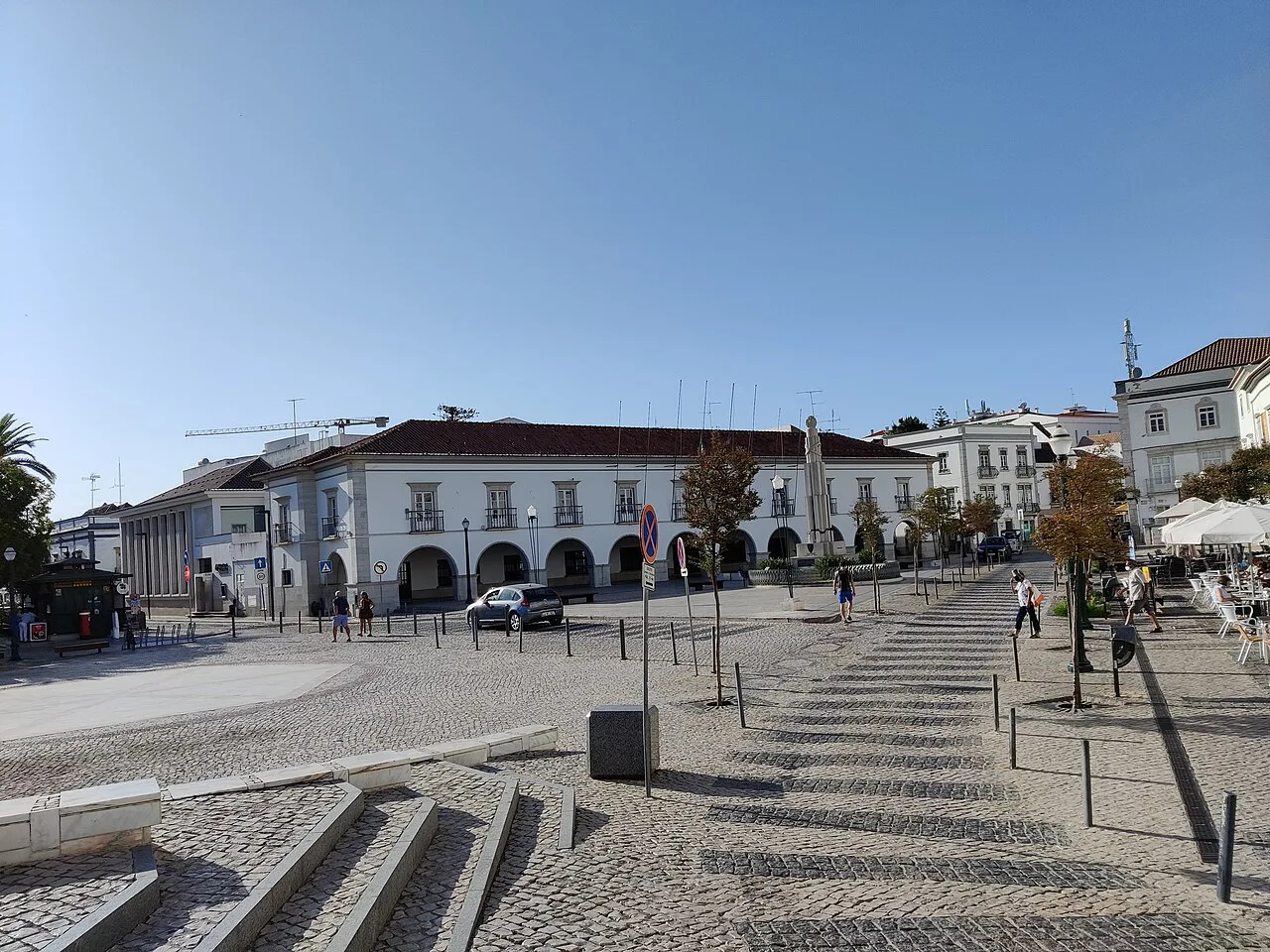
Where the route starts: the train station south-west of the centre
Start at Tavira train station, which sits to the south-west of the centre. Arriving by train puts you at the beginning of the walk with no backtracking, which is why this start makes sense for a day trip or a first morning; if you are staying in town, walk to the station first anyway, because the approach sets up the contrast between the modern edge and the old streets.
From the station, head towards the river and the centre. An independent Tavira travel guide publishes an interactive map for a three-hour walking tour that begins at the train station south-west of the centre, with the route laid out from the station inwards. Load it before you set off and use it as a handrail rather than a leash.
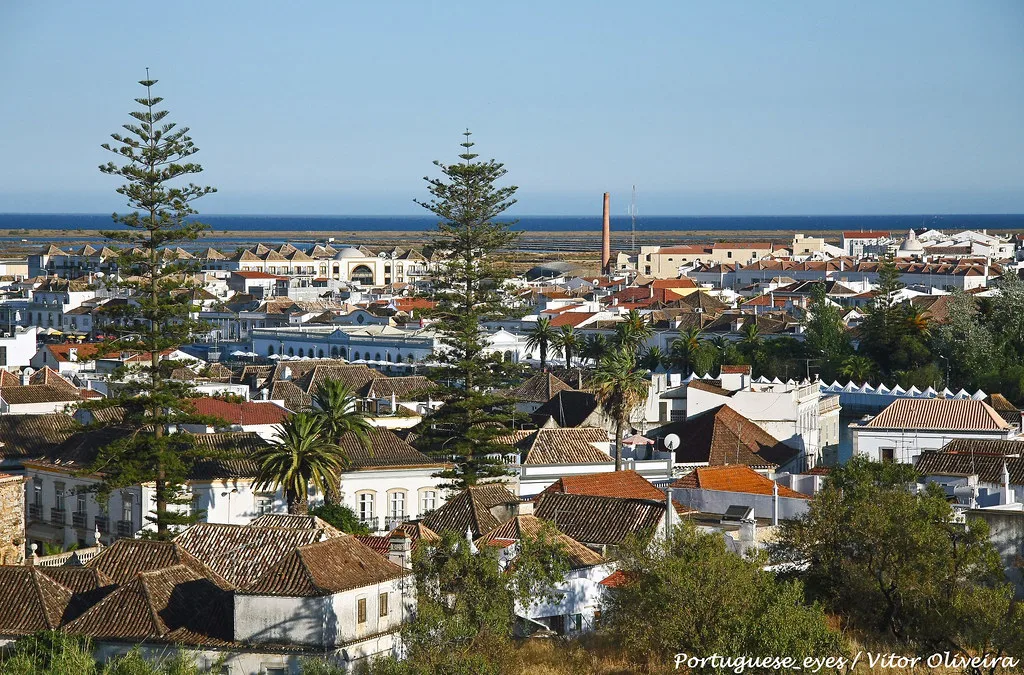
Stop-by-stop route through the old town
Once you reach the centre, the walk turns into the old town, where the streets narrow and the route becomes a sequence of small discoveries rather than set-piece sights. Give the first stretch over to orientation: find the river, follow it until the lanes pull you inland, and let the tiled fronts and iron balconies slow you down.
The old town is where the walk earns its time. Tavira old town is compact enough to cross in minutes but layered enough to hold you for an hour, with squares opening unexpectedly between streets. Our Tavira old town guide picks out what is worth pausing for, so use it as a companion to the walking order rather than a substitute for it.
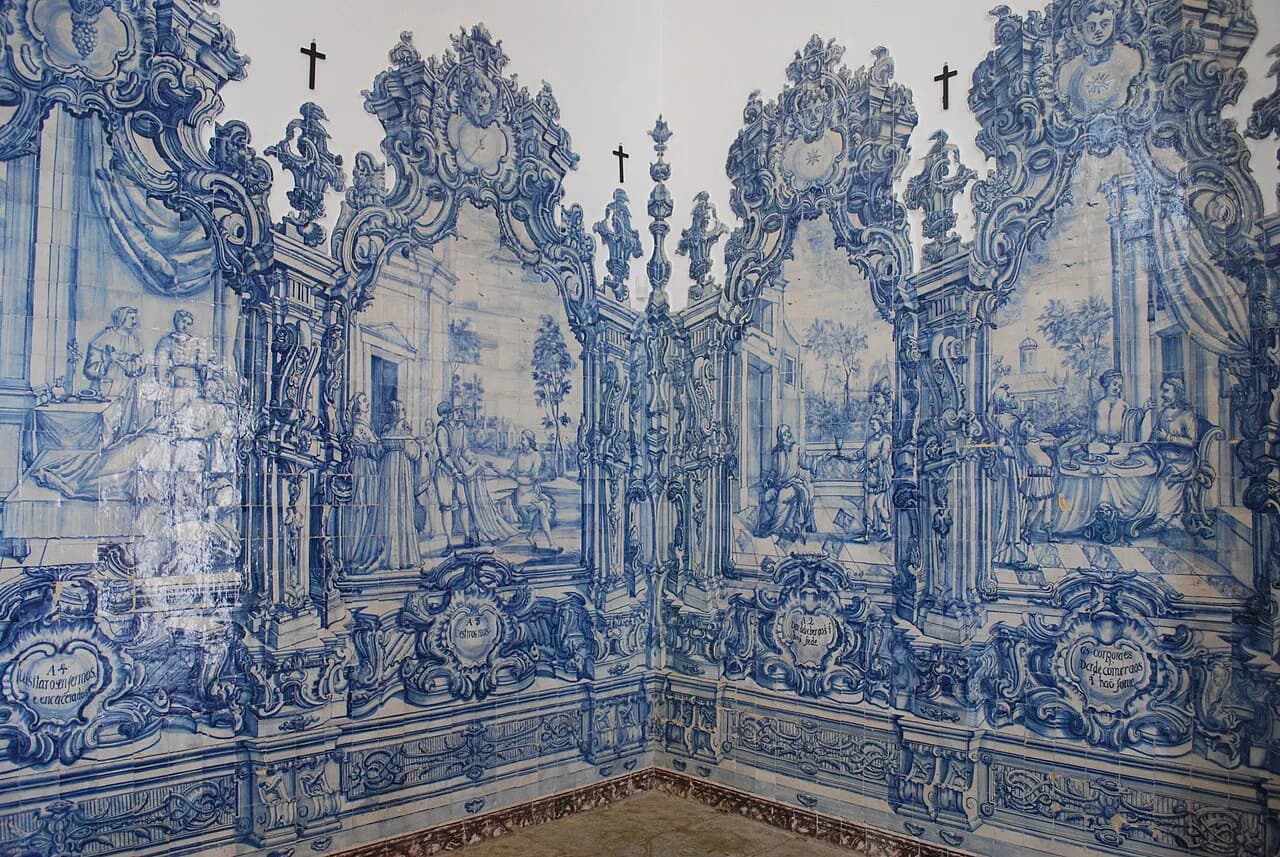
Keep half an eye on the buildings themselves as you walk. Azulejos in Tavira are part of the streetscape, on church fronts and house walls, and spotting them turns an ordinary lane into a small gallery. If tiles are your thing, the guide to azulejos in Tavira explains what you are looking at.
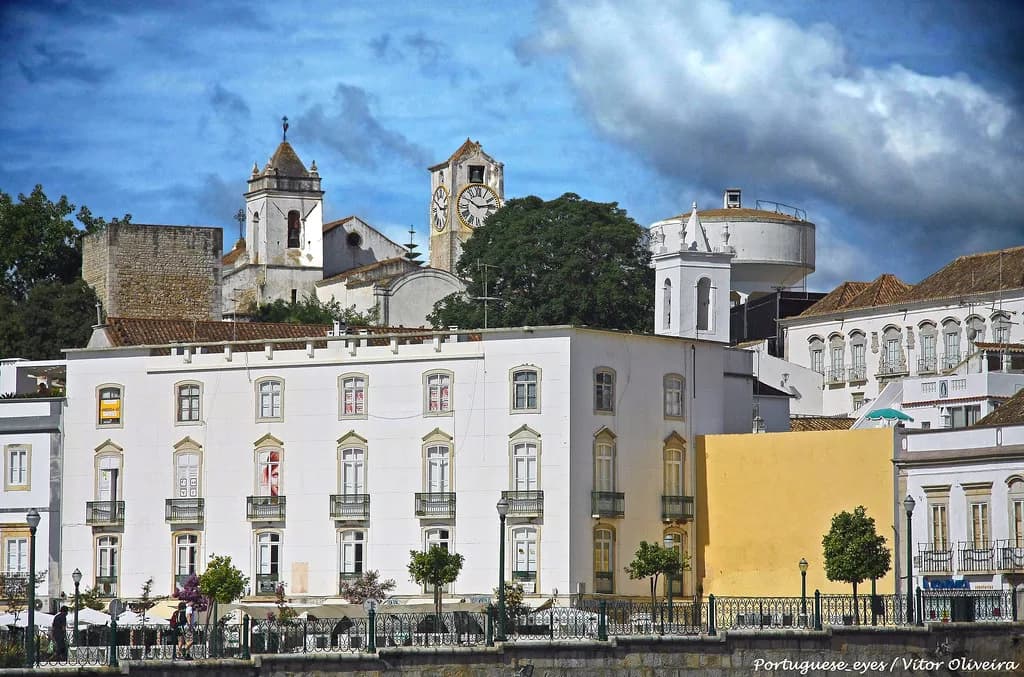
Two landmarks anchor the middle of the route: the castle on the high ground and the churches whose towers you will see from below. The Castelo de Tavira gives you the best orientation point in town, and the walk up is short enough to justify the detour even on a half-day.
If you want to break the walk with something indoors, choose one sight rather than several, because a museum will eat the time you budgeted for the streets. Museums in Tavira tend to be small and focused, so one is enough for a short break; check opening days before you build the walk around a visit, since Portuguese museums commonly close one day a week.
The market is the natural mid-walk stop for fruit, water and a look at what is in season. Mercado Municipal de Tavira is the kind of place where you provision for the rest of the route rather than sit down for a meal, so a light bag and a full water bottle carry you through.
Crossing the river and the views back over the rooftops
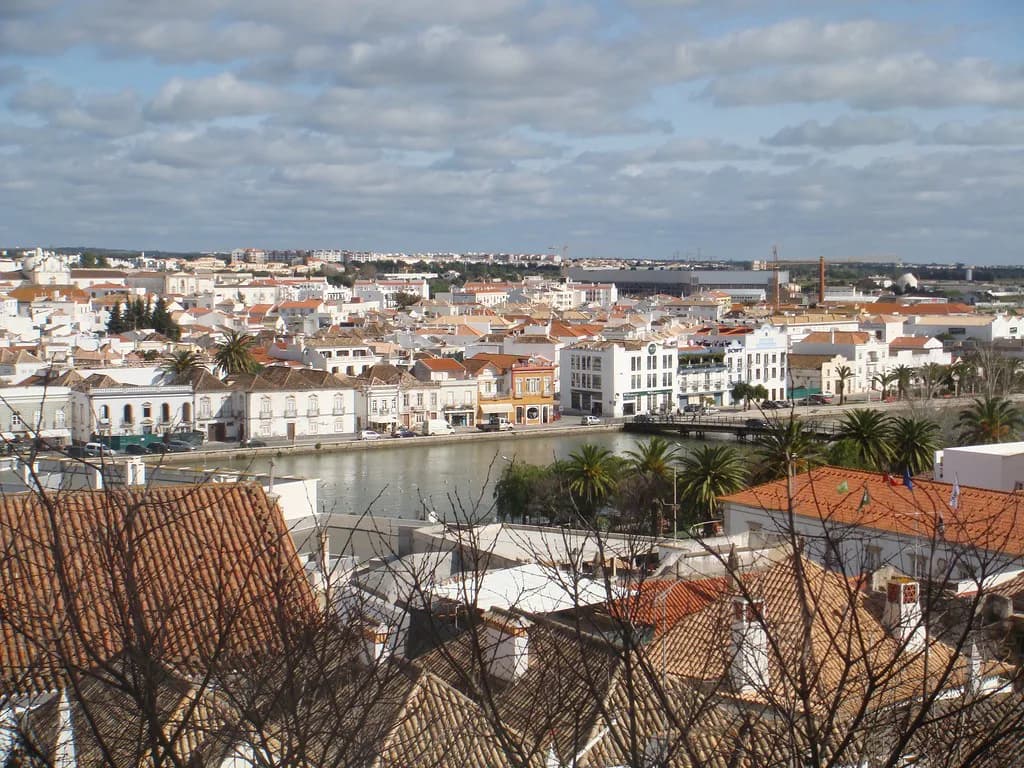
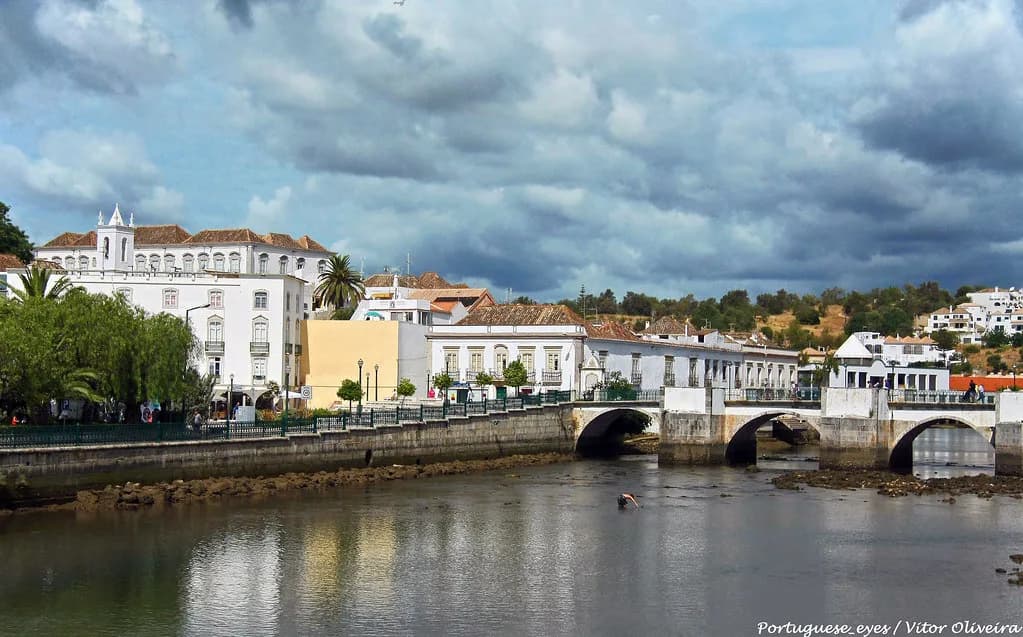
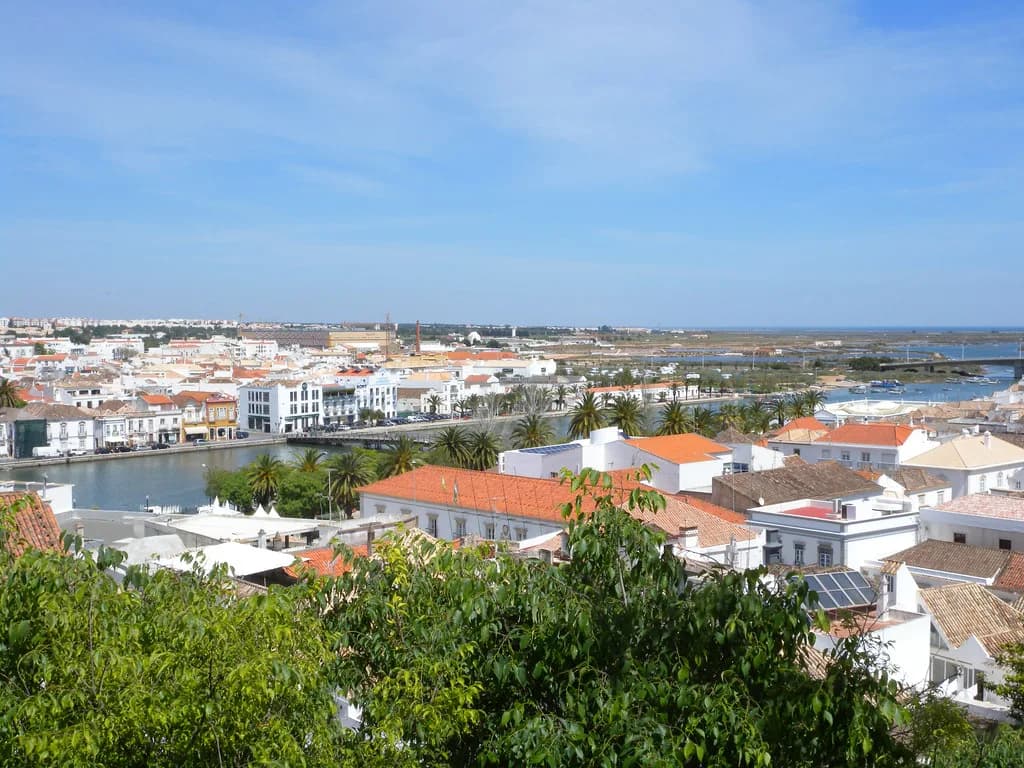
Cross the Rio Gilão and turn back to look at the town from the far bank. The view is the payoff of the route: rooftops, church towers and the water in one frame, with the old town legible as a whole for the first time. Time it for late morning or late afternoon, when the light is softer and the stone reads better.
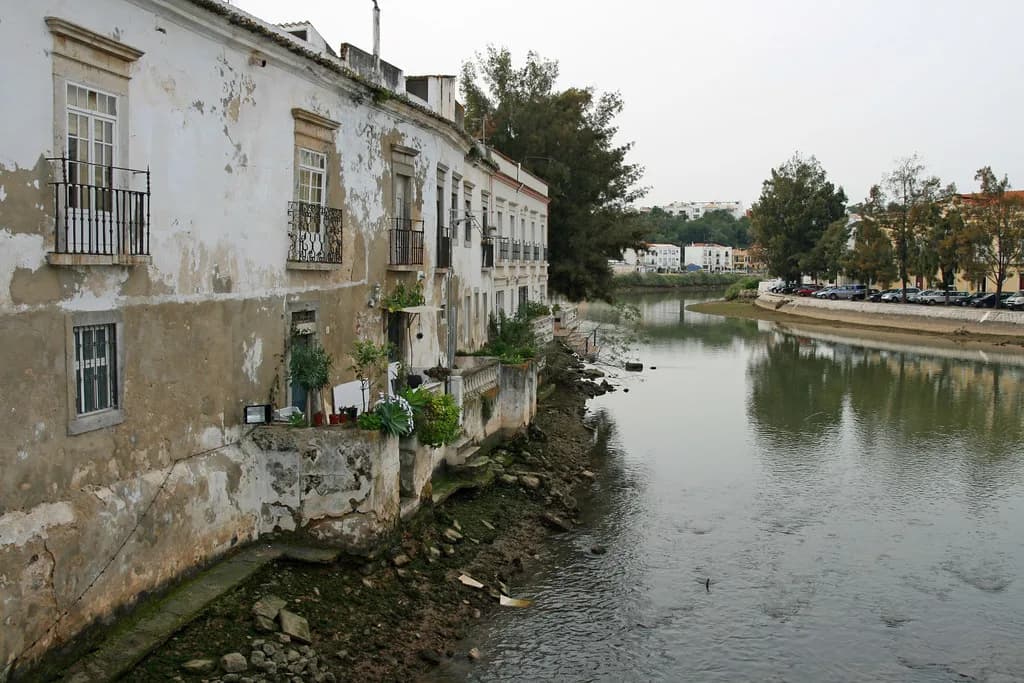
The river crossing is also where Tavira's history is easiest to see, from the bridges to the buildings that line the water. The old bridge is the natural place to pause and read the town from the outside in, and our Tavira history guide fills in what you are looking at without turning the walk into a lecture.
If the water has you thinking about getting onto it, a Tavira boat trip across the Ria Formosa is the obvious add-on and takes you out among the sandbanks and channels. Keep it as a separate outing rather than squeezing it into the three-hour walk, so the town and the lagoon each get their own time.
How to walk it yourself with a map on your phone
Download the map before you leave your accommodation, because a route that depends on a live signal is a route that fails in a thick-walled alley. Keep the interactive map for the three-hour tour open, and a screenshot of the first section is worth taking as backup. Portuguese street names repeat across the Algarve, so check you are on the right Rua before committing to a direction.
Walking with a phone in hand is fine for orientation but poor for atmosphere, so use it in bursts: check at junctions, then put it away for the length of a street. If you get lost, follow the river; it will bring you back to the centre, and that single rule removes most of the stress from a self-guided route.
Adding a beach to the end of the walk
Tavira's beach sits across the lagoon, so it is an add-on to the walk rather than a stop on it. Finish the town route, then decide whether you still have the afternoon and the energy for the crossing; the Tavira boat trip guide covers how that crossing fits together.
Be realistic about the trade-off. A morning walk plus an afternoon on the sand is a good full day, but it leaves no room for a museum or a long lunch, so if you are in Tavira for two days, split them: walk and town on the first, beach and lagoon on the second. Our Tavira attractions hub brings the main options together when you are weighing up the order.
Guided versus self-guided: which suits a short break
Self-guided wins for most short breaks, because you control the pace and can stop when something catches your eye. An interactive map for the three-hour route from the station is published online, and a phone map is enough for a town this compact. Guided walks suit travellers who want commentary on what they are seeing and are happy to hand over the schedule.
Guided walking holidays in the eastern Algarve exist, but they are multi-day packages rather than an afternoon tour of Tavira, and their prices have nothing to do with the cost of a town walk. One operator lists an eight-day Algarve walking holiday that features Tavira, which tells you the format is a week-long trip with a guide and group, not a two-hour city stroll.
The middle path is a town walk with a good guidebook or a downloaded route, plus one paid visit where the commentary matters most, such as a church or a small museum. Churches in Tavira are often the places where a little context pays off, and our churches guide covers what to look for.
Should you walk Tavira or save your legs for the lagoon?
Walk it. The three-hour route from the train station through the old town is the best-value introduction to Tavira and the easiest thing to fit into a one- or two-day break. Finish on the far bank of the Rio Gilão with the rooftops behind you, and decide there whether the afternoon belongs to the lagoon or to a long lunch.
If you have more time, build the second day around the water and the third around the town's smaller sights. Browse the Tavira Attractions: 7 Visitor Guides for the wider set of places to slot in around the walk.
Frequently Asked Questions
How long does a Tavira walking tour take?
The self-guided route from the train station through the old town is planned as about three hours, including pauses at viewpoints, squares and the river. That does not count a museum visit, a sit-down lunch or time on the beach across the lagoon, so add those on top when you are planning the day.
Are there beaches in Tavira?
Yes, but the beach is across the lagoon rather than in the town centre. The usual approach is to finish the walking route and then take a boat crossing to the island. Treat it as a separate half-day rather than a stop on the walk.
Do I need a guide to walk Tavira?
No. The centre is compact and flat enough to walk without one, and an interactive map for the station-to-centre route is published online. A guide adds commentary rather than access, so choose one only if you want the stories behind the buildings.
What should I take on a walking tour of Tavira?
Water, comfortable shoes and a downloaded map, since the centre is bright and the alleys can swallow a phone signal. Bring a light bag and buy fruit or a refill at the market mid-route rather than carrying a heavy pack from the start.
Sources
Notes for your next Portuguese break
Optional updates to our town guides.
You might also like

Continue reading
More guides you'll find useful