Vegan and Vegetarian Food in Viana do Castelo: Where to Eat
Where to find vegan and vegetarian food in Viana do Castelo, which Portuguese dishes are naturally meat-free, and how to order without the fuss.
On this page
Viana do Castelo is workable for vegans rather than spectacular. A short list of vegan-friendly restaurants and cafés serves dedicated vegetarian and vegan menus, while the town's traditional tascas lean heavily on bacalhau (salt cod) and pork, so picking your table deliberately matters more here than in a big city. This guide names the venues that appear in vegan-friendly listings, lists naturally meat-free Portuguese dishes and gives the phrases that get a meat-free meal onto the table.
Think of it as a two-track town. For one or two meals a day you can eat well on vegetables, beans, rice and egg-based pastries; for the rest, you are steering a traditional menu towards its meat-free corners. Plan your day around the sights with our guide to things to do in Viana do Castelo, and slot lunch into the parts of town where the meat-free options cluster.
What vegan and vegetarian eating in Viana do Castelo is actually like
Portuguese cooking in this part of the Minho is built on fish, pork and offal, and the classic restaurant menu reflects that. Vegan-friendly listings in Viana do Castelo are a short list rather than a long one, and the dedicated vegetarian and vegan menus sit mostly in cafés, lounges and modern restaurants rather than in old-school tascas. Set your expectations accordingly: one good vegan-friendly meal a day plus market and bakery food in between is a realistic rhythm.
A dedicated meat-free menu is the single most useful signal when choosing where to eat, because it means the kitchen has thought about the dish rather than removing the fish from it. A plate of grilled vegetables or a salad without protein is the usual fallback in places without one. Check current menus on HappyCow before you commit to a neighbourhood for the evening, since listings change.
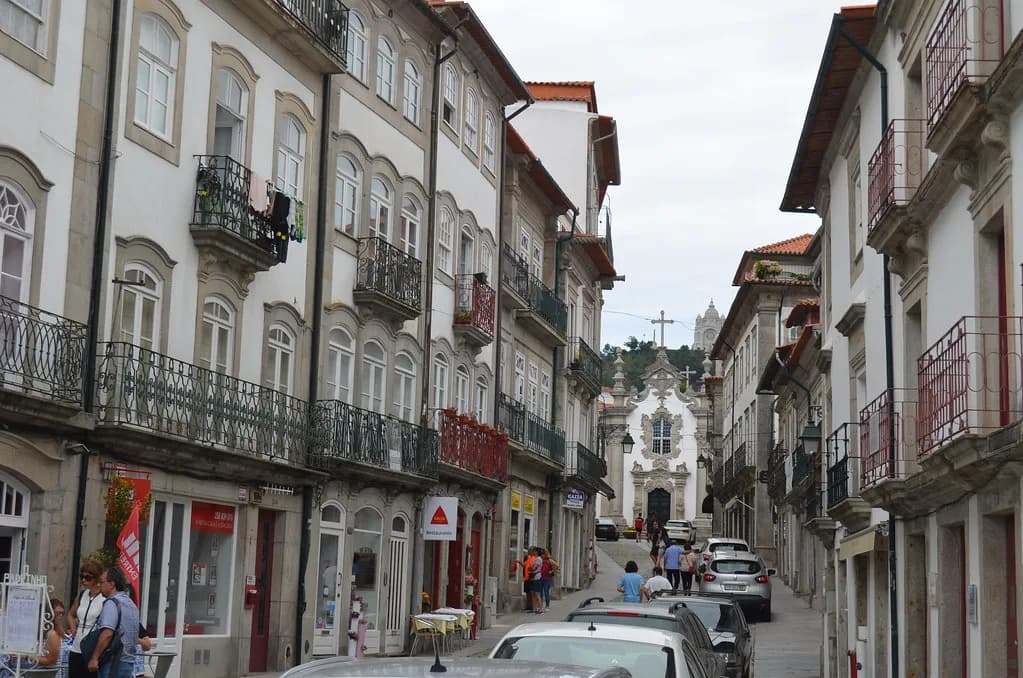
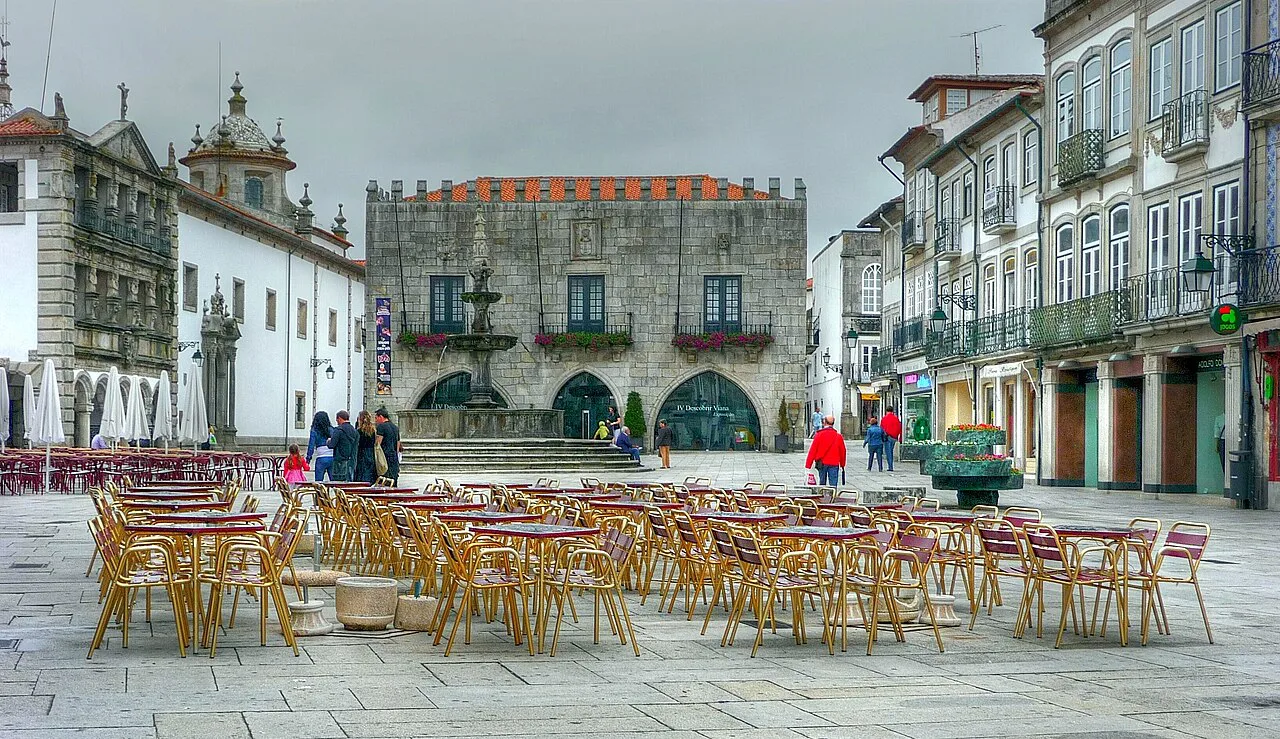
Where you wander shapes this too. The Viana do Castelo old town puts you within a short walk of the café and restaurant cluster around Praça da República, which keeps a meat-free lunch easy to reach between sights. If you base yourself further out towards the beach, budget for a walk or a short taxi ride at mealtimes.
Places to eat that serve vegetarian and vegan menus
Three vegan-friendly names appear in Viana do Castelo restaurant listings: Cerqueira's Lounge & Restaurant, Irish&Co. and Tasquinha Da Praça. All three are listed as vegan-friendly rather than as fully vegan kitchens, so expect a mixed menu with meat-free choices rather than a plant-only bill of fare. Treat a listing as a starting point rather than a promise and check the menu on arrival.
For brunch, sandwiches, snacks and drinks in a relaxed setting, a Viana do Castelo café serves a dedicated vegetarian and vegan menu with plenty of dishes on it. That makes it a strong pick for a late breakfast or a light lunch between the cathedral and the riverfront, and a comfortable choice if one of your group is not vegetarian at all.
Use a directory such as HappyCow to map these places onto your day, because it shows what is near your route rather than what is best in the abstract.
Naturally meat-free Portuguese dishes to look for on menus
Several Portuguese staples are vegetarian by default, and knowing their names is the fastest way to eat well without a special menu. Caldo verde, a kale and potato soup, is the reliable opener, though it is often finished with a slice of chouriço, so ask for it without. Caldo de legumes (vegetable soup), arroz de legumes (vegetable rice) and grelos (turnip tops) braised in olive oil are all common meat-free plates.
Portuguese petiscos (small plates) suit vegetarians well: olives, marinated carrots, chickpea salad, grilled peppers and sheep's cheese with pumpkin jam are easy to assemble into a meal. Feijão frade salad, made with black-eyed beans, onion and parsley, appears on many menus and is naturally vegan. Watch for tuna in salads and fish stock in rice dishes, which are the two most common non-vegetarian surprises.
At the market, fruit, nuts, bread and cheese make a simple picnic, and a browse is worth building into your morning before the day's sights. Pair lunch with our guide to the Viana do Castelo market if you want to shop for a meat-free spread rather than sit down.
How to order a meat-free meal in a Portuguese tasca or pastelaria
In a traditional tasca, the kitchen will usually accommodate you if you are specific. Say you do not eat meat, fish, eggs or dairy as applicable, and ask what can be made without them; a simple grilled vegetable plate, a bean stew without sausage or a plain omelette is often possible. Avoid asking for 'the vegetarian option', because many small kitchens do not have one.
If a dish is described as having no meat, still ask about stock and toppings, which is where fish and cured pork sneak in. A pastelaria is easier: pastries, breads and coffee are served quickly and you can point at what you want. At peak lunch hours, order early, as the meat-free dishes are the ones most likely to run out.
For a sit-down meal, a restaurant with a printed vegetarian or vegan menu removes the guesswork entirely and is worth a slightly longer walk. It also makes ordering simpler for a group where only one person is meat-free.
Breakfast, snacks and pastries that are usually meat-free
Portuguese breakfast is where vegetarians eat best. A pastel de nata, a toasted sandwich, a bread roll with butter and a galão (milky coffee) or bica (espresso) cover most mornings, and a pastelaria will have several items that are meat-free by default. Fruit, yoghurt and cereal also appear in cafés that serve brunch.
For snacks, look for queijadas, rice cakes, almond tarts and simple bread with cheese; the Algarve-style pastries are less common here than the northern, egg-rich ones. Vegan pastries are harder, since butter and eggs are standard, so fruit, nuts and bread from a bakery are the safer bet. Carry something with you on days when lunch falls between sights.
If you are planning a full day out, combine a bakery breakfast with a proper lunch stop rather than relying on snacks until evening. Time the day so you are back in town for a sit-down meal.
Eating out with a non-vegetarian companion
Mixed groups do well here. The traditional restaurants that suit meat-eaters also tend to be the ones where a plate of grilled vegetables, rice and salad can be assembled on request, so nobody has to compromise on the whole meal. Pick a restaurant with a broad menu rather than a specialist vegetarian one, and check that it has at least one substantial meat-free plate before you sit down.
A vegan-friendly lounge or café with a full vegetarian menu is the easier shared choice, since both the meat-free and the meat-eating diner get real choice. Save the old-school tasca for a lunch where you are happy with soup, bread, olives and a vegetable plate, and book the more flexible place for dinner.
Common ordering phrases in Portuguese
A few phrases carry most of the load. 'Não como carne' means I do not eat meat, 'nem peixe' adds nor fish, and 'sem carne, por favor' asks for a dish without meat. For dairy, 'sem queijo' means without cheese and 'sem leite' without milk; for eggs, 'sem ovos'. Asking 'tem algum prato vegetariano?' means do you have a vegetarian dish.
Two more worth knowing: 'tem carne?' asks whether a dish contains meat, useful for soups and rice, and 'é feito com caldo de peixe?' asks whether it is made with fish stock. Write the phrases on your phone; in a busy tasca, showing them is faster than repeating them. Staff are used to dietary requests and will usually tell you plainly what can be done.
Costs and portion sizes to expect
Portuguese portions are generous and prices are moderate by northern European standards, but check prices at the door or on the menu board rather than assuming them. A meat-free meal assembled from soups, petiscos and a rice dish usually costs less than a main course of fish, and a pastelaria breakfast is the cheapest way to start the day.
Portion sizes mean you can often share a starter and a main between two people, which keeps costs down and lets you try more. In a tasca, bread, olives and cheese brought to the table are usually charged, so ask if you are unsure whether they are complimentary. For a full day of eating, plan on a bakery breakfast, a sit-down lunch and a light supper rather than three restaurant meals.
Which part of town should you book your meals around?
Base your eating plan on the centre. The café and restaurant cluster within a short walk of Praça da República gives you the best chance of a meat-free lunch between sights, with the old town's streets and the riverfront close by. A dedicated vegetarian menu is worth a slightly longer walk for dinner, especially if you are travelling with a meat-eater who wants a proper Portuguese meal.
Build the day around one reliable meat-free meal and fill the gaps with bakery breakfasts, market picnics and petiscos. Check menus and current opening days a day ahead, and keep a shortlist of two or three places rather than pinning everything on one.
Explore more Viana do Castelo guides
Sources
Notes for your next Portuguese break
Optional updates to our town guides.
You might also like

Continue reading
More guides you'll find useful