Is Viana do Castelo Worth Visiting? An Honest Answer
Yes, Viana do Castelo is worth visiting if you want a laid-back northern city with a hilltop sanctuary, a historic centre and a river setting.
On this page
Yes, Viana do Castelo is worth visiting, but for a specific kind of short break. It is a compact, walkable northern city built around a river, a historic centre and a hilltop sanctuary rather than a checklist of blockbuster sights. If you want atmosphere, a few strong viewpoints and a gentle pace, it delivers.
This guide gives a straight verdict, sets out a realistic day on foot, and explains when a second day earns its keep. It also names who should skip the city and how it compares with a day trip from Porto. Our things to do in Viana do Castelo picks sit behind the sections below for anyone who wants more detail on individual sights.
The short answer: what Viana do Castelo does well
Viana do Castelo appeals through its setting and its scale. The city sits beside the Lima River, with a beach within reach, and the historic centre is small enough to cover on foot without planning transport. That combination sets expectations for a northern Portuguese short break built around a riverfront and a compact centre rather than a long list of ticketed sights.
What it does not do is overwhelm you. There is no single museum you must queue for and no dense monument trail to tick off. Travellers who treat it as a relaxed base with one headline excursion up the hill tend to get the most from it; those hunting a packed sightseeing schedule may find a day enough.

What you actually see in a day: the historic centre and the Sé
Start in the centre. The historic heart clusters around the main square, where a fountain sits at the middle of a space ringed by old buildings and where much of the city's public life happens. The Santuário de Santa Luzia, the Gil Eannes ship and the city's churches and cathedral rank among the attractions most often recommended to visitors.
The Sé, the city's cathedral, sits at the heart of the centre and is easy to reach on foot. It remains an active place of worship, so expect services at times and quiet rather than a museum-style visit; step inside when the doors are open rather than planning your day around it.
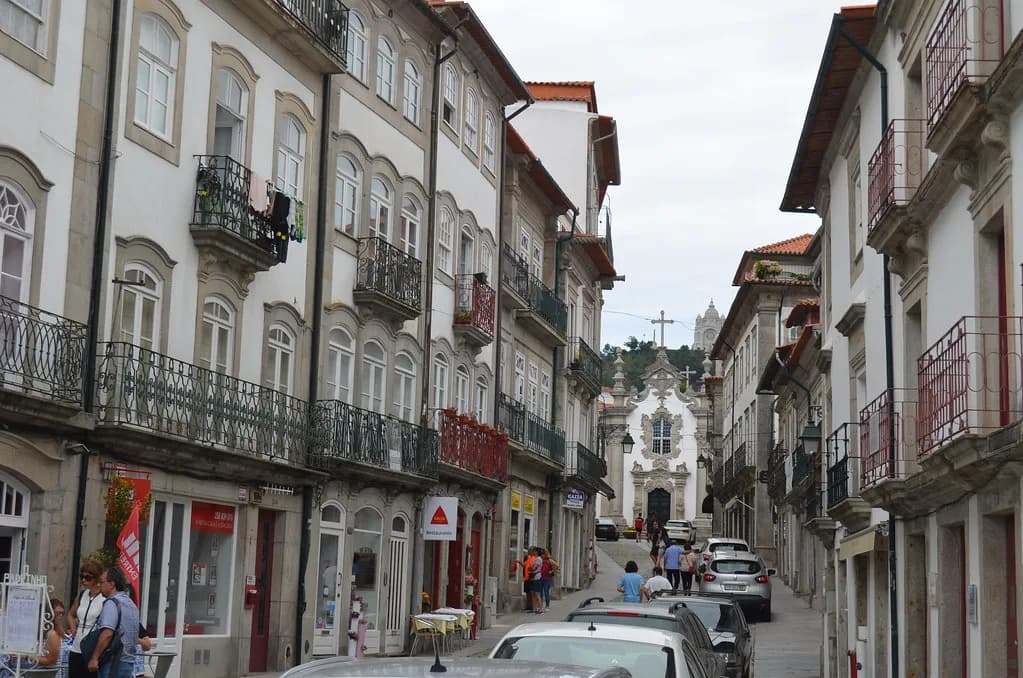
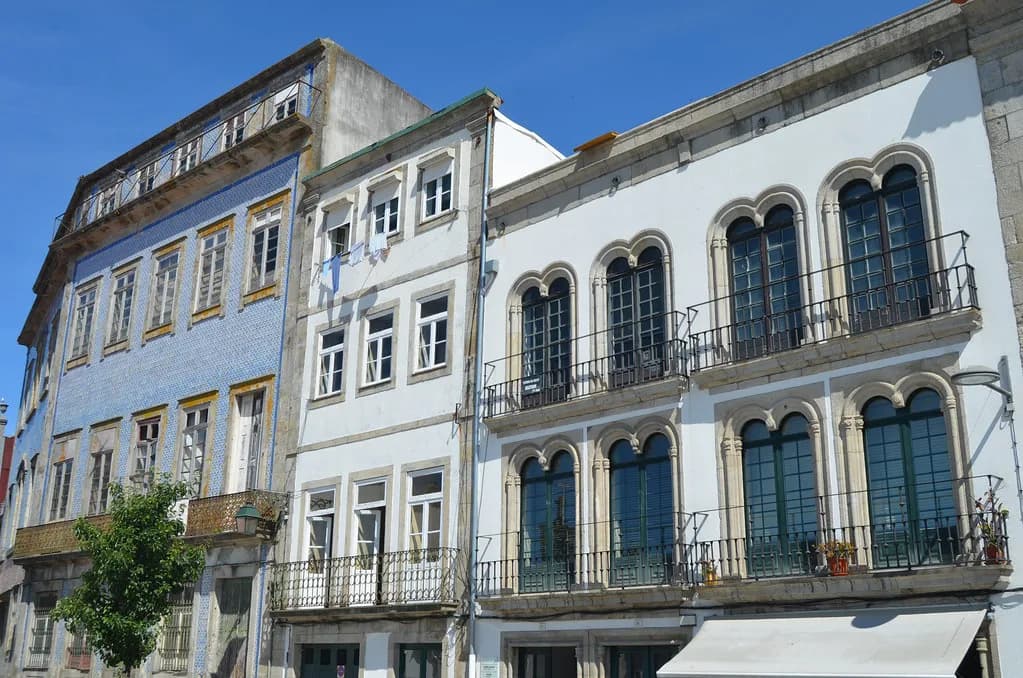
From the square, wander without a fixed route. The lanes around the Praça da República hold the tiled façades, small shops and cafés that give the centre its character, and half a day disappears quickly if you let it.
The Santa Luzia hilltop: sanctuary, funicular and the view
The hilltop sanctuary is the decision that defines a visit. The Elevador de Santa Luzia, a funicular, runs from beside the main railway station up the hill to the Sanctuary of the Sacred Heart of Jesus, so you can start the day at the top with minimal effort. Take it up and walk down the steps if your knees allow; the descent is the more rewarding half.
The payoff at the top is the view: the city spread out below, the river beyond and the coast in the distance. The church exterior and surrounding park are the main draw, and the plateau is exposed, so bring a layer even on a mild day. The sanctuary interior may be closed when you arrive, so treat it as a bonus rather than the reason for the climb.
Check the funicular's operating times before you rely on it for the return leg, because it does not run late into the evening. If you are short on time, a return ticket saves the walk in both directions; for the full experience, buy a single and take the steps down.
The Gil Eannes ship and the waterfront
The waterfront is where the city's maritime past comes into focus. The Gil Eannes, a former hospital ship now moored as a museum ship, is one of the attractions visitors rate highest, and it sits close to the river bank near the old port area. Pair it with a walk along the river rather than treating it as a standalone stop.
From there, the Centro de Mar and the Museu do Traje give context on the city's relationship with the water and with the costumes that still appear at festival time. The Forte de Santiago da Barra anchors the northern end of the waterfront walk. Together these fill an afternoon comfortably.
How many days Viana do Castelo needs
One full day is enough to see the centre, ride up to Santa Luzia and walk the waterfront, provided you start reasonably early and do not linger too long over lunch. A couple of days suits travellers who want to slow down, add a museum or two and spend an evening in the old town rather than rushing back to Porto.
If you are weighing up a stay, the city is easy to walk and easy to reach by train, which makes an overnight stop simple to organise. The main square and the historic core are close to the station, so you are not losing a morning to transfers.

Who will love it and who should skip it
Viana do Castelo rewards travellers who like small cities with a strong sense of place: couples on a short northern break, walkers happy to climb for a view and anyone who prefers a lively square to a museum queue. The festival atmosphere in the centre, with music and processions at the right time of year, adds to that appeal for some visitors.
Skip it if you want blockbuster museums, dense monument-hopping or a purely car-free beach holiday. The city delivers atmosphere and a hilltop excursion rather than a long list of ticketed sights, and beach time is limited to the edge of town rather than being the reason to come.
Getting there and getting around without a car
The railway station sits within a short walk of the main square, which makes the train the simplest option if you are coming from Porto or elsewhere in the north. The city itself is compact and walkable, so you can leave the car at home and still cover the centre and the waterfront on foot.
If you do drive, plan your parking in advance and check the charges for the car park you choose before leaving the car. The funicular starts beside the station, which makes the hill the first and last stop of a car-free day.
Where Viana do Castelo fits against a Porto day trip
Viana do Castelo makes a viable day trip from Porto, and the train connection keeps the journey simple. But the honest answer is that the city rewards an overnight stay: the hilltop, the waterfront and the old town together fill a day comfortably, and an evening in the centre is part of the experience rather than a bonus.
Treat it as a destination in its own right rather than a footnote to Porto. If you only have a day, ride the funicular first, walk the sanctuary plateau, then descend through the centre to the river before heading back.
Should you add Viana do Castelo to your northern itinerary?
Yes, if your idea of a short break is a walkable city with a strong viewpoint, a river at its edge and enough cafés and squares to fill an unhurried day. Book one night rather than a rushed day trip, and put the Santa Luzia climb at the top of your list.
Leave it out if you want big museums and a packed sightseeing programme. The city is honest about what it offers: atmosphere, scale and a hilltop view, with no need to tick off a long list.
Explore more Viana do Castelo guides
Frequently Asked Questions
Is Viana do Castelo worth visiting for a day?
Yes, a day covers the historic centre, the funicular up to the Santa Luzia sanctuary and a walk along the waterfront. Start early and ride up first, then descend through the old town on foot.
How long do you need in Viana do Castelo?
One full day is enough for the main sights, and a second day lets you slow down, add a museum and spend an evening in the centre. The city is compact and walkable, so you will not lose time on transport.
What is there to do in Viana do Castelo?
The main draws are the historic centre and cathedral, the Santa Luzia sanctuary with its funicular, the Gil Eannes museum ship and the riverfront. Most of these sit within walking distance of each other.
Do you need a car to visit Viana do Castelo?
No. The railway station is a short walk from the main square and the funicular, and the centre is compact enough to cover on foot. If you drive, check parking charges in advance.
Sources
Notes for your next Portuguese break
Optional updates to our town guides.
You might also like


Continue reading
More guides you'll find useful