
Museu do Traje, Viana do Castelo: A Visitor's Guide
The Museu do Traje is worth an hour of a short break in Viana do Castelo, especially if you want to understand what the women in black and gold at August's Festas d'Agonia are actually wearing. It sits on Praça da República in the heart of the old town, so it slots easily into a morning of sightseeing.
This guide covers what is inside, how the floors are arranged, how long to allow and what to see nearby. Opening hours and ticket prices are not stated here; confirm them with the museum or the municipal tourism office before setting out.
Why the Museu do Traje matters in Viana do Castelo
The costume of Viana do Castelo is one of the most recognisable folk traditions in northern Portugal, and the Museu do Traje exists to preserve it. Its collection runs to around 900 pieces, covering work dress, Sunday best, festive costume and the black bridal outfits that have become the town's signature. Seeing the real garments close up makes far more sense of the parades and festival crowds than any photograph.
The museum also covers the wider rural culture of the Alto Minho, with temporary exhibitions and educational activities alongside the permanent costume displays. If you are in town during the Romaria de Nossa Senhora da Agonia in August, the Festa do Traje brings the collection to life in a colourful procession; outside festival time, the museum is the place to see the same costumes in detail.

Where the museum is: Praça da República, near the train station
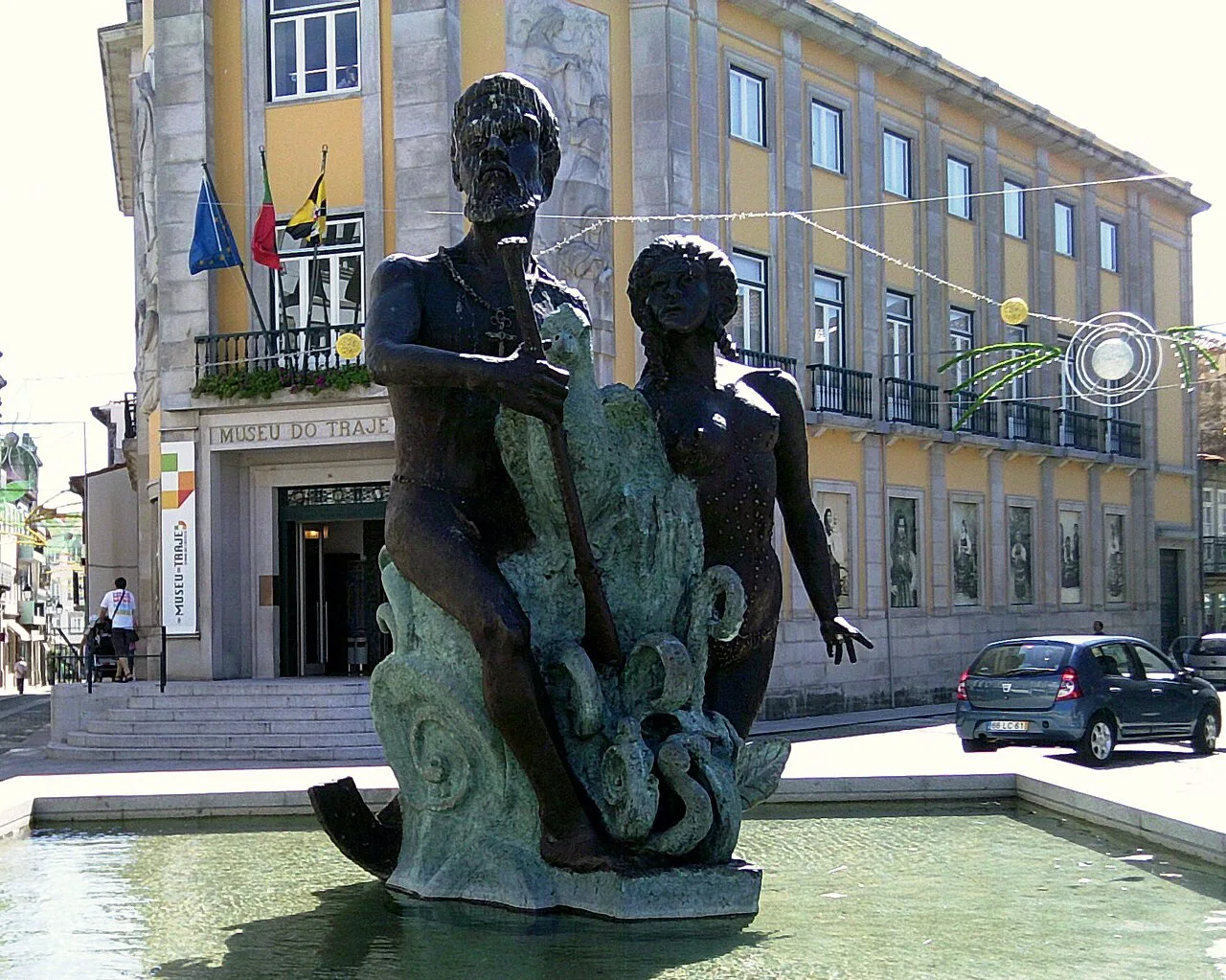
The Museu do Traje stands at 58 Praça da República, a square in the centre of Viana do Castelo. That position puts it among the easiest sights to reach on foot through the old centre, and it is surrounded by cafés and shops rather than set apart in a museum district.
The museum spreads across four floors, with each level given over to a different aspect of the costumes. Because the building is compact, you can work through it without the fatigue that sets in at larger museums. The layout means you can see the festive dress first and then descend to the gold room, which suits a short visit.

How to get there and how much time to allow
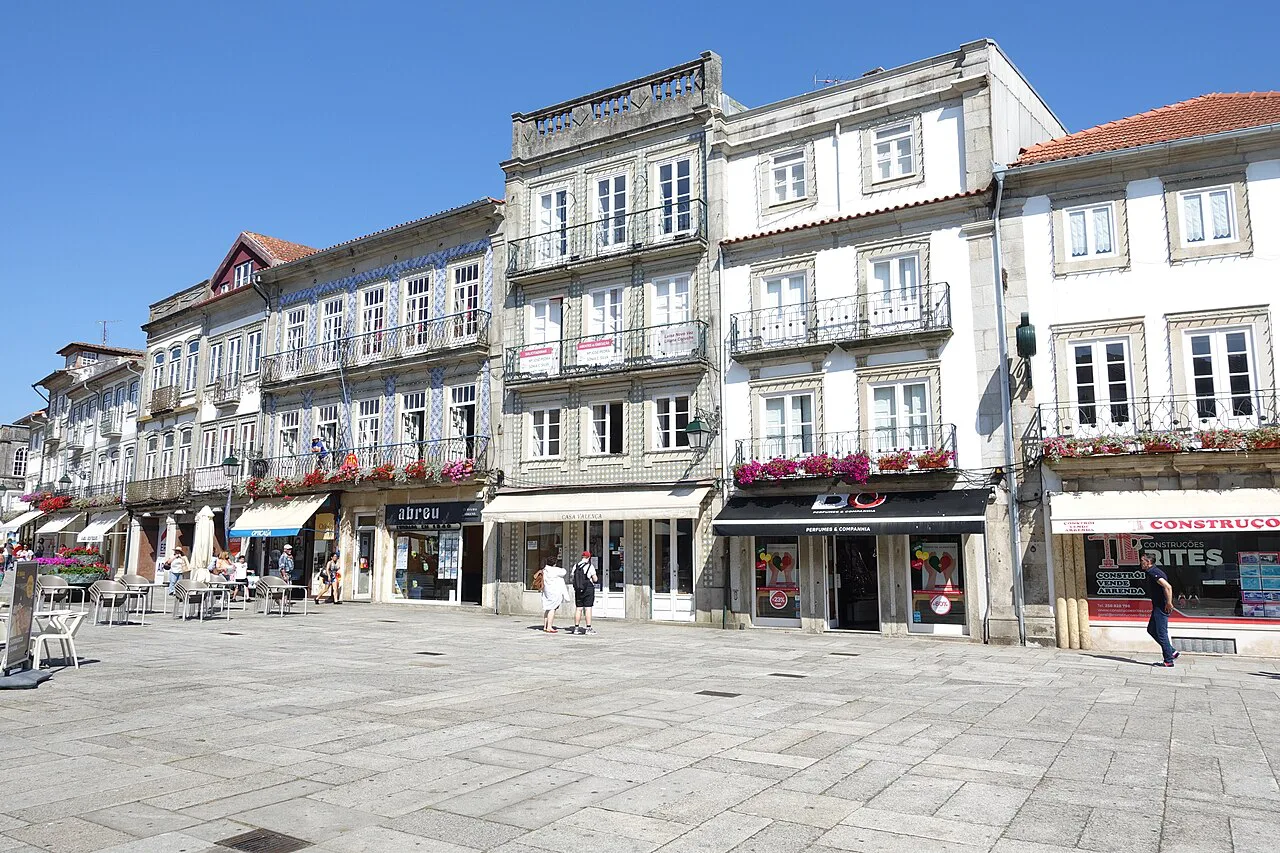
The museum sits within easy walking distance of the riverfront, so it fits naturally into a loop of the old centre rather than requiring a special trip. Allow about an hour for the permanent displays; add fifteen minutes if a temporary exhibition catches your eye. Opening times are not stated here, so check with the museum or the tourism office before you go, especially if you are visiting on a Monday or a public holiday.
If you are planning a full day in Viana do Castelo, pair the museum with the Santuário de Santa Luzia on the hill above town and the Ponte Eiffel across the Lima. Both are within easy reach of the centre and give you a sense of the town's scale.
Floor by floor: festive costume and the traje de mordoma
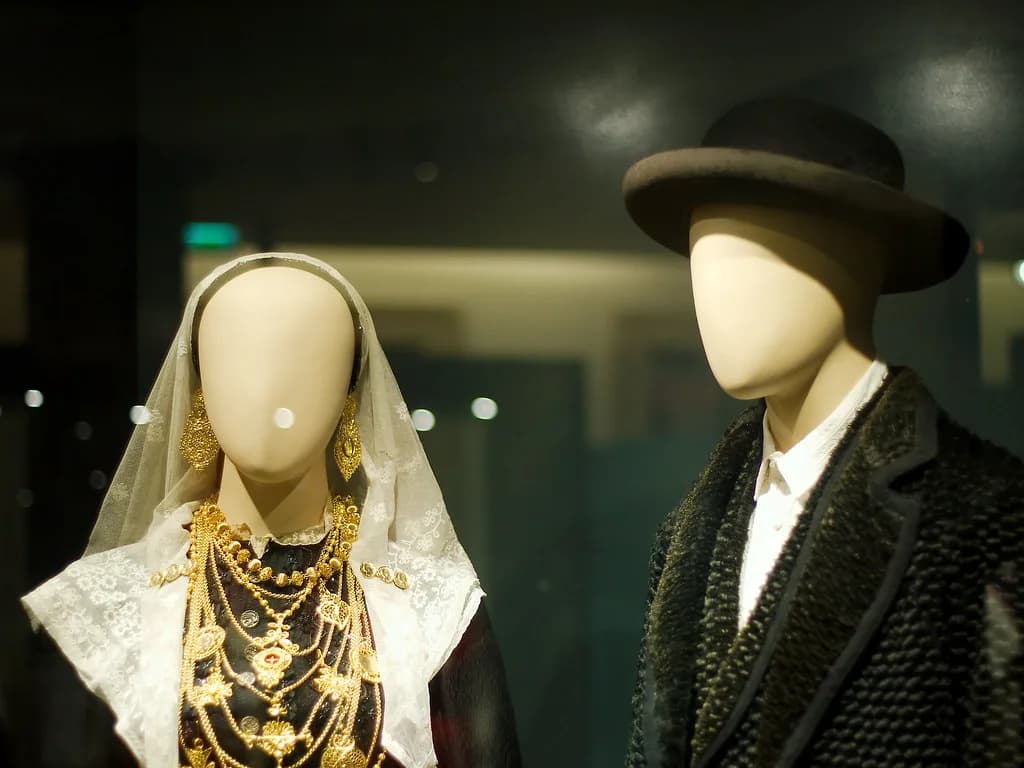
The first floor takes you through the history of the traje domingueiro, the elaborate Sunday and festive dress worn for special occasions. The costumes are displayed in shades of black, red, blue and green, each with historical photographs explaining when and how it was worn. Look for the traje de mordoma, the all-black outfit worn by wealthier girls and women, made from richer fabrics and set off with intricate gold necklaces and jewellery. It is the costume most visitors remember, and knowing its name helps you pick it out in festival parades.
The displays pair costumes with video interviews of older people from the region, talking about what it was like to wear and make the garments. That oral history is what lifts the museum above a simple dress display. Give yourself time to watch a clip or two rather than rushing past.
Daily workwear: sargaçeiros, the croça cloak, wool and linen
One floor is devoted to everyday workwear, and the range is wider than you might expect: outfits for fieldwork, for collecting seaweed as sargaçeiros, and the croça, a cloak made of rushes that covers the whole body. These are the clothes that ordinary people wore to do hard jobs, and seeing them changes how you read the festive costumes upstairs. The adjacent wool and linen displays follow the fabric from growing and harvesting through to weaving, with traditional tools on show.
The embroidery demonstration and the textile displays
A side hall showcases embroidery techniques, and you may see museum staff embroidering linen in the traditional way. That live element makes the textile section feel less static than a case of finished pieces. If you are interested in craft, this is the part to linger in.
The Sala do Ouro: Viana's gold filigree and the coração de Viana
On the lower level, the Sala do Ouro explains the importance of gold and jewellery making in this part of Portugal. Gold pieces were often passed down through generations and worn layered over the festive costumes, and the room shows the baroque elements, heavy filigrana and enamel detail that characterise the local style. Crosses and the coração de Viana, the Vianese heart, feature prominently among the designs.
The gold room makes sense of the necklaces you see upstairs and in the August processions, so it is worth visiting even if jewellery is not usually your thing. It is also a quiet space to end the visit, away from the bustle of the square outside.
What is nearby: the old centre, Praça da República and the riverfront
The museum sits on one of the most pleasant squares in town, so step outside and use it as a base for the old centre. The Igreja da Misericórdia and the Igreja de São Domingos are both within walking distance, and the riverfront and the Ponte Eiffel are a short stroll away.
If you have time for a longer wander, the Igreja de São Domingos and the riverside paths make a natural circuit back to the centre. The Elevador de Santa Luzia can carry you up to the basilica if you would rather not walk, though it is a separate attraction that calls for its own visit.
Is the Museu do Traje worth an hour of your short break?
Yes, if you want to understand Viana do Castelo's most distinctive tradition rather than just photograph it from a distance. An hour here will make the costumes, the gold and the August parades legible, and the central location means it costs you little time to include.
Check current opening days and ticket details with the museum or the tourism office before you travel, as they are not stated here. Pair the visit with a walk through the old centre and a look at what else the town offers.
Explore more Viana do Castelo guides
Frequently Asked Questions
Do I need to book tickets for the Museu do Traje in advance?
Booking rules are not stated here. Check the museum's own listing or the municipal tourism office before you travel to confirm whether advance booking is needed.
How long does a visit to the Museu do Traje take?
Allow about an hour for the permanent displays, and a little longer if a temporary exhibition or the embroidery demonstration holds your attention.
Is the Museu do Traje near the train station in Viana do Castelo?
It is on Praça da República in the old centre, a short walk from the riverfront, so it fits easily into a walk through the centre of town.
What is the difference between the traje domingueiro and the traje de mordoma?
The traje domingueiro is the festive dress worn for Sundays and celebrations, while the traje de mordoma is the all-black outfit worn by wealthier girls and women, often with heavy gold jewellery.