
Ponte Eiffel in Viana do Castelo: What to See and How Long It Takes
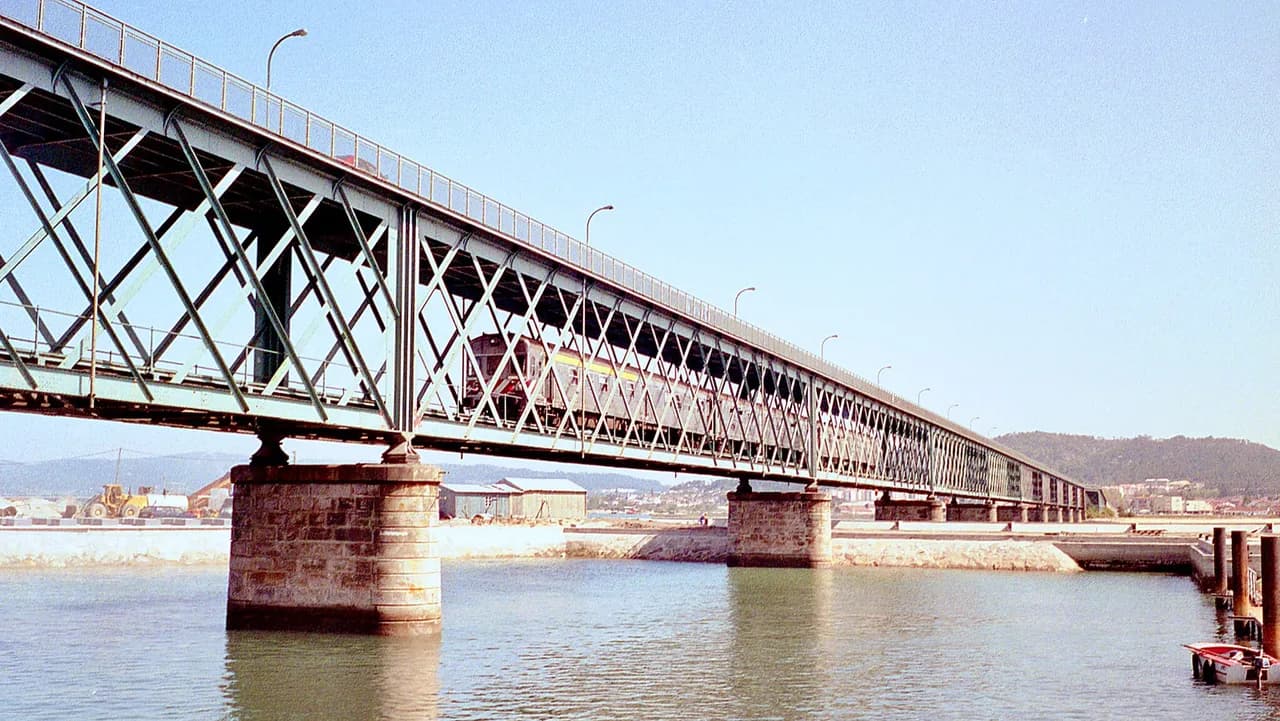
The Ponte Eiffel is a metal road and rail bridge over the Rio Lima at Viana do Castelo, inaugurated on 30 June 1878 and built to the design and calculations of the Casa Eiffel. It is a working piece of iron architecture you see from the riverbanks. This guide covers where it sits, how to walk to it from the centre and what to look for once you are there.
Allow twenty minutes to half an hour if you are simply viewing the bridge from the quays, and longer if you want to walk across and back. It pairs naturally with the rest of the riverside and the historic centre, which is where most short-break visitors to Viana do Castelo spend their time.
Where the Ponte Eiffel sits in Viana do Castelo
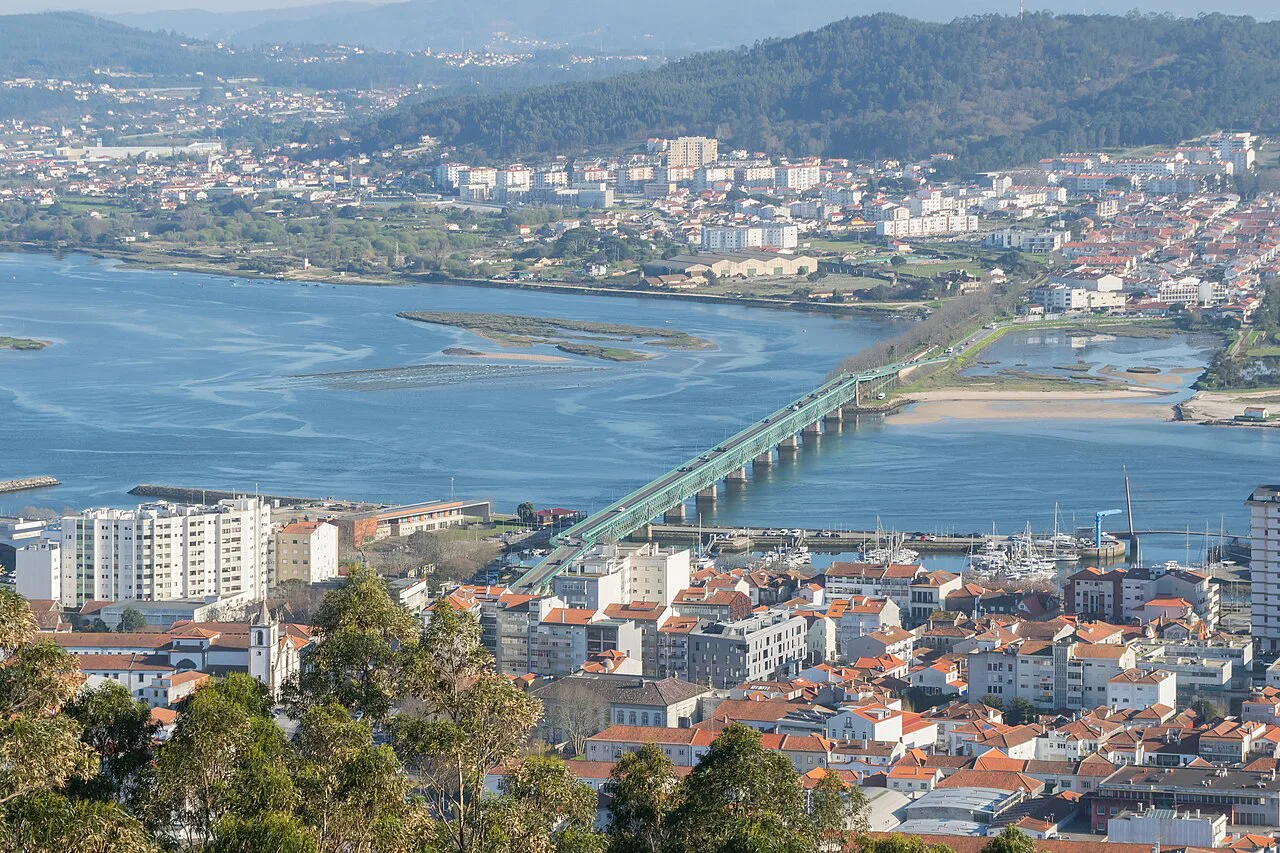
The bridge crosses the Lima downstream of the historic centre, close to where the river meets the Atlantic. It is a road and rail bridge, so it sits within the town's everyday circulation rather than in a park or a scenic enclosure. That matters for how you visit: you approach it on foot along the riverside, not through a gate.
From the centre, head for the river and follow the bank downstream until the ironwork comes into view. The walk is short enough to fold into a morning rather than a separate outing. Because the bridge carries both road traffic and the railway, the best experience is from the quays and gardens below it rather than from the carriageway itself.

How to reach it on foot and which bank to choose
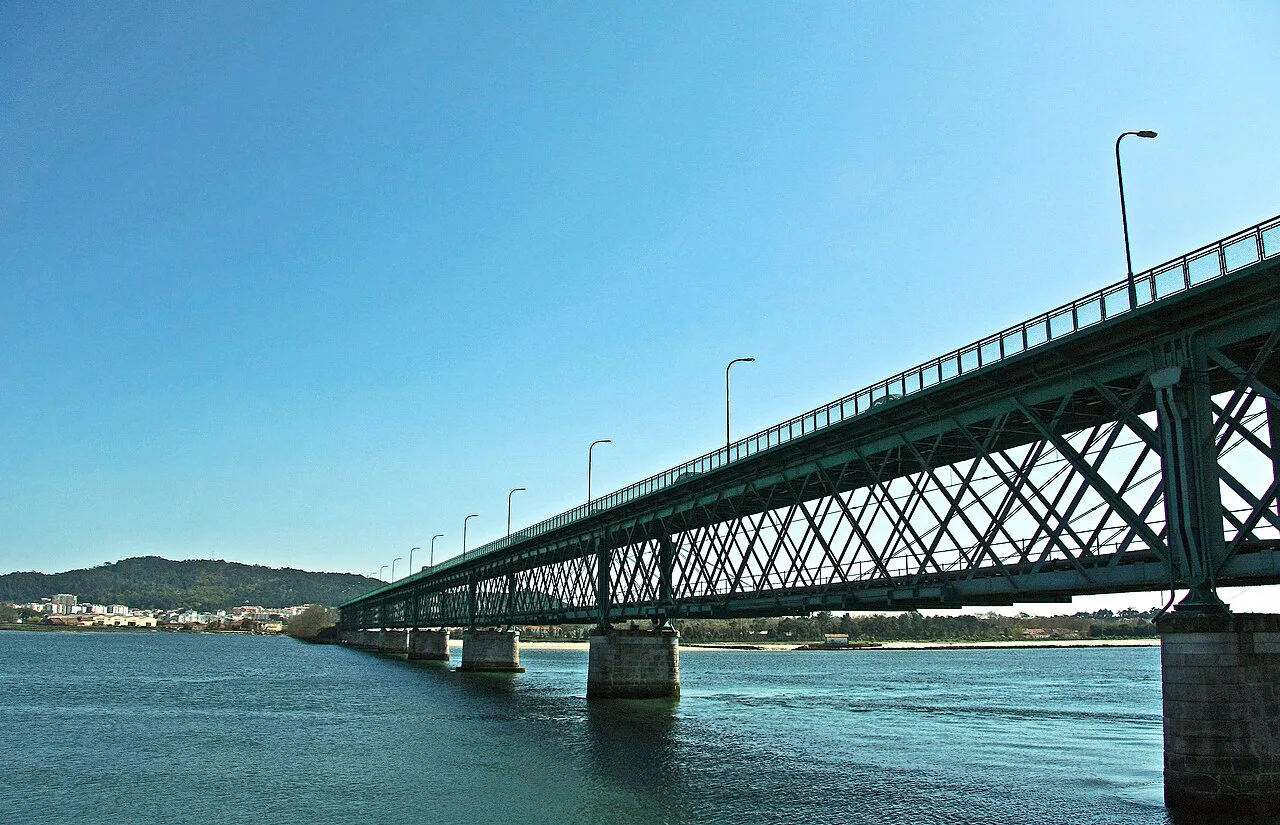
Both banks give you a view, but they give you different ones. The town side lets you look along the bridge towards the south bank with the river mouth behind you; the south bank puts the town, the historic centre and the hill of Santa Luzia into the same frame as the ironwork. If you only have time for one, pick the south bank for the photograph and the town side for understanding how the bridge plugs into the street layout.
Walking there from the historic centre follows the river, so it is flat and easy to combine with a stop at the riverside. River levels, tides and the state of the bank paths change with the weather, so keep to the paved quays and gardens rather than scrambling down to the water.
The bridge is also a landmark you pass on the way to other sights: the riverside edge of the centre, with its squares and churches, is a natural start or finish to the walk. The Igreja da Misericórdia sits in the old town and makes a sensible pairing before or after you head down to the water.
What to look for in the ironwork
The bridge was inaugurated in the same era that produced Europe's great iron structures, and the smartguide entry credits the prestigious Casa Eiffel with its design and calculations. Read that as the engineering house, not as a claim that Gustave Eiffel drew every rivet himself. The date is the fact to hold on to: 30 June 1878.
Look for the two separate metal decks, one carrying the road and one the railway, which is what makes the structure read as two bridges stacked rather than one flat crossing. The bridge runs 645 metres in total. Stand back on the quay to take in the full length; up close you see the lattice and rivets but lose the overall span.
Iron bridges of this generation were built to be looked at as much as used, and the Ponte Eiffel is best appreciated as a piece of Victorian-era engineering sitting in a working Portuguese river port. Give yourself a few minutes at each end rather than a single glance from a passing car.

How long to allow, and whether to cross
For most visitors, twenty to thirty minutes on the banks is enough: a walk down, a look at the decks from both sides if you have the time, and a walk back. If you cross on foot or by bike, add the return leg and expect to share the route with traffic, since this is a road bridge first.
Crossing earns its place if you want the view back towards the town and the Santa Luzia hill, which is the classic composition. If you are short of time in Viana do Castelo, viewing from the town-side quay and moving on is a perfectly good trade-off, especially if the hill is already on your list.
Where the bridge fits into a Viana do Castelo day
The bridge sits low on the river, while the Santuário de Santa Luzia sits high above the town, and seeing both in one day gives you the two scales of Viana do Castelo. The sanctuary is the hilltop church with the panoramic terrace, reached by road or by the funicular.
The Elevador de Santa Luzia is the mechanical way up the hill and saves a long climb on a hot afternoon. Check its running times on the day, since a seasonal lift is not something to build a tight schedule around.
Closer to the bridge, the Forte de Santiago da Barra guards the river mouth on the town side and is an easy add-on to a riverside walk. It gives you a second piece of military architecture within sight of the ironwork, which suits a half-day pottering along the water.
The centre to pair with the bridge
Back in the historic centre, the Praça da República is the obvious next stop, with its arcaded edges and the old town's cafés. It is where you sit down after the river, and it anchors the rest of a short break in Viana do Castelo.
For context on the town's costume and craft traditions, the Museu do Traje explains the filigree and dress that Viana do Castelo is known for. It is a good indoor counterpoint to a windy hour on the quays.
The Igreja de São Domingos is another centre-and-riverside church worth a look if you are already walking between the two. Opening times for churches in Portugal vary and often include a lunchtime break, so check the door before you plan around one. For the interiors and the details, see the guide to the Igreja de São Domingos.
If you want one more museum in the old town, the Museu de Artes Decorativas covers the decorative arts in a town house setting, which suits a rainy hour. It rounds out the centre nicely after the bridge.
Traffic and practical notes
The bridge is a live road and rail crossing, so its traffic arrangements can change, and works or restrictions are announced locally rather than in tourist material. A municipal report describes the bridge as 645 metres long, built of two metal decks and inaugurated in 1878. Treat any current lane or pedestrian arrangement as something to confirm in the town rather than assume from a guide.
Because the decks are live road and rail infrastructure rather than a monument you enter, the useful planning question is light and weather, not tickets. Early morning and late afternoon give the ironwork a warmer colour and thinner traffic. If you plan to photograph it, confirm on the day that the bank you want is open and accessible.
Worth the walk down to the water?
Yes, if you are already spending a day in Viana do Castelo. The Ponte Eiffel is a free, quick stop that gives you a genuine piece of 1878 iron engineering and the best low-level view of the Lima, and it slots naturally between the centre and the riverside.
Skip the crossing if your time is tight and put the hour into the hill instead; the bridge still rewards ten minutes from the quay. Either way, it is the sort of sight that makes a short break feel like more than a checklist.