
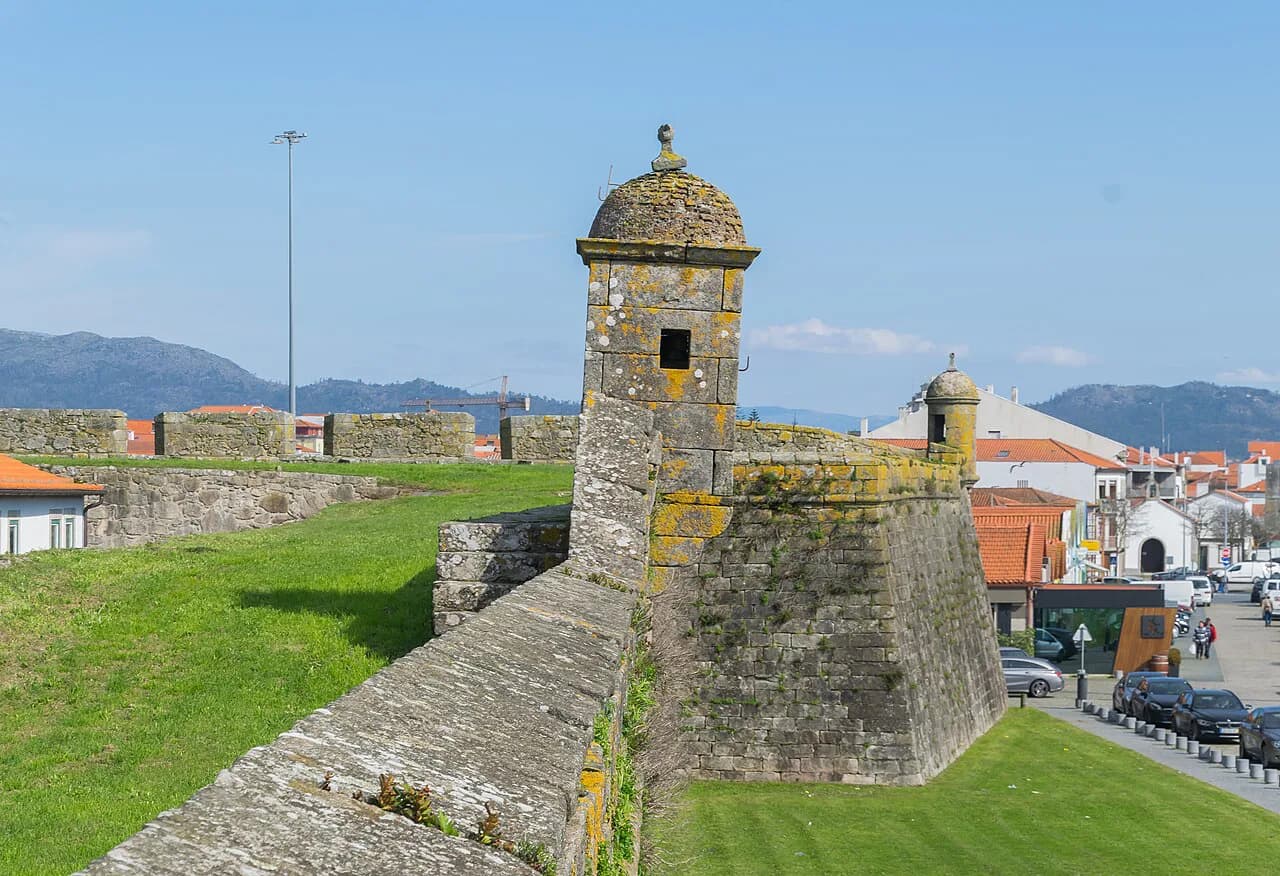
Forte de Santiago da Barra: Viana do Castelo's riverside fortress

The Forte de Santiago da Barra is worth 30 to 45 minutes as part of a riverside walk in Viana do Castelo, not as a stand-alone monument. You come for the polygonal walls, the river setting and the Igreja da Senhora da Agonia immediately alongside, rather than for furnished rooms behind glass. This guide covers where the fort stands, its layout, what actually occupies the interior and how to fit it into a short break.
Set expectations before you go: the fortress is a working building rather than a museum, so the walk around the bastions and the visit to the church next door carry the outing.
What the Forte de Santiago da Barra is
The Forte de Santiago da Barra is a fortress on the right bank of the Rio Lima, built while Portugal was under Spanish rule during the reign of Philip I of Portugal. Its plan is polygonal, and the visitable drama is in the outline of the walls rather than in exhibition halls. Treat it as a piece of military architecture and a landmark on the riverfront.
Philip I of Portugal is the same monarch known in Spain as Philip II, which is why you may see the construction attributed to the Spanish period in different wording. The fort is one of the anchors of the Viana do Castelo Attractions: 9 Visitor Guides, alongside the hilltop sanctuary and the town-centre sights.

Where it is and how to find it
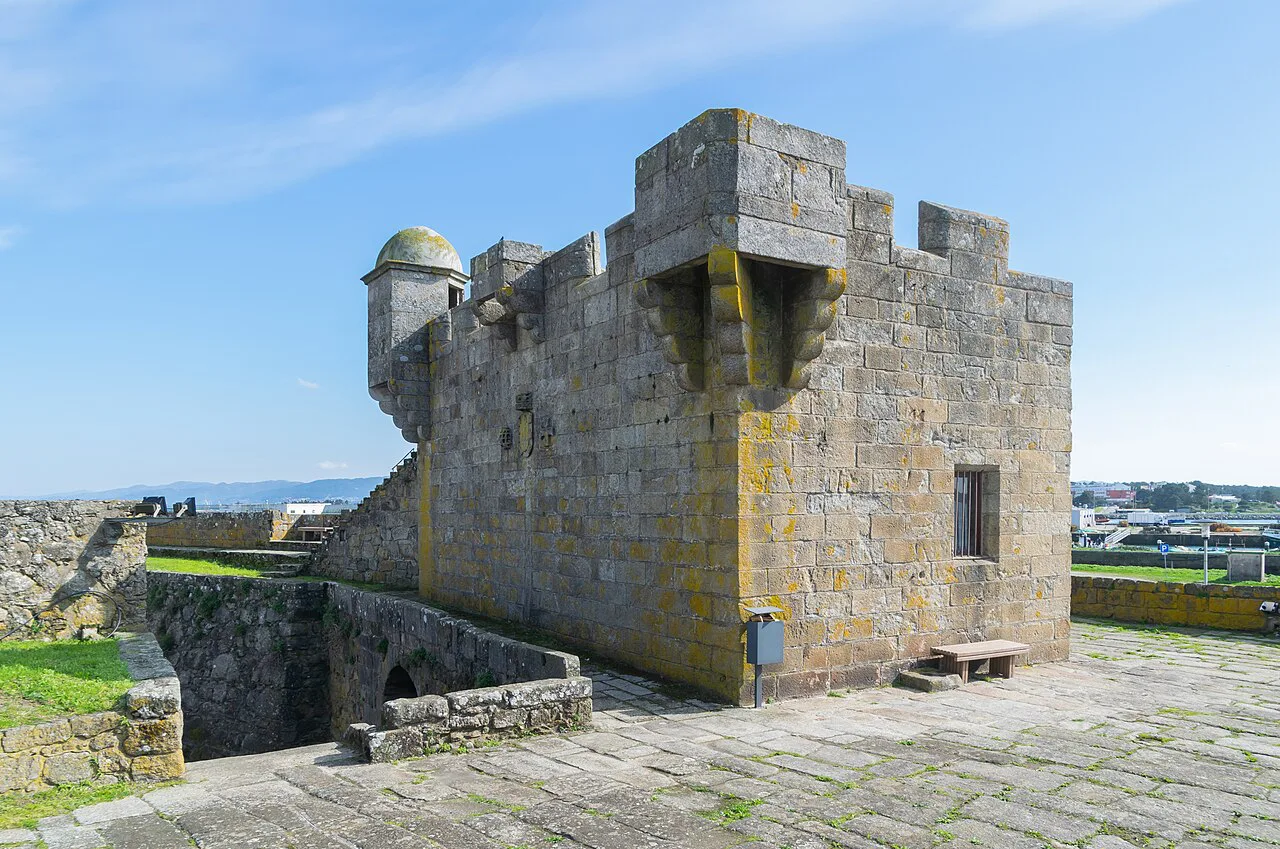
The fortress sits on the right bank of the Rio Lima at Viana do Castelo, at the western edge of the historic centre where the town meets the river. The mapped coordinates are 41.689, -8.838, placing it in the riverside quarter a short walk from the streets of the old town.
A sensible route is to walk west from the centre along the river, take in the fort and the church, then continue on the waterfront rather than doubling back through traffic. If you are coming from the railway station, the centre is the natural first stop and the fort the second.

The layout: four bastions and a round-arched portal
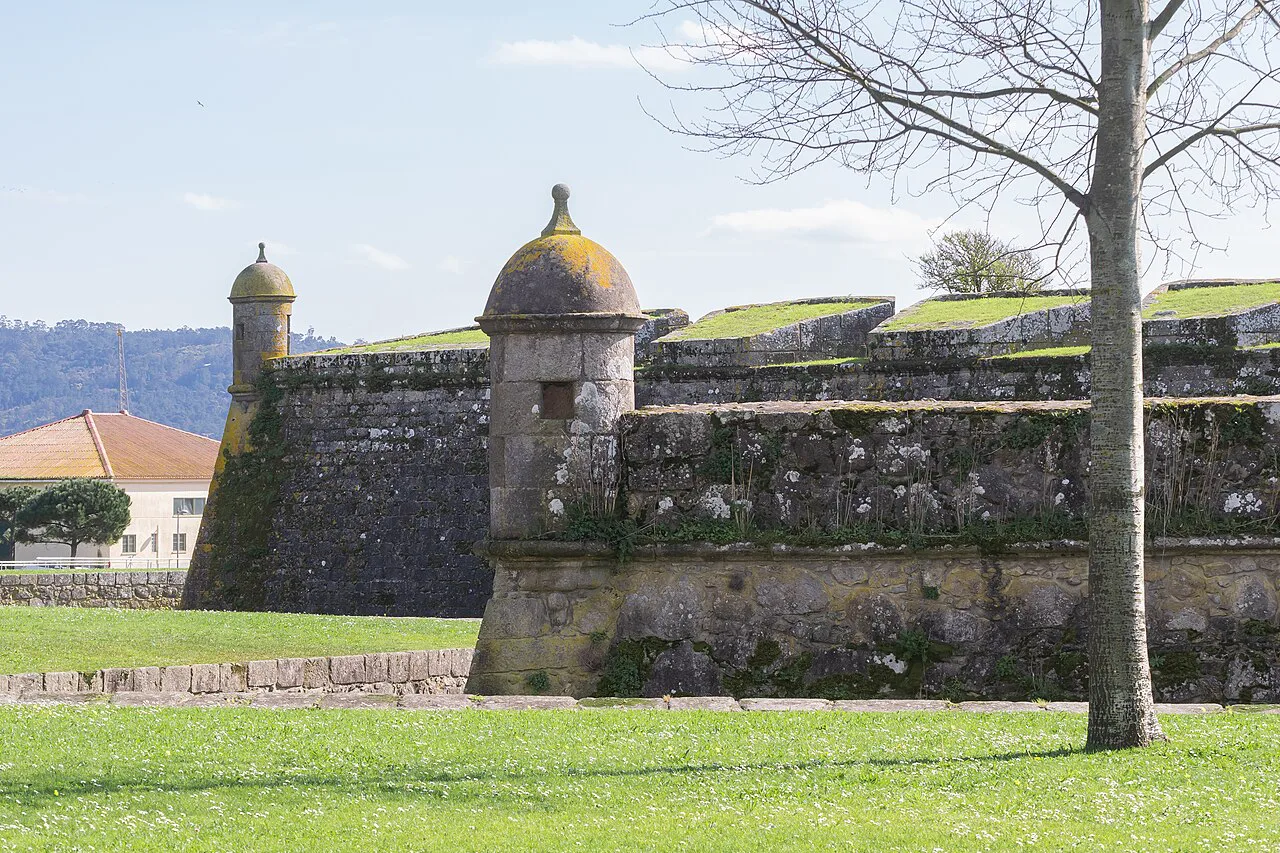
The fort is an irregular star shape built around four bastions, two of them facing inland and named São Filipe and São Pedro. That star plan is what gives the walls their angular, low-slung profile against the river. Knowing the names helps you read the ground rather than seeing an undifferentiated ring of stone.
Entry to the fortress is through a portal with a round arch, a plain but clearly military opening rather than a ceremonial gate. Walk the outside of the walls first to understand the plan, then pass through the portal.
What you can actually go inside for
Inside the walls you will find the regional tourism department for Porto and northern Portugal, a congress centre and the hospitality and tourism school of Viana do Castelo. These are working institutions rather than a museum, so the visit is about the walls, the portal and the setting rather than furnished rooms. The honest trade-off is that the fort gives you architecture and atmosphere rather than an interior exhibition to explore.
Because the buildings within the walls are in institutional use, access to the fort interior is not organised as a standard visitor route; confirm on the day before you build a plan around going inside. Whatever the access, the exterior walls and the riverside setting are the part most visitors remember.
The Igreja da Senhora da Agonia next door
A few steps from the fort stands the Igreja da Senhora da Agonia, an 18th-century rococo church with a depiction of the Passion of Christ inside. Look for the pipe organ, the carving and the ornament designed to imitate moving water. The church is the strongest reason to linger here, and it pairs naturally with the fort in a single stop.
Churches in Portugal often keep limited daytime hours and may close around lunchtime, so time your arrival for the morning or mid-afternoon and check the door before assuming entry. The exterior alone, with the fort behind it, is worth the walk.
How long to allow
Budget 30 to 45 minutes for the fort and church together, plus whatever time you want on the riverfront afterwards. The fort is not a place where you queue for tickets and work through rooms; it is a circuit of walls and a look at the buildings inside them.
If you are short of time in Viana do Castelo, the fort and church make an easy add-on to a centre walk rather than a half-day in themselves. Travellers with a car should note that the riverside location is straightforward to reach from the town centre on foot.
The August Romaria de Nossa Senhora da Agonia
In August the area around the fortress fills with pilgrims for the Romaria de Nossa Senhora da Agonia, one of Portugal's best-known romarias. The event brings colour, ethnographic folklore and an extraordinary variety of traditional costume to the streets beside the river.
If you are in town during those weeks, expect the fort's surroundings to feel like a festival ground rather than a quiet monument, which is either the highlight or the reason to come another month.
What to combine with the visit
The fort sits at the start of a natural sequence of Viana do Castelo sights. The Museu do Traje, with its collection of regional costume, deepens what you see at the August romaria, and the Praça da República anchors the historic centre a short walk east.
For the bigger picture, head up to the Santuário de Santa Luzia for the view back over the town, the Lima estuary and the coast; the contrast between the river-level fort and the hilltop sanctuary is the shape of a good day here. The Ponte Eiffel in Viana do Castelo is the other landmark to fold into a riverfront walk, and the elevador de Santa Luzia saves the climb if you would rather ride up.
Is the fort worth the detour?
Yes, if you treat the Forte de Santiago da Barra as a riverfront stop paired with the Igreja da Senhora da Agonia, not as a museum visit in its own right. The star-shaped walls, the four bastions and the rococo church interior are the substance; the working offices inside are context.
Allow half an hour, come in the morning or mid-afternoon, and check current access to the interior before making it the centrepiece of your day.
Explore more Viana do Castelo guides
Frequently Asked Questions
Do you need tickets for the Forte de Santiago da Barra?
No ticketing system or admission charge is published for the fort, and much of the interior is occupied by a tourism department, a congress centre and a hospitality school. Confirm access locally on the day before planning around going inside, and treat the walls and the church next door as the reliable part of the visit.
Where exactly is Viana do Castelo?
Viana do Castelo is in northern Portugal, at the mouth of the Rio Lima on the Atlantic coast. The fort itself stands on the right bank of the river, at the western edge of the historic centre, mapped at roughly 41.689, -8.838.
How long does a visit take?
Plan 30 to 45 minutes for the fort and the Igreja da Senhora da Agonia together, plus extra time if you want to walk the riverfront afterwards. The fort is a circuit of walls and a look at the buildings within them rather than a sequence of exhibition rooms.