

Museu de Artes Decorativas, Viana do Castelo: What to See Inside

The Museu de Artes Decorativas is worth an hour if you want Portuguese ceramics and a furnished 18th-century interior rather than another church. It occupies the Casa dos Barbosa Maciel on Largo de São Domingos, a short walk from the older centre of Viana do Castelo, and is small enough to fit between larger sights. This guide covers where it is, what is inside, the opening pattern, ticket prices and how to shape the rest of the morning or afternoon around it.
The museum is a municipal one, and its own listing sets out the times, prices and free-entry days; take those as the published arrangement rather than a guarantee, since civic museums change their calendars. Budget around 60 minutes indoors, more if you read every label on the ceramics.
What the Museu de Artes Decorativas is
The collection exists because Viana do Castelo had a ceramics industry worth showing. The museum's holdings include Viana tableware from the 18th and 19th centuries made at the Darque factory, plus pieces from Lisbon, Coimbra, Porto and Vila Nova de Gaia potteries, which gives the display a local anchor rather than a generic survey of European decorative arts.
The municipal museum itself dates from 1888, but it moved into the Barbosa Maciel townhouse in 1923, and the building is part of the reason to come. The name has shifted over the years, most recently towards decorative arts, reflecting the strength of the furniture and faience on show.
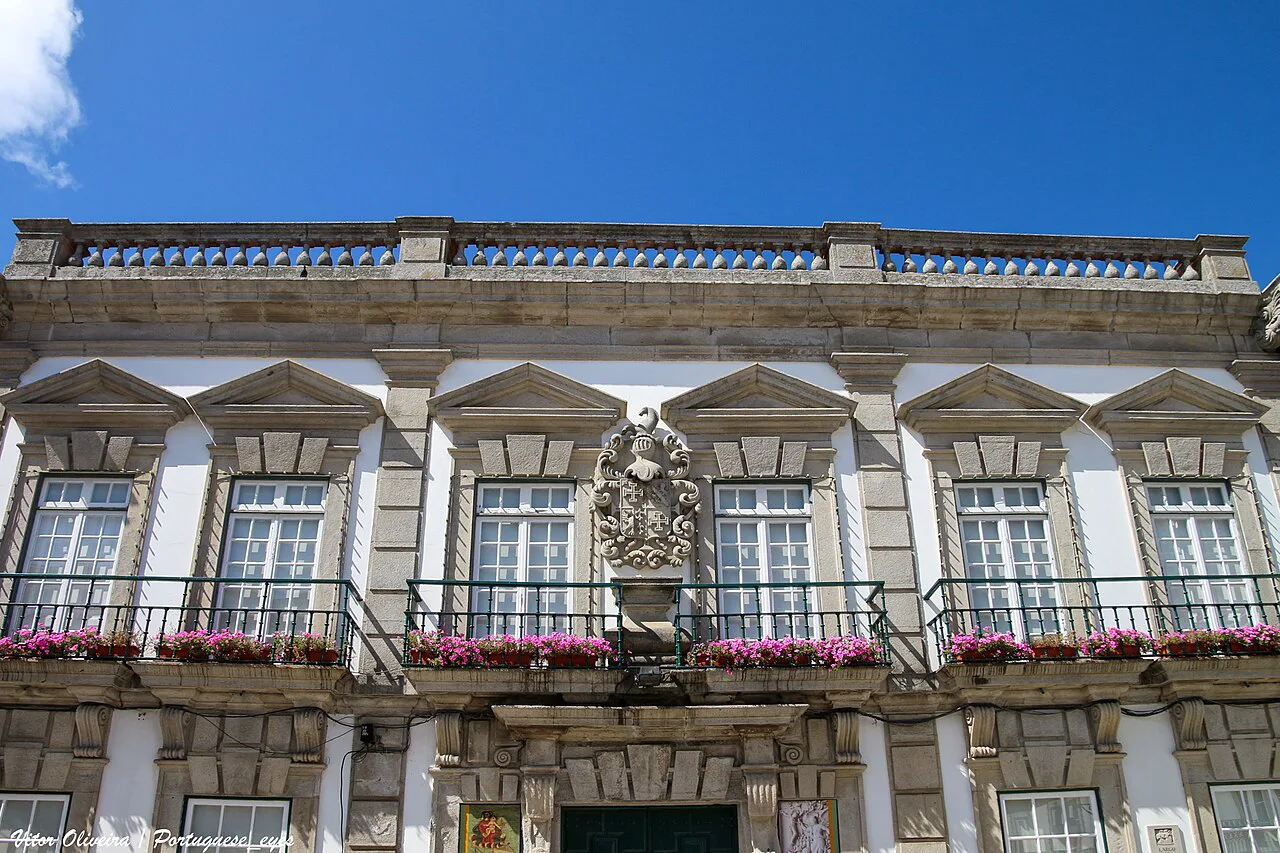

Where it is: Largo de São Domingos and the Casa dos Barbosa Maciel
The address is Largo de São Domingos in Viana do Castelo, in the historic heart of the city and within easy walking distance of the riverfront and the main squares. The building is the Casa dos Barbosa Maciel, an 18th-century mansion the family lived in before it became a museum, so look for a townhouse facade on the square rather than a purpose-built gallery.
Because it sits on a square rather than a main thoroughfare, it is easy to pass without noticing; fix the location on a map before you set out and treat the Igreja de São Domingos next door as your landmark. Coming on foot from the centre takes only a few minutes, and the surrounding streets are the kind you will want to wander anyway.
Opening days and times, including the Monday closure and weekend lunch break
The published hours run Tuesday to Friday from 10:00 to 18:00, with a Monday closure. At weekends the museum opens in two sessions, 10:00 to 13:00 and 15:00 to 18:00, so there is a lunchtime gap when the doors are shut.
That split weekend timetable is the most common planning mistake: arriving on a Saturday means a wait. Build the museum into the morning slot and use the early afternoon for a long lunch or a walk along the river, then return if you want a second look.
Ticket prices in euros and the free-entry days
Standard admission applies, with a reduced rate for students, young-card holders, senior visitors and pre-arranged groups covered by a municipal protocol. Children and primary-school pupils from the Viana do Castelo district, members of the Portuguese museums association and ICOM, and authorised institutional groups enter free.
Access is also free on four dates in the municipal calendar: 20 January, marking the foral granted by D. Maria II; 18 May, International Museum Day; 18 June, marking the foral of D. Afonso III; and 26 September, European Heritage Days. If your short break overlaps one of these, the museum becomes an easy add-on rather than a budget decision.
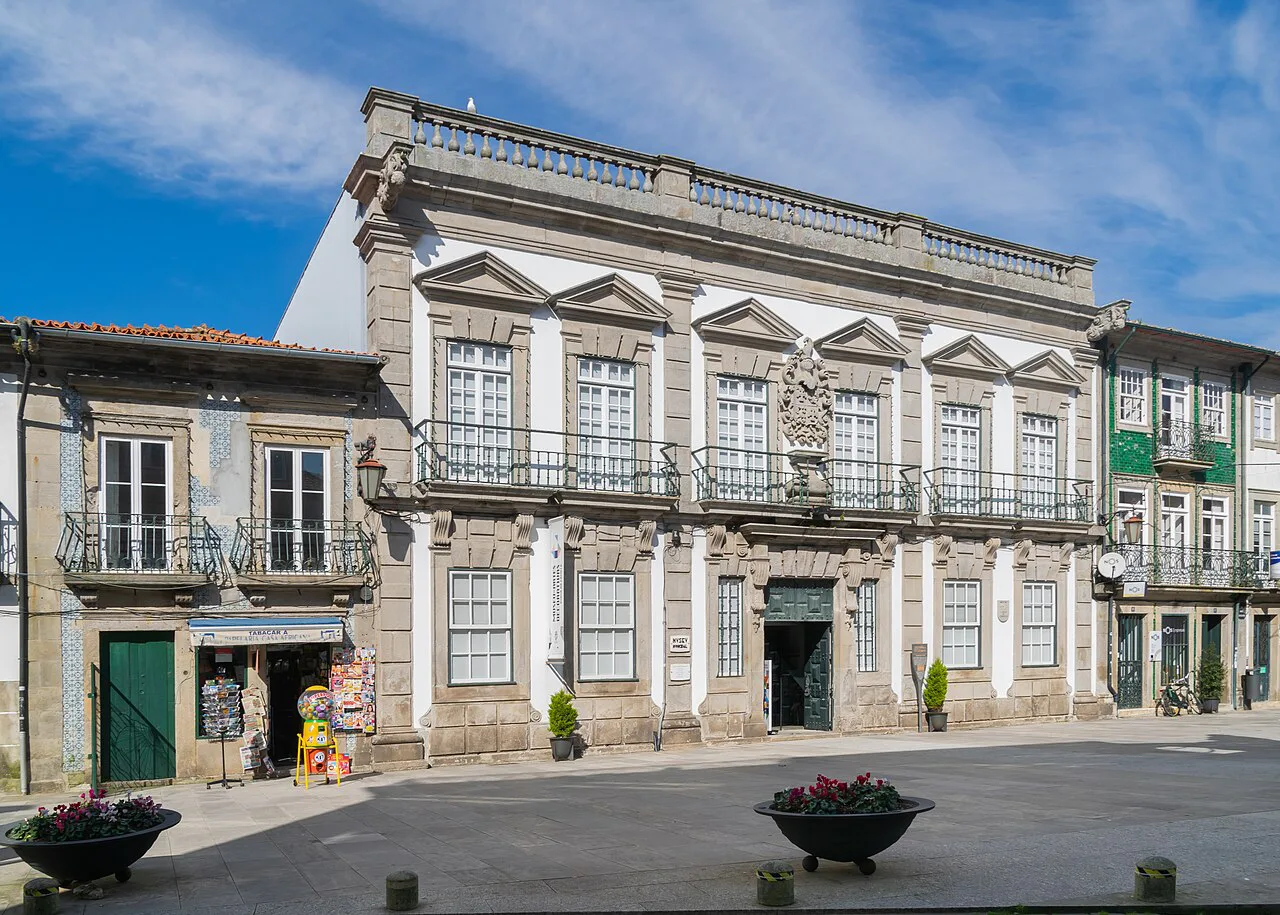

What to see inside: the 18th-century palace rooms, chapel and dining room
Part of the house is arranged as a lived-in palace interior, with a visiting room, sitting room, bedroom, chapel and dining room. These staged rooms are the quickest way to understand how a prosperous Viana family lived, and they make the museum more than a display case of plates.
The chapel is the room most people linger in, since it survives as part of the domestic layout rather than as a separate church. Keep an eye on the ceilings and door frames as you move between rooms; the building's 18th-century fabric is as much the exhibit as the contents.
The collections: Viana faience, Indo-Portuguese furniture and azulejos
The ceramics are the core: glazed faience from Viana's Darque works alongside pieces from Lisbon, Coimbra, Porto and Vila Nova de Gaia, spanning the 18th and 19th centuries. Look for the differences in glaze and pattern between the regional workshops, which is where the collection earns its keep.
Furniture runs from Indo-Portuguese pieces to Portuguese work of the 18th and 19th centuries, and there are azulejos of both Portuguese and Hispano-Arabic type. The painting, drawing and religious art round out the displays, so a visitor with an interest in tiles will find more here than the room count suggests.
How long to allow and the best time of day to go
Allow around an hour if you move at a normal pace, and up to 90 minutes if ceramics and furniture labels hold your attention. The museum is compact, so it works well as a filler between a morning at the Igreja da Misericórdia and an afternoon on the riverfront rather than as the centrepiece of a day.
Mid-morning on a weekday is the calmest slot, since the museum opens at 10:00 and most day visitors head first for the basilica on the hill. At weekends, aim for the 10:00 to 13:00 session and leave the lunch gap for eating rather than queueing.
What's nearby: Museu do Traje, the Gil Eannes hospital ship and Santa Luzia
Three other sights sit within a short walk or a brief ride and pair naturally with the decorative arts collection. The Museu do Traje covers costume and textiles, the Navio-hospital Gil Eannes is a preserved hospital ship moored by the river, and the Santuário de Santa Luzia rises above the city with the widest view of the coast.
If you plan to combine the museum with the hilltop sanctuary, the funicular is the simplest way up and saves your legs for the view. The Praça da República is the natural orientation point for the older centre, and the riverside fort at Santiago da Barra makes a pleasant end to a walking loop.
Practical points: getting there on foot and what to check before you go
The museum is a walk from the centre rather than a trip out of town, so no transport planning is needed beyond comfortable shoes for the calçada. The listing gives a contact number and the Largo de São Domingos address if you want to confirm the day's opening before setting off.
If your short break includes a ride on the Ponte Eiffel or a longer look at the city's sights, keep the museum as a wet-weather or mid-afternoon option and check the day's times on the day.
Is the museum worth an hour of your short break?
Yes, if you want Portuguese faience with a local story and a glimpse of an 18th-century townhouse interior, and you are already in the centre for other sights. Skip it if ceramics and period furniture leave you cold, since an hour here is an hour not spent on the sanctuary or the riverfront.
Explore more Viana do Castelo guides
Frequently Asked Questions
Is the Museu de Artes Decorativas open on Mondays?
No. The published timetable closes the museum on Mondays, with doors open Tuesday to Friday from 10:00 to 18:00 and in two sessions at weekends, 10:00 to 13:00 and 15:00 to 18:00.
How much does entry to the Museu de Artes Decorativas cost?
Entry is inexpensive, with a reduced rate for students, senior visitors and pre-arranged groups, and free entry for children from the district and museum-association members. The municipal listing carries the current figures and the four free-entry dates each year, so check it before you go.
How do I get to the museum from Viana do Castelo centre?
Walk. The museum sits on Largo de São Domingos in the historic centre, a few minutes from the main squares and the riverfront, so no bus or taxi is needed.
How long should I spend inside?
Around an hour covers the palace rooms and the main ceramics, and 90 minutes suits anyone who reads the labels on the faience and furniture. The building is compact, so it slots easily between two other stops.