Things to Do in Viana do Castelo: What to See and How Long You Need
Plan a short break in Viana do Castelo with Santa Luzia's views, the old town, the Gil Eannes ship and the Costume Museum, plus how many days it needs.
On this page
One day covers Viana do Castelo if you start at the Santuário de Santa Luzia, walk the old town and reach the Gil Eannes ship by late afternoon; two days let you add the Costume Museum, the hillfort and the south bank without rushing. The city sits where the Lima River meets the Atlantic on the Costa Verde, and its sights fall into four clusters: the hill, the centre, the harbour and Cabedelo across the water. This guide takes them in that order, with the walking times, the paid and free draws and an honest verdict on what to cut.
What to do in Viana do Castelo in one to three days
Treat the city as a set of layers stacked from hilltop to riverbank. The Santuário de Santa Luzia and the Citânia de Santa Luzia share the same hill; the old town fills the flat ground below; the Gil Eannes sits on the Lima; and Cabedelo lies on the opposite bank. Grouping your day this way removes most of the backtracking, and the whole centre is comfortable on foot.
A sensible first day is the basilica in the morning, lunch and churches in the centre, then the ship and a harbourfront meal. Keep the Costume Museum and the hillfort for a second day, when you can also cross to the south bank. Skip the hilltop on a low-cloud morning and swap it for the old town, since the view is the point of the climb.
Start at the Santuário de Santa Luzia for the view over the Lima and the Atlantic
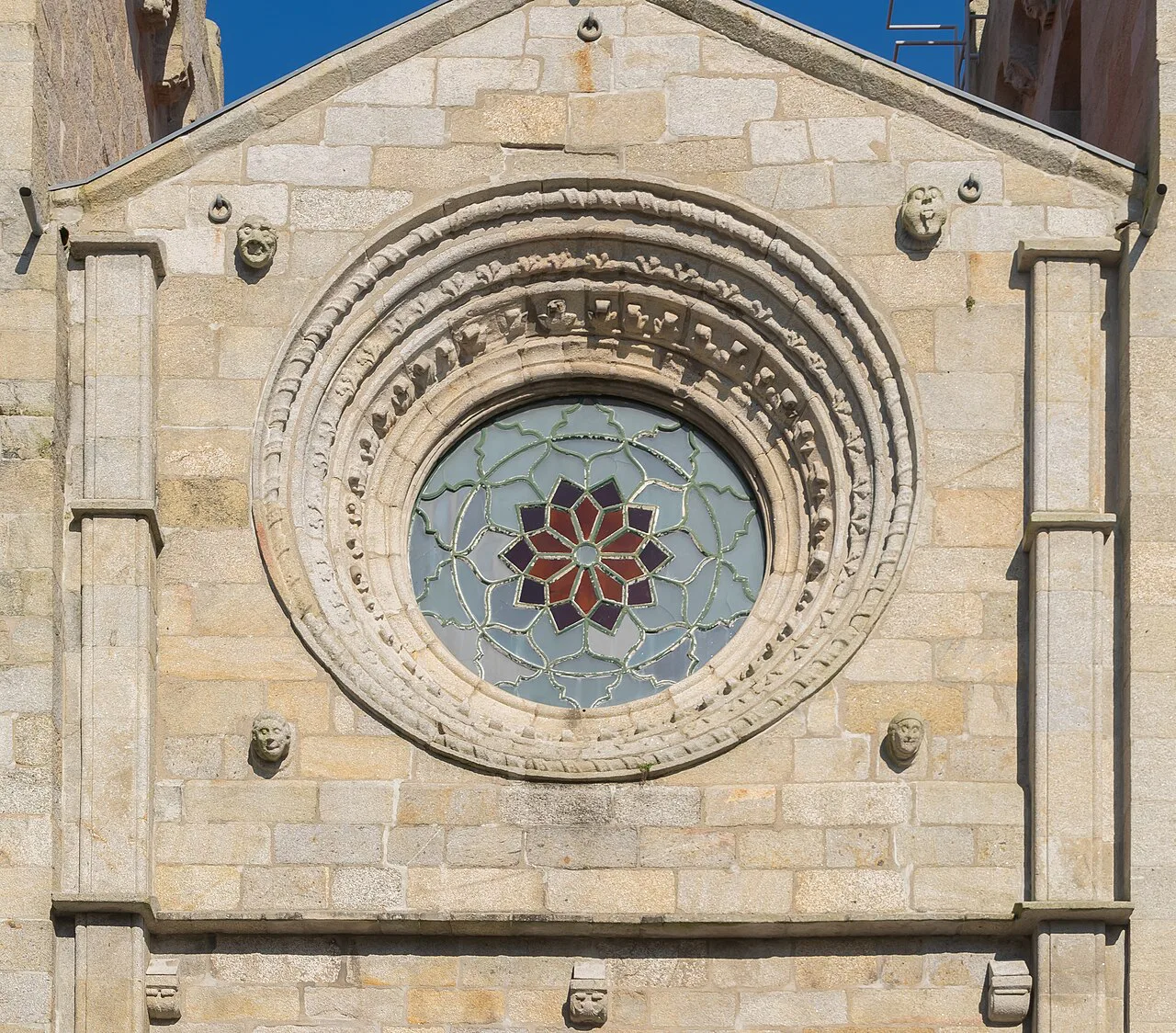
The Santuário de Santa Luzia is the one sight to do first, because it explains the whole city: from the hilltop you look down on how the city opens between the Lima and the ocean. The basilica is built in a Neo-Romanesque and Neo-Byzantine style, and pilgrims as well as sightseers make the climb. Allow part of a morning rather than a quick photo stop.
Walking up is free and takes the better part of half an hour from the centre at an easy pace; a car or the cable car saves the climb at the cost of the approach through the streets. The basilica interior is the reward on a clear day as much as the terrace, so time your visit for late morning when the haze tends to lift.
Ride the cable car up Santa Luzia hill and walk down
The cable car is the cheapest thrill in the city: €2 one-way or €3 return, and in practice a single uphill ticket and a walk down is the obvious choice. It has limited hours, so check the day's timetable at the lower station before committing to it as your way up.
Walking down brings you past the Citânia de Santa Luzia, the pre-Roman hillfort on the same slope, so the descent earns its keep. The path is steep in places and slippery after rain; sturdy shoes matter more than on the rest of this itinerary.
Wander the old town: Praça da República, the former town hall and the Chafariz
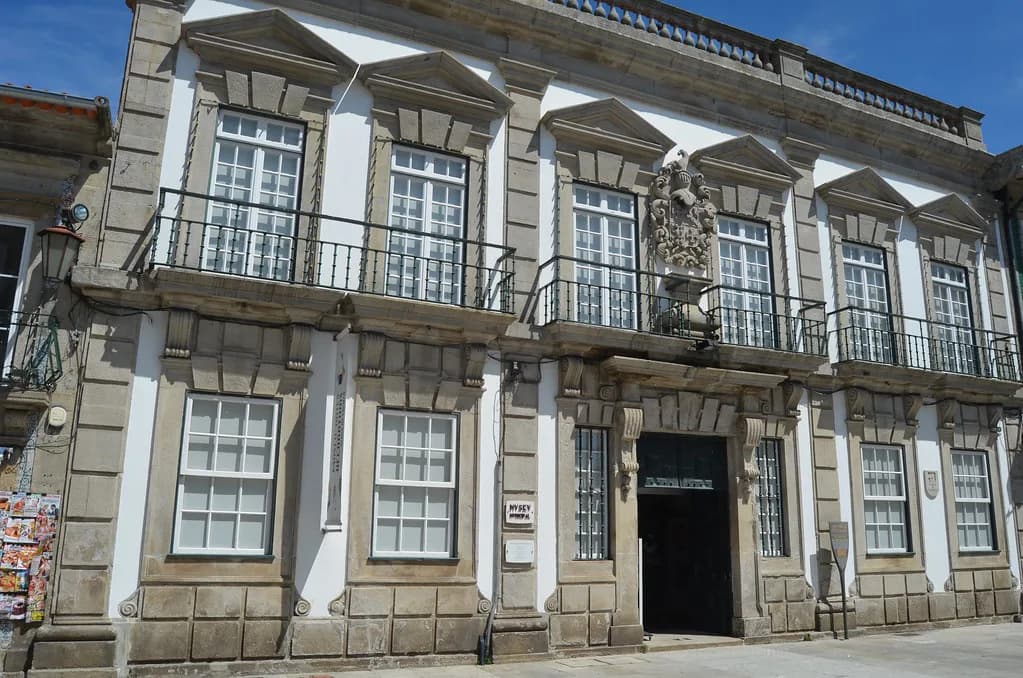
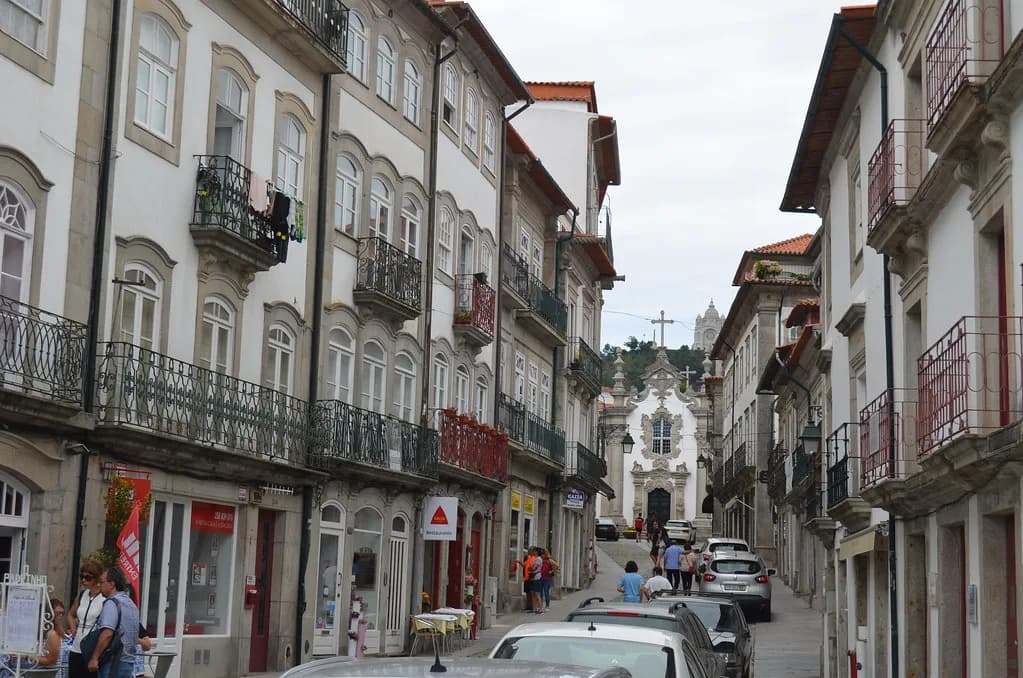
The old town is compact enough to cover in an afternoon without a plan. Look for the elegant façade of the Antigos Paços do Concelho, the former town hall, and the nearby Chafariz fountain, then follow the cobbled lanes for the tiles, signage and merchant houses. This is the part of the city where wandering beats ticking off sights.
Use Praça da República as your anchor for meeting up and for a coffee between sights, since it sits within easy reach of the main churches and the shopping streets. If you want the market side of the city, plan around the days it operates rather than assuming a daily produce hall.
Admire the azulejos inside the Igreja de Misericórdia
The Igreja de Misericórdia is worth stepping into for its tile panels, which put it on the short list of the city's tiled interiors.
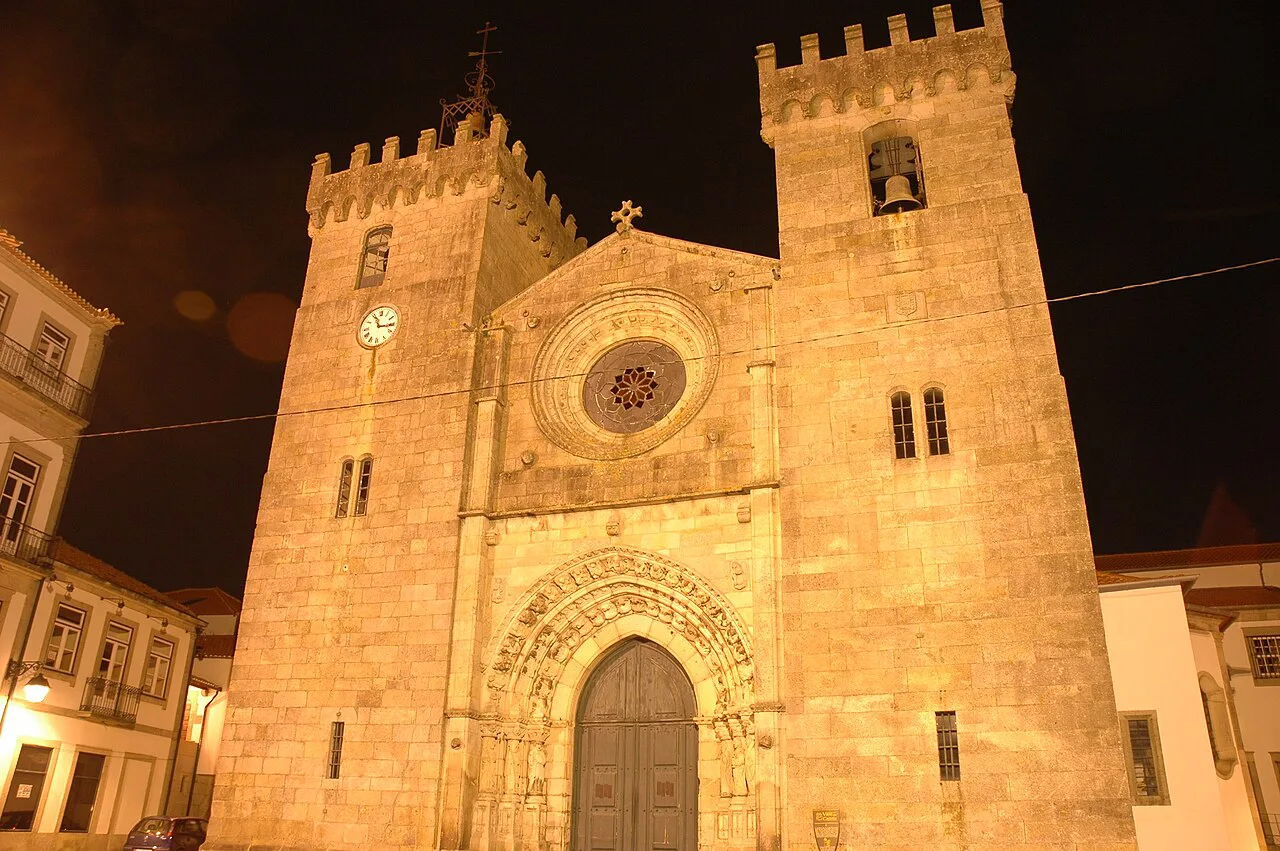
For the wider picture of the city's religious interiors, the guide to the Viana do Castelo Cathedral (Sé) and the churches worth visiting covers the main stops.
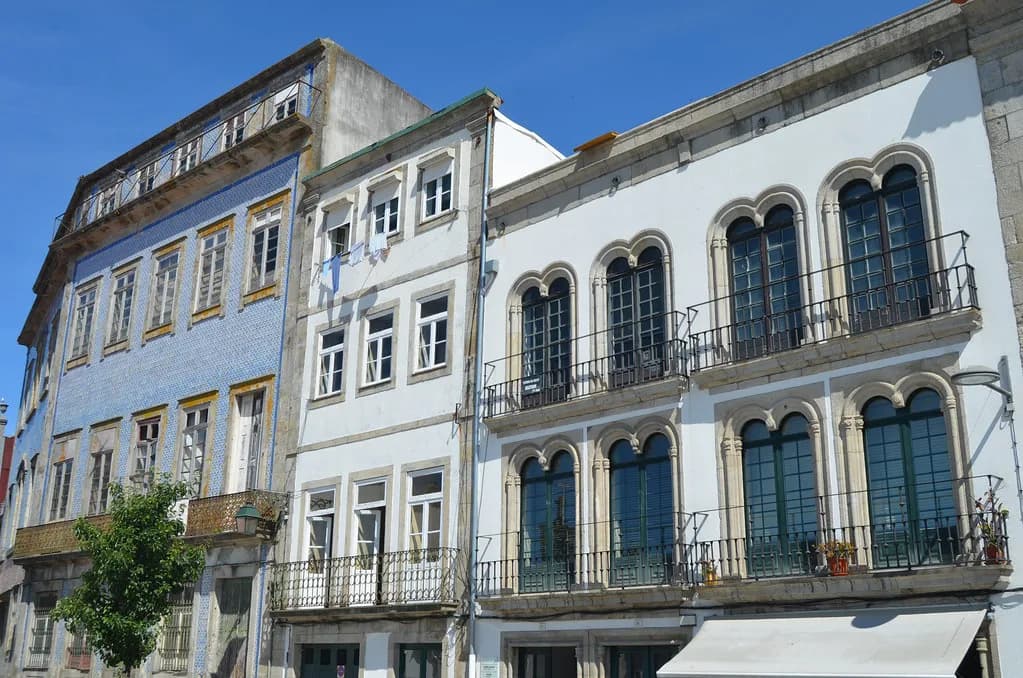
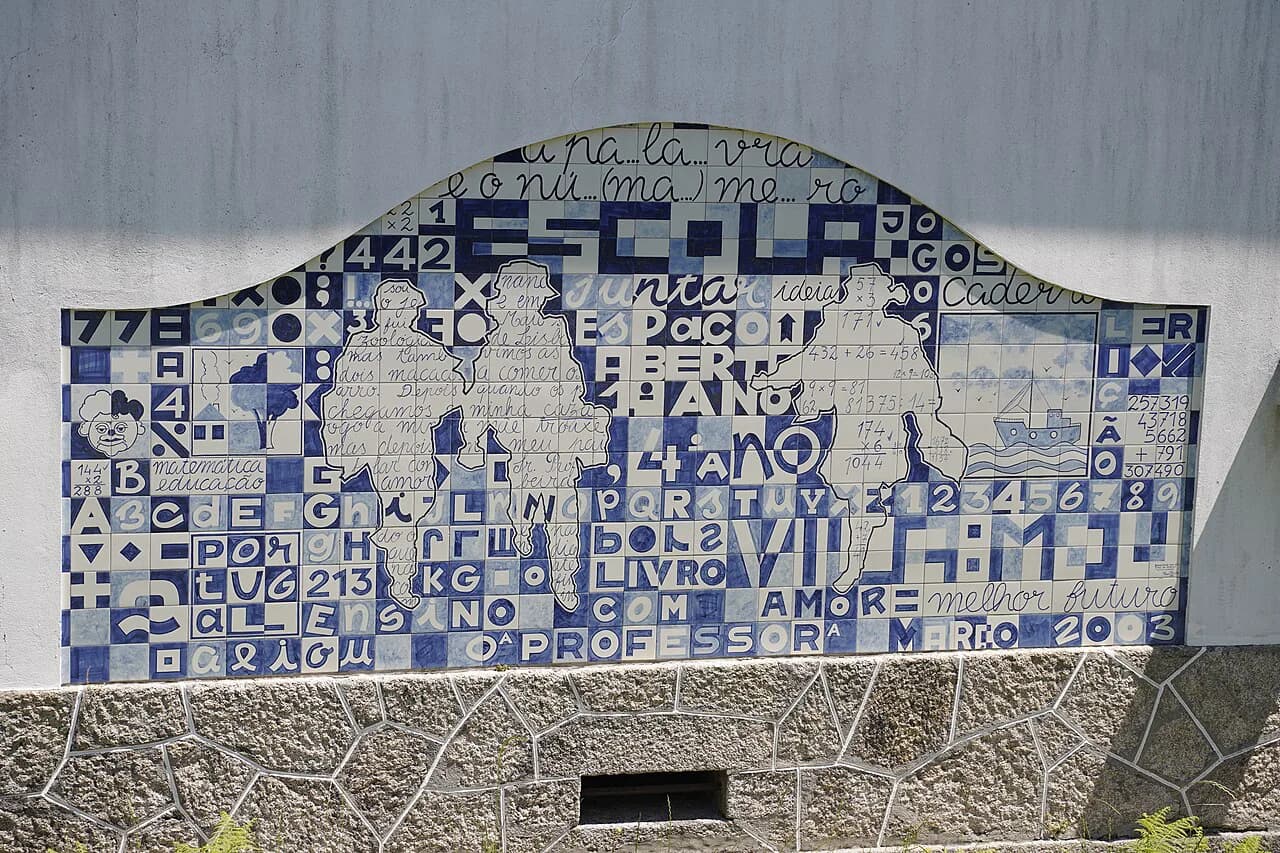
If tiles are the reason you came north, set aside an hour for the churches and another for the streets, where the azulejos on ordinary façades are as good as those inside.
Trace maritime history on the Gil Eannes hospital ship
The Gil Eannes is a decommissioned hospital ship tied up in the city, and boarding it is the best way to grasp how the cod fleets shaped Viana do Castelo. The ship served the crews who sailed from this port towards the cod grounds near Greenland, and the displays inside explain that life. Pair it with a walk along the harbourfront rather than treating it as a museum stop.
Half a day is enough for the ship and the waterfront together, which is why it fits neatly at the end of a first day. Check admission and hours with the ship before you go.
See the traditional costumes at the Museu do Traje
For many visitors the Museu do Traje, the Costume Museum, is the surprise highlight: intricately embroidered skirts, shirts and aprons worn by peasants, fishermen, farmers and the nobility, each outfit tied to local custom. A room of traditional filigree gold adds the jewellery that goes with the dress, and temporary exhibitions cover wider ethnographic traditions.
Give the Costume Museum a proper hour rather than squeezing it in before lunch, and pair it with the Santa Luzia morning, walking back down through the centre.
Step back further at the Citânia de Santa Luzia hillfort
The Citânia de Santa Luzia is a pre-Roman settlement on the same hill above the city, and it rewards the climb with a sense of how long people have lived here. On the slope below the basilica, it makes a natural stop on the walk down from the summit.
Come here for the stones and the position rather than for labels, and wear shoes that cope with uneven ground. It is the second sight worth building a day around if archaeology appeals to you.
Decorative arts at the Museu de Artes Decorativas
The Museu de Artes Decorativas is a smaller, quieter stop for furniture, ceramics and the decorative arts in a city better known for its embroidery. It suits a slow afternoon when the weather turns, and it sits comfortably alongside the old-town wander.
Check opening days and hours with each museum before you build a day around it, since smaller museums keep restricted hours. The same applies to the city's other ticketed interiors.
Walk out to the Forte de São Tiago da Barra
The Forte de São Tiago da Barra guards the river mouth and gives you a coastal walk with a purpose. It is a stomp rather than a stroll from the centre, so allow a couple of hours return with time on the ramparts.
Pair the fort with a harbour lunch for a half-day, and save it for a clear day when the view along the coast is worth the distance.
Eat fresh fish and seafood by the harbour
Fish and seafood are the point of eating here, best taken by the harbour rather than in the main square. Tasquinha da Linda on the Viana harbourfront serves fish and seafood for a leisurely lunch, and a table there pairs well with a riverside walk. For the wider choice, the guide to the best restaurants in Viana do Castelo covers the centre and the harbour.
For a taste of Minho cooking away from the water, Camelo in Santa Marta does kid, veal and cod, though it sits outside the centre and calls for transport and a check on opening days. Order vinho verde with either meal, as the region's young wine suits both.
Leave room for a pastry between sights: Zé Natário is a sweet stop between Praça da República and the historic streets.
Buy Viana embroidery and filigree jewellery
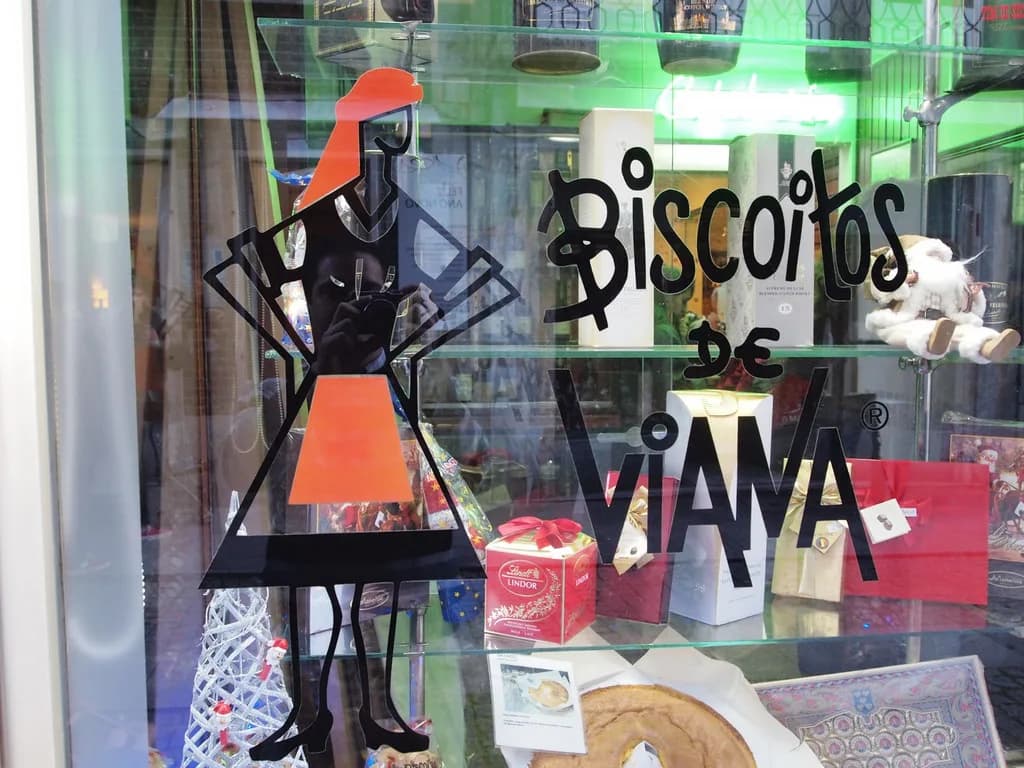
Viana do Castelo is famous for its embroidery and filigree jewellery, and both are genuinely local crafts rather than airport souvenirs. Buy embroidery from a shop that can tell you who stitched it, and filigree from a jeweller who works in the traditional style.
Shopping in Viana do Castelo is concentrated in the centre, close to the old-town lanes, so combine it with the church and square circuit rather than making a separate trip.
Cross to Cabedelo and the Parque Ecológico Urbano
Cabedelo sits on the southern bank of the Lima, and the beach there changes the pace after a morning of churches and museums. The centre and Cabedelo are on opposite banks, so arrange the crossing rather than assuming you can walk it quickly.
Back on the city side, the Parque Ecológico Urbano offers an estuary walk with time to look around, and it works especially well with children as a pause between visits. Choose your route and access points before setting off, as the paths follow the water rather than a single loop.
How many days does Viana do Castelo need?
One full day is enough for the basilica, the old town and the Gil Eannes ship, and two days give you the Costume Museum, the hillfort and the south bank without hurry. Add a third and Ponte de Lima makes a river day out, swapping sea for river.
If time is short, cut the decorative arts museum and the fort before you cut the Costume Museum or the Citânia. Both of those repay the detour more than anything else on this list.
How to get around: centre on foot, both riverbanks by transport
Walk the centre: the old town, the churches, the shopping streets and the harbour are all within comfortable strolling distance. Use transport for the hill if you are short of time, and for the coast and the far bank when you want to explore beyond the centre.
Viana do Castelo sits on the Minho coast north of Porto, which makes it a straightforward stop on a northern Portugal itinerary. If you are arriving from the city, the guide to Porto to Viana do Castelo covers the train and the practicalities of the journey, and it pairs well with a wider look at the best towns in northern Portugal.
For the full set of individual sight guides, Viana do Castelo Attractions collects them in one place. If you are weighing the city against its neighbours, the guides to things to do in Braga and things to do in Aveiro help you decide where to spend a spare day.
Is Viana do Castelo worth visiting on a northern Portugal trip?
Yes, for the combination of a hilltop view, a walkable old town and a maritime museum that explains the region better than any panel. It is a two-day city rather than a week-long one, and it works best as a stop between Porto and the Minho or Galicia.
The honest trade-off is that the beaches and the festival calendar are not the reason to come; the basilica, the Costume Museum and the hillfort are. Readers weighing it against a bigger city can read the fuller answer to is Viana do Castelo worth visiting.
Two days, or one if you must choose
Give Viana do Castelo two full days: the Santa Luzia morning and old-town afternoon first, then the Costume Museum, the hillfort and the south bank. With a single day, keep the basilica, the churches and the Gil Eannes and leave the rest for next time.
Check the cable car timetable at the lower station and the museum doors on the day, and let the weather decide whether the hill comes first or last.
Explore more Viana do Castelo guides
- Is Viana do Castelo Worth Visiting?
- Viana do Castelo Old Town
- Viana do Castelo Restaurants
- Azulejos in Viana do Castelo
- Brunch in Viana do Castelo
- Porto to Viana do Castelo
- Shopping in Viana do Castelo
- Vegan and Vegetarian Food in Viana do Castelo
- Viana do Castelo Cathedral
- Viana do Castelo Food
- Viana do Castelo History
- Viana do Castelo Market
- Viana do Castelo Miradouros
Sources
Notes for your next Portuguese break
Optional updates to our town guides.
You might also like
Continue reading
More guides you'll find useful