Viana do Castelo Old Town: What to See and How to Walk It
Walk Viana do Castelo old town from the Praça da República to the Sé Catedral and Igreja da Misericórdia, then down to the Lima waterfront and Santa Luzia.
On this page
Viana do Castelo old town needs about half a day on foot, and it rewards a fixed order: the historic centre first, the Lima waterfront second, and Monte de Santa Luzia last for the late-afternoon light. The centre is compact and follows a grid of streets laid around the Praça da República, so you can cover the main squares and churches without doubling back. This guide covers what to see, how the pieces fit together and which day of the week to avoid.
The walk suits anyone based in the city for a short break, and it works as a day trip too: the fastest trains from Porto's Campanhã station reach Viana in 75 minutes, with a single fare of €8.90. Once you arrive, the historic centre sits conveniently close to the station, so you can start walking almost immediately.
Where the old town sits between the station and the river
Viana do Castelo is a working port where the Lima River meets the Atlantic, and the old town occupies the ground between the railway station and the riverfront parks. That geography dictates the walk: you begin inland among the streets and squares, then drift downhill towards the water, and finally climb the wooded slope of Monte de Santa Luzia above the city.
Because the centre is close to the station, you can leave your bag, start on foot and treat the whole day as a loop rather than a series of taxi hops. The waterfront is a mix of modern buildings and tended parks around the Centro Cultural, with the Santiago da Barra Fort and the port further towards the river mouth.
How the centre is laid out
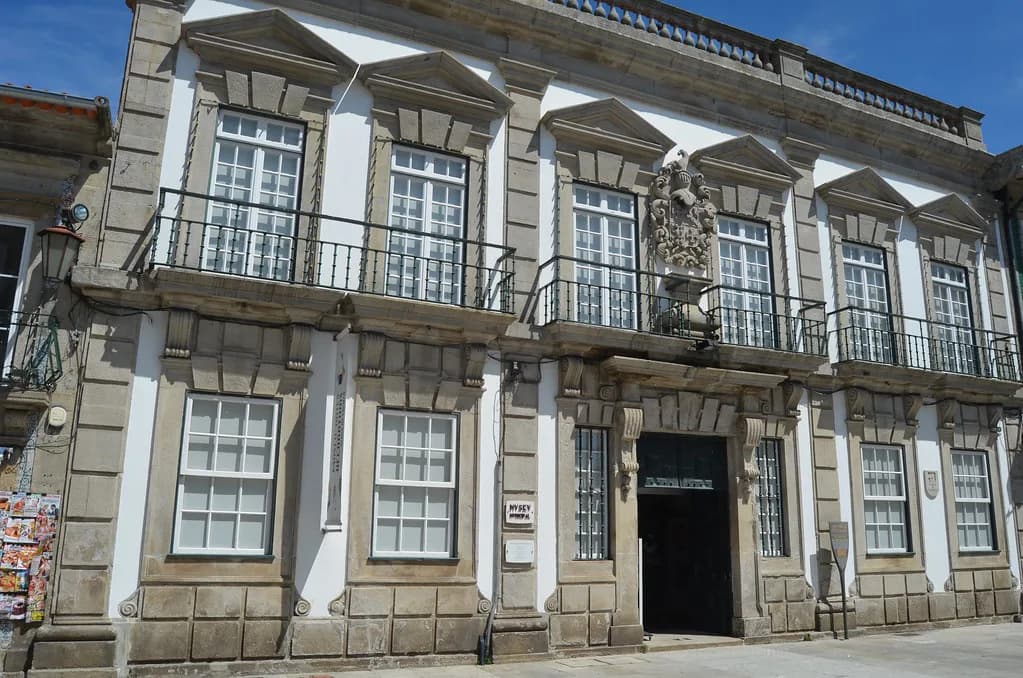
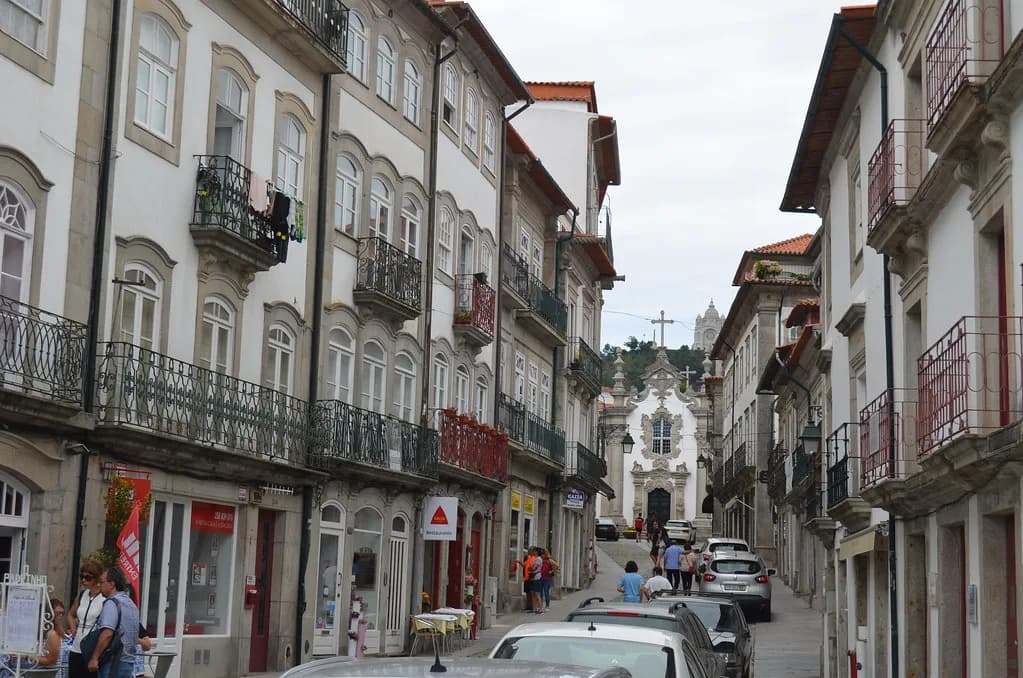
The historic centre follows a grid layout with the Praça da República at its heart, which makes navigation simple even on a first visit. Streets run off the square in straight lines, so you can pick a direction, walk a block or two, and find your way back without a map. Highlights sit within a few minutes of each other: the Sé Catedral, the Misericórdia church and the Museu do Traje, which holds regional costume.
For a town of its size, Viana packs a lot into a small area, and the grid means you rarely walk more than ten minutes between one sight and the next. Allow the morning for the centre alone if you want to look inside the churches rather than just pass them.
Praça da República: the square to start from
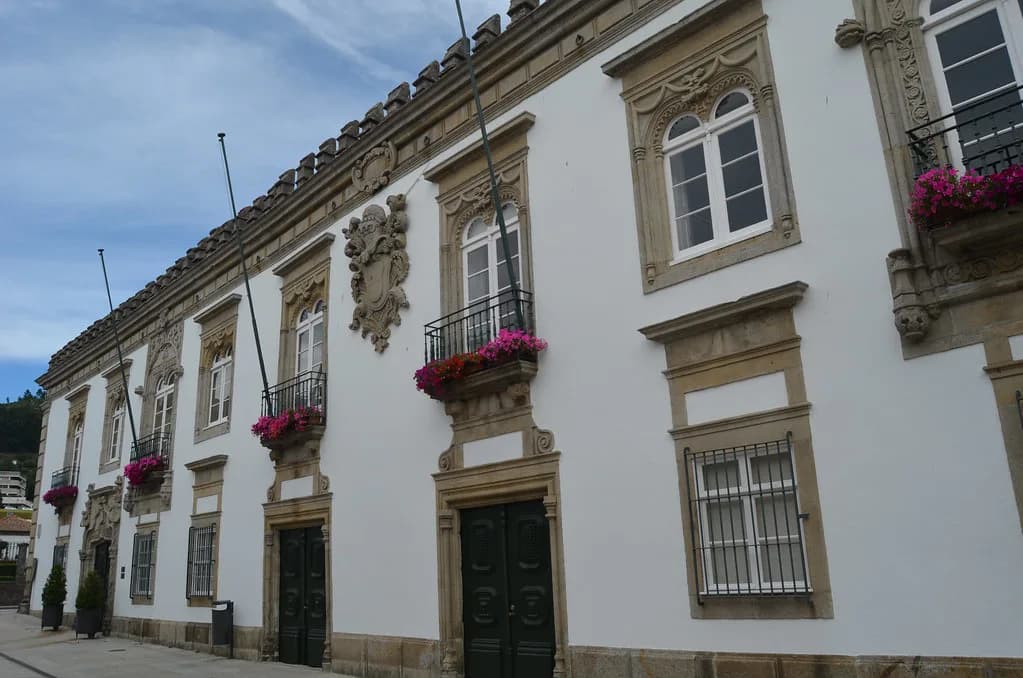
Start at the Praça da República, the cobbled square framed by 16th- and 17th-century townhouses and the tiered façade of the Santa Casa da Misericórdia. It is the natural orientation point for the old town, and its open-air café terraces make it the obvious place to sit once you have walked the streets. Locals have met here for generations, and the square still carries that everyday civic role rather than feeling like a stage set.
Use the square as a base: see the churches around it first, then return for coffee before heading down to the river. That way you break the walk naturally and keep the waterfront for the middle of the day.
Igreja da Misericórdia and its azulejo interior
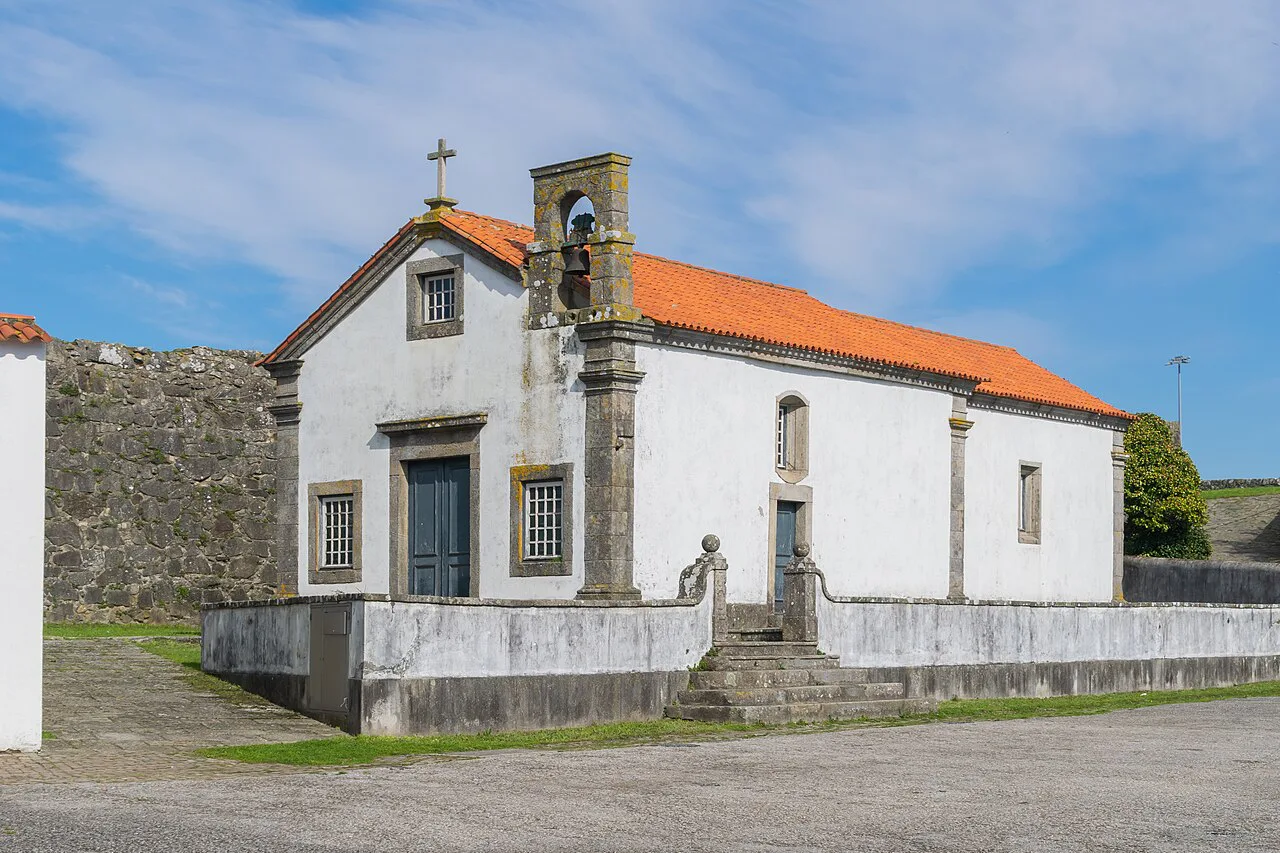
The Igreja da Misericórdia, attached to the Santa Casa da Misericórdia on the Praça da República, is the interior to prioritise in the old town. Step inside and you find gilded woodwork and walls of blue and white azulejo tiles, one of the most beautiful church interiors in the north of Portugal. It is easy to walk past the plain façade, so make a point of going in rather than saving it for later.
Pair it with the cathedral nearby, and you have the two essential church stops of the centre in under an hour. The tiled interior is the reason this page treats the Misericórdia as a highlight rather than a footnote.
Sé Catedral: the Gothic cathedral in the historic centre
The Sé Catedral is Gothic in style and sits within the historic centre, a short walk from the Praça da República. It anchors the ecclesiastical side of the old town alongside the Misericórdia, and its presence explains why the centre feels more substantial than its compact size suggests. Build it into the morning rather than treating it as an afterthought on the way to the river.
If you only have time for one interior, choose the Misericórdia for the tiles; if you have an hour, take in both and notice how differently the two buildings handle light and ornament.
Museu do Traje: costume and regional identity
The Museu do Traje, the regional costume museum, adds context to the streets you have just walked. Viana's identity was built on the cod fleets that sailed to Newfoundland for four centuries, and the costume collection gives that Atlantic heritage a human face. It is an informative stop rather than a blockbuster, so give it a focused hour.
The museum is one of the city's museums, so it follows the citywide Monday closures described below; plan it for another day of the week. Check the museum's own published hours before you build your morning around it.
Walking down to the waterfront
From the old town, walk downhill towards the Lima. The waterfront mixes modern buildings and parks around the Centro Cultural, and the route passes the Ponte Eiffel and the Monumento ao 25 de Abril on its way towards the river mouth. This stretch is about the city's working life rather than its monuments, and it makes a good contrast with the grid of streets above.
Keep going towards the mouth of the Lima and you reach the sprawling Forte de Santiago da Barra, which guards the approach to the port. It is a natural end point for the waterfront leg before you turn your attention to the hill.
Forte de Santiago da Barra at the mouth of the Lima
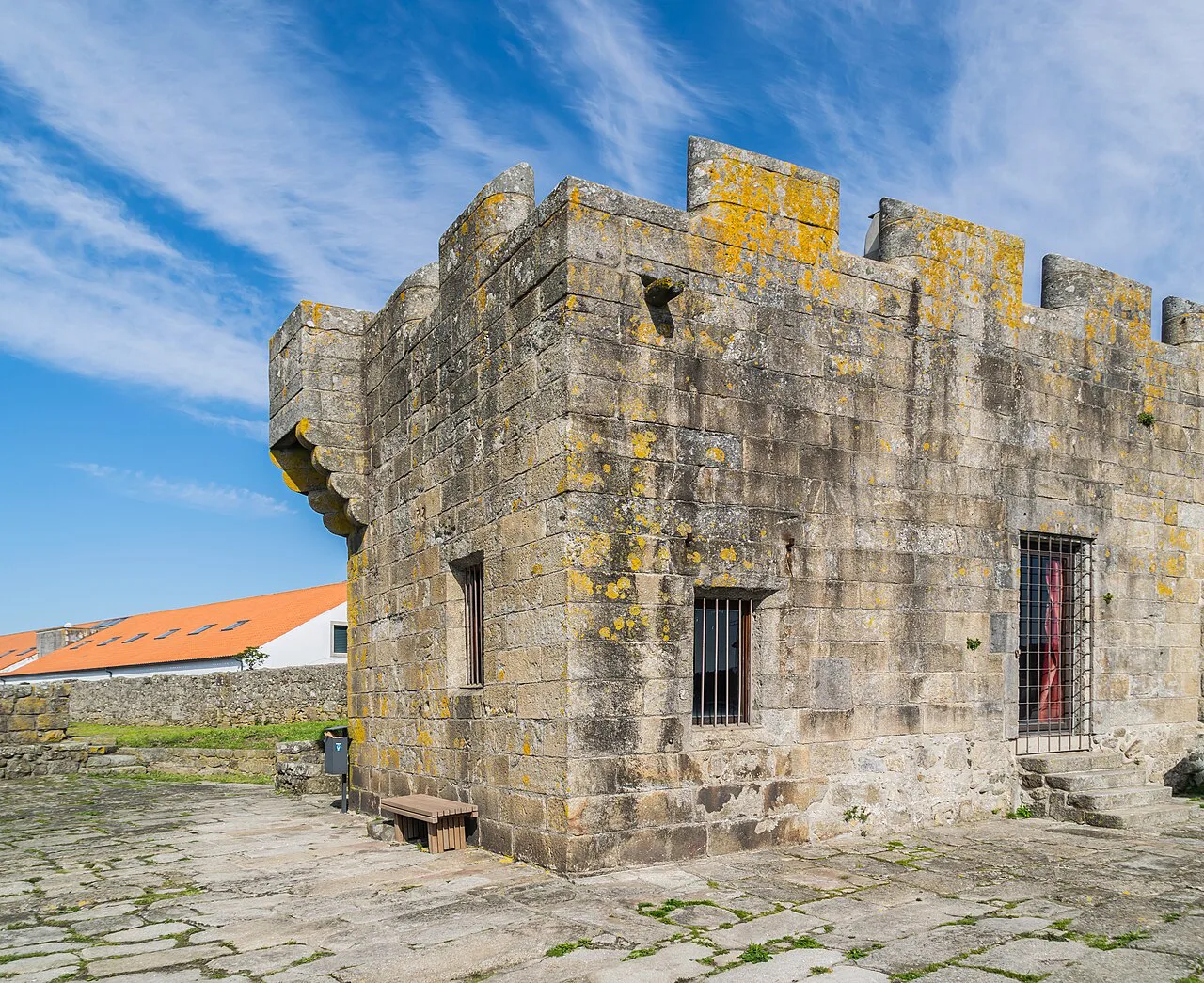
The Forte de Santiago da Barra sits towards the mouth of the Lima River, beside the working port and harbour. Its scale is best appreciated from the waterfront approach, so walk the riverfront rather than driving straight to it. It closes the loop of the lower city nicely: old town above, fort and harbour below.
From here the Gil Eannes is moored alongside the harbour, so the two sights sit together on the same stretch of waterfront.
Gil Eannes: the hospital ship by the harbour
The Gil Eannes is the 1950s hospital ship built in the Viana shipyards to support the cod-fishing fleets on their long expeditions to Newfoundland, serving as both supply ship and floating hospital. You can walk the entire ship, from the bridge down to the operating theatres at the keel, where the surgeons worked at the calmest point of the hull. It is one of the most fascinating museums in Portugal and the single best explanation of what made Viana a cod city.
Because the ship is a museum, time your visit around the Monday closures rather than turning up to a locked gangway. Give it a proper hour rather than a quick look at the deck.
Monte de Santa Luzia and the Santuário
Save Monte de Santa Luzia for the late afternoon, when the light across the river and the Atlantic is at its best. The Santuário de Santa Luzia is a vast neo-Byzantine basilica crowning the wooded hill above the city, with three great rose windows among the largest in the Iberian Peninsula. Climb the narrow stairwell to the top of the dome and the city, the Lima and the ocean spread out below.
The Elevador de Santa Luzia provides the mechanical way up the hill if you would rather save your legs for the dome stairs. Either way, leave enough time to come back down before dinner.
A half-day route through the old town and waterfront
Start at the Praça da República, look into the Igreja da Misericórdia and the Sé Catedral, and add the Museu do Traje if the day allows. Then walk downhill to the waterfront, following the Centro Cultural, Ponte Eiffel and Monumento ao 25 de Abril towards the Forte de Santiago da Barra and the Gil Eannes. Finish with Monte de Santa Luzia in the late afternoon.
Allow five to six hours for the three parts together, which leaves room to linger over lunch in the old town rather than rushing the churches. The order matters: the grid is easiest to navigate in the morning, and the hill is at its best with low light.
When to go: why Monday shuts the city's museums
On Mondays, all of the city's museums are shut, so Monday is the day to avoid if you want the Museu do Traje, the Gil Eannes and the rest of the collections. That is a reason to pick another day rather than to abandon the visit, since the streets, squares and churches remain the core of the walk. Do not assume the same closure applies to churches or monuments; check each site's own published hours.
How long the old town needs, and whether it works as a Porto day trip
The old town itself needs about half a day, and adding the waterfront and Santa Luzia stretches that to a full day of sightseeing. As a day trip from Porto it works well: the fastest trains from Campanhã take 75 minutes and cost €8.90 one way, which makes a there-and-back day realistic without a car.
If you have only one day, follow the route above and skip the beach entirely; the sand at Praia do Cabedelo and Praia Norte is a separate trip. If you have two, split the old town from the hill and the ship, and use the extra time to eat properly in the centre.
Which day should you give the old town?
Pick any day except Monday if you want the museums, and start at the Praça da República so the grid works for you rather than against you. Walk the churches first, take the waterfront second and climb to Santa Luzia last, and half a day becomes a full one without any wasted steps.
If you are still deciding whether the city justifies the train fare, weigh the old town against your other options before you commit. The answer usually comes down to whether you want streets and churches or a bigger city's bustle.
Explore more Viana do Castelo guides
Frequently Asked Questions
Do I need a car to see Viana do Castelo old town?
No. The historic centre sits close to the railway station and follows a compact grid around the Praça da República, so the main squares and churches are all walkable. Trains from Porto's Campanhã station cover the trip in 75 minutes on the fastest services, which makes a car unnecessary for the old town itself.
Are the churches in the old town free to enter?
The Igreja da Misericórdia and the Sé Catedral are working churches in the historic centre, and their opening arrangements and any charges are set locally. Check the notice at each door or the parish's own information before you plan around a visit, and do not assume either church is open all day.
Can I combine the old town with the Gil Eannes in one day?
Yes. The ship is moored by the harbour at the end of the waterfront leg, so the old town, the fort and the Gil Eannes fit into a single day on foot. Avoid Monday, when the city's museums are shut.
Sources
Notes for your next Portuguese break
Optional updates to our town guides.
You might also like

Continue reading
More guides you'll find useful