Viana do Castelo History: What to See and Why It Matters
Viana do Castelo's history for visitors, from its medieval port and pilgrimage road north to Santiago to the monuments and streets where that story survives.
On this page
Viana do Castelo is a northern Portuguese port where the Lima River reaches the Atlantic, and its history reads most clearly as two overlapping stories: a maritime town and a stop on the road to Santiago de Compostela. For a visitor with one to four days, the history is not a chronology to memorise but a route to walk through named churches and chapels, most of them in or near the historic centre. This guide explains where the town sits and why that mattered, which buildings belong to the pilgrimage story and which to the sea, and how much time the history side of Viana realistically takes.
What Viana do Castelo is known for, in one answer
Viana do Castelo is a northern Portuguese coastal town with a working port, a compact historic centre and a long association with the pilgrim route heading north to Santiago de Compostela. Travellers know it for that combination rather than for a single monument: the river mouth, the old streets and the religious buildings that served people on the move. If you have time for only one historical thread, follow the pilgrimage one, because it links buildings you can visit in a single afternoon.
Where Viana do Castelo sits and why the river mouth mattered
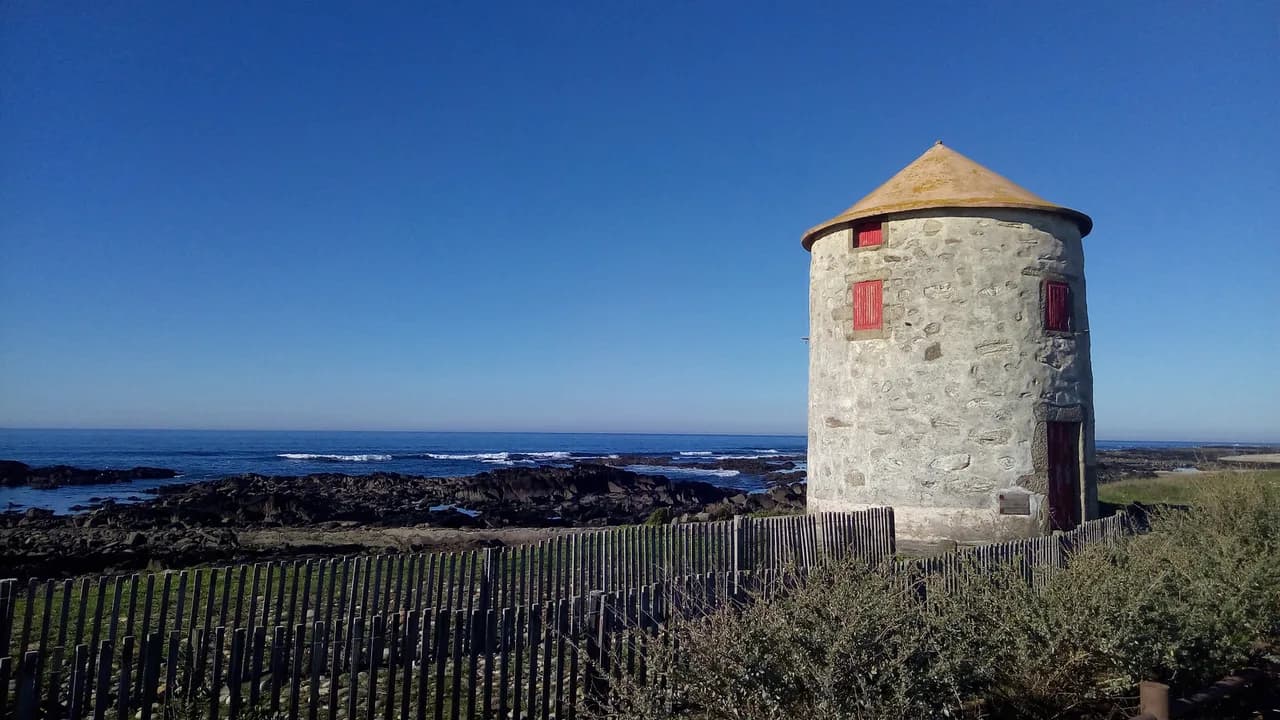
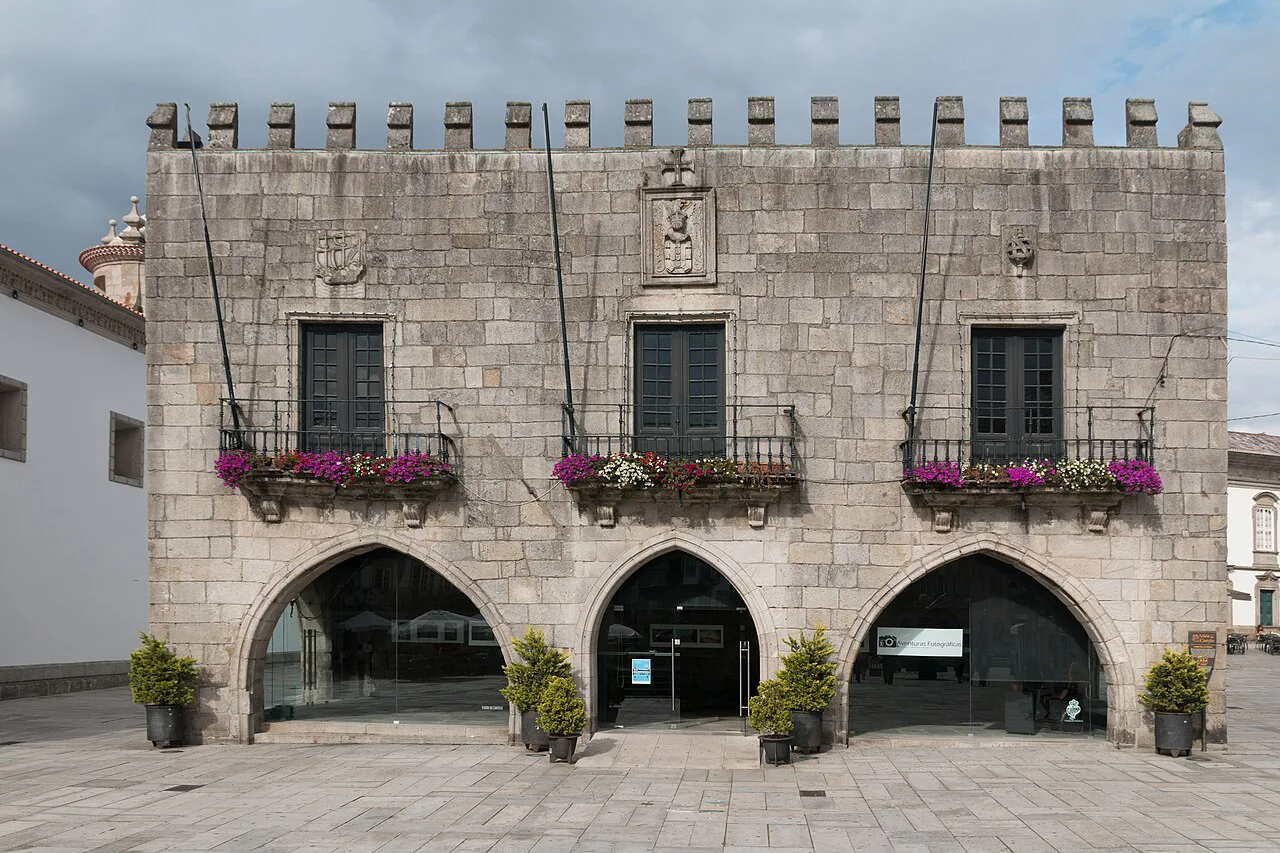
The town stands where the Lima River meets the Atlantic, a position that gave it a sheltered approach from the sea and a natural gateway inland. That geography is the reason a settlement here made sense long before any of the buildings you see today were put up. When you walk the waterfront, the point of the town is obvious: ships could come in, and people and goods could move upriver or along the coast.
Read the town's layout with that in mind and the historic core stops looking random. The streets closest to the river carry the commercial life, while the religious buildings sit among the houses rather than in a separate quarter. A short loop from the waterfront into the centre and back shows you both halves of the story without any transport at all.
The medieval town and the pilgrimage road north to Santiago
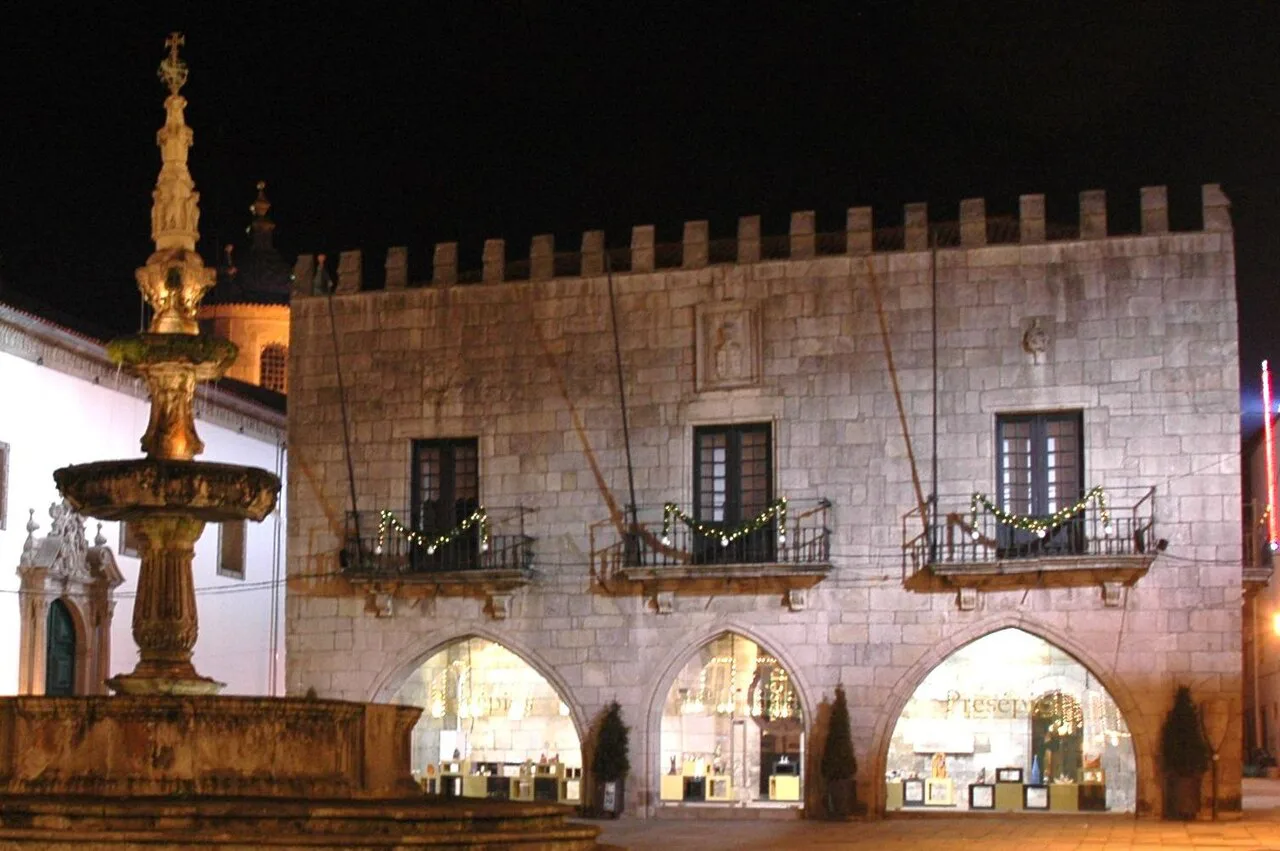
The strongest historical thread in Viana do Castelo is the medieval pilgrimage road. The route of an ancient Roman road survived in the region and later carried a royal road, built over medieval ways that themselves followed Roman ones, so travellers heading for Santiago passed through this coast rather than around it. Pilgrims relied on monasteries, hospitals and albergues for food and rest along the way, and the Viana area had its share of these stopping places.
The modern Caminho Português da Costa follows this corridor, which is why the town still feels connected to the Compostela route. For a visitor, the practical value is that the pilgrimage buildings form a walkable set rather than scattered fragments. Start with the churches and chapels tied to Santiago and you have a ready-made historical route through the centre.
Churches and chapels tied to the Santiago pilgrimage
Several religious buildings in and around Viana do Castelo belong specifically to the pilgrim story. In the town itself there is a chapel devoted to Santiago, and shrines to São Roque stand in Viana and in Afife; further out, the churches at Castelo de Neiva and Vila Nova de Anha are also linked to the apostle. The monasteries of São Romão do Neiva and São João de Cabanas in Afife provided pilgrims with somewhere to sleep and eat.
The old pilgrim hospital in Viana is the other key piece of the picture: it was built to give free help to people travelling to or returning from Santiago. Together these buildings show how the route worked as infrastructure, not just devotion. The town-centre examples are the easy ones; the Neiva and Afife sites sit outside the centre and need planning, so treat them as a separate outing rather than part of a morning stroll.
The Age of Discovery: the port, the seafarers and the wealth they left
Viana do Castelo's maritime story runs alongside the pilgrimage one, and a working port on this coast shaped the town over centuries. Its history belongs as much to the sea and to trade as to the road to Santiago, which is why a visit that stops at the churches misses half the point. If you want to see how the port, the streets and the monuments hang together, start with Things to Do in Viana do Castelo before choosing what to visit.
The two stories are easy to confuse because they share the same streets and buildings. Chapels and hospitals belong to the road to Santiago, while the harbour and its commerce belong to the maritime town. Keeping that split in your head makes a walk through the centre far more legible.
Which streets and squares still show the old town layout
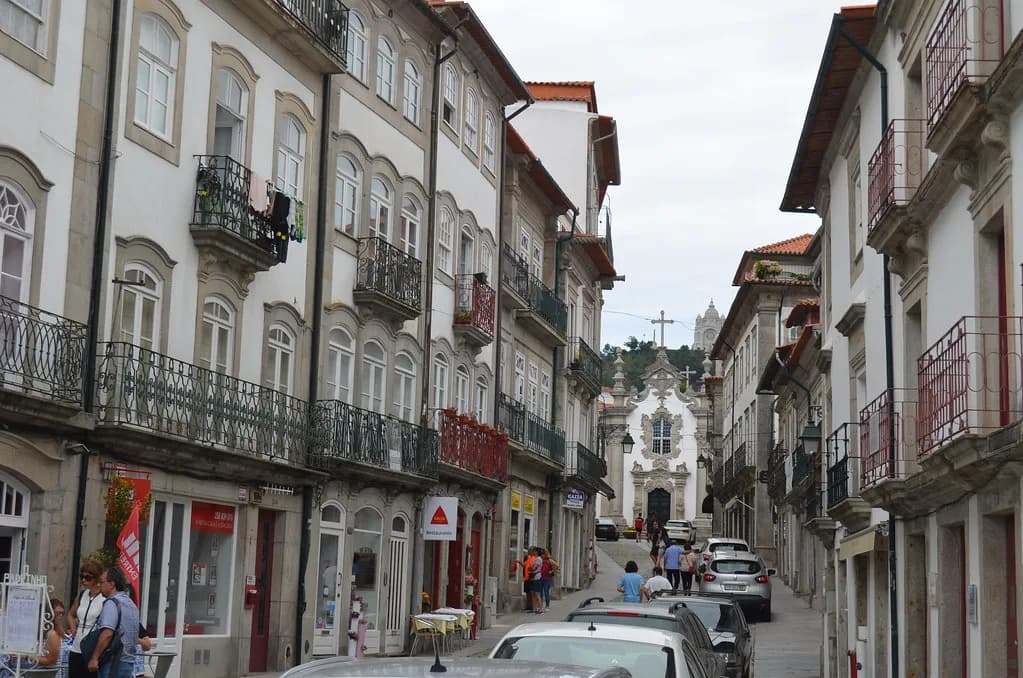
The historic centre is compact enough to cross in a morning, and its shape still reflects the port town it grew from. Begin with a wander through the Viana do Castelo Old Town, where narrow streets run towards the river and up towards the higher ground. Walk without a fixed list for twenty minutes and the older plan starts to show itself in the street widths and in the way the buildings turn their backs on the wind.
The tiled facades you pass on these streets are a later layer of the town's history, applied to houses that are often much older underneath. Prosperous owners faced their buildings in azulejos, so the decoration marks the period of that prosperity rather than the age of the structure. A short detour to look closely at a few frontages is worth more than rushing between monuments.
The monuments that carry the town's later history
The later chapters of Viana's history show in its churches and in the sanctuary on the hill above the town. The Santuário de Santa Luzia is the building most visitors associate with the town, and it belongs to the era when Viana was a confident religious centre rather than a medieval waypoint. Reaching it means a climb, so it works best as a separate half-day rather than an add-on to an old-town walk. Opening days and any admission charges are set by the sanctuary itself, so confirm them before you set out.
How long the history side of Viana needs
Budget half a day for the historic core on foot and a further half-day for the sanctuary and any outlying pilgrimage sites. In the centre, the Santiago chapel, the old hospital site and the surrounding streets sit close together, so two to three hours of unhurried walking covers the essentials. Add the hill sanctuary and you have used a full day, which is the right shape for a two-night stay.
With one day only, keep to the centre and the sanctuary and save Castelo de Neiva and Afife for a longer trip. Those outlying churches and monasteries need transport and their own time, and squeezing them in spoils the pace of the town itself. If you are still deciding what the history is worth to you, treat it as a slow half-day rather than a checklist.
Practicalities are straightforward: the town is compact, walkable and the historical sights you will use sit within a small area. Plan your onward travel in advance, and if you want the wider church and chapel picture before setting out, see the churches and chapels in Viana.
Is the pilgrimage route the right thread for your visit?
If you have one day in Viana do Castelo, follow the pilgrimage thread: the Santiago chapel, the old pilgrim hospital and the streets around the historic centre give you the town's story in a single walk. Add the hill sanctuary if you have a second day, and treat the Neiva and Afife sites as a separate outing requiring transport. That structure keeps the history legible instead of turning it into a list of churches, and the Viana do Castelo Old Town guide helps you place the streets on the ground.
Explore more Viana do Castelo guides
Sources
Notes for your next Portuguese break
Optional updates to our town guides.
You might also like


Continue reading
More guides you'll find useful