Azulejos in Viana do Castelo: Where to See the Town's Tiles
A short walking route to the azulejos of Viana do Castelo, from the Praça da República to the Museu de Artes Decorativas and the pottery tradition behind them.
On this page
Allow one to two hours for a tile-focused walk in Viana do Castelo. The centre is compact, the tile interest is concentrated around the Praça da República and the Museu de Artes Decorativas, and you can see the main pieces without turning it into a full day.
This guide sets out a walking order through the centre, explains what the blue-and-white faience and the regional louça de Viana actually are, and points to studios where you can try ceramics or tile painting. It also places the walk inside a one-, two- or three-day stay, and it fits neatly alongside the wider list of things to do in Viana do Castelo.
What you will actually see on a tile walk
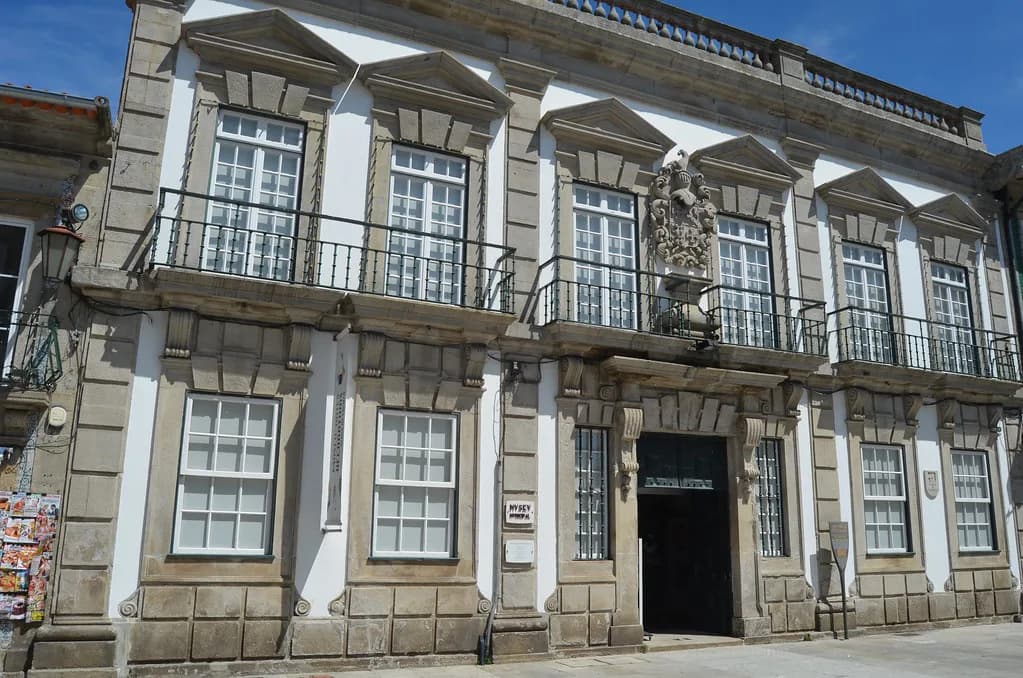
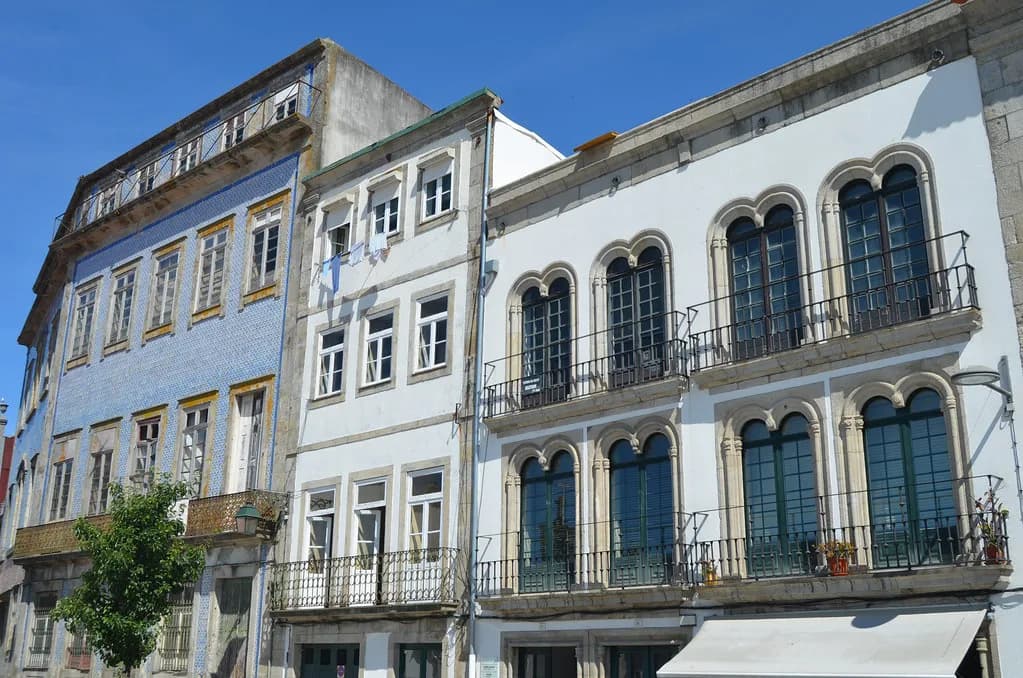
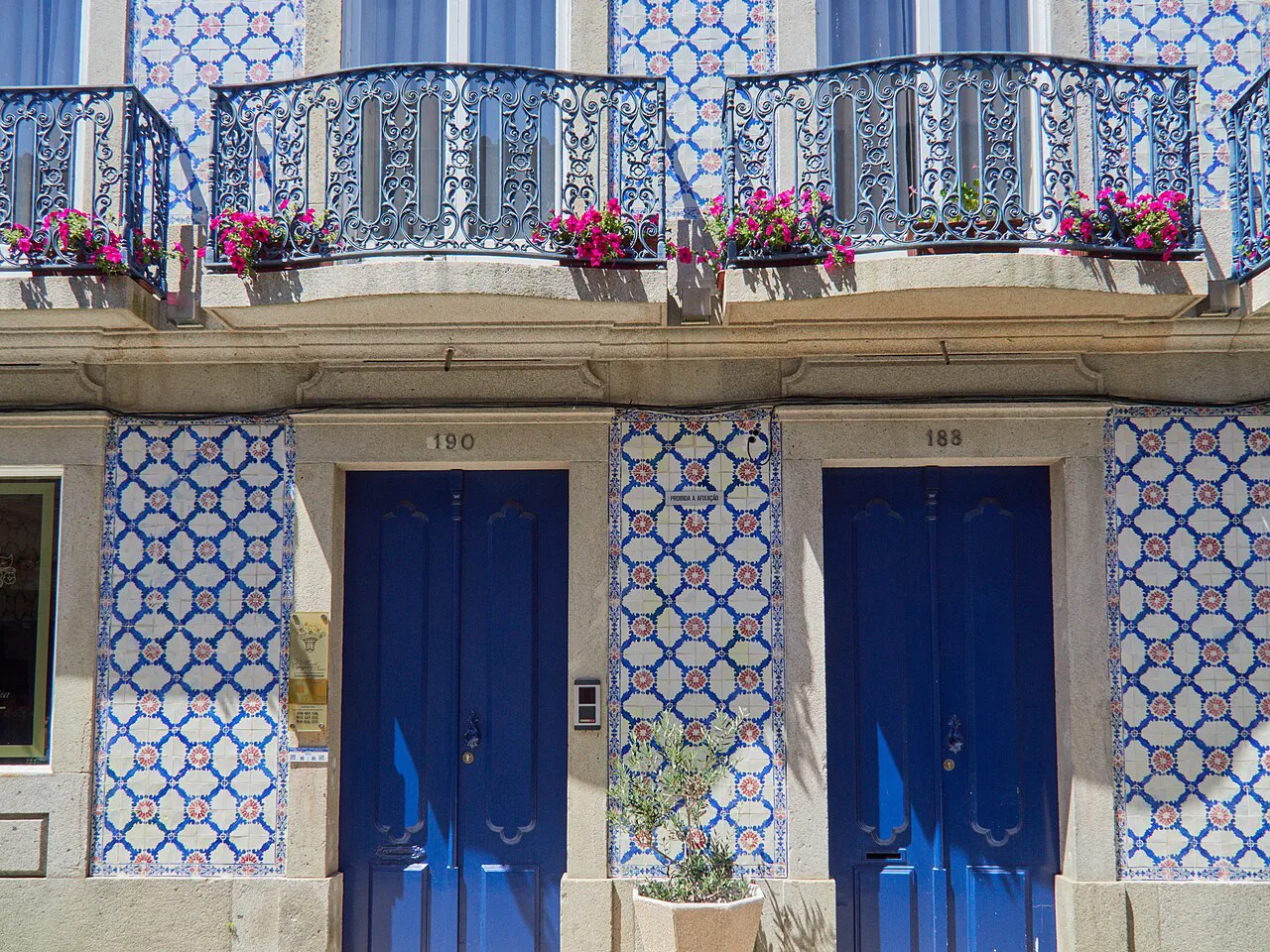
Viana do Castelo's ceramic heritage shows up across the historic centre rather than in one single monument. The city council's own account describes precious examples of ceramics on public and private buildings, on façades and in interiors, which is why walking the streets is the right approach.
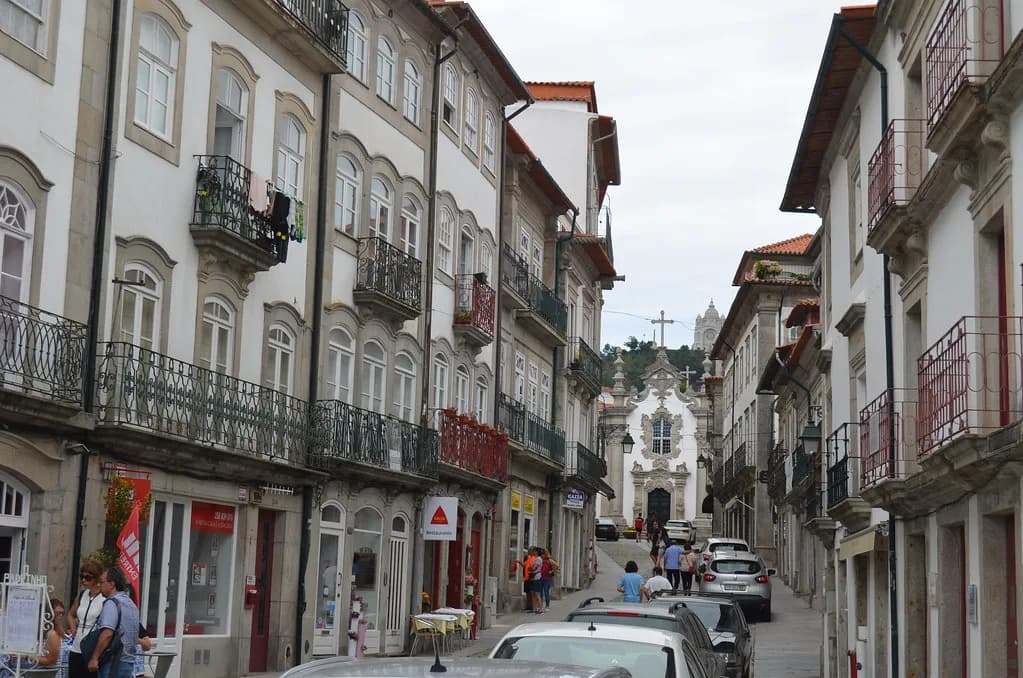
The centre's scale makes that realistic. Rather than hunting a long checklist of individual tiled façades, treat the walk as a loop between the arcaded main square, the decorative arts museum and the streets in between, and let the tiles you pass be the point. Doorways, lower walls and shopfronts reward a slower pace than the postcard view from the river.
Start in the Praça da República
Begin at the Praça da República, the main square at the heart of the old town. It works as a natural meeting point and sets the tone for the walk.
From the square you can drift into the surrounding streets on foot, which is where the tiles on façades and interiors begin. On market days the square changes character entirely, so if you want a quiet look at the architecture rather than the stalls, walk the tile loop on a different morning; the Viana do Castelo market page sets out when it runs.
The Museu de Artes Decorativas and its faience
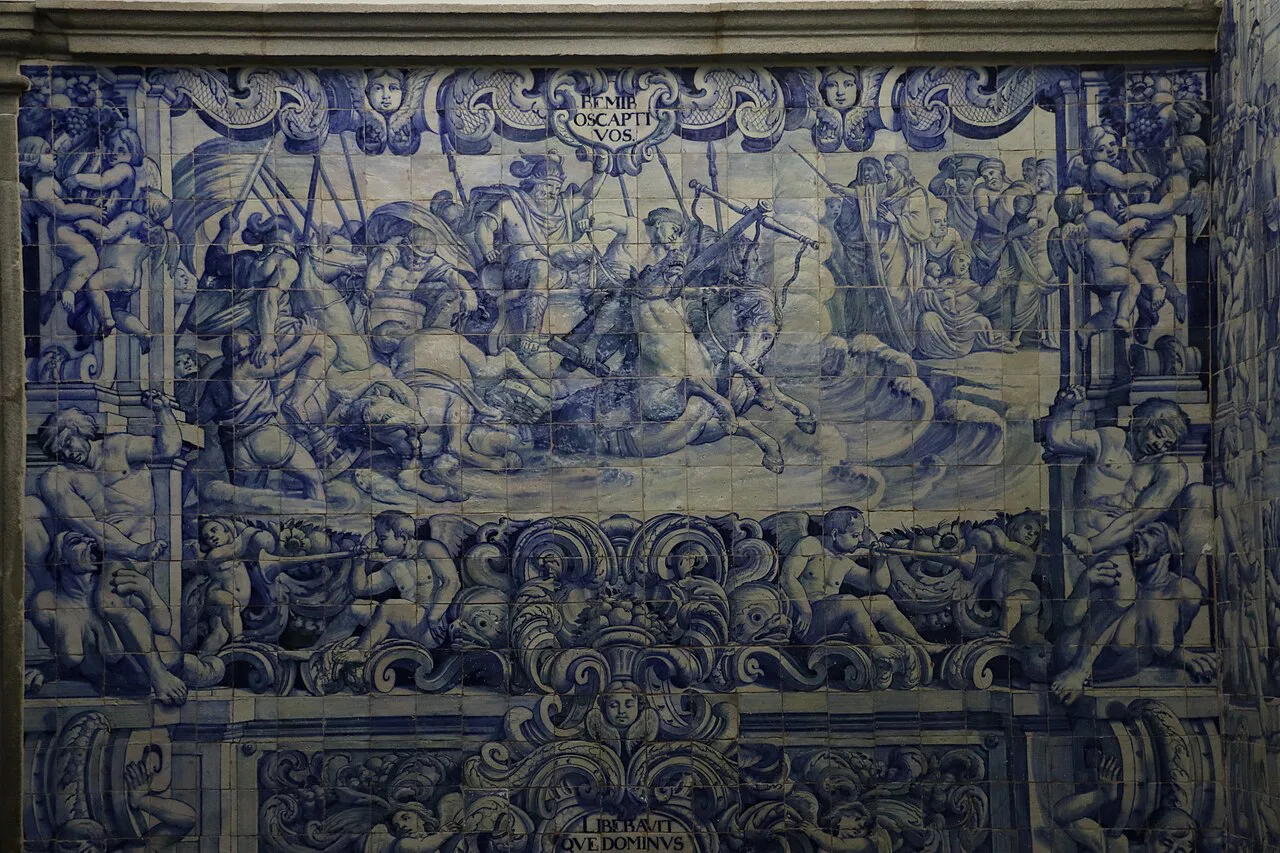
The Museu de Artes Decorativas de Viana do Castelo, run by the city council, holds an exceptional collection of Portuguese faience from the seventeenth, eighteenth and nineteenth centuries, with particular weight on pieces made at the Fábrica de Louça de Viana. It is the anchor of any tile-focused visit.
The museum also holds furniture of the same period, and the council singles out valuable blue Portuguese porcelain from the Fábrica de Louça de Viana as a highlight. Build your route so the museum comes halfway or at the end: you will read the pieces on the streets differently once you have seen the collection.
Opening days and ticket prices for the museum are not set out in the material here, so confirm them with the municipality before you rely on a visit.
Reading the tiles you pass
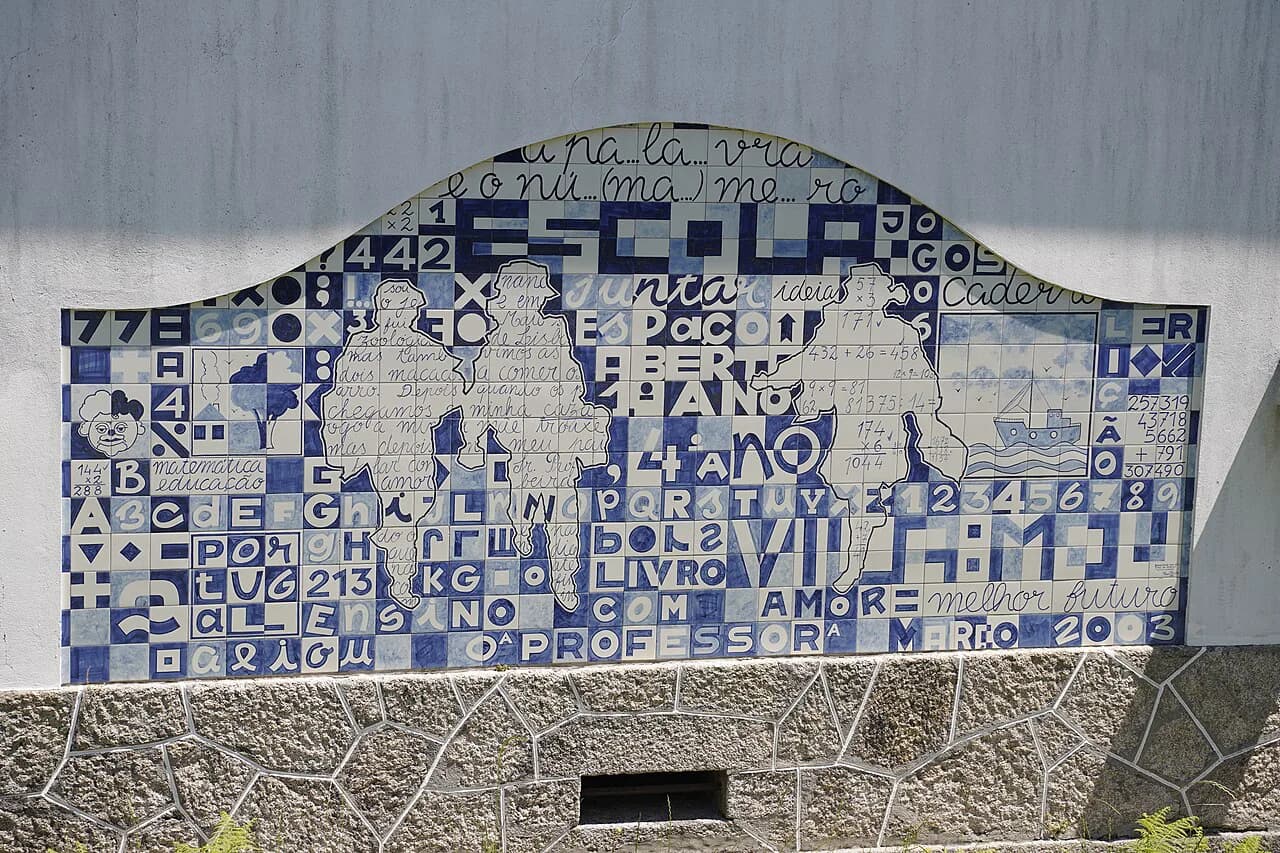
Two traditions sit side by side here. The older is blue-and-white faience, the tin-glazed pottery the museum's seventeenth- to nineteenth-century collection represents; it is the style most travellers picture when they hear azulejos. The second is louça de Viana, the regional painted pottery whose decoration runs well beyond plain blue.
Knowing the difference changes how you look at shop windows as much as at façades. Blue-and-white panels read as architectural cladding, while the painted regional ware is domestic, decorative and often figurative, and it is the tradition the twentieth-century factories in and around the city set out to revive.
Try ceramics or tile painting yourself
For a hands-on hour, Viana do Castelo has studios that run ceramics and tile-painting sessions. Current listings name Experimentar cerâmica e pintura de azulejo, Iodo - Atelier de Cerâmica Criativa, Oficina Livre and uChill Experiences under painting and ceramics studios in the city.
Book directly with whichever studio suits your dates. Session times, what you make and what it costs are set by each studio rather than by any central office, so ask about drying and firing if you want to take the piece home, and allow for collection or postage if your trip is short.
The pottery story in brief
In the second half of the eighteenth century the Fábrica de Louça de Viana was founded, helped by Pombaline measures including an alvará of 1770 intended to intensify artistic ceramics production in Portugal and to protect national factories. That is the origin point for the town's ceramic reputation.
The twentieth century brought a revival. In 1945 the Cerâmica de Viana factory opened at Senhora da Ajuda in Meadela with the aim of resuming Vianense potting traditions, and the artist António Pedro made notable stoneware there. Other works followed, including José Agra in Lanheses in 1942, DEVICA in Alvarães, ALFE near the city in 1974 and the Fábrica de Cerâmica Vinagres in Carvoeiro in 1994.
Cerâmica Artística Vale do Neiva is a working ceramics producer at Rua da Ponte in Fragoso, from the A28 take exit 21 and follow the EN 103 towards Barcelos. It is a place of business rather than a visitor attraction, so telephone ahead on +351 258 971 895 rather than turning up expecting a tour.
Buying louça de Viana without buying a generic souvenir
Authentic louça de Viana means pieces in the regional painted tradition, not any blue-and-white crockery with a Portuguese name on the box. Look for hand-painted decoration, an identifiable maker and a pattern that ties back to the local factories rather than to mass-produced tourist ranges.
Specialist shops and the museum shop are the safest places to start, and the studios that run sessions often sell finished work too. Because a piece is hand-painted does not automatically make it right for your suitcase, so ask for packing and carry-on advice before you commit. For the wider picture of where to shop in town, see this guide to shopping in Viana do Castelo.
A one- to two-hour walking order
Run the route in this order: Praça da República first for orientation, then the streets around it for façades and interiors, then the Museu de Artes Decorativas to make sense of what you have seen. Finish with a studio visit or a shop rather than starting with one, so the buying comes after the looking.
Allow roughly 20 to 30 minutes for the square and surrounding streets, 30 to 45 minutes for the museum and the balance for shopping or a workshop. The distances are short and entirely walkable, but note that many Portuguese churches close over the lunch period, so fit any church stop into the morning or later afternoon.
Where the tile walk fits in a short break
On a one-day visit, give the tile walk the morning and use the afternoon for the Santuário de Santa Luzia and the views over the Rio Lima. On a two-day stay, split the centre from the hill and the coast, keeping the tile loop as a relaxed half-day rather than a rushed stop.
With three days, the tile walk works well as a gentler counterpoint to a day out along the river or the coast. If you are still deciding whether the city deserves the time at all, this honest answer to is Viana do Castelo worth visiting sets out the trade-offs.
Practical notes on opening days
Portuguese museums commonly close on Mondays and on some public holidays, and church visiting hours often break for lunch. Treat that as a pattern to plan around rather than a guarantee, and confirm times for the museum and any church you particularly want to see before setting out.
Build the walk so the outdoor tiles carry it: façades, squares and streets are free to look at and available whatever the day. Keep the museum as the flexible element, and if it is shut, use the time for a studio session or a slower loop through the old town instead.
Is the tile walk worth half a day?
Yes, as a morning rather than a day. The walk gives Viana do Castelo a theme, costs nothing on the street side and pairs naturally with the museum and a studio session, which is a better use of a short break than ticking off façades one by one.
If you only have a few hours, keep the Praça da República and the Museu de Artes Decorativas and leave the rest. If you have longer, add a workshop and see the town's ceramic tradition from the inside rather than only from the pavement.
Explore more Viana do Castelo guides
Frequently Asked Questions
How long does a tile-focused walk in Viana do Castelo take?
Plan on one to two hours for the centre, including a museum stop. The distances are short and walkable, so the timing depends mainly on how long you spend in the Museu de Artes Decorativas and whether you add a studio session or a shop.
Is Viana do Castelo known for its tiles?
Yes. The city council describes ceramics as a clear highlight of the town's built heritage, with examples on public and private buildings, on façades and in interiors, and the Museu de Artes Decorativas holds a major collection of Portuguese faience.
Can you try tile painting or ceramics in Viana do Castelo?
Several studios in the city are listed for ceramics and tile-painting sessions, including Iodo - Atelier de Cerâmica Criativa and Oficina Livre. Book directly with the studio, as times, what you make and the fee are set by each one.
Sources
Notes for your next Portuguese break
Optional updates to our town guides.
You might also like


Continue reading
More guides you'll find useful