Viana do Castelo Viewpoints: Miradouros Worth the Climb
Santa Luzia's zimbório gives a 360-degree view over Viana do Castelo, the Lima estuary and the Atlantic. Here are the city's best miradouros and how to reach each.
On this page
The best view in Viana do Castelo is from Monte de Santa Luzia, where the terrace takes in the city, the mouth of the Lima and the Atlantic in one sweep, and the zimbório of the Templo de Santa Luzia lifts you higher still for a full-circle panorama. This guide sorts the viewpoints inside the city from the hilltop miradouros in the wider municipality, and it is honest about which ones need a car.
Only one viewpoint sits on the city's doorstep. The others climb into the Serra de Arga and the Serra da Peneda, well beyond the centre by road, and they belong in a day out rather than an afternoon stroll. Plan the in-town view for any day of a short break, and treat the mountain ones as a separate trip alongside the other Things to Do in Viana do Castelo.
Which miradouro gives the best view in Viana do Castelo?
Santa Luzia wins on convenience and drama. From the terrace at the top of the Monte you look down on the town's rooftops, along the Lima to its estuary and out to the ocean, with a panel on site to help you identify what you are seeing. It is a view you can reach without a car and without giving up half a day.
For height and a full circle, the tower of the temple adds what the terrace cannot. For wilder country, the mountain viewpoints in the municipality outclass anything in town, but they cost you a drive. Decide first whether you want a view with your morning coffee or a view that takes a morning to reach.
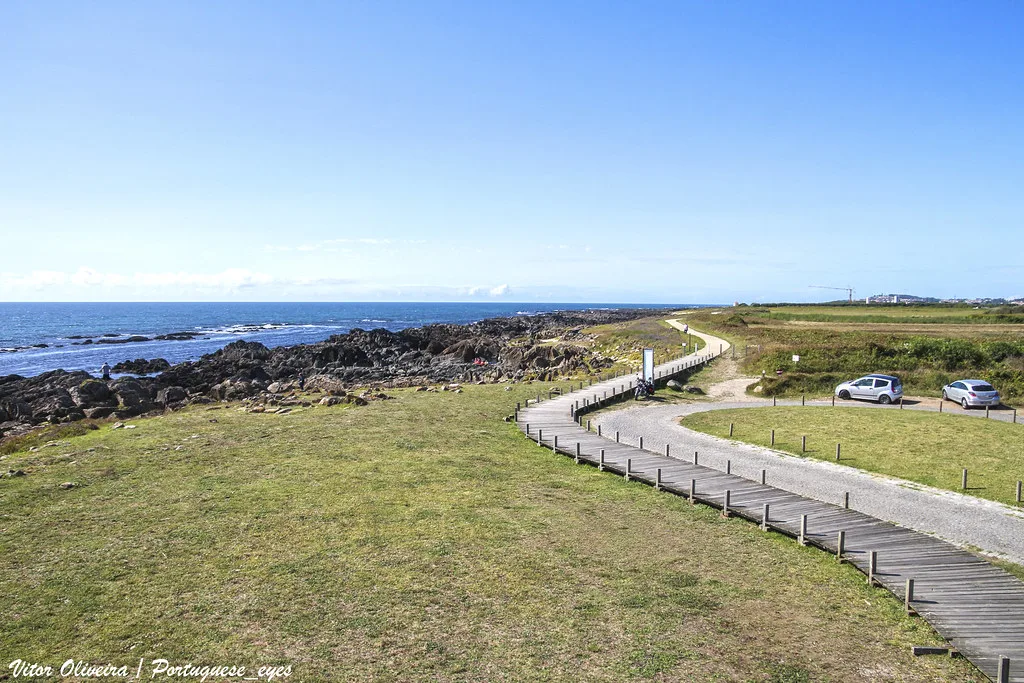
Miradouro de Santa Luzia: the panorama over the city, the Lima estuary and the Atlantic
The viewpoint sits at the summit of Monte de Santa Luzia, directly above the city, and covers the estuary, the river mouth and the open sea in a single look. A map panel on the terrace labels the landmarks below, which saves a lot of squinting and guesswork on a first visit.
The site has pedigree. National Geographic Magazine described Santa Luzia in 1927 as offering one of the most beautiful panoramas in the world, a line worth repeating as history rather than as a present-day ranking. Stand where that writer stood and the geography still makes the case.
Give the terrace half an hour at least. The temptation is to photograph and leave, but the pleasure here is picking out the Viana do Castelo Old Town's streets, the river's curve and the shoreline one by one. Late in the day the light softens the estuary, which is when the view earns its reputation.
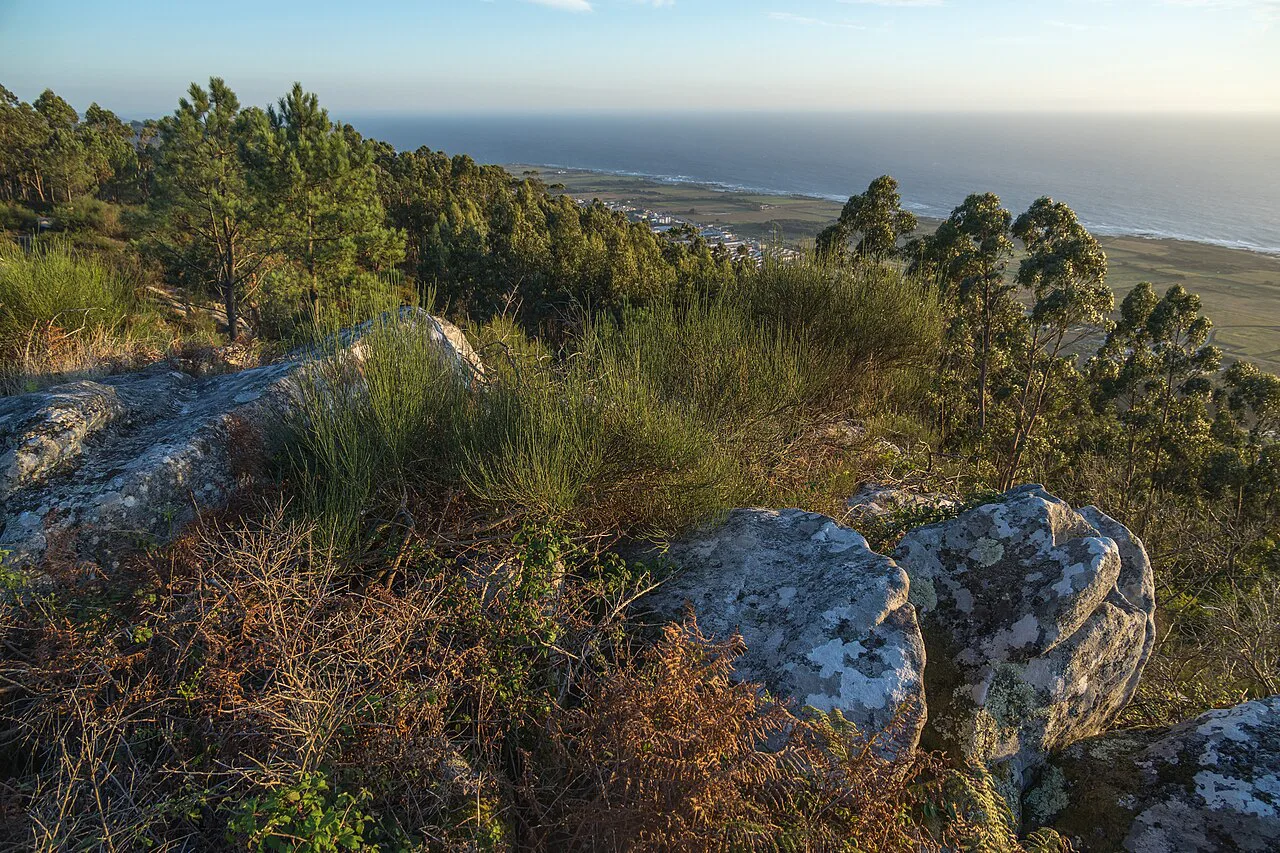
Climbing the zimbório of the Templo de Santa Luzia for the 360-degree view
The zimbório, the temple's domed lantern tower, is the way to see Viana do Castelo from every side at once. The climb delivers a 360-degree landscape over the city and everything around it, including the coast and the hills inland.
Treat the tower as a separate stop from the terrace, even though they share the same hill. Confirm access and any charge at the temple before you build a day around it, since the view from the terrace needs no ticket at all. If the tower is shut, the panorama below still justifies the trip.
What you can pick out from Santa Luzia: the city map panel on the terrace
The terrace carries a panel laid out like a map of the city, so you can match rooftops to names as you look. Use it to trace the route back down and to spot the landmarks you plan to visit next.
It also helps you judge scale. The Viana do Castelo Old Town looks compact from above, which makes a walking afternoon realistic, and the wide Atlantic horizon explains why the town's relationship with the sea, and with the Lima, runs through so much of its story.
Santo Antão: Serra d'Arga, the Minho estuary and the sunset view
Santo Antão sits at about 400 metres on a hill crowned by the Capela de Santo Antão, a chapel rebuilt in 1775 on foundations older than the eighteenth century. The view runs from the Serra d'Arga down to the mouth of the Minho, with the Monte de Santa Tecla across the water at A Guarda in Galicia.
On a clear evening the roteiro calls this the region's best sunset, with the Minho estuary catching the light and the green expanse of the Mata Nacional do Camarido and the beaches at Moledo and Vila Praia de Âncora spread below. It is a fine end to a day that has taken you north of the city.
Senhora da Encarnação: picnic tables above the Minho and Vila Nova de Cerveira
The viewpoint beside the picnic park of Senhora da Encarnação looks over the Minho and the town of Vila Nova de Cerveira, on a hill above the river. The roteiro describes a leisure area with tables, benches and grills for picnics, plus a stone fountain, so this is a lunch stop rather than a quick photo.
From the churchyard, surrounded by a park of old oaks, you look out on the Minho with the islands of Boega and Amores in the foreground and Galicia on the far bank. A small pilgrimage chapel stands on the spot, built in the nineteenth century where an older hermitage is thought to have stood. Bring food and the site does the rest.
Santuário de Nossa Senhora do Minho: the highest point in the municipality and the Vale do Lima
At more than 700 metres on the Serra de Arga, the Santuário de Nossa Senhora do Minho is the highest point in the municipality of Viana do Castelo. The sanctuary draws pilgrims to the mountain, and the temple that now houses the patron saint was inaugurated in July 2008 after its foundation stone was laid in 1984.
The view follows the whole Vale do Lima from up here, tracing the river down to its estuary, which the roteiro rates among the most important viewpoints of the Alto Minho. By car you reach it through the parish of Montaria on the southern flank of the range. The height makes it a different outing from Santa Luzia, not a substitute for it.
Miradouro de Tibo: Serra da Peneda, the village of Tibo and free-roaming cattle on the road
The Miradouro de Tibo lies at 800 metres, the highest of this group, and looks straight at the Serra da Peneda. Below it, the village of Tibo sits on the banks of the Rio Veiga in green farmland, and in the distance the Santuário da Nossa Senhora da Peneda hides in its deep valley.
This is the viewpoint to combine with a proper drive through the mountains. Keep your speed down: cachenas cattle, garranos ponies and goats graze on the verges and wander onto the road, entirely unbothered by traffic. That makes it a poor choice for a rushed schedule and a good one for a slow day.
How to reach each viewpoint: which are in the city and which need a car
Only Santa Luzia is a city viewpoint. On foot or by local transport you can be on the terrace and back within a morning, and the temple tower is in the same place. Everything else on this list involves a road trip beyond the town.
Santo Antão and Senhora da Encarnação sit in or near neighbouring municipalities to the north, while Senhora do Minho and Tibo climb into the Serra de Arga and the Serra da Peneda. For Senhora do Minho the roteiro names Montaria as the access point by car. Treat the mountain group as a single day out with one or two stops, not four.
How much time to give the viewpoints on a one- to three-day break
On a one-day visit, keep Santa Luzia for the morning and spend the afternoon among the churches and squares below; the Viana do Castelo Old Town repays more time than most first-timers allow. Save the mountain views for a second day, and see Things to Do in Viana do Castelo for the rest of the itinerary.
With two or three days, add a northern loop to Santo Antão and Senhora da Encarnação, taking a picnic for the tables above the Minho. Alternatively, drive the Serra de Arga up to Senhora do Minho and on towards Tibo, accepting that the road, the height and the livestock make for a gentle pace.
Whichever you pick, plan the mountain day around daylight and check conditions locally before setting off. The Santa Luzia terrace needs no planning at all, which is exactly why it should not be skipped.
Which miradouro should you put first?
Start with Santa Luzia. It is the only viewpoint in the city itself, the terrace costs you nothing but the walk up, and the temple tower adds a full-circle view for those willing to climb it. Confirm the tower's access at the sanctuary when you arrive, since that is the one detail worth asking about on site.
Then decide whether your break has room for a mountain day. If it does, Senhora do Minho gives the greatest height in the municipality, Tibo gives the wildest scenery, and Senhora da Encarnação gives the best picnic. If it does not, the view from the Monte is a fair summary of everything the Lima valley does well.
Explore more Viana do Castelo guides
Sources
Notes for your next Portuguese break
Optional updates to our town guides.
You might also like

Continue reading
More guides you'll find useful