
Igreja da Misericórdia in Viana do Castelo: A Visitor's Guide

The Igreja da Misericórdia earns a short stop rather than a special trip. Two things justify the detour from the main square: a monumental pipe organ of roughly three centuries that fell silent for more than 30 years before its restoration, and a set of azulejo panels signed by Policarpo de Oliveira Bernardes and dated 1719–1721. This guide covers what you are looking at, where the church sits in Viana do Castelo, how long to give it and what else is close by.
Treat it as a 20- to 30-minute pause inside a half-day circuit of the historic centre. The church is a single, compact interior, so the visit is about looking closely at two specific things rather than working through a large museum. Opening hours and ticket arrangements are not fixed in any source here, so confirm them with the parish or the local tourist office before you build your day around it.
Why the Igreja da Misericórdia is worth a stop
This is a Misericórdia church — one of the charitable confraternity churches found across Portugal — and its interest for a visitor is concentrated in the nave and the capela-mor, the main chapel behind the altar. The interior holds a pipe organ described as one of the most important and oldest of its kind in the country and one of the few still working in Portugal.
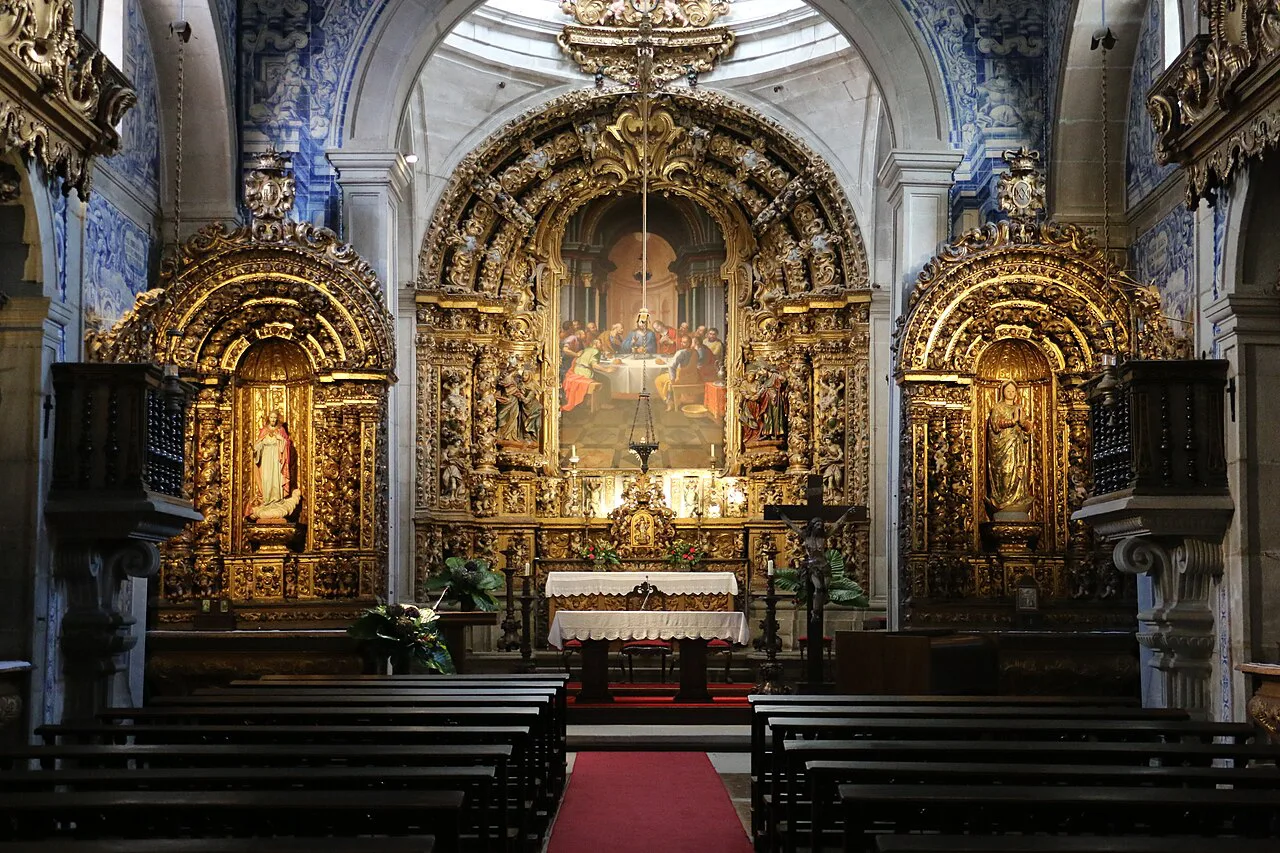
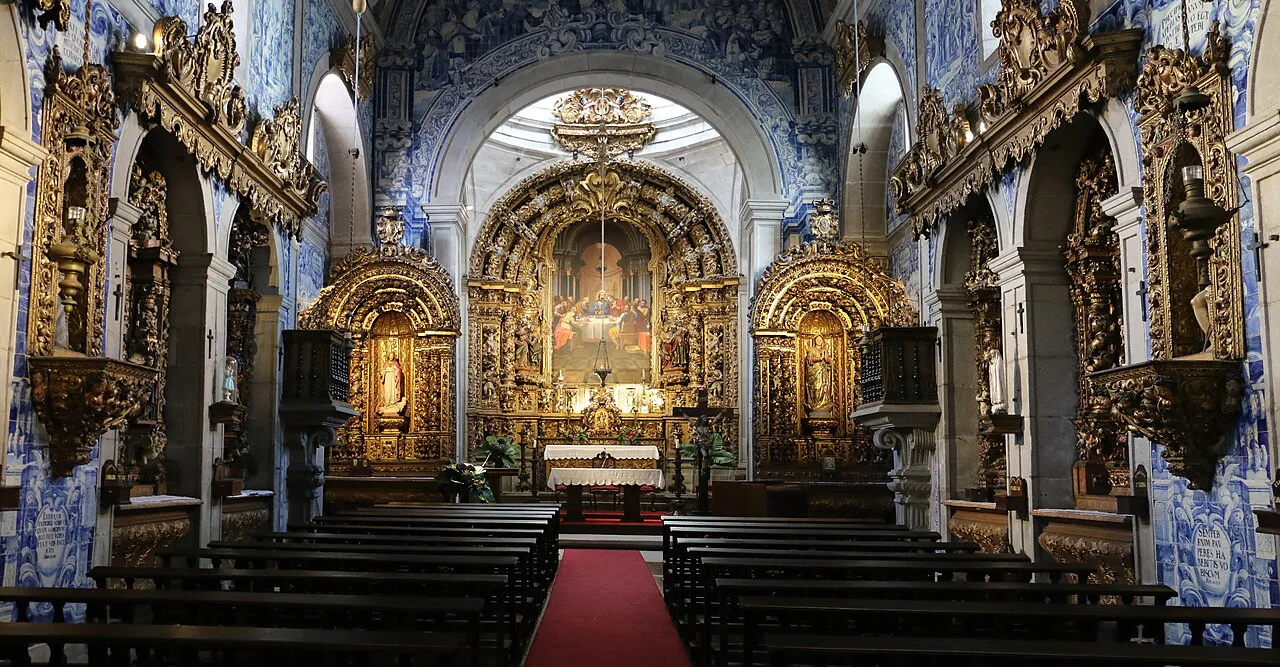
The second draw is the tilework: the nave and capela-mor carry azulejo panels signed by Policarpo de Oliveira Bernardes and dated 1719–1721. That attribution turns a pleasant decorative scheme into a named work by a known baroque tile painter, which is why the church appears on the radar of travellers who follow Portuguese azulejos. If your short break in Viana do Castelo is partly about tiles, this is a natural companion to the town's larger churches and to the broader selection in our Viana do Castelo Attractions guide.

Where the church is and how to reach it
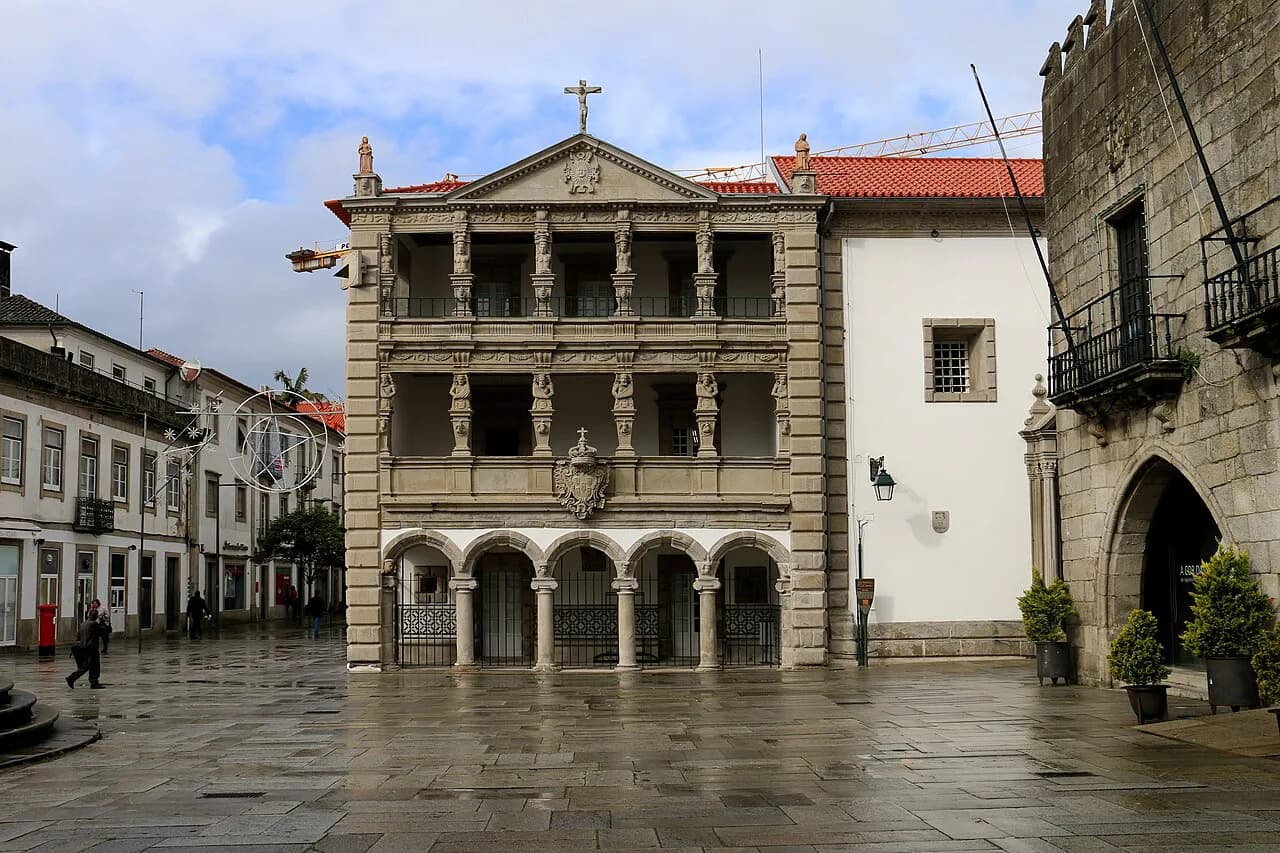
The Igreja da Misericórdia stands in the historic centre of Viana do Castelo, the lower town near the river, which is where you will already be wandering if you are visiting the Praça da República, the main squares and the shopping streets. Arrive on foot: the centre is compact and the streets around it are narrow, so walking is quicker than trying to park close by.
If you are coming from further out, aim for the historic centre first and treat the church as a stop on that walk rather than a separate destination. The uphill sights, including the Santuário de Santa Luzia, sit above the town and are better saved for a different part of the day.

The pipe organ: three centuries old, silent for over 30 years
The organ is the story most visitors miss. It is around three centuries old, and it stood inactive for more than 30 years before a restoration that began in 2002 and ran until 2010. It returned to sound on 24 July 2010, which is the date to keep in mind when you look up at it: what you see is a working instrument brought back, not an untouched antique.
The case itself is a puzzle worth solving with your eyes. The instrument was awarded to Padre Lourenço da Conceição, an organ builder from Porto, and was made by reusing part of the case and pipes of an earlier organ. The redesign of the case was drawn by Manuel Pinto de Vila Lobos and executed by Pedro Salgado, a master sculptor from Barcelos.
Then count the cases: beside the real organ stands a false twin, built purely to give the space symmetry. It is a case with no instrument behind it. Knowing this saves you from assuming the church has two organs, and it is the detail that most rewards a slow look at the upper level of the interior.
The azulejo panels by Policarpo de Oliveira Bernardes
Look at the tile panels in the nave and the capela-mor rather than only at the altarpiece. They are signed by Policarpo de Oliveira Bernardes and dated 1719–1721, placing them in the great age of Portuguese figured azulejos. Because the panels are in blue-and-white figurative style, step back across the nave to read the compositions as whole scenes; up close you will mostly see individual tiles.
Bring this detail with you and the visit changes character. Instead of a pleasant dark interior, you are looking at a documented set of baroque panels and a documented organ in the same small church, which is a lot of specific interest for one free-standing stop in the centre of town.
How long to allow and how to see it without rushing
Plan on 20 to 30 minutes if you want to read the tile panels and study the organ case properly. A quick look takes less, but the church rewards the specific rather than the general: the date on the panels, the twin organ cases and the restored instrument are three separate things to find. Go in daylight hours if you can, since tile panels in a small church are easier to read with sun coming through the windows.
The church is small enough that you should not try to stretch the visit with other nearby monuments in the same stop. Keep it as one item in a sequence: a square, the church, a street, a coffee. That way the specific things you came to see stay distinct instead of blurring into a general church-crawl.
What else sits within a short walk in the historic centre
The centre of Viana do Castelo is compact, so the church slots naturally into a walk that also takes in the Praça da República and the surrounding streets. If you want a second engineering curiosity, the Ponte Eiffel carries the railway across the Lima just outside the old town; it is a landmark you will glimpse from the riverfront rather than a sight you need to schedule around.
For a wider half-day, pair the church with the riverfront and the Forte de Santiago da Barra at the mouth of the Lima, then take the elevador or the road up to the Santuário de Santa Luzia for the view over the town. That combination gives you the small interior, the waterfront and the panorama in one loop.
Opening hours and tickets: where to confirm before you go
No reliable published times or entry charges for the Igreja da Misericórdia appear in the sources behind this guide, so this page does not quote any. Do not build a day around an assumed opening: check with the local tourist office in Viana do Castelo or with the parish before you go, and ask specifically whether the interior is open to visitors that day. If you are travelling on a Monday or a public holiday, that question matters more than usual in Portugal, where many churches and monuments keep restricted hours.
For the rest of your planning, the Viana do Castelo Attractions guide is the place to start, and the neighbouring attraction pages cover the fort, the square, the funicular and the basilica in their own right. Budget your time in the centre and check the one thing you cannot guess — the church door — on the day.
Is the Misericórdia church worth 20 minutes?
Yes, if you care about azulejos or organs; no, if you are chasing big-set-piece monuments. The panels signed by Policarpo de Oliveira Bernardes and the restored organ flanked by its false twin are a specific, compact pleasure, and 20 to 30 minutes is enough to see both properly.
Slip it into a walking loop of the historic centre and treat it as a bonus stop, not a destination in itself. Confirm the door is open on the day, then spend the rest of your time on the waterfront and the hill above town.