Aveiro Food: What to Eat and Where to Try It
Aveiro food means lagoon fish, bacalhau and egg-yolk sweets. Here are the dishes and desserts to order and the covered market where you can shop for them.
On this page
Aveiro food is built on two things: fish and seafood from the Ria de Aveiro, and the egg-yolk sweets that came out of its convents. Order bacalhau à Lagareiro or arroz de marisco for lunch, then finish with an ovos moles pastry. This guide covers the four dishes to try first, the sweet side of the city, where to shop and eat, and how to fit it into a short break.
One thing to sort out before you arrive: very little is fixed. Restaurant kitchens keep their own timetables and close one day a week as a matter of course, and published prices change. Use the dishes below as your shopping list and the market as your anchor, then decide where to sit when you are there.
What Aveiro food is known for, in one answer
Aveiro is a lagoon city, and its cooking follows the water: fish, shellfish and rice, with cod treated as a staple rather than an occasional treat. The second tradition is confectionery. The sweets that carry the city's name are built from egg yolks and sugar, the legacy of convent kitchens that used whites to clarify wine and had to do something with the rest.
Practically, that means two separate eating stops. Lunch belongs to a tasca or a seafood restaurant, where the menu is short and the fish decides itself. The afternoon belongs to a pastelaria, where you order a coffee and one sweet and take your time. Treating them as two occasions is more useful than looking for one place that does both well.
The four dishes to order first
Bacalhau à Lagareiro is the salt cod dish to start with: thick pieces roasted with olive oil, garlic and crushed potatoes, usually with roasted peppers alongside. It is generous enough for two modest appetites, so check the portion before ordering one each. In Aveiro it sits on the same menus as the fresh fish, which tells you how firmly cod is treated as everyday food here.
Arroz de marisco is the wet shellfish rice that Portuguese families order by the pot; it arrives soupy rather than dry, with prawns, clams and whatever else came in. Caldeirada de peixe is the fish stew version, layered with potatoes and peppers. Both are meant to be shared, so a table of two should order one and add a starter rather than take a dish each.
Raia com molho pitau is the dish to seek out if you want something you will not easily find at home: skate cooked and dressed in a dark sauce of fried onion and pepper. It appears on traditional menus more than on international ones. If it is on the board, take it; if not, any grilled fish from the lagoon is the safer order for a single diner.
The sweet side of Aveiro
Ovos moles are the city's signature sweet: egg yolk and sugar worked into a paste and set inside a thin, crisp host shell, often shaped like shells, fish or barrels. They are sold by the piece in pastelarias and boxed as gifts, and they are sweet enough that one or two is the right order rather than a plateful. Buy them late in the day so they survive the walk back.
Elsewhere in Portugal, the convent-sweet tradition shows up as pastéis de nata, almond tarts and egg-rich cakes with regional names. Aveiro's version leans on the yolk paste rather than custard, which is why the local sweets taste denser than a pastel de nata. If you only have room for one, take the ovos moles for the local story and a pastel de nata somewhere else on the trip.
Mercado Manuel Firmino: the covered market for local food
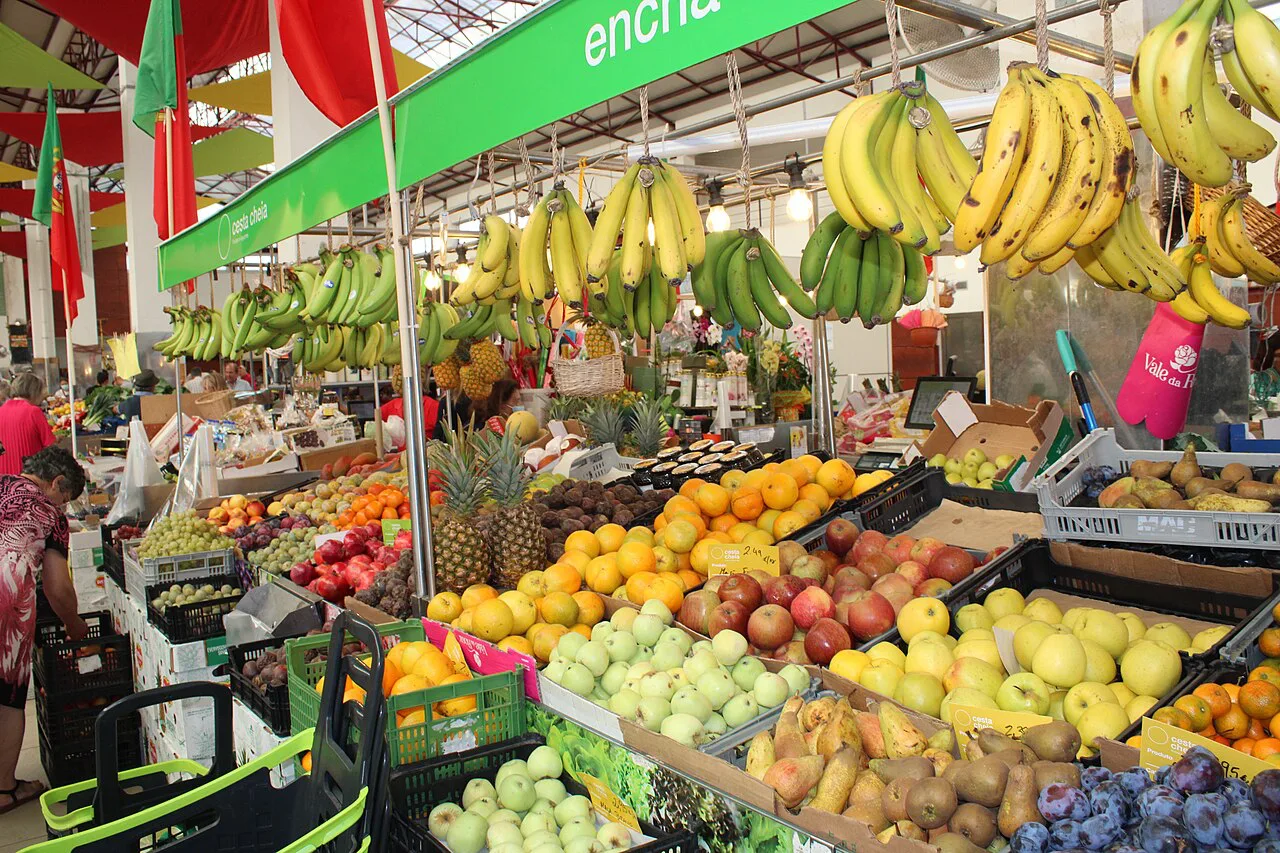
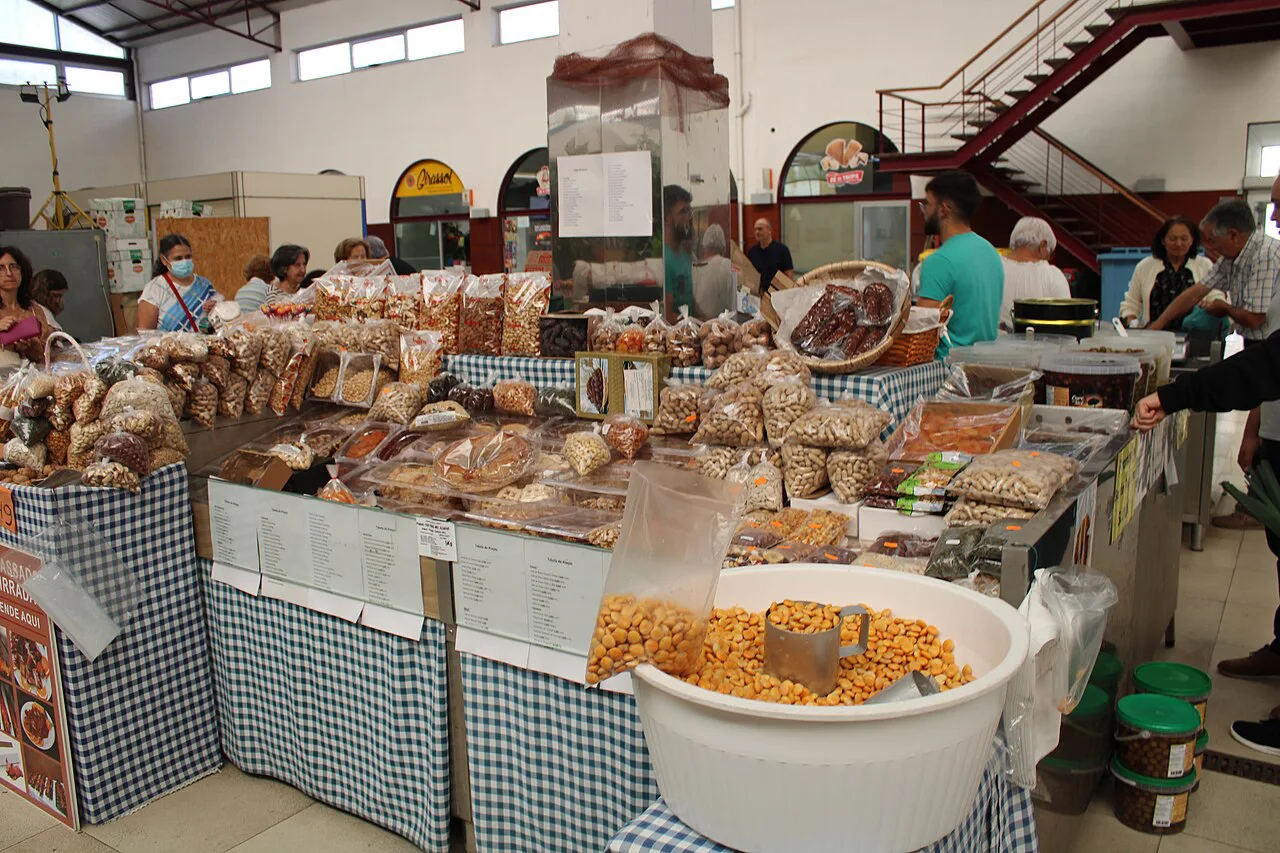
Mercado Manuel Firmino is Aveiro's covered retail market, with stalls let for selling produce rather than a food hall with cooked dishes. Go in the morning to see what the city actually buys: fish, vegetables, fruit and everyday staples. It is a working market, so you should move through it as a shopper rather than as a sightseer, and keep your bags with you.
The market is also where the city's food economy makes sense: this is a lagoon town with a fishing fleet and a countryside of salt pans and orchards behind it, and the stalls reflect both. Allow a short visit rather than a morning. If you are self-catering, it is the most honest place to buy cheese, fruit and a piece of fish for the evening.
For prepared food and a sit-down meal, look elsewhere. The market's role in a short break is context and provisions, not lunch. This is why it belongs on a food walk even though you will not eat there.
Choosing between a tasca, a seafood restaurant and a pastelaria
A tasca is the cheap, short-menu option: a handful of daily dishes on a board, plain tables and a fast turnover. A seafood restaurant costs more and gives you the lagoon repertoire, shellfish rice and whole fish by weight. A pastelaria is for coffee and sweets, and many serve savoury snacks at lunchtime too. Decide by appetite and budget rather than by reviews.
The trade-off is predictability. A tasca can be excellent value or simply ordinary depending on the day, while a seafood restaurant is a safer bet for a single big meal. The rest of Aveiro's eating scene, including the modern kitchens and the places built for visitors, is covered in the guide to Aveiro restaurants. If you need a meat-free kitchen, see Vegan and Vegetarian Food in Aveiro, and for a late morning start, brunch in Aveiro fills a useful gap.
One local habit worth adopting: lunch is the main meal, and some kitchens wind down in the afternoon and reopen at night. Build your day around a proper lunch and keep the evening flexible, since you will not always find a full menu at four in the afternoon.
Prices, opening days and what to check before you go
No published source gives Aveiro restaurant prices, cover charges or market hours in a form you can rely on for your visit, so this guide gives none. Expect fish sold by weight, which makes a shared rice or stew the easier way to control the bill, and check the day's price on the board before ordering. Ask for the couvert to be removed if you do not want the bread and olives.
Opening days are the other variable. Restaurants often close on one weekday and pastelarias keep their own hours, so a place you counted on may be shut on the day you planned. Pick two candidates for each meal and you will not lose an evening to a closed door. The city's opening details are best confirmed with each venue directly.
If you want one cultural stop between meals, Museu de Aveiro / Santa Joana occupies the former convent of Jesus, which ties the city's religious houses to the sweet-making tradition described above. Portugal's national museums and monuments commonly close on Mondays, so place a museum visit on another day and leave Monday for the market and the streets.
How Aveiro food fits a one- to three-day break
With one day, eat one proper lunch of arroz de marisco or grilled fish, visit Mercado Manuel Firmino in the morning and buy ovos moles in the afternoon. That covers the lagoon side and the convent side without turning the day into a restaurant crawl. Leave the rest of the time for the canals and the centre.
With two days, add a tasca lunch on the second day and a pastelaria breakfast. With three, you can afford one longer seafood dinner and a return to the market for picnic provisions. If you are short on time, skip the themed restaurant strips aimed at visitors and spend the money on the fish instead.
The practical geography helps: the market, the centre and the canal-side streets sit close enough to walk between, so a food day is also a walking day. Start early, eat lunch properly, and treat the afternoon sweet as the end of the eating rather than the start of a second meal.
Which Aveiro dish to order first
Order bacalhau à Lagareiro or arroz de marisco at your first proper lunch, then buy ovos moles before you leave. Between them, they explain both halves of how Aveiro eats.
Use Mercado Manuel Firmino as your morning stop, keep a second restaurant in mind in case your first choice is closed, and let the day run around lunch rather than against it. The reward is a short break that tastes of the place rather than of a visitor menu.
Explore more Aveiro guides
Sources
Notes for your next Portuguese break
Optional updates to our town guides.
You might also like
Continue reading
More guides you'll find useful