Is Évora Worth Visiting? An Honest Answer for a Short Break
Yes, Évora is worth visiting for its walled UNESCO centre, Roman temple and bone chapel. Here's what it does well, who it suits and how long it needs.
On this page
Yes, Évora is worth visiting, especially if you want a walled, UNESCO-listed centre you can cover on foot in a day or two. The city packs a Roman temple, Portugal's largest medieval cathedral and the Capela dos Ossos into a compact historic core, which is why it rewards even a short stop rather than just a tick-box day trip.
This guide is honest about what Évora does well and where it falls short. It covers the sights inside the walls, the aqueduct walk outside them, how much walking the centre involves, and whether you should come for a day or stay two nights.
Is Évora worth visiting? The short answer
Évora is worth it for history-led travellers who like churches, Roman remains and old streets more than beaches or nightlife. The entire walled centre is a UNESCO World Heritage Site and it is genuinely walkable, so you can move between the main sights without transport.
The trade-off is that Évora is a popular destination rather than a quiet secret. Expect tour groups around the headline sights, particularly at weekends, and plan the middle of the day around shade and indoor stops.
What you actually see in the walled centre: Praça do Giraldo, the Roman temple, the Sé and the Capela dos Ossos
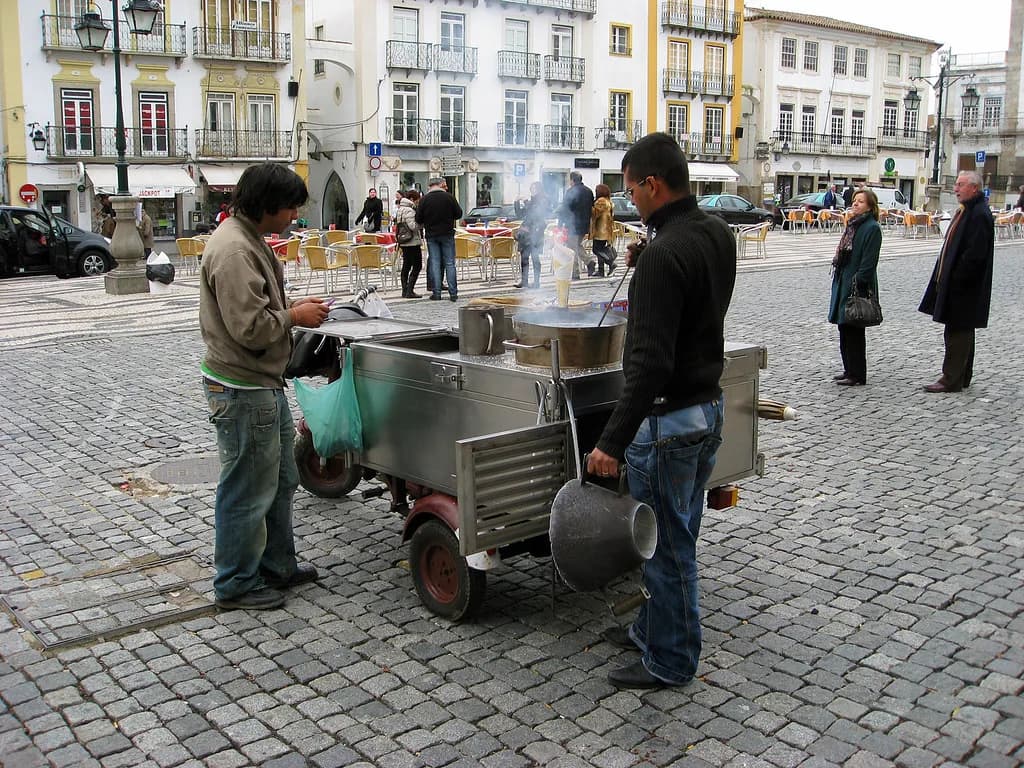
Praça do Giraldo is the natural starting point, a square where locals and visitors sit over coffee in the morning and something colder later on. From there the sights sit close together, so you can build a loop rather than criss-crossing town.
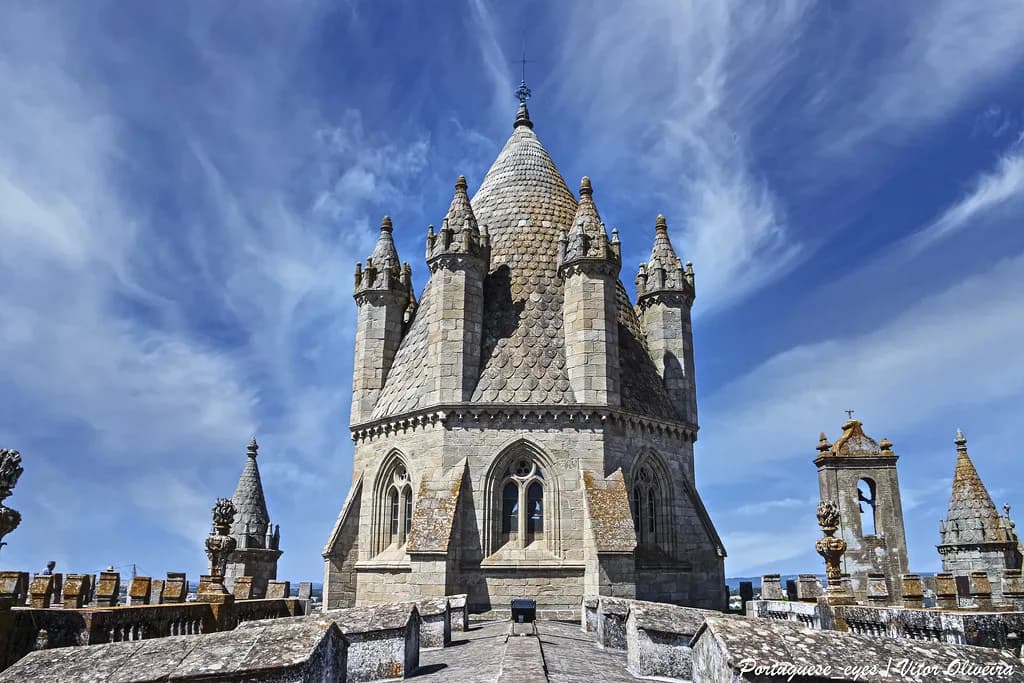
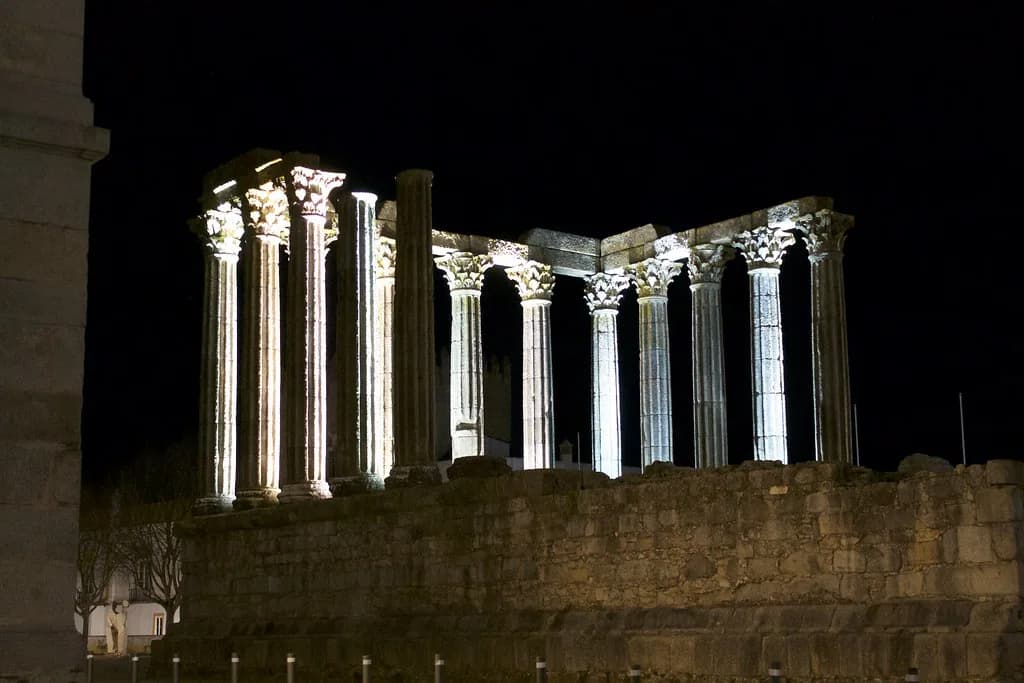
The Roman temple is the sight most visitors come for. Close by, the Sé de Évora is the largest medieval cathedral in Portugal, and its architecture and gilded interior justify the stop even for non-religious visitors.
The Capela dos Ossos, the bone chapel, is attached to the Igreja de São Francisco and is the sight that divides opinion most. It is short, strange and memorable, and worth including if you have any interest in the macabre; skip it if that is not your thing and spend the time on the cathedral instead.

The Roman aqueduct and the streets around it
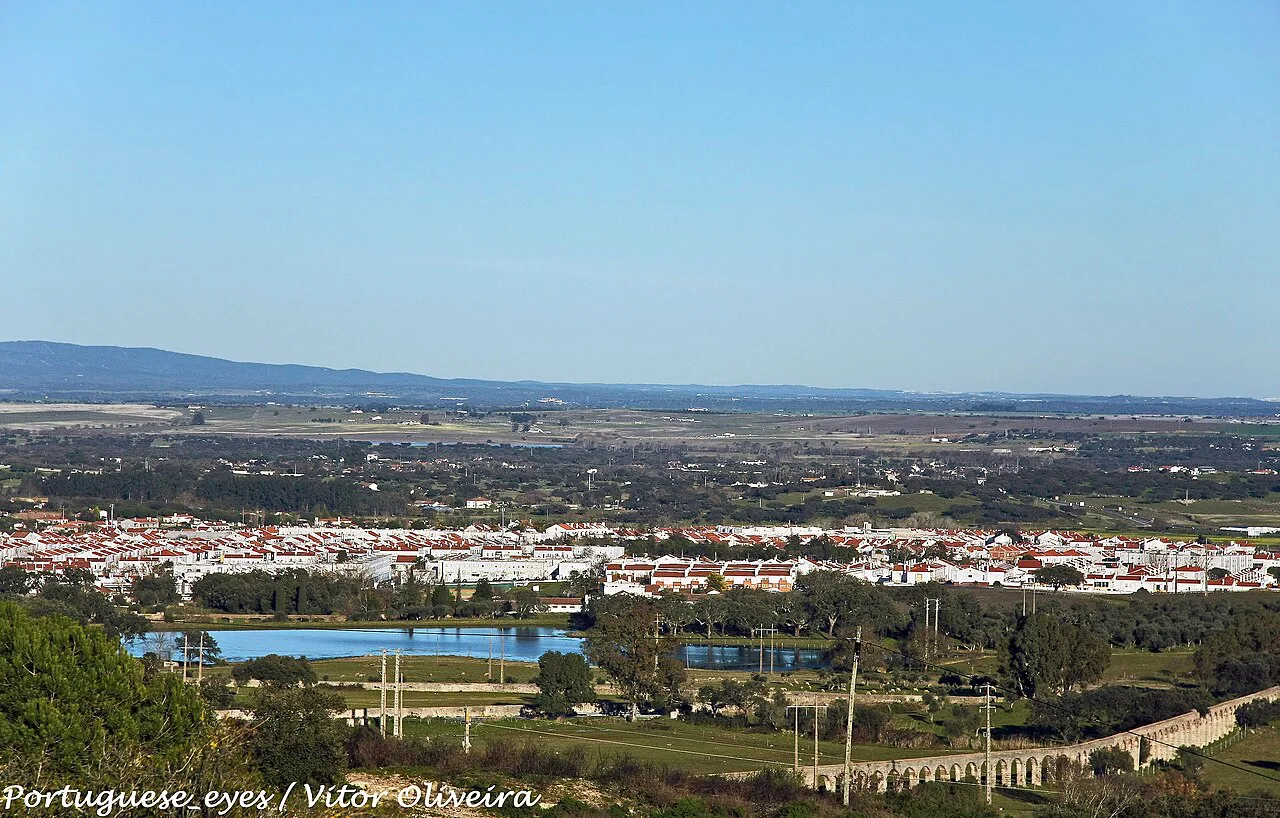
The Roman aqueduct runs through the edge of the city, and the narrow streets around it are quieter than the main square. Walking out this way gives you a different view of Évora and stretches the visit beyond the headline monuments.
Treat the aqueduct as an add-on rather than the reason to come. It is a pleasant walk and a good way to see ordinary streets, but the walled centre is what earns Évora its reputation.
How walkable Évora is and how long the centre takes to cover
The historic centre is compact and very walkable, with the main sights reachable on foot in a steady half-day. Add the aqueduct walk and a proper lunch and you have filled a day without needing a car or bus.
Allow for cobbles, slopes and heat rather than distance. Breaking the day into short walks with indoor stops works better than trying to march through everything in one go.
How many days Évora needs: a day trip versus two nights
A day trip covers the square, the temple, the cathedral and the bone chapel, but it leaves little room for the aqueduct or a relaxed meal. Two nights let you spread the sights over a morning and an afternoon and keep the hottest hours free.
If you are weighing up the stay, our guide to how many days in Évora sets out what a one-day visit realistically includes against a two- or three-night stay.
Who Évora suits and who should skip it
Évora suits couples and solo travellers on a short city break who want churches, Roman remains, old squares and good Alentejo food. It also works for anyone combining a Lisbon trip with one inland stop.
Skip Évora if what you want from Portugal is coastline, beaches or a lively bar scene; the city delivers history and atmosphere, not seaside. It is also less appealing if you cannot manage cobbled streets and steps at a slow pace.
Évora in the heat: timing your walking around the middle of the day
The Alentejo has a reputation for high temperatures, and travellers have recorded around 36°C in October, so treat heat as a planning constraint rather than a surprise. Walk the exposed sights early, take a long indoor lunch, and save the square for the evening.
Look at the forecast in the days before you travel and shape the walking around it, since the centre has limited shade in the middle of the day.
Getting there and the trade-off of basing yourself in Lisbon
Évora works as a day trip from Lisbon by train; on the author's route this involved backtracking through Lisbon and changing at Oriente Station. Timetables and fares change, so check the current ones before you book rather than relying on older figures.
The trade-off is time: a day trip means a lot of travel for a few hours in the city, while staying two nights gives you mornings and evenings in the old town when it is quieter. If the train is your plan, our guide to getting from Lisbon to Évora covers the route.
Should you book Évora or skip it?
Book Évora if you want a compact, walkable, history-heavy city and are happy to slow down around the heat. Give it a day if you are passing through and two nights if you want the aqueduct, the cathedral and a proper meal without rushing.
If you are still deciding between one day and a longer stay, start with our Évora Itinerary and One Day in Évora plan, and extend the pace if it suits you.
Explore more Évora guides
Frequently Asked Questions
What is the prettiest town in Portugal?
That is subjective, but Évora is a strong contender for a short break because its entire walled centre is a UNESCO World Heritage Site and its main sights sit close together on foot. Towns on the coast have a different appeal, so the answer depends on whether you want history and atmosphere or sea views.
Why do people want to go to Portugal?
For most short-break travellers it is the combination of compact historic cities, good food, and easy train links between them. Évora fits that pattern as an inland stop that can be paired with Lisbon.
Sources
Notes for your next Portuguese break
Optional updates to our town guides.
You might also like
Continue reading
More guides you'll find useful