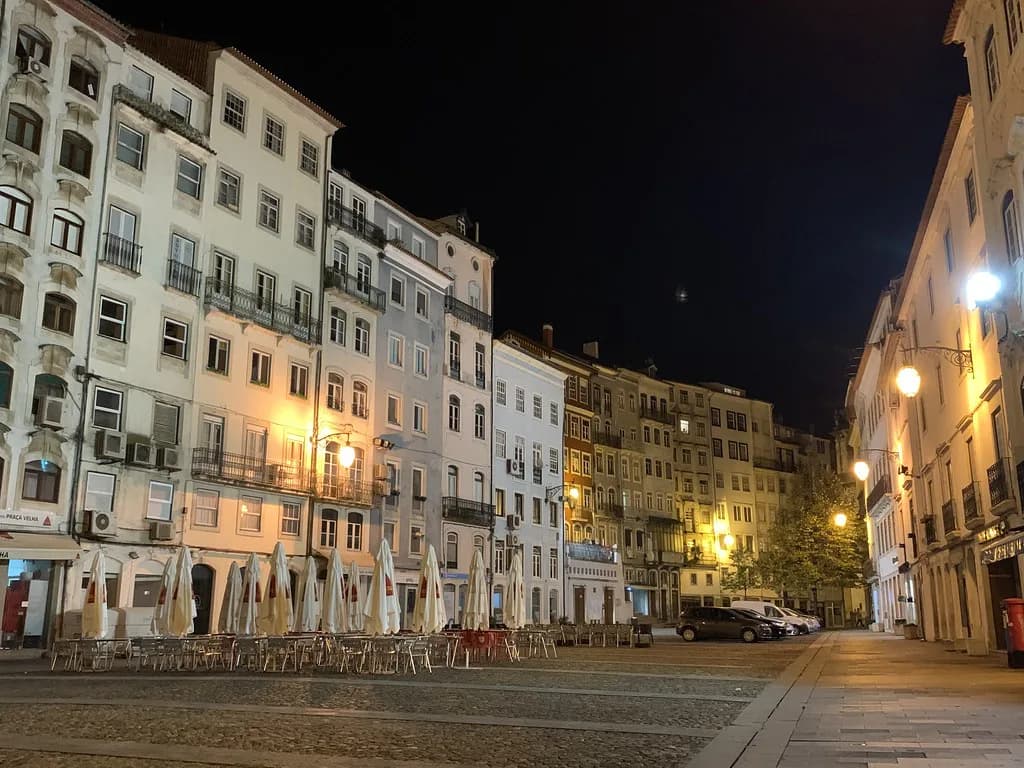
Is Coimbra Worth Visiting? An Honest Answer for a Short Break
Yes, Coimbra is worth visiting for its UNESCO university and hilltop old town. Here is what it does well, where it falls short and how long it needs.
On this page
Coimbra is worth visiting if you want one compact city where a UNESCO-listed university, a medieval cathedral quarter and riverfront parks sit close together within a walkable historic core. It suits travellers who enjoy a steep, layered old town more than flat boulevards, and it works best with a full day rather than a rushed few hours. This guide sets out the concrete draws, the honest trade-offs and how to fit the city into a short Portugal break.
What you actually get in Coimbra
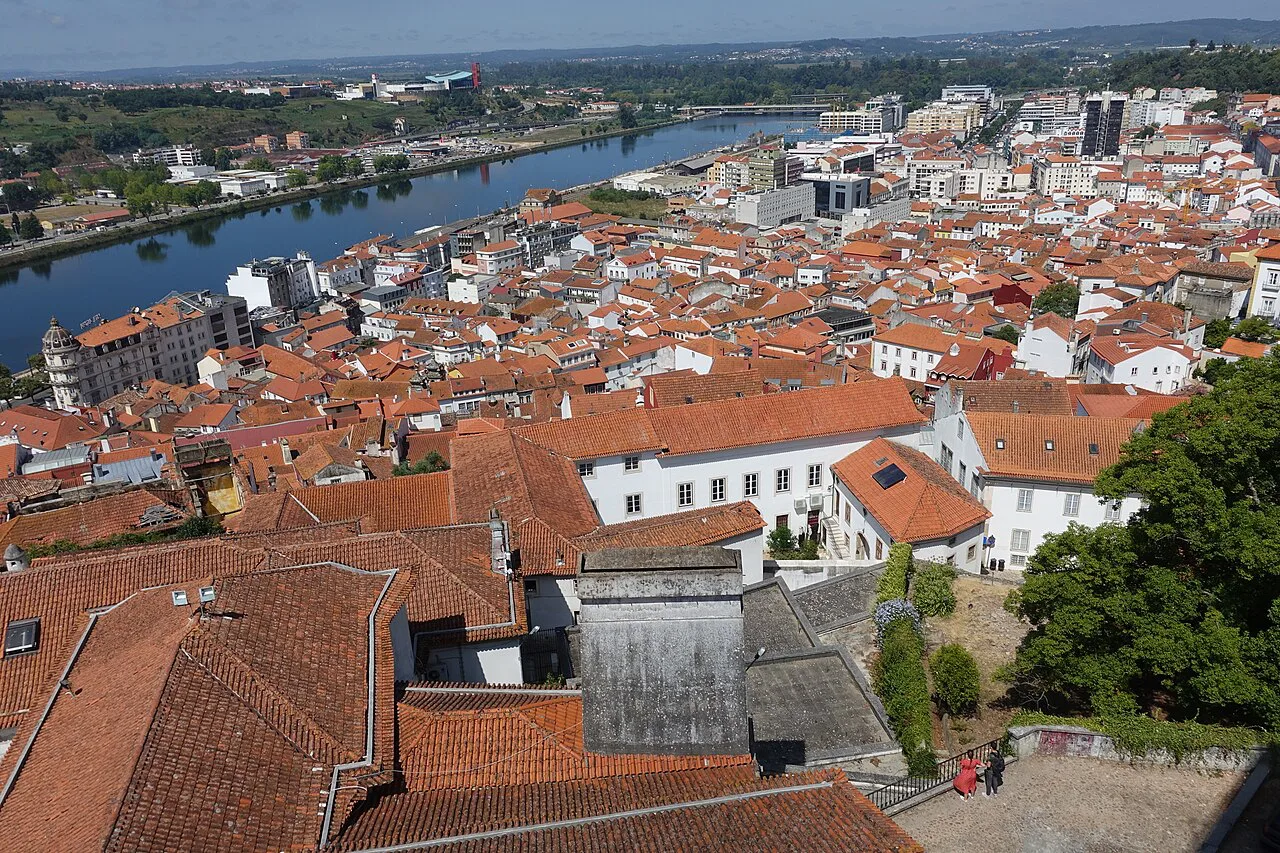
The Universidade de Coimbra occupies the former royal palace at the highest point of the city and is the reason most people come. The university moved here from Lisbon in 1537, is Portugal's oldest university and one of the oldest in continuous operation in the world, and is a UNESCO World Heritage Site. Its courtyard, the Paço das Escolas, gives you wide views over the rooftops before you have paid for anything. Budget two to three hours for the paid sights inside.
The Biblioteca Joanina is the star turn: a Baroque library entered on a timed ticket, with visits run as short tours rather than free wandering, and photography barred inside. The Chapel of São Miguel next door, with its azulejo panels and Baroque organ, comes with the university ticket. The two guides we drew on give different figures for the number of books the library holds (60,000 and more than 70,000 historic volumes), so treat any single figure as approximate.
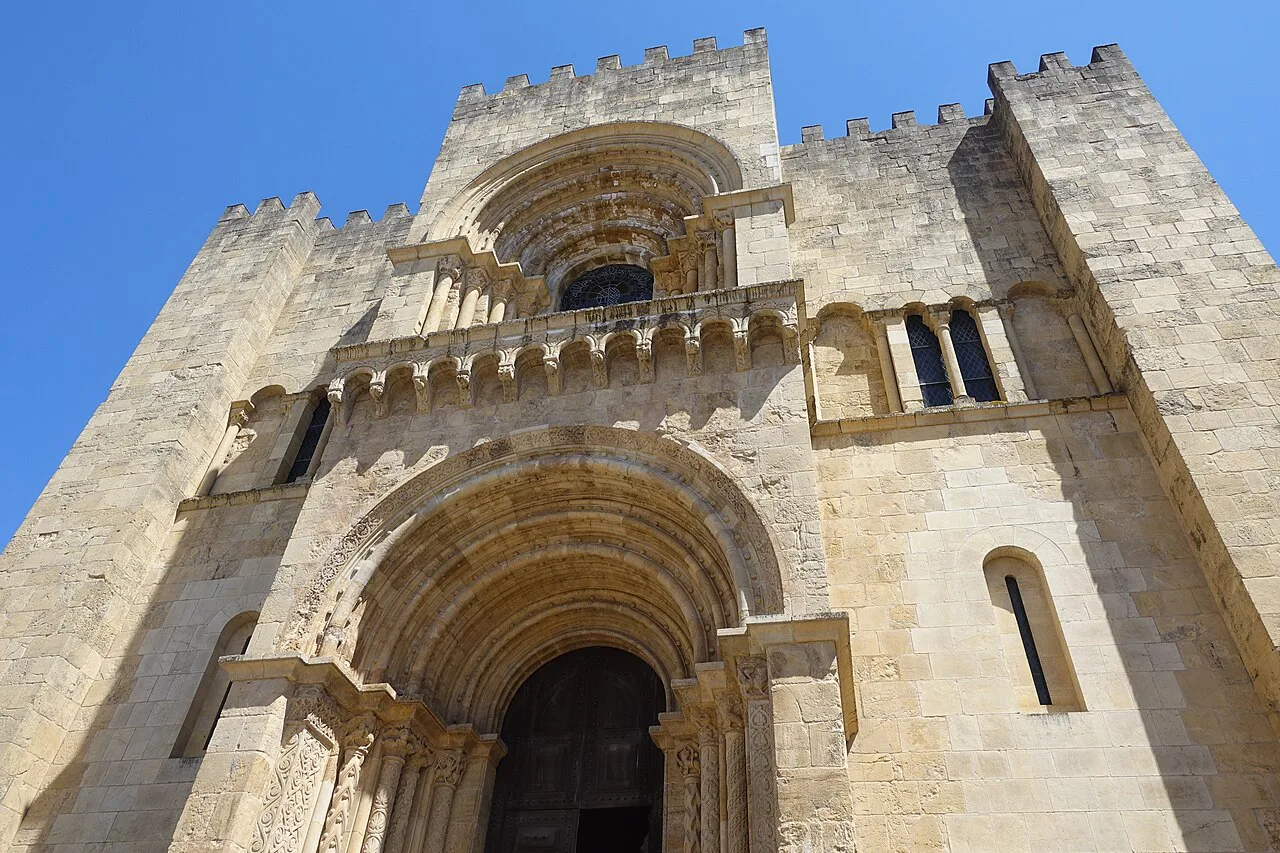
Below the university, the Sé Velha (old cathedral) shows Romanesque, Gothic and Renaissance layers in one building, and Santa Cruz monastery and church anchor the lower town near Praça 8 de Maio. The pedestrian shopping street and Rua Sofia tie these together. You do not need transport to connect them, only patience with the gradients.
Tickets at the university come in several forms: library only, library plus the other university buildings, and the buildings without the library. If the Cabinet of Curiosities and the chapel are what interest you, the combination ticket is the sensible buy, booked online in advance because timed slots sell out.
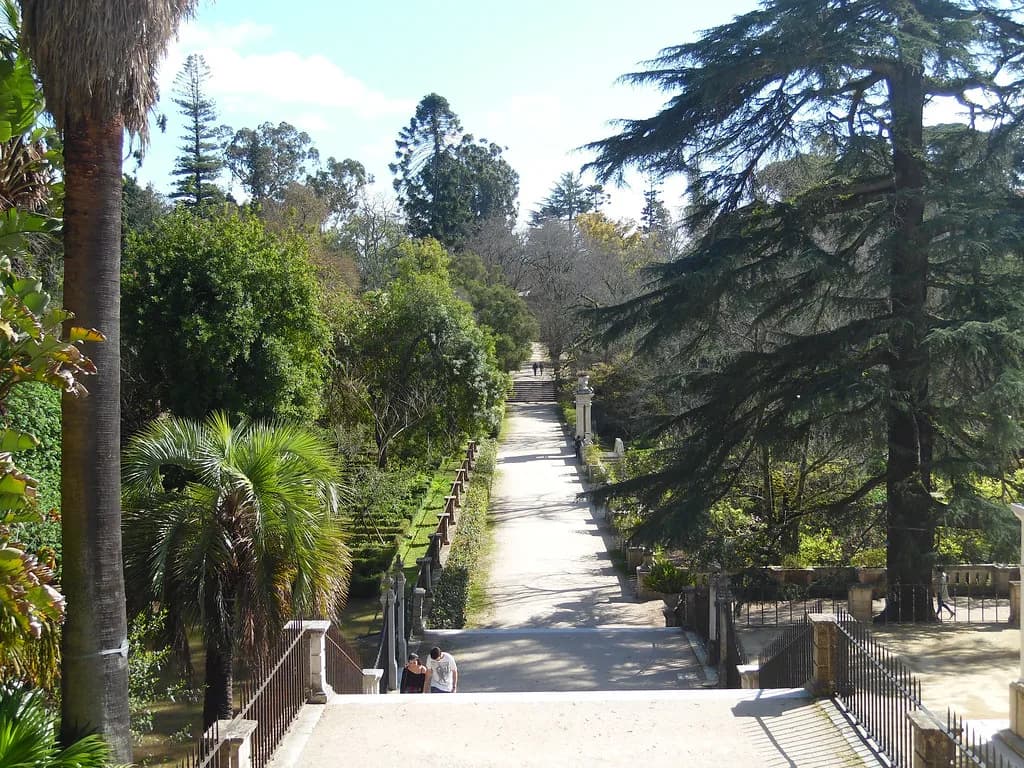
The city has more than the university. The Museu Nacional Machado de Castro displays sculpture and decorative art and takes you underground into its Roman remains, while the university's botanical garden and the São Sebastião aqueduct sit up on the western edge of the historic centre. The municipal market, and the Quinta das Lágrimas gardens with their Pedro and Inês love story, give a break from monuments.
Where Coimbra beats Lisbon or Porto on a short break
Coimbra is Portugal's university town in the way Oxford belongs to England, and it is small enough to absorb in a day or two. Lisbon and Porto both demand more time to cover their spread-out sights, and their headline monuments come with bigger crowds. Here the historic core stacks university, cathedral, monasteries and riverfront within a short walk.
Fado is part of the package, but in Coimbra's own register: student serenades rather than the Lisbon variety performed in bars. Small performances are easy to find in the old town, and they suit an evening after a day on the hill.
The Mondego riverfront, with the glass-sided Pedro e Inês bridge connecting Parque Verde, gives you an easy flat hour when your legs have had enough of the calçada. Traditional Serrana boat trips run on the river for those who want a different angle on the city.
The trade-off: hills, stairs and the climb to the university
Coimbra is built on a slope, and the university sits at the top. The obvious route up is the monumental staircase on Rua Oliveira Matos, which is spectacular and punishing. A gentler alternative is to walk up alongside the sixteenth-century São Sebastião aqueduct, which spreads the climb over a longer, less steep approach.
The old town's pavements are uneven calçada and many streets have no shade at midday. Anyone with limited mobility, small children or a tight schedule should plan the day so the climb happens once, in the morning, with the descent through the lower town afterwards rather than a second ascent.
Even without paying for a single museum, the walk up to Paço das Escolas repays the effort with the view alone, so a short stop can still feel worthwhile if time or energy is short.
Who will love Coimbra and who should skip it
Come here if you like libraries, cathedrals and student traditions, and if you are happy to spend a morning on one complex rather than ticking off ten sights. Coimbra rewards slow looking and a tolerance for stairs, and it feels noticeably less touristy than the coast or the two big cities.
Skip it, or shorten it, if your short break is built around beaches, nightlife or wine cellars, or if mobility makes steep streets a problem. It also makes a poor add-on if you are travelling between Lisbon and Porto with only a few spare hours, since the university visit alone can absorb them.
How long you need: a few hours, one day or two
A few hours covers the university complex and a quick look at the Sé Velha, which is enough for a stopover on the train line. One day in Coimbra lets you add the lower town, the museum or the botanical garden and still finish at the riverfront. Two days gives room for fado in the evening and the gardens at Quinta das Lágrimas.
If you are weighing up the length of stay properly, work backwards from the university: two to three hours there, an hour for the old cathedral and Santa Cruz, and the rest of the day for walking the grid of streets between them.
The Coimbra itinerary sets out a walking order that puts the climb first and the flat riverfront last, which is the pattern that works best for most short-break travellers.
Where Coimbra fits between Lisbon and Porto by train
Coimbra sits on the main line between Lisbon and Porto, roughly two to three hours from Lisbon by train, bus or car, which makes it an easy break in a point-to-point trip. The main station is Coimbra-B, so check whether your service stops there or at the smaller stop nearer the centre before you plan the final hop.
Coming from the north, the Porto to Coimbra train follows the same corridor and drops you in the same place, so the city works equally well as a first or last stop. If you are comparing it with the canal town to the north, our Coimbra vs Aveiro comparison weighs the two for a short break.
For the full picture of what to do once you are there, the Coimbra Attractions: 10 Visitor Guides hub collects the individual sights into one place.
Should Coimbra make the cut?
Yes, for most short-break travellers: give Coimbra one full day, start the climb early and book the library slot before you arrive. Treat it as the thoughtful, walkable counterweight to Lisbon and Porto rather than a quick photo stop.
Skip it only if steep streets and monument-heavy mornings are not your idea of a good break. Otherwise, the university, the library and the old town justify the stop on their own.
Explore more Coimbra guides
Frequently Asked Questions
Is one day enough to see Coimbra?
One day covers the university complex, including the library and chapel, plus the old cathedral and the lower town at a steady pace. Add a second day if you want the museum, the botanical garden and an evening of fado without rushing.
Do I need to book the Joanina Library in advance?
The library is visited on a timed ticket, and slots sell out in busy periods, so book online before you travel and choose a combination ticket if you also want the Cabinet of Curiosities and the chapel. Check the university's own booking page for current ticket types and availability.
Sources
Notes for your next Portuguese break
Optional updates to our town guides.
You might also like


Continue reading
More guides you'll find useful