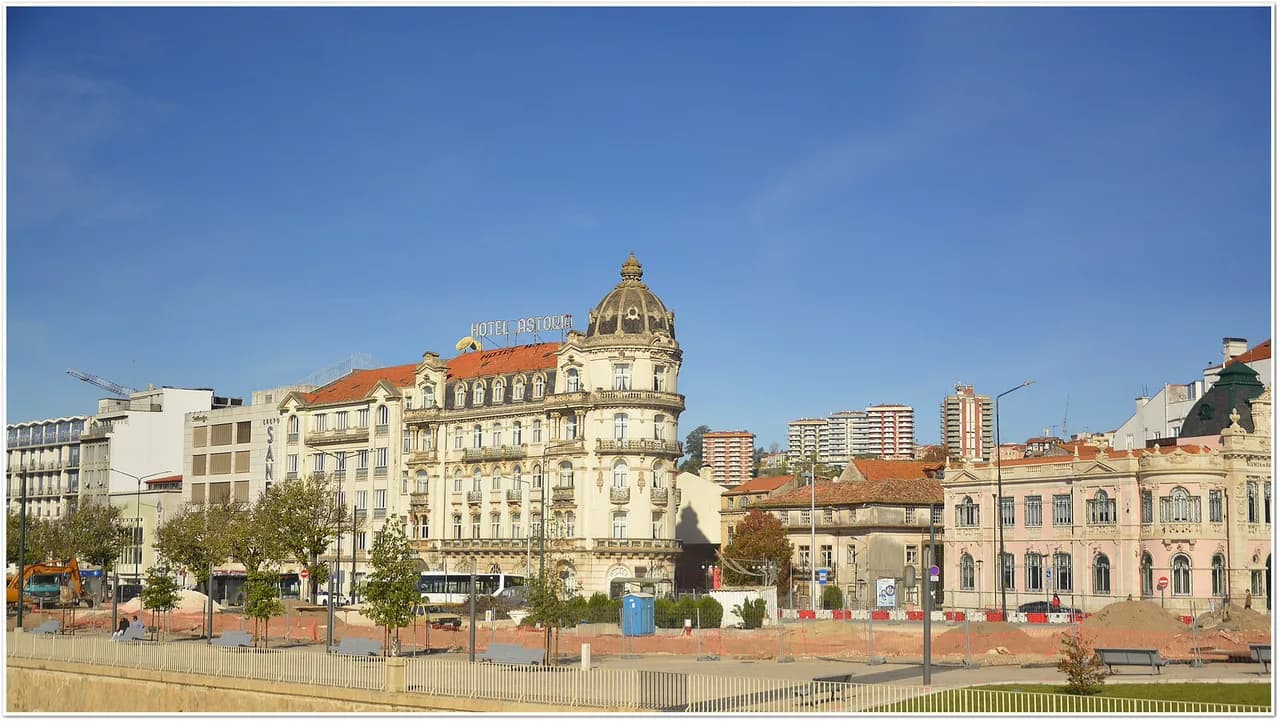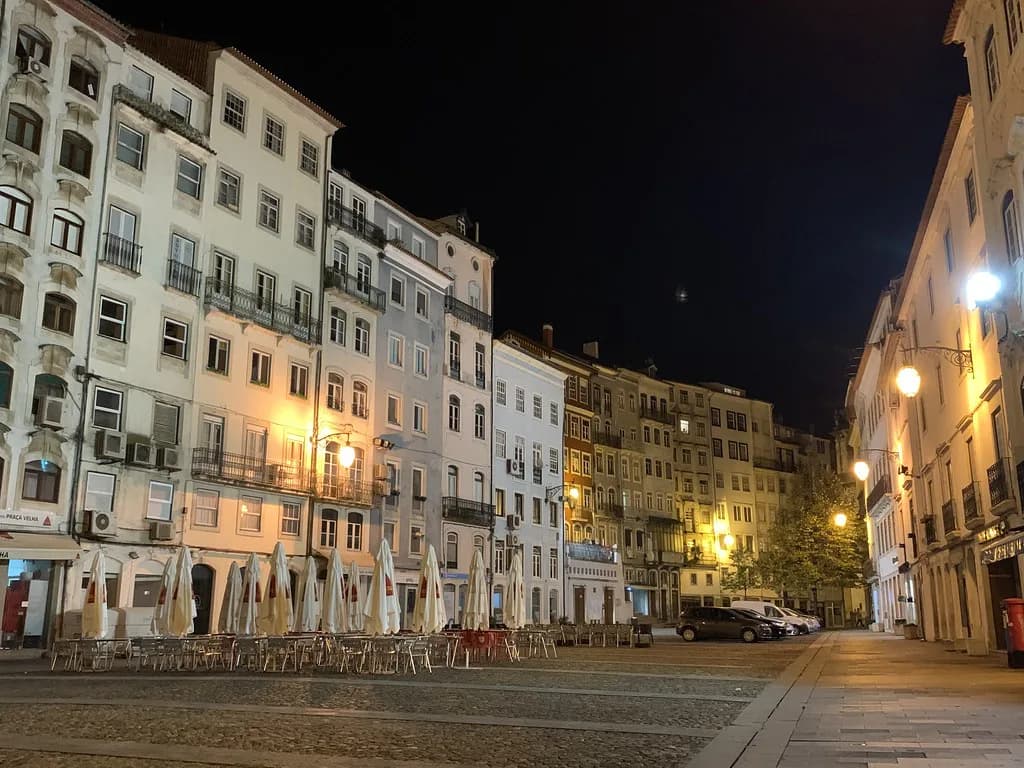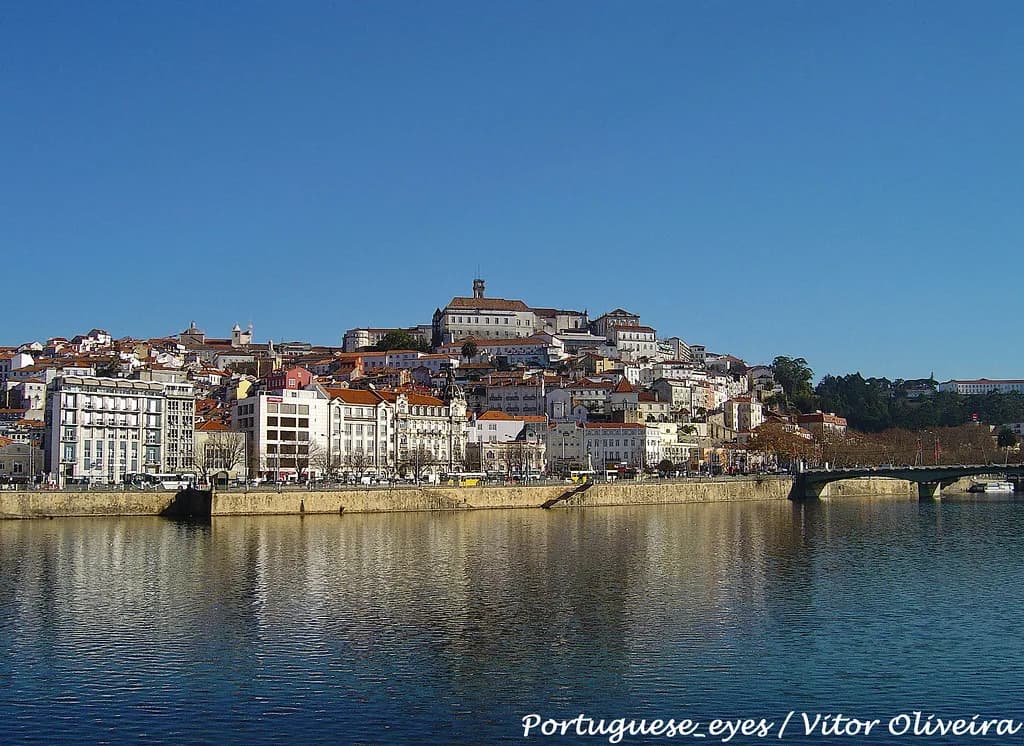
Coimbra vs Aveiro: University City or Canal Town for a Short Break?
Compare Coimbra and Aveiro for a one to four day break: what you see, how each centre is laid out, how much time each needs and how to combine both.
On this page
Pick Coimbra if you want monuments and university history; pick Aveiro if you want canals and a gentler, flatter day. Coimbra is the heavier, more rewarding stop for a short break, while Aveiro works best as a lighter counterweight on the coast. This comparison covers what you actually see in each, how the centres are laid out, how many days each needs and how to combine them.
The choice matters because the two towns ask different things of you. Coimbra hands you a hill, a UNESCO-listed university quarter and several museums that can swallow a morning each; Aveiro hands you water, boats and streets you can walk without planning around a climb. Decide which of those two days you actually want, then fit the other in if your trip allows.
The short answer: monuments or canals
Coimbra wins on substance. The Universidade de Coimbra – Alta e Sofia has been on the UNESCO World Heritage list since June 2013, and the listed property covers 31 buildings across 81.5 hectares. That is a serious concentration of historic architecture in one walkable old town, and it is the reason most short-break travellers put Coimbra on the map at all. Use the Coimbra Itinerary to slot the sights into a walking order.
Aveiro's appeal, by contrast, is water and a gentler pace: it is the lighter counterweight to Coimbra's hill, and suits a day when you want a slow lunch rather than a checklist of monuments. This guide's own pick is to treat it as the softer half of a two-town trip rather than as a rival to Coimbra's monuments.

What you actually see in Coimbra
The core sight is the Paço das Escolas, the historic university square around the Paço Real da Alcáçova, the royal palace that became home to the university in 1537. Within it, the Biblioteca Joanina is the showpiece: an early eighteenth-century baroque library with painted ceilings, gilded shelving and tropical woods, and the reason many people come. The same visit takes in the Sala dos Capelos, the university's main ceremonial hall, and the Capela de São Miguel, a Manueline chapel.
Above it all stands the Torre, the eighteenth-century tower whose clock and bells regulate academic life, its origin going back to 1537 when the university insisted it could not keep good order without a clock. It sets the tone for the day: this is a city you look down on from a hill.
Allow a proper block of time for the university quarter alone. The Biblioteca Joanina, Sala dos Capelos, Capela de São Miguel and Torre sit together, but each has its own access arrangements, so queueing and timed entry eat into the time you think you have saved.
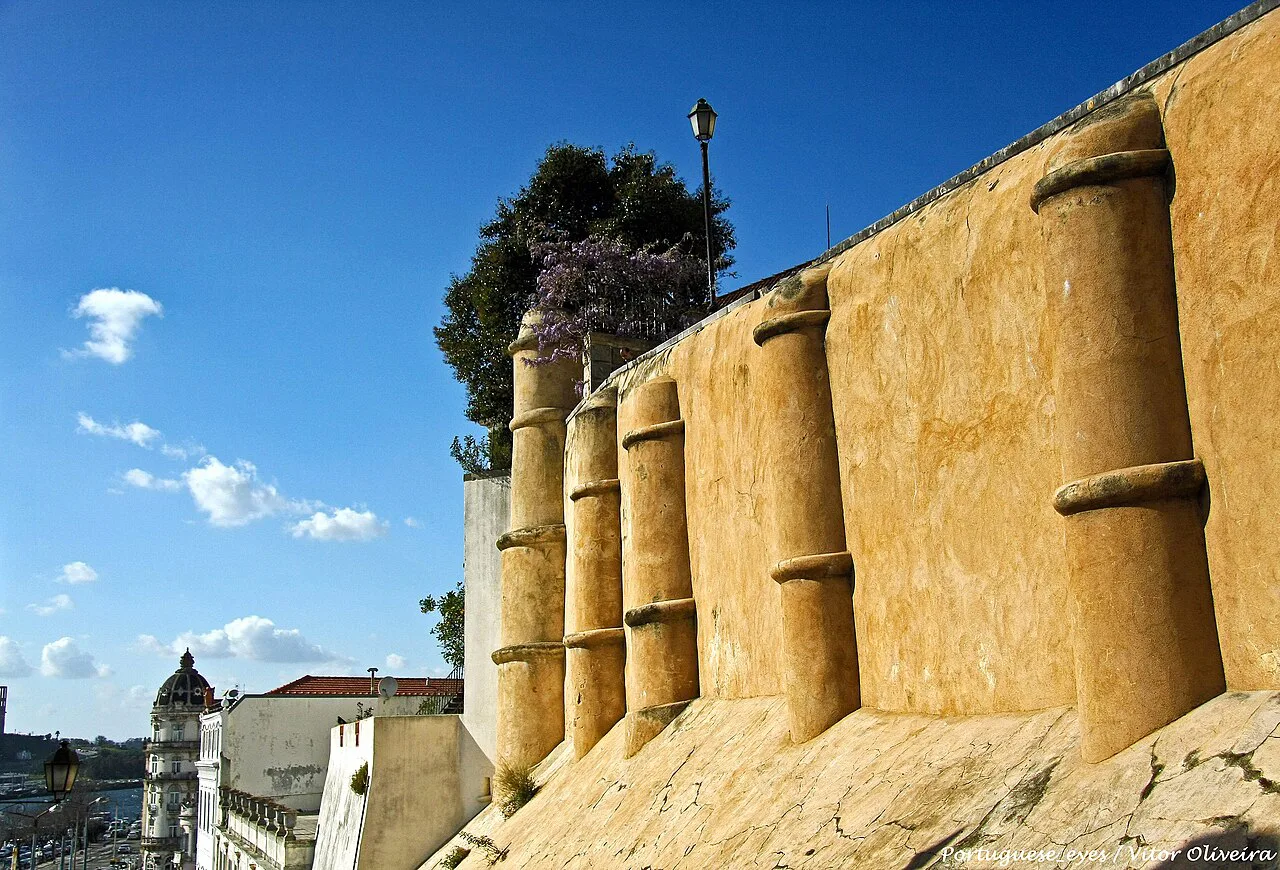
Coimbra's museums beyond the university
The Museu Nacional Machado de Castro is the city's other essential stop, built over a Roman cryptoporticus that once supported the forum. Its collections of sculpture, precious metals, ceramics and archaeology come largely from abandoned monasteries and convents of the Coimbra diocese, and the stone sculpture runs from the eleventh to the eighteenth century.
The Museu da Ciência da Universidade de Coimbra is the family-friendly option, an interactive museum built on the university's historic scientific collections and instruments. It suits a mixed-age group or a wet afternoon when the hilltop is uninviting.
How Coimbra is laid out
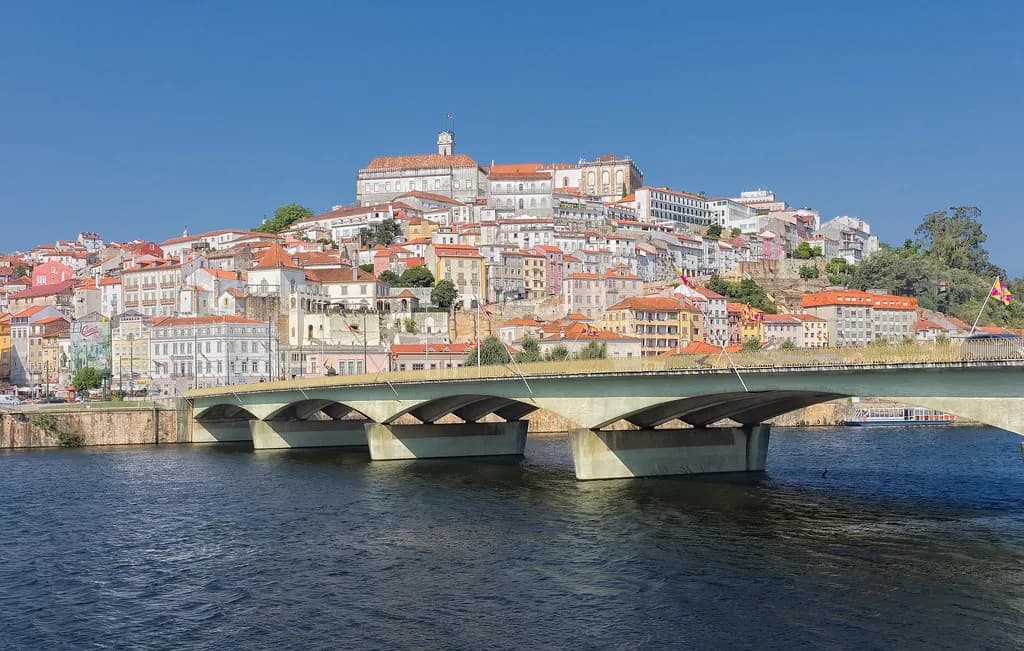
Coimbra splits into the Alta, the hilltop old town where the university sits, and the Baixa, the lower town along the river with Rua da Sofia running through it. The UNESCO listing bundles both: the colleges of Rua da Sofia, the colleges of the Alta, the Pombaline-era buildings and the twentieth-century university campus.
Budget your legs, not just your sight names. The climb between the Baixa and the Alta is the defining feature of a Coimbra day, and doing it more than once because you forgot something is the classic mistake. Plan the hilltop for one block of time and the lower town for another, and accept that the walk between them is part of the visit.
Opening times in Coimbra
The Machado de Castro follows a seasonal pattern worth building your day around. From October to March it opens 10:00–12:30 and 14:00–18:00, closing over lunch; from April to September it runs continuously 10:00–18:00. In winter, a midday visit means arriving before 12:30 or waiting until 14:00, which is exactly the kind of detail that reshapes a one-day plan.
Treat that timetable as specific to this museum. The university buildings, the Biblioteca Joanina and the Torre have their own arrangements, and the sensible move is to fix your hilltop slot first, then fit the museum around it rather than the other way round.
What you actually see in Aveiro
Aveiro is about the water. Its canals are the reason to come, and walking alongside them costs nothing; a moliceiro boat trip is the obvious way to see the town from the water if you want one.
Aveiro's low, level horizon and open water give the town a lighter feel than Coimbra's hilltop. Costa Nova, with its striped houses, sits nearby on the coast if you want an hour by the sea, though it is a separate stop rather than part of the centre.
How Aveiro is laid out and how long it takes
Aveiro's centre is compact and level, which is the whole point of choosing it over Coimbra. In our judgement you can cover the canals and the main squares in a comfortable half day, and a full day lets you add a slow lunch and the lagoon edge without rushing.
The trade-off is depth. There is no equivalent of the university quarter or the Machado de Castro here, so if you measure a short break by monuments seen, Aveiro will feel thin. If you measure it by how pleasant the day was, it often wins.
Days needed: one day each, or two for Coimbra
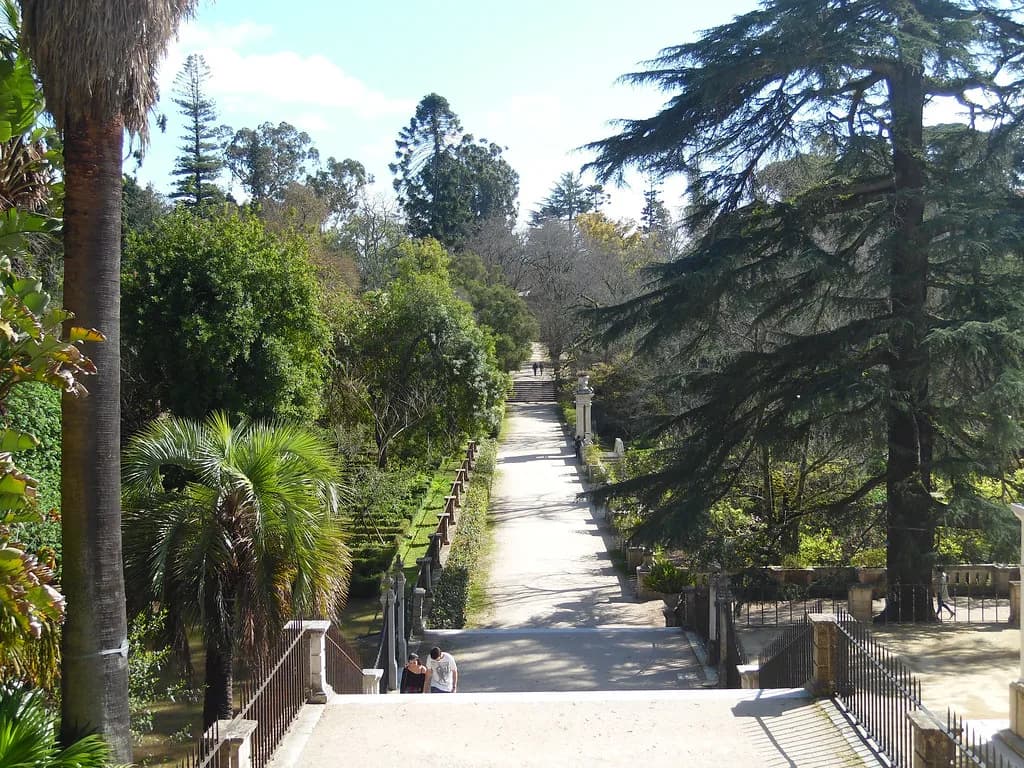
One day in Coimbra covers the university quarter and one museum, and it is a full, tiring day. Two days let you add the second museum, the Jardim Botânico and the lower town without sprinting, and two days is the honest minimum if the university is your main reason for coming.
One day in Aveiro is, in our view, enough for the canals, with time left over. That asymmetry is the planning decision in a sentence: our suggestion is to give Coimbra two nights and Aveiro one, so neither feels short-changed. For the Coimbra half of the plan, see One Day in Coimbra.
Combining both
The two work well as a pair: Coimbra inland on its hill, Aveiro out on the water. Porto-based operators sell them as a single day trip, which tells you the pairing is geographically sensible, but it also warns you about compression. A tour that squeezes Aveiro and Coimbra into one day is a taster, not a visit.
Do it independently and you get the opposite: a full day in Coimbra with the museum timed around its lunch break, then a relaxed day in Aveiro on the way home. Stay overnight in Coimbra so the evening old town is yours, and treat Aveiro as the gentler second act.
Trade-offs: hill and queues versus a gentler town
Coimbra asks for effort. The climb between Baixa and Alta is real, the Biblioteca Joanina draws queues, and the winter museum break forces you to plan around 12:30. In return you get a World Heritage university quarter, a Roman cryptoporticus under a national museum and a genuine sense of a working academic city.
Aveiro asks for nothing much and gives you a pleasant, photogenic day. Fewer headline monuments means less queuing and less legwork, which suits mixed-age groups and anyone who has already done the heavy sightseeing elsewhere in Portugal.
Where Coimbra fits a wider Centro trip
Coimbra sits at the heart of the Centro de Portugal region, which makes it a natural anchor for a wider loop. Build the wider trip around Coimbra rather than squeezing it in, and the university city becomes the fixed point your other days arrange themselves around.
Two nights here, with Aveiro as a coastal day, gives you a compact and varied short break without spending your holiday in transit.
Which suits which traveller
First-time visitors to Portugal should lean Coimbra: the university quarter is one of the country's defining sights, and skipping it to ride a boat would be a strange trade. Repeat visitors who have already done the big monuments often prefer Aveiro's lighter register.
Mixed-age groups and anyone with limited mobility should think hard about the hill. Aveiro's flat centre is simply easier, and a boat trip asks far less of knees than a climb to the Torre. Couples and solo travellers with two or three days can comfortably do both.
Which one should you book first?
Book Coimbra first and give it two nights. The university quarter, the Machado de Castro and the hill climb justify the time, and the seasonal museum timetable shapes how you arrange the day.
Then add Aveiro as a single relaxed day if your trip runs to three or four days. If you only have one day in the region, choose between monuments and canals and do not try to have both.
Explore more Coimbra guides
Sources
Notes for your next Portuguese break
Optional updates to our town guides.
You might also like
Continue reading
More guides you'll find useful