Coimbra Itinerary: A Realistic 2 to 3 Day Plan by Area
Plan a Coimbra itinerary of two or three days, grouped by hill, old town and riverside, with the university, Joanina Library, Sé Velha and gardens in walking order.
On this page
Two days is enough for Coimbra's core: the university hill with the Biblioteca Joanina, the old town around Sé Velha and Santa Cruz, and the Mondego riverside. Three days lets you add the Botanical Garden, the Penedo da Saudade viewpoint and the Convento de Santa Clara-a-Velha across the river without rushing. This itinerary groups each day by area so you climb the hill once rather than criss-crossing the city, and it flags where you need to book ahead.
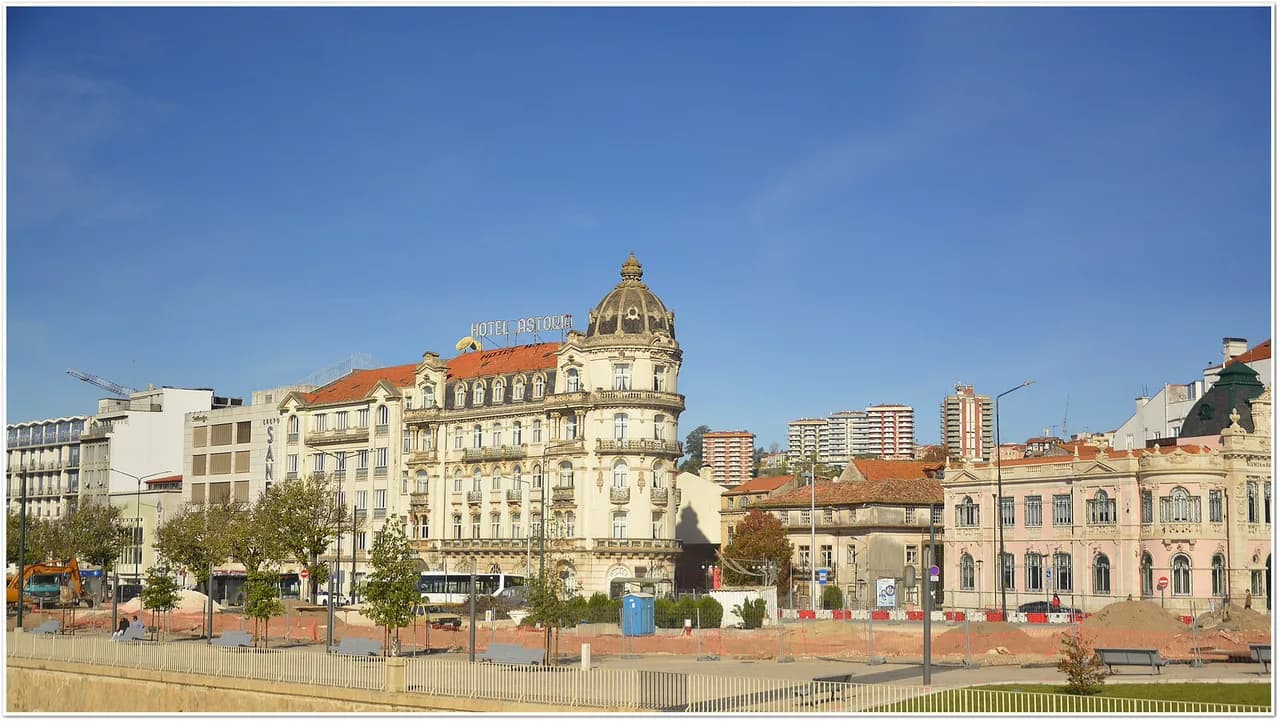
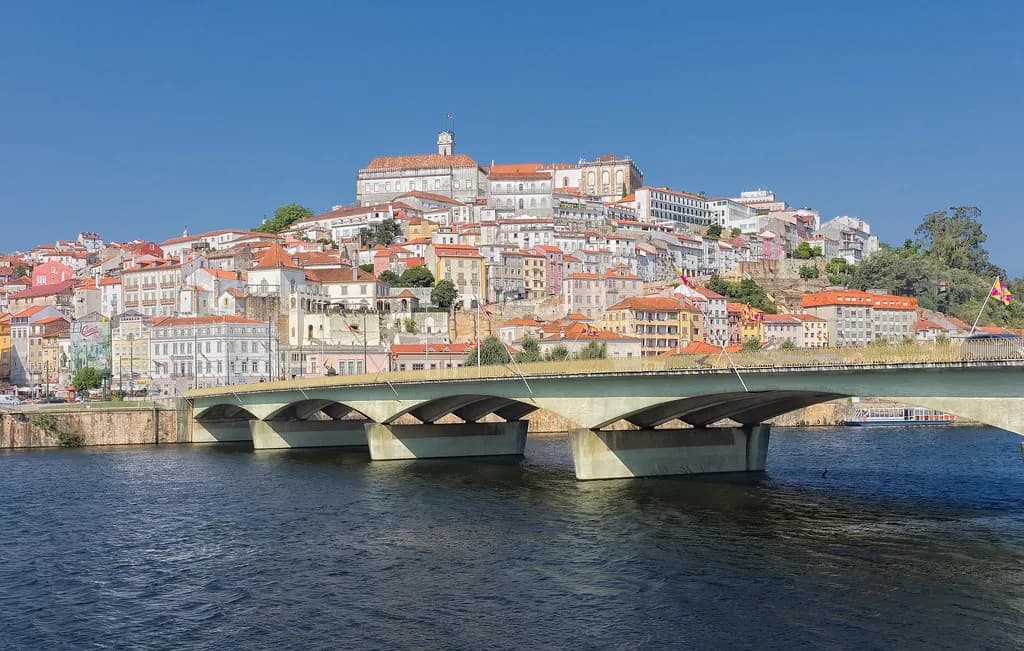
The city splits into three usable layers. The upper hill holds the Universidade de Coimbra in the former royal palace, with Paço das Escolas, the Capela de São Miguel and the Joanina Library. Below it, the old town runs from Sé Velha along Rua Sofia to Santa Cruz and Praça 8 de Maio, while the Mondego riverside at Parque Verde is linked to the centre by the glass-sided Pedro and Inês bridge. If you have only a single day, the One Day in Coimbra plan covers the core and leaves the gardens and left bank for another trip.
Coimbra in two or three days: the short answer
Give Coimbra two full days if it is a stop on the Lisbon–Porto line, and three if the university is the reason you came. Day one is the hill and the old town; day two pairs the Machado de Castro museum with the river; day three crosses to the left bank for gardens and the Santa Clara-a-Velha convent. If you only have one day in Coimbra, the university and Sé Velha alone fill it comfortably.
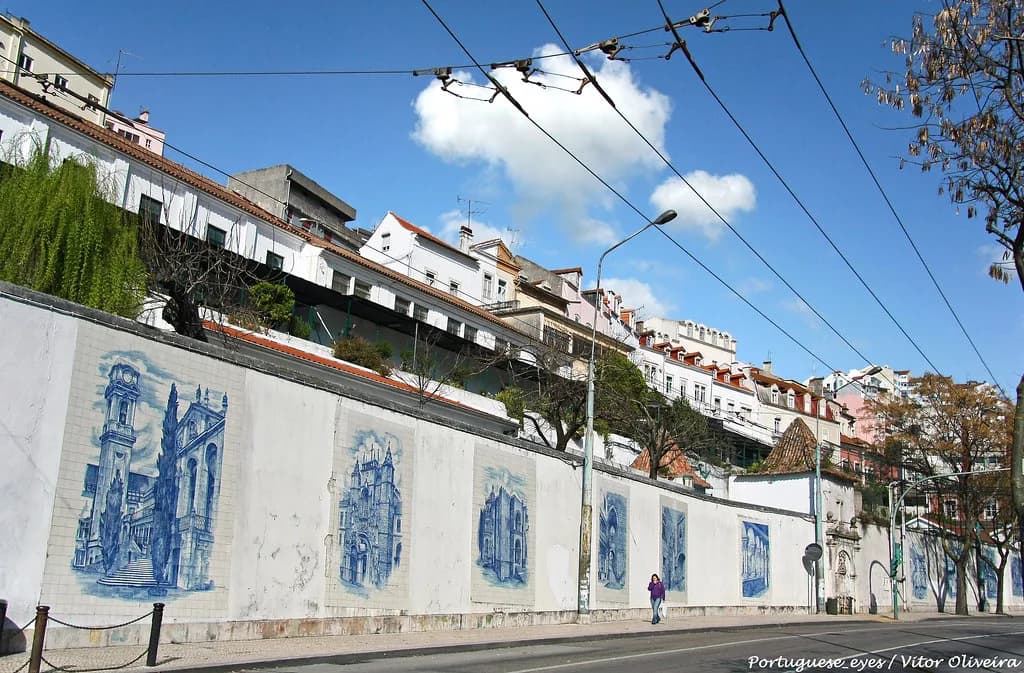
The trade-off is climbing. The university sits at the highest point of the city, so every visit to Paço das Escolas involves a stiff walk up. Walking alongside the 16th-century Aqueduto de São Sebastião is gentler on the legs than the monumental staircase on Rua Oliveira Matos, and it puts you on the hill without spending energy you will want later.
Book the Biblioteca Joanina before you fix the other days. Entry is often by timed ticket and slots sell out in busy periods, so the library is the one element worth anchoring the plan around. The library, in the university palace, holds more than 70,000 historic volumes and a resident colony of bats that feed on insects at night. If time is tight, see How many days do you need in Coimbra? before committing to a three-day shape.
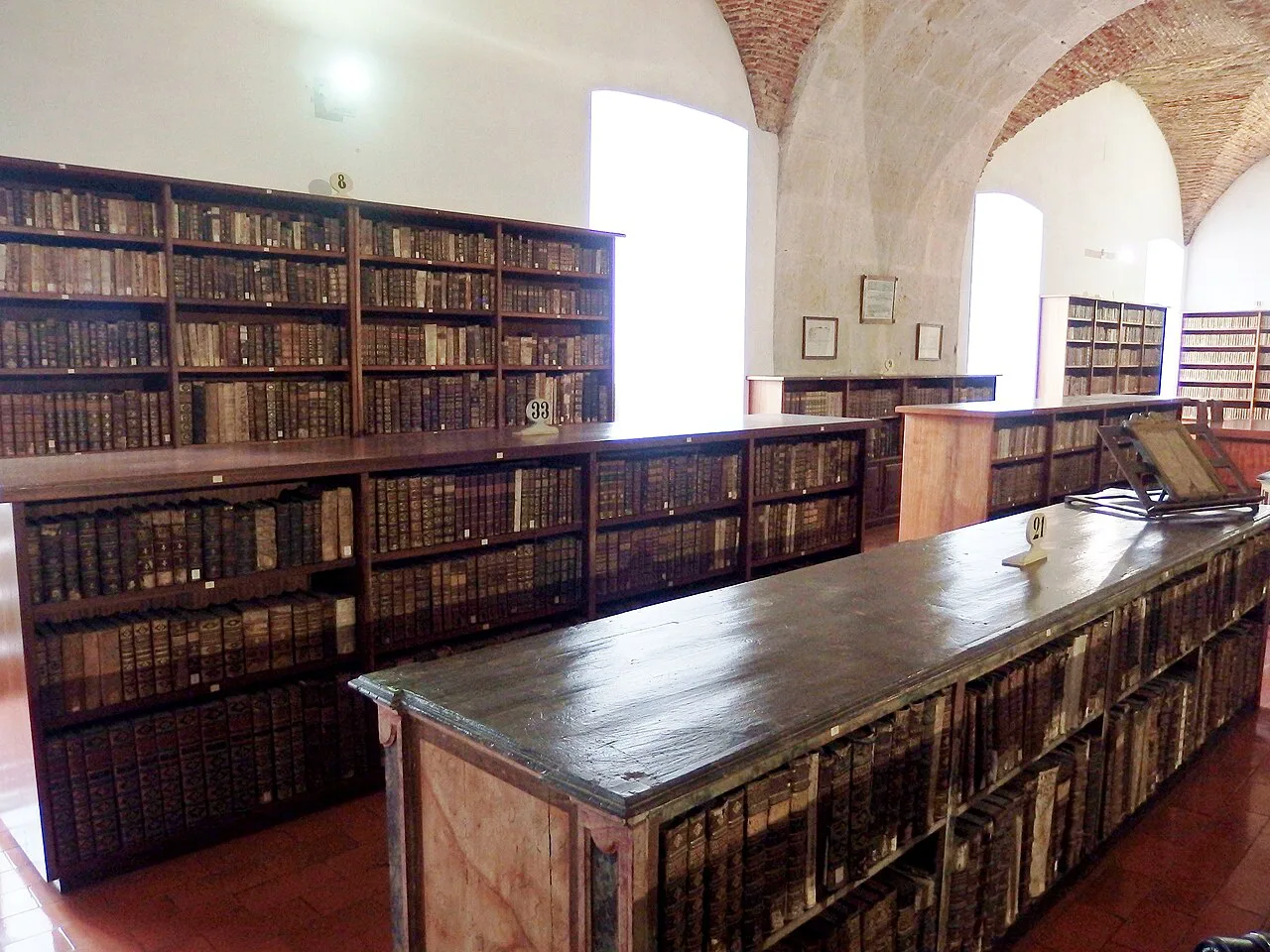
Day 1 morning: Paço das Escolas, the university and the Biblioteca Joanina
Start at Paço das Escolas, the courtyard of the former Royal Palace, and take in the view over the rooftops before anything else opens. Even without a ticket for the paid interiors, the climb rewards you with the atmosphere of one of Europe's oldest university cities. From here the Capela de São Miguel and the library sit within a couple of minutes of each other.
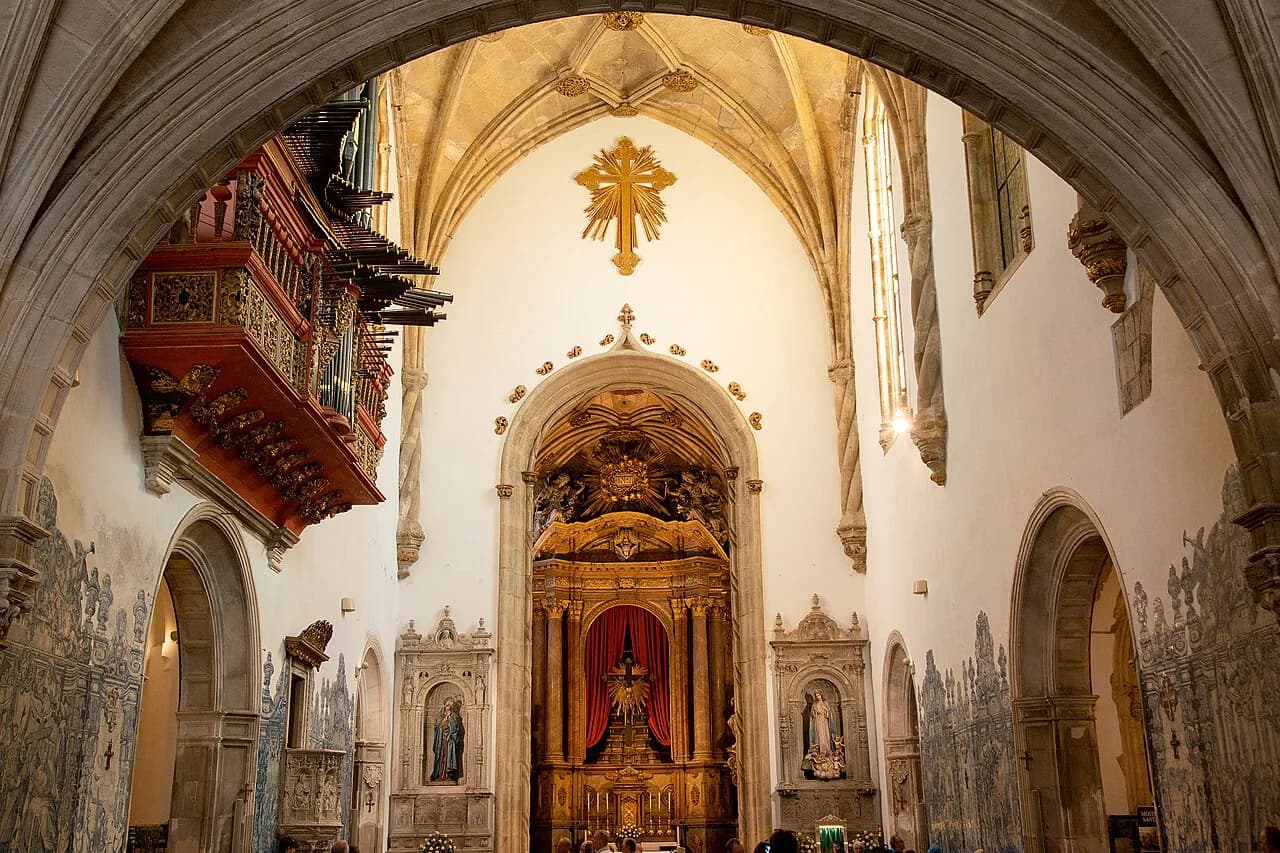
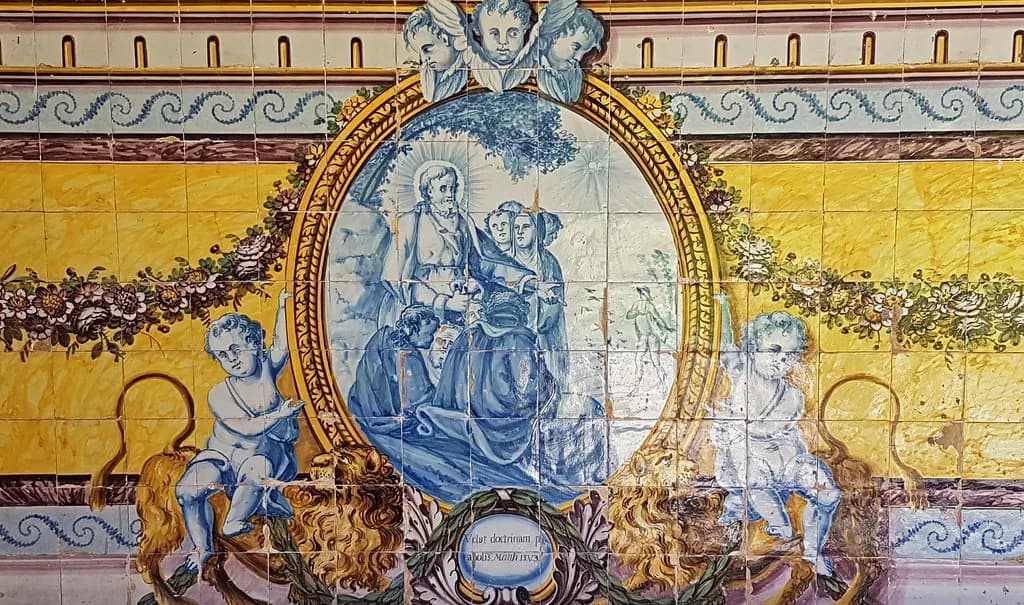
The Capela de São Miguel is included with the university ticket, so treat it as part of the same visit rather than a separate stop. Look for the azulejo panels, the gilded detail and the Baroque organ, which pack a lot into a small chapel. Allow around an hour for the chapel, the courtyard and the library together.
Outside the palace, look for the caped students and the Repúblicas, the communal student houses that date back centuries and give Coimbra its distinctive character. Keep the morning for the hill and resist the temptation to drop into the old town early; you will pass this way again on the way down.
Day 1 afternoon: Sé Velha, Rua Sofia and Santa Cruz
Walk down from the university towards Sé Velha, the Romanesque old cathedral, then follow Rua Sofia to Santa Cruz. This is the UNESCO-listed university quarter at street level: the university originally operated from colleges scattered through the city, and many former convent buildings along Rua Sofia were absorbed into it when religious orders were abolished in the 19th century. Palácio de Sub Ripas sits on the same route.
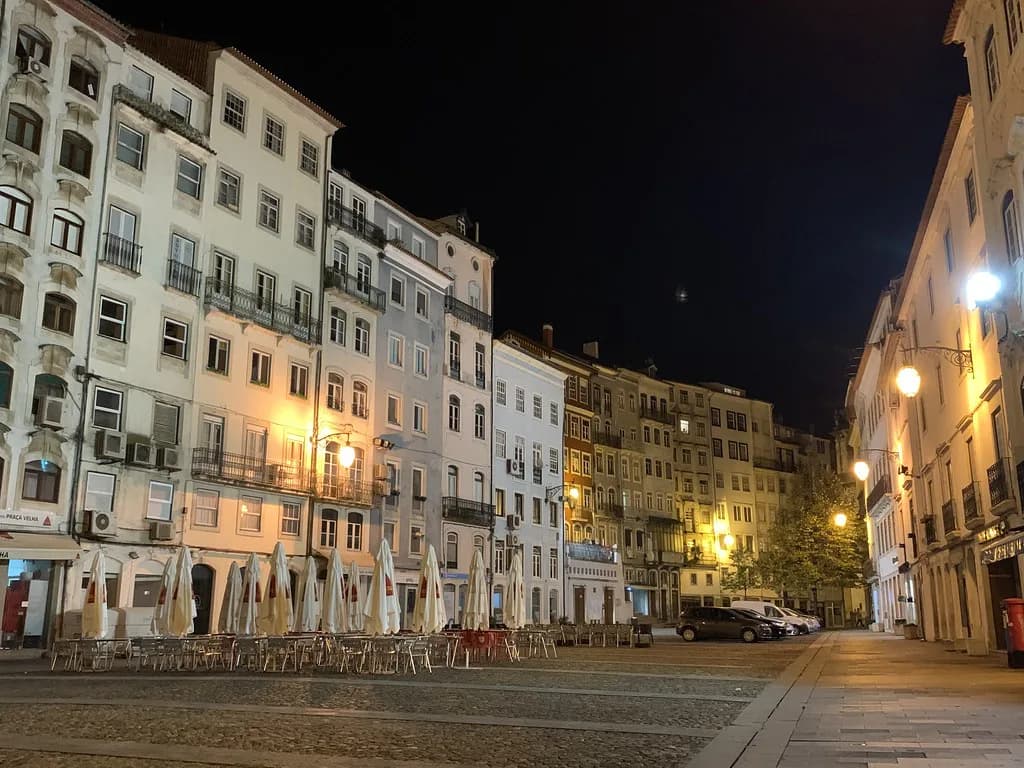
Sé Velha is the architectural counterweight to the Baroque library: Romanesque, heavy and fortress-like, and the reason Coimbra repays a slow walk rather than a checklist. Santa Cruz, a few minutes further on, mixes Romanesque, Gothic and Renaissance work and opens onto Praça 8 Maio, the old town's main square and a natural place to stop.
Finish the afternoon gently at Jardim da Manga, the small formal garden whose yellow domes sit just off the main route back up. It takes ten minutes and makes a good breather before the walk down. If your legs are done, this is the point to sit down rather than push on to the river.
Day 2 morning: Museu Nacional Machado de Castro and the city walls
The Museu Nacional Machado de Castro takes you underground, so you pass through older levels before reaching the sculpture and painting upstairs. It is the single best explanation of how old this city actually is, and it deserves a proper two hours rather than a quick pass.
Pair the museum with the surviving stretches of the medieval city walls, which you can see on foot rather than only on a map. Together they give the morning a shape: older levels below, medieval defences around, and the Baroque and modern city above. Keep the afternoon free for the river.
Day 2 afternoon: Parque Verde, the Pedro and Inês bridge and a boat trip
Cross to Parque Verde, the riverside green park, on the glass-sided Pedro and Inês bridge. The name comes from the tragic love story of Pedro and Inês, the same story that clings to Quinta das Lágrimas, and the walkway gives you the best free view in the city back towards the old town.
From the park, a traditional Serrana boat trip on the Mondego puts the city's two banks in perspective within an hour. Book it on the day you plan to go rather than banking the whole afternoon on it, and use the riverside path for the walk back if the wind picks up.
Day 3: Botanical Garden, Penedo da Saudade and Santa Clara-a-Velha
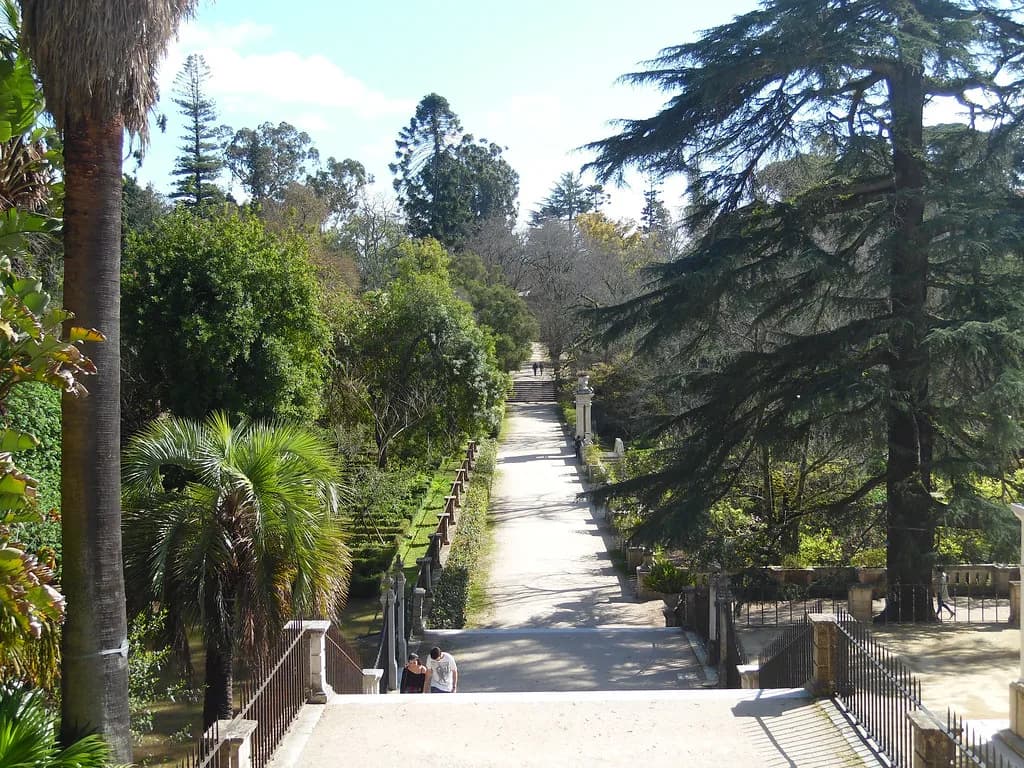
The Jardim Botânico da Universidade de Coimbra is one of Portugal's oldest botanical gardens, and it suits a morning when you want shade and quiet rather than another ticket queue. Pair it with Penedo da Saudade, a viewpoint where students have carved poetry into the rock, then walk down towards the river.
Across the river, the Convento de Santa Clara-a-Velha is the Gothic ruin left by repeated flooding of the Mondego, with the later convent on higher ground nearby. Quinta das Lágrimas gardens, where the Pedro and Inês story is set, sit close by on the left bank. Together they make a coherent half-day without returning to the centre.
Inês de Castro's story, the murdered lady-in-waiting later crowned after death, is the thread that ties the Quinta das Lágrimas gardens to the bridge and to the city's medieval imagination. Visit the gardens for the story rather than for spectacle, and leave the afternoon loose for the walk back along the river.
Where to eat and take a break
The Mercado Municipal de Coimbra gives you the freshest look at local produce and a cheap, unfussy lunch stop; go in the morning when the stalls are full. Around Praça 8 de Maio there are pastelarias for a coffee and a pastel de nata between sights, and Santa Cruz church comes with a café that makes a handy pause.
Evenings in Coimbra belong to fado, but it is Coimbra's own style, sung by students in capes rather than the Lisbon variant. Book an intimate performance in advance rather than chancing it on the night, and eat before or after rather than during the set.
If you are continuing the trip, Aveiro makes a natural contrast: canals and moliceiro boats rather than a university hill. An Aveiro itinerary of a day and a half pairs well with Coimbra if you have spare days in the region.
How to order the days around opening times
The university interiors and the Machado de Castro museum are the two bookings that dictate the shape of your trip, so fix those first and let the outdoor sights fill the gaps. Churches in Coimbra may close for lunch, so aim to see Sé Velha and Santa Cruz before midday where you can.
Check current opening days with the university and the museum before you lock in day one versus day two; many Portuguese museums and national monuments close on Mondays, but confirm for the specific sites rather than assuming. Keep the riverside and the gardens as flexible blocks for whichever day opens up.
Two days for a stop between Lisbon and Porto
If Coimbra is a break in a Lisbon–Porto rail journey, slice the plan: university hill and Sé Velha on the first afternoon, Machado de Castro and the riverside on the second morning, then a train out after lunch. That is a satisfying two days and it respects a departure time.
The reverse works just as well if you are heading north. A Porto to Coimbra train puts you in the city by mid-morning if you take an early departure, leaving the full day for the university before an evening on the river.
If you are weighing Coimbra against Aveiro for a single stop between the two big cities, Coimbra wins on monuments and Aveiro on waterways and slow pace. The two are complementary rather than rivals if you can fit both.
Practical costs and tickets to budget for
The university, the Joanina Library and the Machado de Castro museum are the paid tickets to plan for, and the exact price depends on which combination you buy. Check the university's own ticket page and the museum's official site for the current figures rather than relying on a guide.
Free or near-free sights reduce the daily spend considerably: the surviving medieval walls, Penedo da Saudade, the Botanical Garden's grounds, the Parque Verde riverside and the historic centre itself. A day built around those plus one paid ticket is a reasonable budget.
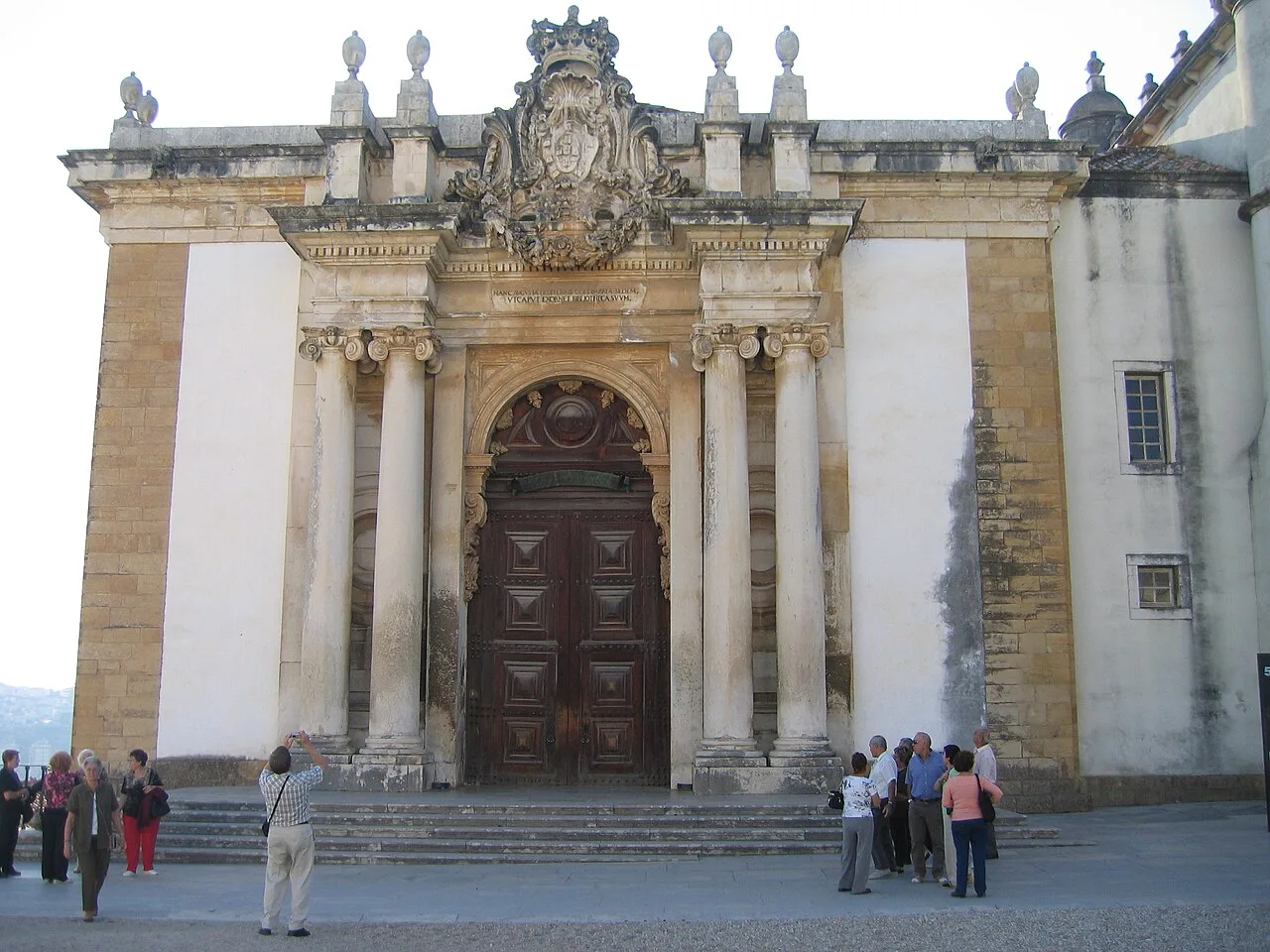
Should you base yourself in Coimbra for three days?
Three days in Coimbra is the honest maximum before the city starts to repeat itself; the fourth day is better spent elsewhere in the region. If the university is your main reason for coming, two days dedicated to the hill and the old town will feel complete. If you want the gardens and the left bank, book the third.
If you are still weighing the destination, the honest answer is that Coimbra suits people who like old universities and layered cities more than those who want beaches and nightlife. The centre is walkable but hilly, and the rewards are concentrated on the hill rather than spread out.
Start with the one-day plan and add days as you confirm the library and museum slots. Every remaining sight can be reshuffled around those two anchors without losing much.
Explore more Coimbra guides
Frequently Asked Questions
Is Coimbra worth visiting for two days?
Yes, if you want the university and the old town rather than beaches or nightlife. Two days covers the university hill, the Joanina Library, Sé Velha, Santa Cruz and a riverside walk without rushing.
Do you need to book the Biblioteca Joanina in advance?
Book it before you fix the rest of your itinerary. Entry is often by timed ticket and slots sell out in busy periods, so treat the library as the anchor and build the days around it.
What should you do in Coimbra if it rains?
Shift the Machado de Castro museum, the chapel and the library to the wet day, and save the riverside, gardens and Penedo da Saudade for fair weather. The museum takes you underground into older levels, which is a good indoor stop.
Sources
Notes for your next Portuguese break
Optional updates to our town guides.
You might also like
Continue reading
More guides you'll find useful