Coimbra Cathedral: Sé Velha and Sé Nova Guide
Coimbra has two cathedrals: the Romanesque Sé Velha and the Sé Nova uphill. Compare interiors, entry price and opening times, and see what fits a short break.
On this page
If you search for "Coimbra cathedral", you almost certainly want the Sé Velha, the Old Cathedral, a Romanesque church wedged into the medieval lanes below the university. The Sé Nova, the New Cathedral, sits higher up and shares the bishop's seat with it, but it draws far fewer visitors. This guide covers what you actually see inside each one, the Sé Velha's entry fee and daily opening times, and how the hill layout shapes a short visit.
The useful decision is not which cathedral is better but how much of the climb you want to spend on churches. The Sé Velha is compact and quick, with one outstanding altarpiece and a set of early cloisters; the university and the Machado de Castro National Museum are stacked just above it. Read this alongside our broader guide to things to do in Coimbra if you are still shaping the days.
What Coimbra's two cathedrals are, and which one visitors mean
Coimbra has two buildings that carry the cathedral title. The Sé Velha dates from the twelfth century and keeps most of its Romanesque character, which makes it unusual among Portugal's major churches; the Sé Nova, formally the Cathedral of the Holy Name of Jesus, became the city's second cathedral in the eighteenth century and now serves as co-seat with the old one.
In practice, the Sé Velha is the one worth building an hour around. It sits in the heart of the medieval quarter at Largo da Sé Velha, reached by steps up from the Arco de Almedina, the old city gateway. That position, rather than any grandeur, is why it feels like part of the streets rather than a monument set apart.
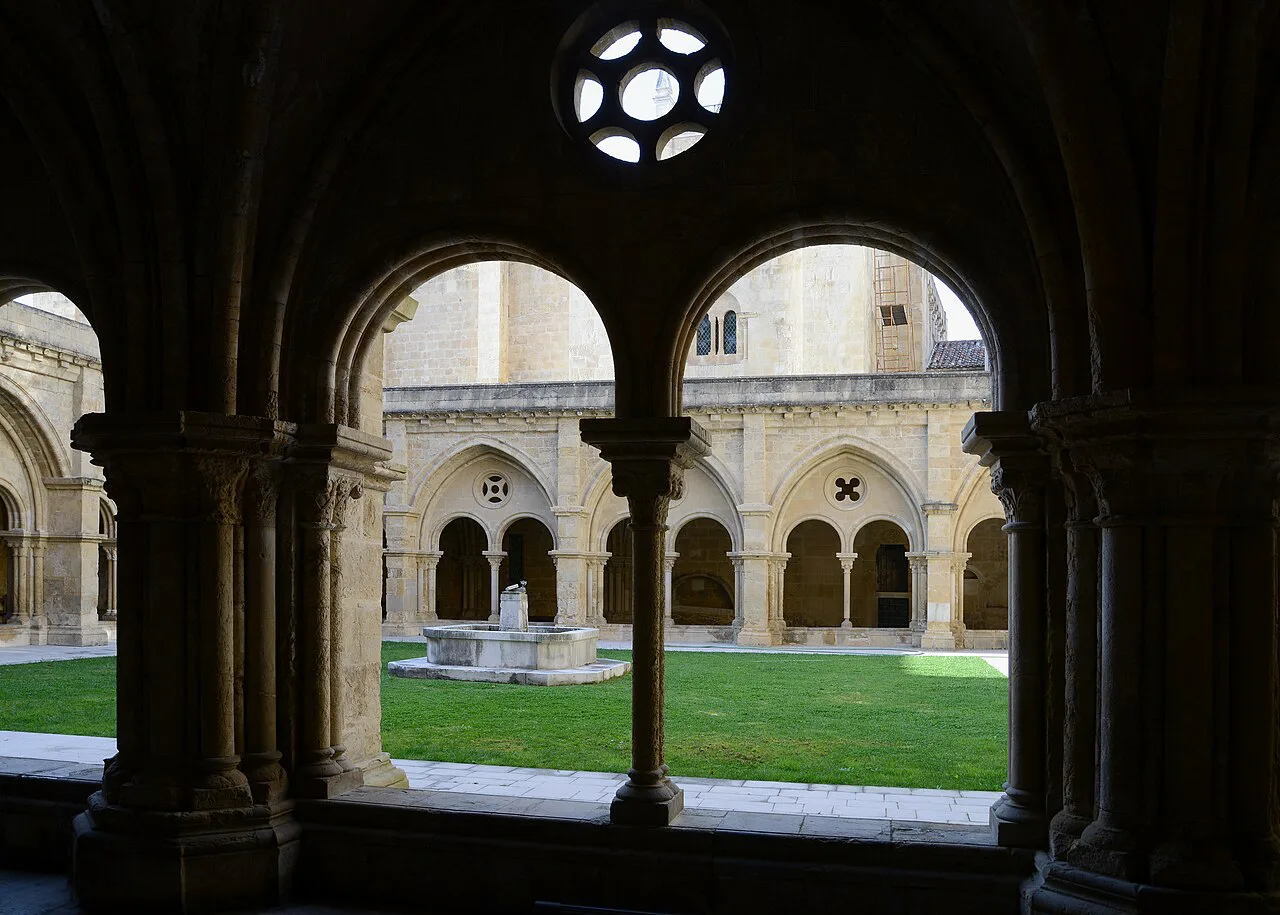
Sé Velha: the Romanesque exterior that looks like a fortress
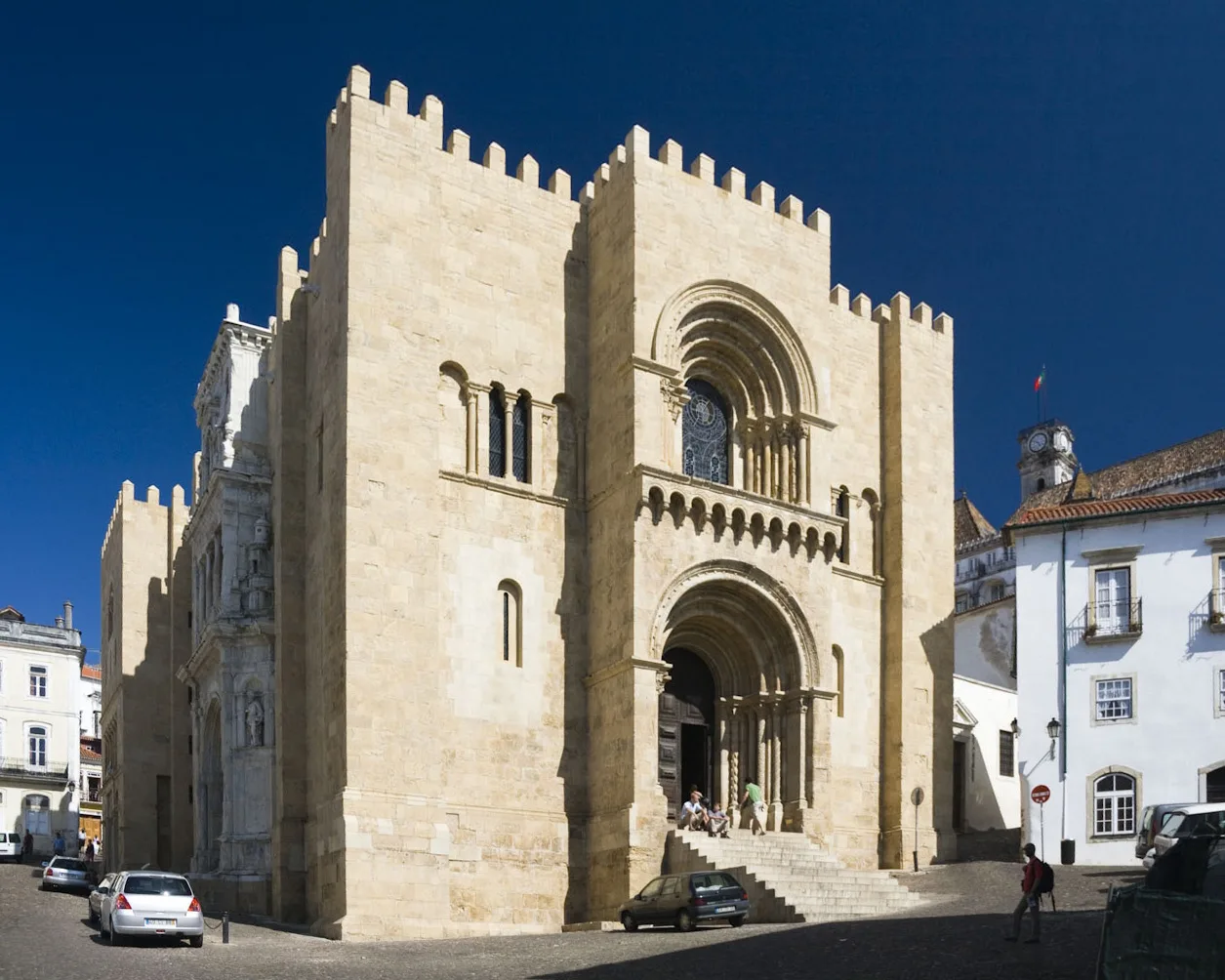
From the square outside, the Sé Velha reads as a defensive block: heavy walls, few openings, crenellations along the roofline. The church was designed by Portuguese and French architects and preserves much of its original Romanesque architecture. Look for the side portal, a Renaissance addition that softens the mass of stone and marks the entrance you are most likely to use.
The main portal has Islamic-influenced ornament, and its steps have long been used as a stage for the city's academic-year farewell, when graduating students sing fado. That tradition is history and colour rather than a reason to time a trip; treat the facade as a five-minute stop and save your attention for the interior.
Inside the Sé Velha: the gilded Gothic chancel and the 1218 cloisters
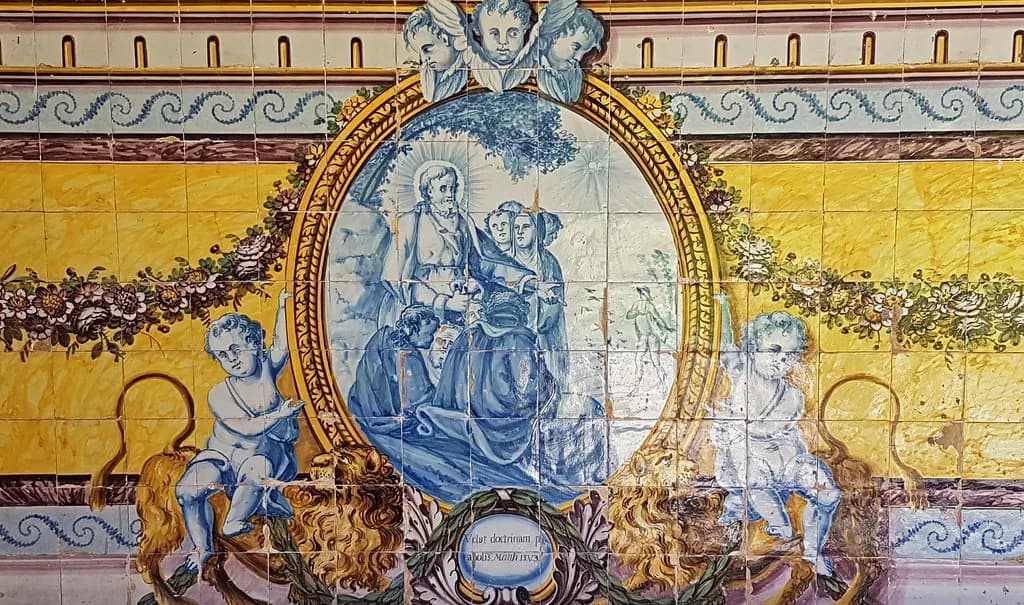
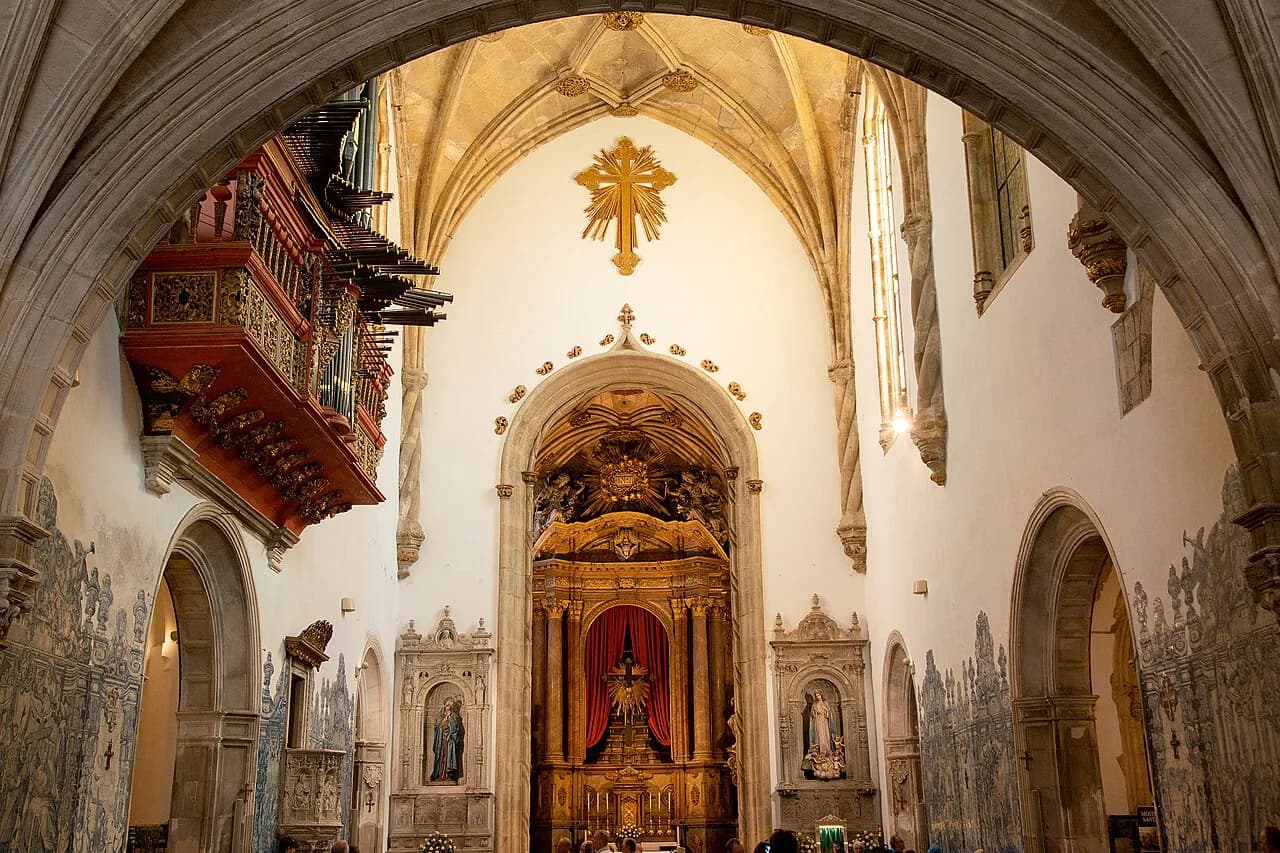
The interior is largely unchanged from its Romanesque scheme, so do not expect scale or decoration on the level of Portugal's big monasteries. The single highlight is the chancel altarpiece, a gilded Gothic work carved by Flemish sculptors in the early 1500s; it is worth standing in front of for a few quiet minutes. Seville tiles added in 1503 and later baroque paintings are the other additions to look for.
The cloisters date from 1218 and were the first in Portugal to follow the Gothic style, a modest but genuinely early space of arches and shadow. The honest trade-off is time: the whole church takes well under an hour unless you are studying the carving. If tilework is your interest, our guide to azulejos in Coimbra points you to the panels and interiors worth the detour.
Sé Velha tickets and opening times, and the Mass slots that block visits
Entry is charged, and the church keeps short daily hours on weekdays, Saturdays and Sundays. Visits stop during Mass on weekdays, Saturdays and Sundays, so the late weekday slot is effectively closed to sightseers.
Plan the Sé Velha for a morning or early afternoon and you will avoid the service closures altogether. Times and the fee can change, so confirm at the door before making it the anchor of your day.
Getting to the Sé Velha: up from Arco de Almedina
The approach is part of the experience. From the lower town, climb through the Arco de Almedina into the tangle of lanes, then follow the steps up to Largo da Sé Velha; the cathedral occupies a small square rather than a grand close. Wear shoes that cope with worn calçada and steps, because this is steep, uneven ground.
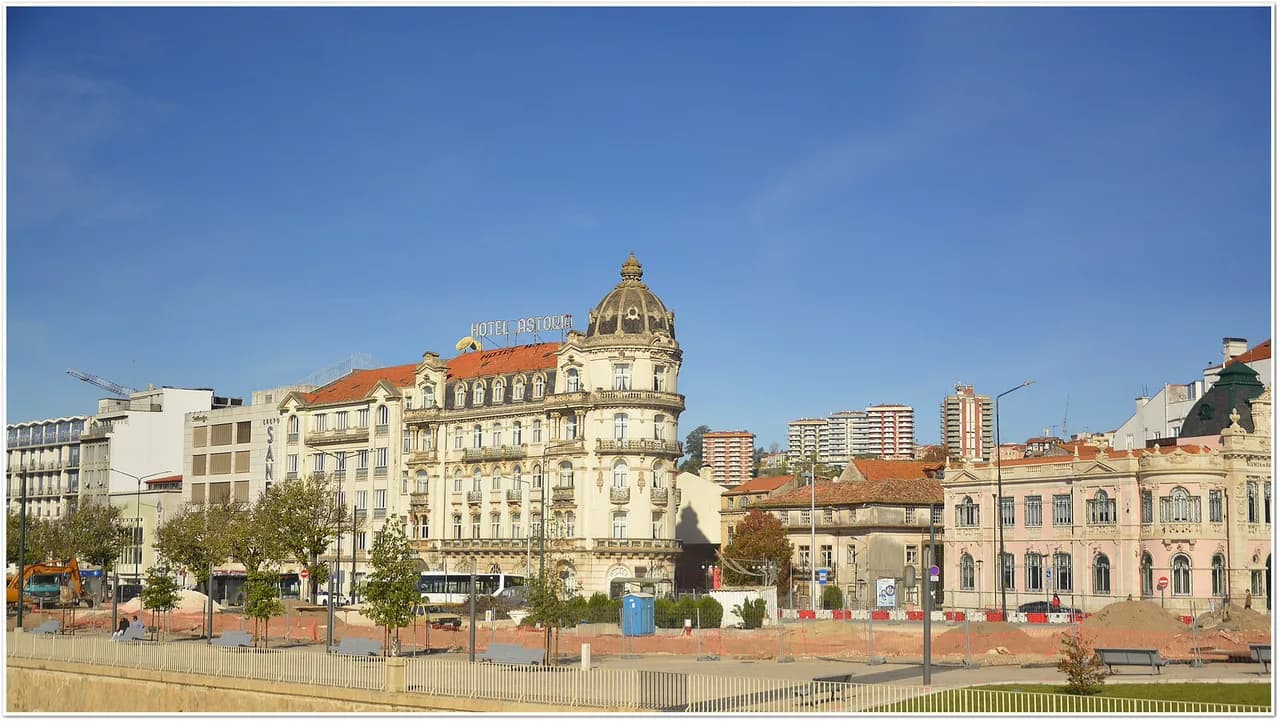
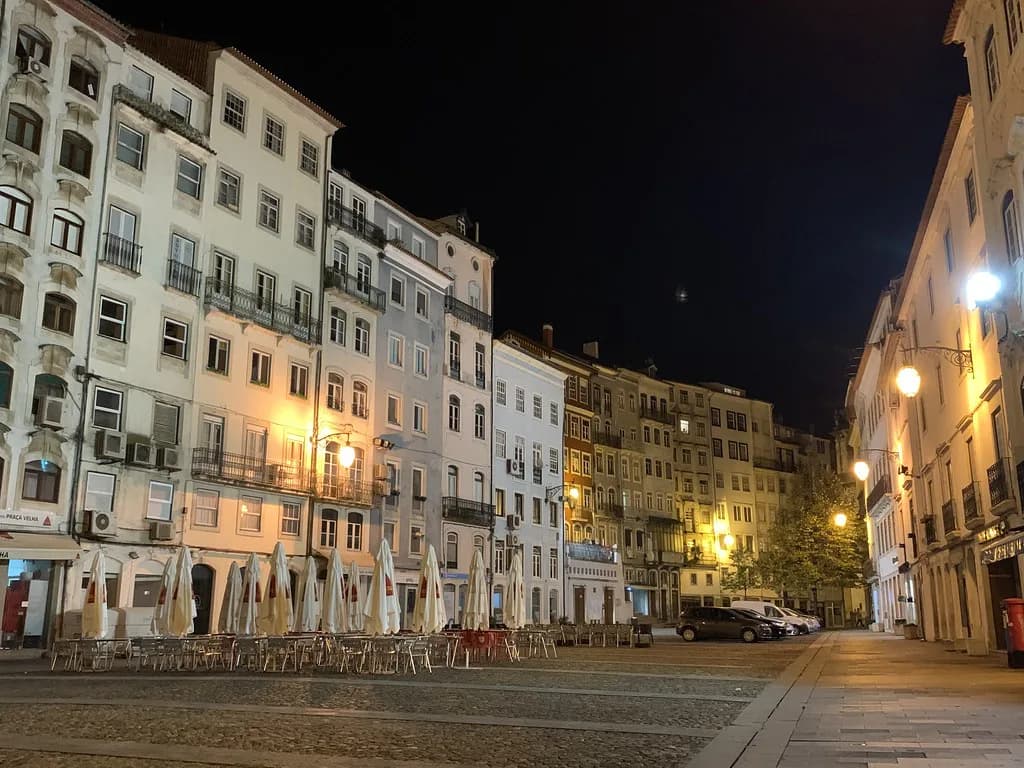
Allow ten to fifteen minutes of walking from the riverfront area, more if you stop to look at the gateways and facades on the way up. The Praça do Comércio and the lanes around it make a natural starting point for the climb, and our Coimbra old town guide maps the streets you will pass through.
Sé Nova: the eighteenth-century cathedral uphill
The Sé Nova stands higher in the city, near the university quarter, and took over as cathedral in the eighteenth century when the bishopric moved. It is the co-seat with the Sé Velha, so the two are formally a pair rather than rivals. Check opening arrangements locally before you build it into a plan, since access depends on services and the working life of the parish.
Its real value on a short break is position: it sits on the route between the university buildings and the old town, so you pass it rather than detour to it. Step in if the doors are open, then carry on; the Sé Velha remains the one to prioritise. Our Coimbra walking tour outline shows how the uphill streets link the two.
Pairing the cathedral with the university and Machado de Castro museum
Continue up the hill from behind the Sé Velha and you reach the Universidade de Coimbra and the Machado de Castro National Museum, which makes a natural half-day sequence of church, university and museum. That stacking is the practical argument for seeing the cathedral early rather than leaving it for the end of the day, when tired legs make the climb feel longer.
Build in a break at the top rather than doubling back downhill for lunch. For the museum itself, including the Roman remains beneath it, see our guide to museums in Coimbra; it will help you decide whether to give the collection an hour or an afternoon.
How much time to give the cathedrals on a one- to three-day break
On a one-day visit, give the Sé Velha about 45 minutes including the square and the walk up, then move on to the university. With two or three days, keep the cathedral as a morning stop and use the rest of the day for the museum and the lower town. Neither cathedral needs a dedicated half-day.
If you want structure, slot the cathedral into a route that runs from the Coimbra market and Rua Ferreira Borges up through the old town, so the climb serves several sights at once. That way the entry fee and the Mass closures stop mattering much, because the church is one stop rather than the whole outing.
Sé Velha or Sé Nova: which to visit first?
Start with the Sé Velha. It has the Romanesque fabric, the Flemish Gothic altarpiece and the cloisters, and its ticket and fixed daily hours make it easy to plan around. The Sé Nova is a passing stop on the way to the university, not the main event.
Go in the morning to dodge the Mass closures, wear grippy shoes for the calçada steps, and pair the visit with the university and the Machado de Castro museum above. Confirm the current entry fee and times on arrival, then spend the rest of your day on the streets below.
Frequently Asked Questions
Is the Sé Nova worth visiting as well as the Sé Velha?
Yes, if you are already heading uphill to the university, because the Sé Nova sits on that route and you can step in when the doors are open. It will not replace the Sé Velha as the main sight: the older church has the Romanesque interior, the Gothic chancel altarpiece and the early cloisters. Treat the Sé Nova as a short stop rather than a separate outing.
Do I need to book tickets for Coimbra cathedral in advance?
No advance booking is needed for the Sé Velha in the normal run of things; you pay the small entry fee at the door and visits pause during Mass. If you are visiting in a group or want to be certain of access on a specific day, contact the cathedral directly. The city's tourism pages list the current fee and daily hours.
Can I take photographs inside the Sé Velha?
Photography rules are set by the cathedral itself and are often posted at the entrance or enforced by staff on the day. Ask before you start shooting, particularly around the chancel altarpiece and during any service. Do not assume flash or tripods are allowed.
Sources
Notes for your next Portuguese break
Optional updates to our town guides.
You might also like
Continue reading
More guides you'll find useful