Museums in Coimbra: What to See and How Long to Allow
Museums in Coimbra range from the Machado de Castro's Roman remains to the university's historic rooms. Here is what each holds and how to choose.
On this page
Two museums earn a place on almost any short Coimbra break: the Machado de Castro National Museum, an art museum in Coimbra, and the university's historic spaces around the Paço das Escolas. Allow a half-day for each if you want to read labels and linger, or about two hours apiece if you move briskly. This guide covers what each Coimbra museum holds, how long to give it and how to combine them without spending your whole trip indoors.
Coimbra's museums are spread across the hilltop university quarter, the lower Baixa and the Santa Clara bank of the Mondego, which is why back-to-back visits need a bit of sorting. Group the university spaces together, keep the national museum near the old town for a separate block, and treat Santa Clara as its own expedition. For the wider picture beyond museums, the Things to Do in Coimbra guide sets the sights in context.
Which Coimbra museums earn a slot on a short break
Start with the Machado de Castro National Museum and the university's spaces around the Paço das Escolas, then add one Clarist monastery if you have a second day. That combination gives you art, sacred sculpture and the academic quarter that shaped the city, without repeating the same kind of collection twice. The official tourism museums listing names everything from water heritage to contemporary art, so there is no shortage of alternatives if your first picks are busy. The trail of streets and courtyards connecting them is mapped in the Coimbra Old Town guide.
On a one-day visit, pick two: the national museum in the morning and the university quarter in the afternoon, or the reverse if your legs prefer the climb early. On a three-day break, add Santa Clara-a-Velha and one small house museum, which keeps each day to a single neighbourhood. The rest of the city's sights, from the cathedral to the riverside, are gathered in Coimbra Attractions: 10 Visitor Guides.
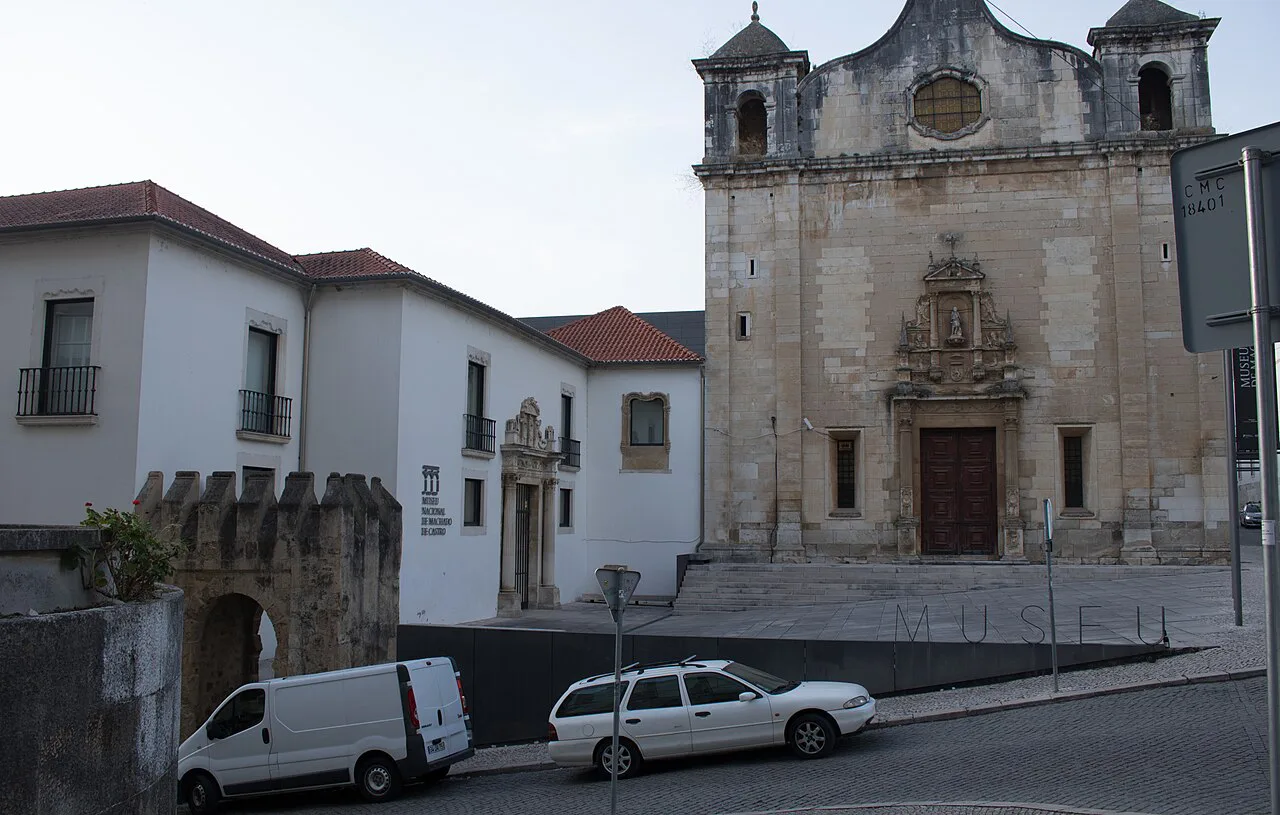
Machado de Castro National Museum: the collection and what lies beneath
The Machado de Castro National Museum is named after the Portuguese sculptor Joaquim Machado de Castro and is an art museum in Coimbra. It is the city's national collection, so give it a proper block of time rather than treating it as a quick stop, and check on arrival what is open that day.
Allow about two hours for a focused visit and longer if you read the sculpture labels. The museum sits in the upper town, so it pairs naturally with the cathedral and the lanes around it. Opening days and ticket prices should be confirmed on the museum's own pages before you go.
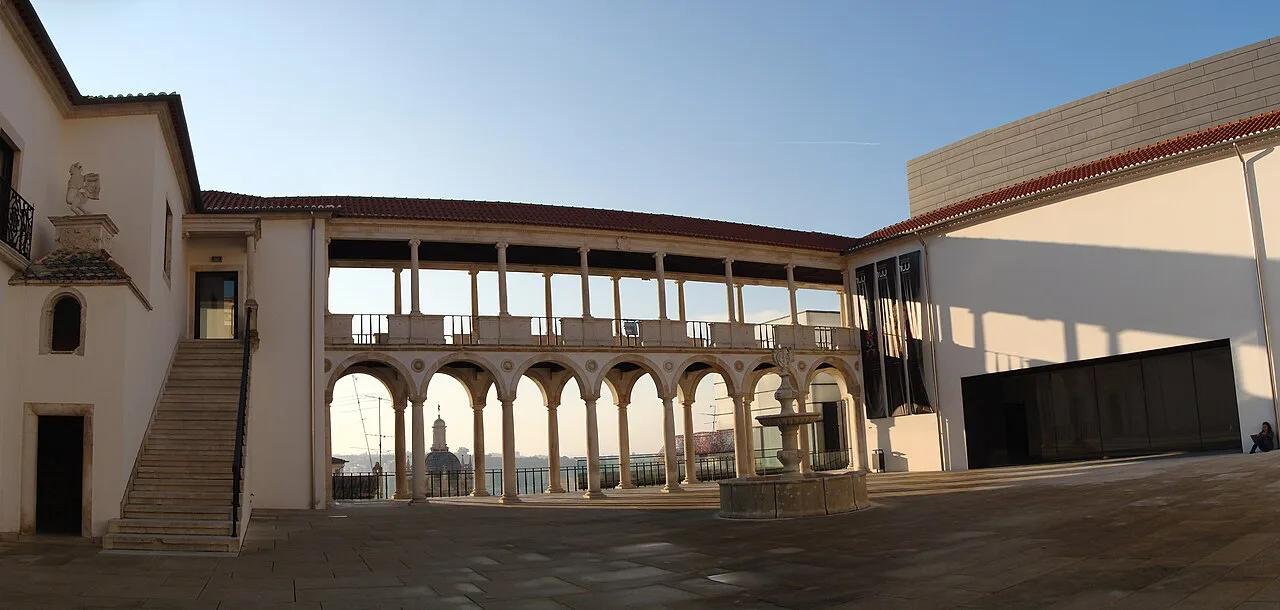
The university's museum spaces around the Paço das Escolas
The Paço das Escolas, the university's historic courtyard, is named alongside an Academic Museum in the official tourism museums listing, so plan the university quarter as a cluster rather than a single stop with one ticket. The university's own visit arrangements decide which spaces you can enter on the day. Treat the university as part of the broader set of things to do rather than a museum you can tick off in twenty minutes.
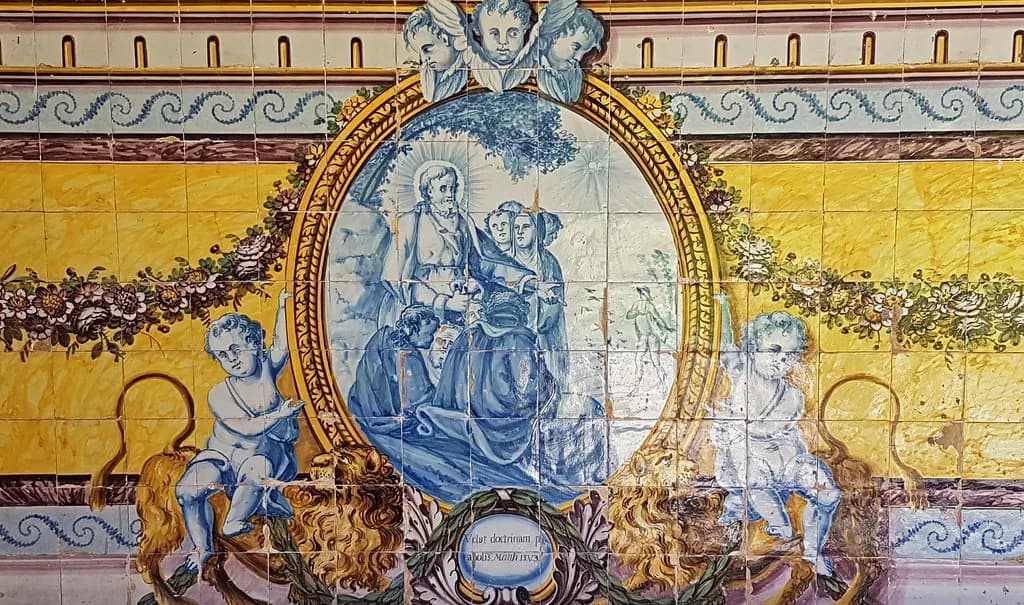
Give the university quarter a half-day if you want to see it without rushing. The reward is the tiled and painted interiors as much as the exhibits, which is why a look at the azulejos in Coimbra before you go pays off. Which rooms are open changes with university business, so check the official visit arrangements for the day you plan.
Science Museum and Exploratório: which suits a family group
Coimbra has two science-minded options, the Science Museum and the Exploratório science centre. The Exploratório is the more hands-on of the two, which usually makes it the better choice with children who need to touch things. The Science Museum suits visitors who want the university's scientific heritage rather than interactive exhibits. The Science Museum appears in the official museums listing, which is the place to check what is running.
Allow an hour to ninety minutes at either, and pair them with a walk along the Mondego rather than adding a third indoor stop. If you are travelling with children on a wet day, the Exploratório and the water museum make a sensible two-stop plan. Opening days vary, so confirm before setting out with tired legs.
Santa Clara-a-Velha and Santa Clara-a-Nova: the two Clarist sites
These are two different places and visitors often confuse them. The Monastery of Santa Clara-a-Velha was begun in 1314 on the orders of D. Isabel de Aragão, the Holy Queen, replacing an earlier Poor Clare convent founded in 1286, and its church was completed in 1330 to a design by Domingos Domingues. It sits low by the Mondego and is the archaeological site, presented as a ruin.
Santa Clara-a-Nova is the later convent on higher ground, and it holds the tomb of Queen Saint Isabel, carved in 1330 by Master Pêro from a single block of limestone. If you want the Holy Queen's tomb, go to the new convent rather than the old one. Allow about an hour for each, plus the walk between them.
Both are listed by the official tourism board, and both are worth combining into a single afternoon on the Santa Clara side. The walk between them takes in a strong view of the old town. Check opening days before you commit, since the two sites keep separate arrangements.
Santa Casa Museum of the Mercy of Coimbra
The Santa Casa Museum of the Mercy of Coimbra occupies a former convent adapted into a museum and cultural space with a substantial collection of movable and integrated heritage. It was classified as a National Monument in 1911 and added to the UNESCO World Heritage list in 2013, so the building itself carries much of the interest. The official tourism listing is the place to confirm what is on show.
Allow an hour, more if the temporary displays are strong. It sits in the lower town, making it an easy addition to a Baixa afternoon rather than a separate trip. Pair it with the riverfront rather than the hilltop, so you are not climbing twice in a day.
Smaller and house museums: Bissaya Barreto, Elysio de Moura, Chiado and Sister Lúcia
The Bissaya Barreto House-Museum preserves the private residence of Fernando Bissaya Barreto, a professor of medicine, surgeon and philanthropist who lived there for almost fifty years. It suits travellers who prefer domestic interiors and medical history to grand galleries. The Elysio de Moura House-Museum opened in June 2018 as part of a wider restoration of that doctor's heritage, and the official listing states free entry with reservations required. Confirm current arrangements directly before relying on them.
The Chiado Building holds a permanent collection of nineteenth and twentieth century Portuguese painting, alongside ceramics, sculpture, silverware and furniture, with temporary exhibitions alongside. It is the strongest pick of the smaller museums if you want art rather than biography. The Memorial of Sister Lúcia, created by the Carmel of Santa Teresa next to the convent, displays personal objects from her life as a Carmelite. Both appear in the official museums listing.
Coimbra Municipal Museum, the Tower of Almedina and the Water Museum
The Coimbra Municipal Museum is the city council's own collection, focused on the city's historical and artistic heritage and its preservation. The Tower of Almedina appears alongside it in the official museums listing. The Coimbra Water Museum, housed in the former Water Collection Station, tells the story of the city's water supply in a building that is part of the exhibit.
Of the three, the Tower of Almedina is the quickest stop and the easiest to fold into a walk through the old town. The water museum works well with children and as a wet-day filler, though it is a separate outing rather than a stroll from the centre. None of these three needs more than an hour.
Free options and which museums suit a rainy day
The Elysio de Moura House-Museum is the clearest free entry in Coimbra's museum listing, though it requires a reservation rather than turning up on spec. For a wet day, the strongest indoor run is the Machado de Castro National Museum followed by the university quarter, since both keep you under cover for long stretches and sit close together. The Chiado Building adds a third indoor stop if the rain sets in for the afternoon.
Keep walking between sites short by pairing the national museum and the old town lanes in one block, and the university spaces in another. The water museum and the science options are better saved for a day when the weather is already against you. Prices and free-entry days vary by museum, so check each one's own listing before you budget.
Fitting two or three museums into one day
A workable one-day order is the Machado de Castro in the morning, lunch in the Baixa, then the university quarter in the afternoon, ending at a miradouro as the light drops. That covers one national museum and the university quarter without a third indoor stop. If you want a third, the Santa Casa Museum fits the lunchtime slot better than anything on the hill.
On a two-day break, give day one to the upper town and day two to Santa Clara, which keeps the river crossing to once. On three days, add the smaller house museums and the Science Museum or Exploratório for a change of pace. The Coimbra walking tour is a sensible way to see the old town lanes between museum stops without retracing your steps.
Opening days and ticket prices
Opening days and ticket prices are set museum by museum and are not uniform across Coimbra. The official tourism museums listing is the best single starting point, and each museum's own page is where the current days and prices appear. The Elysio de Moura House-Museum, for example, requires a reservation and states free entry; confirm directly before you travel.
Build your day around one firm opening and treat the rest as extras, rather than chaining four visits that all depend on the same afternoon. Prices in euros are set by each museum, so budget from each one's own listing.
Which museum gets your first morning?
Give your first morning to the Machado de Castro National Museum, the city's national art museum. Keep the university quarter for the afternoon and add Santa Clara on a second day, when the river crossing and the two convents deserve unhurried time. That order protects you from doubling up on religious art and academic interiors in the same block.
If your interests run to science or contemporary art, swap the university for the Exploratório or the Chiado Building, both of which stand up on a wet day. Whatever you choose, check the specific museum's own opening days and ticket price the week you travel, and book the Elysio de Moura House-Museum in advance if you want the free visit.
Explore more Coimbra guides
Frequently Asked Questions
Is the Machado de Castro National Museum worth visiting on a short break?
Yes, it is the strongest single museum in Coimbra. It is the city's national art museum, so you get a full national collection in one visit. Allow about two hours, more if you read the labels, and note that opening days and ticket prices should be confirmed on the museum's own pages.
How long do you need for the University of Coimbra's museum spaces?
Give the university quarter around half a day if you want to see it without rushing. The Paço das Escolas and Academic Museum are listed as separate spaces, so treat the quarter as a cluster rather than a single museum. The exact rooms open on your day should be confirmed with the university's official visit arrangements.
Are there free museums in Coimbra?
The Elysio de Moura House-Museum states free entry, but reservations are required rather than walk-in visits. Other museums in the city set their own prices, so check each museum's own listing before you budget.
What should you do in Coimbra on a rainy day?
Start at the Machado de Castro National Museum, then move to the university quarter, since both keep you indoors for long stretches and sit close together. The Chiado Building adds a third indoor stop if the rain settles in for the afternoon. Check opening days for each before you set out.
Sources
Notes for your next Portuguese break
Optional updates to our town guides.
You might also like
Continue reading
More guides you'll find useful