Museums in Évora: What to See, Ticket Prices and Closing Days
Plan a short break in Évora with the museums worth your time, from the Museu Nacional Frei Manuel do Cenáculo to the small private collections in town.
On this page
Give the Museu Nacional Frei Manuel do Cenáculo two hours and you have seen Évora's best museum. It sits in a 16th-century archbishop's palace on Largo do Conde de Vila Flor, between the Roman temple and the cathedral, so it slots into a short break without a detour. This guide covers what is inside, the ticket price and seasonal hours, how long to allow, and the smaller museums that might suit you instead.
Évora rewards slow walking rather than museum-hopping. The old town is compact enough to cross in twenty minutes, which means one museum, one cathedral and one square fill a comfortable day. Treat the other collections as rainy-afternoon options or specialist stops rather than a checklist.
The main Évora museum, between the Roman temple and the cathedral
The Évora Museum occupies a former archbishop's palace, a 16th-century building on Largo do Conde de Vila Flor. It was created in 1915 and was formally dedicated to Frei Manuel do Cenáculo in 2017, honouring the 18th-century monk who became bishop of Évora and gathered many of the archaeological pieces now on display. The address puts you a couple of minutes' walk from both the Roman temple and the cathedral, which is why the museum works best mid-morning before those two sights.
Inside, the collection runs to around 20,000 pieces. It covers Roman sculpture, Visigothic and medieval finds, church furnishings and Portuguese and Flemish painting, much of it recovered from suppressed convents and churches. Because the building wraps around a cloister, the rooms feel quieter than the nearby cathedral squares, and you can move at your own pace without crowds pressing behind you.
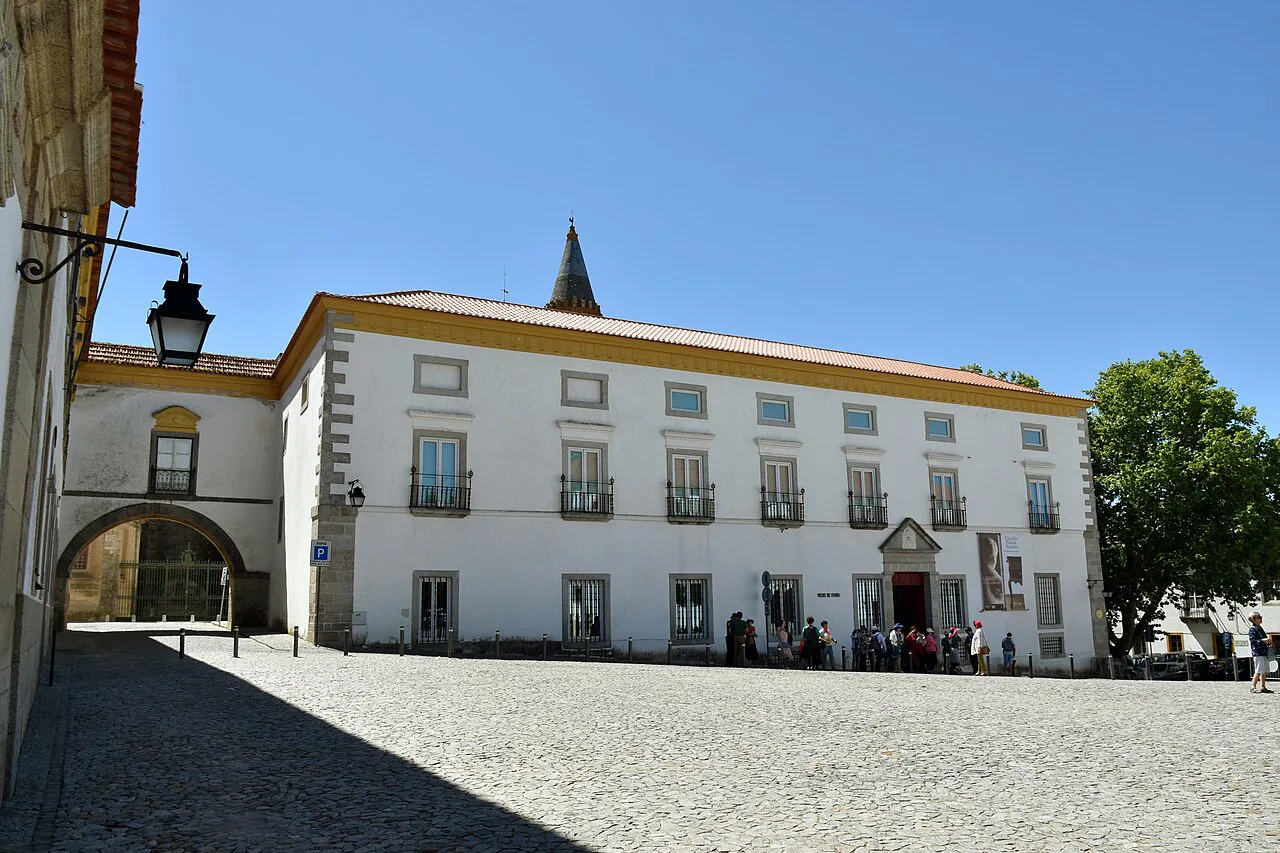
What to see inside the Museu Nacional Frei Manuel do Cenáculo
Start with the Life of the Virgin, a 1500 altarpiece of thirteen panels painted as a single work and one of the largest Flemish retables anywhere. It once hung in Évora's cathedral before moving here. Give it ten minutes: the panels are dense, and reading them left to right repays the time more than a glance on the way past.
Then look for the Portuguese paintings. There is a Crucifixion by Gregório Lopes, one of the country's leading Renaissance painters, and work by Josefa d'Óbidos, among Portugal's first prominent female artists. A portrait of the boy king Afonso VI, painted around 1650 with a Black servant, is one of the earliest depictions of enslaved Africans in European art and deserves more than a passing look.
The archaeology rooms hold finds from around Évora, including material linked to the Dolmen of Zambujeiro, with prehistoric jewellery that is rare in any collection. If you plan to see the megalithic sites in the countryside, see the museum first; the context makes the standing stones far easier to read.
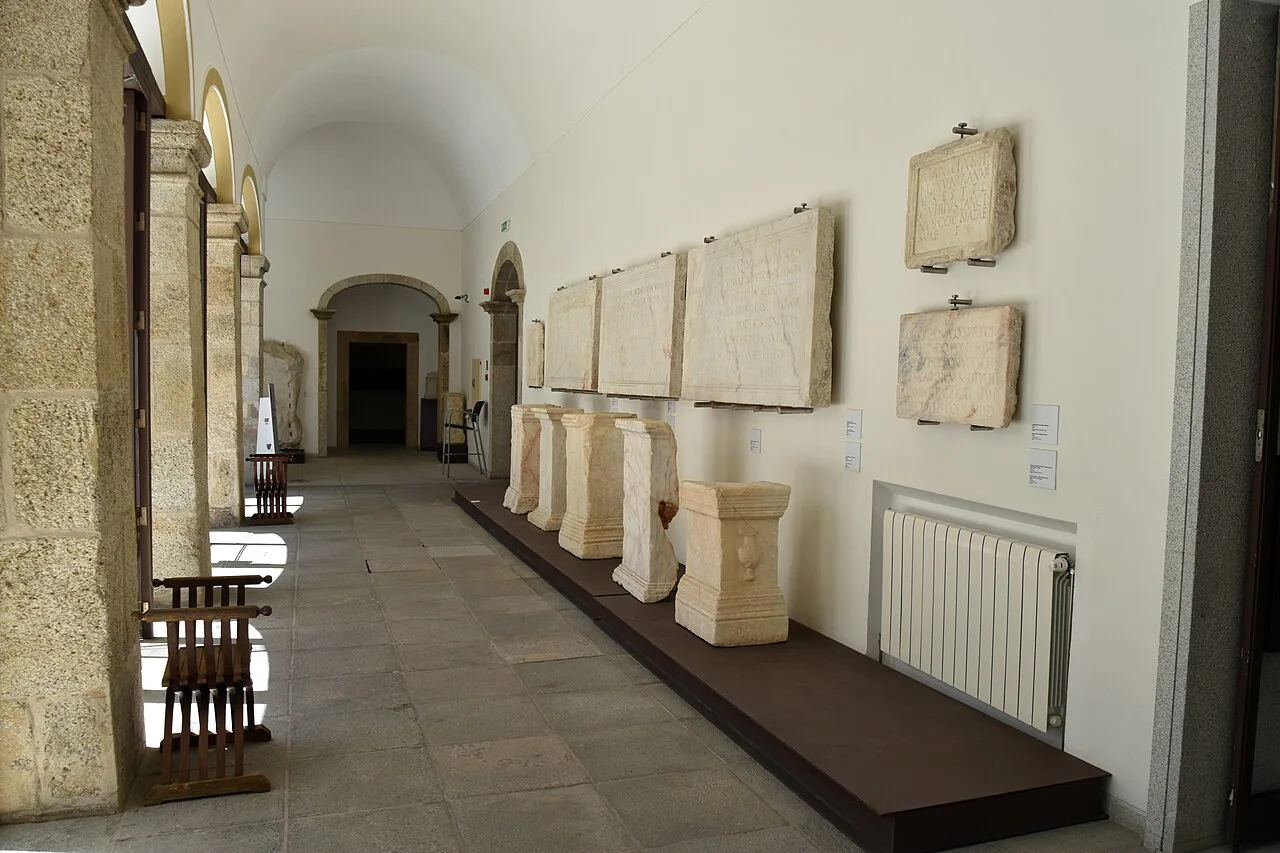
Ticket price, seasonal hours and the Monday closure
Admission to the Évora Museum costs €3.00. From November to March it opens 9:30am to 5:30pm, and from April to October 10am to 6pm. It is closed on Mondays, so a Monday in Évora should be built around the cathedral, the temple and the old streets instead of the museum.
Two sources describe the museum's week differently: one gives a seasonal schedule with an all-day opening, while the other lists Tuesday to Sunday with a midday break. Practical solution: arrive in the morning, when both accounts place the museum open, and you will not lose a visit to a short lunchtime gap. If your trip hinges on an afternoon slot, check the door sign or the museum's own listing the day before.
How long to allow and where it fits in a short break
Two hours is realistic for the main galleries without rushing the retable. A rushed forty-five minutes gets you the highlights but skips the archaeology, which is where the Zambujeiro material sits. On a one-day visit, go at opening, then walk five minutes to the cathedral and the Roman temple while the light holds.
On a two- or three-day break, the museum earns its own slot rather than being squeezed between sights. Pair it with the palace quarter on Largo do Conde de Vila Flor and keep the afternoon for the town's churches and squares. Walking between them is short and mostly flat inside the walls.
If you are following a fixed route through the UNESCO World Heritage Site, slot the museum in before the cathedral rather than after, so you carry the Flemish panels' colours into the building they came from. The walk between the two is under five minutes.
The other museums in town
The Fórum Eugénio de Almeida, Casa do Montado, the Museum of Sacred Art and Ebora Megalithica fill out Évora's smaller museum scene, and each suits a different traveller. Casa do Montado explains the cork oak landscape of the Alentejo, the Museum of Sacred Art stays close to church silver and vestments, and Ebora Megalithica handles the prehistoric monuments. Treat them as alternative stops when your main interest lies in one subject, and check each one's days before you walk over, since opening patterns vary.
If you only have time for one small collection, pick according to your interest rather than distance. The megalithic sites outside town take more planning than a museum room, and the sacred art fits naturally into a church-heavy morning. The main museum remains the safe pick when you want depth in a single building.
Pairing the museum with the temple, cathedral and Largo do Conde de Vila Flor
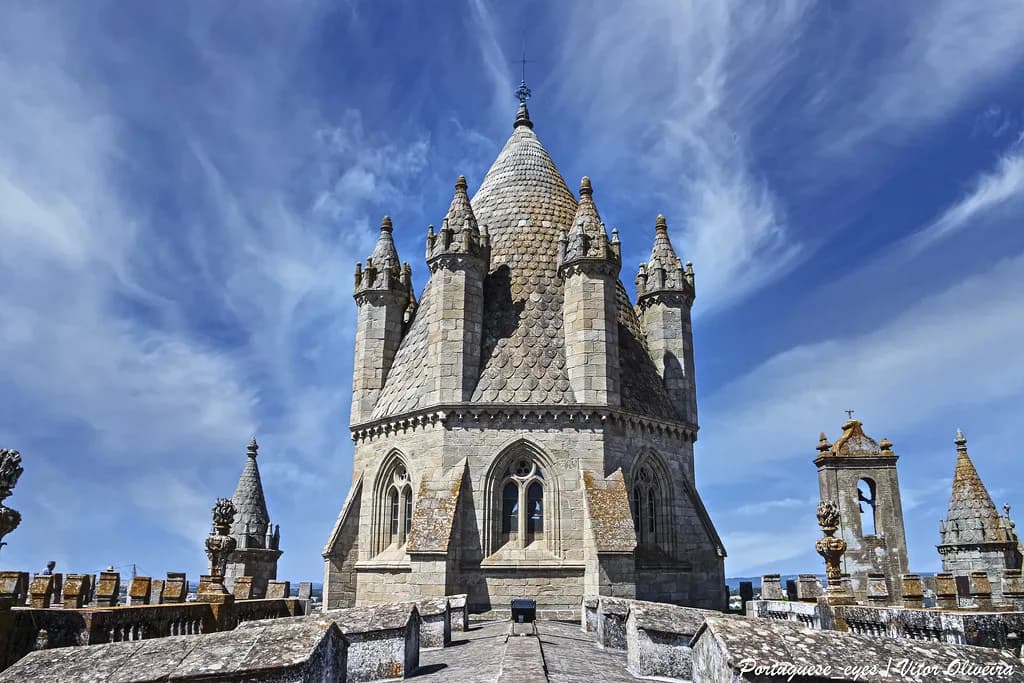
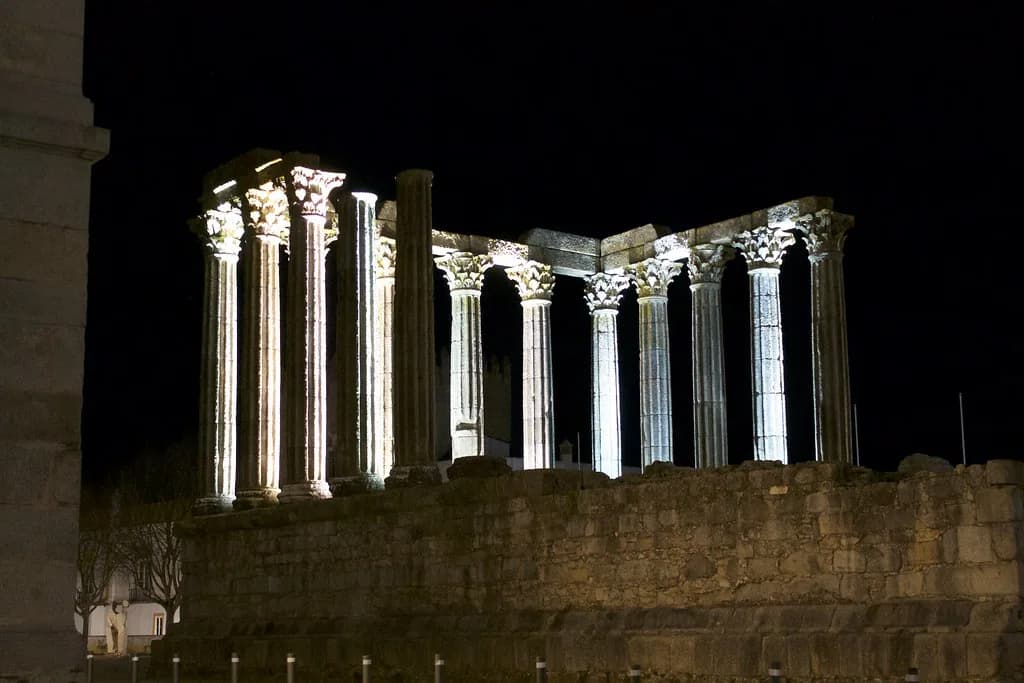
Largo do Conde de Vila Flor is Évora's most concentrated sightseeing ground. The Roman temple stands at one end, the cathedral and its cloister at the other, and the museum sits between them, so one lap covers three headline sights in perhaps two and a half hours including the museum. Wear shoes that cope with worn cobbles, since the calçada here is uneven.
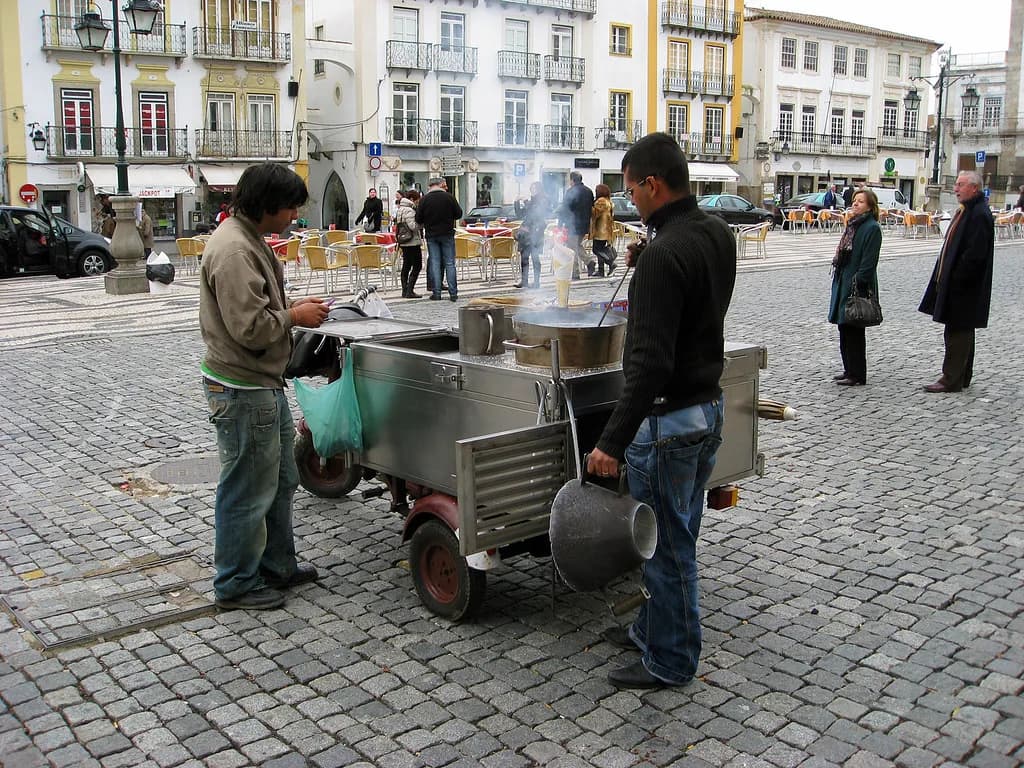
From the square, the walk down to Praça do Giraldo takes about ten minutes and drops you among cafés and the daily life of the town. That makes a sensible end to a museum morning: culture first, then coffee and a pastel de nata on the square while you decide the afternoon.
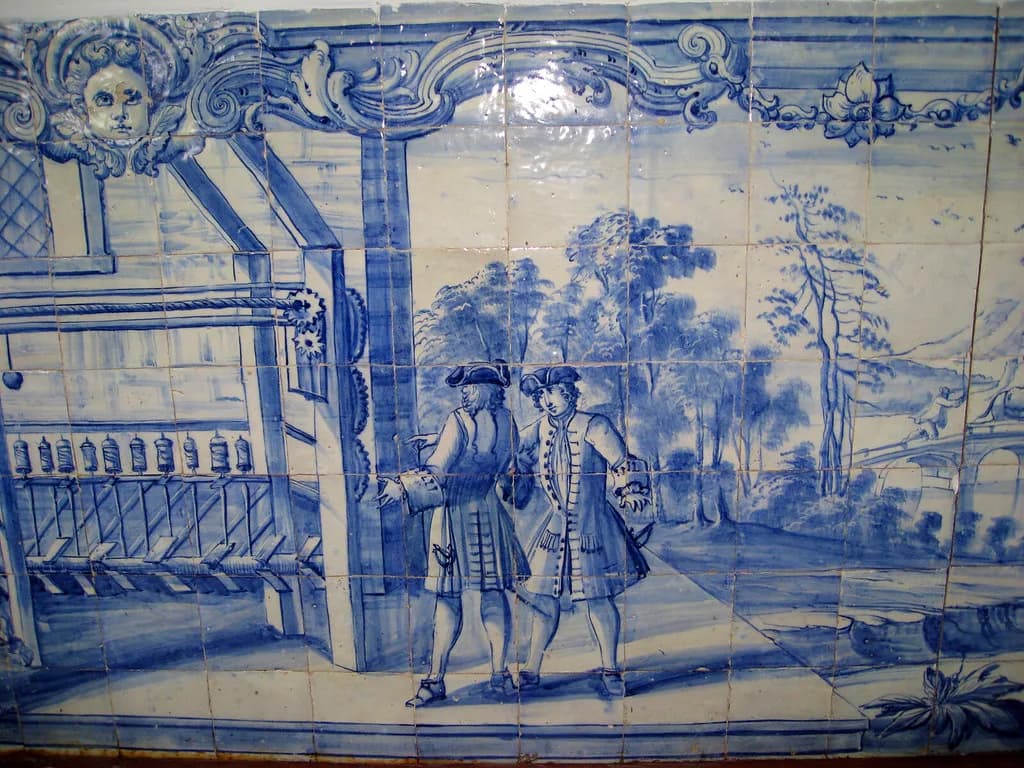
Some of Évora's church interiors carry the same azulejo panels and gilded altarpieces you meet in the museum's painting rooms, so the two reinforce each other. If tiles are your interest, keep an hour spare after the museum for the churches nearby, where the decoration stays in its original setting.
Practical trade-offs when time is short
Évora's smaller sights keep shorter hours than the main museum, and some shut at lunchtime, so check each one before setting out. Many Portuguese museums and monuments also close on Mondays, which is why the museum's own Monday closure matters when you plan the week. If you are in town on a Monday, spend it outdoors: the temple, the aqueduct and the streets cost nothing.
When you have only one free afternoon, choose the main museum over a scatter of small ones. A single collection seen properly beats three doorways glanced at, and at this admission level the ticket is the cheapest way to understand what you are looking at elsewhere in the Alentejo; confirm the current price on the museum's own listing before you go.
Market days and shopping streets fill the gaps between sights, but do not try to combine them with a museum morning. Keep the museum early, then let the town carry you towards the Mercado Municipal de Évora and the shops around the centre.
Is the Évora Museum worth your two hours?
Yes, for most short-break visitors. The Museu Nacional Frei Manuel do Cenáculo combines a modest admission charge, a building with real atmosphere and a Flemish retable you will not see elsewhere in Portugal, all a two-minute walk from the temple and cathedral. It is the one museum in Évora worth rearranging your day for.
Plan around Tuesday to Sunday, arrive at opening, and keep Monday for the streets and the temple. Then let the rest of the town fill the afternoon on foot, with the squares, churches and viewpoints doing the work the museum cannot.
Explore more Évora guides
Frequently Asked Questions
Why is Évora famous?
Évora is known for its Roman temple, its cathedral and a walled historic centre that holds centuries of building in a small space. Its museum collections, especially the Flemish retable in the Museu Nacional Frei Manuel do Cenáculo, give that architecture a context you can see in one morning.
What food is Évora known for?
Évora sits in the Alentejo, so the local cooking leans on bread, olive oil, pork and hearty stews rather than on the coast's fish. Around Praça do Giraldo you will find cafés for a coffee and a pastel de nata, and tascas serving the regional dishes at lunch.
Sources
Notes for your next Portuguese break
Optional updates to our town guides.
You might also like
Continue reading
More guides you'll find useful