Shopping in Évora: What to Buy and Where to Browse
A practical guide to shopping in Évora, from the streets to browse inside the walls to the local crafts and Alentejo food worth carrying home in hand luggage.
On this page
Shopping in Évora is not a retail-district experience: it is a matter of wandering the compact old town inside the walls, dipping into small shops between the sights. The centre is walkable end to end, so the sensible approach is to browse as you sightsee rather than set aside a dedicated shopping morning. This guide covers where the shops cluster, which local crafts and foods are worth the luggage space, and how to fit browsing into a one- to three-day visit without crowding out the monuments.
What shopping in Évora actually looks like
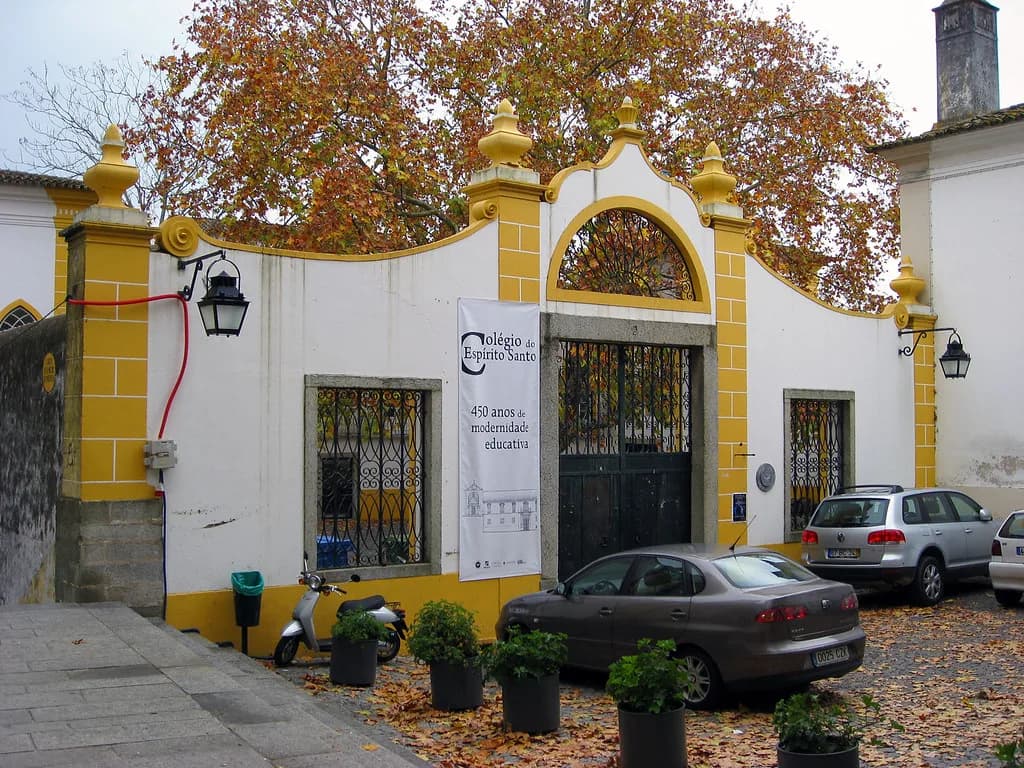
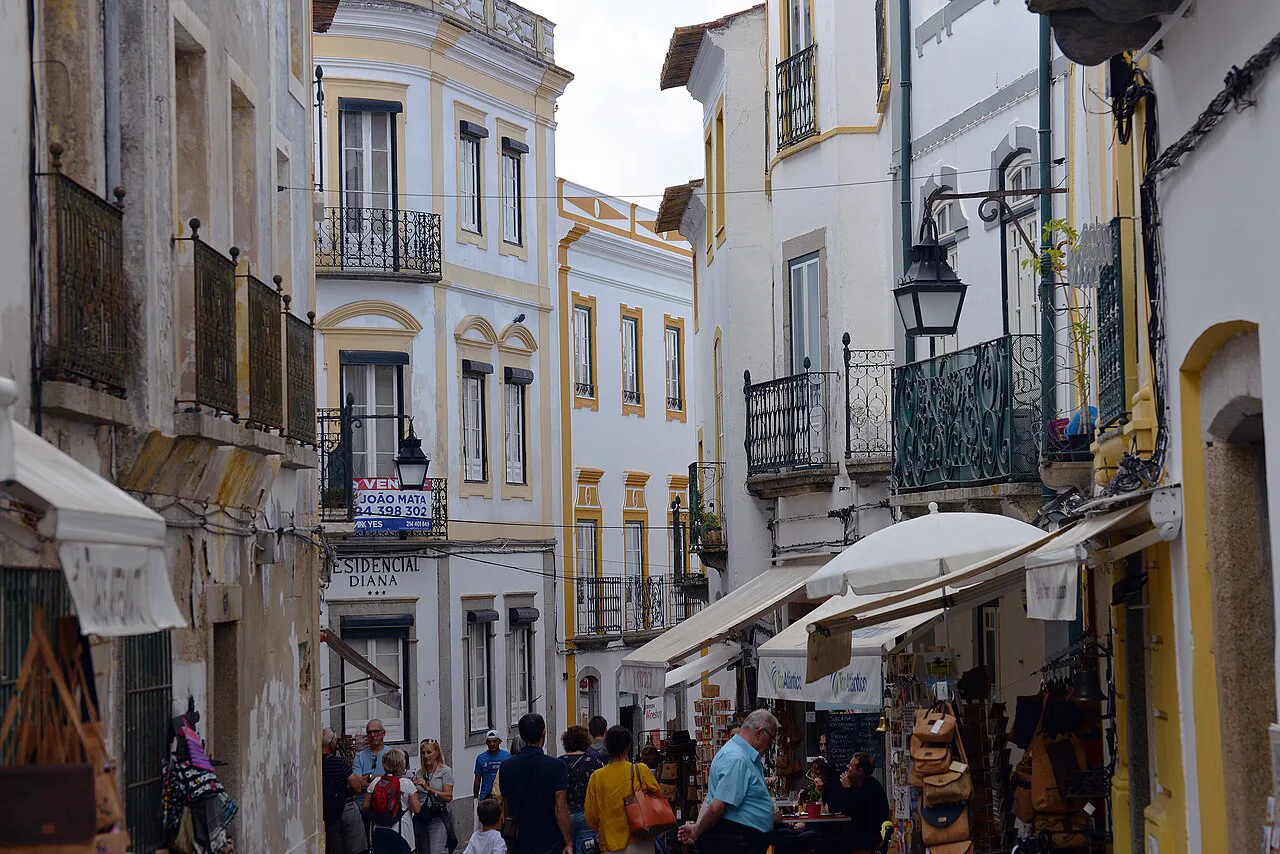
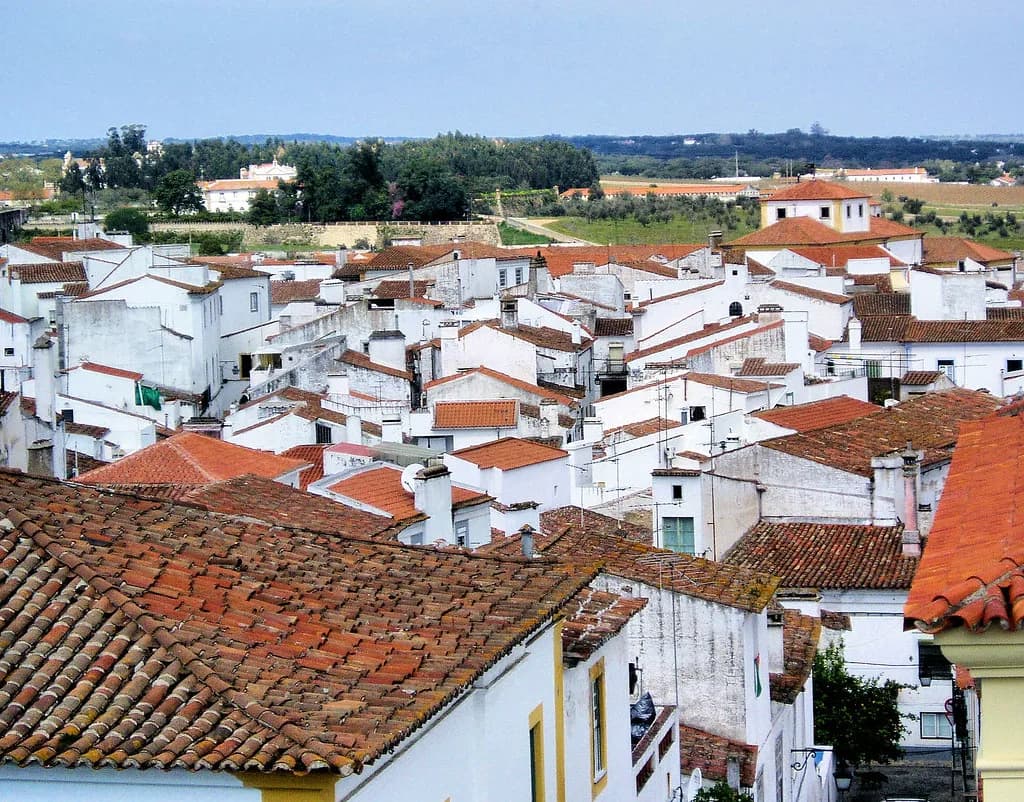
Évora rewards browsing rather than targeted buying. The historic centre is a knot of narrow cobbled streets and small squares where commerce sits in the ground floors of old buildings, so you find shops by walking rather than by heading to a mall or a single high street. Driving into the town itself is stressful on those narrow streets, and the practical move is to park in a designated lot outside the city walls and walk in.
That layout shapes the shopping day. Because everything inside the walls is close on foot, you can loop past a shop in the morning, decide against a purchase, and return in the afternoon without losing time. Treat the town as one continuous browse, and see our guide to the Things to Do in Évora to let the monuments pull you along.
Where to browse inside the walls
Start at Praça do Giraldo, the main square and the natural orientation point for the centre, then work outwards through the surrounding lanes. The streets running off the square and the blocks towards the Sé hold most of what a short-break visitor will want to see, from small household shops to places selling regional food. Plan a loose circuit rather than a fixed list, and let the architecture do half the work.
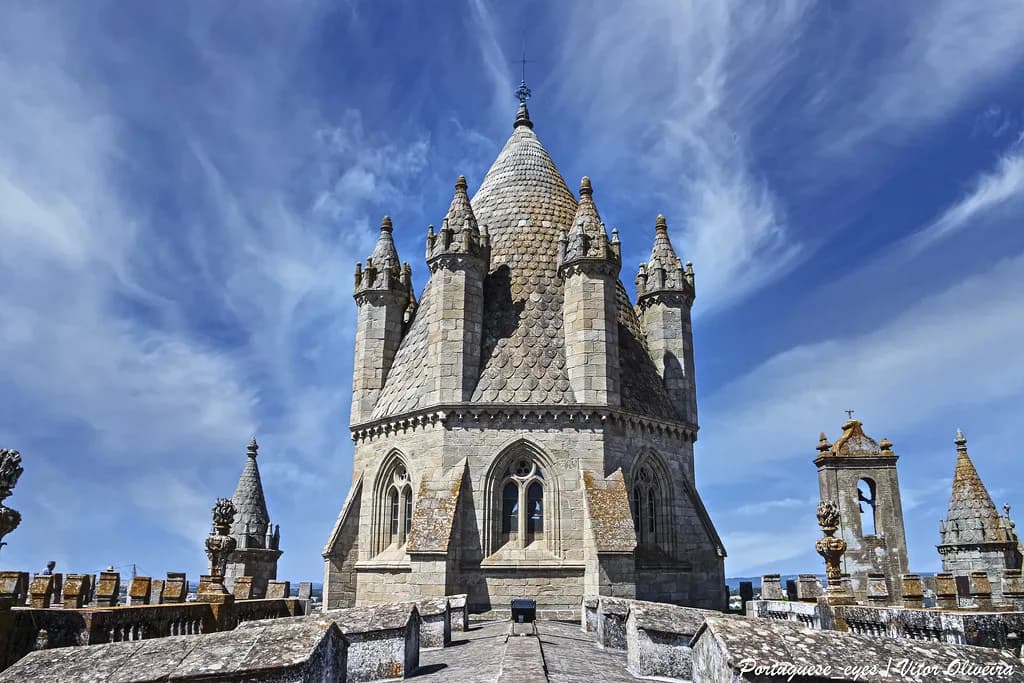
If you want structure, a guided Évora walking tour can double as a scouting trip: you learn the street pattern in an hour or two, then return to the shops that caught your eye. The city is a UNESCO World Heritage Site for its whole ensemble, so browsing is also sightseeing.
Local crafts and souvenirs worth carrying home
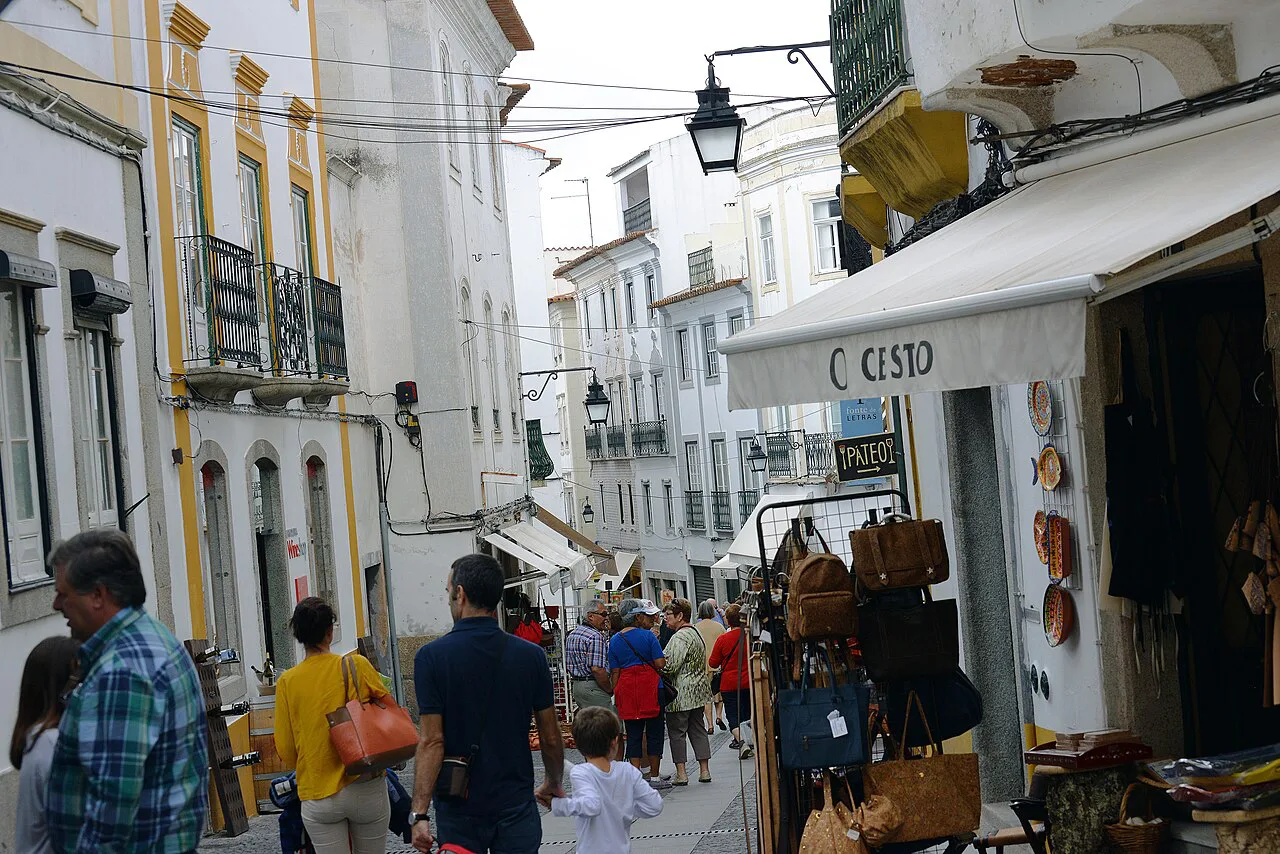
The three purchases that best survive a flight home are cork, ceramics and azulejos. Cork is light and near-indestructible, which makes it the safest buy for hand luggage: postcards, wallets, placemats and small bags take no weight and no padding. Ceramics are the opposite trade-off, lovely but heavy and breakable, so buy small pieces and wrap them in clothing.
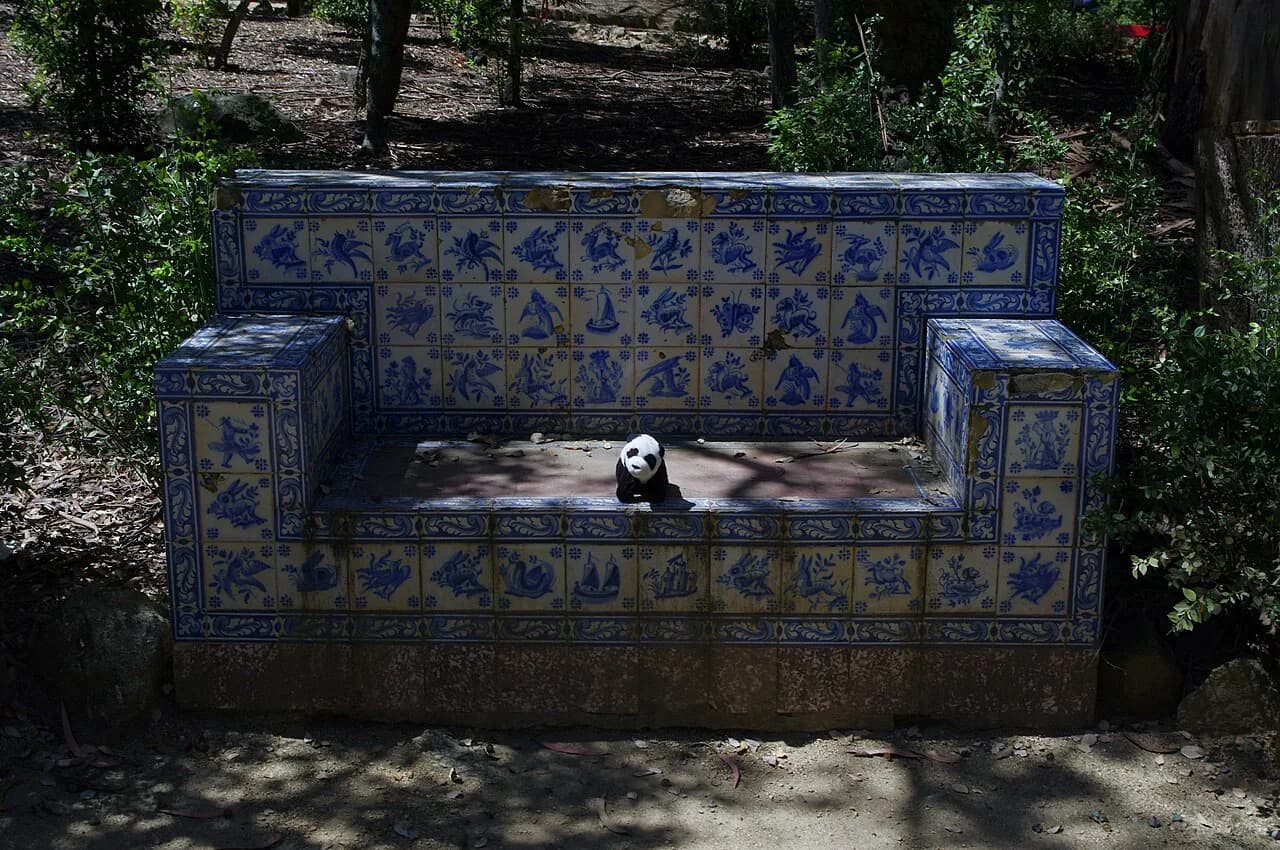
Azulejos reward buyers who understand what they are looking at. The tiled surfaces across the Alentejo capital range from repeated industrial patterns to hand-painted panels, and knowing the difference helps you judge whether a tile is a genuine local piece or a generic import. Read up on Évora azulejos before you buy, and ask about the maker rather than relying on the label.
Food shopping: what to buy from the Alentejo
The Alentejo is a food region, and the most portable souvenirs are the edible ones. Cured meats, small tins of olive oil, honey and cheeses travel well in a checked bag, while anything soft or perishable should be bought close to the end of the trip. Pastelarias are for immediate eating, not packing, so treat a pastel de nata as a shopping-break reward. A writer based in the region describes Évora as the capital of the Alentejo, known for its Roman, Moorish and Portuguese influences.
Buy food last, not first. Cheese and cured meat are heavy and they smell, and olive oil bottles add weight fast when you are travelling with hand luggage only. Leave food shopping to the final afternoon, keep receipts for anything that might need declaring, and check your airline's liquid rules before committing to oil or wine.
Markets and food halls
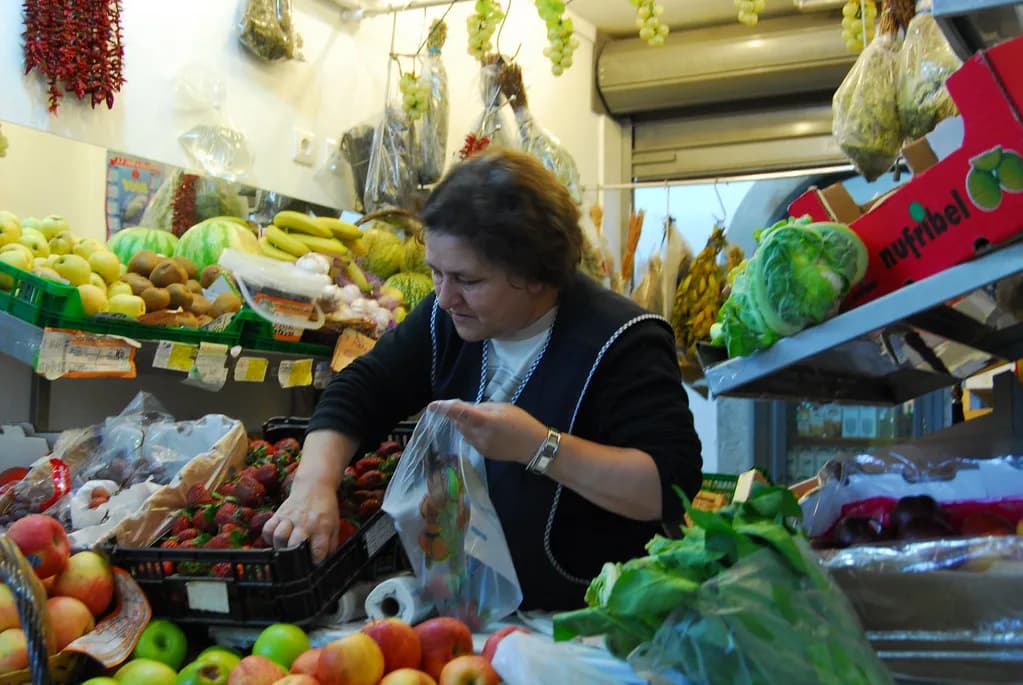
Markets add a different rhythm to a shopping day: you see what locals actually buy, and prices are usually simpler than in tourist-facing shops. Évora has a street-market scene where the town gathers to shop, have a drink and socialise as much as to buy groceries, so it is worth building into a browse rather than treating as a fixed appointment.
Covered markets and food halls are also the easiest place to buy edible gifts without committing to a single producer. Because a market stall can change hands or shut without notice, treat the visit as flexible rather than scheduling it to the minute, and keep a fallback shop in mind.
Opening days and times to plan around
Portuguese towns generally keep patterns worth planning around: many museums and national monuments close on Mondays, some close on public holidays, churches often shut at lunchtime, and individual shops take a weekly closing day. Évora follows the wider Portuguese rhythm rather than a published set of tourist-facing hours, so build your day around sightseeing first and shopping second.
Sunday is the day that most needs thought, because a short break can easily put your only free morning there. Check the website or social account of any specific shop you have your heart set on before you travel, and keep the shopping list loose enough that a closure does not derail the day. Sightseeing rarely suffers from the same problem: the Roman Temple, the churches and the streets are the reason people come, as our guide to museums in Évora and its monuments sets out.
Fitting shopping into a one- to three-day visit
For a one-day visit, do not schedule shopping at all: browse incidentally on the walk between the Roman Temple, the Sé and the Capela dos Ossos, and buy only what you can carry for the rest of the day. Two days gives you a proper window, best placed in the late afternoon after the monuments. Three days lets you split browsing from buying, which is how most people end up with things they actually want.
Shoppers who want the history behind the shops should read up on Évora history before arriving: knowing that the city's golden age left the streetscape you are browsing makes the small shops feel less incidental. Walk the Évora Old Town on foot, and if the budget is tight, plan the free things to do first and let shopping fill the gaps between them.
Practical points: weight, packing and getting purchases home
Work backwards from your bag. With hand luggage only, cork, textiles, small tiles and paper-wrapped food are your friends; ceramics, oil and wine are not. If you are checking a bag, buy a cheap hard-sided item or wrap purchases in clothing, and keep the receipt with the item in case a customs officer asks.
A final practical note: the town is easy on foot but hard on wheels, and there is no point buying heavy items early in a day spent walking calçada. Buy last, carry once, and leave room in the bag for the things you did not plan to find.
Should you shop in Évora or just sightsee?
Shop in Évora, but do it as part of the sightseeing rather than as a separate mission. The old town is compact enough that browsing costs you almost no time, and the best purchases, cork, small ceramics and Alentejo food, fit around the Roman Temple, the cathedral and the bone chapel without competing with them.
Explore more Évora guides
Frequently Asked Questions
Is Évora good for shopping?
Yes, if you want small independent shops rather than a retail district. The appeal is browsing the compact old town inside the walls, where cork, ceramics, azulejos and Alentejo food are the purchases most visitors take home. It is a browse-as-you-go town, not a destination for a dedicated shopping trip.
Do shops in Évora close on Sundays?
There is no reliable town-wide rule that applies to every shop. Many Portuguese museums and national monuments close on Mondays and some on public holidays, churches often shut at lunchtime, and individual shops take a weekly closing day. Check the website or social account of any specific shop you want to visit before you build your day around it, especially if your only free morning is a Sunday.
Sources
Notes for your next Portuguese break
Optional updates to our town guides.
You might also like
Continue reading
More guides you'll find useful