Surfing in Ericeira: Breaks, Seasons and Lessons for a Short Break
Plan a short surf break in Ericeira: which reefs and beach breaks suit beginners, intermediates and experts, when swells arrive, and what lessons cost.
On this page
Surfing in Ericeira works best when you pick your break by ability, not by reputation. The town's four-kilometre reserve holds heavy reef waves that punish anyone still learning to stand up, while the beach breaks on the same coast give beginners the whitewash they need. With one to four days you can ride a forgiving beach break in the morning and watch the experts at Coxos in the afternoon without paddling into water over your head. This guide sorts the named breaks by level, gives typical seasons and water temperatures, and explains what a lesson costs and includes.
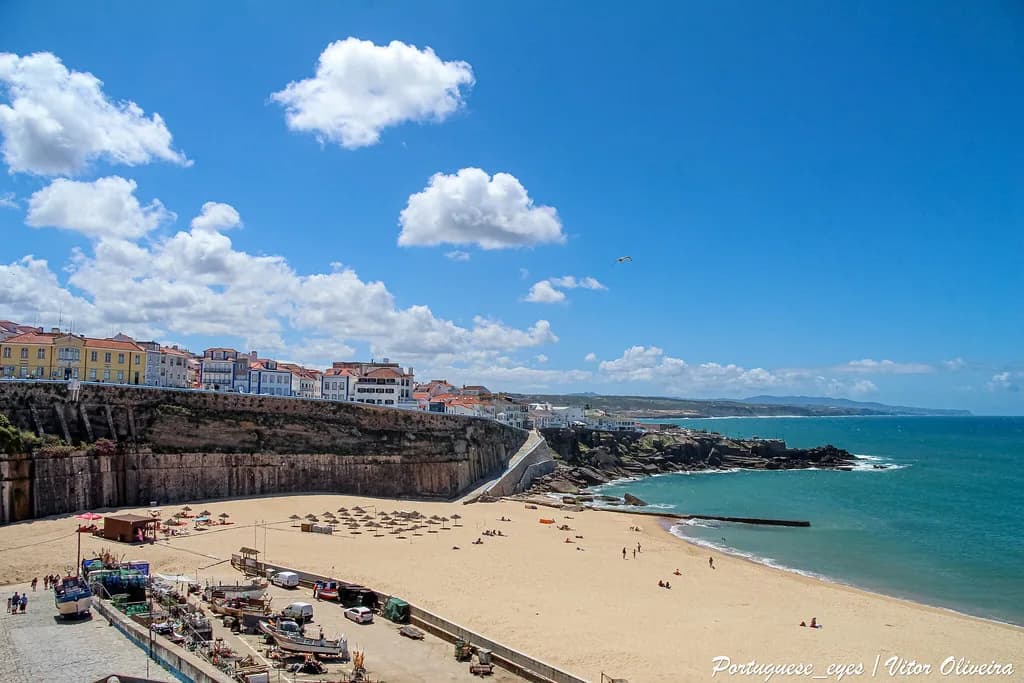
Ericeira sits about 35 to 40 minutes north of Lisbon, close enough for a short break and far enough to keep a whitewashed fishing-village feel. The surf is not confined to the reserve: roughly fifteen named spots run along eight kilometres of coast, from first-timer beach breaks to pro-level reefs. For the hours you are not in the water, the former fishermen's village and its old church are a short walk from the waterfront, and there is plenty of things to do when the wind turns onshore.
What World Surfing Reserve status means for a short visit
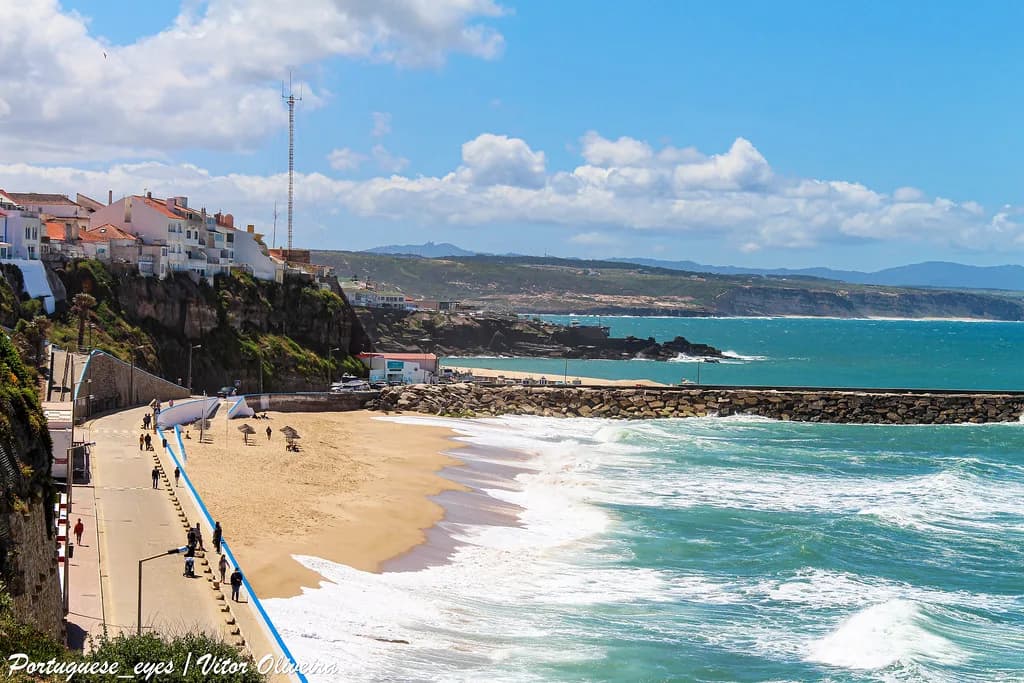
Ericeira became Europe's first World Surfing Reserve in 2011 under the Save The Waves Coalition, a designation shared with reserves such as Malibu and Santa Cruz. The protected area covers roughly four kilometres of coast and takes in the most significant breaks, including Ribeira d'Ilhas and São Lourenço. For a visitor, that means several named waves sit within a short drive or walk, so you can check conditions at more than one in a single morning instead of driving between distant bays.
The reserve's core is a cluster of reef breaks, and that is not where a beginner should start. Coxos, Ribeira d'Ilhas, Pedra Branca and Cave break over rock and demand the skill to handle fast, hollow waves. The designation marks wave quality, not universal suitability, so treat the boundary as a map of where to watch and where to book a lesson, and choose your paddle-out by level.
Which Ericeira breaks suit beginners: Foz do Lizandro, Praia do Sul, São Julião and Matadouro
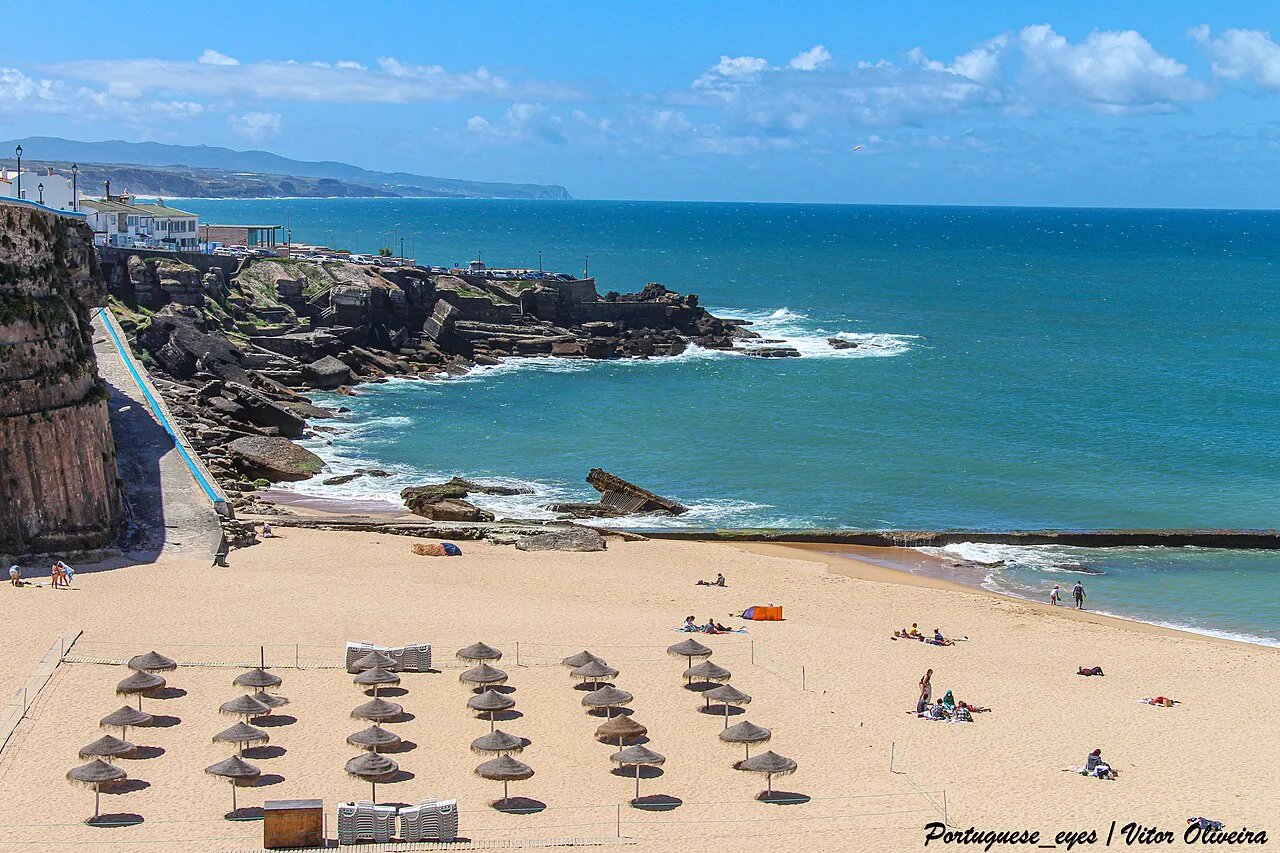
Foz do Lizandro is the largest beach in the reserve and the most forgiving place to learn, mixing river-mouth sand with some reef sections that produce fun waves for beginners and intermediates. Because it is a beach break, the waves are less defined than on the reefs and far more tolerant of a wobbly first stand-up. São Julião and Praia do Sul are the other beach breaks commonly recommended for beginners, though Praia do Sul needs a little more swell before it starts working.
Praia do Matadouro works across many levels, from complete beginners to surfers after faster, more powerful waves, which makes it useful when your group is mixed. São Sebastião, a few metres away, takes its name from the small chapel and neighbourhood in that part of town. Check the day's conditions before committing, since beach breaks shift with the sandbanks and swell direction.
Intermediate waves: Ribeira d'Ilhas, São Lourenço and Backdoor
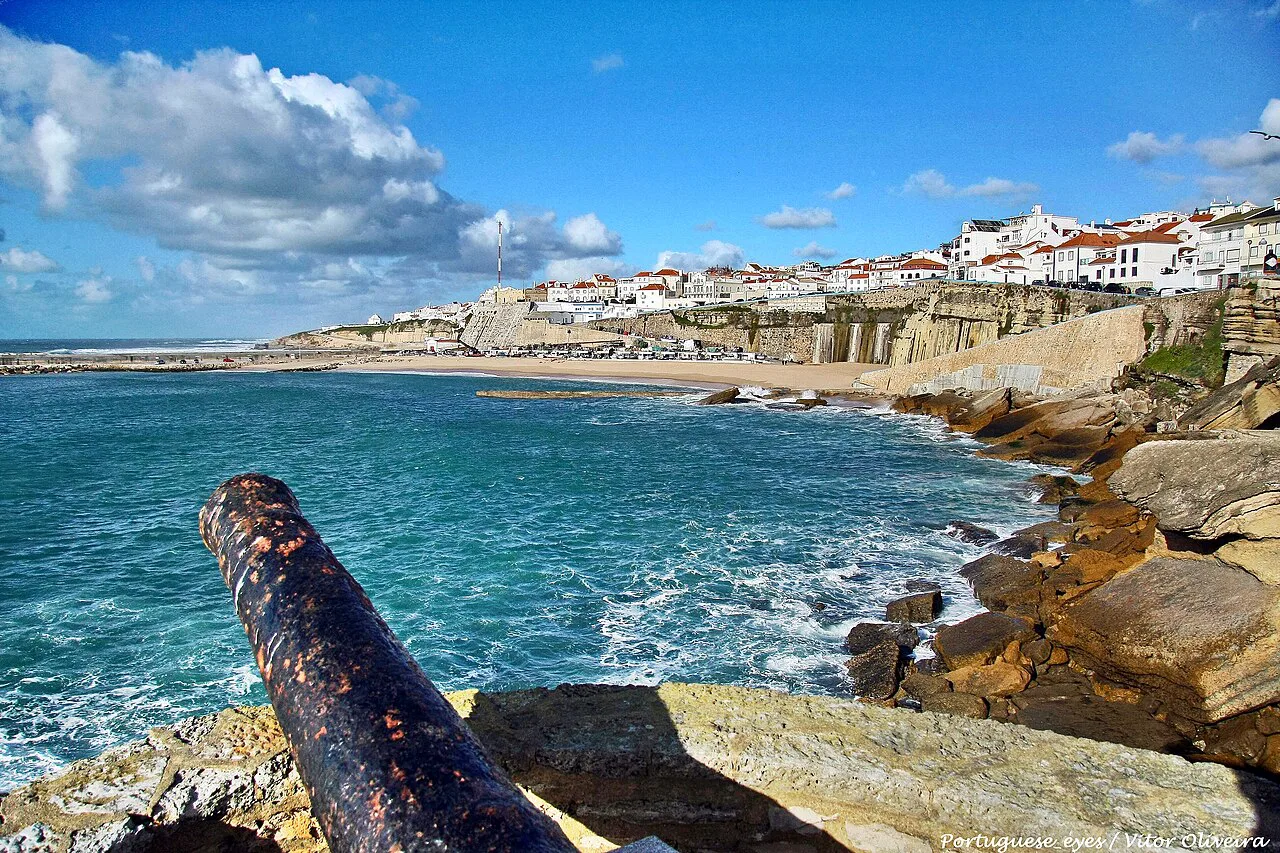
Ribeira d'Ilhas is the reserve's most famous spot, a consistent point with a powerful whitewash and a walkable entry. Its inside section is a realistic step up for intermediates who can already paddle out and turn, while the outside becomes a different proposition as the swell builds. São Lourenço is a good-quality beach break that stays off most visitors' radar and suits intermediate and advanced surfers. Backdoor is the right-hander to check when the bigger reefs feel like too much, described as easier to handle than the area's most advanced and crowded spots.
Pontíssima is a quieter reef that offers some space and some nice rights when Ribeira d'Ilhas and the better-known spots are crowded or blown out, so it works as a fallback rather than a headline destination. Praia da Vigia, south of São Julião, is a lesser-known beach break with manageable waves and a low-key atmosphere, useful on summer days. Neither is a beginner wave, so be honest about your paddling and book a lesson first if you are unsure.
Expert reef breaks: Coxos, Pedra Branca, Reef and Crazy Left
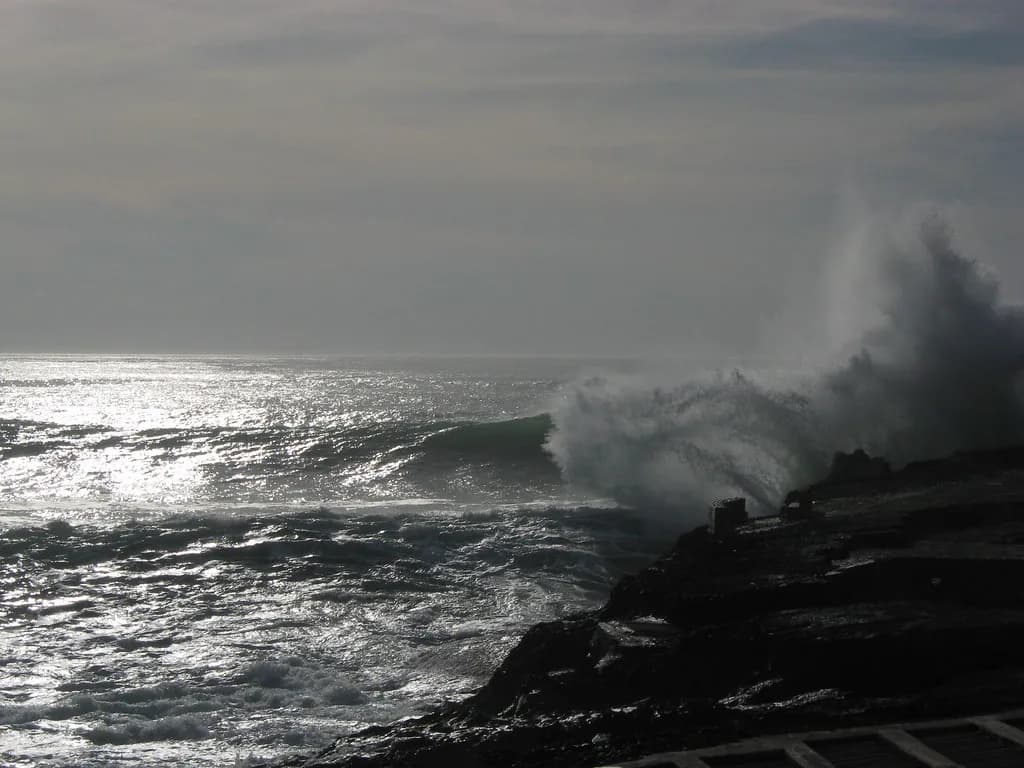
Coxos is the benchmark: a deep-water right that breaks and barrels over reef and is counted among the best right-handers in Portugal and Europe. It is not a learning wave, and it deserves the respect its reputation commands. Pedra Branca is a fast, hollow left for advanced surfers and bodyboarders where timing and respect in the lineup matter. Reef is a powerful right-hander in the heart of the reserve, meant for advanced surfers only.
Crazy Left delivers fast left barrels but is picky and does not always work, and Cave is another expert slab in the premium group. These are the waves that draw photographers and pros, and watching from the rocks is a legitimate way to spend an afternoon on a short break. Paddle out only when your reef experience and fitness match the day's size.
Where the main breaks sit along the coast, and how that shapes a one- to four-day plan
The surfable coastline runs for roughly eight kilometres, from the reserve core down through the town beaches to the northern beach breaks. That compact geography is what makes a short break work: base yourself in the former fishermen's village and you can reach a beginner beach, an intermediate point and a world-class reef within a short drive or a walk. Plan one break per half-day rather than ticking off every name. A sensible single day is a lesson or beginner session in the morning, lunch in town, and a reef viewpoint in the afternoon.
With two or three days, split your mornings by level and keep afternoons for the town. Check the swell forecast the evening before, because an onshore wind can flatten a beach break while sheltered reefs stay clean. On a four-day trip, book coaching on day two once you have a feel for the water, then free-surf your favourite break on the last morning and leave one afternoon for the old town and its azulejos.
When to go: autumn swells, summer learning conditions, winter size and spring space
Autumn is the season most associated with the premium reefs. September to November brings solid swells, warm water and offshore winds, with September described as the sweet spot at around three to eight feet and water of seventeen to eighteen degrees, typical averages rather than a forecast. Summer is the learning season, with smaller waves for beginners on the beach breaks. Winter is big-wave season for experts and the coldest water; spring offers uncrowded quality before the summer crowds.
Match the season to your level rather than chasing the biggest swell. A beginner gets far more from a summer morning at Foz do Lizandro than from an autumn day watching the reefs from shore, while an intermediate should aim for autumn or spring, when the points have shape but the size stays manageable. Treat winter as a spectator season unless you have real reef experience, and check the swell charts for the days you plan to surf.
Water temperature and wetsuit thickness by season
Water temperatures typically run from about fourteen to nineteen degrees across the year, so a wetsuit is part of every session. Published packing guidance suggests a 3/2mm in summer, a 4/3mm in autumn and spring, and a 5/4mm in winter. Those are typical figures, not current readings, so use them for packing rather than as a forecast. A booked lesson usually supplies the wetsuit and board, which saves hauling neoprene on a short break.
Reef boots matter as well. The premium breaks are rocky and urchins are present, so intermediate and advanced surfers heading for the reefs should bring or hire boots rather than paddle out barefoot. Beginners on sand-bottom beach breaks can skip them. Pack a swimsuit and towel to wear under the wetsuit.
Group, private and kids surf lessons in Ericeira: what a two-hour session includes and what it costs
Ericeira Waves Surf School publishes two-hour group lessons for beginners and intermediates from €45 per person, private lessons from €120, kids lessons for ages eight to fifteen from €45, and coaching from €150. Every session includes board, wetsuit, leash, a certified instructor and use of a shower, and group lessons run with up to five students. Multi-session packs cut the per-session price, so a five-lesson pack costs less than paying one at a time. These are that school's published rates, not a town-wide standard, so compare operators on what is included before booking.
The day-one format matters if you have never surfed. It opens with about thirty minutes of land briefing on ocean awareness, surf etiquette, paddling and the pop-up, then moves into the water with an instructor who picks the right wave for your level and helps you into your first one. Most students stand up within their first or second wave, and instructors hold a Water Safety Specialist qualification. That supervised start is the main argument for booking rather than self-teaching on a reef.
Booking a lesson versus renting a board when you have surfed before
If you can already paddle out, turn and ride a green wave, renting a board and surfing the beach breaks independently is the cheaper option and gives you more time in the water. Book a private session instead if you want video review or help with a specific problem, since the coaching sessions are built around breaking down what holds you back. A group lesson sits in the middle: cheaper than private, with instructor and equipment included. Decide on how much you value feedback versus freedom.
For a mixed-ability family or group, a private session for all of you can keep everyone together rather than splitting adults and children into separate classes. Check what the price covers before booking, because a lesson including board, wetsuit and insurance is better value than a cheap session with add-ons. Confirm whether your session meets at a town beach or at Ribeira d'Ilhas, since that changes your travel time and what to bring.
Reef safety, urchins and lineup etiquette at the reserve's core breaks
The reserve's core breaks are sharp rock and urchin territory, so reef boots and a wetsuit are the minimum kit for intermediate and advanced surfers. Conditions at the premium reefs include defined lineups where regulars expect respect. Watch a break from the cliff for ten minutes before paddling out, note who sits deepest and how sets are shared, and wait your turn rather than learning at someone else's expense.
When the swell is too big for the town's beach breaks or the wind has wrecked the day, Praia dos Pescadores can keep a session alive while other spots are blown out. Treat it as a local fallback, not a beginner's default. On any break, know your exit before you enter, because rocks and currents shift with the tide.
How to fit surfing around the rest of an Ericeira short break
Surf early, then give the afternoon to the town. A morning at a beach break followed by lunch and a wander through the old streets uses the best light and the calmest wind, leaving you free to explore when the sea breeze picks up. If you are weighing up is Ericeira worth visiting beyond the waves, the viewpoints, short walks and blue-and-white tiles give a flat or rainy day somewhere to go. The surf is the reason to come; the town is what makes a blown-out day bearable.
Plan indoor sightseeing around the surf rather than the other way round, and keep an afternoon spare for the centre when conditions turn onshore. A booked lesson is the exception: the school matches you to suitable conditions and can adjust the venue. There is enough in the old town to fill a wet afternoon without leaving the centre.
Ericeira or Peniche: choosing a base for your level and season
Ericeira and Peniche sit on the same Atlantic stretch north of Lisbon, and both have serious surf reputations. Ericeira's draw is the reserve and the concentration of reef breaks within a few kilometres, which suits surfers who want variety in a short trip; Peniche is often described as the better-value base, with Ericeira's daily costs running somewhat higher. If you want beginner beach breaks and a walkable town, Ericeira is hard to beat; if you want a cheaper week across mixed abilities, Peniche is worth comparing.
Ericeira is around thirty-five to forty minutes from Lisbon by road, which makes it easy to bolt onto a city break. Check the Lisbon to Ericeira options before booking accommodation so you know where a bus or coach drops you. A car gives more flexibility to chase the best break each morning, but the town's beaches are close enough for a car-free stay if you stick to one or two spots.
Which Ericeira break should you book a lesson for?
Beginners should head for Foz do Lizandro or São Julião in summer and book a group lesson that includes the board and wetsuit, leaving the reefs to the experts. Intermediates can step up at Ribeira d'Ilhas or São Lourenço in spring or autumn, with a private session if they want to push their turns. Experts come for Coxos and Pedra Branca, where rocks and urchins make reef boots essential. Plan one break per half-day, check the swell forecast the evening before, and keep an afternoon spare for the town.
Frequently Asked Questions
Where is the best place for beginner surfers in Ericeira?
Foz do Lizandro is the largest beach in the reserve and the most forgiving place to learn, with river-mouth sand and some reef sections. São Julião and Praia do Sul are the other beach breaks commonly recommended for beginners, though Praia do Sul needs a little more swell to work. Book a lesson that includes the board and wetsuit if you have never surfed.
When is the best time to surf in Ericeira for an intermediate surfer?
Autumn and spring give intermediates the best balance of swell, water temperature and manageable size, and September is often called the sweet spot. Summer suits learning on the beach breaks, while winter is for experienced surfers on the reefs rather than improvers.
Do I need a wetsuit to surf in Ericeira?
Yes. Typical water temperatures run from about fourteen to nineteen degrees, so a wetsuit is part of every session. Published packing guidance suggests a 3/2mm in summer, a 4/3mm in autumn and spring, and a 5/4mm in winter, with reef boots worth adding for the rocky breaks.
Sources
Notes for your next Portuguese break
Optional updates to our town guides.
You might also like


Continue reading
More guides you'll find useful