Évora Market: The Municipal Hall and What's Sold There
Évora's municipal market hall sits in the old town, a short walk from the Roman Temple. Here's what to expect, what's sold and how to fit it into a short break.
On this page
Évora's municipal market is a working food hall rather than a sight in its own right: allow about 30 to 45 minutes if you are browsing, longer if you plan to buy produce or picnic supplies. It sits in the old town centre, close enough to the Roman Temple and the cathedral to slot between them. This guide covers its position on the map, what is sold, how it fits a short break and which sights to pair with it.
The building is not run as a visitor attraction, so treat it as a place where locals shop for the week rather than somewhere with interpretation panels. That shapes what you get from it: honest food counters and a sense of the Alentejo larder, without the polish of a museum. Plan it as a 20-minute pause on a longer walk through the old town.
What is the Mercado Municipal de Évora and where is it?
The Mercado Municipal de Évora is the city's covered market hall, set in the old town centre. It is an everyday municipal facility, so the visitor experience depends on the time of day and the day of the week rather than on any staged display. It works best as part of a wander rather than as a destination you build a morning around.
Market days and hours are posted locally rather than fixed for the visitor calendar, so check the entrance signage or the municipal listing on the day you plan to go. Portuguese food markets typically run in the morning, with stalls thinning out as the day goes on, so an early stop gives you the fullest hall. If a closed door would spoil your plan, go before lunch rather than late afternoon.
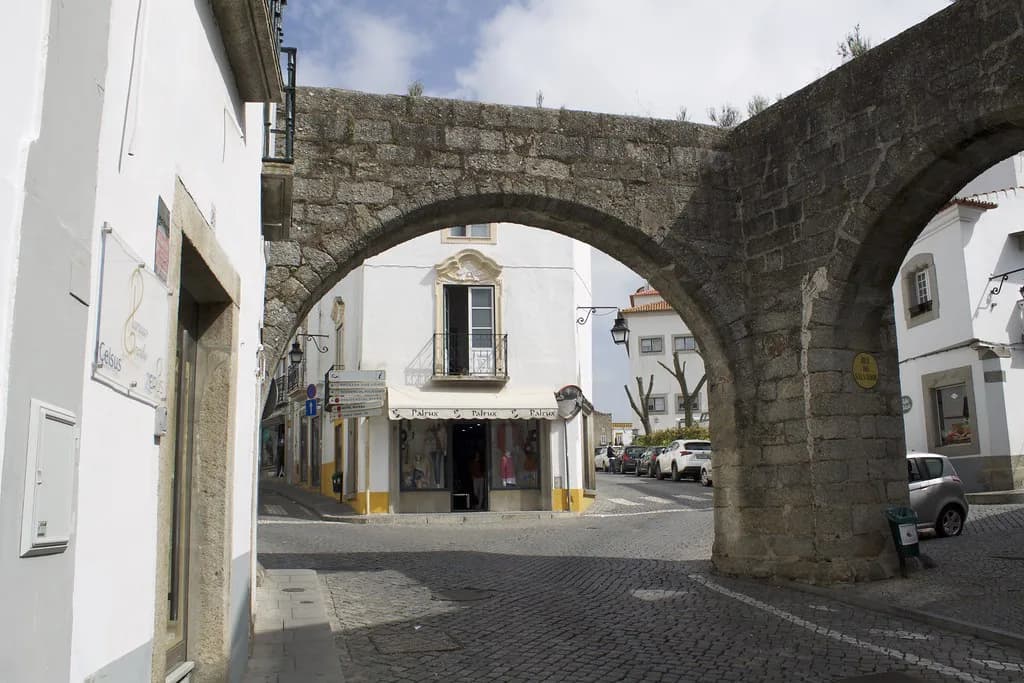
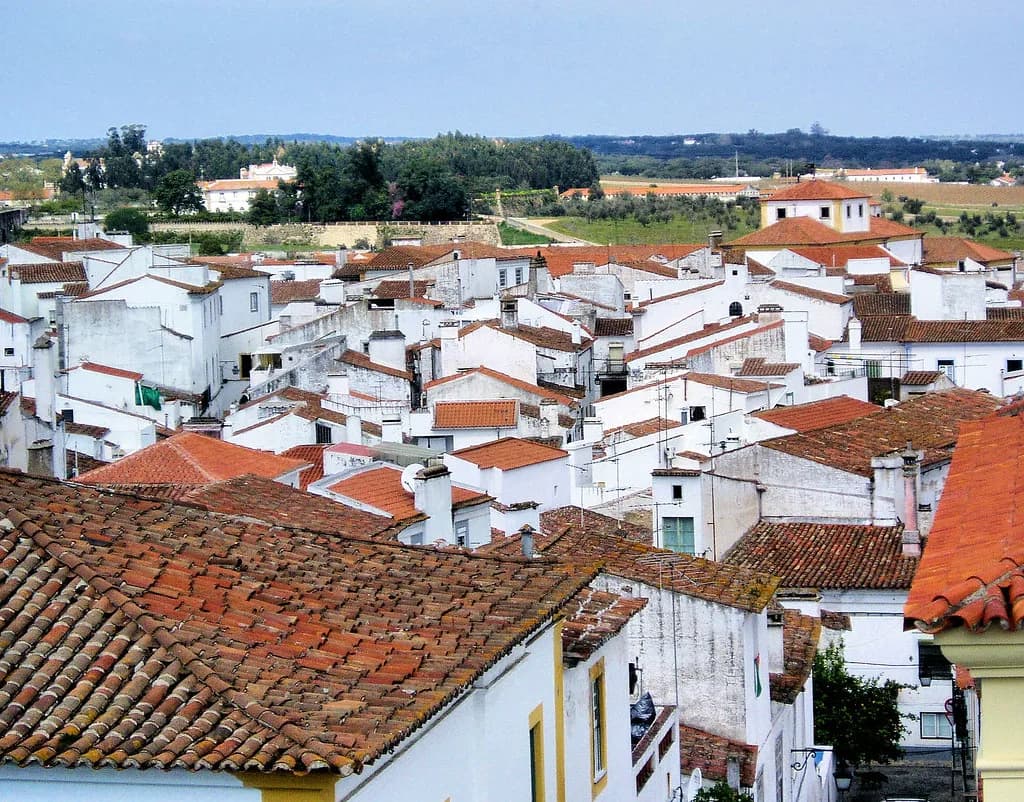
Évora as a whole is a UNESCO World Heritage Site, and the market sits inside that protected centre rather than out on the ring road. That means you reach it on foot, on the same cobbles you cross to see everything else. Évora old town rewards slow walking, and the market is one of its everyday working parts.
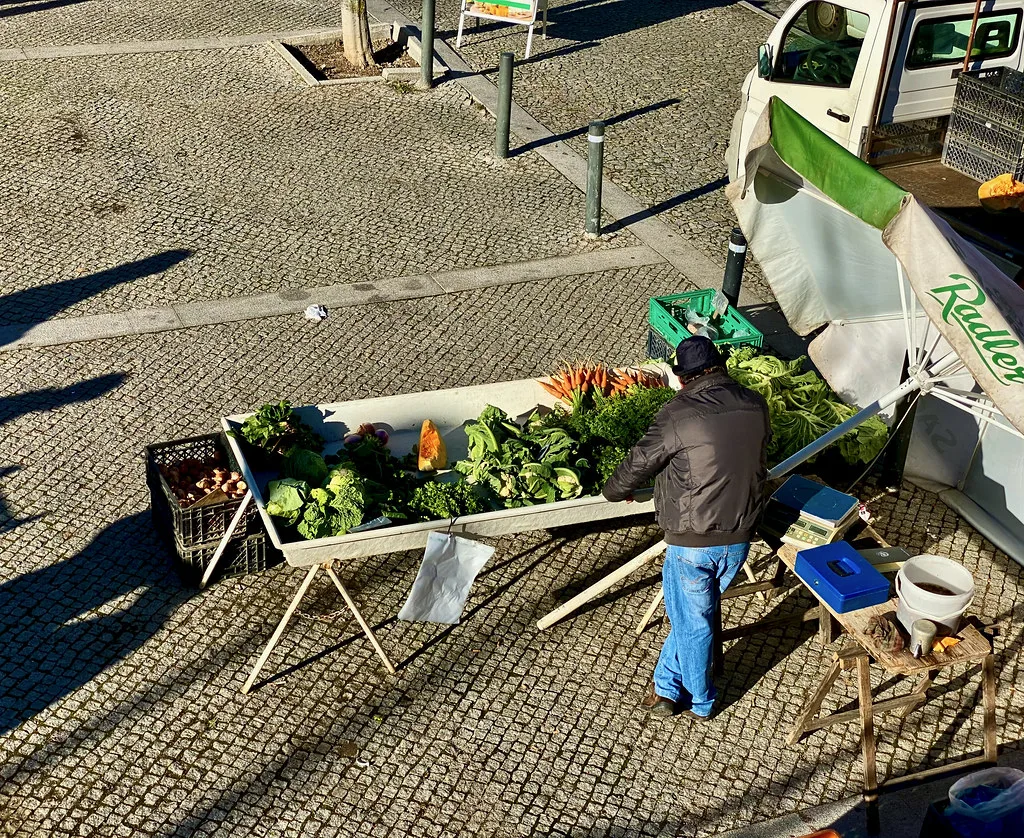
Where the market sits in the old town
The hall places you within a few minutes' walk of the Roman Temple, known as the Templo de Diana, which faces the cathedral across its own small square. From the temple, the Sé de Évora and the Capela dos Ossos lie further into the old town. Use the market as a pin on the map and the rest of the centre falls around it.
Walking is the only sensible way to link these sights: the centre is a knot of narrow streets where a car is a liability and distances are short. Build a loop that takes in the temple, the cathedral and the market rather than crossing town and back. A single unhurried circuit covers the core. For a structured route through the centre, an Évora walking tour can hold the pieces together.
Rua 5 de Outubro is the city's main shopping street, lined with small shops selling cork goods, ceramics and Alentejo souvenirs. It works as the browsing counterpart to the market's food counters, so pair the two rather than choosing between them. Handmade crafts and cork products appear along the street, which makes it the natural place to look for gifts.
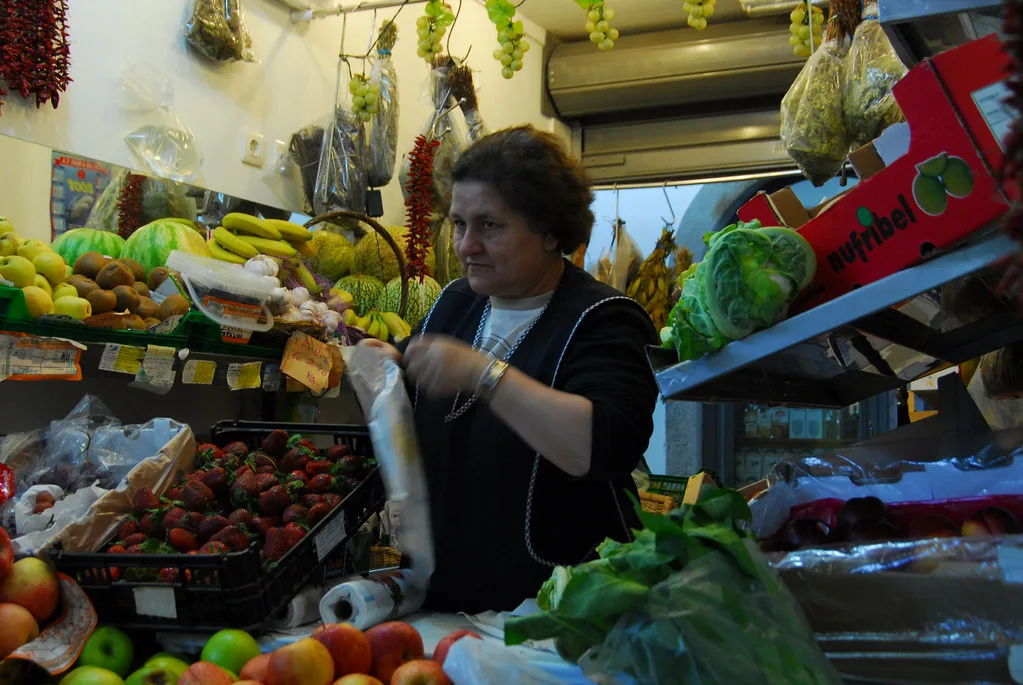
What's sold: Alentejo produce, fish, cork and local goods
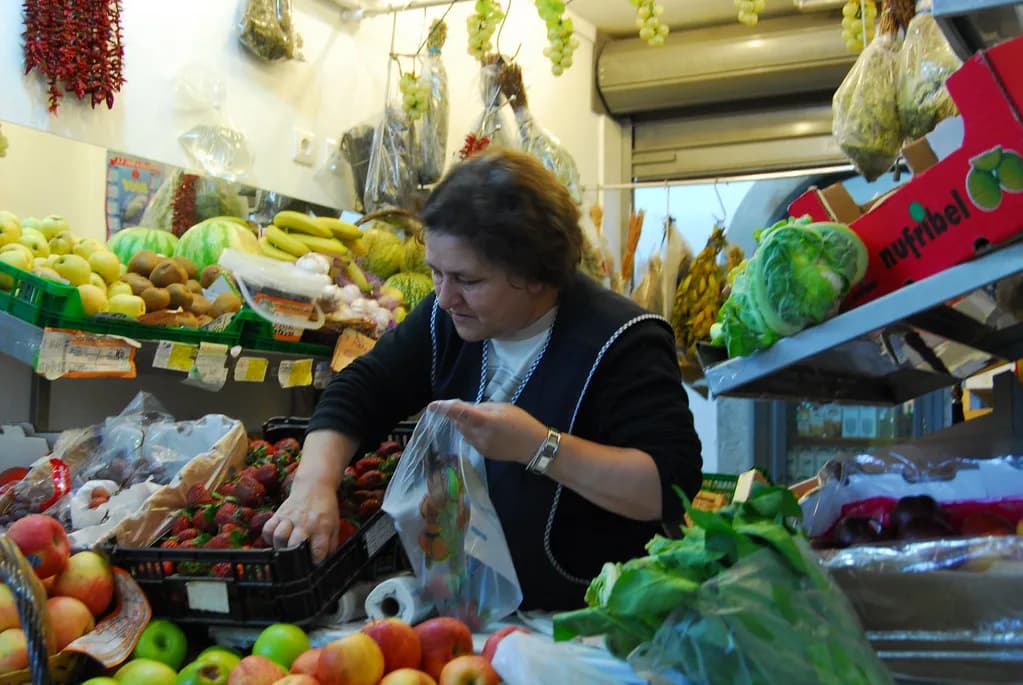
Inside, expect the staples of a Portuguese municipal market: fruit and vegetables, fish, and the cured meats and cheeses of the Alentejo. The region is cork country, and cork appears throughout Évora's shops as bags, hats and smaller goods, though the market itself is primarily a food hall. Come for the produce and the everyday atmosphere rather than for a curated souvenir range.
Alentejo cooking leans on robust red wines, olive oil, bread and pork, and the market is where those ingredients start their journey to the table. Buying olive oil, cheese or cured meat here gives you something more useful to carry home than another tile. If you are self-catering or picnicking, this is the practical stop in the centre.
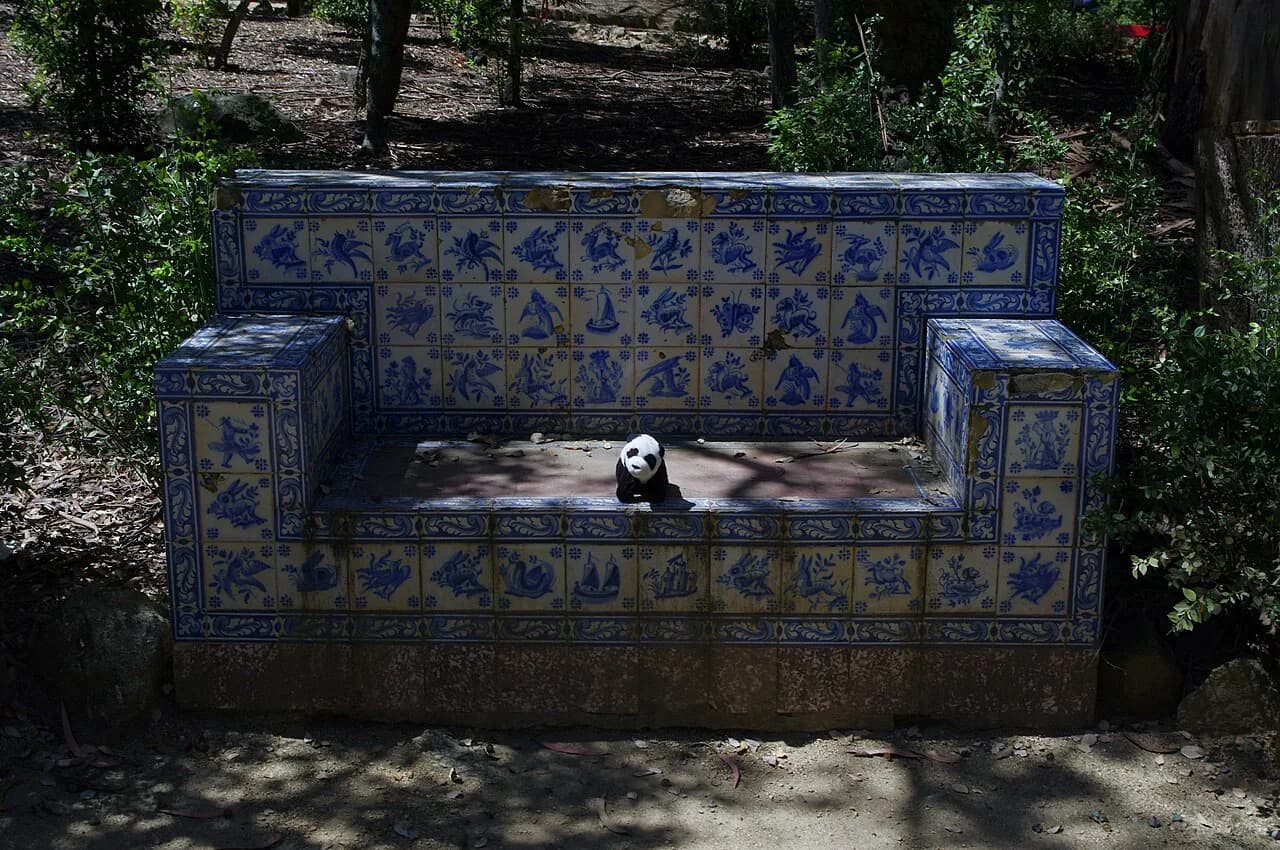
Ceramics and azulejos belong to the shops rather than the food hall, so do not expect a tile market under the roof. For tiles and hand-painted pieces, the streets around the centre do that job, and Azulejos in Évora explains where the real thing is worth your time. Keep the two errands separate and both go faster.
How long a visit takes and when to slot it in
Give the market half an hour if you are looking, and up to an hour if you are buying a picnic or gifts to take home. It is a small enough hall that it never needs a dedicated half-day, and it pairs naturally with the temple and cathedral a few minutes away. On a one-day visit, put it mid-morning between the Roman Temple and the Sé.
On a two-day plan, use the market as a morning start before the museums open, then move on to the religious sights. Many Portuguese museums and monuments keep Monday closures, so check each sight's own published days before you lock the order. A market-first morning is flexible: if a museum turns out to be shut, you have lost nothing.
The centre's sights sit close enough together that the market costs you little time even if you are fitting Évora into a short break. Work out the wider list first, then slot the market into the gaps. The full set of things to do in Évora makes that sequencing easier.
Using the market as a shopping stop on Rua 5 de Outubro
Rua 5 de Outubro is Évora's busiest shopping street, with small shops selling ceramics, textiles, cork goods, regional wines, cherry liqueur and olive oil. Treat the market as the food end of a shopping walk and the street as the craft and gift end. Start at the market, walk the street, and you cover both without retracing steps.
Luggage matters here: olive oil and wine are heavy and breakable, so buy them on your last day rather than carrying them around for two. Cork is the lighter souvenir and survives a rucksack far better. If shopping is a main reason for your trip, the wider shopping in Évora guide covers the streets worth the detour.
Nearby sights to pair with a market visit
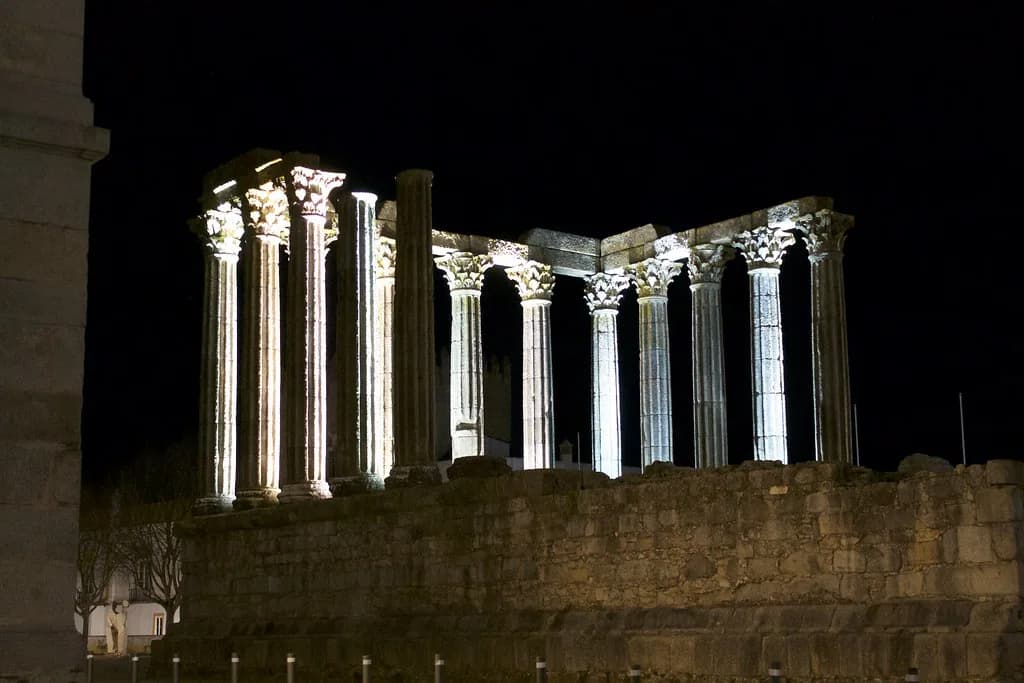
The Templo de Diana is the obvious first pairing: a first-century Roman temple whose granite and marble columns are among the best preserved in Portugal. It stands a few minutes from the market and costs nothing to look at from outside. Pair it with the market for a free start to the day, and the Roman Temple in Évora explains what you are looking at.
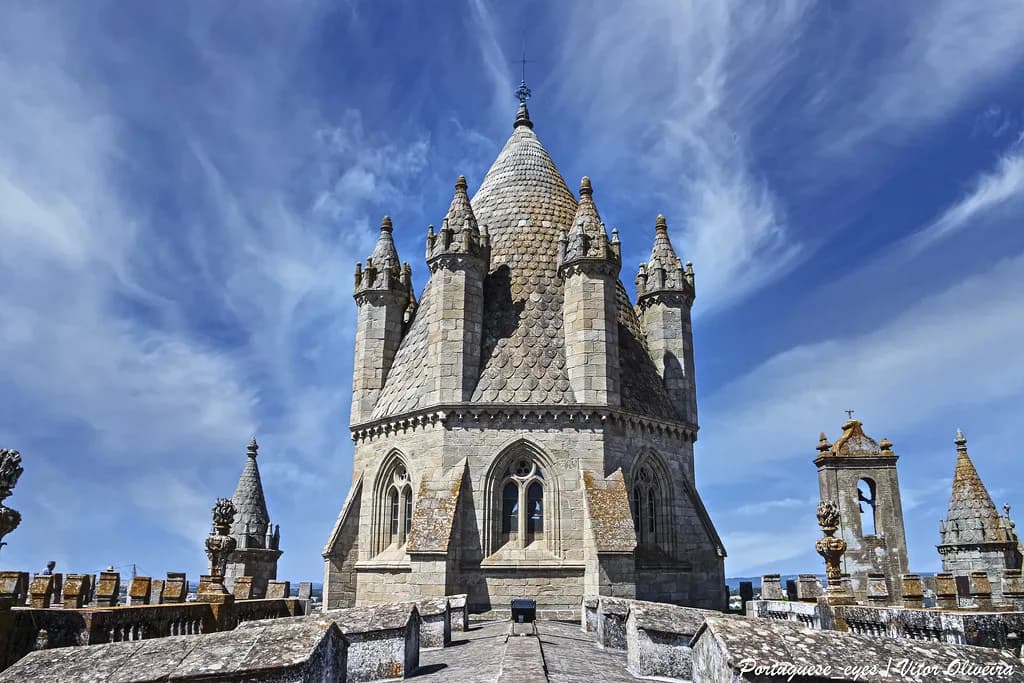
The Sé de Évora faces the temple and looks fortress-like from the street, with a rooftop terrace reached by a spiral staircase and views across the city. Its cloisters and azulejo work justify more time than a passing look. The Évora Cathedral (Sé) guide covers what to see inside and how to plan the climb.
The Capela dos Ossos, the Chapel of Bones, is lined with bones exhumed from the city's cemeteries in the sixteenth century and carries the warning carved at its entrance. It is the city's most divisive sight: unforgettable for some, grim for others. It sits within the same old-town circuit as the market and the temple.
The Aqueduto da Água de Prata, a sixteenth-century aqueduct running some nine kilometres, shows up in arches threaded through the town. For a collection stop, the Museu Nacional Frei Manuel do Cenáculo occupies the former episcopal palace and mixes art, archaeology and ethnography. Museums in Évora covers the opening patterns and what each one holds.
Should the market make your Évora shortlist?
Yes, if you are already walking the old town: the market costs half an hour and puts you beside the temple, the Sé and the shops of Rua 5 de Outubro. No, if your time in Évora is a single afternoon and the Capela dos Ossos and cathedral matter more. It is a working food hall, not a headline sight, and it earns its place as a pause rather than a destination.
Build your day around the sights with fixed opening days, then let the market fill the gaps, since its rhythm depends on the day you visit. Confirm the day's trading before you set out, and you will not lose a morning to a closed door. The rest of the city's shortlist sits in Évora Attractions: 8 Visitor Guides. For the practical details, see the Évora restaurants.
Explore more Évora guides
Sources
Notes for your next Portuguese break
Optional updates to our town guides.
You might also like
Continue reading
More guides you'll find useful