Évora Old Town: What to See on a Walk Through the Historic Centre
Plan a walk through Évora's old town: the Roman Temple, cathedral roof, Praça do Giraldo, Capela dos Ossos and aqueduct, with walking order and where to pause.
On this page
Évora's old town needs a full day, not an afternoon: the sights sit within a compact, walkable centre, but a cathedral roof climb, a chapel lined with bones and a slow lunch add up. The UNESCO-listed core is small enough to cross on foot, so you can leave the car outside the walls and walk in. This guide follows one continuous route from Praça do Giraldo to the aqueduct, with the cathedral admission price and the spots worth sitting down in.
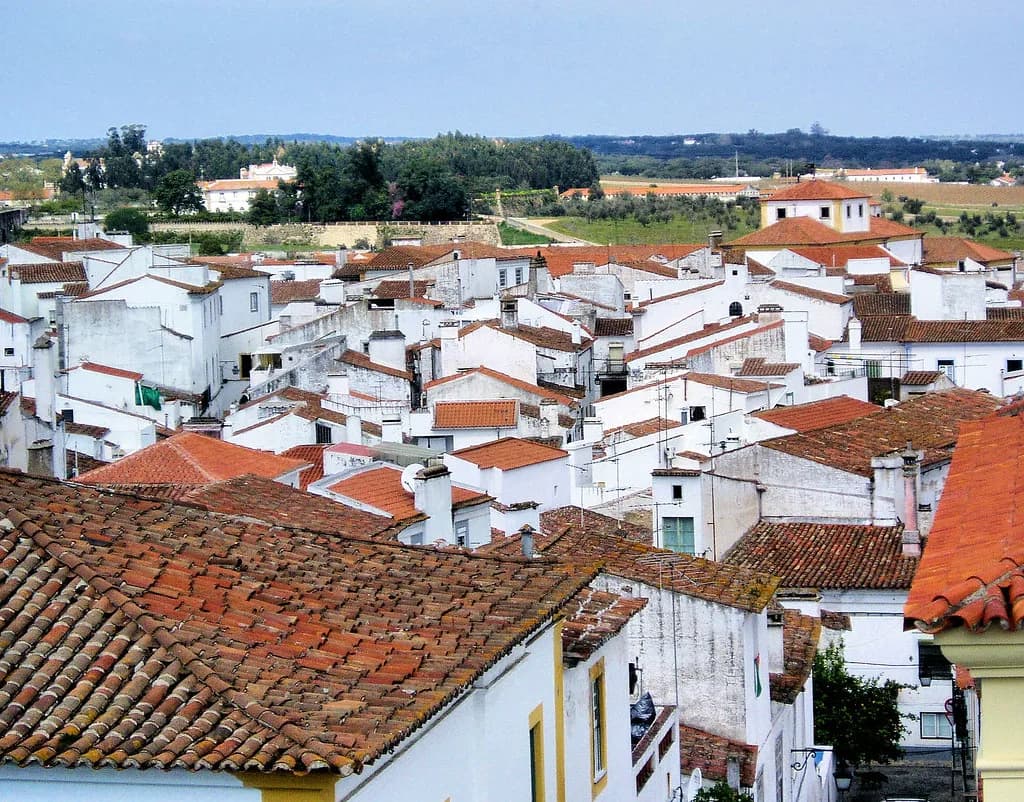
The historic centre has been a UNESCO World Heritage Site since 1986, and its whitewashed houses with yellow trim are unusually well kept. Nearly everything described here lies inside the old walls, which is why the route works without buses or taxis. Allow roughly half a day for the core and a full day if you want the viewpoints, a proper lunch and time inside the churches.
How the old town fits together
Évora sits inland in the Alentejo, about a 90-minute drive or train ride east of Lisbon, and the old town occupies the hilltop inside the medieval walls. Its heart is Praça do Giraldo, with the cathedral and Roman Temple a short climb to the north-east and the aqueduct running along the northern edge. Once you grasp that triangle, you can navigate the whole centre without a map.
The centre is genuinely compact: every attraction on this route is within walking distance of the next, which is why a single day of strolling covers the highlights. The catch is the terrain, since the lanes rise steadily from the main square towards the cathedral. Wear shoes that cope with polished calçada cobbles rather than smooth soles.
Start at Praça do Giraldo
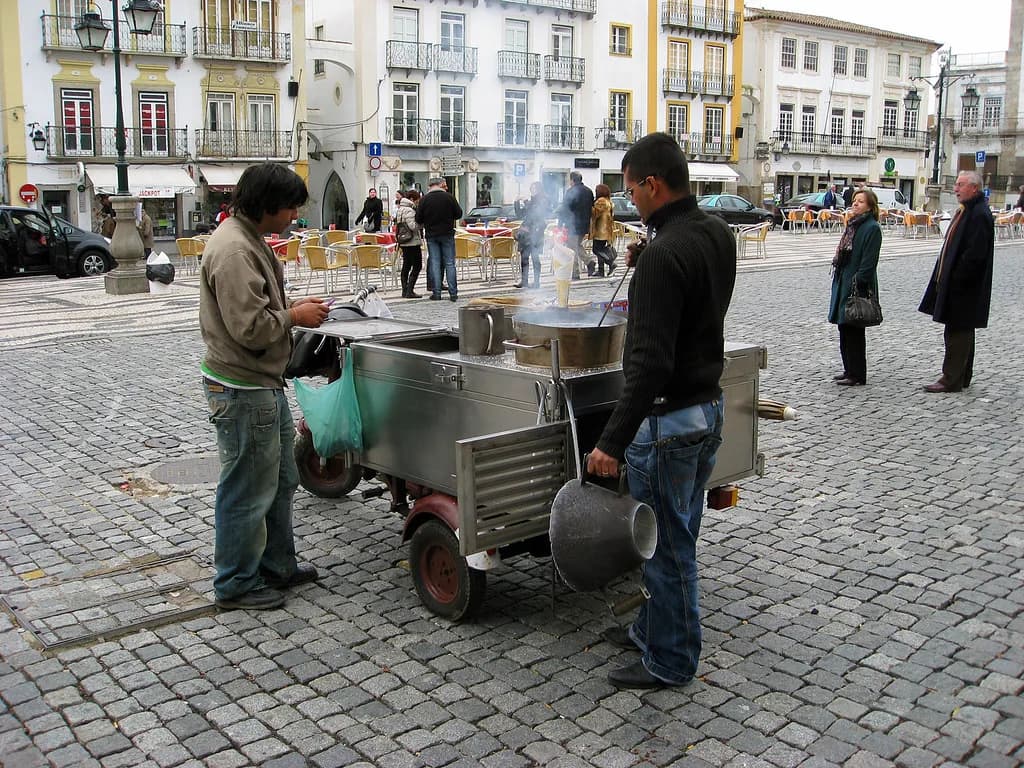
Praça do Giraldo is the natural place to begin: a broad arcaded square named after Giraldo the Fearless, the knight whose surprise attack took Évora from the Moors in 1165. Cafés line the arcades and the marble fountain gives you a landmark to return to. Come back in the late afternoon for a drink as the light softens, when the square is at its best.
This is also where the tourist trade concentrates. Expect the stretch heading north-east towards the cathedral to be the busiest part of the centre, especially in high season, and plan your cathedral visit for opening time or late afternoon if crowds bother you. Many of the city's headline sights sit within a few minutes of the square, so it doubles as an orientation point for a longer list of things to do.
Rua 5 de Outubro and the climb to the cathedral
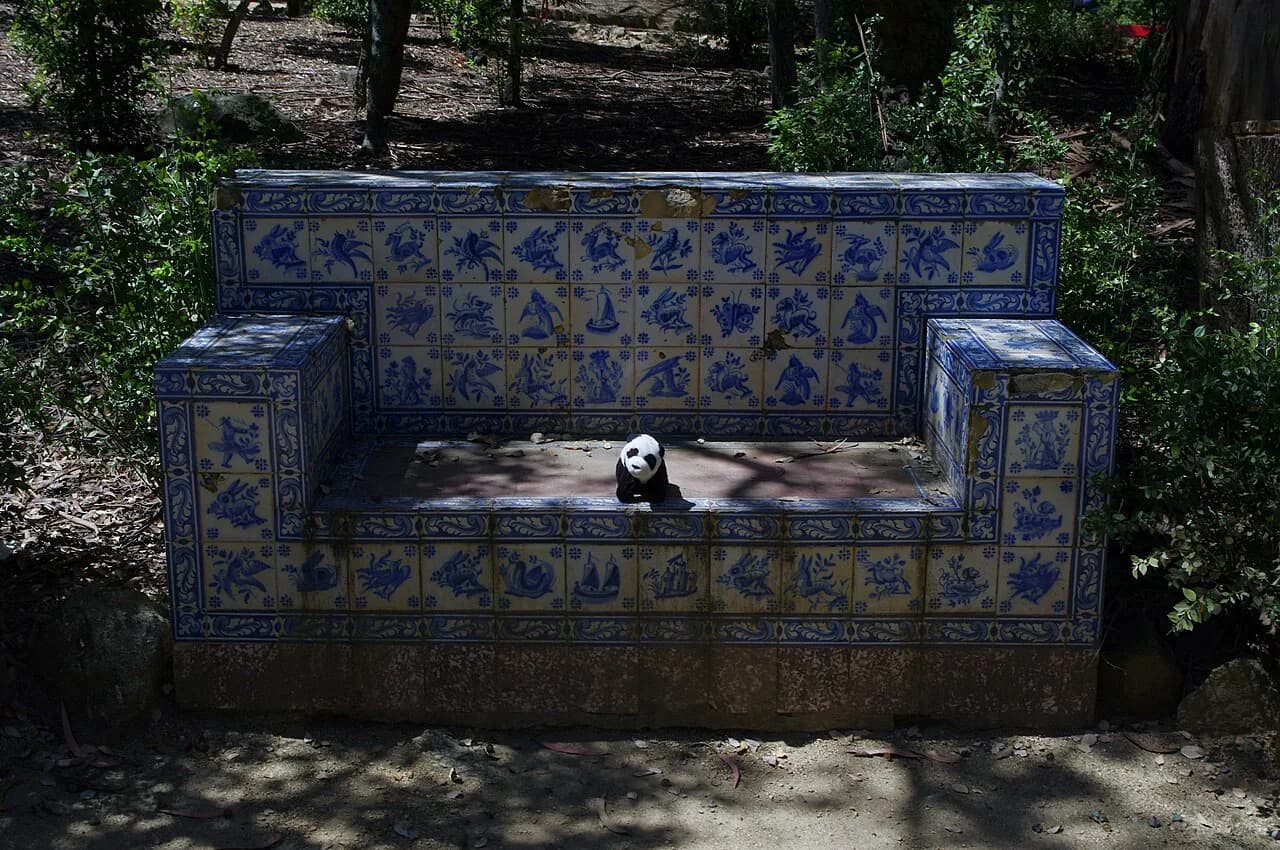
From the square, Rua 5 de Outubro runs uphill towards the cathedral and carries most of the souvenir shops and the densest foot traffic in the centre. Treat it as a corridor rather than a destination: walk it once for the shopfronts and the tiled facades, then use the parallel lanes for quieter wandering. If you want to look properly at Évora azulejos rather than buy fridge magnets, save your browsing for the churches and interiors.
The street delivers you to the cathedral precinct, where the Sé and the Roman Temple stand within sight of each other. This cluster is the densest concentration of monuments in the city, so budget your energy here rather than spreading it evenly. A guided Évora walking tour can shortcut the background if you would rather have the stories told than read them.
Évora Cathedral (Sé): the roof and the cloister
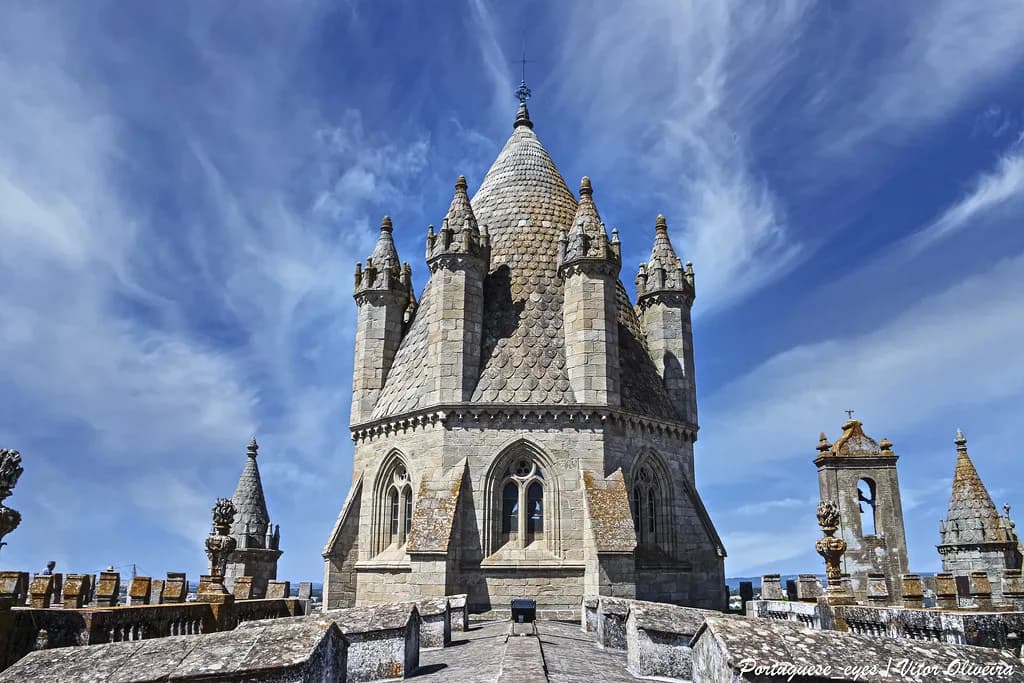
The cathedral is one of the city's defining landmarks, and its visit follows a set circuit: you climb to the roof for a panorama of white houses and the tower, then descend through the Gothic cloister with its orange trees, and finish in the vast interior. Admission costs 4 euros, or 5 euros including the treasury. The roof is the reason to come, but the cloister is the quieter pleasure.
Weigh the trade-off before you start: the roof climb gives you the best single view in the centre, while the cloister rewards anyone who would rather sit with orange trees than queue on stairs. If your knees are doubtful or the day is hot, pay for the cathedral entry and linger below instead. Opening days vary around religious use, so check the times posted at the ticket desk before you build your morning around it.
The Roman Temple and Jardim Diana
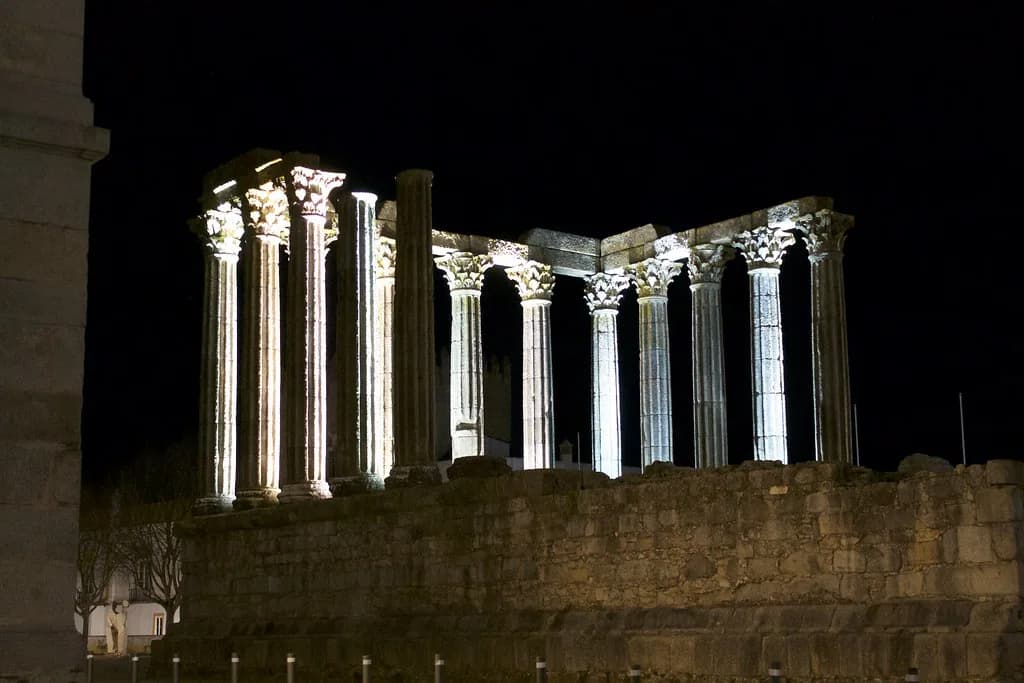
The Roman Temple of Évora dates to the 1st century AD and has stood for roughly two thousand years, its columns still intact beside the Jardim Diana. There is no museum or interpretive display on site, so a simple walk around the temple is all it takes to see it, and the adjoining garden is the place to sit. A small kiosk serves drinks, making this a natural pause between the cathedral and the rest of the walk.
Because there is no signage to explain what you are looking at, read up before you arrive or join a guide who can put the temple in context. The reward is one of the most photographed corners of the city, especially at sunset when the columns frame the sky. It also costs nothing, which makes it a sensible anchor for a day of free things to do.
Largo da Porta de Moura and the quiet north
Largo da Porta de Moura is a small but significant square in the centre of Évora, and it marks the point where the busy lanes give way to calmer streets. Head north from here and the mood changes: around the aqueduct the crowds thin and you get the old town at a residential pace. This is the stretch to walk slowly, not to tick off.
The aqueduct itself is a good landmark for the northern edge of the centre, and the lanes beneath it are among the most peaceful in the city. If you have a second day, this is where to come back with a book rather than an itinerary. For a change of register indoors, the city's museums and the Museu Nacional Frei Manuel do Cenáculo fill a wet or very hot afternoon.
Igreja de São Francisco and the Capela dos Ossos
The Capela dos Ossos, the chapel of bones, sits beside the Igreja de São Francisco and is lined floor to ceiling with human skulls and bones. In the late 16th century monks moved the bones of some 5,000 people into the purpose-built chapel, and the message over the door reads that the bones here wait for yours. It is short, sobering and unlike anything else on the route.
Slot the chapel into the walk after the cathedral rather than before, because it shifts the mood and works better as a closing note. The site is one of the stops on a guided Évora day trip that also takes in the Roman Temple, Praça do Giraldo and the cathedral, which tells you it belongs in the core rather than the margins. Give it twenty minutes and leave time to sit in the church afterwards.
Igreja dos Lóios and the churches you pass
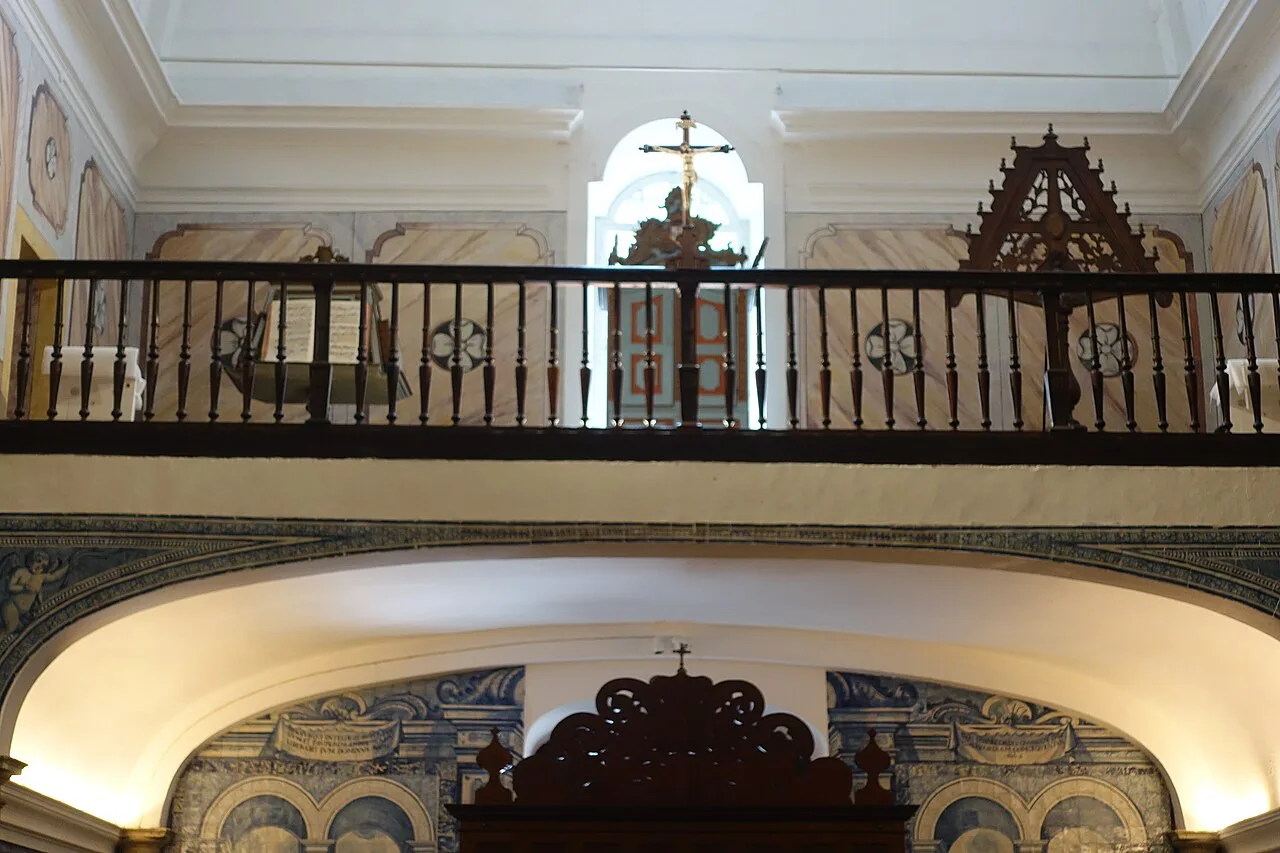
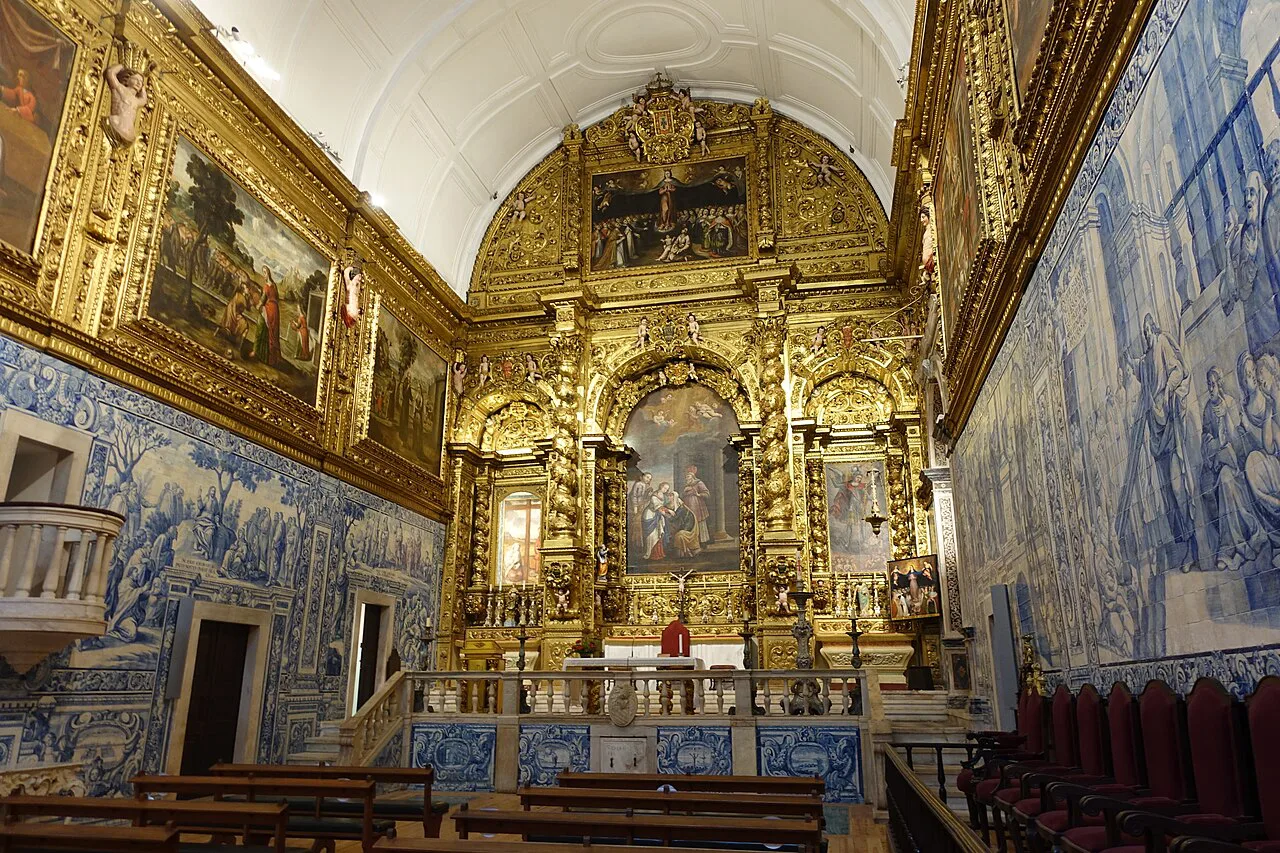
The Igreja dos Lóios is one of the churches you pass between the main sights, along with the Misericórdia Church, and both appear on guided itineraries of the centre. Step into the ones that are open as you pass rather than planning a church crawl; the pleasure here is stumbling on a tiled interior between two squares. Between them they break up the walk nicely on the way back towards the main square.
The university's tiled rooms are another interior worth knowing about, and they sit within the same walkable circuit. For a dedicated look at the city's churches, including the Sé, plan a separate morning rather than cramming everything into one loop. That is the honest trade-off: one route for orientation, a second for depth.
Viewpoints and late-afternoon pauses
For a city panorama, walk out to the Alto de São Bento viewpoint, which looks back over the rooftops from outside the immediate centre. It is the natural end to a walking day if you still have legs left after the cathedral roof. Treat it as a rough half-hour addition on foot rather than a fixed schedule.
For refreshment, Pastelaria Conventual Pão de Rala is the place to try Évora's convent sweets, including queijadas de Évora, pão de rala and sericaia, under hand-painted blue-and-white tiles. Stop there mid-morning rather than at the end, when the sugar will sit badly after a big lunch. Then return to Praça do Giraldo for a sunset drink with the fountain in view.
A half-day route on foot
Start at Praça do Giraldo, walk up Rua 5 de Outubro to the cathedral, climb the roof and cloister, then cross to the Roman Temple and Jardim Diana for a pause. Head north via Largo da Porta de Moura into the quiet lanes by the aqueduct, then work back south to the Igreja de São Francisco and the Capela dos Ossos. Finish with a drink on the square or the walk out to the Alto de São Bento.
These are rough editorial estimates rather than measured distances: the core route fits comfortably into a morning and early afternoon, while adding the chapel, a long lunch and a viewpoint stretches it to a full day. Build in slack for the cathedral queue in summer. If you have a second night, spend it on the evening square and a trip out rather than a second pass through the same sights.
Where to eat in and around the old town
Origens is the old town's notable small dining room: it seats 24 guests at a time, so reserving ahead is the sensible move rather than turning up and hoping. It serves regional products and Alentejo wines, and two adults are advised to share two starters and a main. In 2017 it was recommended in the Michelin guide, and it changed its menu repeatedly in its early years; ask on the night what is currently on rather than relying on older reviews.
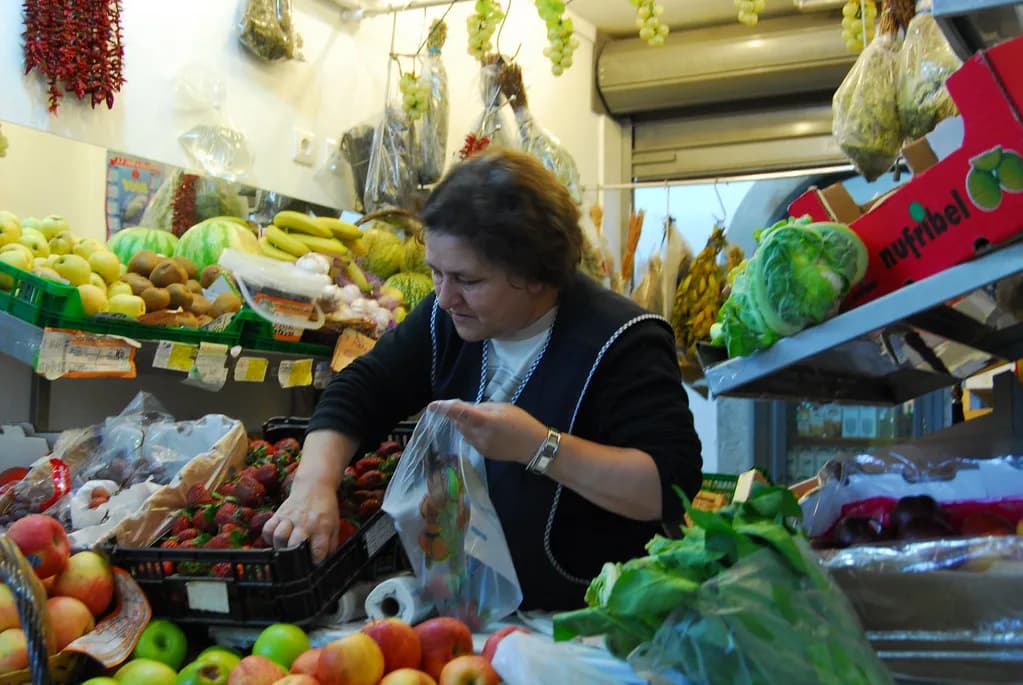
Note that the kitchen needs advance warning for vegan and vegetarian meals, so say so when you book. With only 24 covers, a table here shapes your evening: book before you finalise the day's route, or plan to eat earlier elsewhere in the centre. For supplies and a look at local produce, the Mercado Municipal de Évora is the natural stop.
How many days the old town needs
One full day covers the old town properly: the cathedral circuit, the Roman Temple, the chapel of bones and a real lunch. If you can, stay two nights and give yourself a leisurely day for the main sights plus time for the evening square and one excursion beyond the walls. A single night works only if you accept a rushed afternoon and morning.
Beyond the centre, the landscape offers cork farms and the Cromlech of the Almendres, which justifies a second day if you have one. Otherwise, keep the old town as the whole point of the trip. For anything that requires a ticket, confirm the day's opening times at the door before you set out.
One day in the old town, or two?
Give Évora's old town one full day and you will see it properly; add a second night only if you want the evening square, a slower lunch and a trip out to the cromlech or the cork country. The route above is deliberate: busiest streets first, the quiet aqueduct lanes in the middle, and the chapel of bones as the closing note. Book any small dining room before you go, since 24 seats go quickly. Note that the city's core sights are close enough to revisit, so treat the walking plan as a shape rather than a timetable.
Explore more Évora guides
Frequently Asked Questions
Can you walk Évora old town in a day?
Yes. The centre is compact and every sight in this route sits within walking distance of the next, so a full day on foot is enough for the cathedral, Roman Temple, Praça do Giraldo and the Capela dos Ossos with a lunch in between. Add a second night only if you want the evening square and a trip beyond the walls.
How much does it cost to go up Évora Cathedral?
There is a modest admission charge covering the roof climb and the Gothic cloister, with the treasury as an optional extra. Prices and what the circuit includes are posted at the ticket desk, so confirm the current figures and opening times there on the day, as access can vary around religious use.
Is the Chapel of Bones in Évora's old town?
Yes. The Capela dos Ossos sits beside the Igreja de São Francisco, within the walkable centre and a short detour from the cathedral end of the route. It is lined with the bones of some 5,000 people moved there in the late 16th century.
Where should you start a walk through Évora old town?
Start at Praça do Giraldo, the arcaded main square with its marble fountain and cafés. From there, Rua 5 de Outubro climbs towards the cathedral and the Roman Temple, and you can loop north to the quieter lanes by the aqueduct before finishing at the chapel of bones.
Sources
Notes for your next Portuguese break
Optional updates to our town guides.
You might also like
Continue reading
More guides you'll find useful