Lisbon to Évora: Train, Bus or Car for a Short Break
Compare the train, coach and car from Lisbon to Évora, with journey times, fares in euros and where each one drops you in the walled city for a short break.
On this page
For a one- to four-day Évora break, the train or the express bus beats driving: both take just over 90 minutes from Lisbon and finish at stations within a few minutes' walk of the medieval walls. The choice comes down to departures, legroom and a small fare difference. This guide compares the CP train, the Rede Expressos bus and other coaches, plus the driving route, and tells you where each one leaves you in relation to the old town.
Évora is a walled Alentejo city of Roman remains, a cathedral and bone-lined chapels, and it rewards an unhurried stay rather than a rushed dash. How you arrive shapes how much of that you see, so the arrival point matters as much as the journey.
Which option is best for a one- to four-day Évora break
Take the train if you value legroom and a scenic run; take the bus if you want more departures through the day and a slightly cheaper ticket. Both public transport options terminate in central Évora, at stations within walking distance of the main sights, most of which sit inside the wall. A car only pays off if you want to stop at prehistoric sites outside the city.
For a short break, an early departure buys you an afternoon inside the walls on day one and a full day after. Because the return trains and buses are limited in number, plan the last leg of your trip around a fixed departure rather than a loose intention to leave when you feel like it.
Train from Lisbon to Évora: stations and journey time
Trains run by CP, the national operator, leave Lisbon from Oriente station, reached on the metro's red line, and also call at Entrecampos and Sete Rios before heading south. The journey takes just over 90 minutes, arriving at Évora as the final stop after a handful of Alentejo calls. Buy tickets at the station or through the CP website, and the trip is direct rather than requiring a change.
Services are not frequent, so the train suits travellers who can commit to a specific departure rather than those who want to drift out of Lisbon at will. Check the CP timetable before fixing your plans, since departure times shift between weekdays and weekends and are worth confirming close to your travel date.
Train fares in euros and the Évora station
A second-class ticket costs €12.50 and first class €16.65, according to the transport guide; the difference is mainly more spacious seating and power outlets rather than a faster trip. Each passenger gets an assigned seat and carriage number shown on the ticket, so there is no scramble for space at boarding.
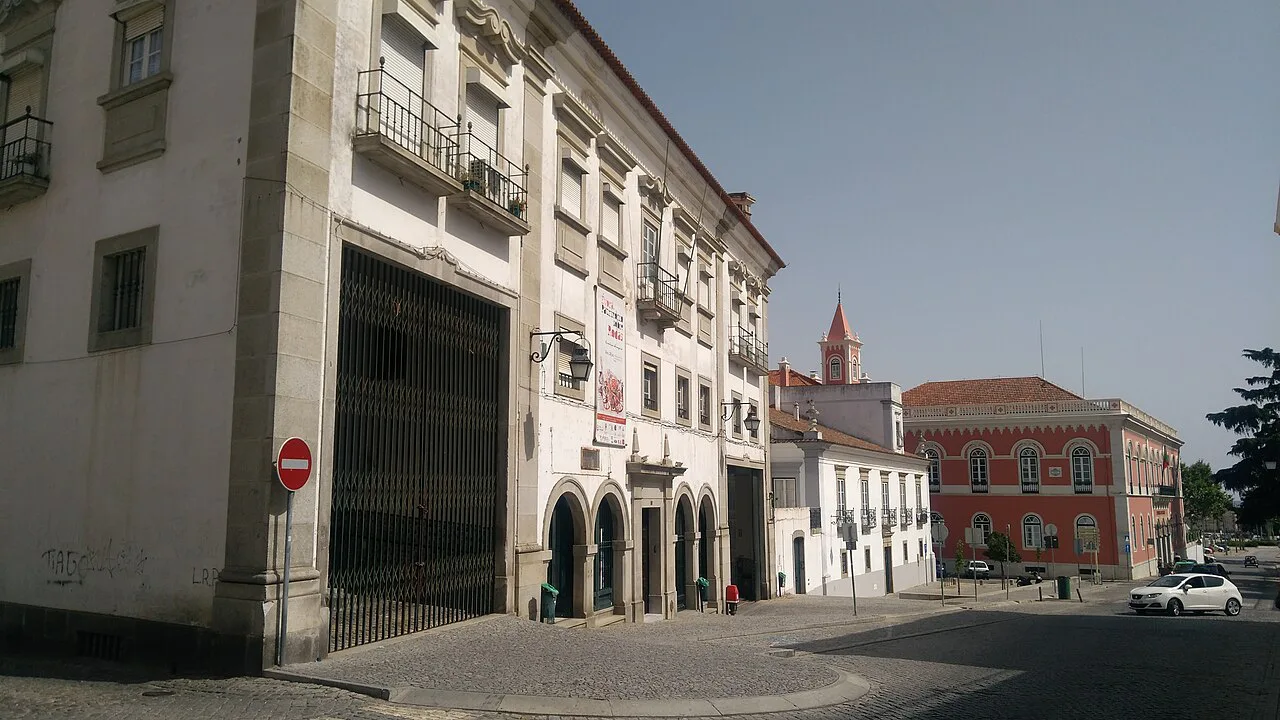
Évora's station sits south of the city, outside the walls. From the station, cross the road and walk down Avenida Dr. Francisco Barahona for around ten minutes to reach the walled city, then continue up Rua da República to arrive at Praça do Giraldo, the main square and home to the tourist office. It is a flat, straightforward walk rather than a trek.
Express bus from Lisbon to Évora
The Rede Expressos bus departs from Sete Rios station in Lisbon, just outside the Jardim Zoológico metro stop on the blue line. Buses run roughly one or two an hour through the day, take just over 90 minutes, and cost €12.50, bought at the station counter rather than from the driver. Buy online if you can, but the operator's site is not always reliable, so arriving early to buy at the counter is the safer plan.
Check the seat number marked Lugar on your ticket and watch the station screens for the departure bay, since delays do happen. On arrival in Évora, turn right out of the bus station and walk down Avenida de São Sebastião; you reach the medieval wall and its gateway in under five minutes. Pass between the two crenellated towers and follow Rua de Serpa Pinto straight to Praça do Giraldo.
FlixBus and other coach options
FlixBus lists a Lisbon to Évora coach taking a minimum of 1 hour 20 minutes, with three pick-up points in Lisbon: Oriente, the Sete Rios terminal and a stop in front of the zoo at Jardim Zoológico. Évora's stop is on Avenida de São Sebastião, alongside the central bus terminal, so you are already a few minutes from the old town gate. The company advertises a headline fare from £2.49 but charges by date and demand, so book for your own dates.
Walking from each Évora arrival point into the old town
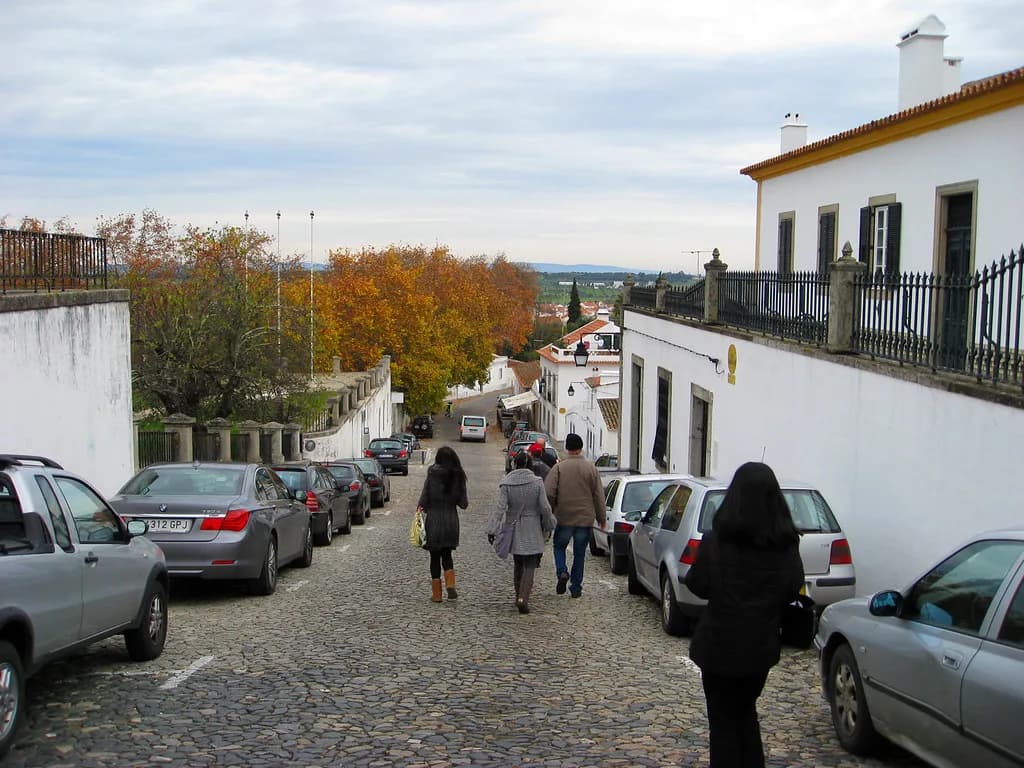
From the bus terminal and the FlixBus stop on Avenida de São Sebastião, the wall is under five minutes away, and the walk through the gateway plus Rua de Serpa Pinto brings you to Praça do Giraldo shortly after. From the train station, the equivalent walk to the same square takes about fifteen minutes in total. Both routes are on paved streets, so a wheeled case is manageable.
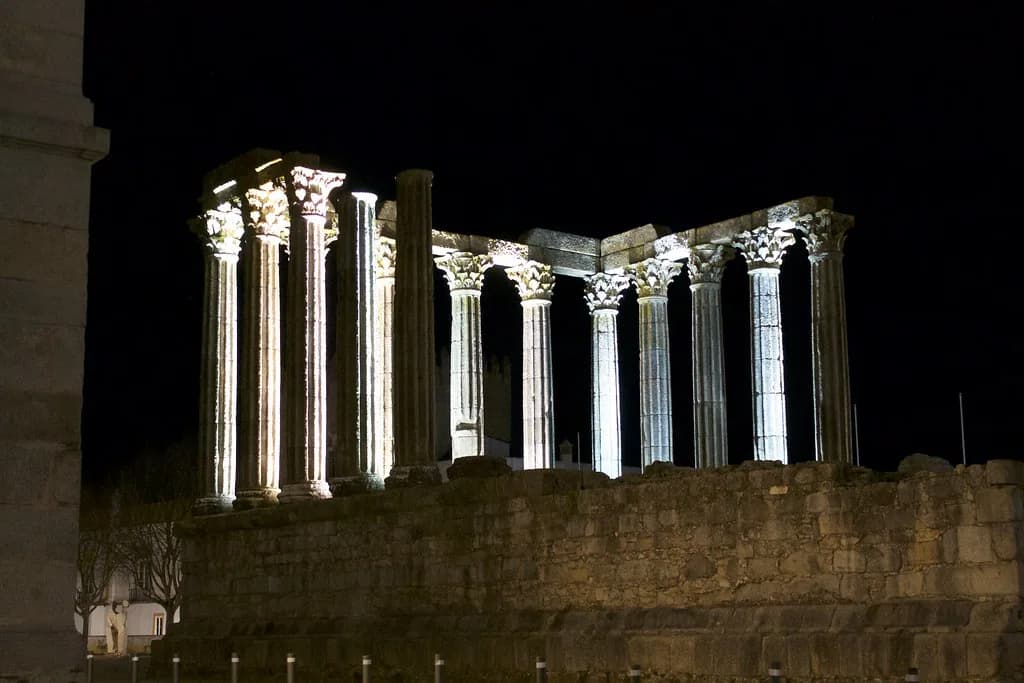
Praça do Giraldo is the natural first stop: the tourist office is there, and the Roman temple, cathedral and Chapel of Bones are all reachable on foot from the square. Use it to orient yourself before walking further into the old town.
Driving from Lisbon to Évora: route, distance and time
By car, cross the 25 de Abril bridge or, preferably, the Vasco da Gama bridge, which links to the A12 and then the A2 and A6 toward Évora. The whole run is under 140 kilometres and takes about 1 hour 30 minutes, with signs for Évora along the way. The 25 de Abril is closer to central Lisbon, but its traffic can be heavy, so the Vasco da Gama is the more relaxed choice.
A car is the only way to reach prehistoric sites around the city such as the Almendres Cromlech, which has no public transport and is otherwise seen only on a sightseeing tour. If the menhirs and dolmens are a priority for your short break, that alone justifies the drive. If they are not, the good bus and train links mean you do not really need a car.
Bus or train: the trade-off
At the same fare, the bus wins on frequency and the train wins on comfort and scenery. Legroom and power outlets make the train the pleasanter ride for taller travellers, while the bus's hourly-or-so rhythm gives you more flexibility if your Lisbon plans shift. Both finish within a short walk of the walls.
If you are weighing up whether the trip is worth it at all, the answer for most short-break travellers is yes: Évora packs a Roman temple, a Gothic cathedral and the Capela dos Ossos into a compact walled centre you can cover on foot. Budget for entry fees once you are there, and check our guide to what the city costs before you go.
What changes for a short stay
Arriving by public transport means you are on foot inside the walls, which is no hardship: the centre is compact and the main sights cluster within a short radius of Praça do Giraldo. Leave the case at your accommodation and start walking immediately rather than hailing a taxi for a five-minute hop. Arriving by car means parking outside the walls and joining the same on-foot logic.
Which transport should you book for Évora?
Book the train if comfort and a scenic run matter more than departure choice, and the express bus if you want more flexibility through the day at the same headline fare. Only hire a car if the Almendres Cromlech and other prehistoric sites are part of your plan. Whatever you choose, you will arrive within easy walking distance of the old town.
Explore more Évora guides
Frequently Asked Questions
Is there a direct train from Lisbon to Évora?
Yes. CP trains run from Lisbon's Oriente station, with calls at Entrecampos and Sete Rios, and continue to Évora as the final stop without a change. The trip takes just over 90 minutes. Services are not frequent, so check the CP timetable for your date before committing.
Is Évora a good day trip from Lisbon?
It can be, but the journey eats into the day: around 90 minutes each way by train or express bus, with limited return services. For a one- to four-day break, staying overnight gives you a far more relaxed look at the Roman temple, cathedral and Capela dos Ossos.
How many hours do you need in Évora?
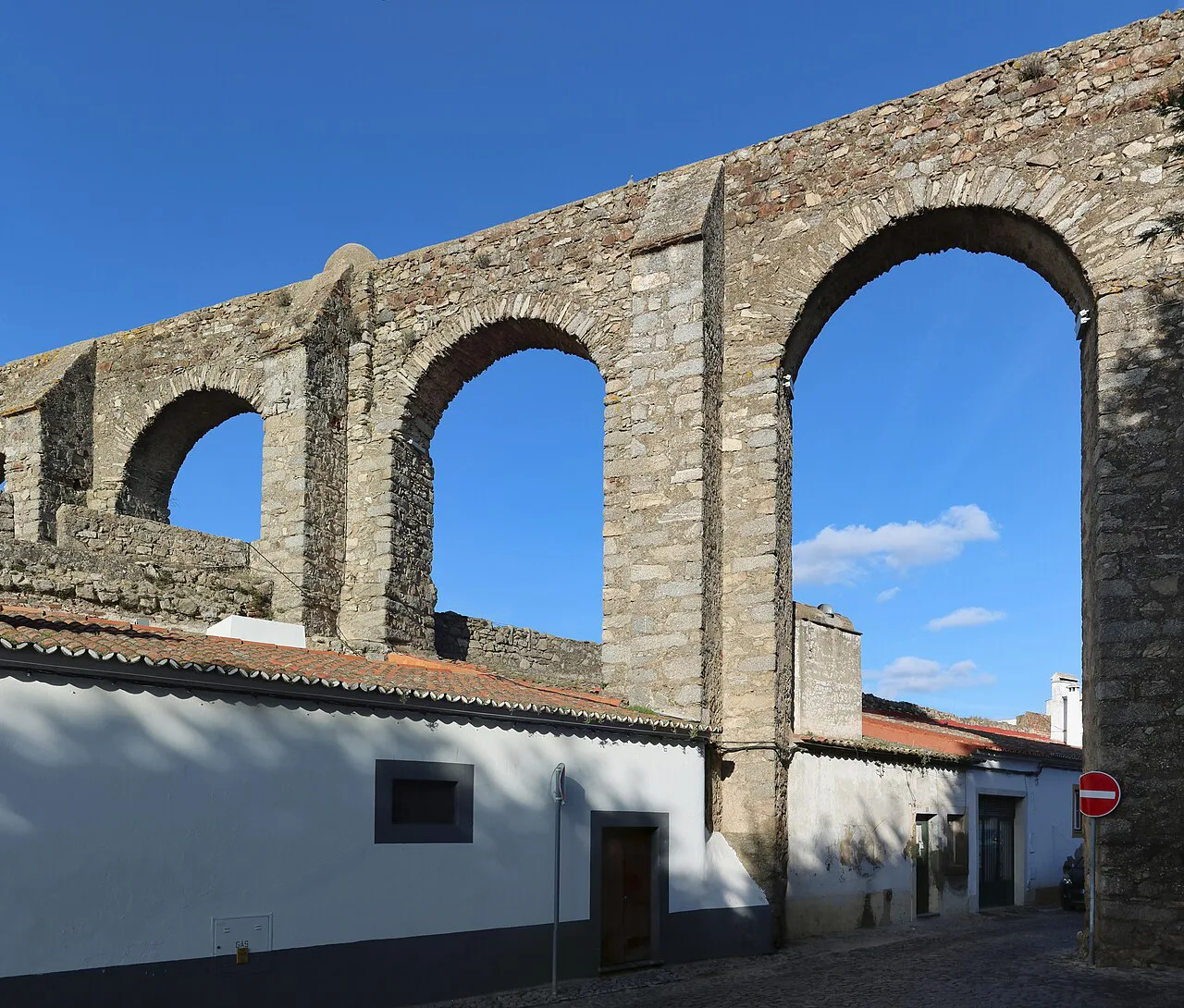
A full day covers the walled centre on foot, from Praça do Giraldo to the Roman temple, cathedral and Chapel of Bones. Two days lets you slow down and add a museum or the aqueduct without rushing back for a fixed departure.
Sources
Notes for your next Portuguese break
Optional updates to our town guides.
You might also like
Continue reading
More guides you'll find useful